
Allen's Hummingbird
Scientific name: Selasphorus sasin
Allen’s Hummingbird is a small, fiery hummingbird of the Pacific coast of North America, known for its brilliant rufous plumage and spectacular U‑shaped dive displays over coastal flowers. Males flash a glowing orange‑red gorget and rufous body, while females are greener and more subtly marked but equally assertive around prime feeding spots in canyons, chaparral, and coastal gardens.
At a Glance
Family: Trochilidae (hummingbirds)
Clade: Mellisugini – Bees
Genus group: Selasphorus — 9 species of mostly small, flame‑colored hummingbirds, with 9 recognized subspecies in total across the genus.
Subspecies: 2 recognized — S. s. sasin (migratory), S. s. sedentarius (largely resident).
Range: Breeds along the Pacific coast from southwestern Oregon through coastal California; winters mainly along the Pacific slope of Mexico, with resident birds on the Channel Islands and adjacent southern California coast.
Habitat: Coastal scrub, chaparral, mixed evergreen and riparian woodlands, forest edges, and urban and suburban gardens rich in flowering shrubs and trees.
Elevation: Mostly from sea level to around 600–1,000 m (2,000–3,300 ft).
Length: about 3–3.5 in (7.5–9 cm).
Weight: around 3 g on average, with a range of roughly 2–4 g (0.07–0.14 oz).
Number of mature individuals: about 1,500,000.
Population trend: Increasing.
Status: Least Concern (IUCN).
Name Origin
Allen’s Hummingbird is named for Charles Andrew Allen, an American collector active in California in the late 19th century, reflecting this species’ strong association with the Pacific coast. The genus name Selasphorus comes from the Greek selas (“light” or “flame”) and phoros (“bearing”), meaning “bearing light,” a reference to the male’s bright, flame‑colored plumage.
Subspecies and Distribution
Allen’s Hummingbird has two recognized subspecies.
Selasphorus sasin sasin
The nominate subspecies is migratory. It breeds from southwestern Oregon south along the California coast through about central California, using coastal scrub, chaparral, and riparian woodlands. In winter it migrates mainly to forest edges and scrub in western and southwestern Mexico, returning north each spring to breed.Selasphorus sasin sedentarius
This subspecies is largely resident and was originally endemic to the Channel Islands off southern California. It has expanded onto the mainland, now occurring year‑round in coastal urban and suburban habitats from the Palos Verdes Peninsula through much of coastal Los Angeles, Orange, and nearby counties, where it thrives in gardens, campuses, and parks with abundant flowering ornamentals.
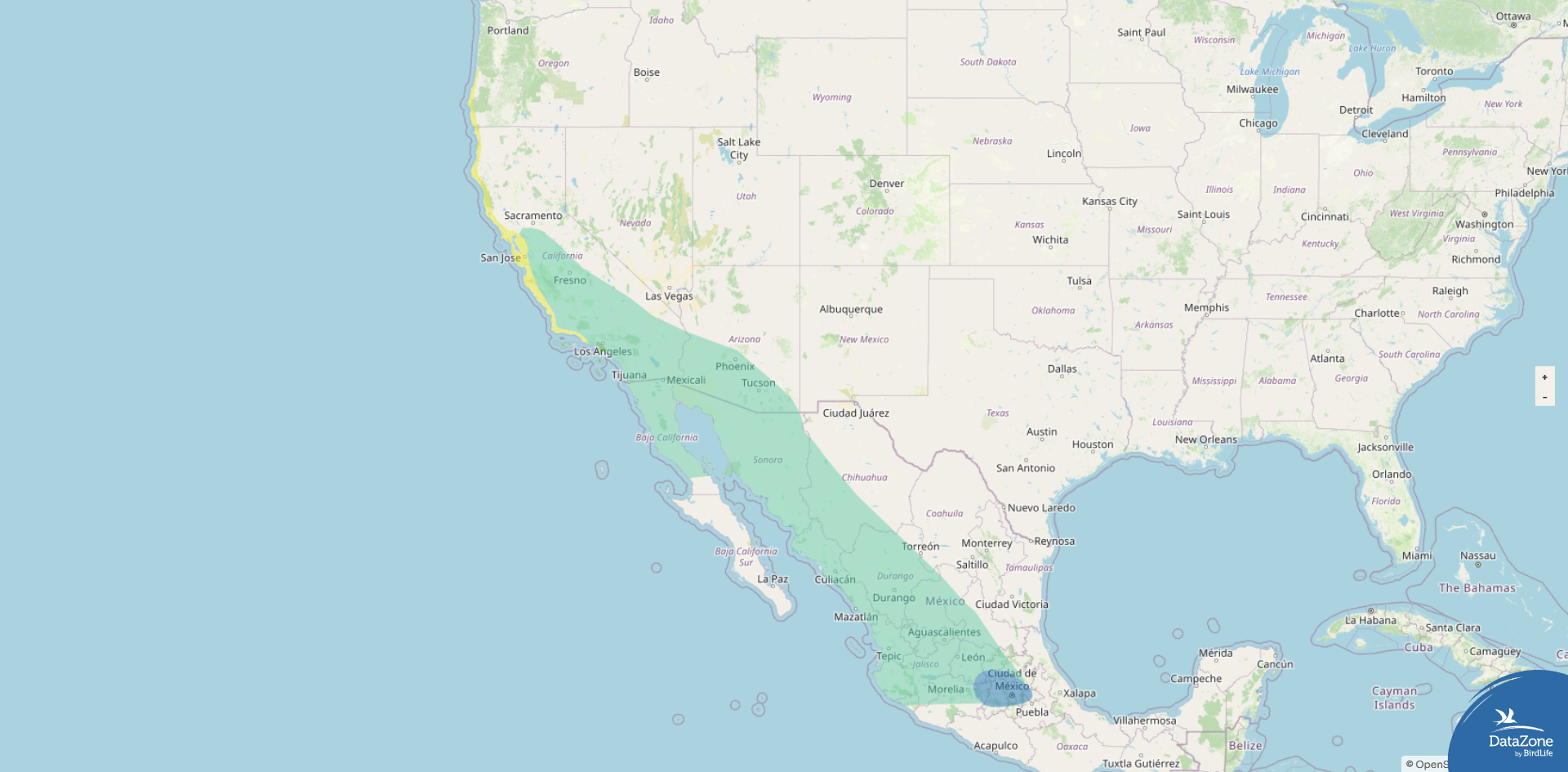
Legend
Green Resident
Yellow Breeding
Blue Non-breeding
Species Overview
Allen’s Hummingbird is often described as a “tiny flame” of the Pacific coast, combining intense rufous coloration with energetic, acrobatic flight. Males perform dramatic U‑shaped display dives, producing sharp calls and mechanical wing and tail sounds as they plunge past perched females or intruders over rich flower patches. Despite their small size, Allen’s Hummingbirds are strongly territorial, frequently chasing other hummingbirds away from coastal wildflowers, canyon streams, and suburban gardens.
Identification
Male
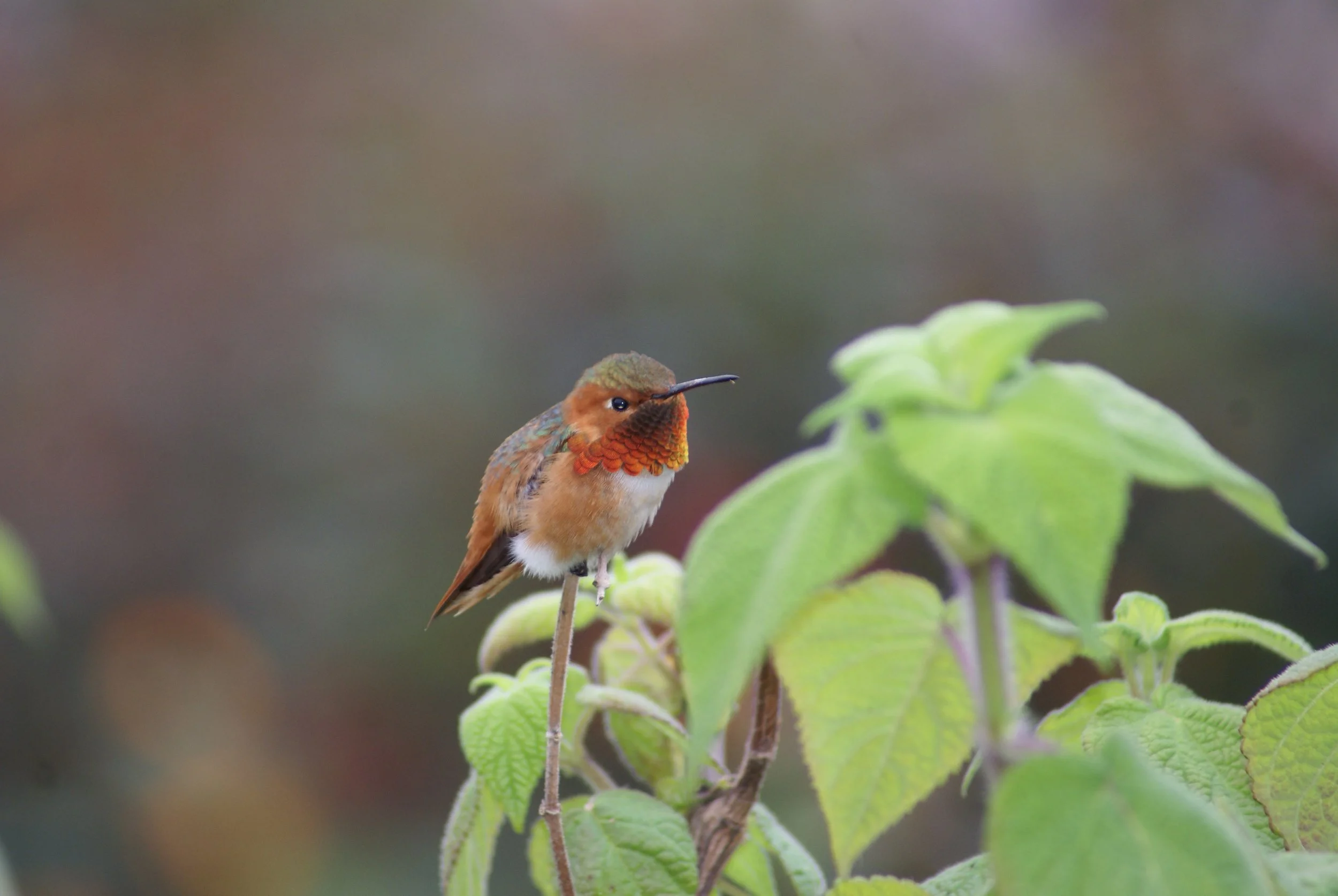
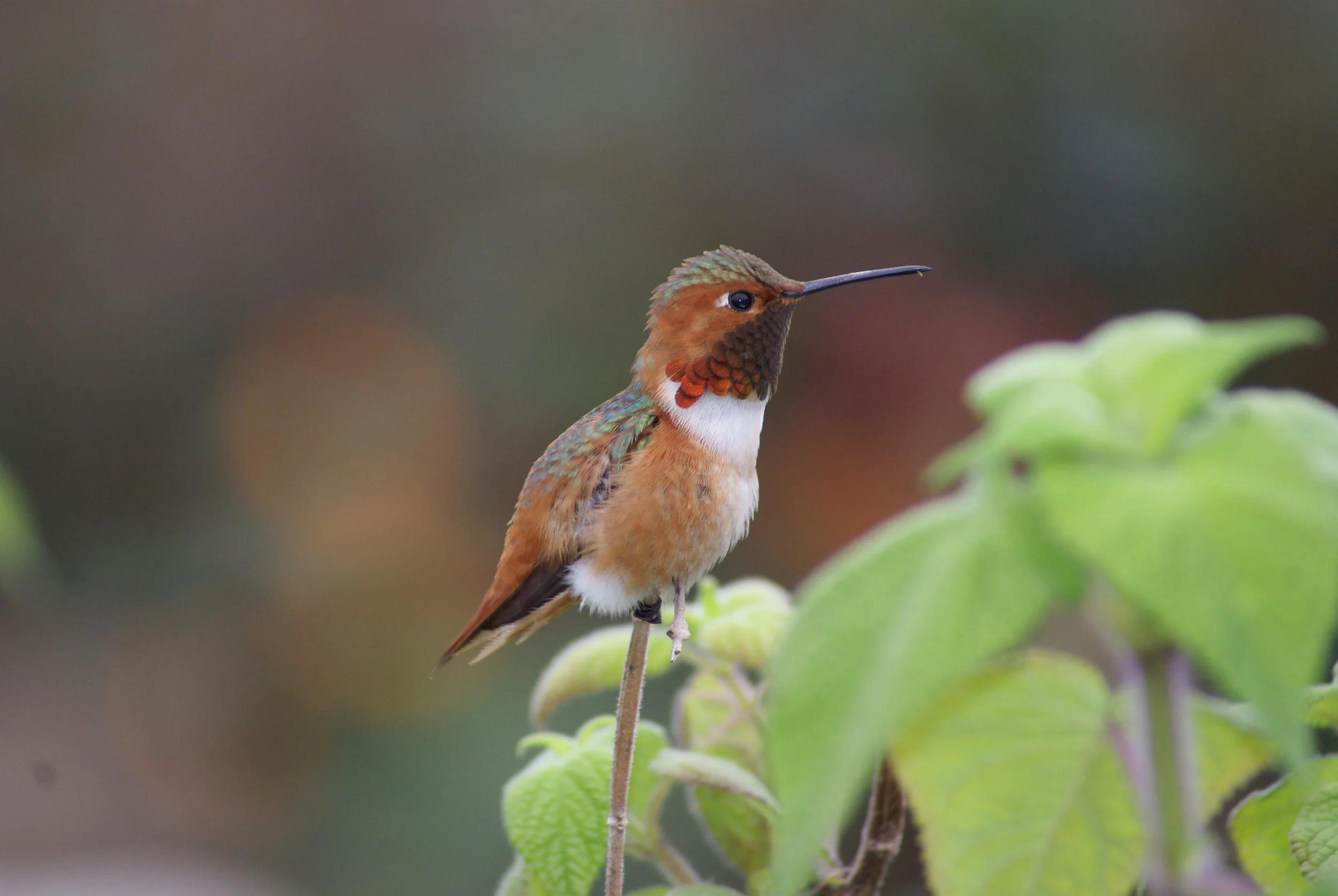
Adult males have rufous head and flanks, a variable green patch on the back, a brilliant orange‑red iridescent gorget, and mostly white underparts with strong cinnamon‑rufous sides. The tail is predominantly rufous with darker tips, and the straight black bill is adapted for precise nectar feeding at tubular flowers. His sharp “tik” calls and the rushing or buzzing noises produced by the wings and tail during display dives are characteristic in spring territories.
Female
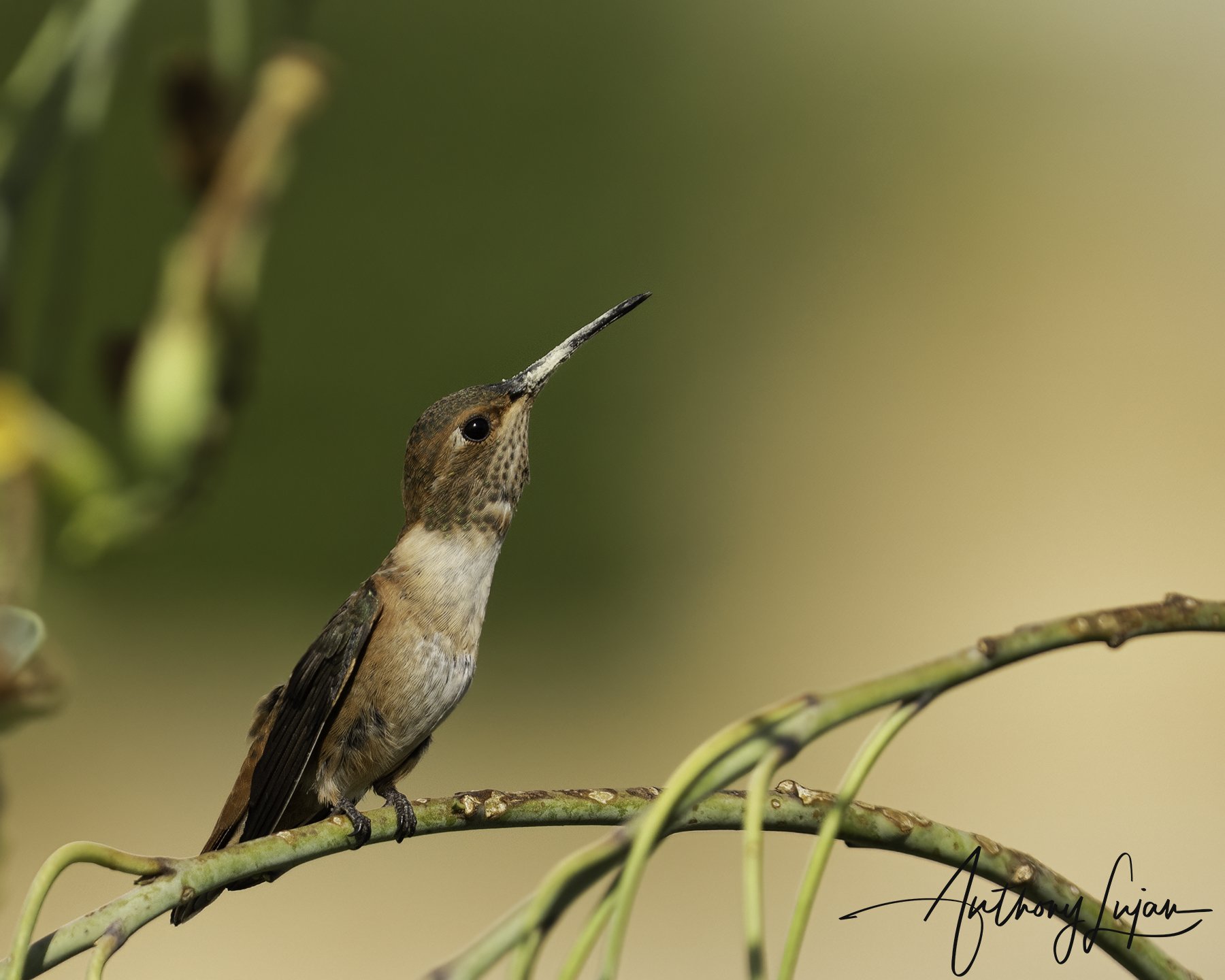
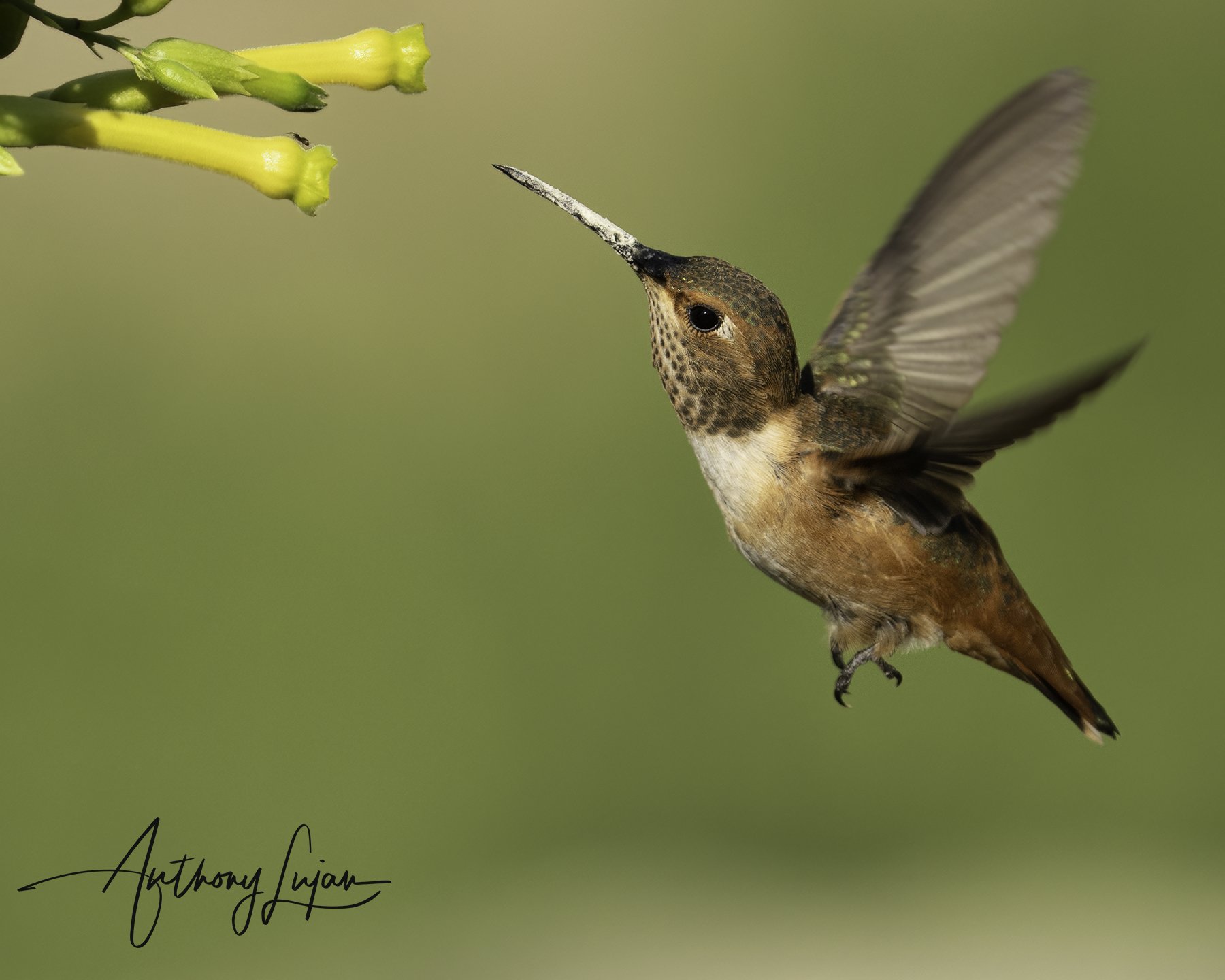
Females are mostly green above, with whitish underparts and warm rufous or cinnamon washes along the flanks and at the base of the tail. Their throats are pale with scattered orange or coppery spots instead of a solid gorget. The tail shows white‑tipped outer feathers with rufous at the base, and females can be equally assertive in defending productive flower patches and hummingbird feeders.
Habitat and Behavior
Allen’s Hummingbirds use coastal scrub, chaparral, open woodlands, riparian corridors, and a wide variety of gardens and landscaped areas, especially where native and ornamental flowering shrubs and trees are available. They feed primarily on nectar from a circuit of flowers, including both native plants and introduced ornamentals, and also take small insects and spiders for protein by hawking them in flight or gleaning them from foliage. Nests are typically placed in sheltered shrubs or small trees—such as willows, sycamores, conifers, and ornamental plantings—often near streams, canyons, or garden plantings in coastal areas. Migratory sasin populations move between breeding grounds along the Pacific coast and wintering areas in Mexico, while sedentarius birds remain year‑round in coastal southern California and the Channel Islands, increasingly using urban parks and gardens.
Population and Threats
Allen’s Hummingbird has an estimated 1,500,000 mature individuals globally, and current assessments describe the overall population trend as Increasing. The species has a relatively narrow breeding range along the Pacific coast, so local habitat changes and climate‑driven shifts in flowering can still have strong regional effects even as the global trend is positive. Important pressures include loss and fragmentation of coastal scrub, chaparral, and riparian habitats from urbanization and development, as well as changes in nectar availability linked to climate and land use on both breeding and wintering grounds.

Conservation
Allen’s Hummingbird is currently listed as Least Concern, with an increasing global population, but conservation partners still emphasize the importance of safeguarding its coastal habitats. Protecting native scrub and riparian vegetation, maintaining flowering trees and shrubs in urban landscapes, and conserving key wintering and stopover areas in western Mexico all help sustain this Pacific‑coast hummingbird across its annual cycle.
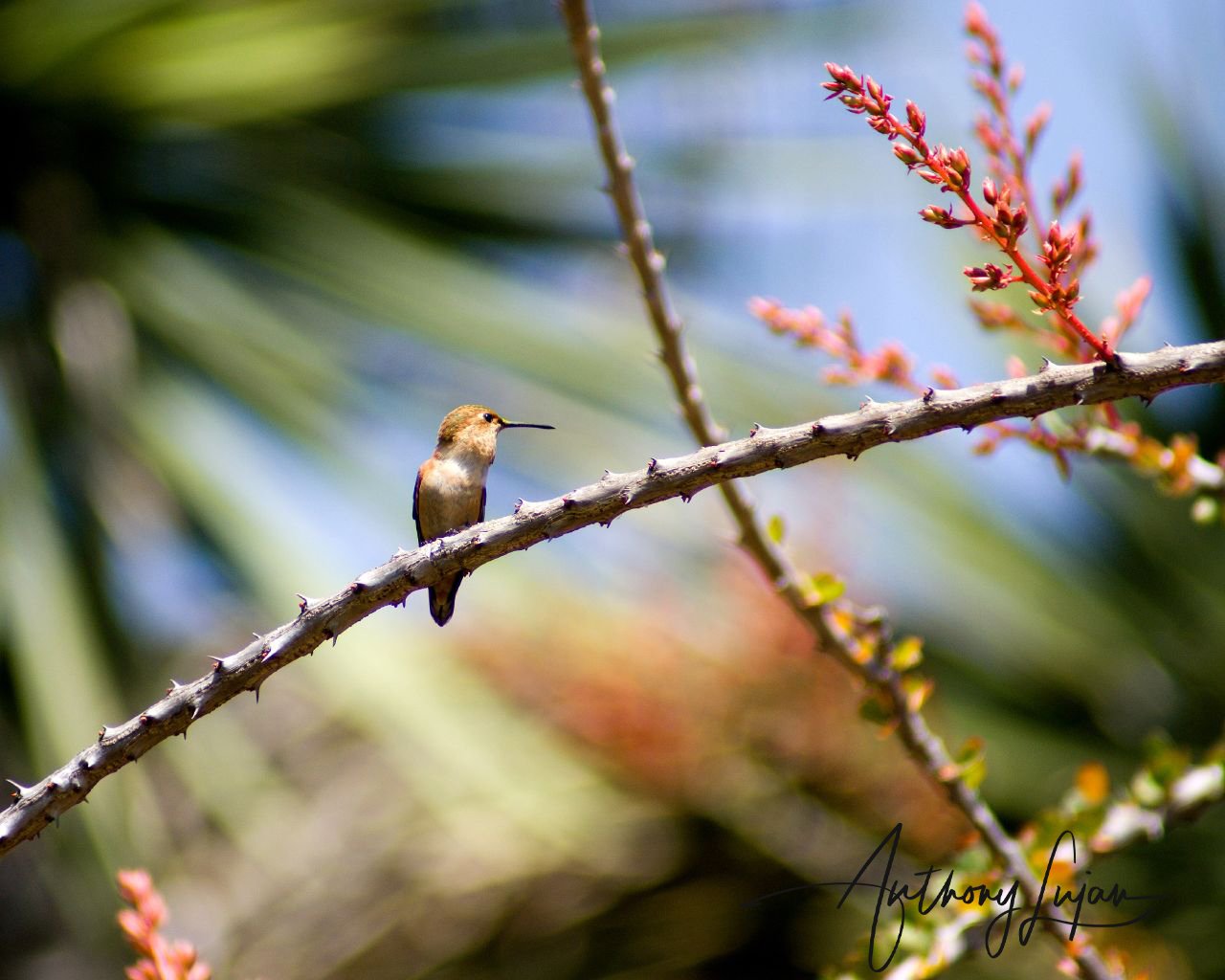
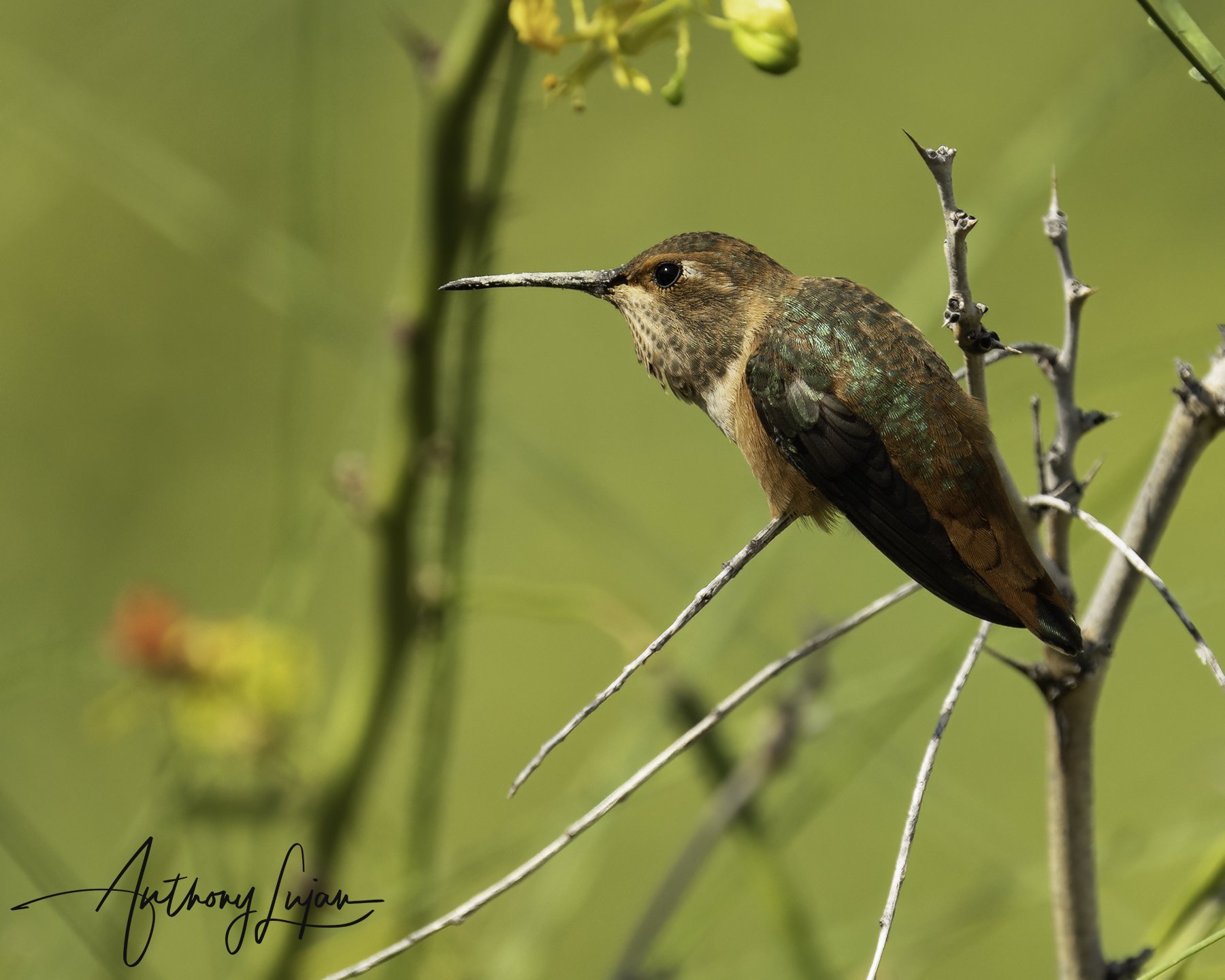
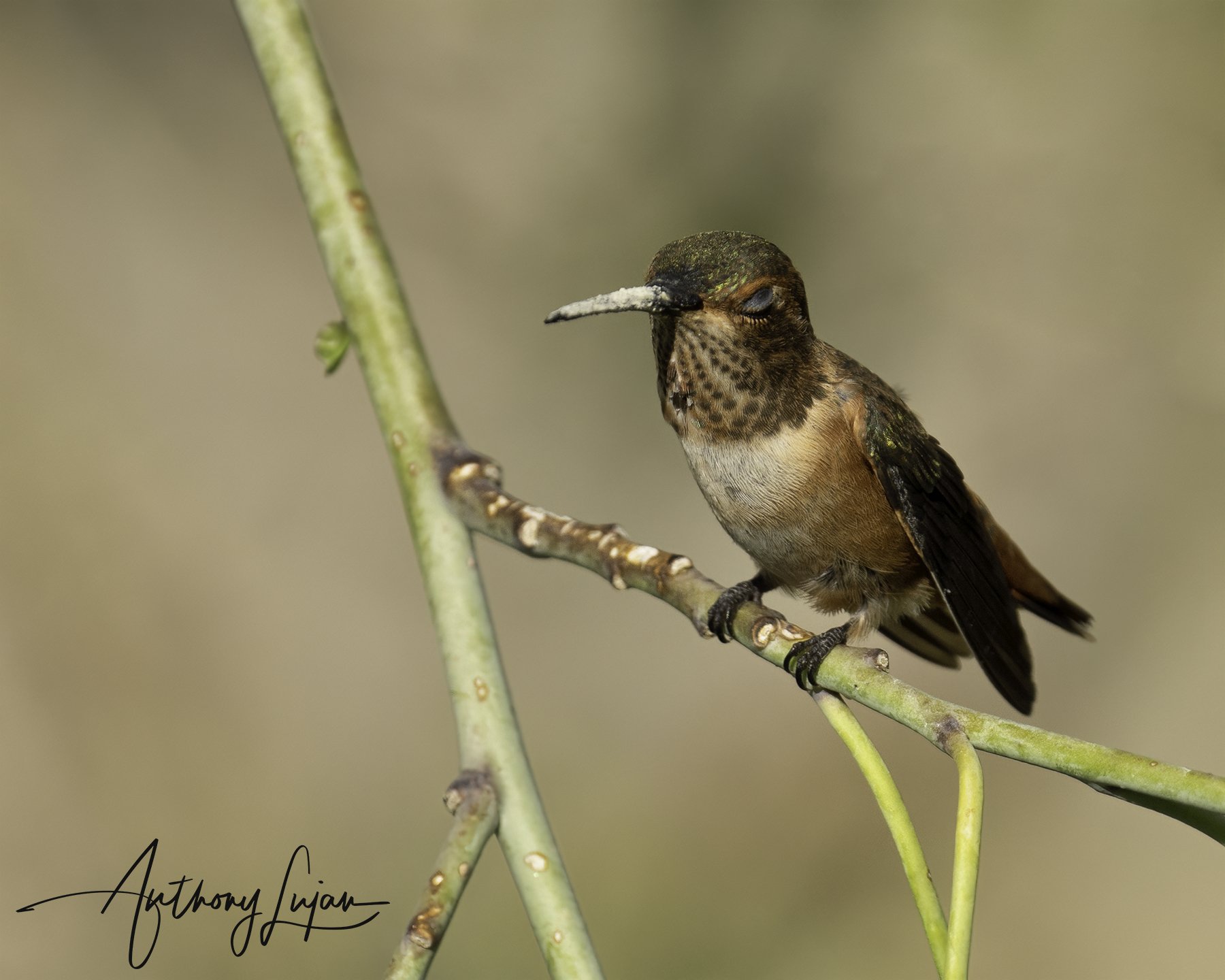
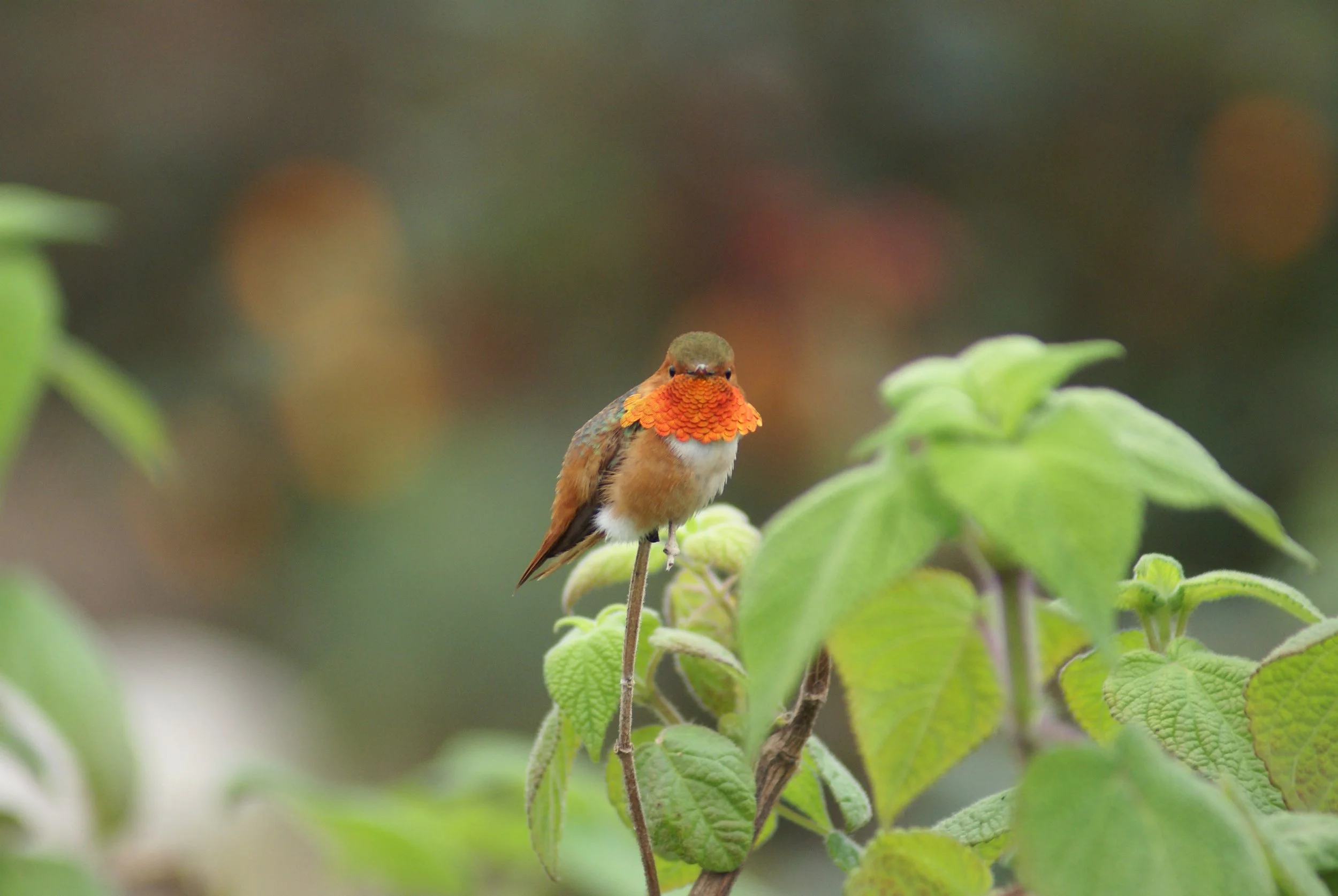
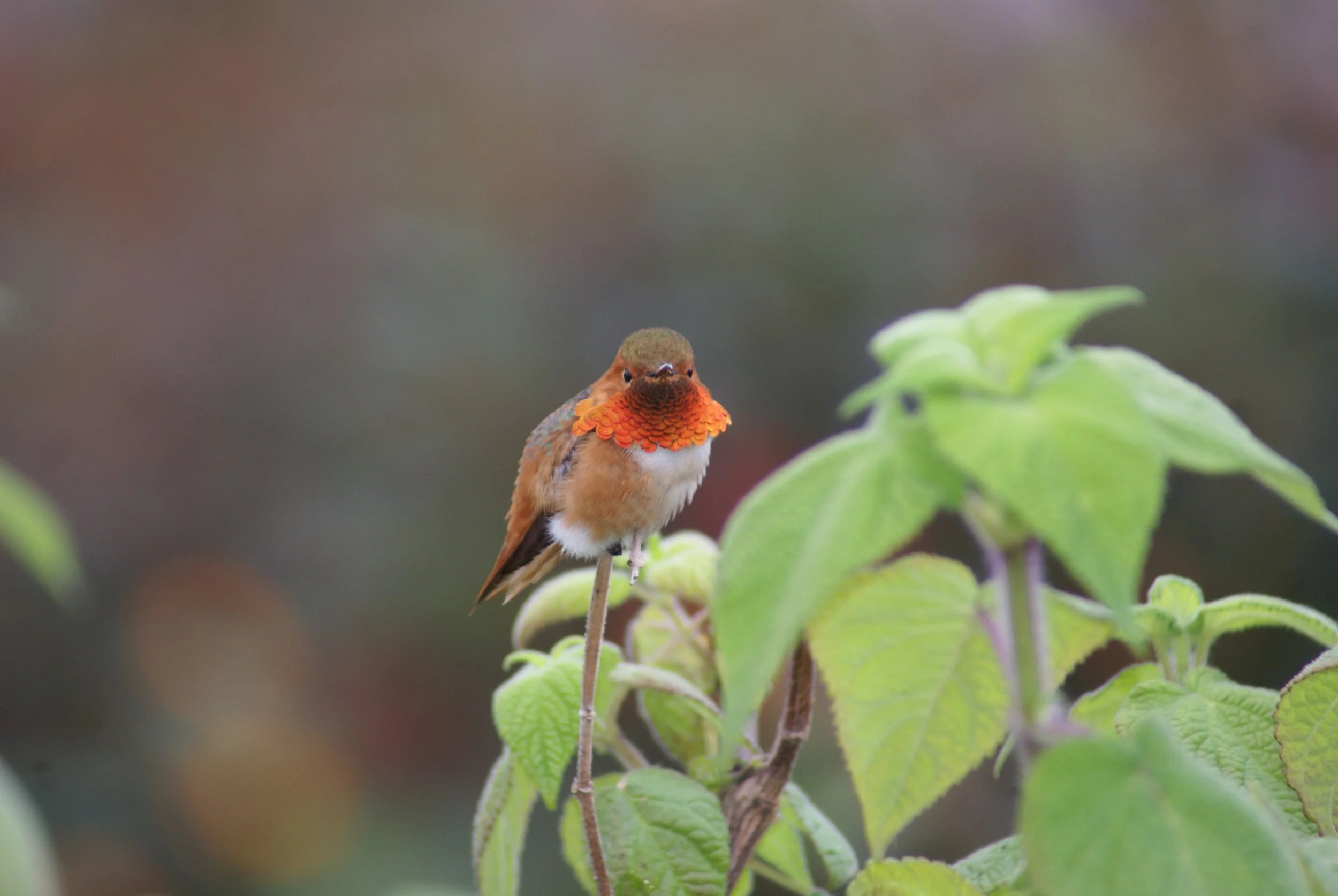
Below is the Allen’s Hummingbird (Selasphorus sasin sasin)
Photographed in Hemet and at the Huntington Library, California
These individuals belong to the migratory nominate subspecies sasin, which breeds from southwestern Oregon through coastal central California and winters in southwestern Mexico. During migration and winter, it occurs farther inland across southern California where it visits gardens and flowering trees before moving north to breed.
This subspecies is nearly identical in appearance to sedentarius but follows a strongly migratory pattern. Males display the same iridescent orange-red throat, rufous body, and green back. Females are lightly washed with rufous on the flanks and tail.








Checkout Anthony’s playlist of this species! Click the top right dropdown to see all the videos.
Below is the Allen’s Hummingbird (Selasphorus sasin sedentarius)
Photographed in San Juan Capistrano
These individuals belong to the subspecies sedentarius, the largely resident coastal form of Allen’s Hummingbird found from the Palos Verdes Peninsula south through Orange County and nearby coastal areas. This population breeds year-round and is common in coastal gardens, canyon edges, and native shrubland with abundant flowering plants.
Males show a bright copper-orange gorget, rufous flanks, and green upperparts, while females are greener overall with pale underparts and limited orange in the tail. This subspecies remains year-round in its coastal range, often defending territories around flowering hedges and feeders even outside the breeding season.
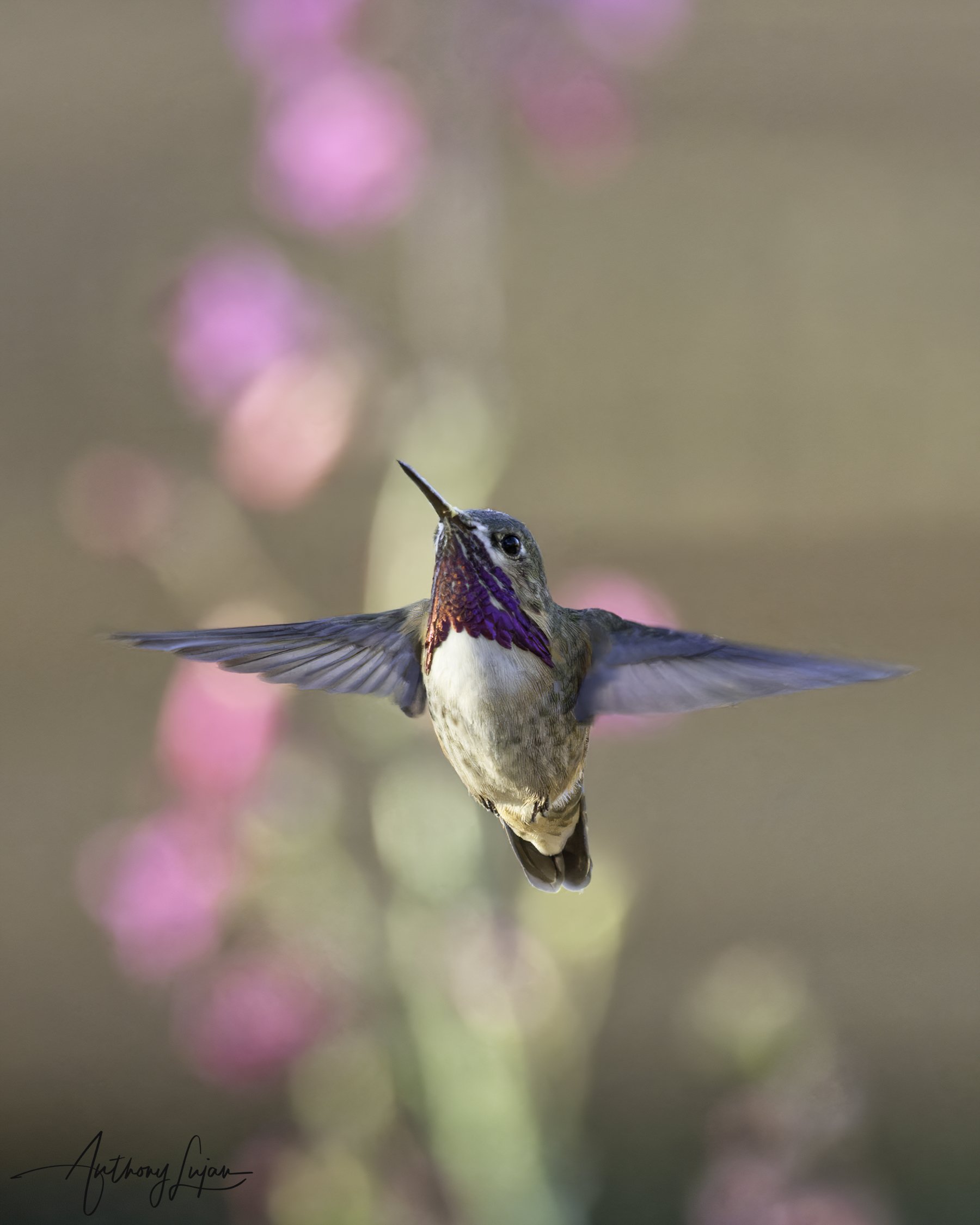
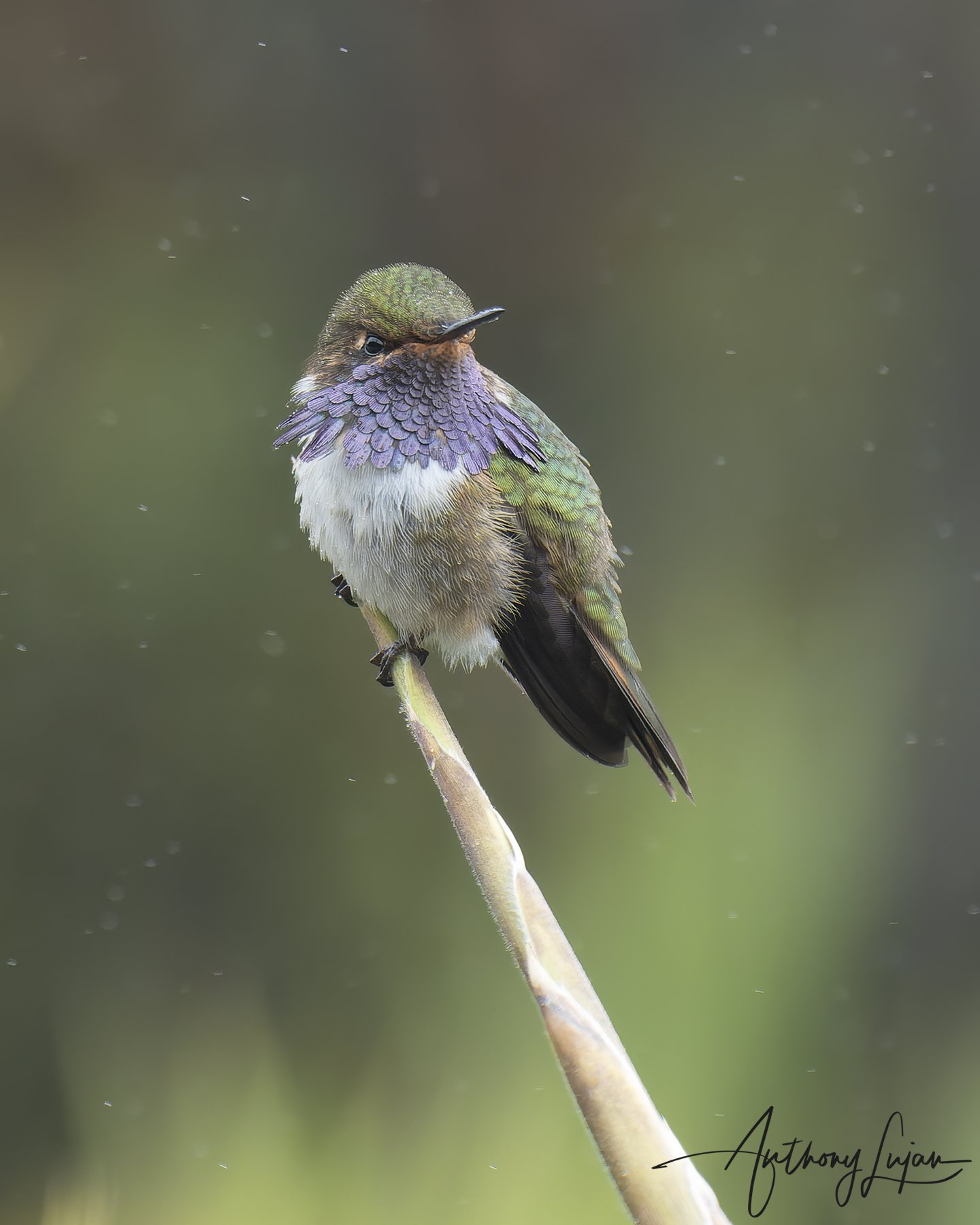
Related species in the Selasphorus genus (9 species total):





Please note: The content provided in this article reflects Anthony’s personal experience and photographic approach. Results can vary depending on light, weather, location, equipment, subject behavior, and field conditions.