Hummingbirds of Peru – Overview
Peru is one of South America’s most important hummingbird countries, with about 129 species recorded across Amazonian lowlands, Andean slopes, and high mountain valleys. From humid forests along the eastern Andean foothills to dry inter-Andean valleys and puna grasslands near treeline, a diverse hummingbird community has adapted to different climates, elevations, and flowering plants.
In Peru, hermits work in shaded forest understories, tiny woodstars and coquettes hover at forest edges and clearings, and larger brilliants, sunangels, and trainbearers use ravines, ridgelines, and flowering trees from the Amazonian foothills up into the high Andes.
Endemic hummingbirds of Peru
Peru is home to a distinctive group of hummingbirds that are found almost entirely within its borders. Koepcke’s Hermit (Phaethornis koepckeae) and Coppery Metaltail (Metallura theresiae) are closely tied to specific Andean slopes and forest types in northern and central Peru.
Threatened hummingbirds of Peru
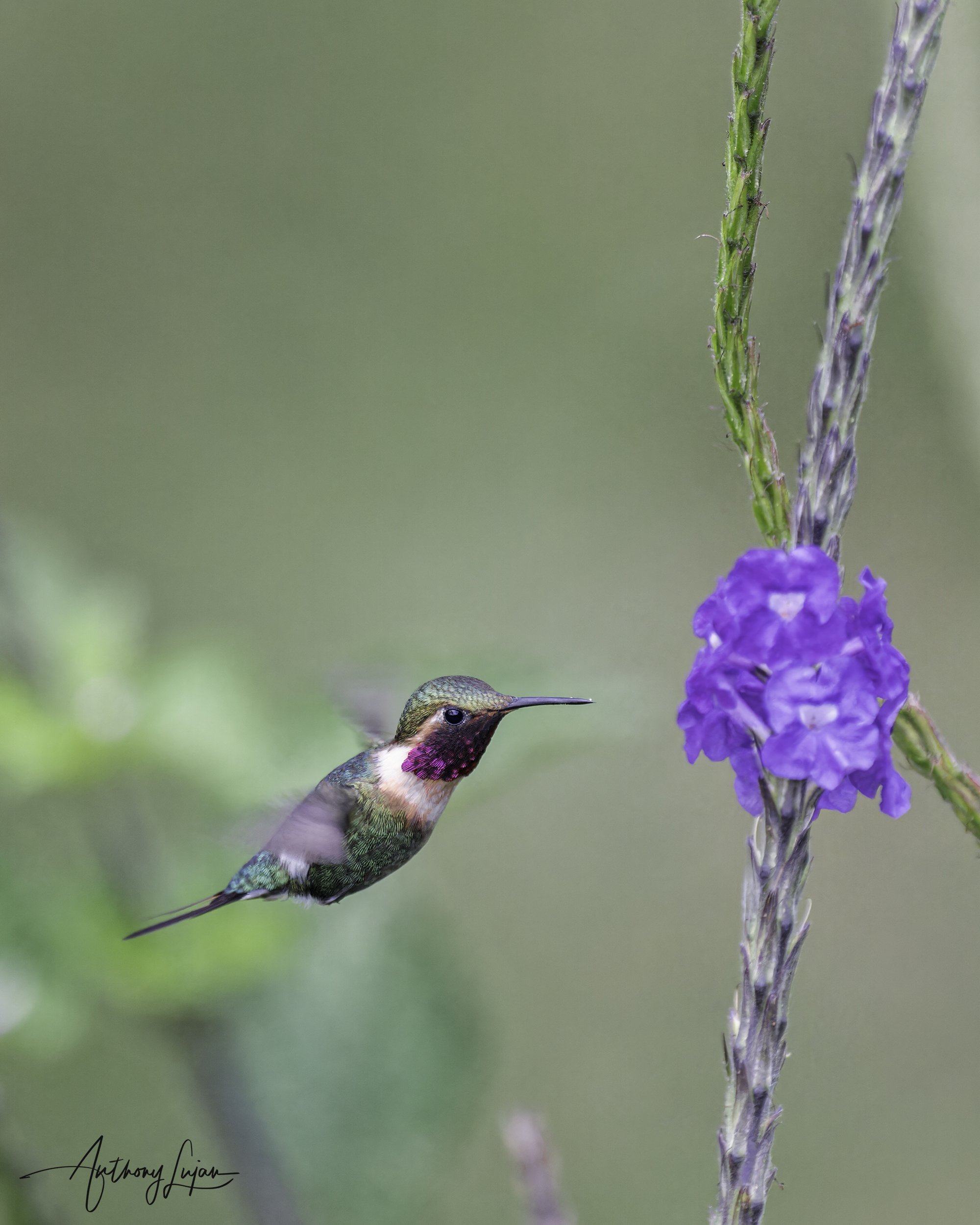
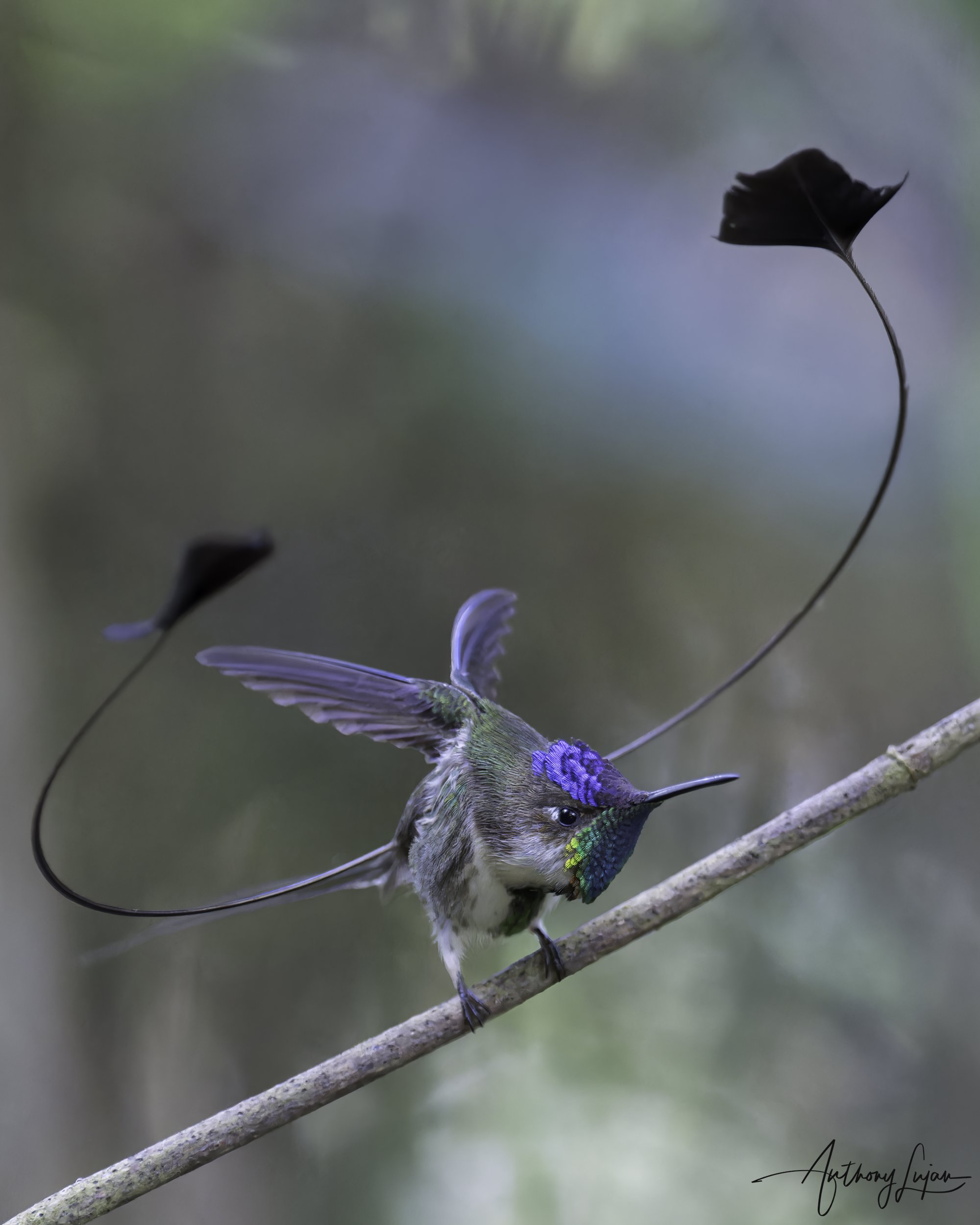
Several Peruvian hummingbirds are threatened as cloud forests, dry valleys, and other specialized habitats become fragmented or converted. Marvelous Spatuletail (Loddigesia mirabilis), Little Woodstar (Chaetocercus bombus), and Royal Sunangel (Heliangelus regalis) have small, localized populations that depend on intact forest and edge habitats on the Andean slopes. Seeing these species in the field offers a rare glimpse into fragile ecosystems whose future depends on continued protection, habitat restoration, and careful land-use planning in northern and central Peru.
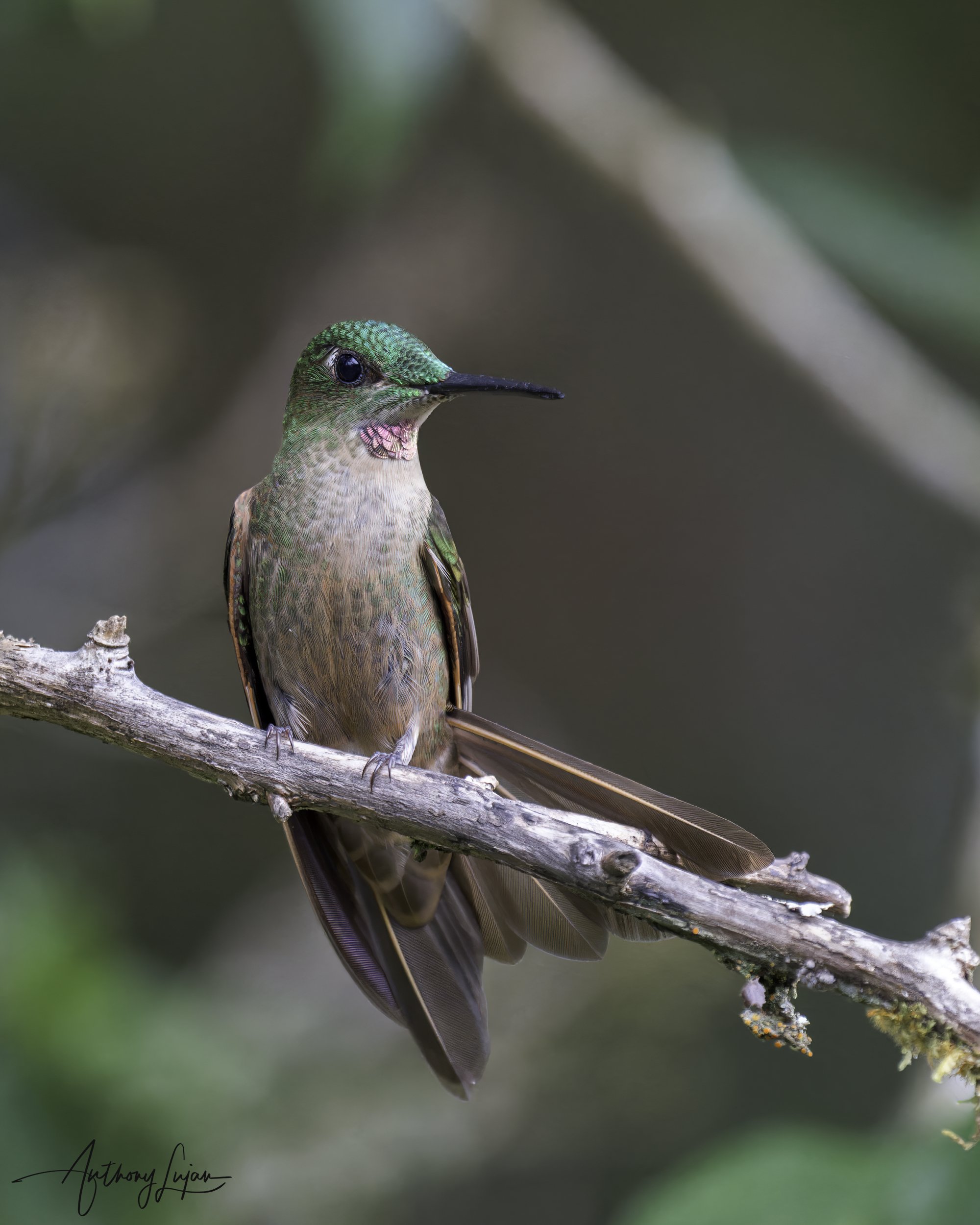
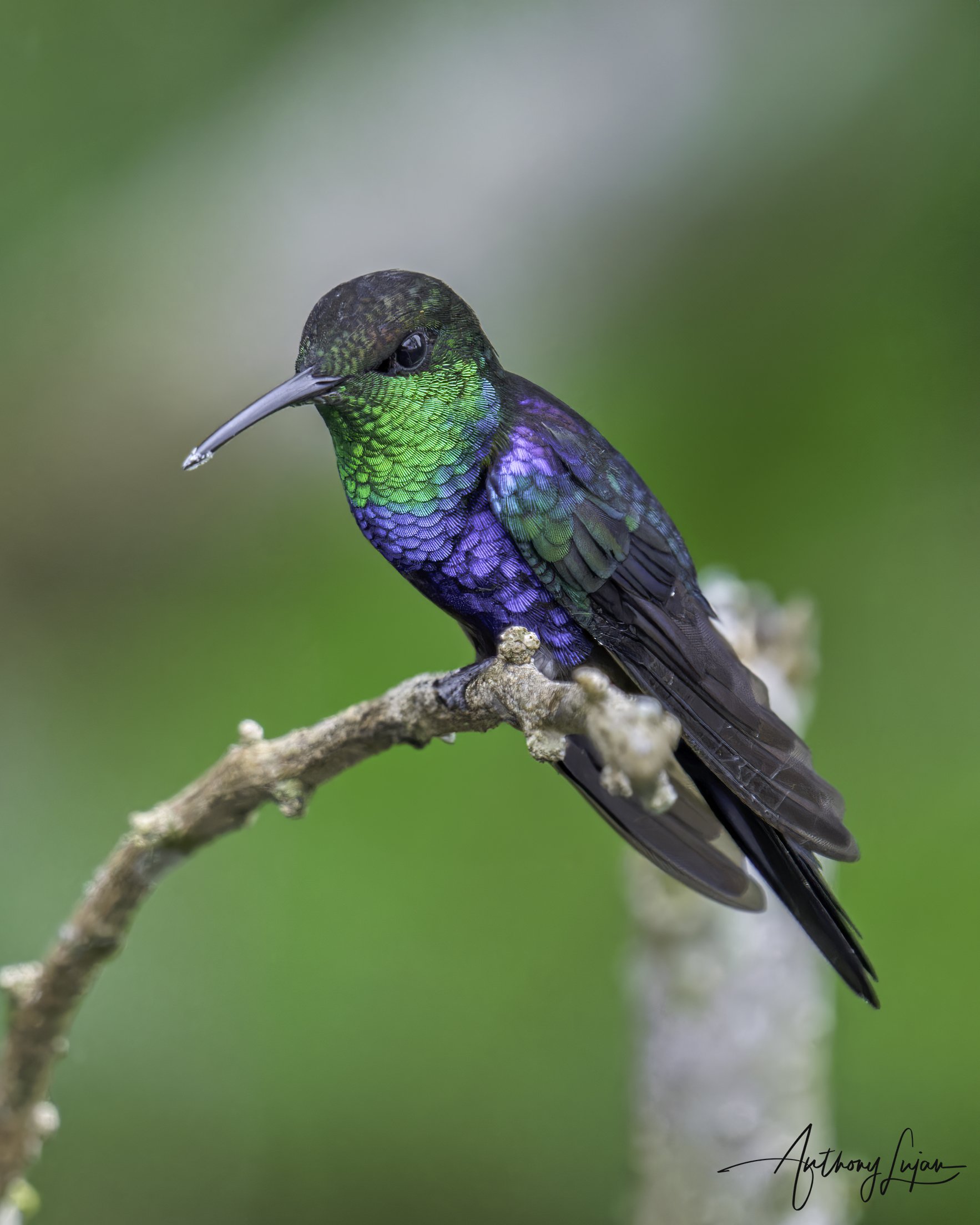
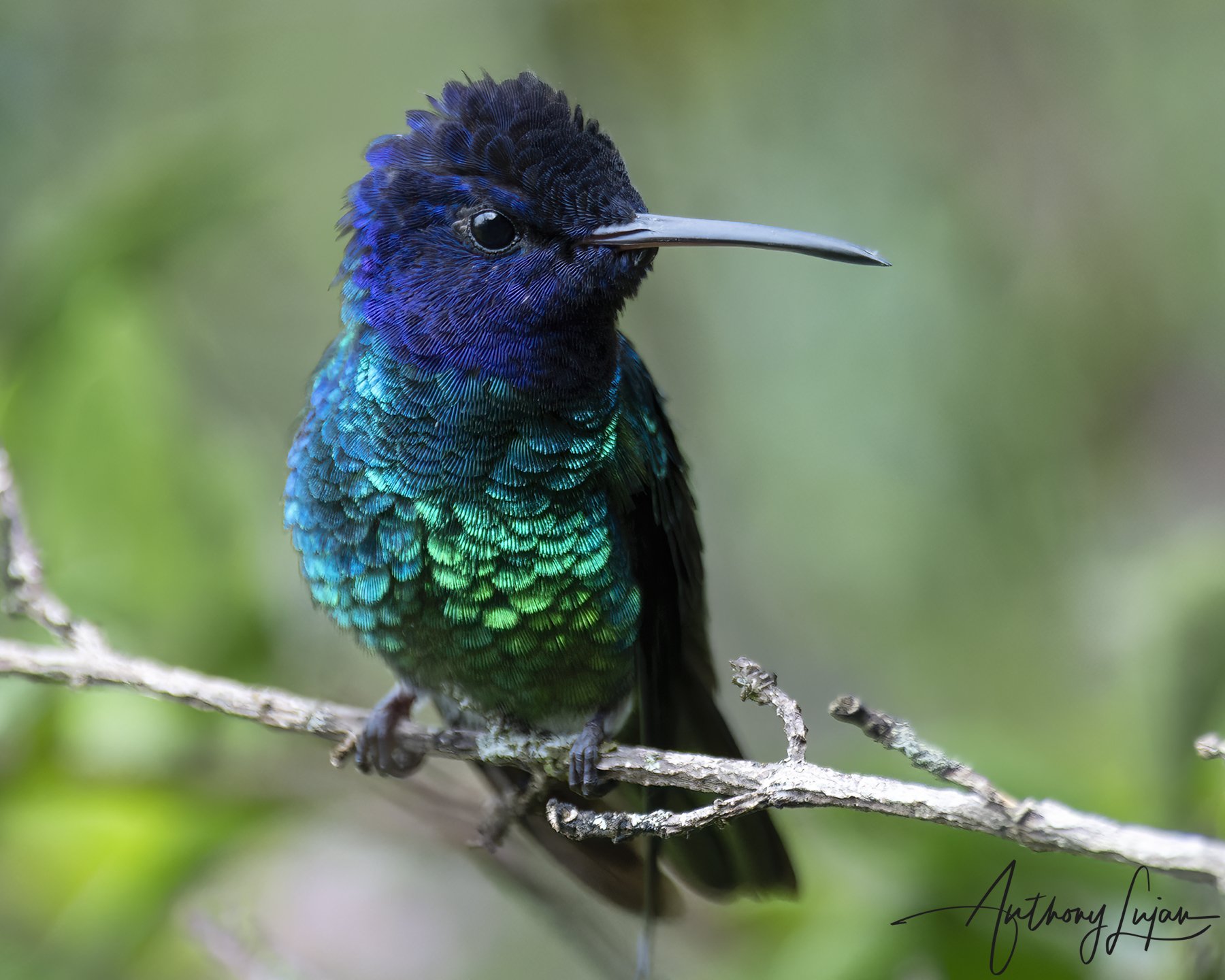
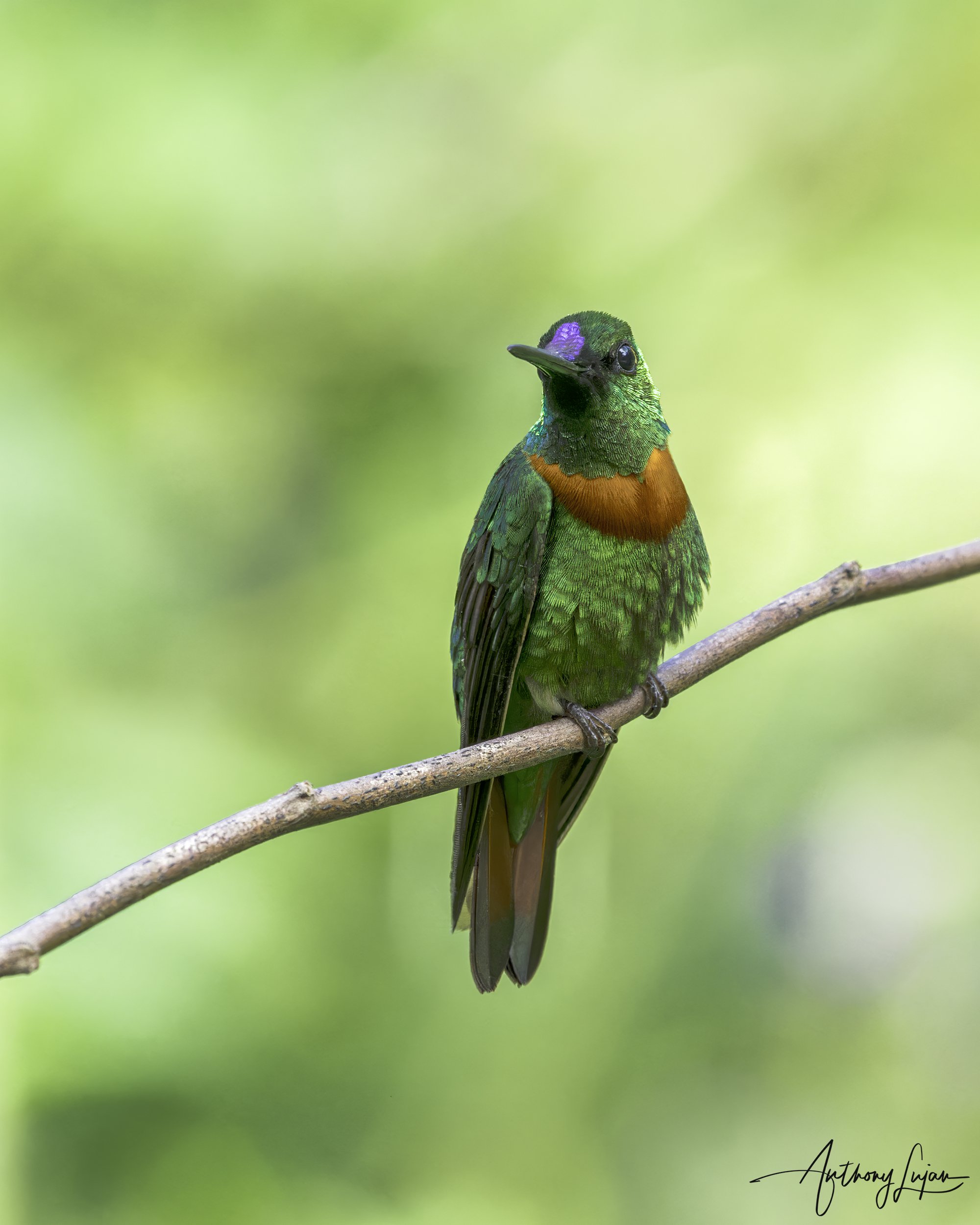
Anthony has photographed 84 of the roughly 129 hummingbird species recorded in Peru, including many of the country’s most sought-after Andean and Amazonian specialties. The first section highlights the hummingbirds photographed in Peru, and the second showcases additional Peruvian species documented in other countries, building a more complete picture of the country’s hummingbird fauna.
Major hummingbird habitats in Peru
Amazonian forests and foothills – hermits, jacobins, woodstars, and many other species using humid lowland rainforests, river edges, and forest clearings along the base of the Andes.
Andean cloud forests and eastern slopes – brilliants, pufflegs, sunangels, and coquettes concentrated in cool, wet forests, ravines, and forest edges on the eastern Andean flanks.
High Andean valleys and puna – trainbearers, hillstars, and other high-elevation specialists adapted to open shrub slopes, rocky outcrops, and grasslands near and above treeline.
Gardens, hedgerows, and rural landscapes – many Peruvian hummingbirds visit hedgerows, orchards, small farms, and flowering gardens near towns and villages, as well as dedicated hummingbird and botanical gardens along the Andean slopes.
Planning a hummingbird trip
If you are interested in traveling with Anthony, joining a small-group hummingbird-focused tour, or reading detailed trip reports about the species and regions he has worked in, be sure to visit the Travel with Me page and the Hummingbird Expeditions section of the blog to explore current opportunities and past expeditions.
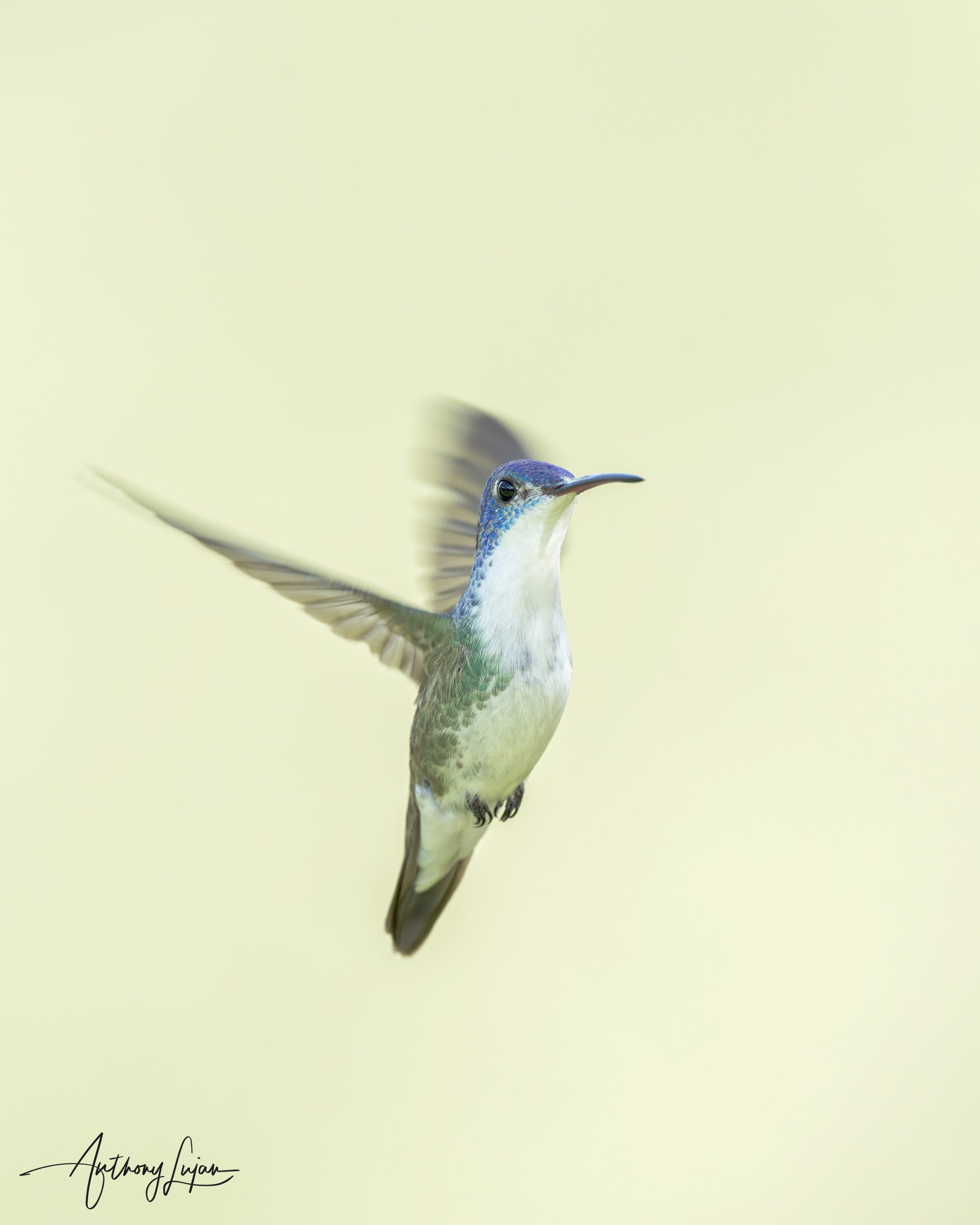
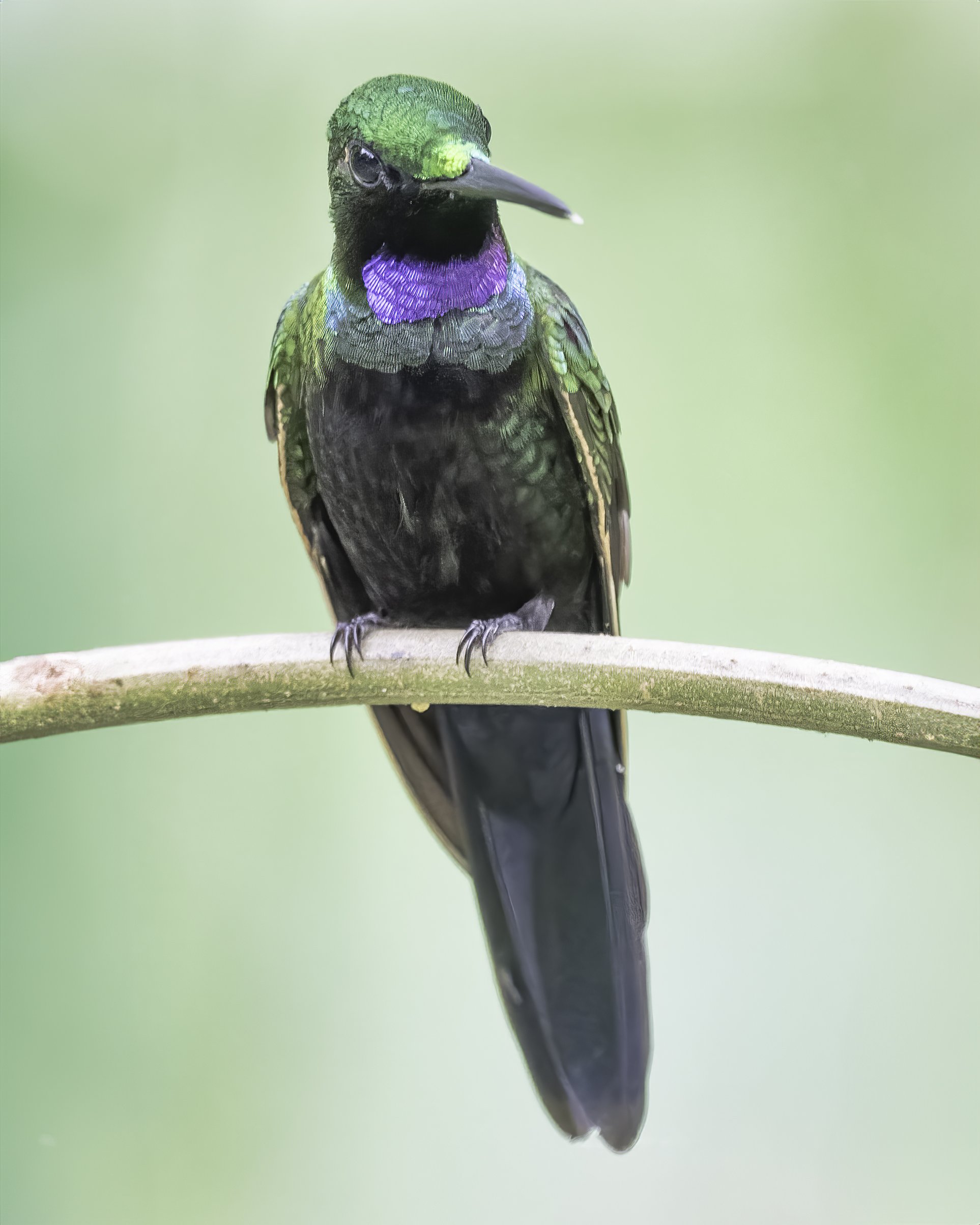
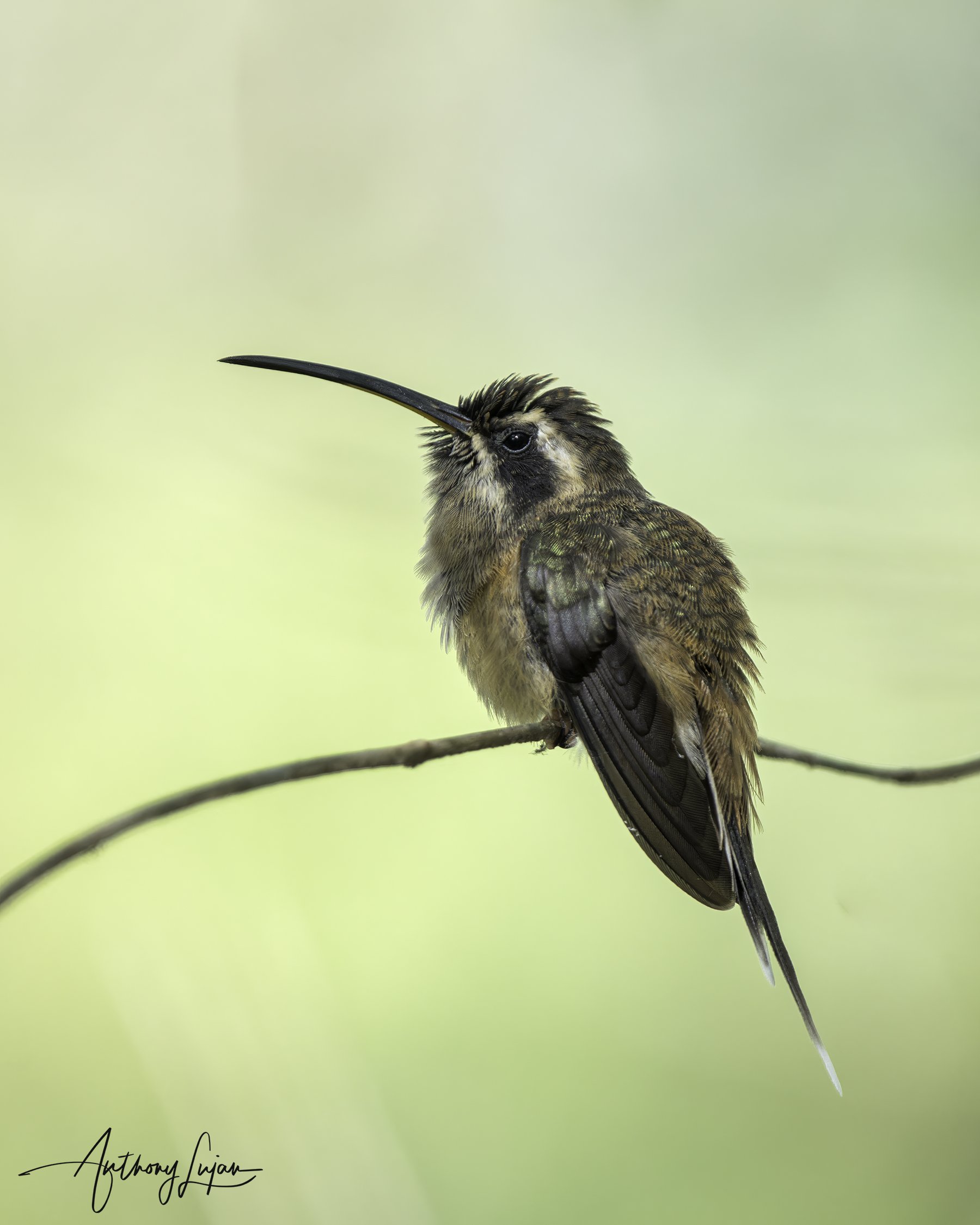
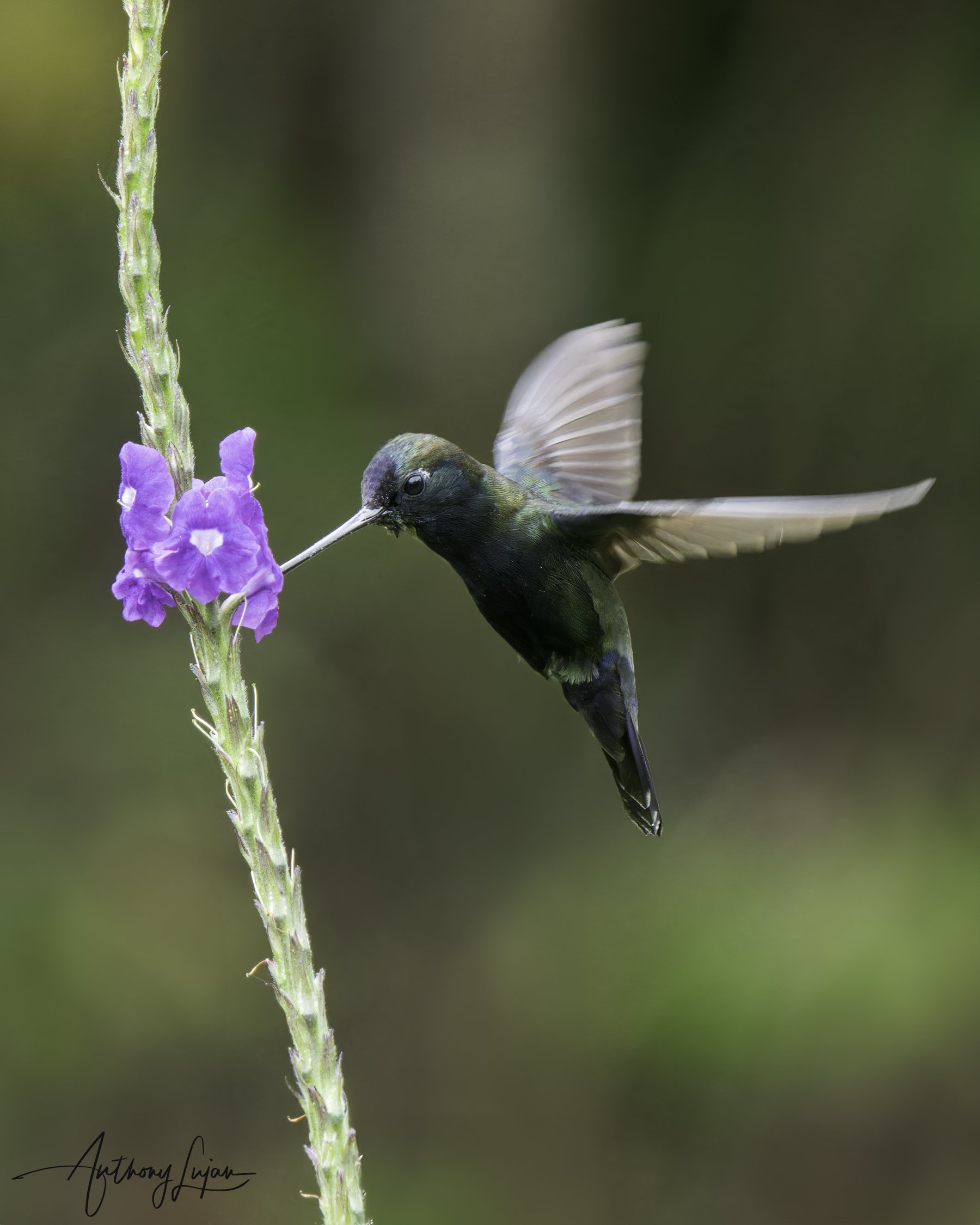
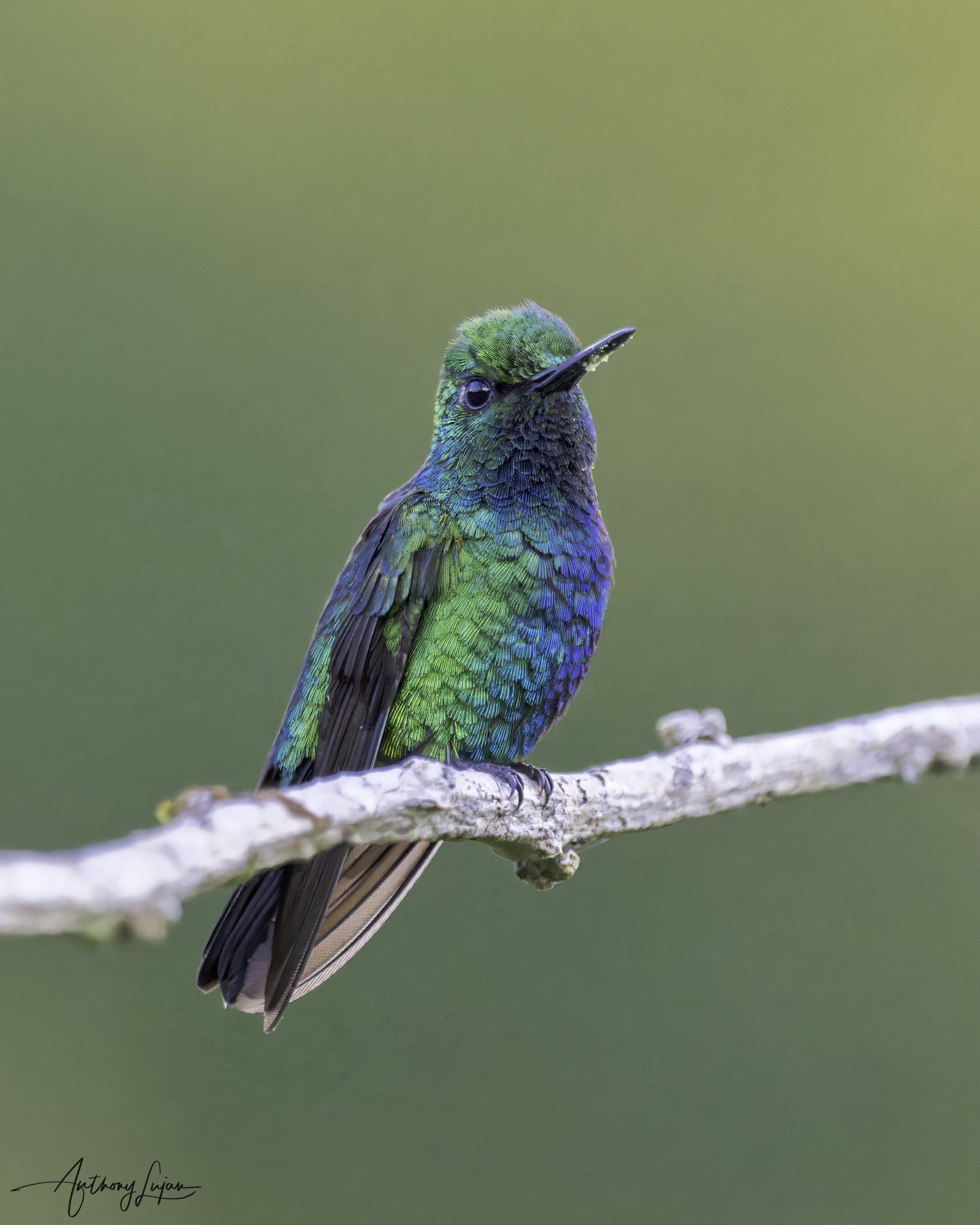
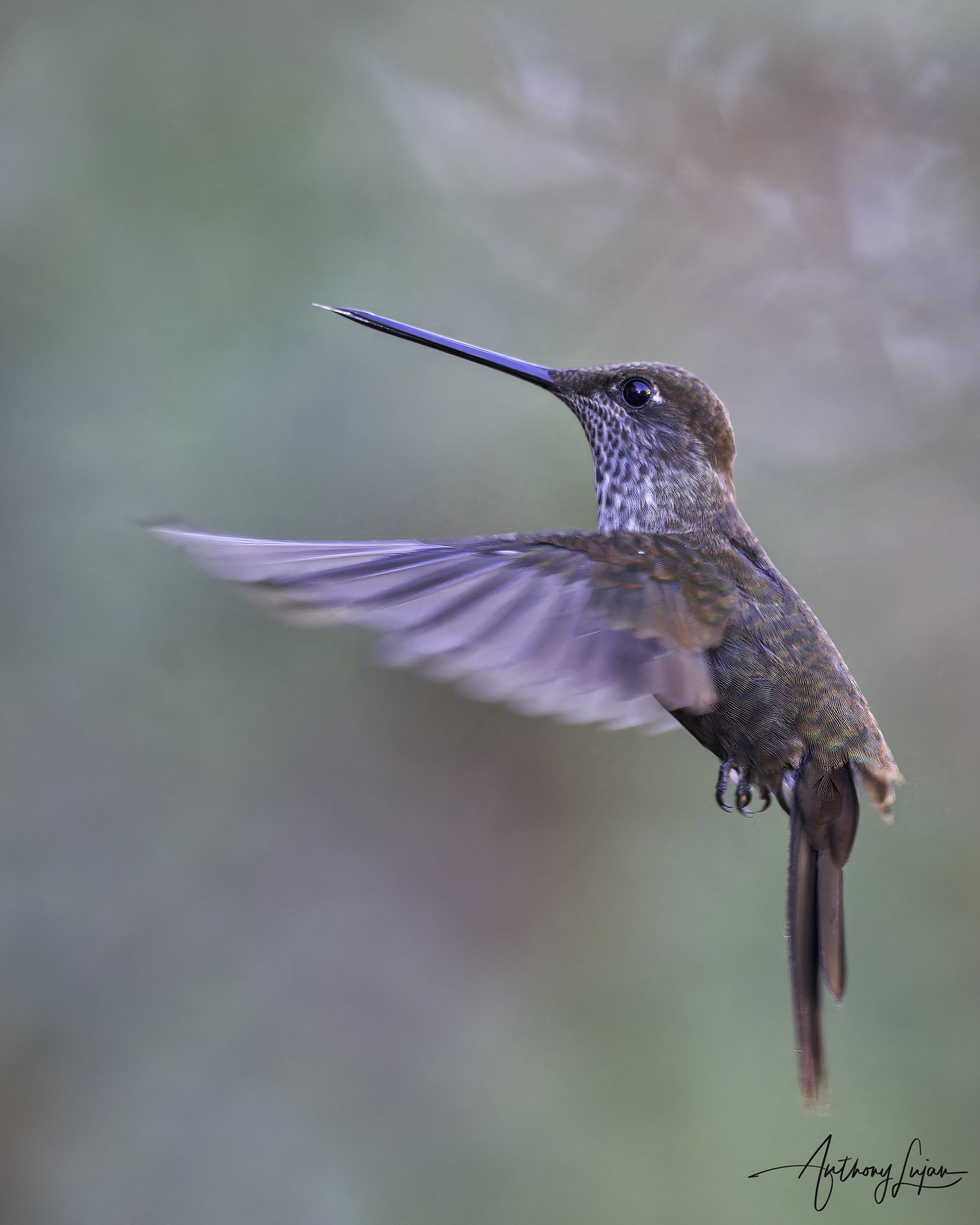
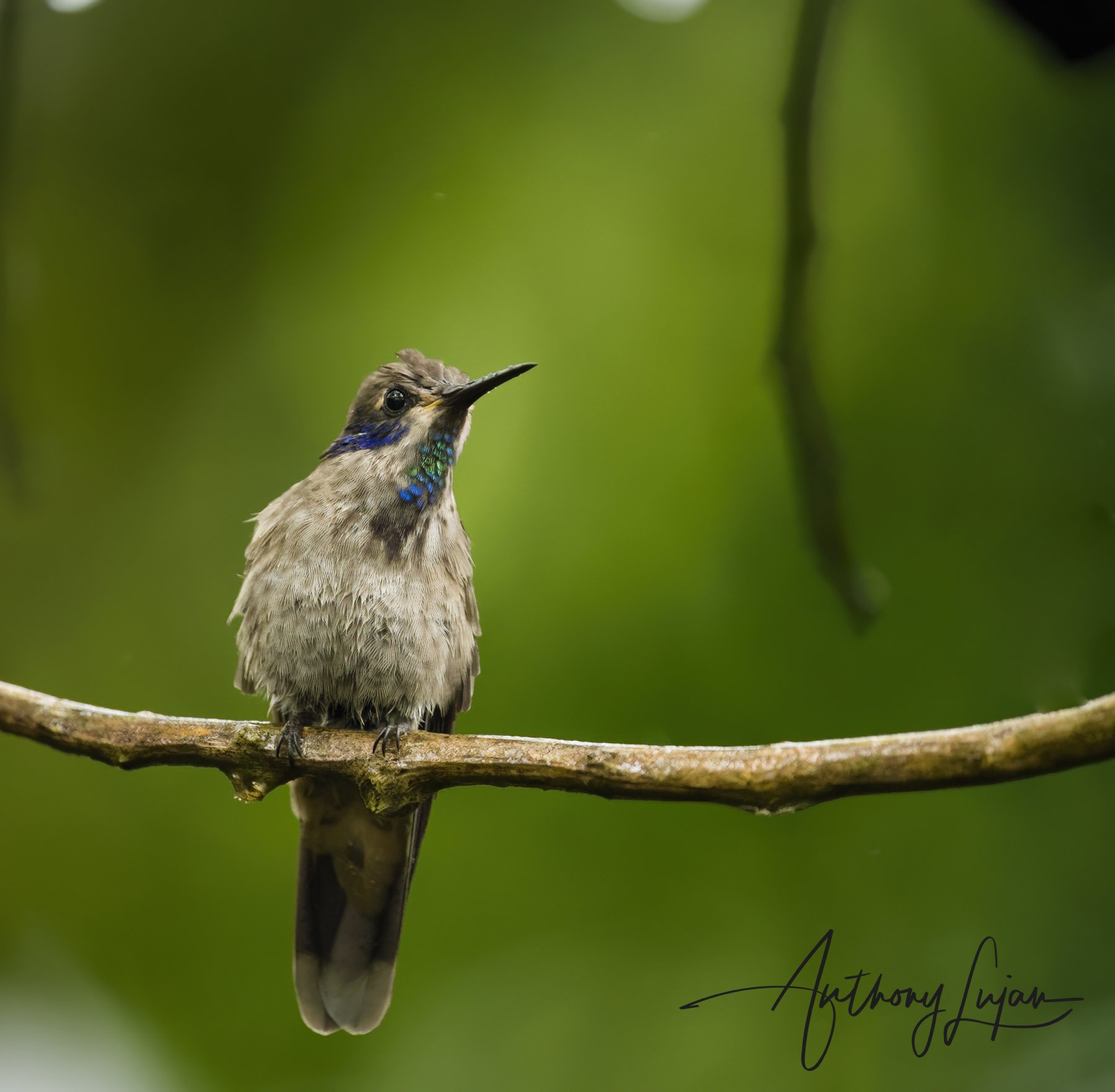
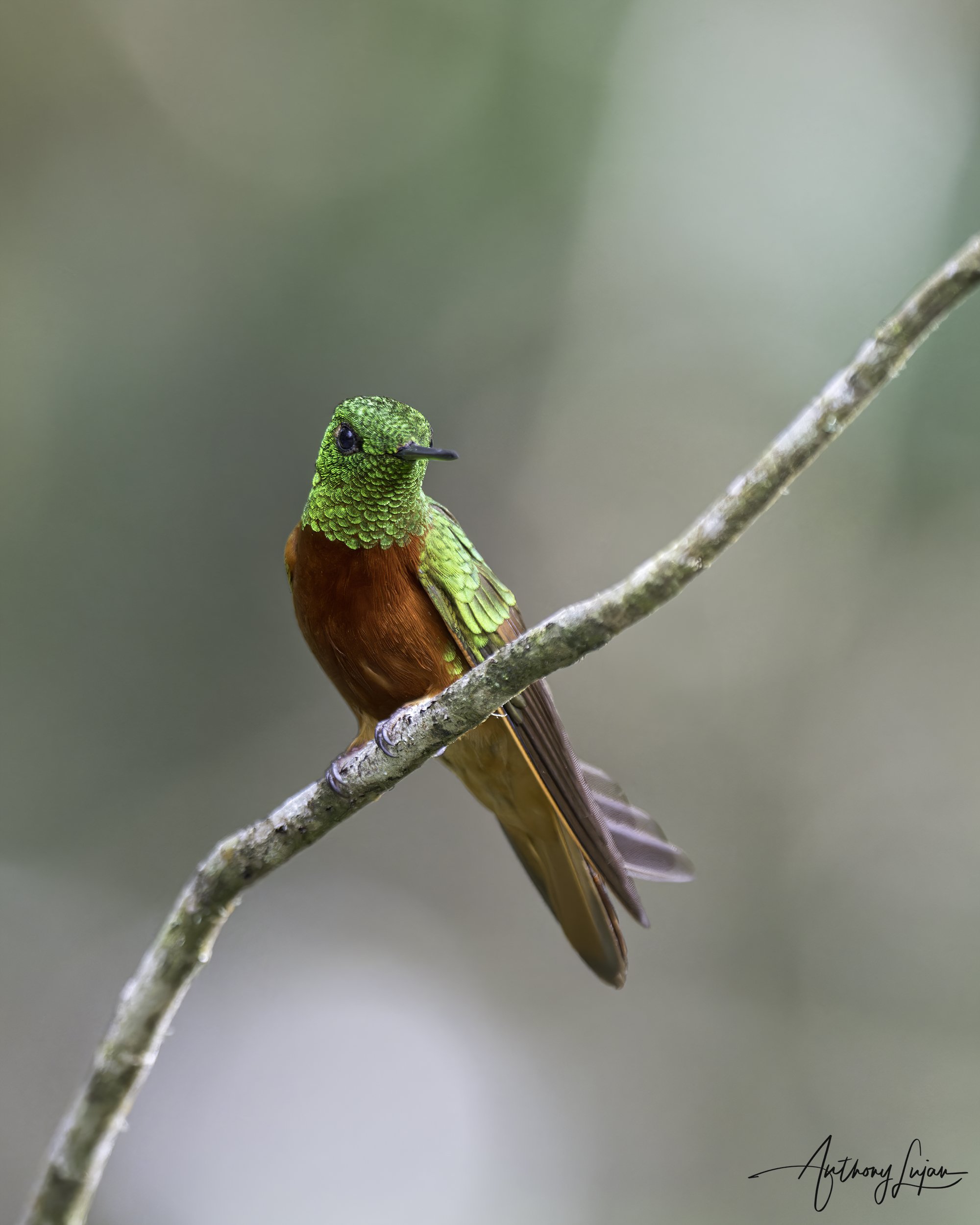
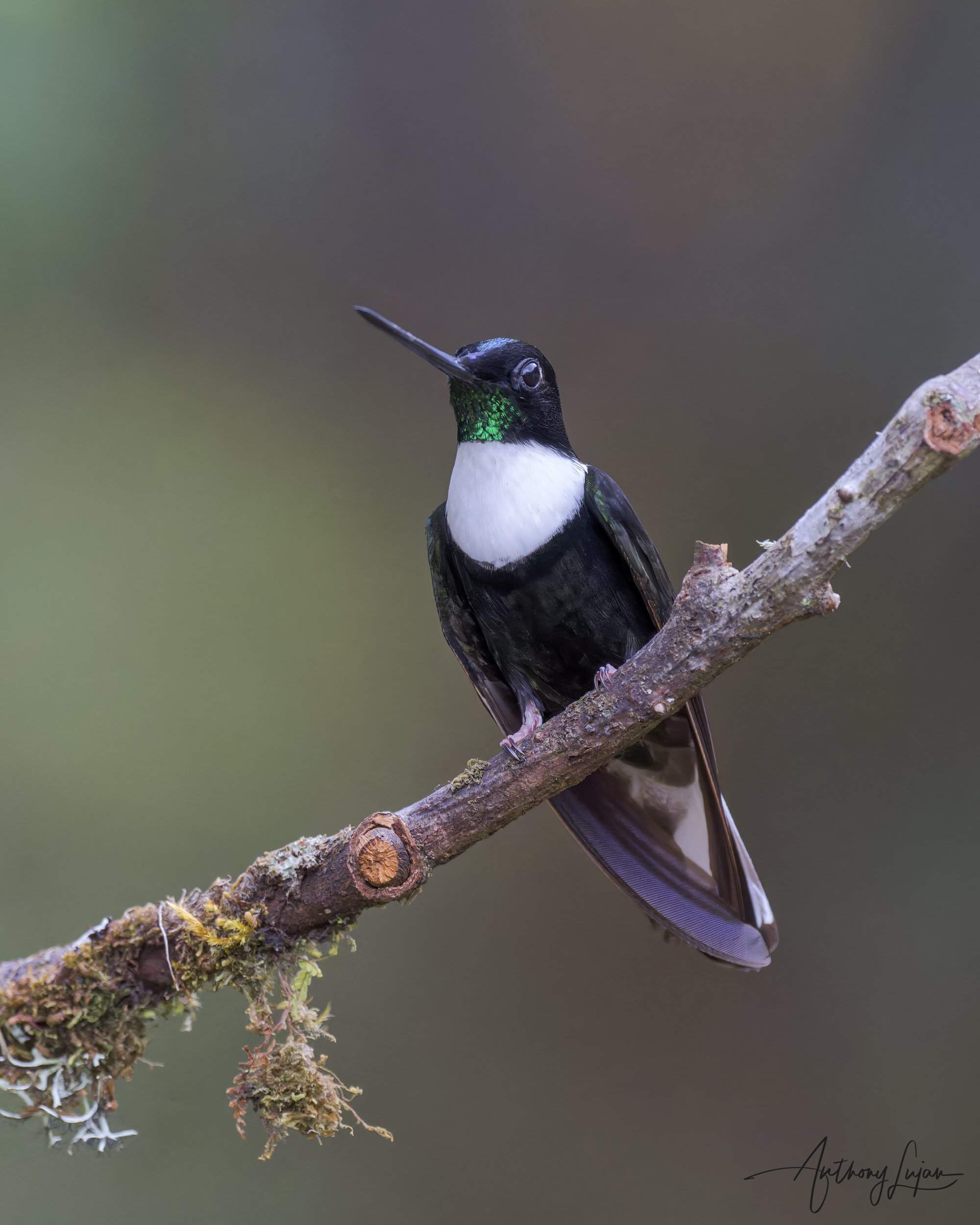
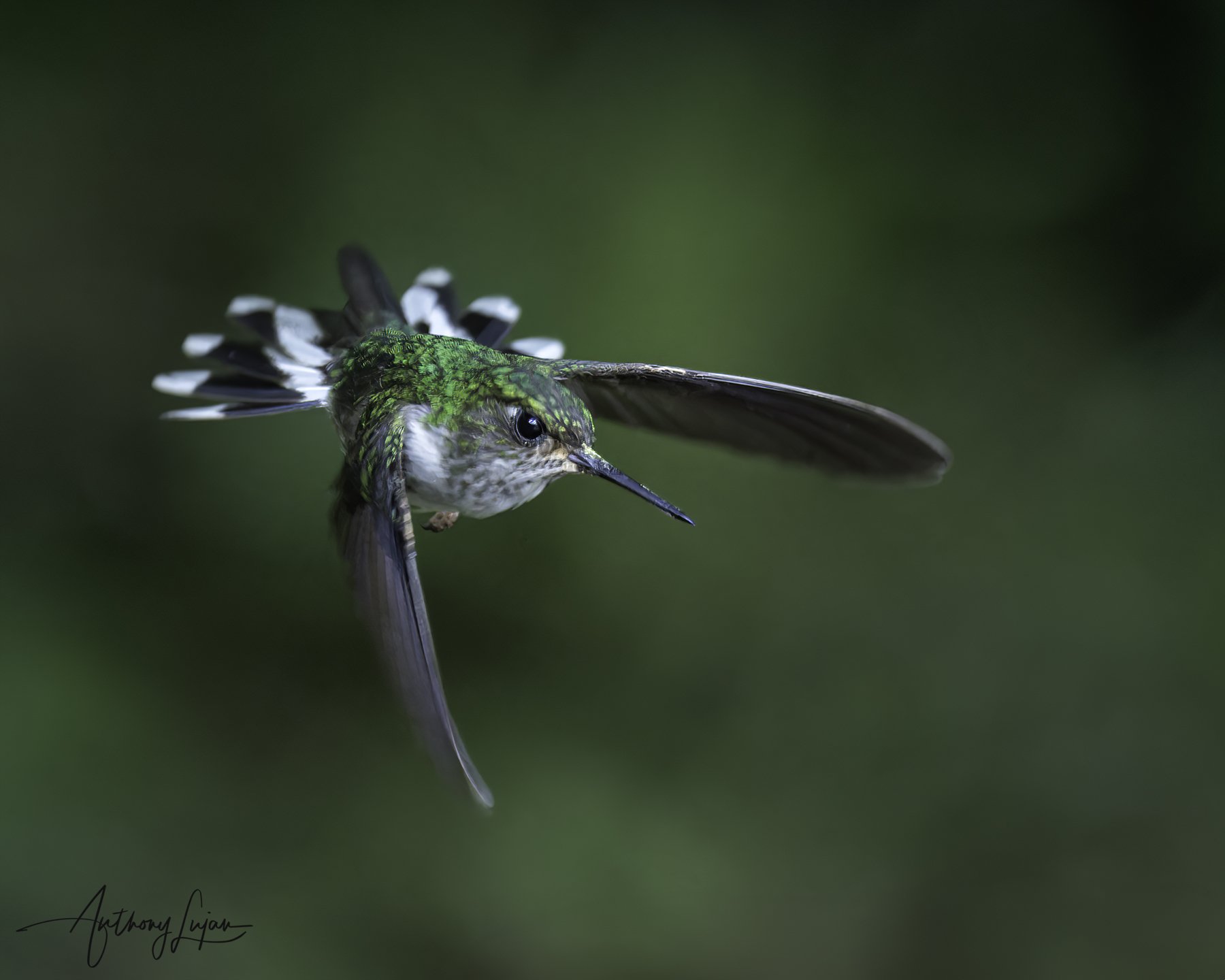
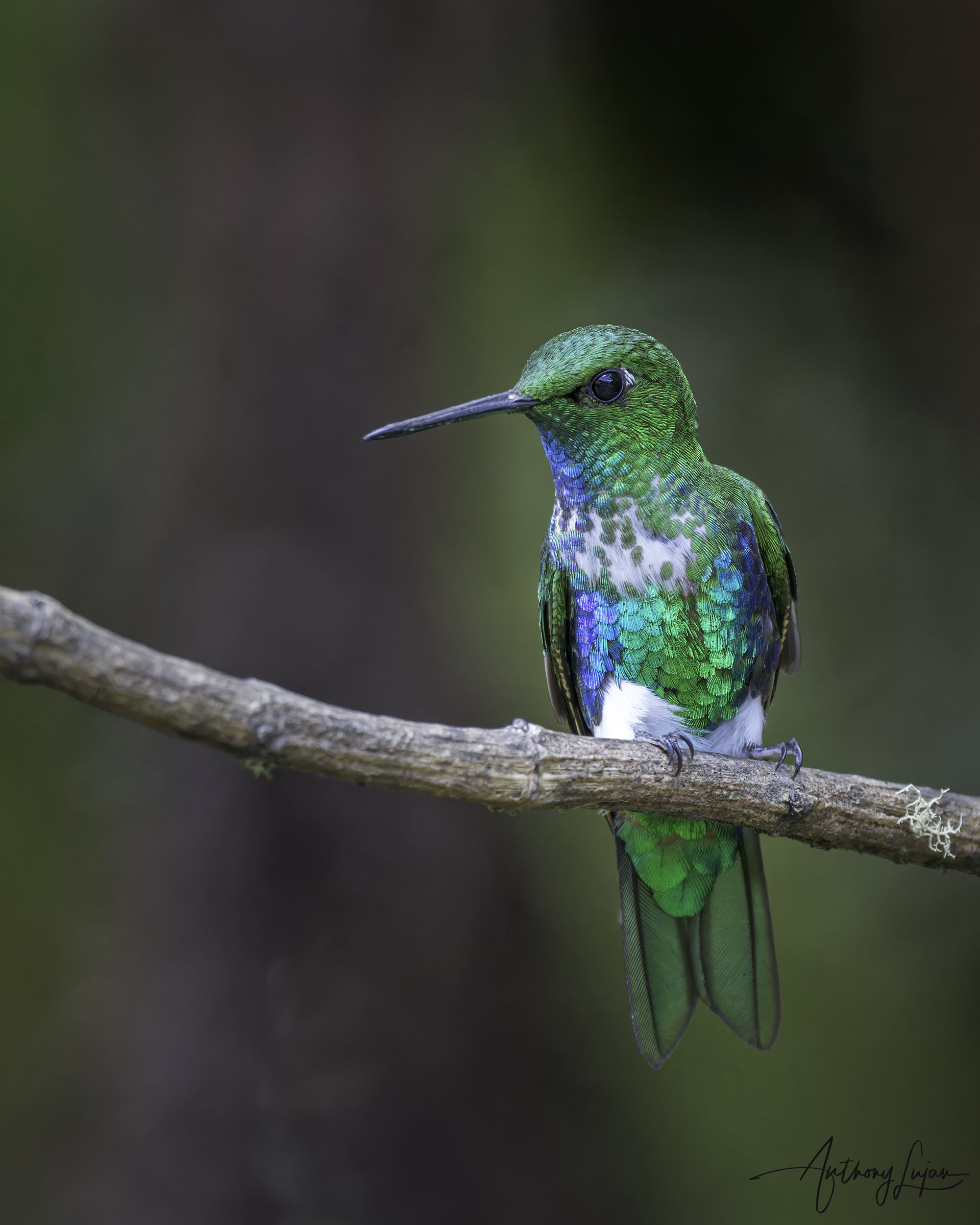
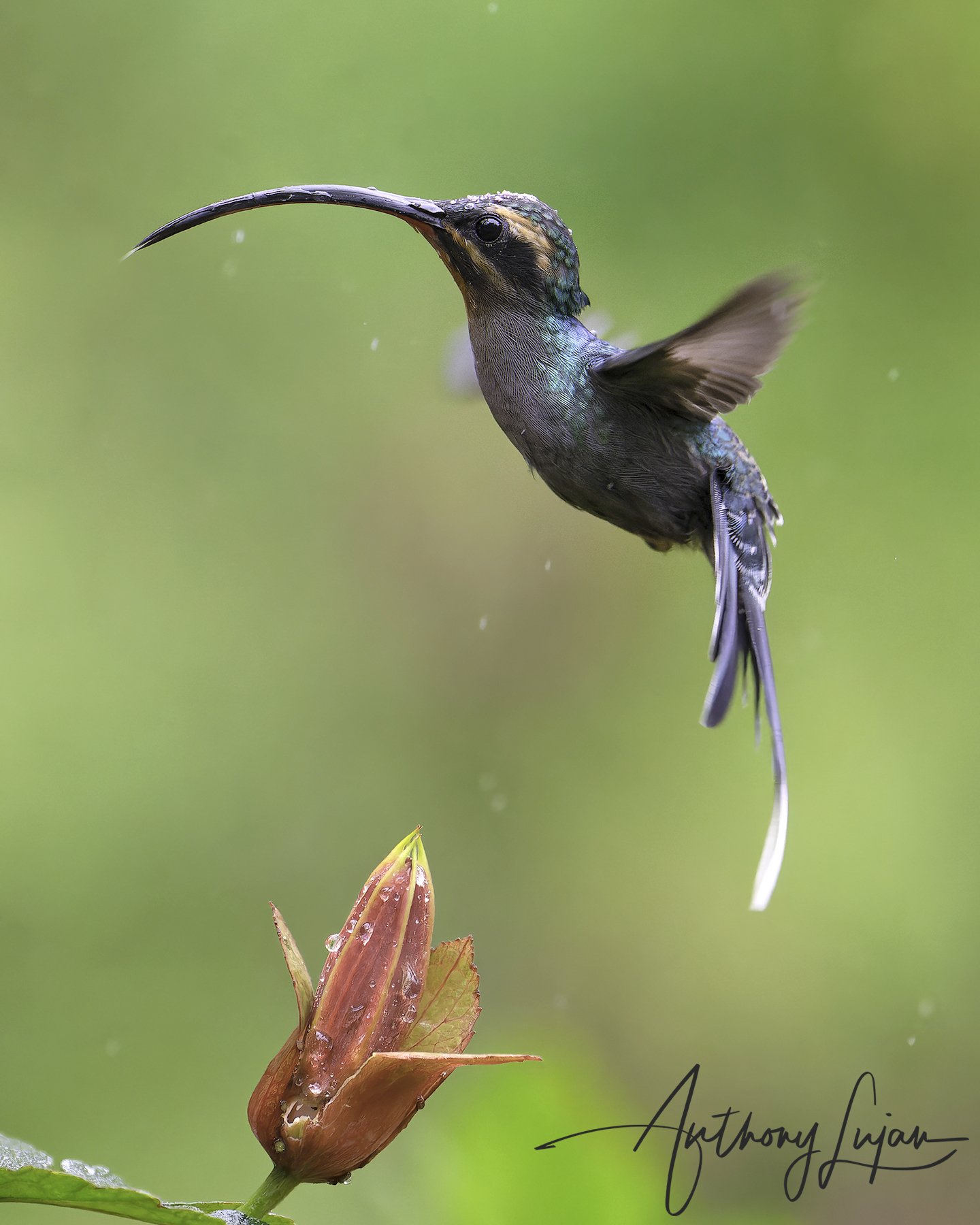
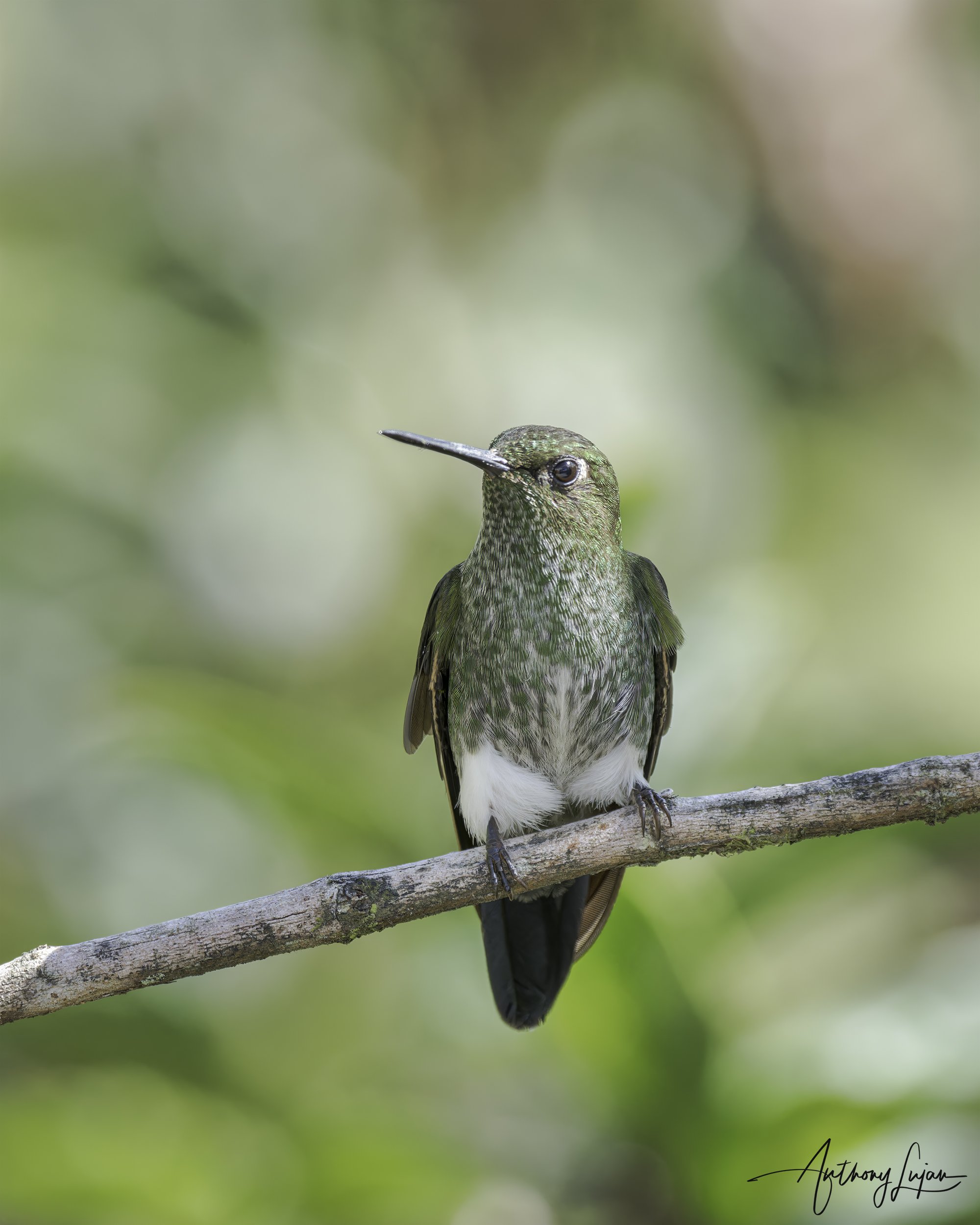
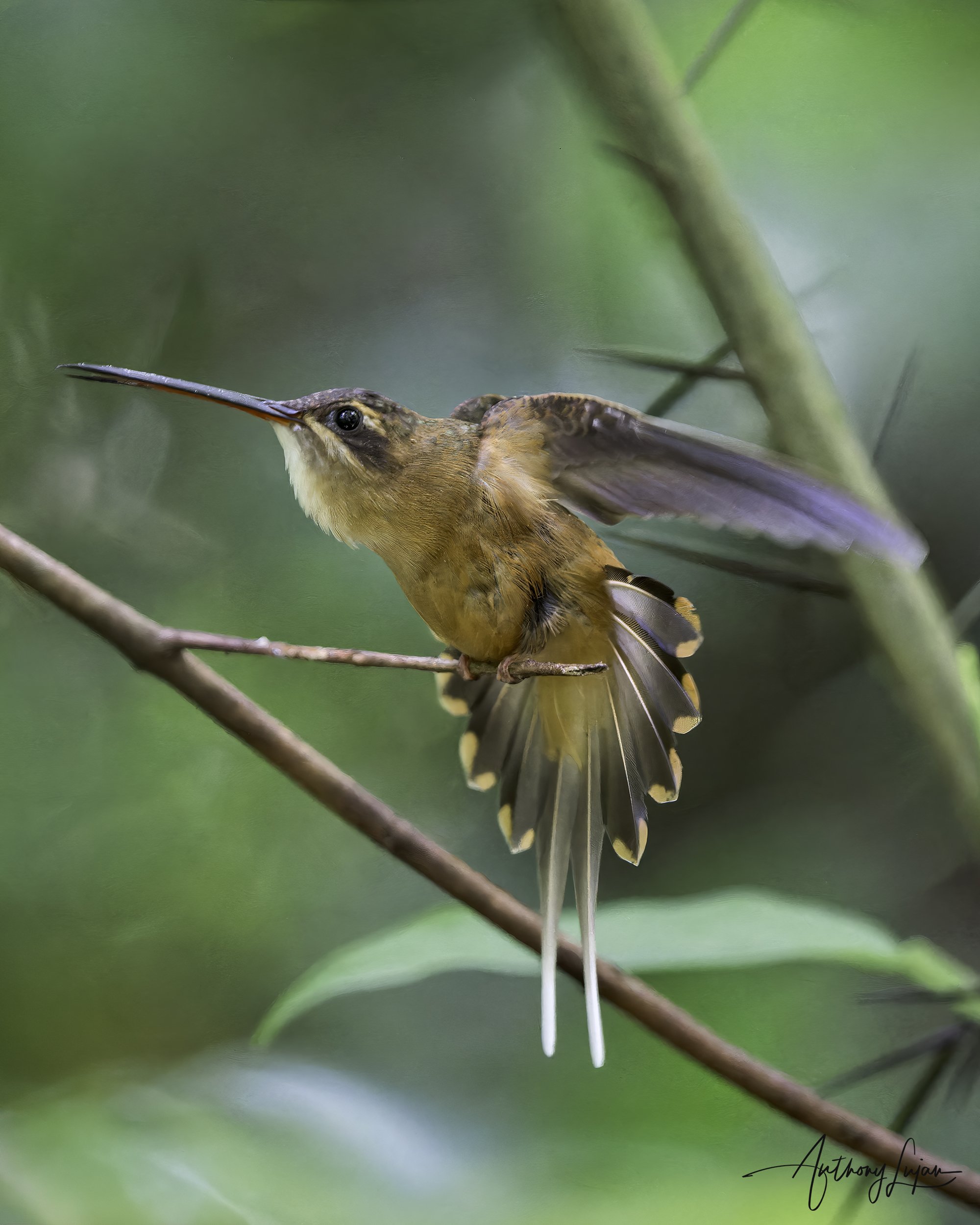
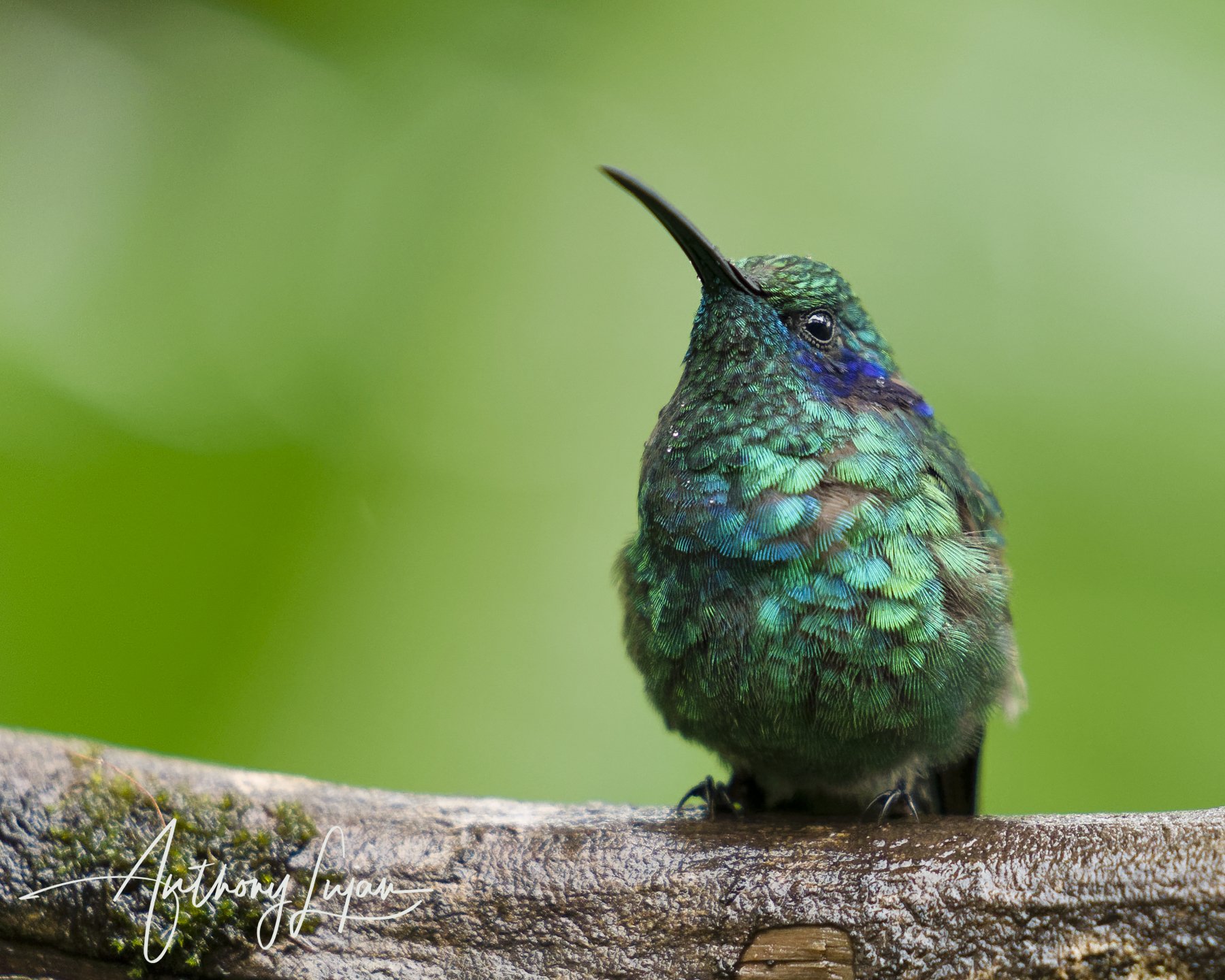
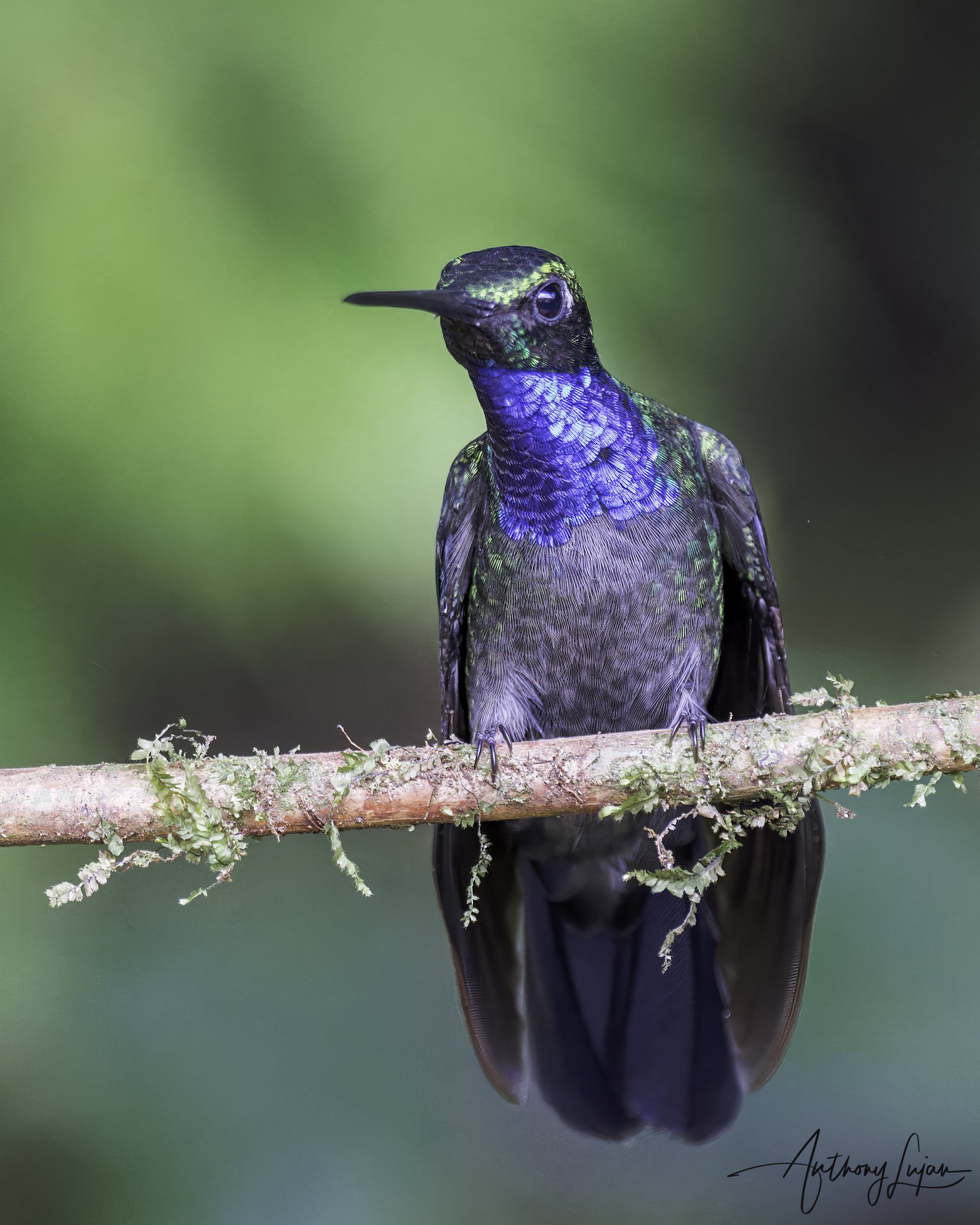
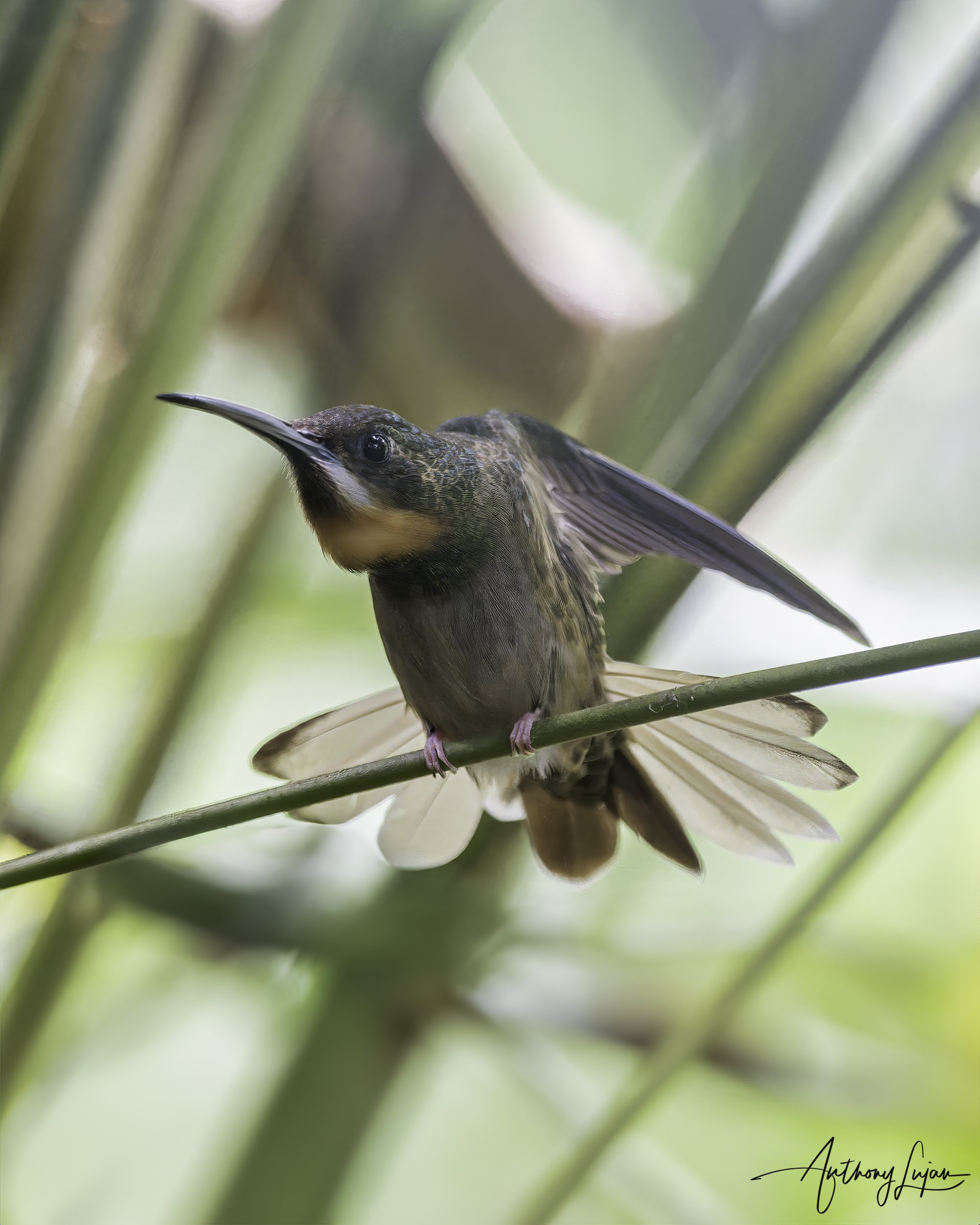
Hummingbird species Anthony photographed in Peru
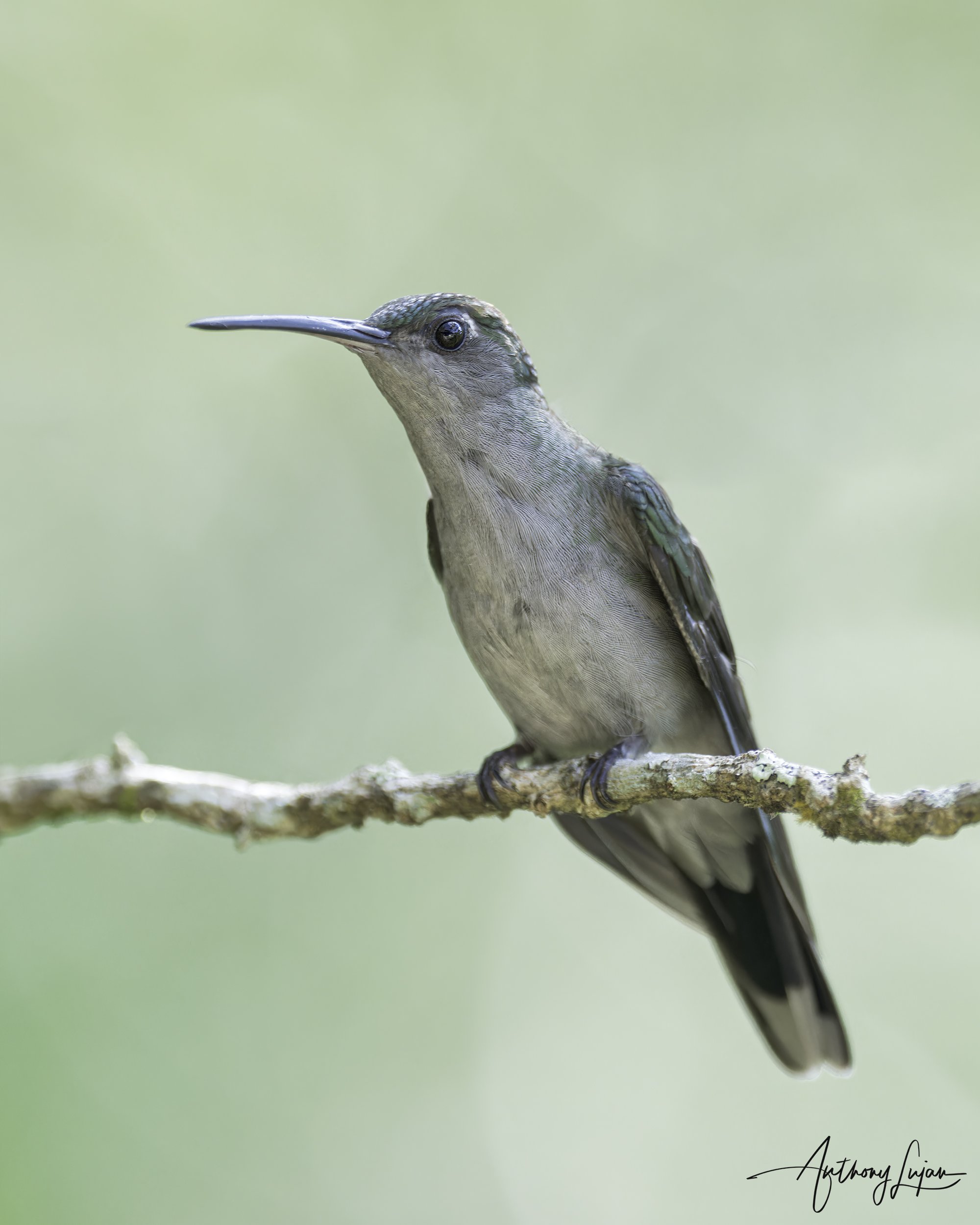
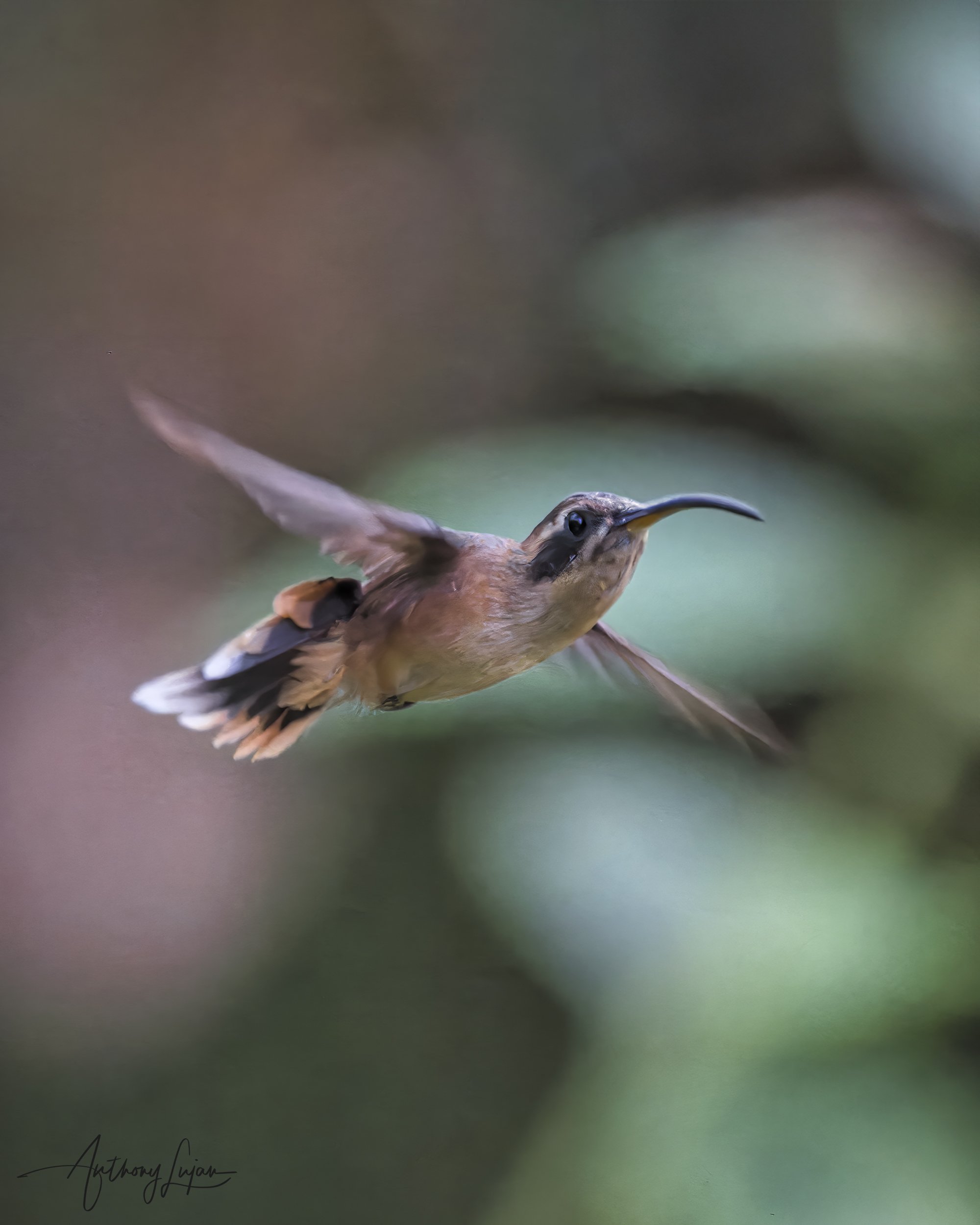
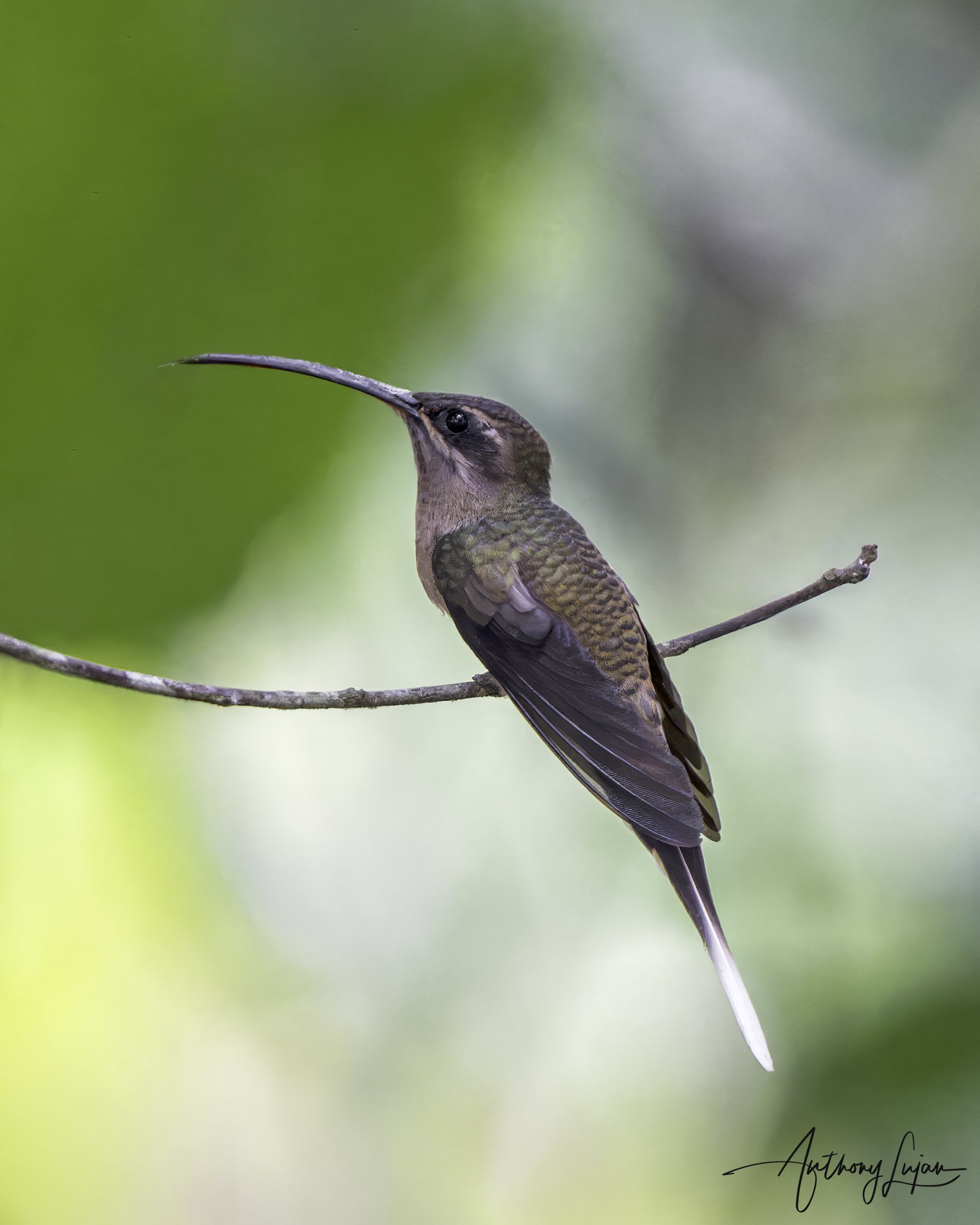
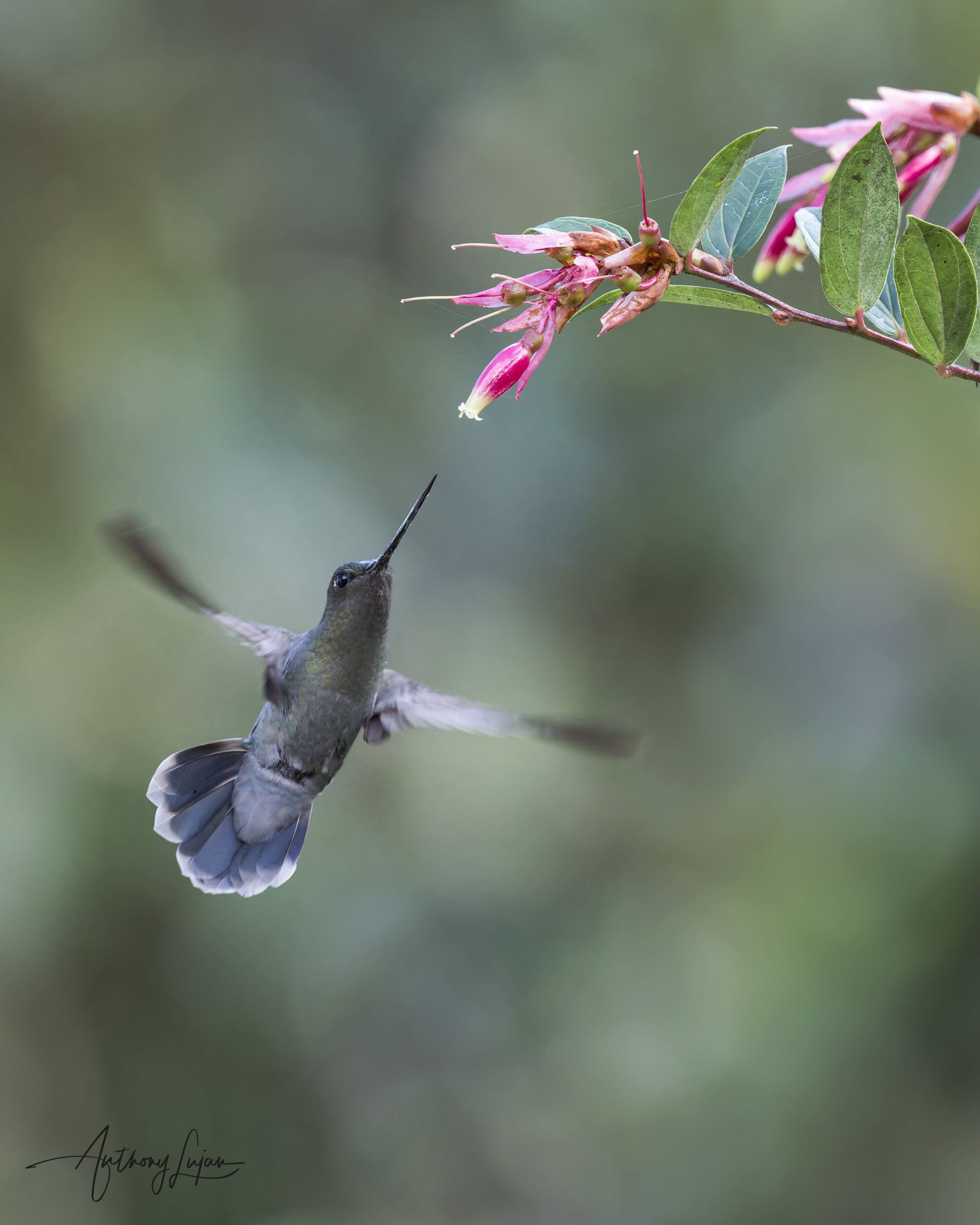
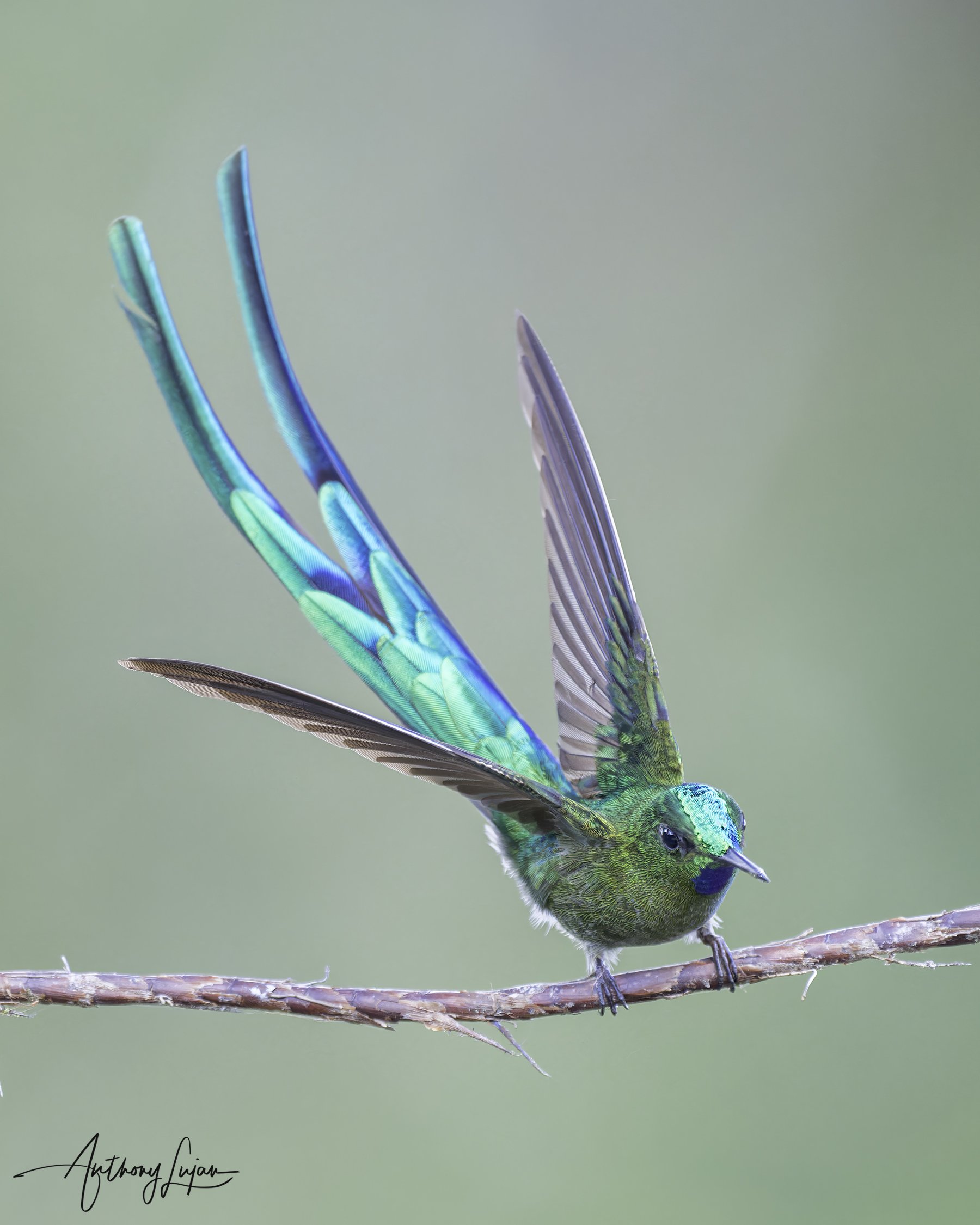
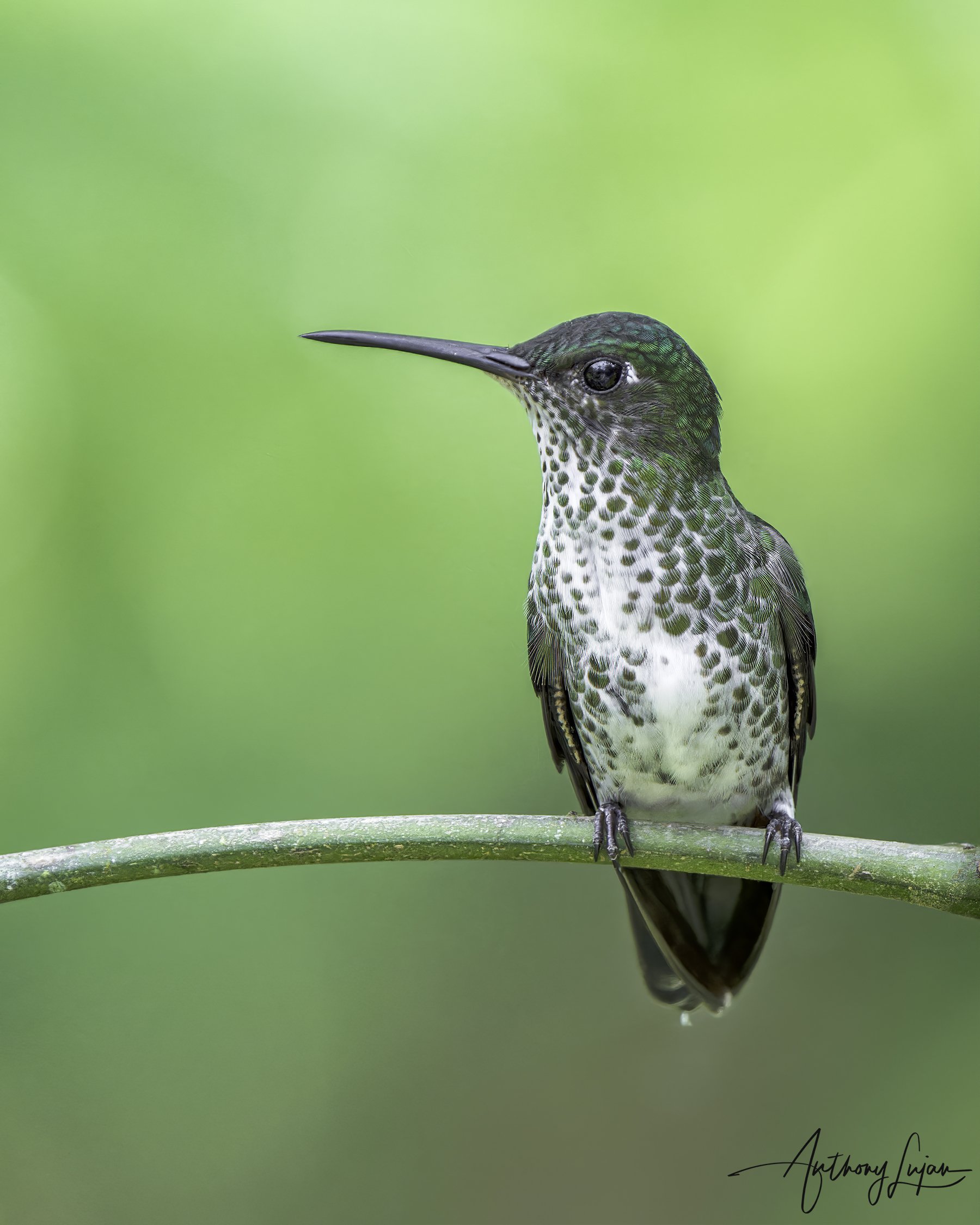
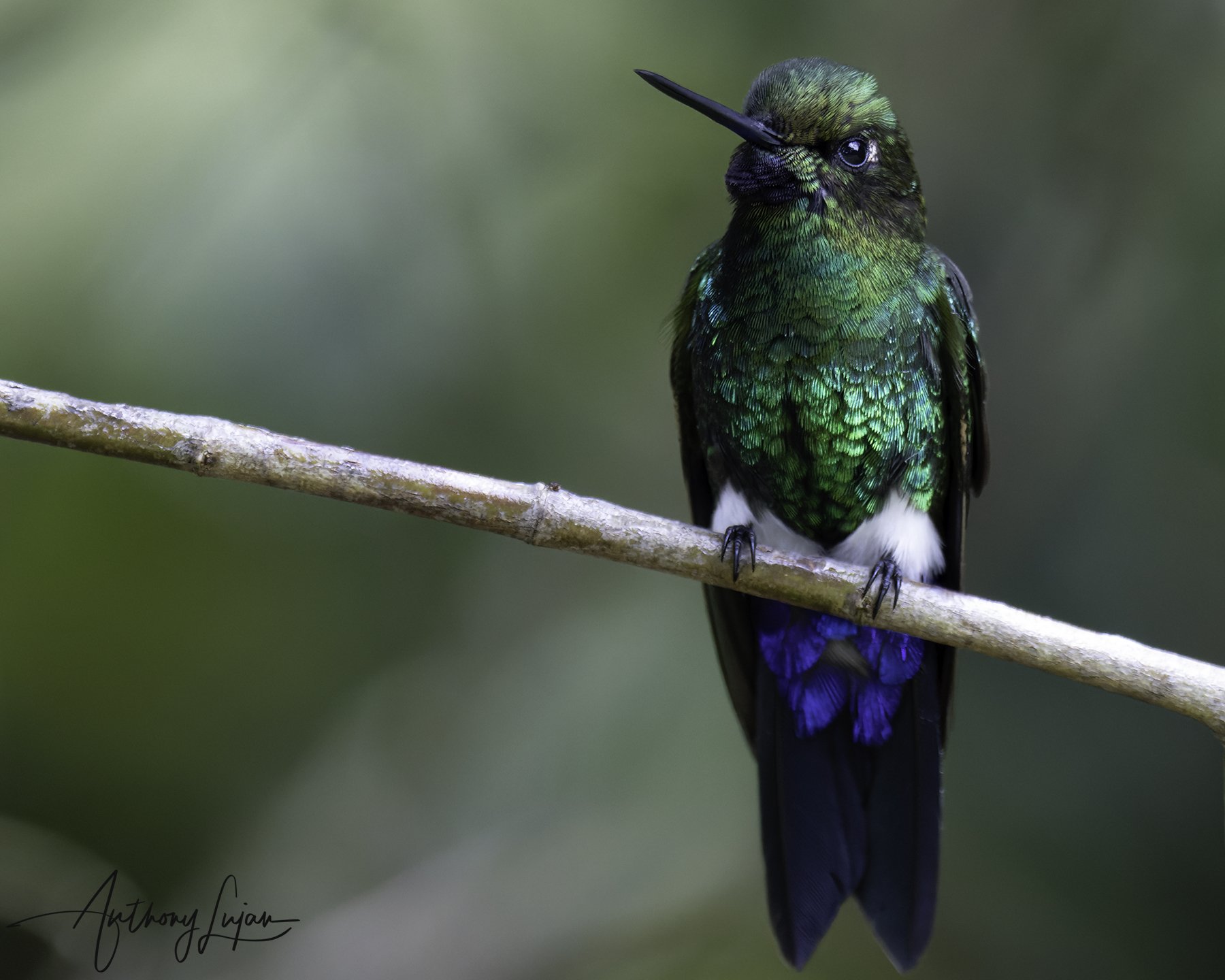
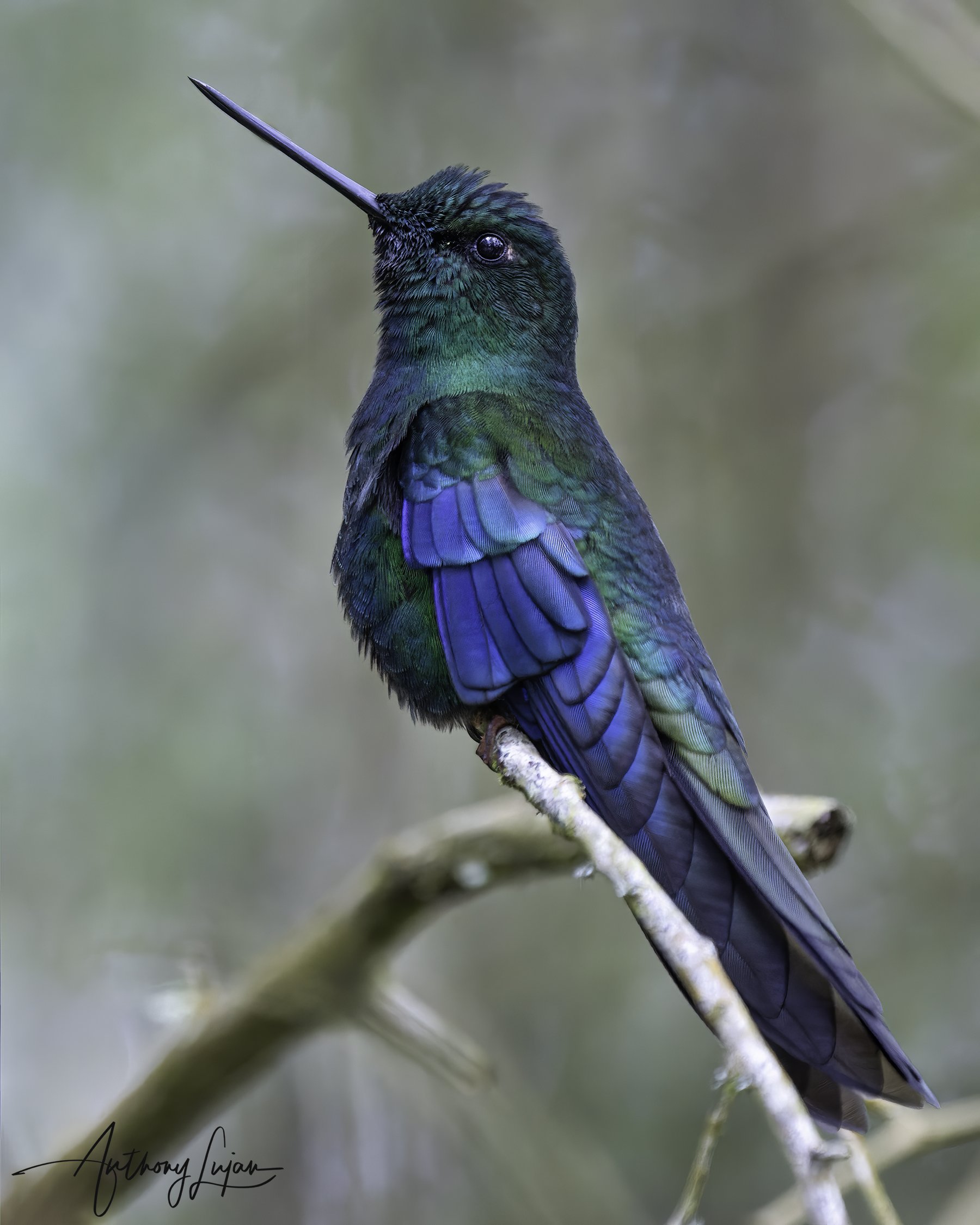
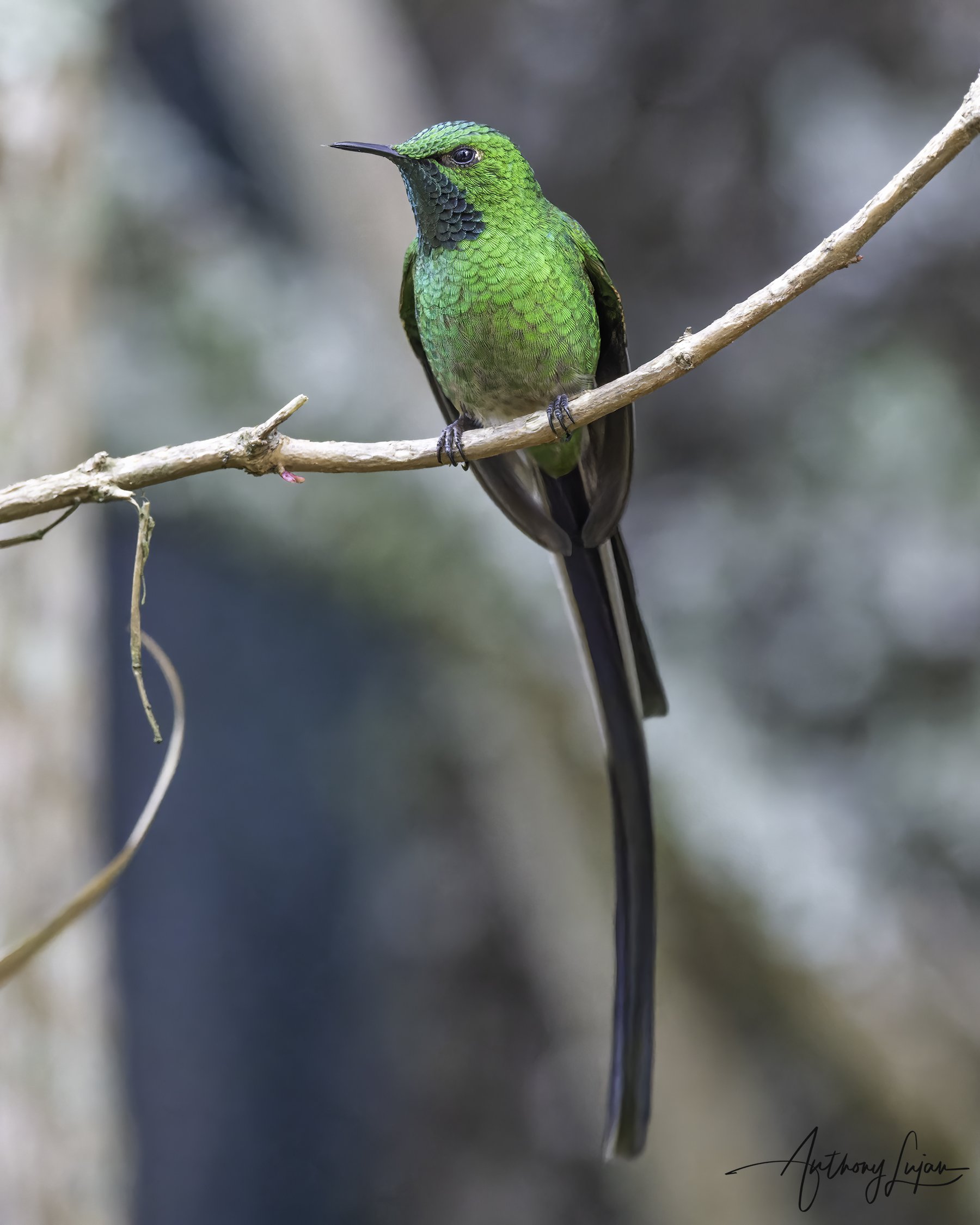
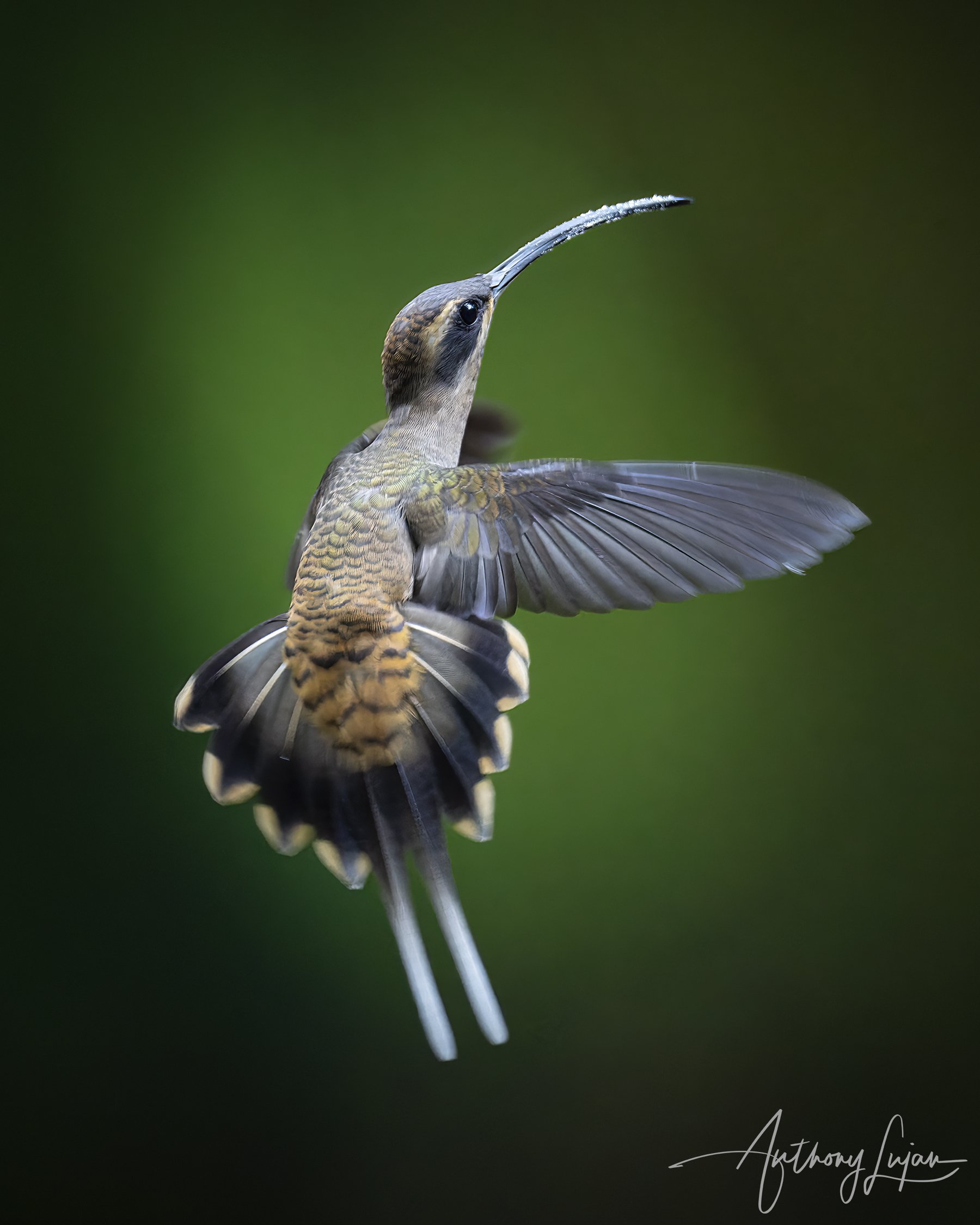
The hummingbirds listed in this section were photographed in Peru during Anthony’s fieldwork. Together, they provide a firsthand look at the diversity of Peru’s hummingbird community across different regions, elevations, and habitats.

Hummingbirds of Peru photographed elsewhere
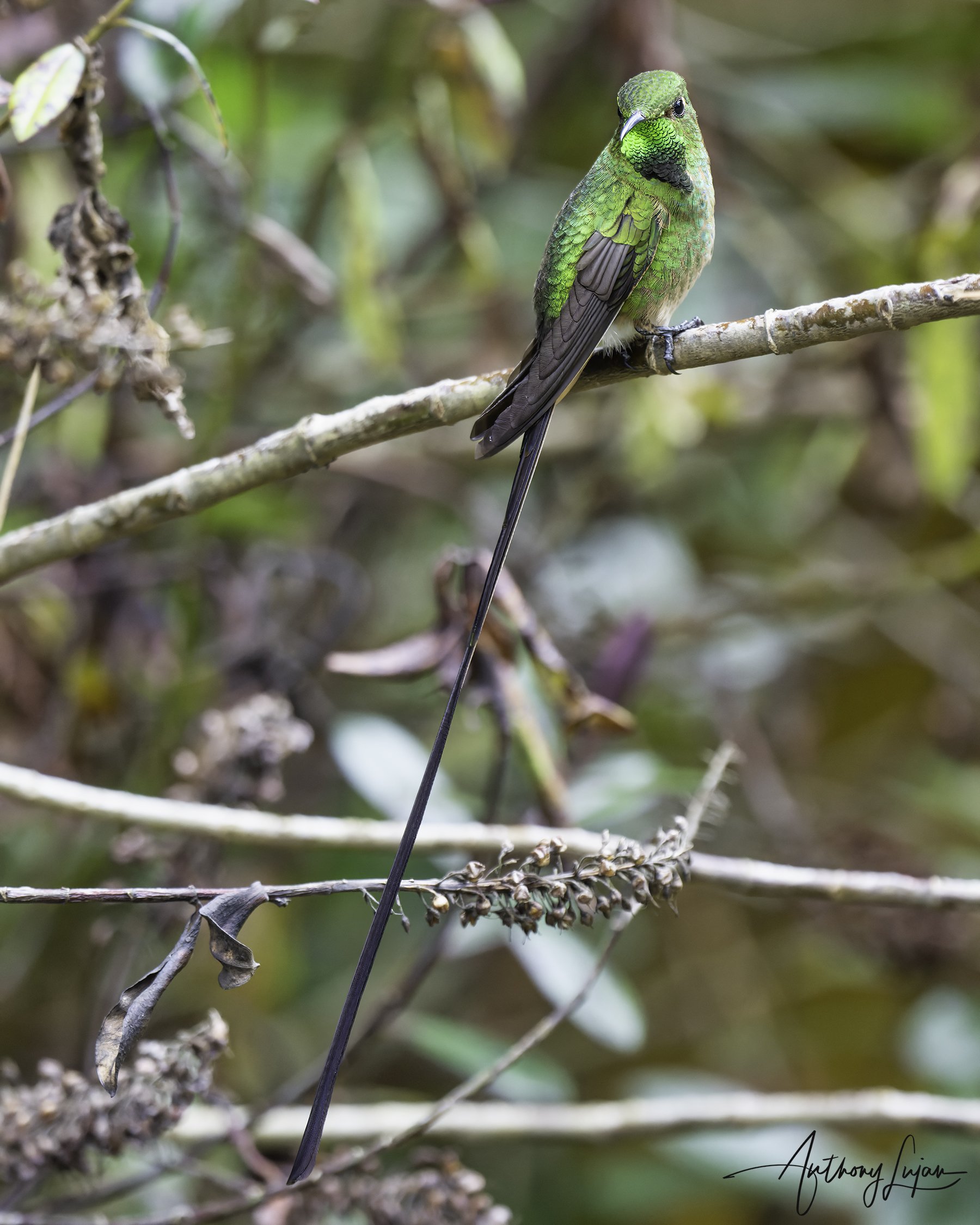
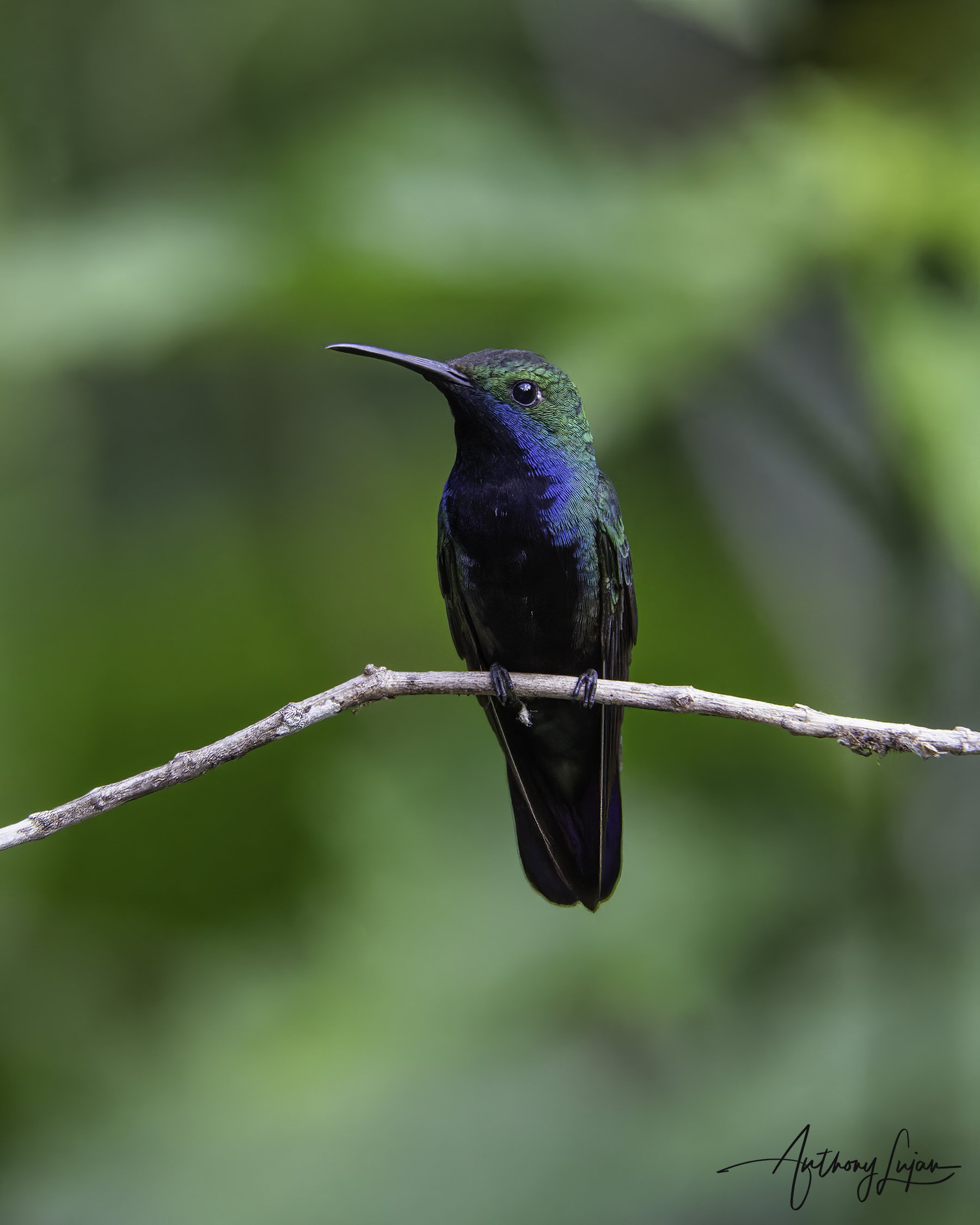
The following hummingbirds occur in Peru but were photographed in other countries where Anthony spent time in the field. They help fill out the broader picture of hummingbird diversity in Peru, even though they have not yet been documented within the country. As Anthony continues to explore different regions, he will likely photograph any remaining species locally and move them to the “Hummingbird species Anthony photographed in Peru” section.




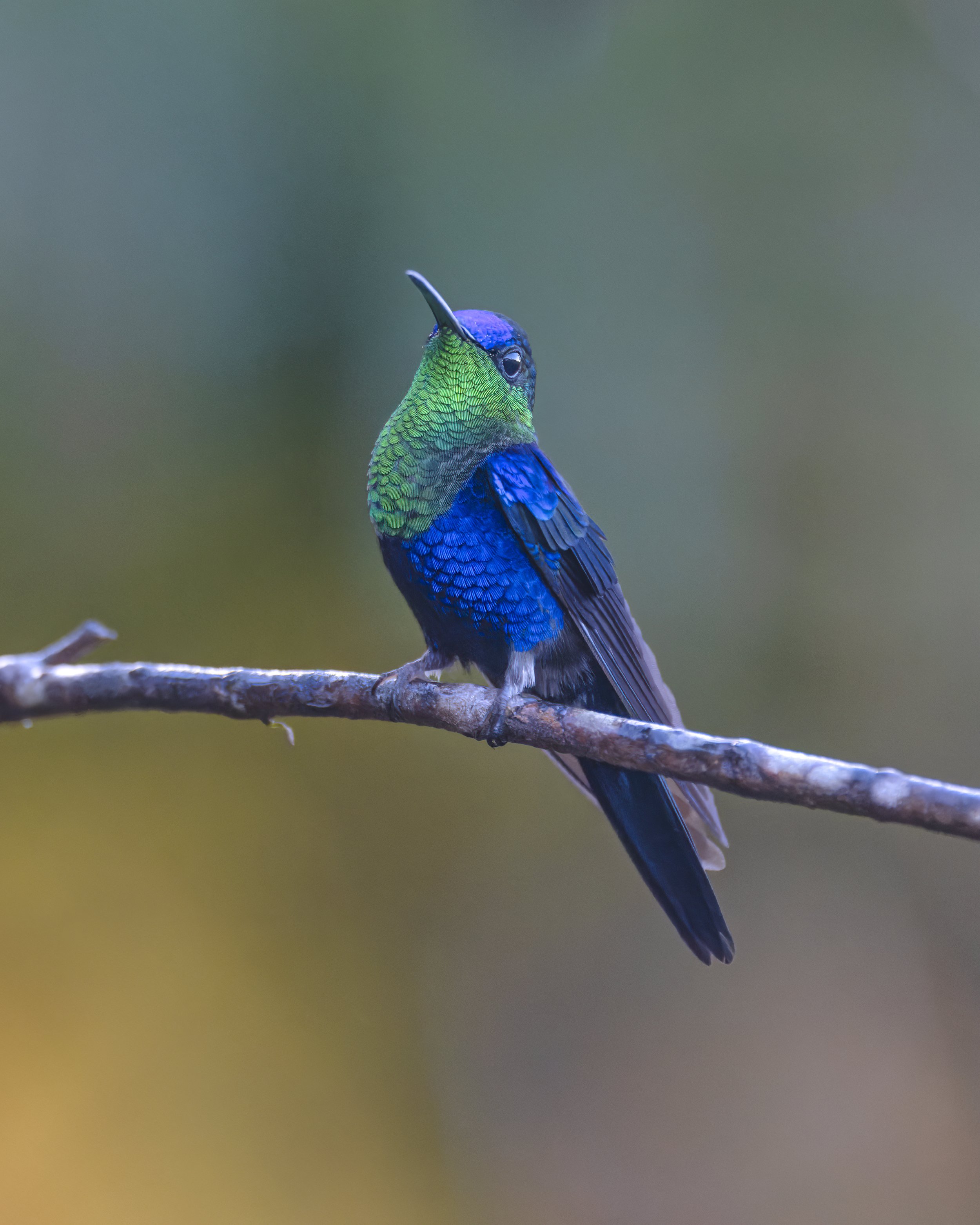
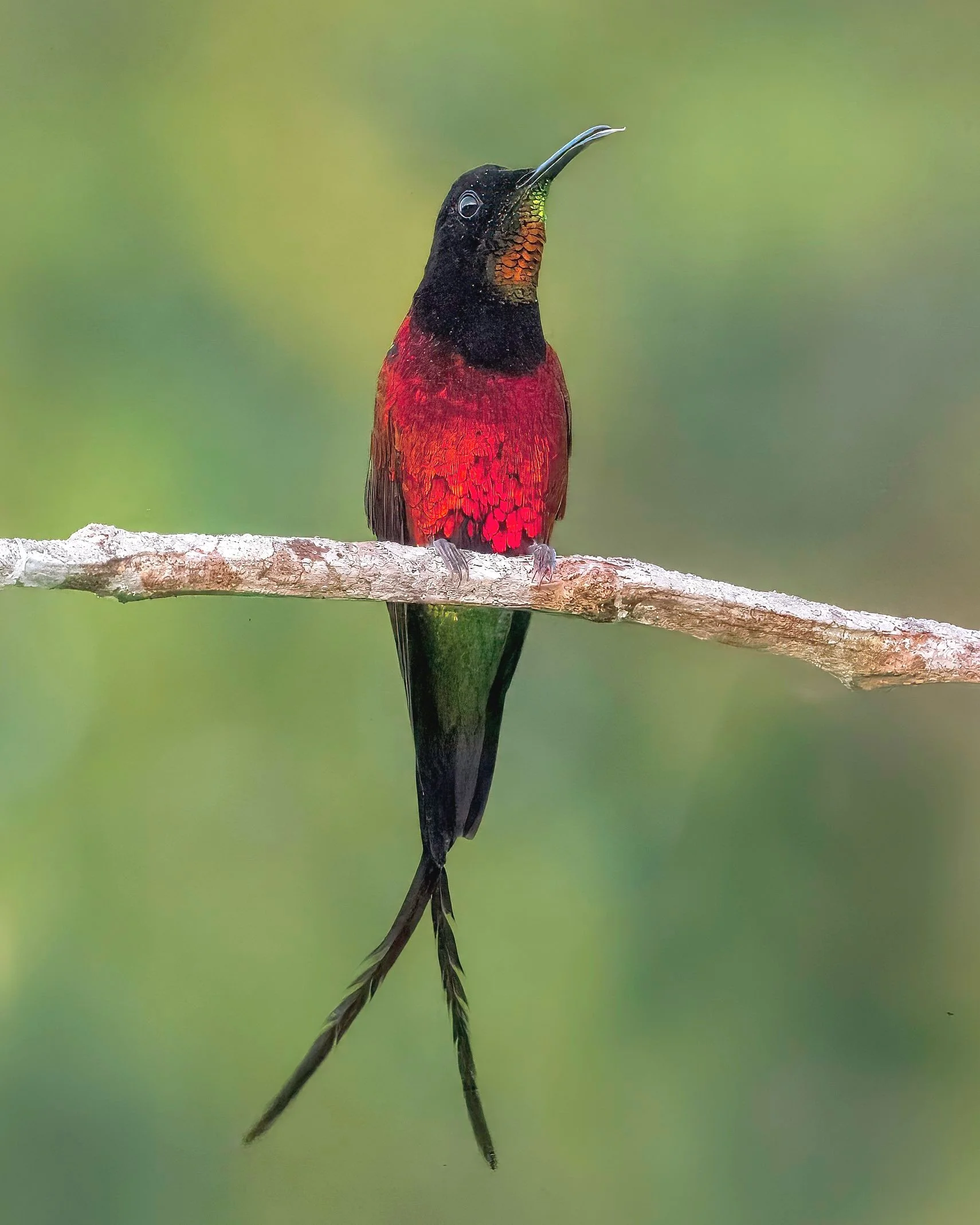

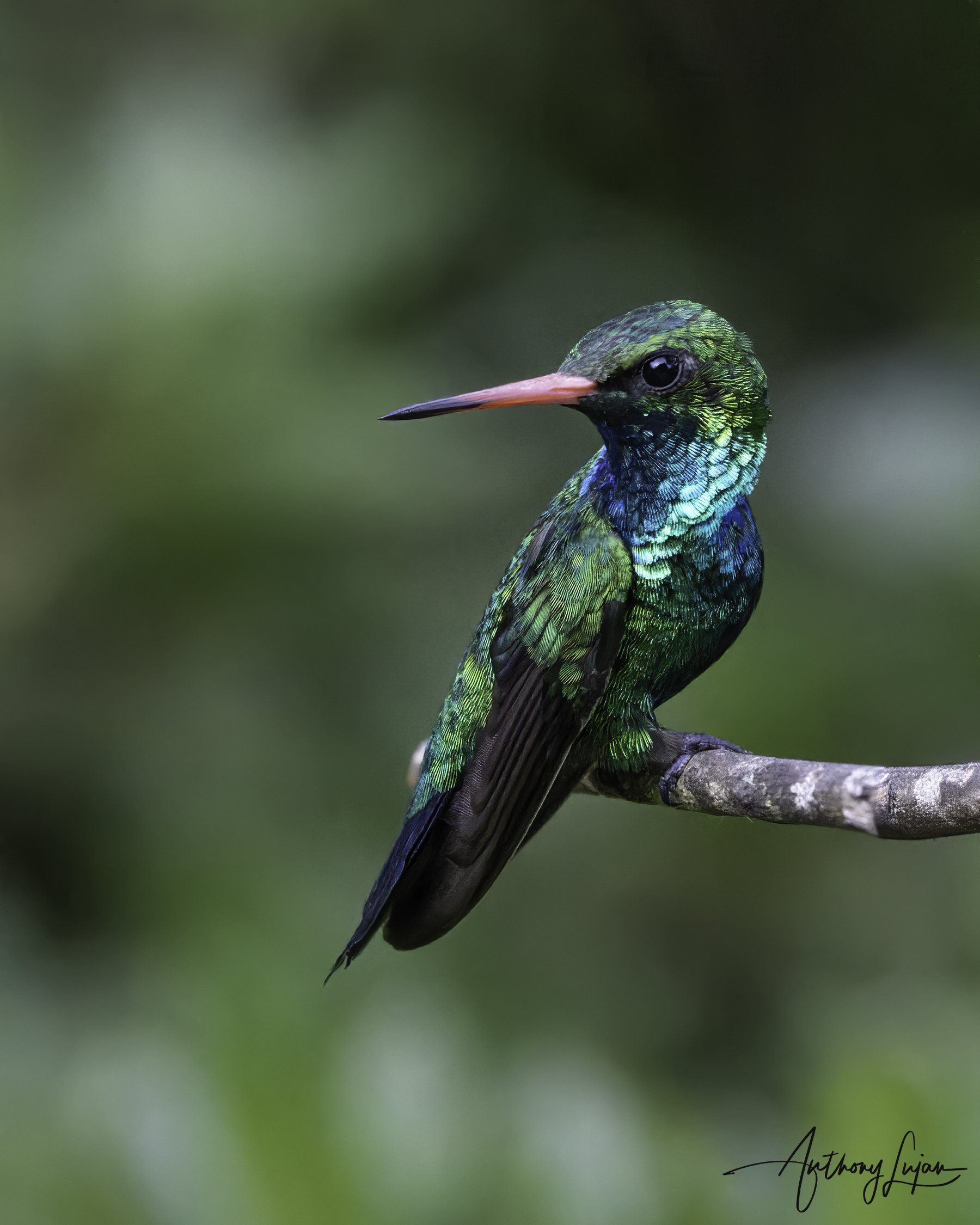
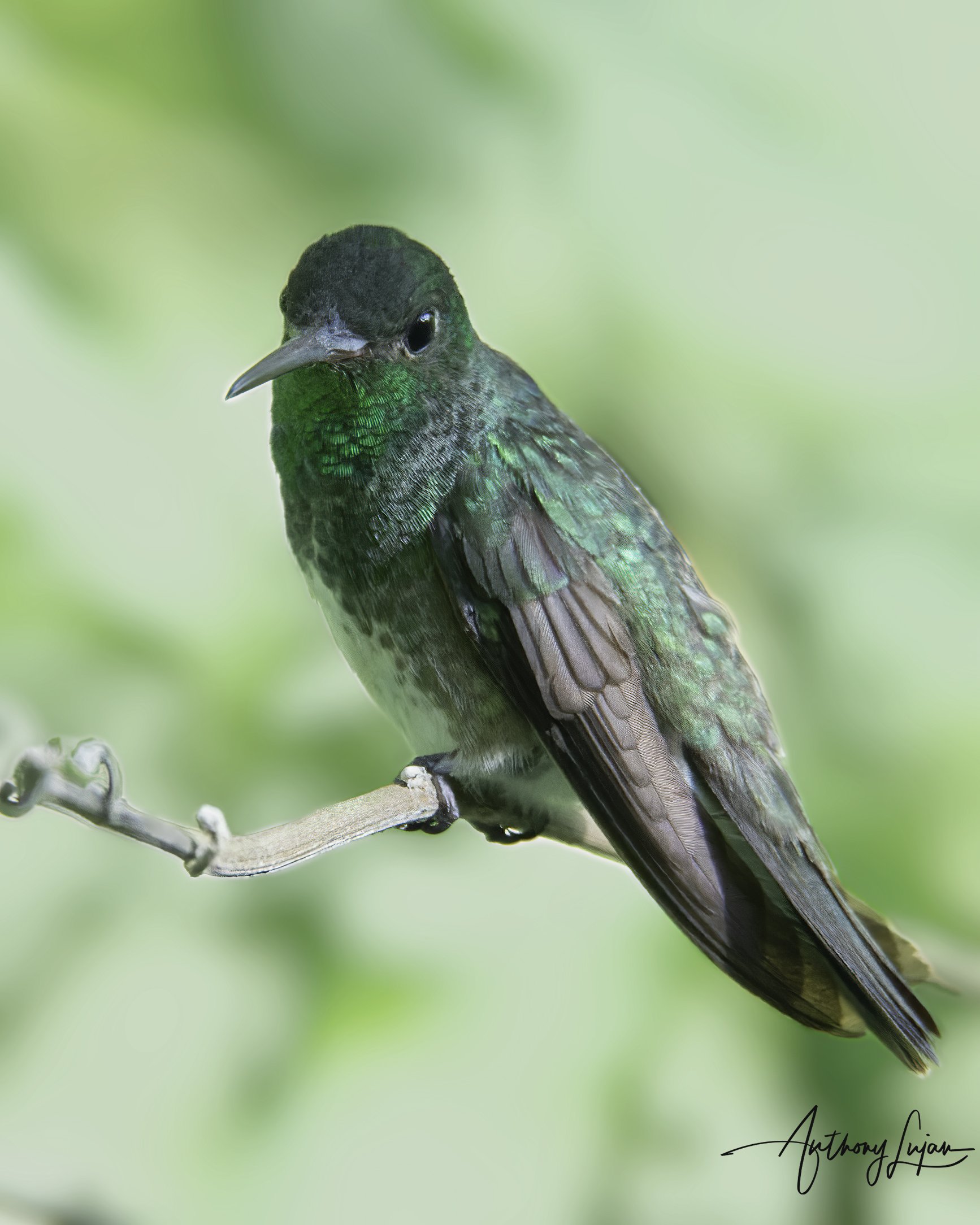



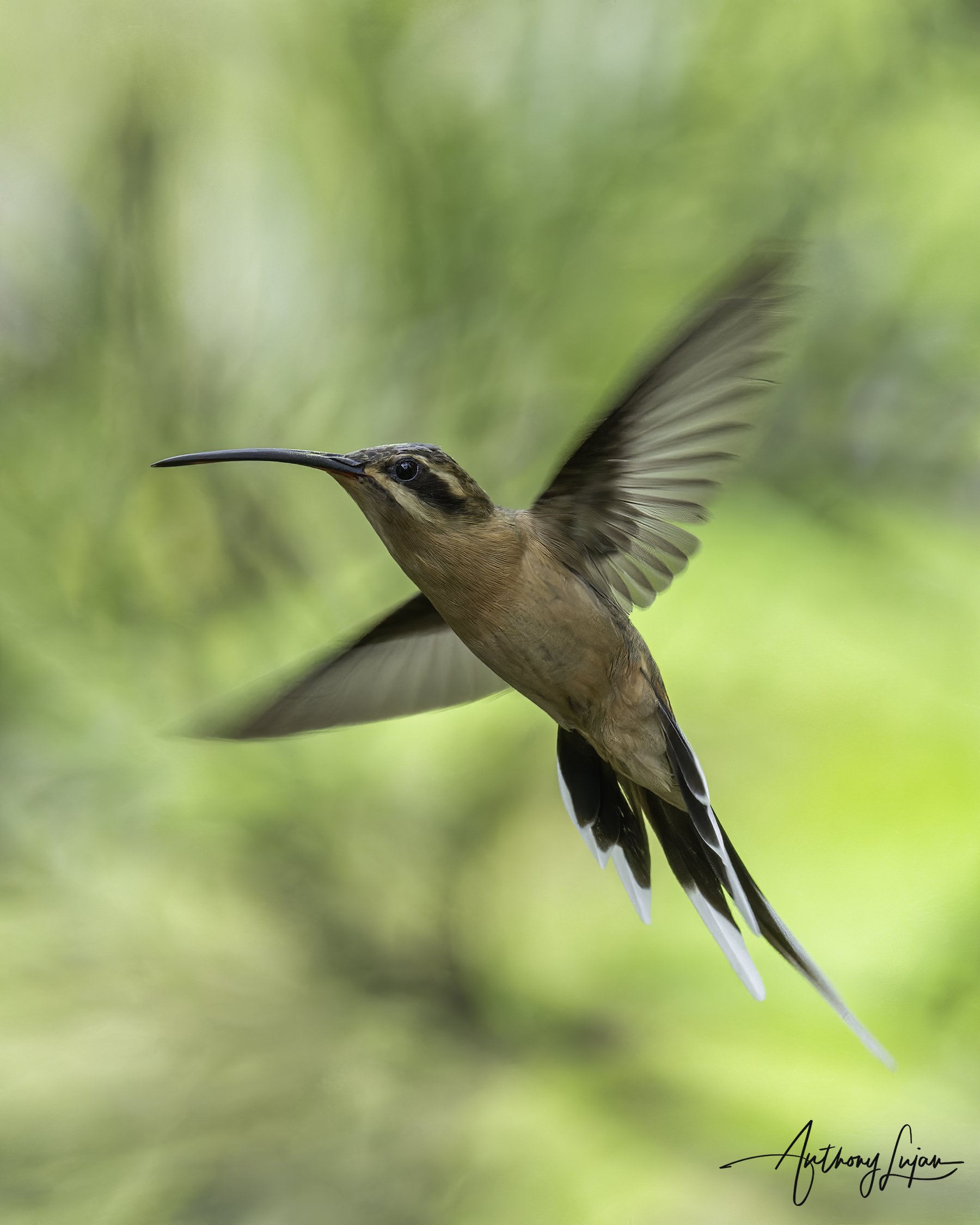
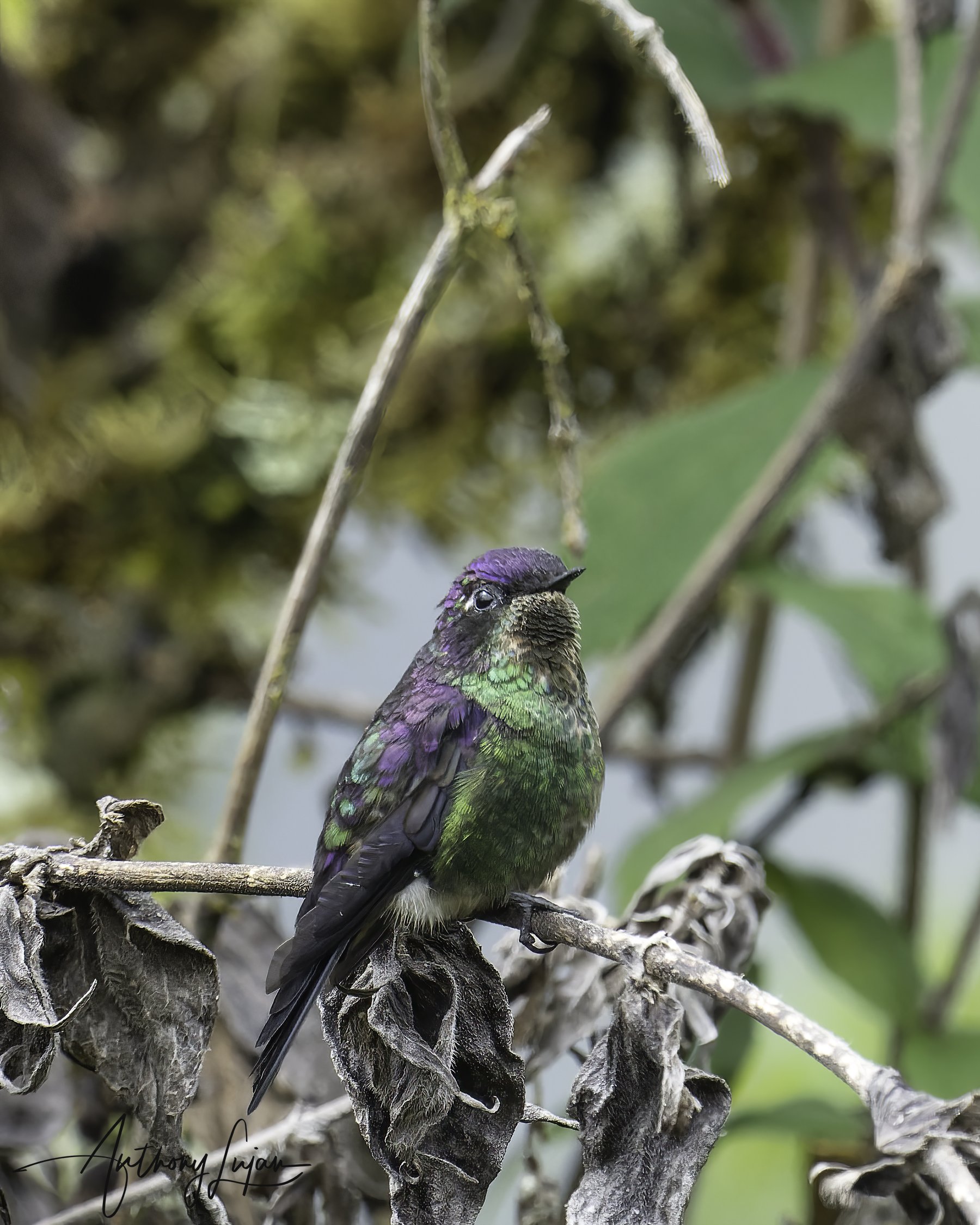


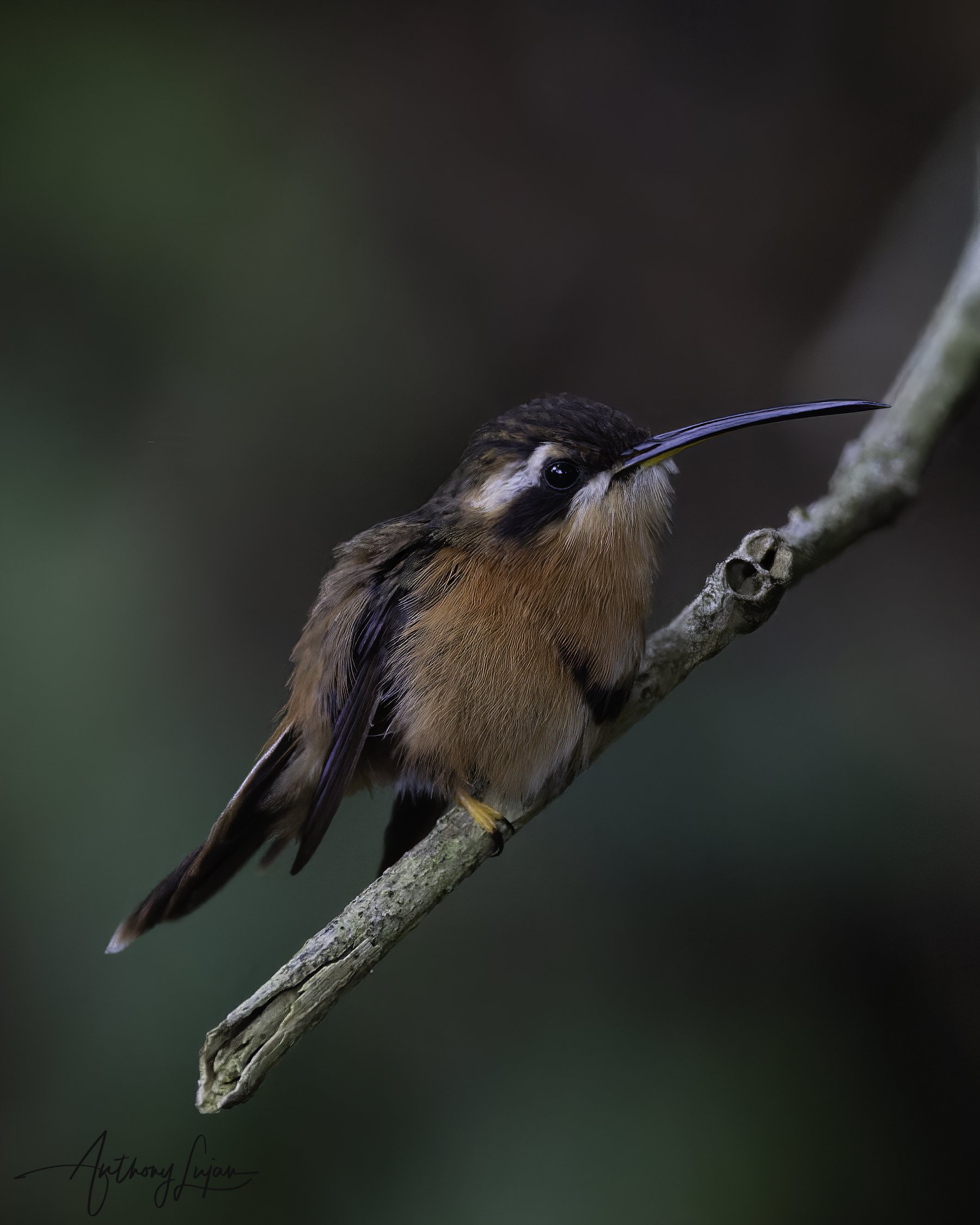
Explore hummingbirds by country to see which species Anthony has photographed in each place and how his growing gallery fits together across the Americas.