Hummingbirds of Trinidad and Tobago – Overview
Trinidad and Tobago is a small twin-island nation with an impressive hummingbird diversity, with 20 species recorded across its forests, gardens, and coastal hills. From lowland evergreen forests and riverside thickets to village gardens and dedicated hummingbird sanctuaries, these islands offer many accessible places to watch and photograph hummingbirds at close range.
In Trinidad and Tobago, tiny woodstars and emeralds zip between garden flowers and feeders, larger jacobins and hermits work the forest edges and understories, and the striking sabrewings appears in the hill forests of Tobago, making it possible to see a wide range of behaviors and plumages within a compact area.
Endemic and threatened hummingbirds of Trinidad and Tobago
Although Trinidad and Tobago shares many hummingbird species with nearby Venezuela and the wider mainland, the White-tailed Sabrewing (Campylopterus ensipennis) stands out as a Near Threatened species with a particularly strong association with Tobago’s hill forests, where its limited global range, history of storm impacts, and dependence on mature and regenerating woodland highlight how important these vulnerable habitats are for the long-term conservation of the islands’ hummingbird diversity.
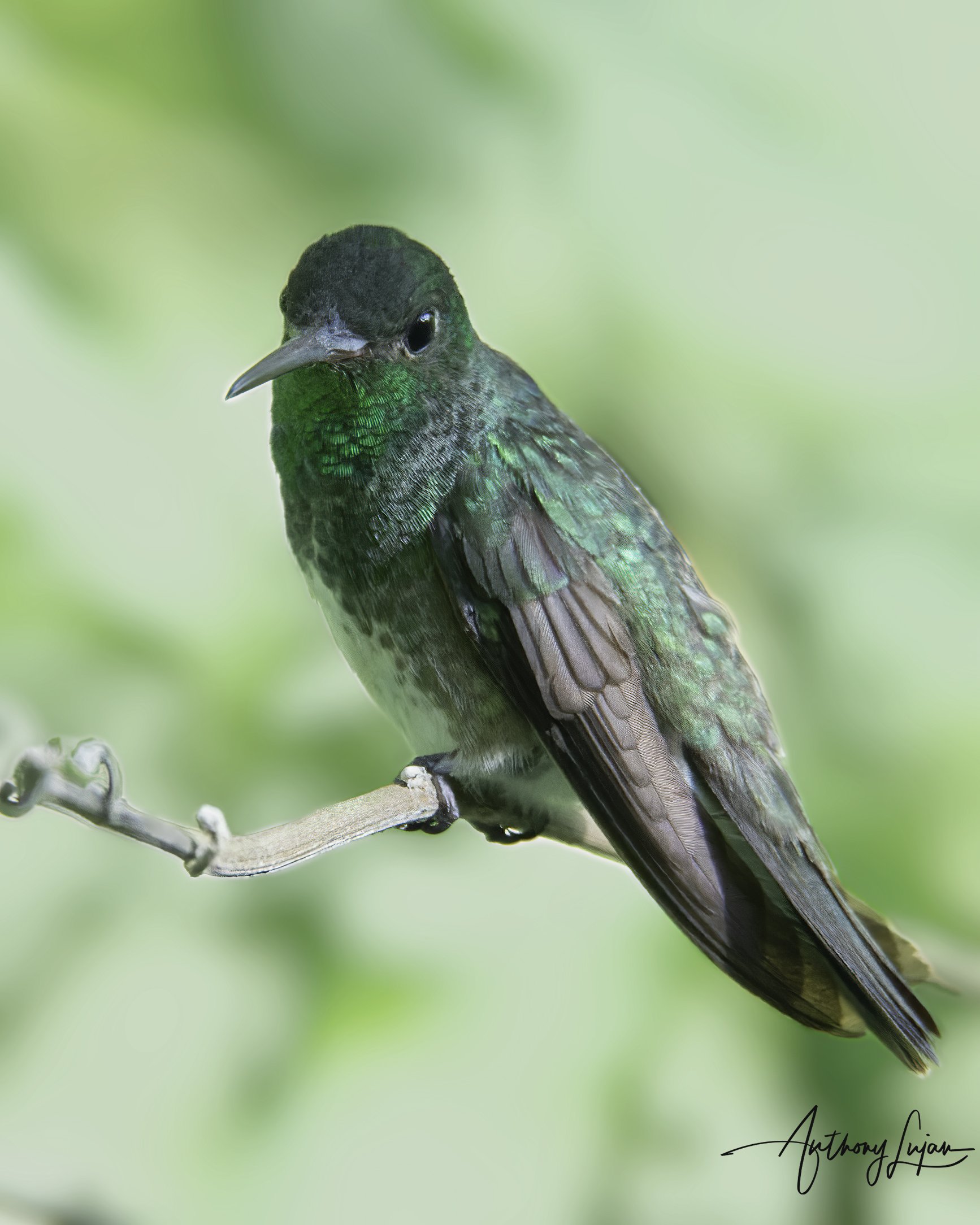
Anthony has photographed all of the 20 hummingbird species recorded in Trinidad and Tobago, including many of the islands’ most recognizable garden and forest specialists like the Tufted Coquette (Lophornis ornatus), Blue-chinned Sapphire (Chlorestes notata), Copper-rumped Hummingbird (Saucerottia tobaci), Little Hermit (Phaethornis longuemareus), and the White-chested Emerald (Chrysuronia brevirostris). The first section highlights the hummingbirds photographed in Trinidad and Tobago, and the second showcases additional species from the country that he has documented elsewhere, building a more complete picture of the islands’ hummingbird fauna.
Major hummingbird habitats in Trinidad and Tobago
Lowland and foothill forests – hermits, jacobins, and other species using humid evergreen forests, forest edges, and riverside thickets on both islands.
Hill forests and ridgelines – sabrewings and other forest hummingbirds using mature hill forest, clearings, and regenerating woodland, especially along Tobago’s Main Ridge and higher slopes.
Gardens, hedgerows, and rural landscapes – many hummingbirds visit flowering gardens, hedgerows, and small farms near villages and towns, as well as dedicated hummingbird gardens and sanctuaries.
Planning a hummingbird trip
If you are interested in traveling with Anthony, joining a small-group hummingbird-focused tour, or reading detailed trip reports about the species and regions he has worked in, be sure to visit the Travel with Me page and the Hummingbird Expeditions section of the blog to explore current opportunities and past expeditions.
Hummingbird species Anthony photographed in Trinidad and Tobago
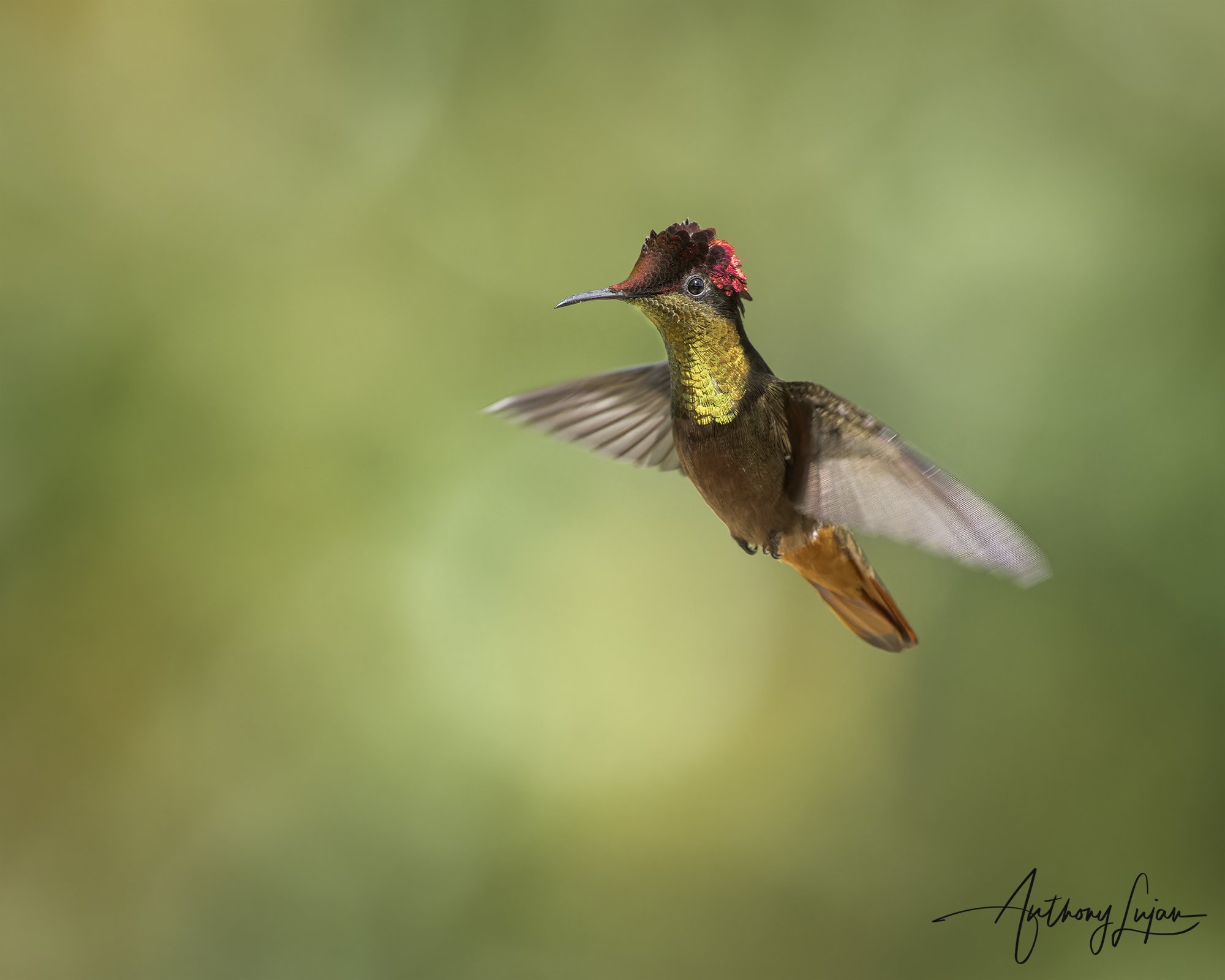
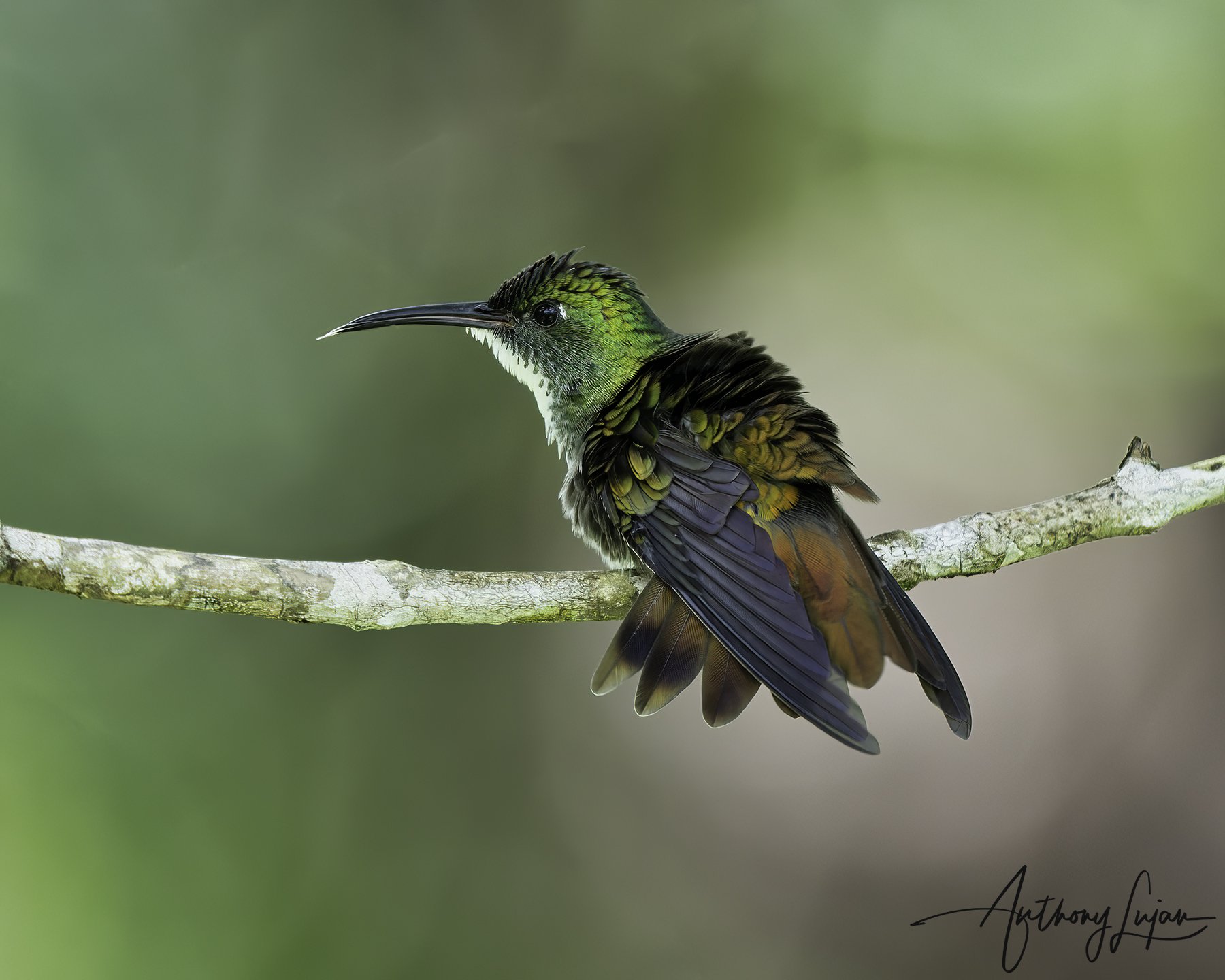
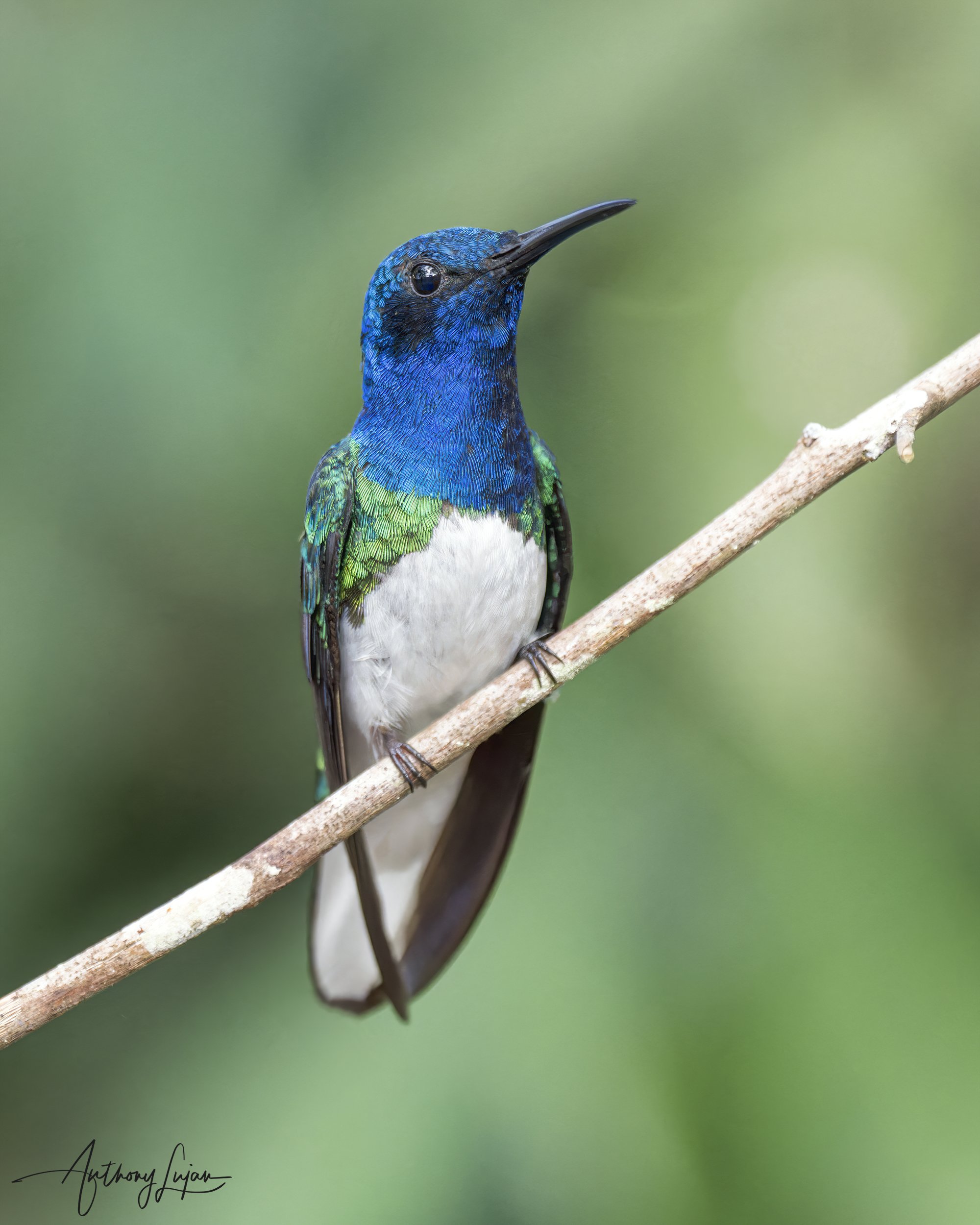
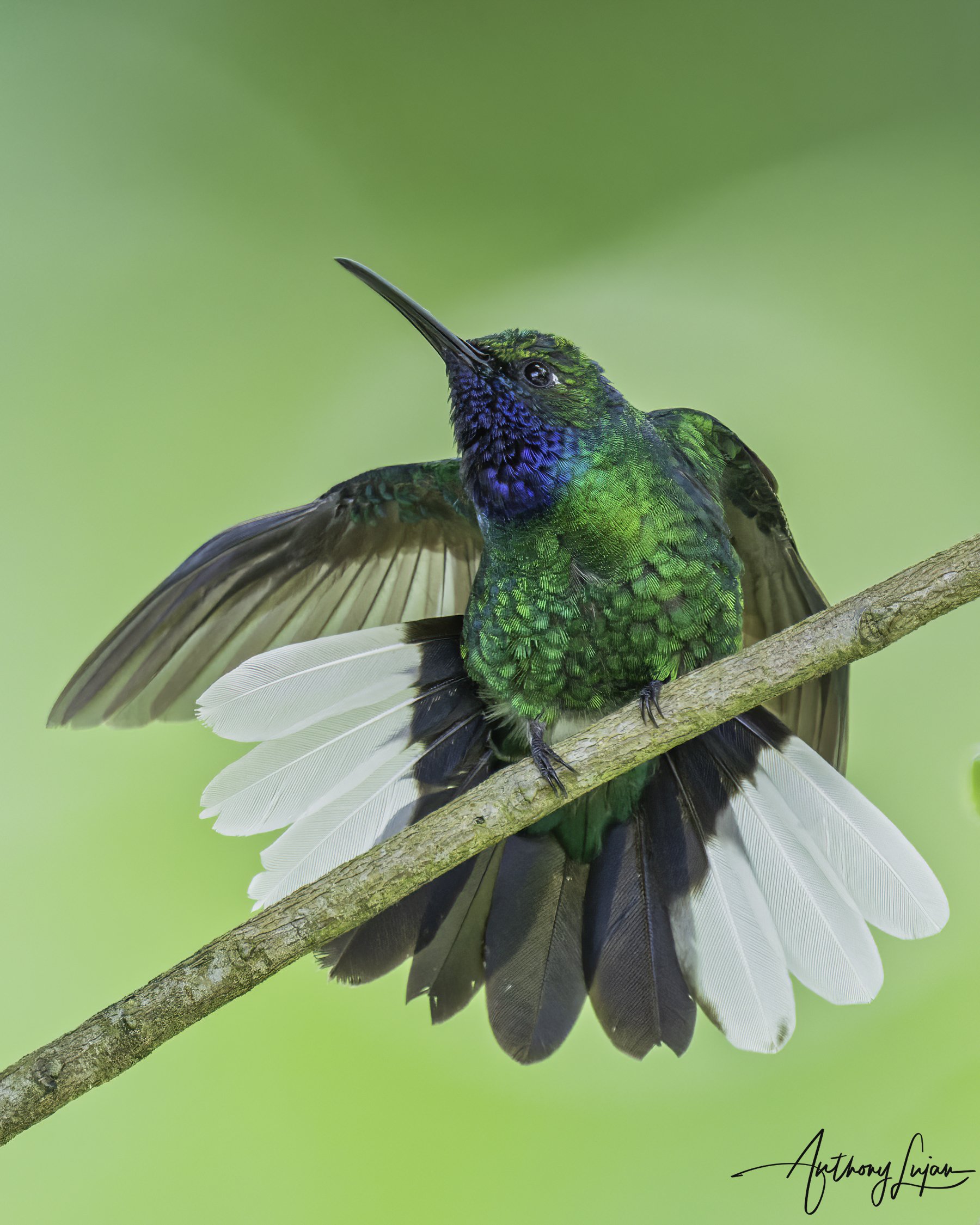
The hummingbirds listed in this section were photographed in Trinidad and Tobago during Anthony’s fieldwork. Together, they provide a firsthand look at the diversity of the islands’ hummingbird communities across different habitats and viewing sites.
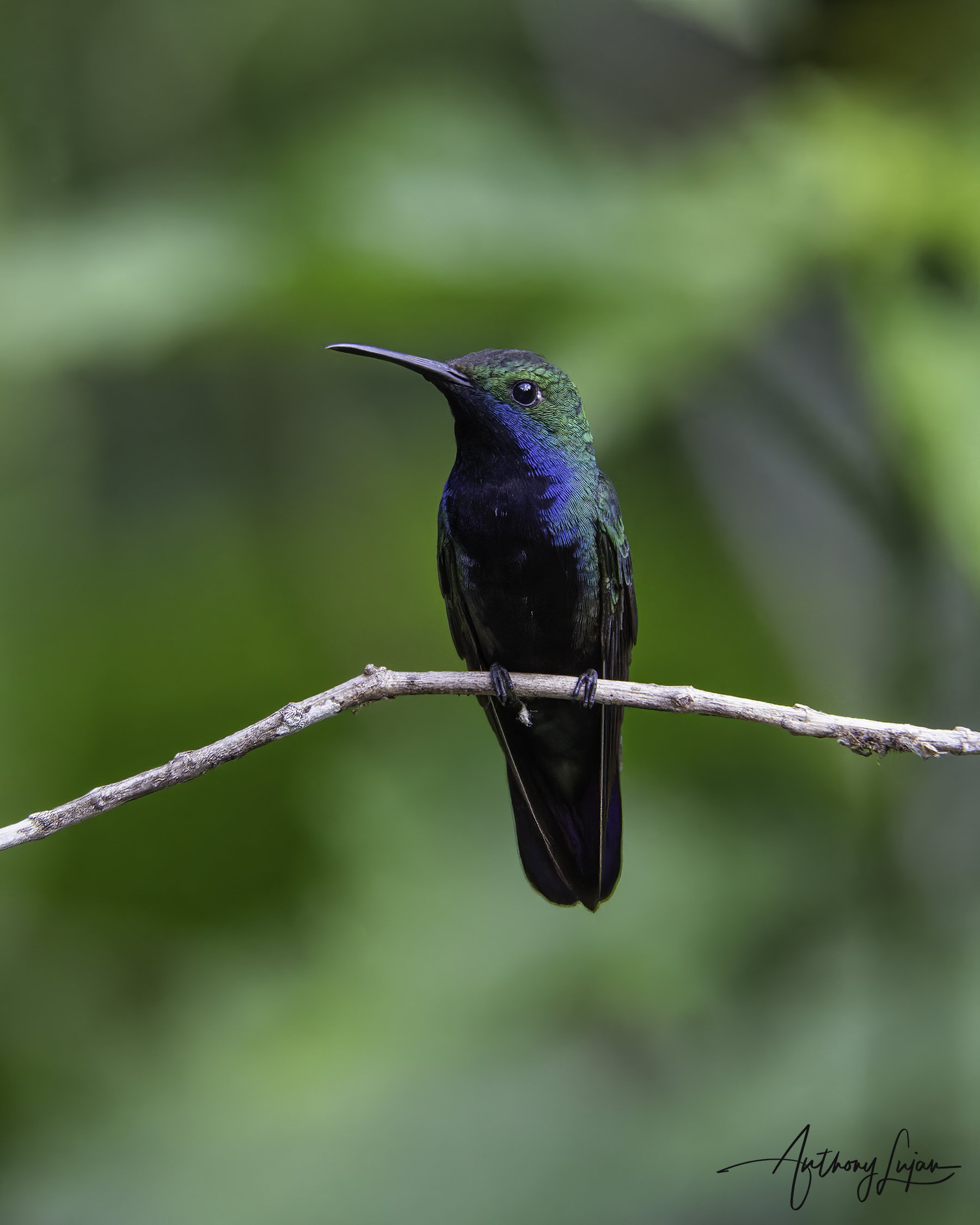

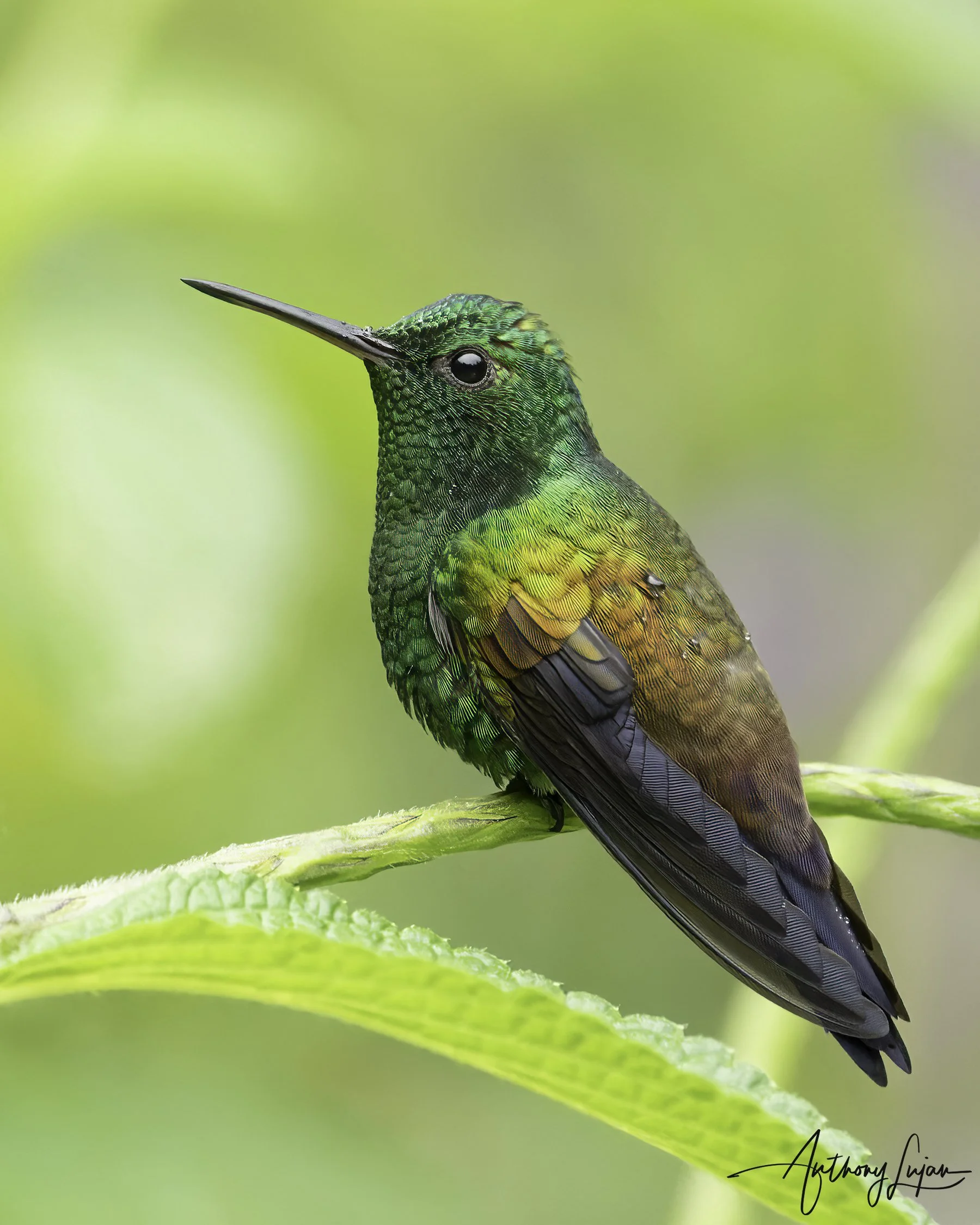

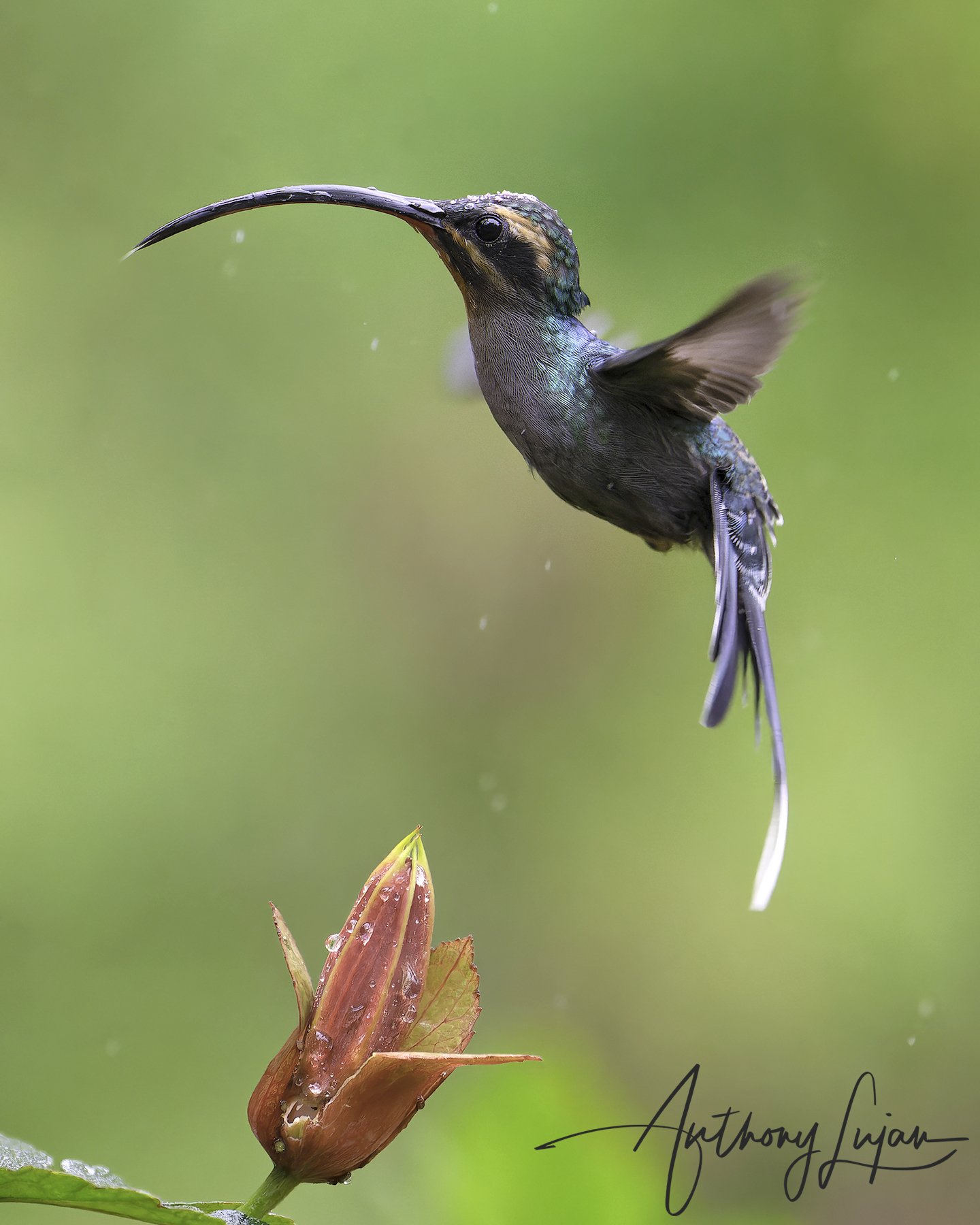





Hummingbirds of Trinidad and Tobago photographed elsewhere
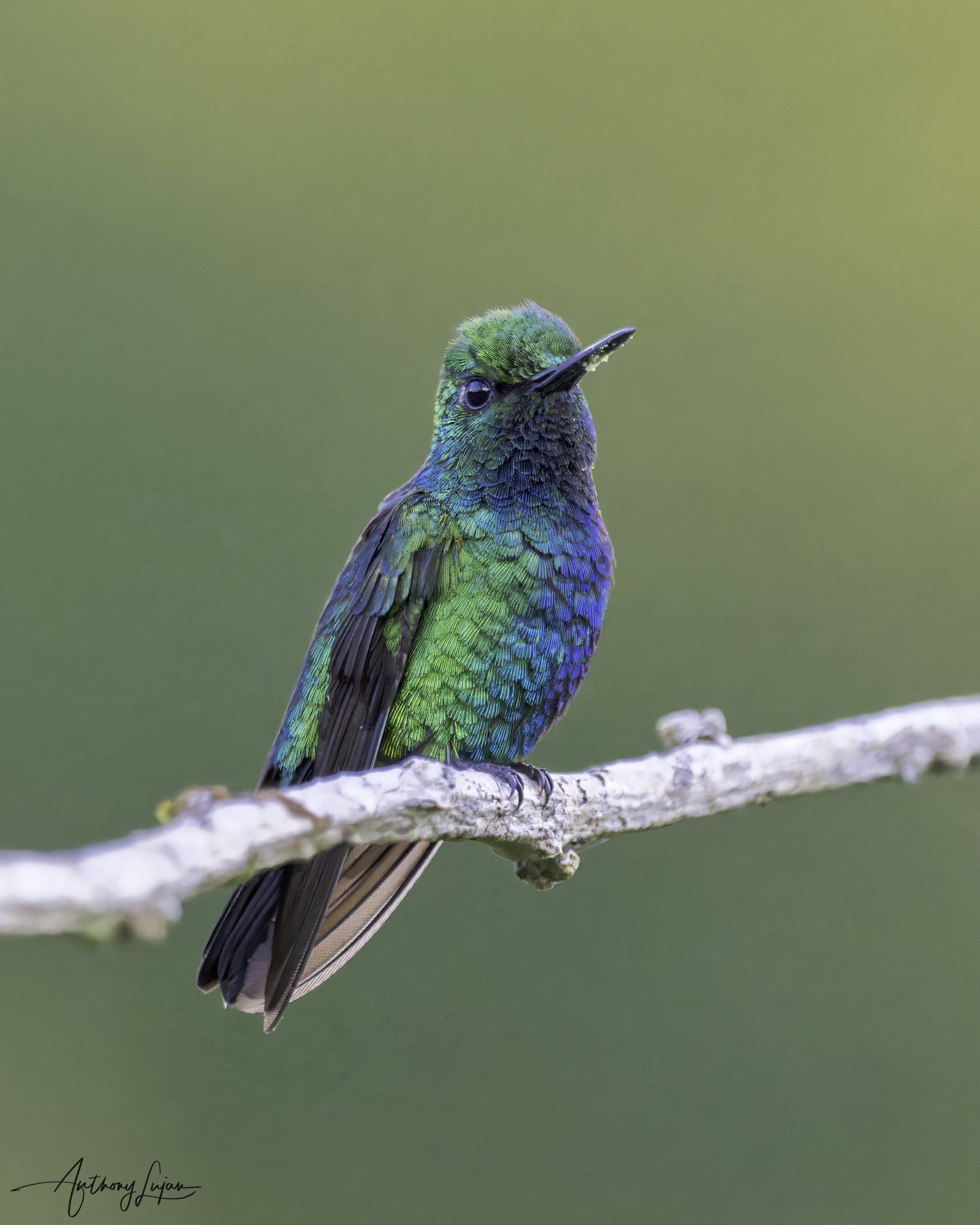
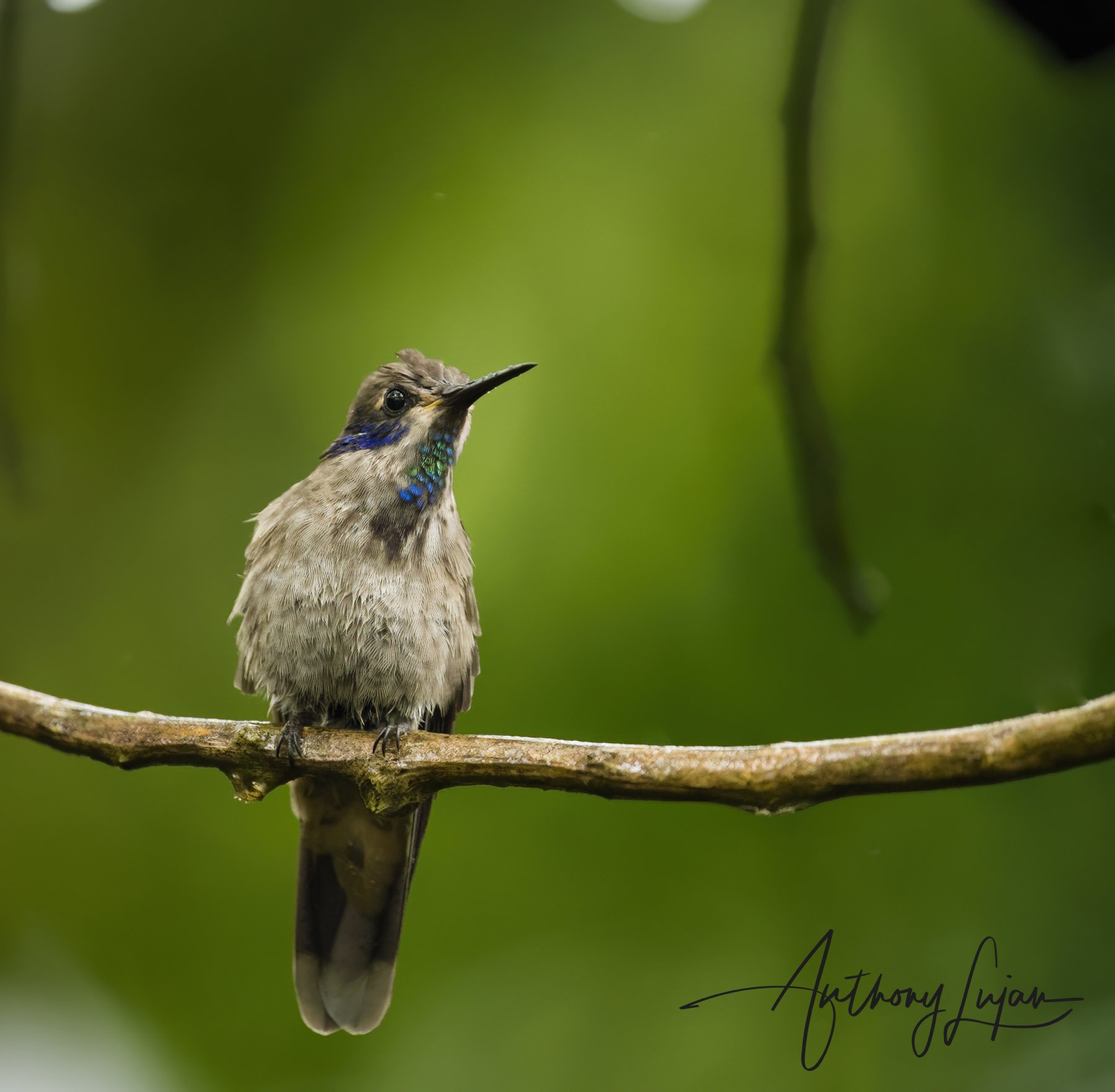
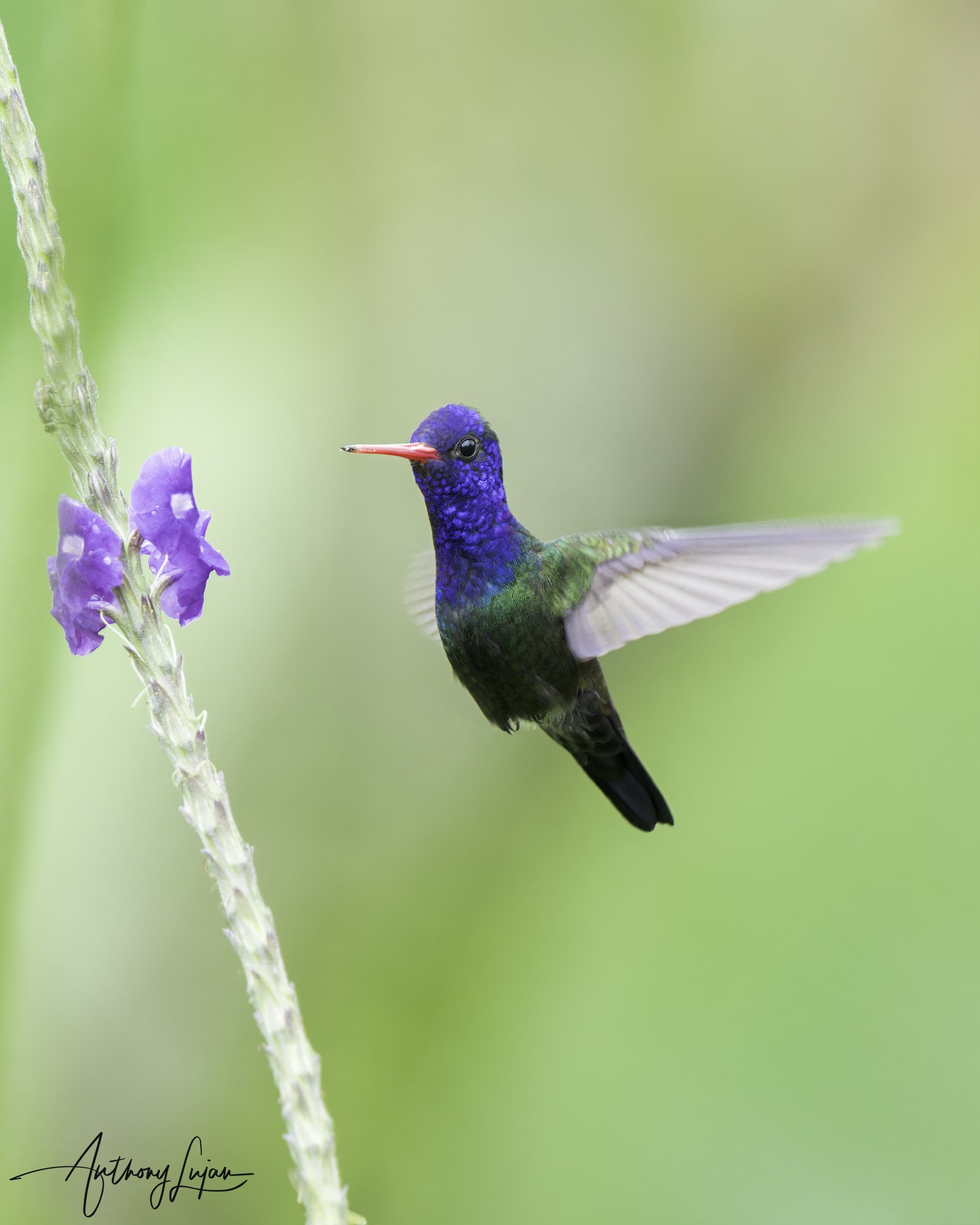
The following hummingbirds occur in Trinidad and Tobago but were photographed in other countries where Anthony has spent time in the field. They help fill out the broader picture of the islands’ hummingbird diversity, even though they have not yet been documented locally. As Anthony continues to explore new sites in Trinidad and Tobago, he will likely photograph more of these species on the islands and move them into the “Hummingbird species Anthony photographed in Trinidad and Tobago” section.


Explore hummingbirds by country to see which species Anthony has photographed in each place and how his growing gallery fits together across the Americas.