
Hummingbirds of Brazil – Overview
Brazil is one of South America’s great hummingbird countries, with approximately 87 species recorded across its vast mix of forests, savannas, and coastal mountains. From the Amazon Basin and Cerrado to the Atlantic Forest and rocky campos rupestres, a diverse hummingbird community has adapted to a wide range of climates, elevations, and flowering plants.
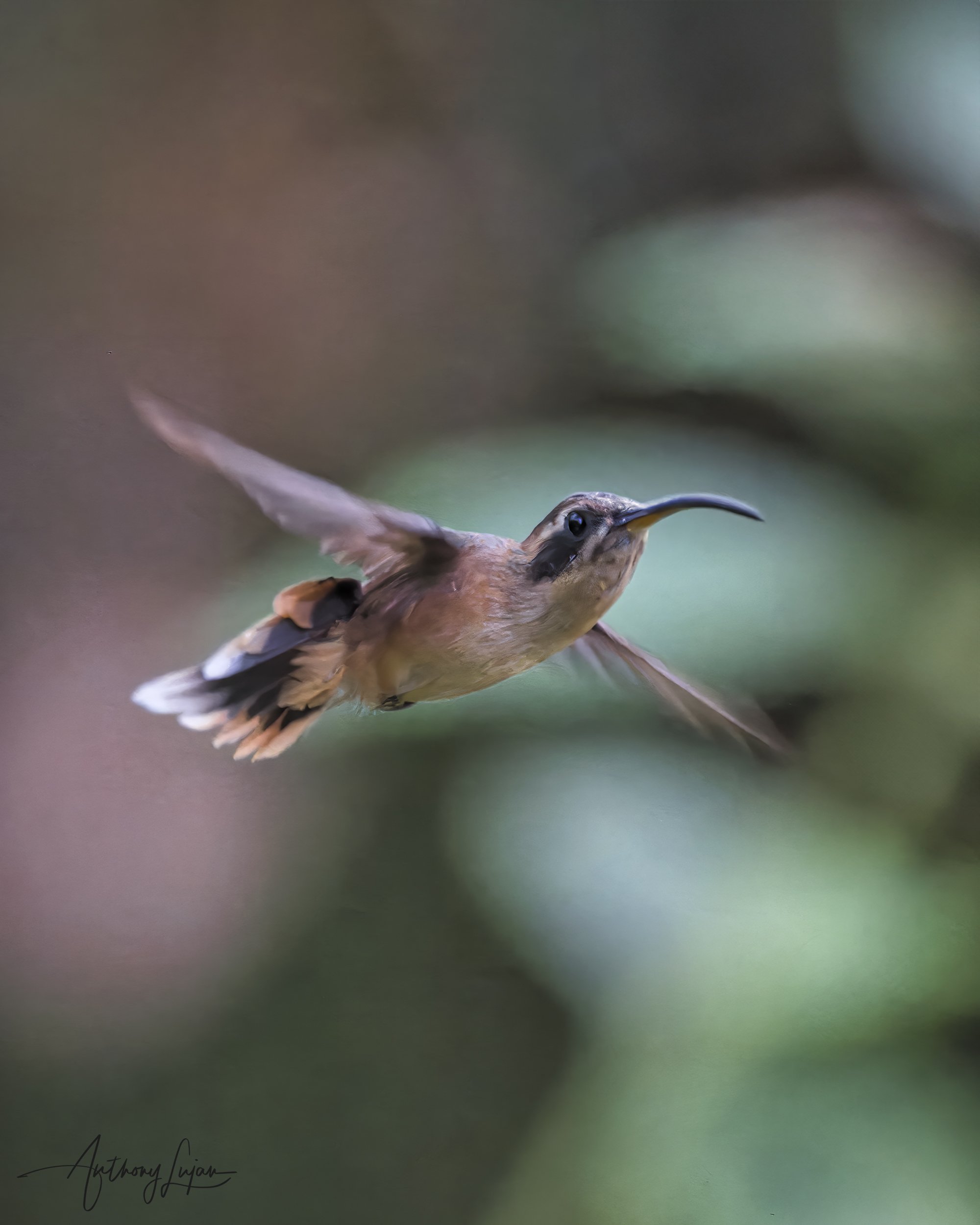
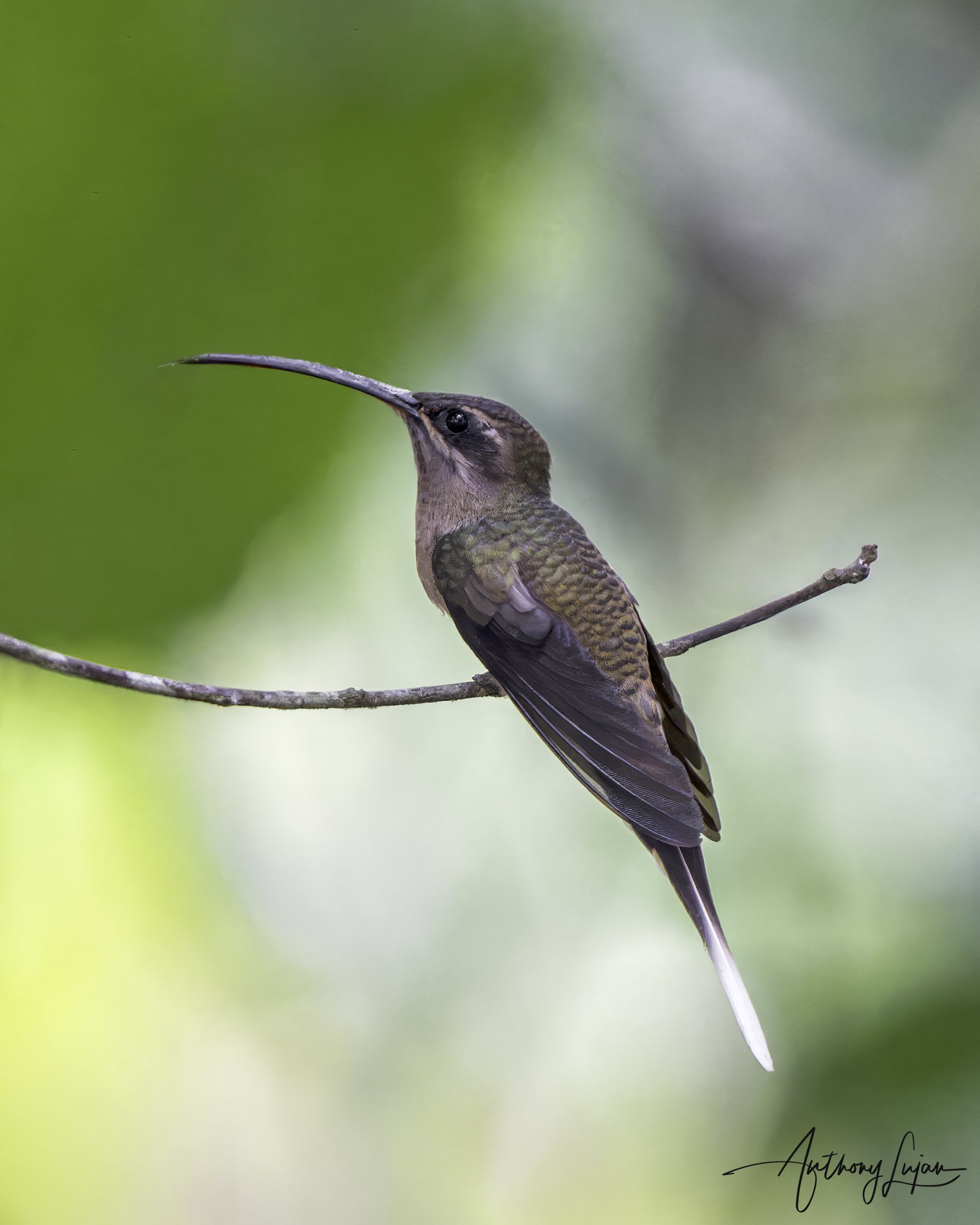
In Brazil, hermits work in shady forest understories, coquettes and plover-crests hover around sunlit forest edges, and larger sabrewings and mangoes feed at flowering trees and garden feeders. The contrasts between humid lowland rainforests, drier interior woodlands, and cooler montane slopes create many different ways to observe and photograph hummingbirds in a single country.
Endemic hummingbirds of Brazil
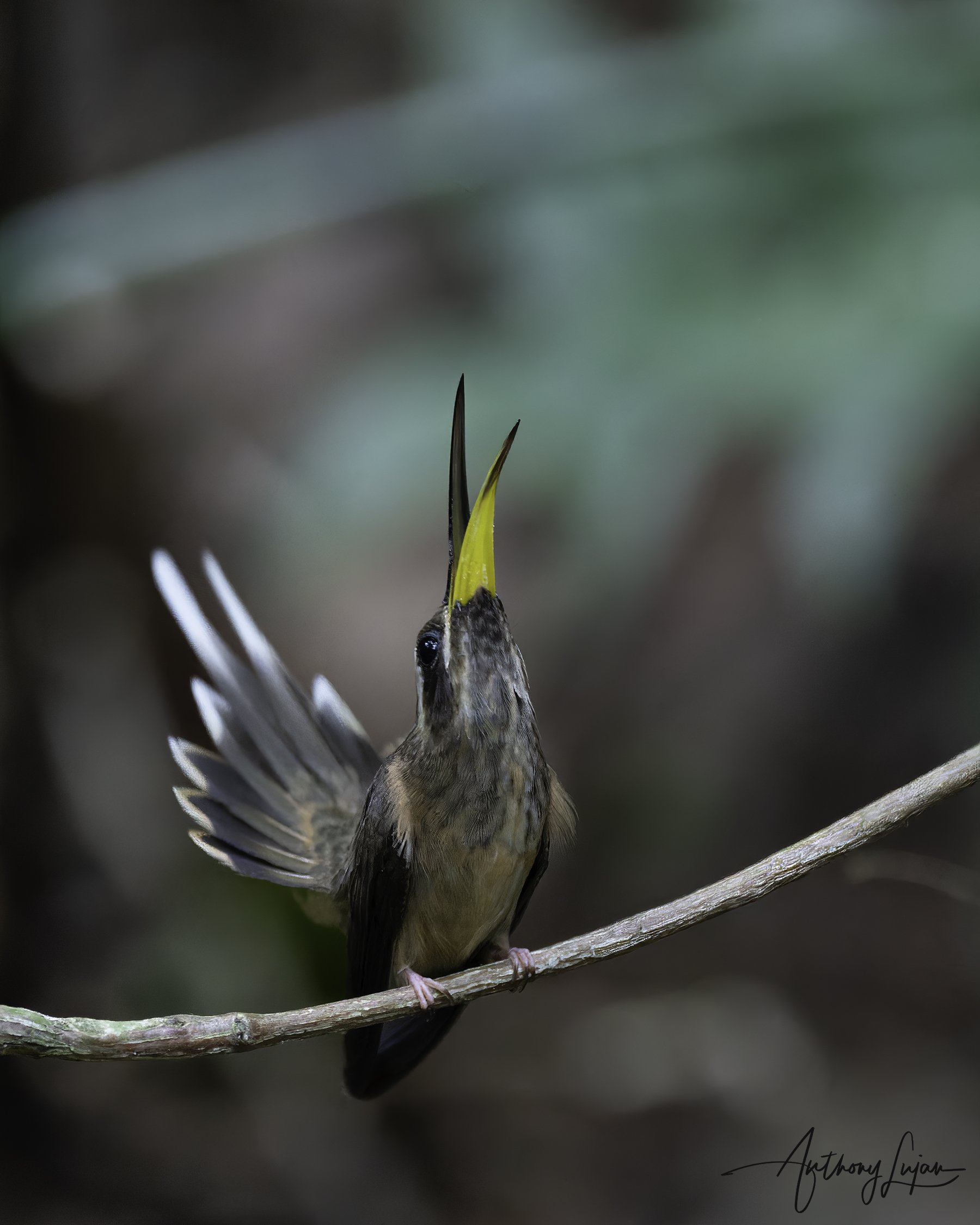
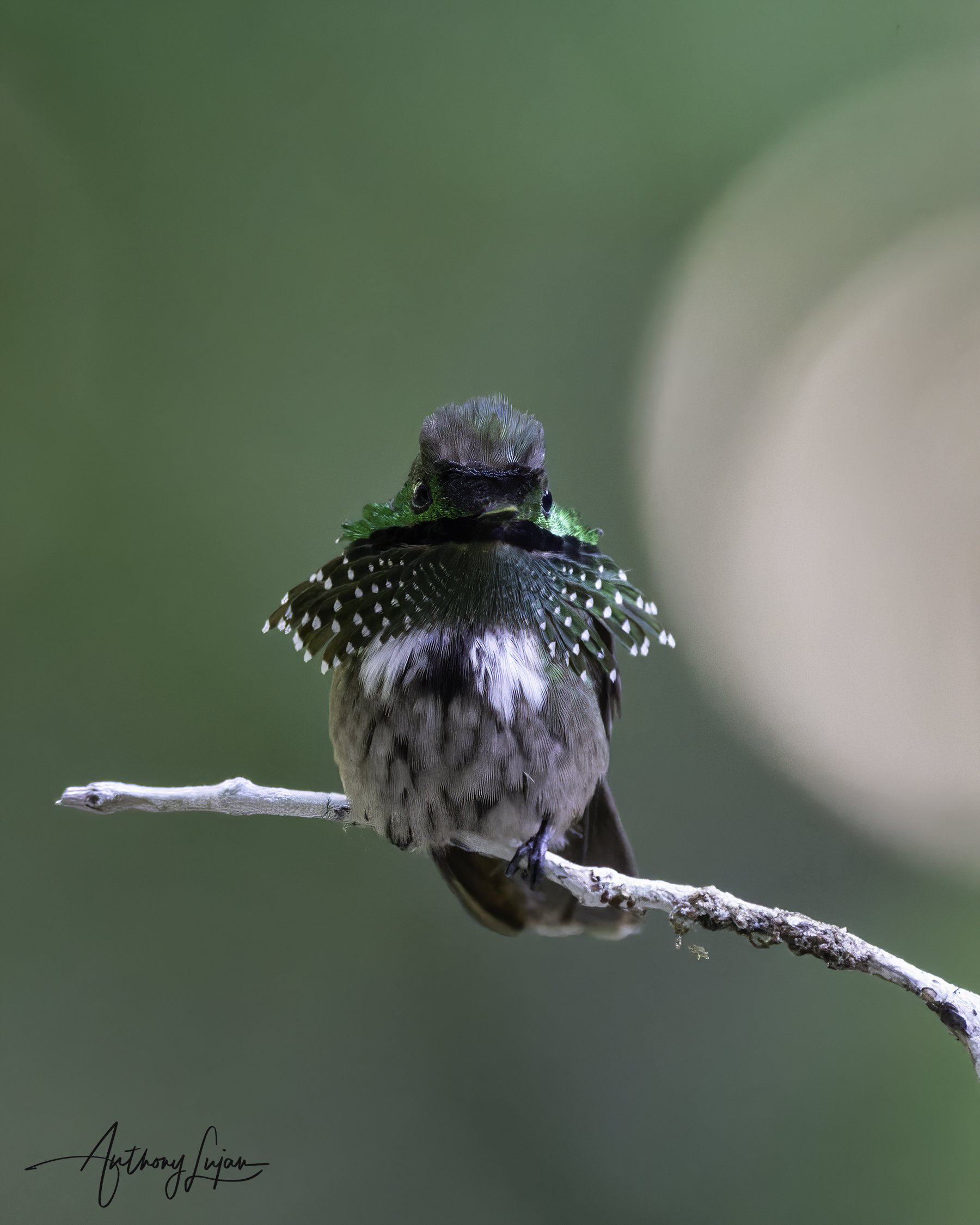
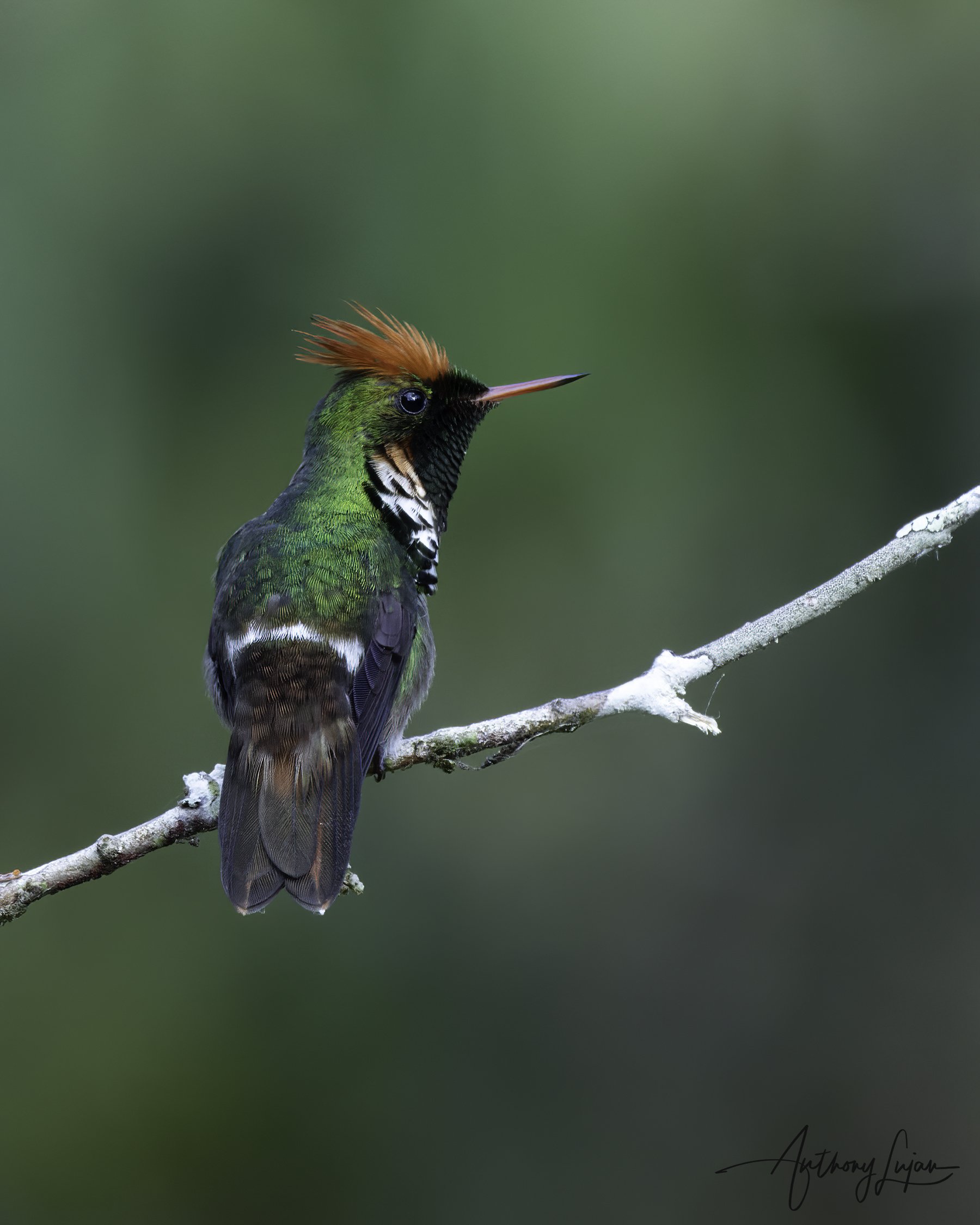
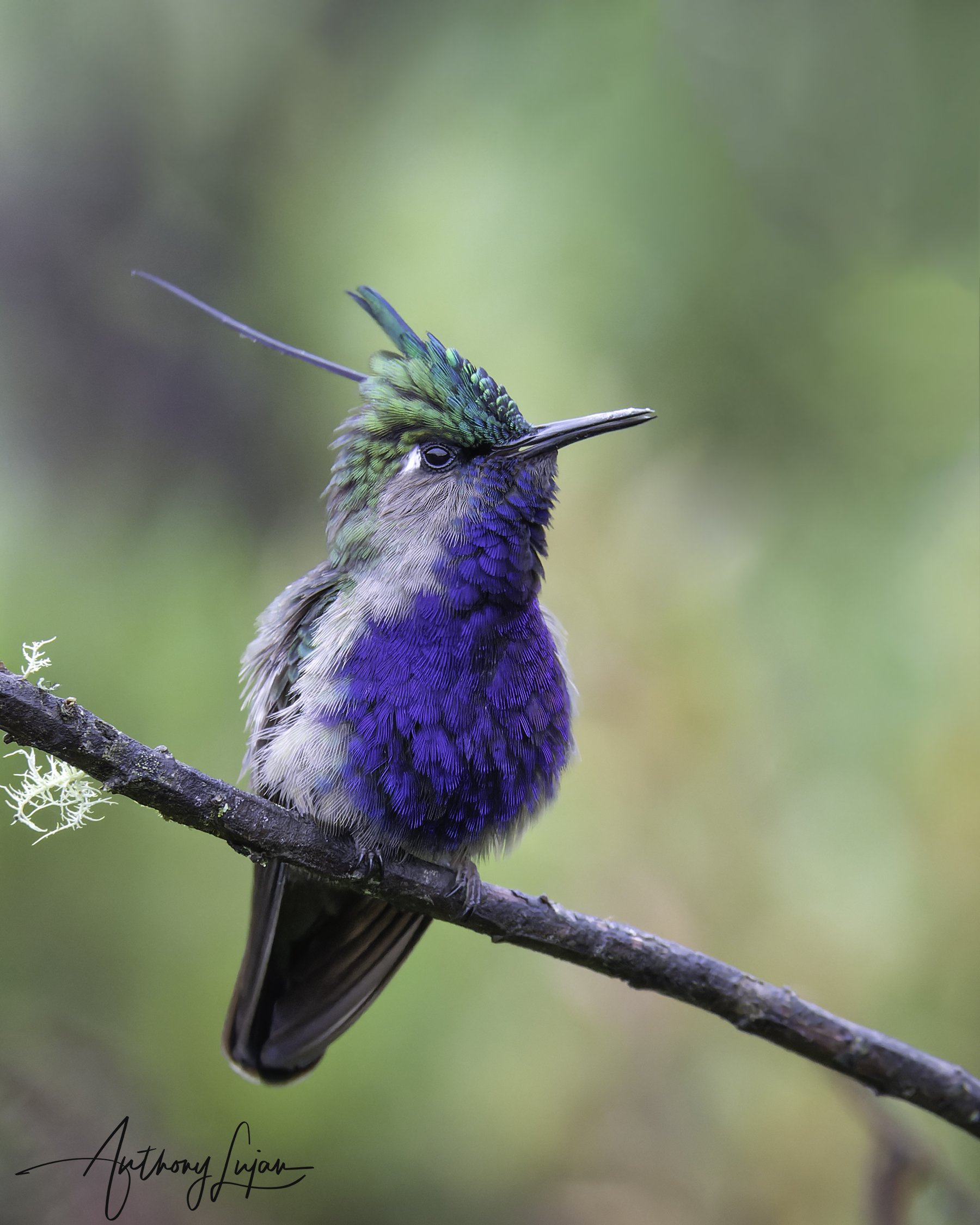
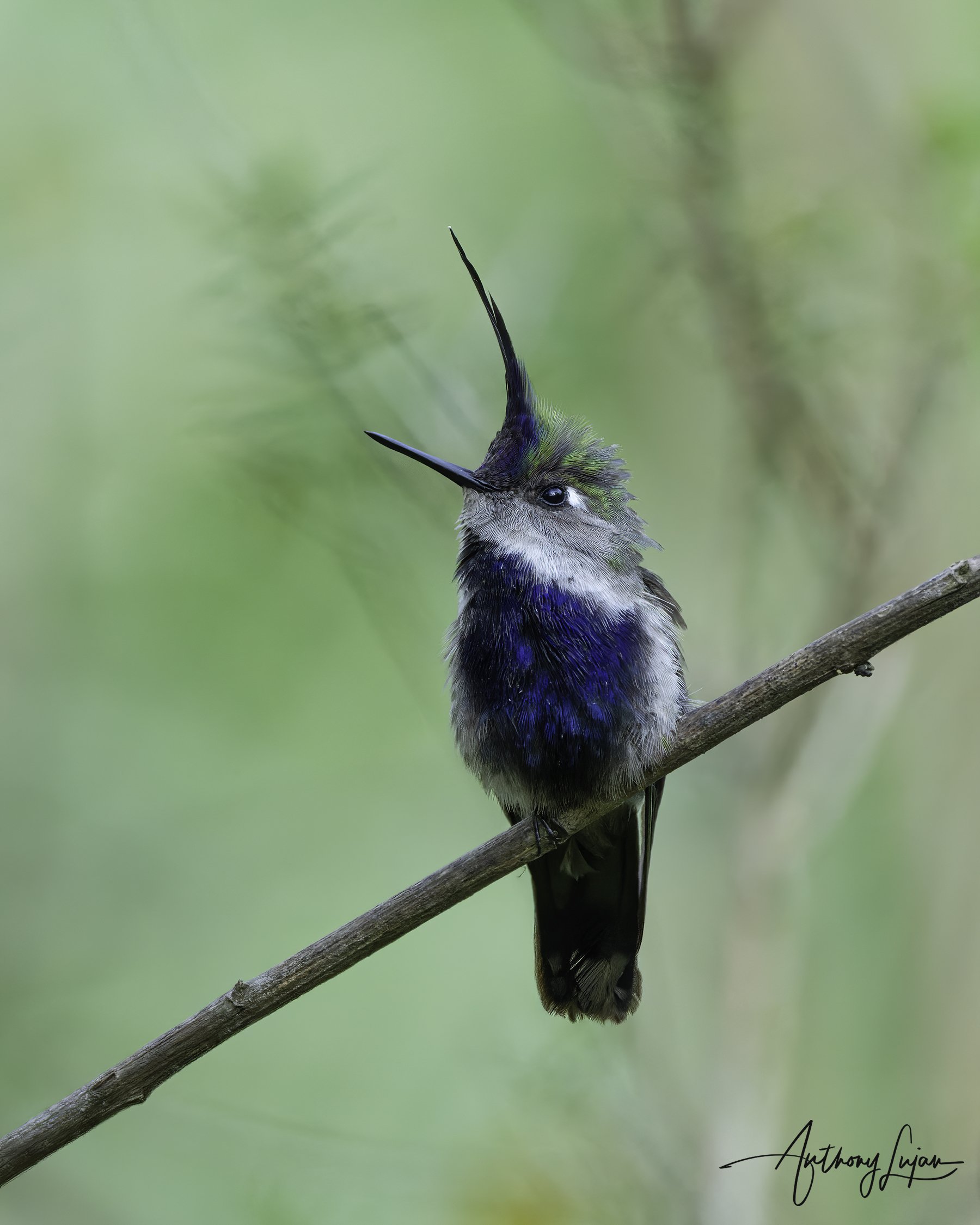
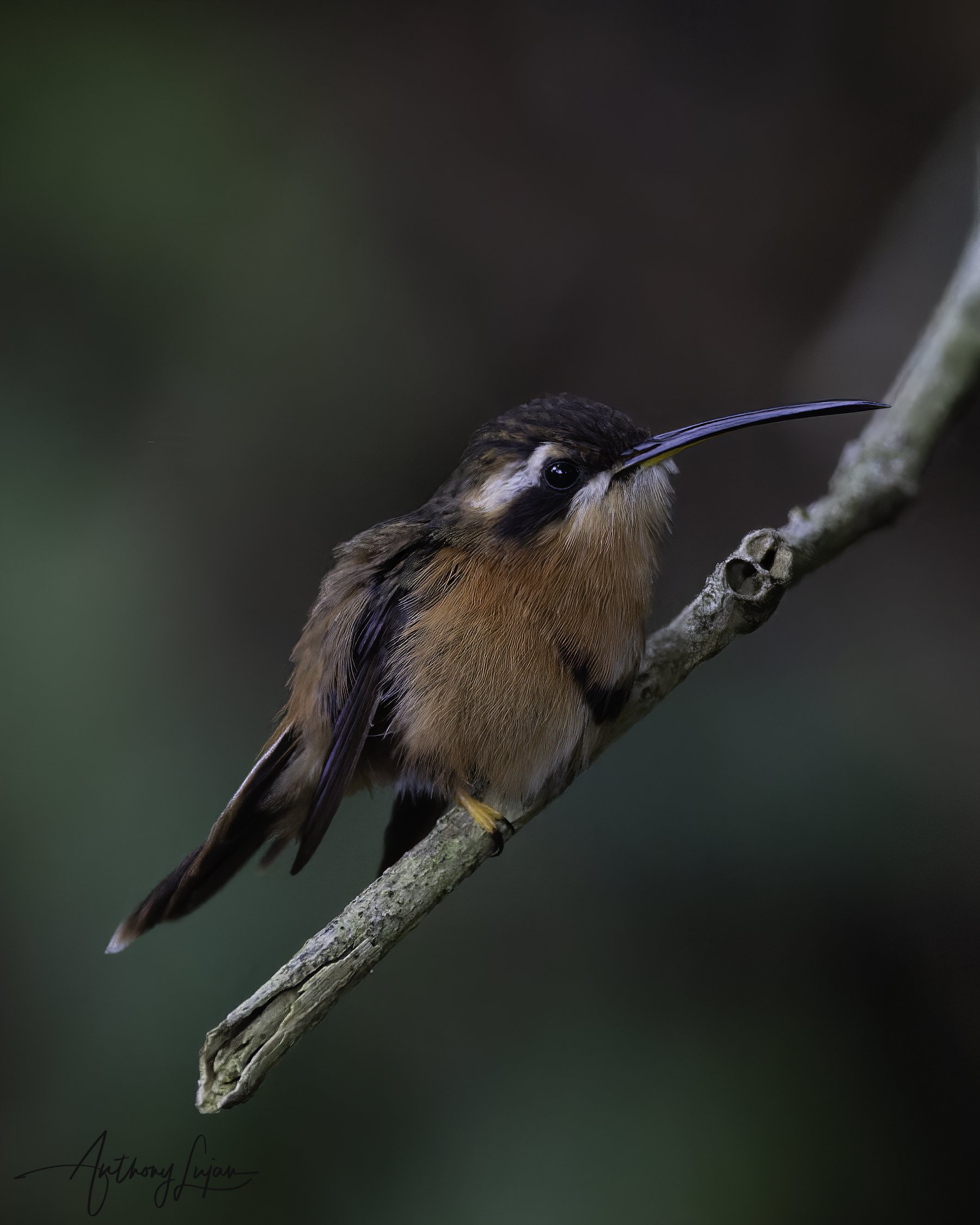
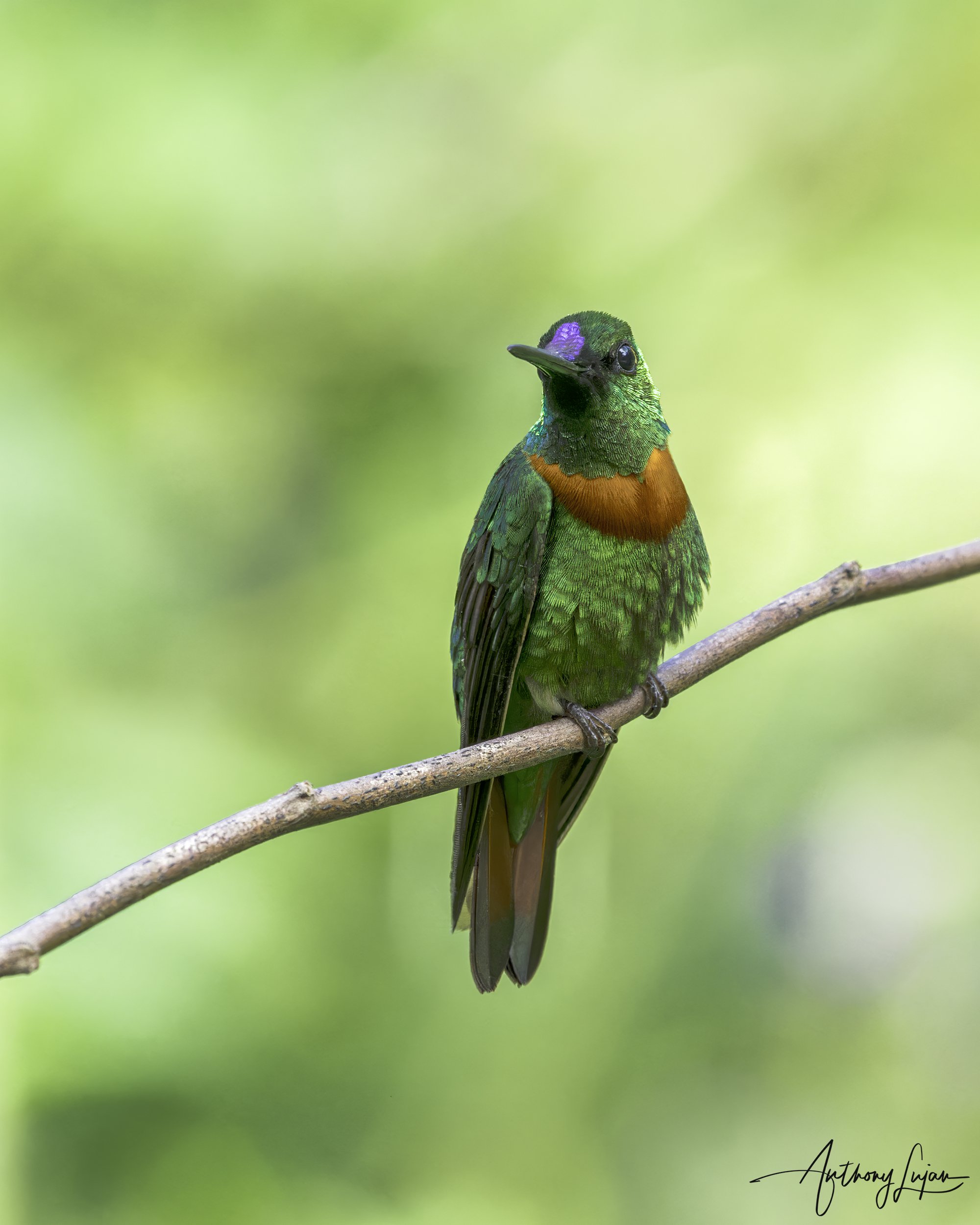
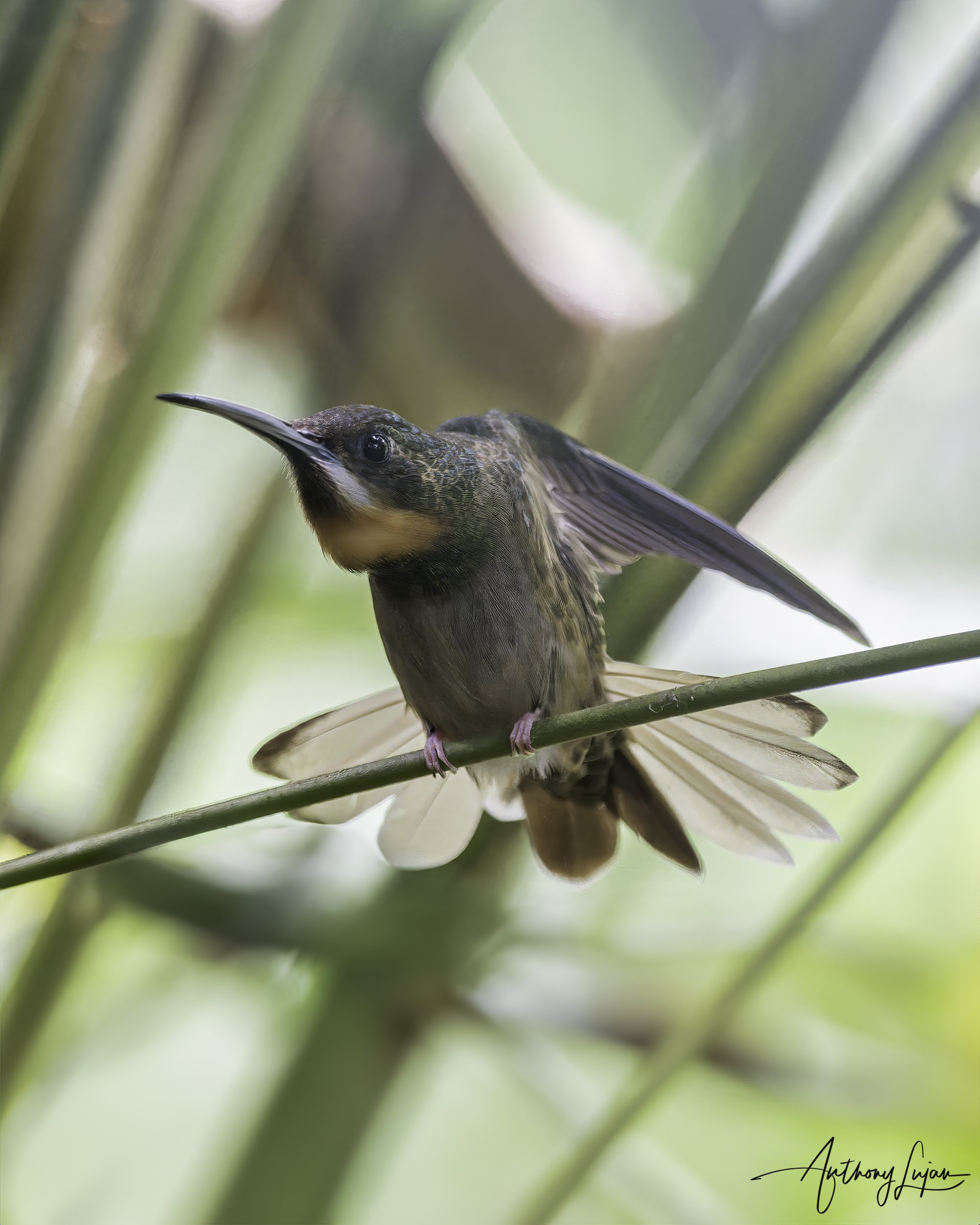
Brazil is home to a remarkable set of hummingbirds that are found nowhere else. Endemic species such as the Brazilian Ruby (Heliodoxa rubricauda), Dusky-throated Hermit (Phaethornis squalidus), Festive Coquette (Lophornis chalybeus), Frilled Coquette (Lophornis magnificus), Green-crowned Plovercrest (Stephanoxis lalandi), Hyacinth Visorbearer (Augastes scutatus), Saw-billed Hermit (Ramphodon naevius), and Stripe-breasted Starthroat (Heliomaster squamosus) are closely tied to Brazilian landscapes, especially the Atlantic Forest and nearby highlands. Their presence highlights the importance of Brazil in the global conservation of hummingbird diversity.
Threatened hummingbirds of Brazil
Several Brazilian hummingbirds are threatened as forests and specialized rocky habitats continue to shrink or become fragmented. Species such as the Diamantina Sabrewing (Campylopterus diamantinensis), Hooded Visorbearer (Augastes lumachella), and Hook-billed Hermit (Glaucis dohrnii) are endemic to Brazil and have small, vulnerable populations with limited ranges. Seeing these hummingbirds in the field offers a rare glimpse into fragile ecosystems that depend on ongoing protection and careful management to ensure their survival.
Anthony has photographed 63 of the roughly 87 hummingbird species recorded in Brazil, including many of the country’s most iconic Atlantic Forest and campo rupestre specialties. The first section highlights the hummingbirds photographed in Brazil, and the second showcases additional Brazilian species documented in neighboring countries, building a more complete picture of the country’s hummingbird fauna.
Major hummingbird habitats in Brazil
Amazonian forests – hermits, sabrewings, and a variety of other species using humid lowland rainforests, river edges, and forest clearings.
Atlantic Forest and coastal mountains – Brazilian Ruby (Heliodoxa rubricauda), Festive Coquette (Lophornis chalybeus), Saw-billed Hermit (Ramphodon naevius), and other endemics tied to moist, evergreen and semi-deciduous forests.
Cerrado and open woodlands – hummingbirds use flowering shrubs, scattered trees, and gallery forests in Brazil’s extensive savanna landscapes.
Rocky campos rupestres and highlands: Hyacinth Visorbearer (Augastes scutatus), Diamantina Sabrewing (Campylopterus diamantinensis), Hooded Visorbearer (Augastes lumachella), and other specialists of rocky slopes, cliffs, and high-elevation outcrops.
Planning a hummingbird trip
If you are interested in traveling with Anthony, joining a small-group hummingbird-focused tour, or reading detailed trip reports about the species and regions he has worked in, be sure to visit the Travel with Me page and the Hummingbird Expeditions section of the blog to explore current opportunities and past expeditions.
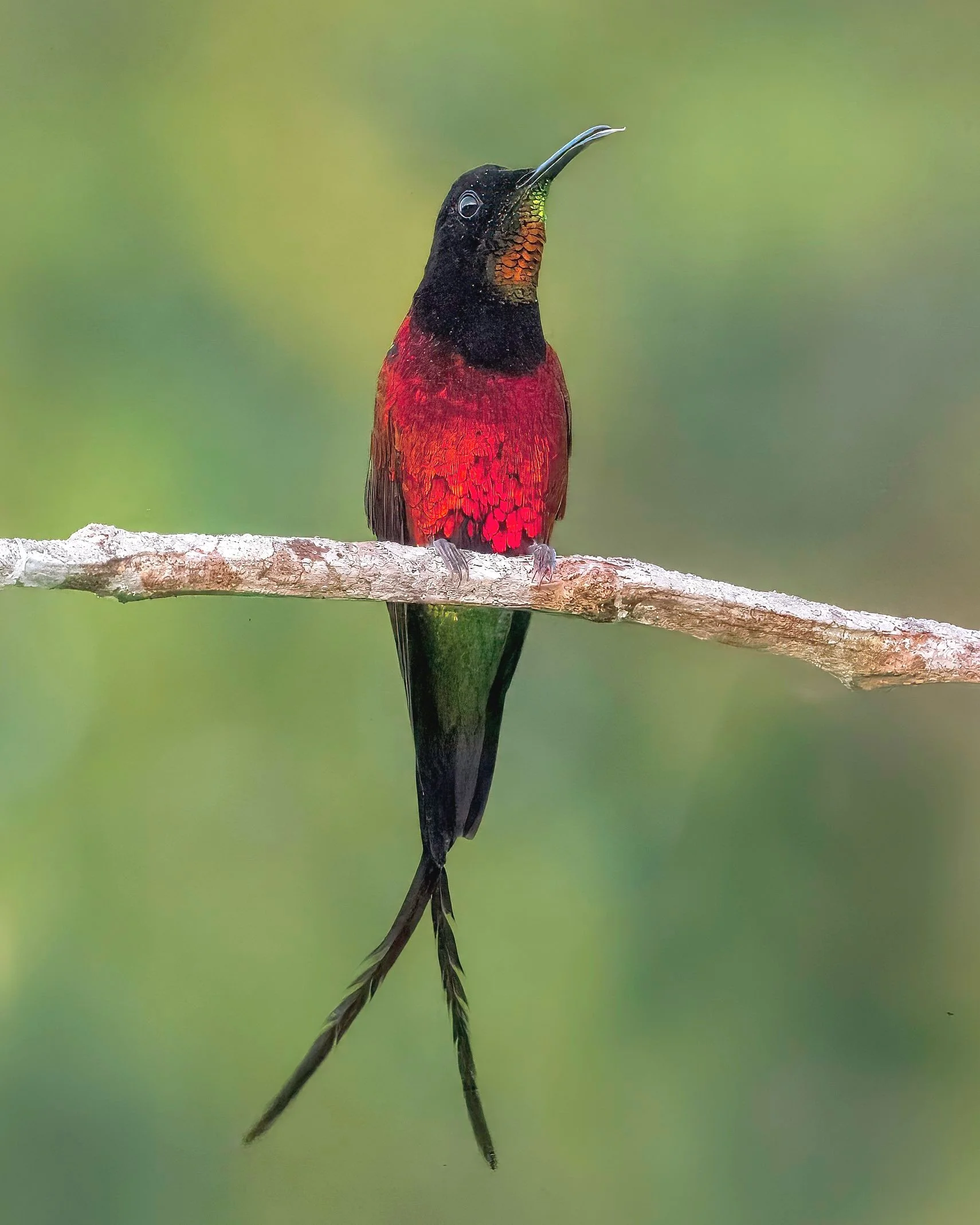
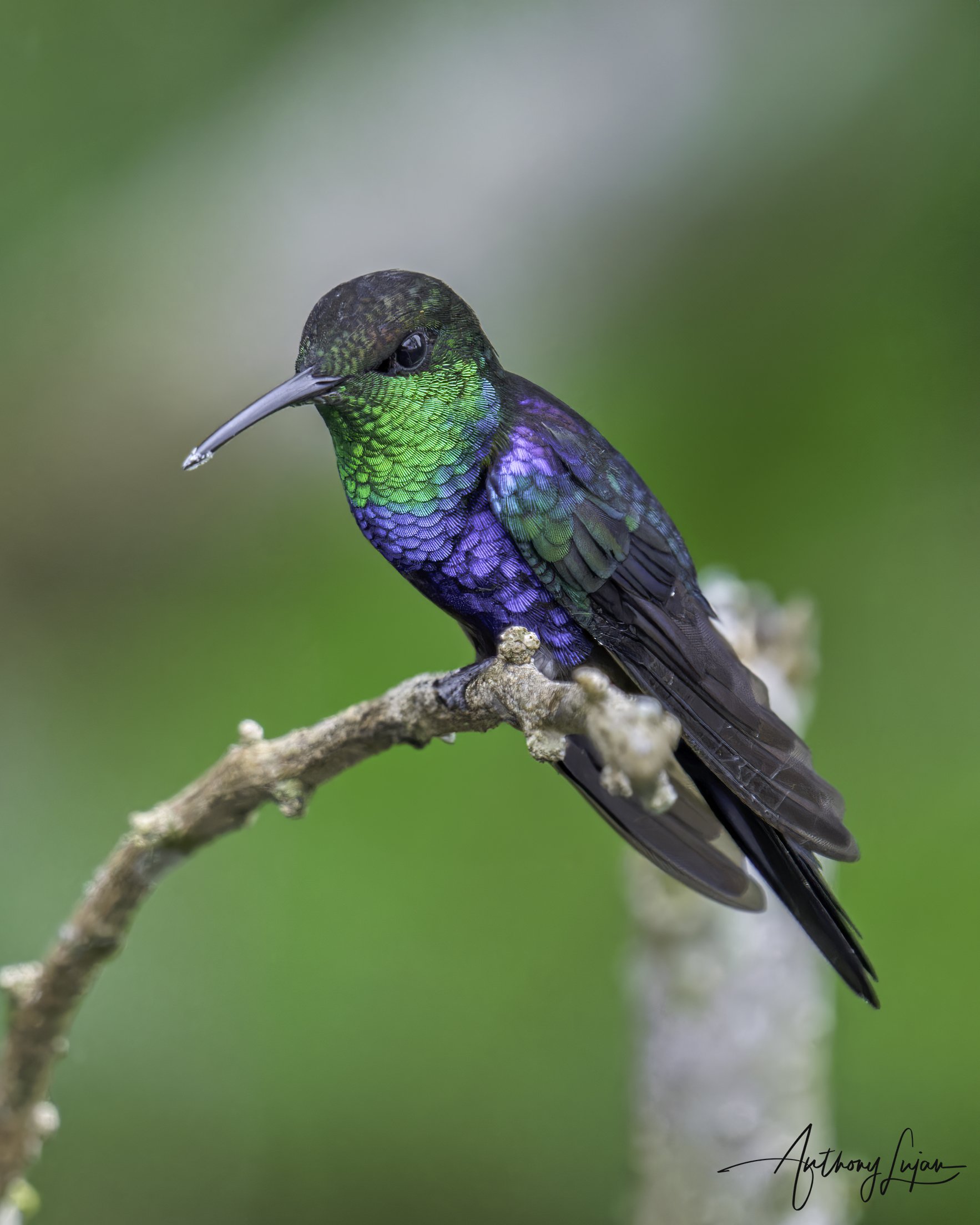
Hummingbird species Anthony photographed in Brazil
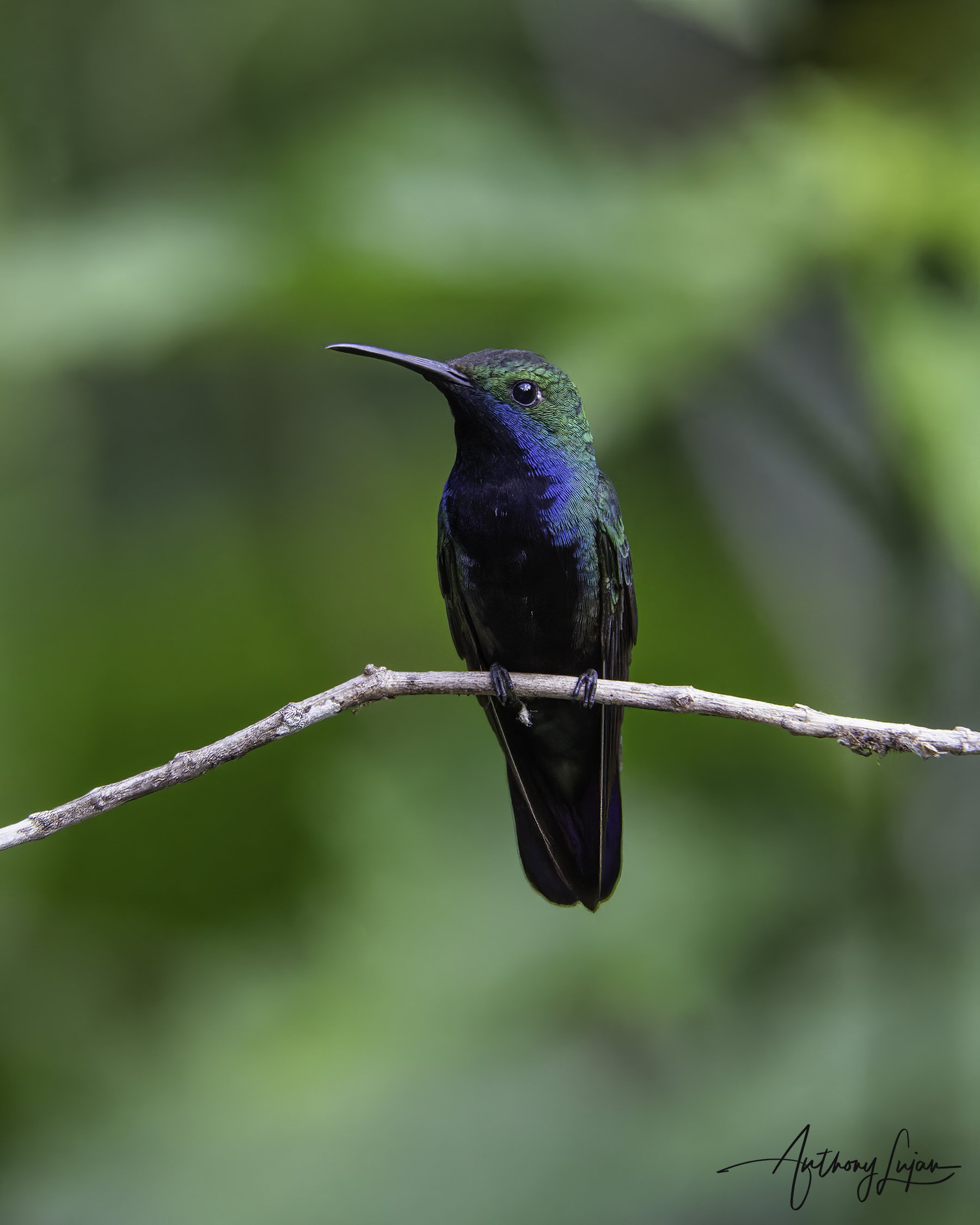
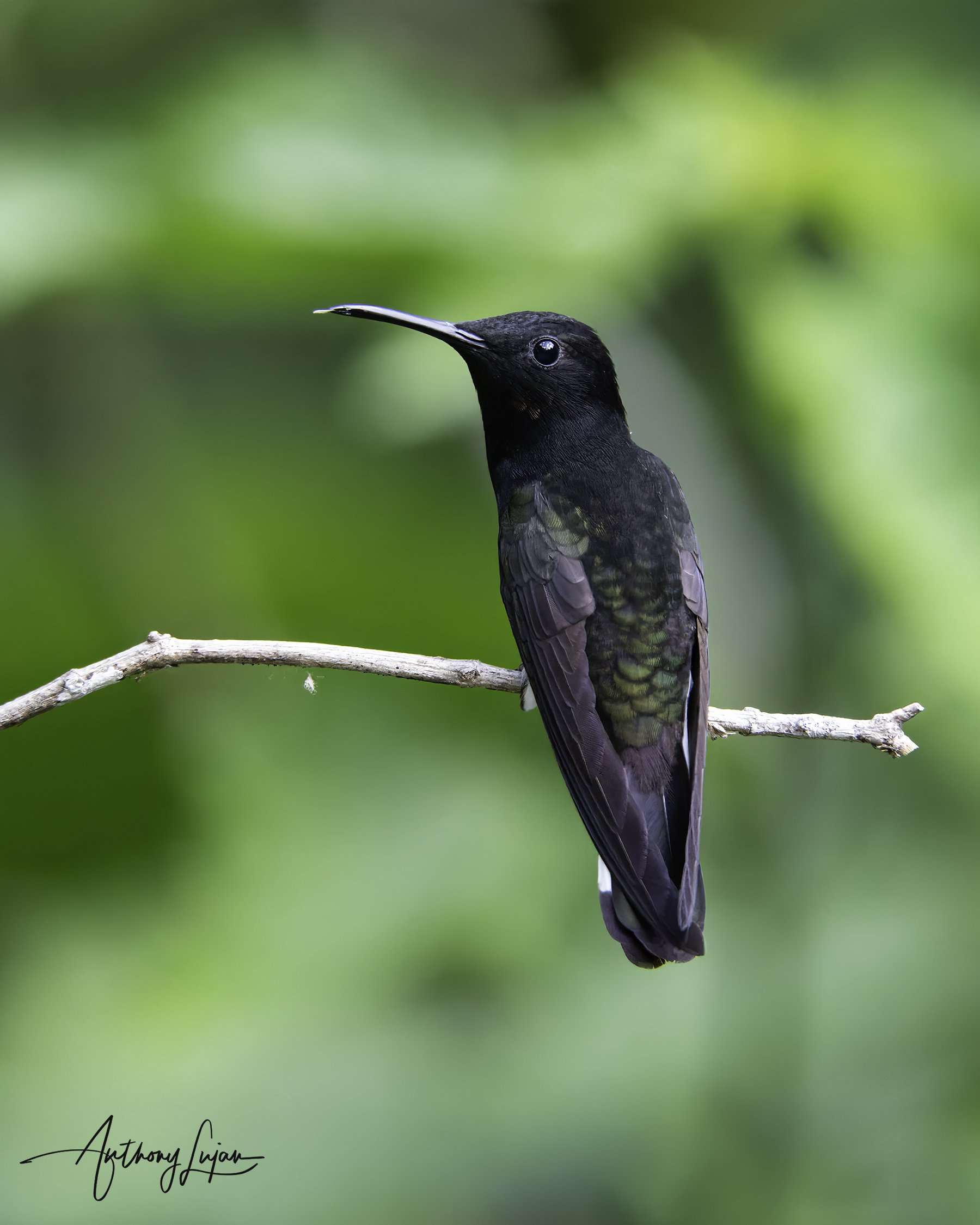
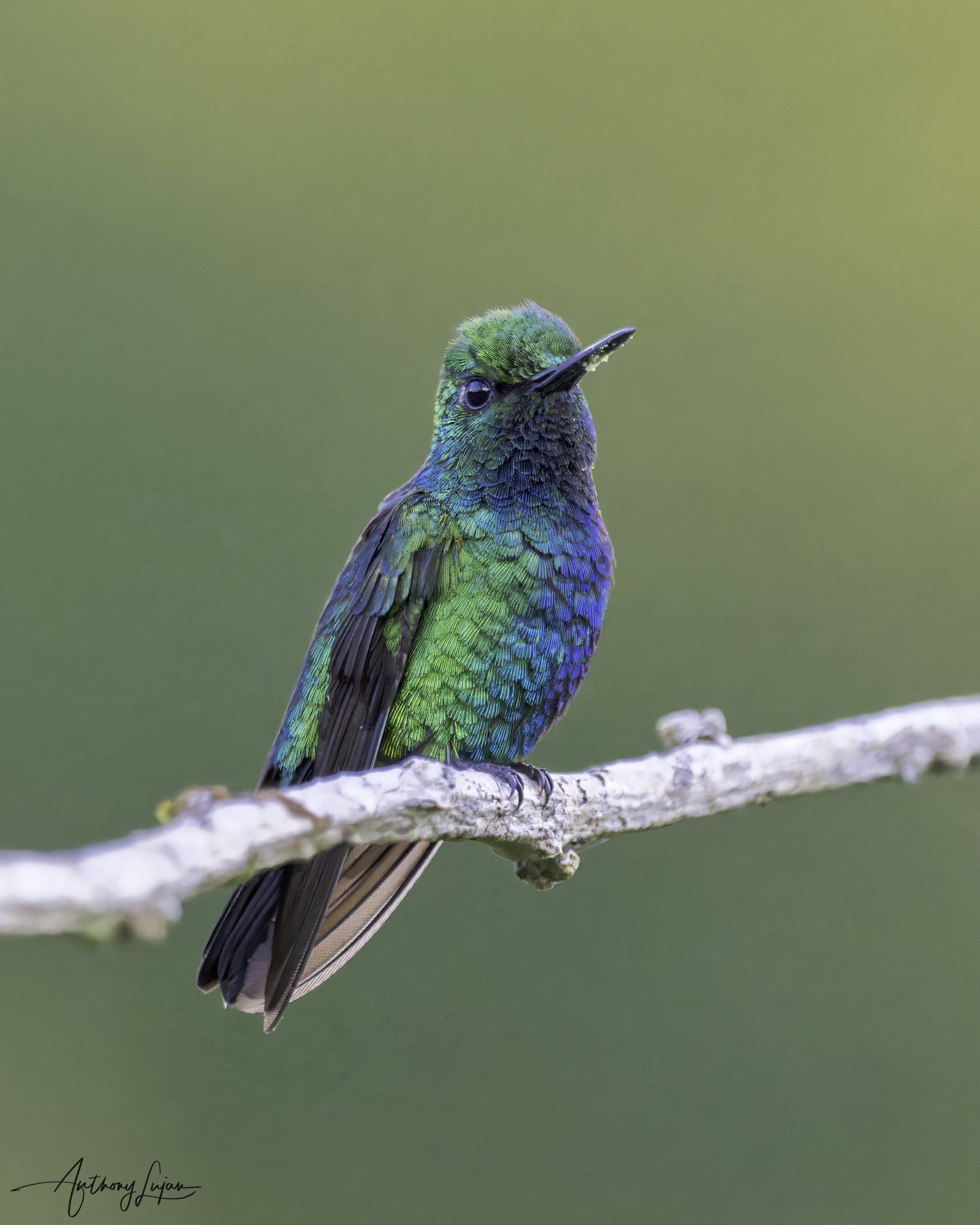
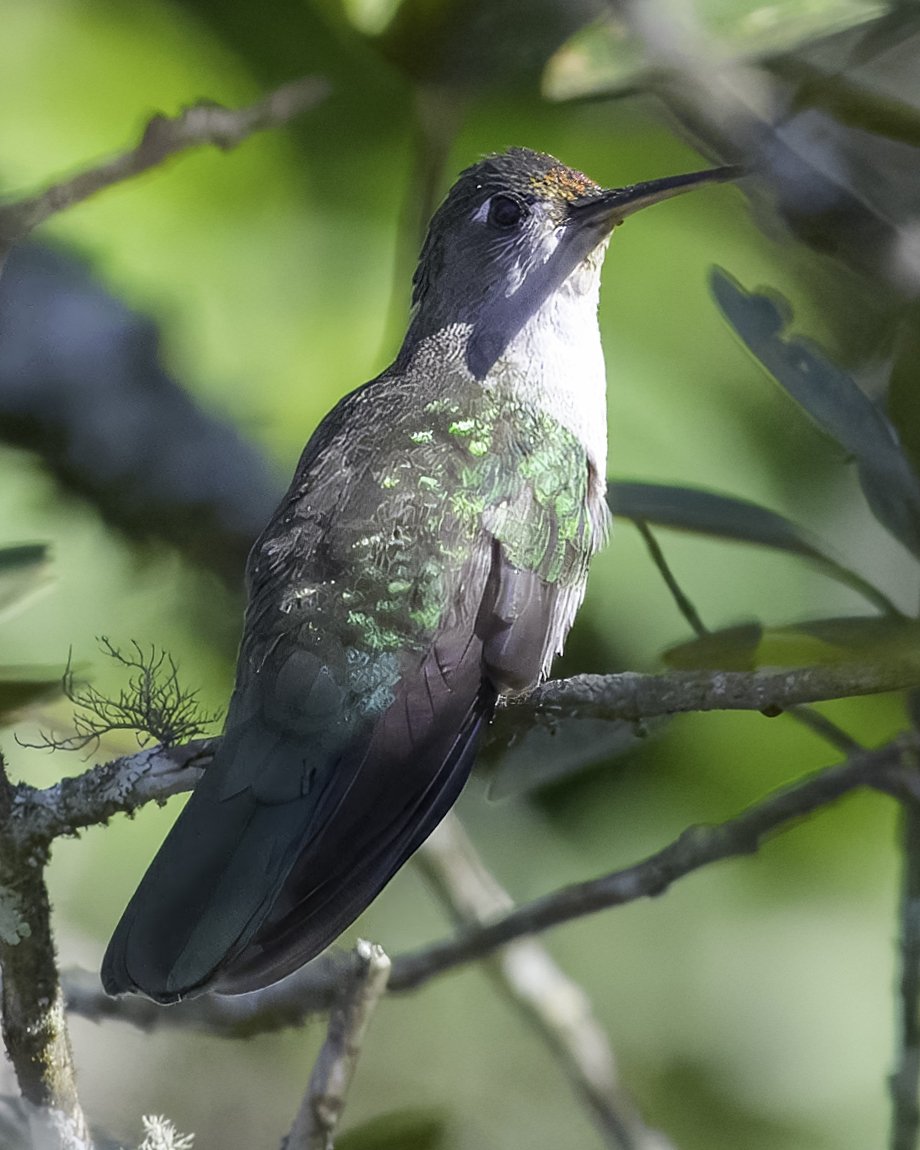
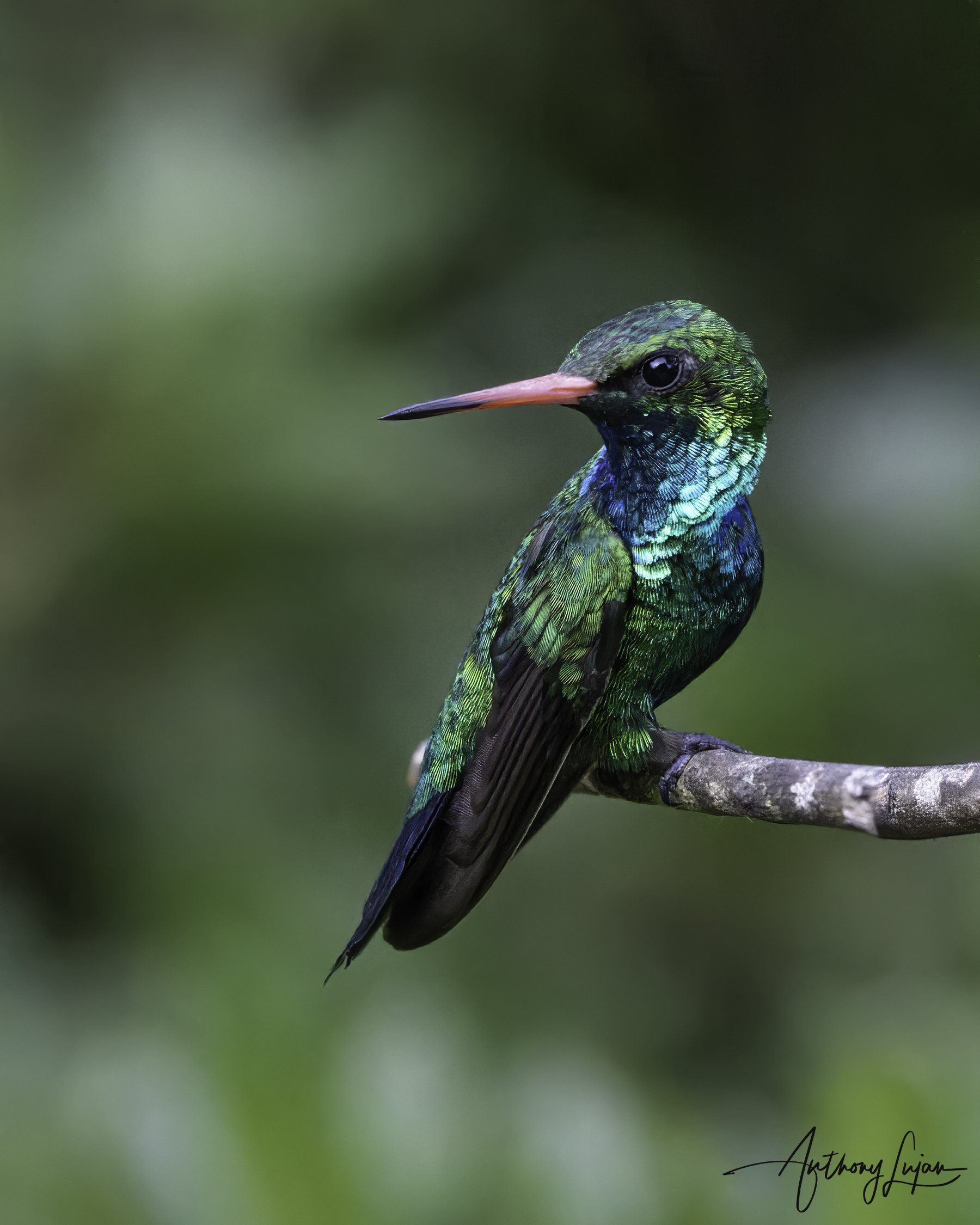
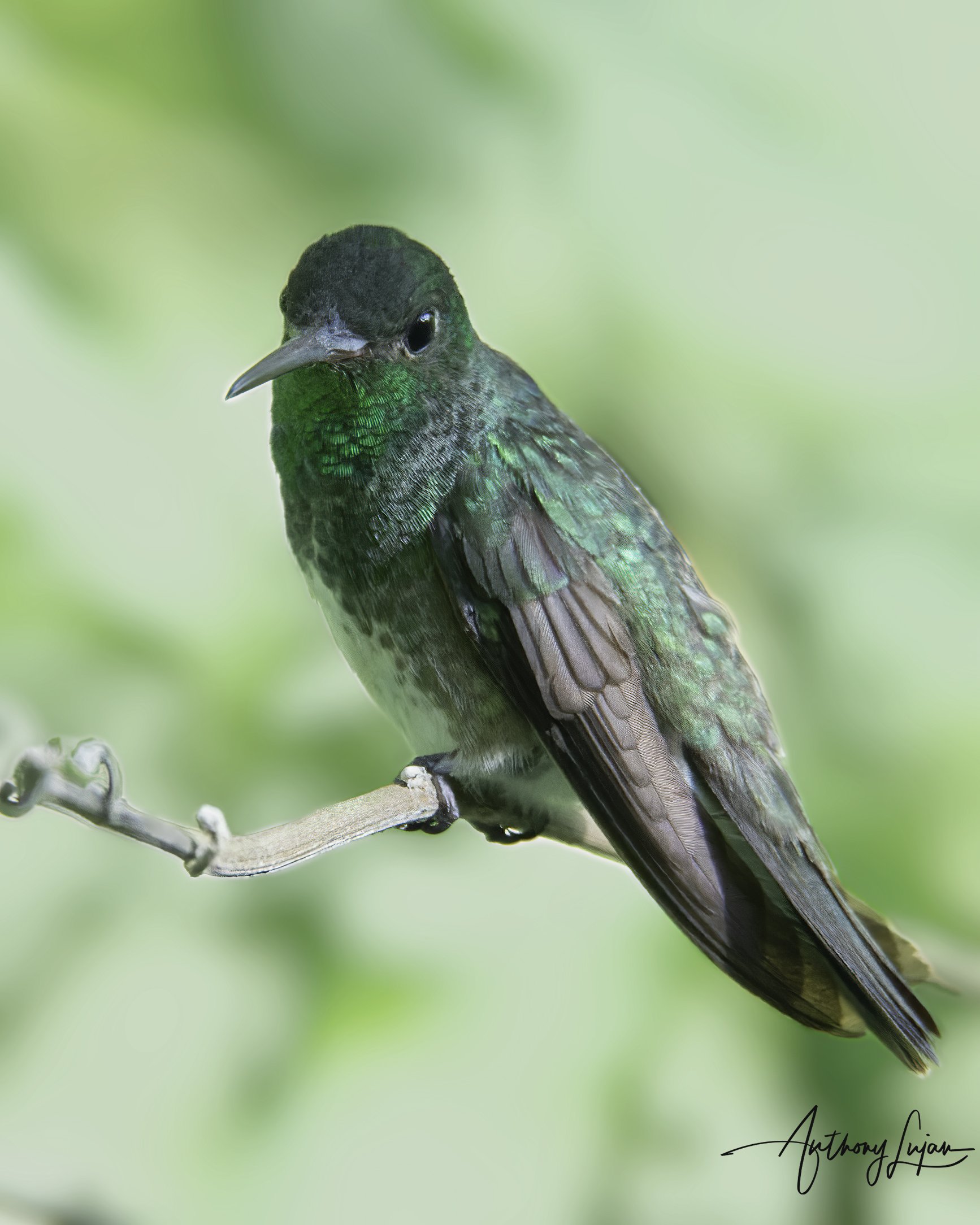
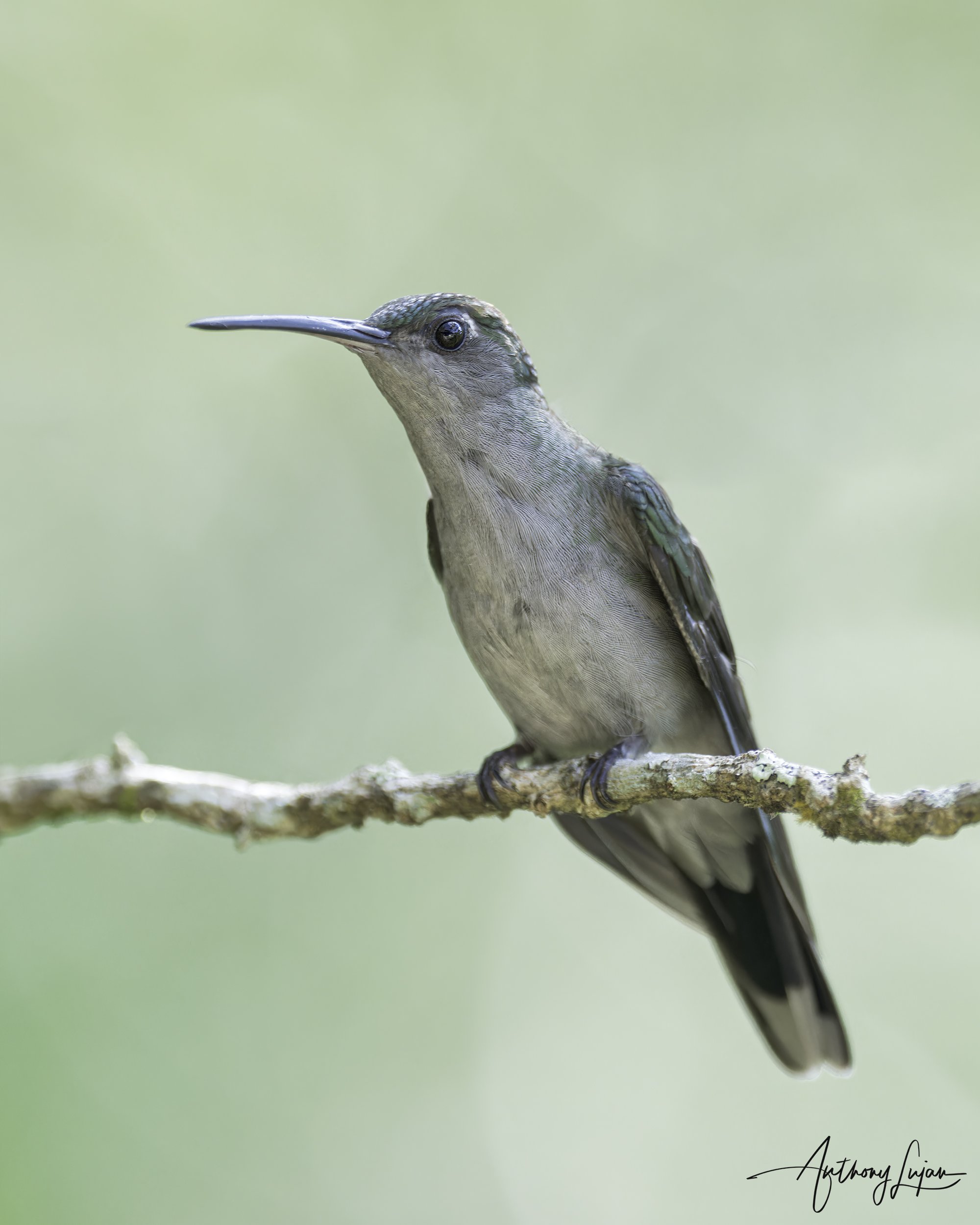
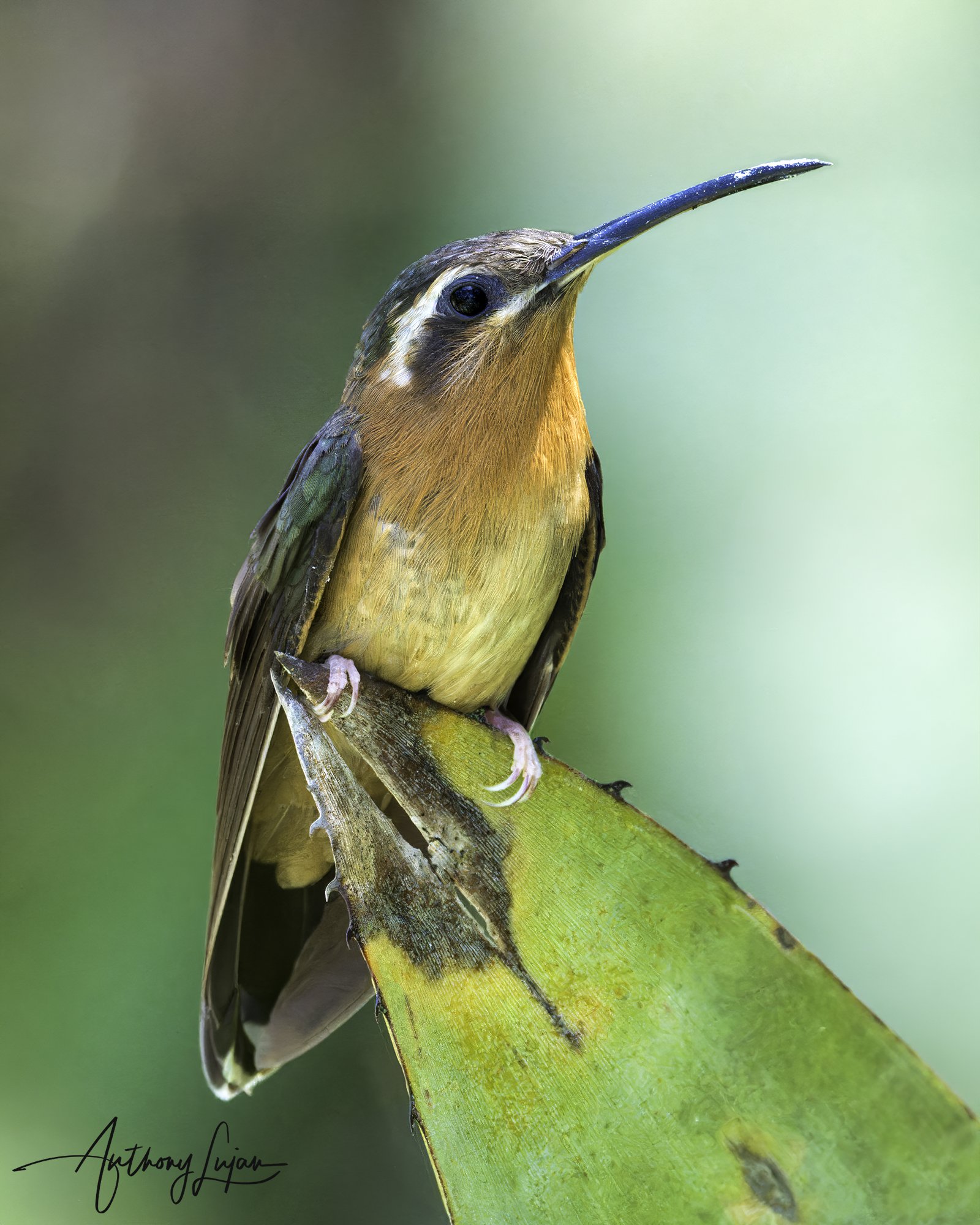
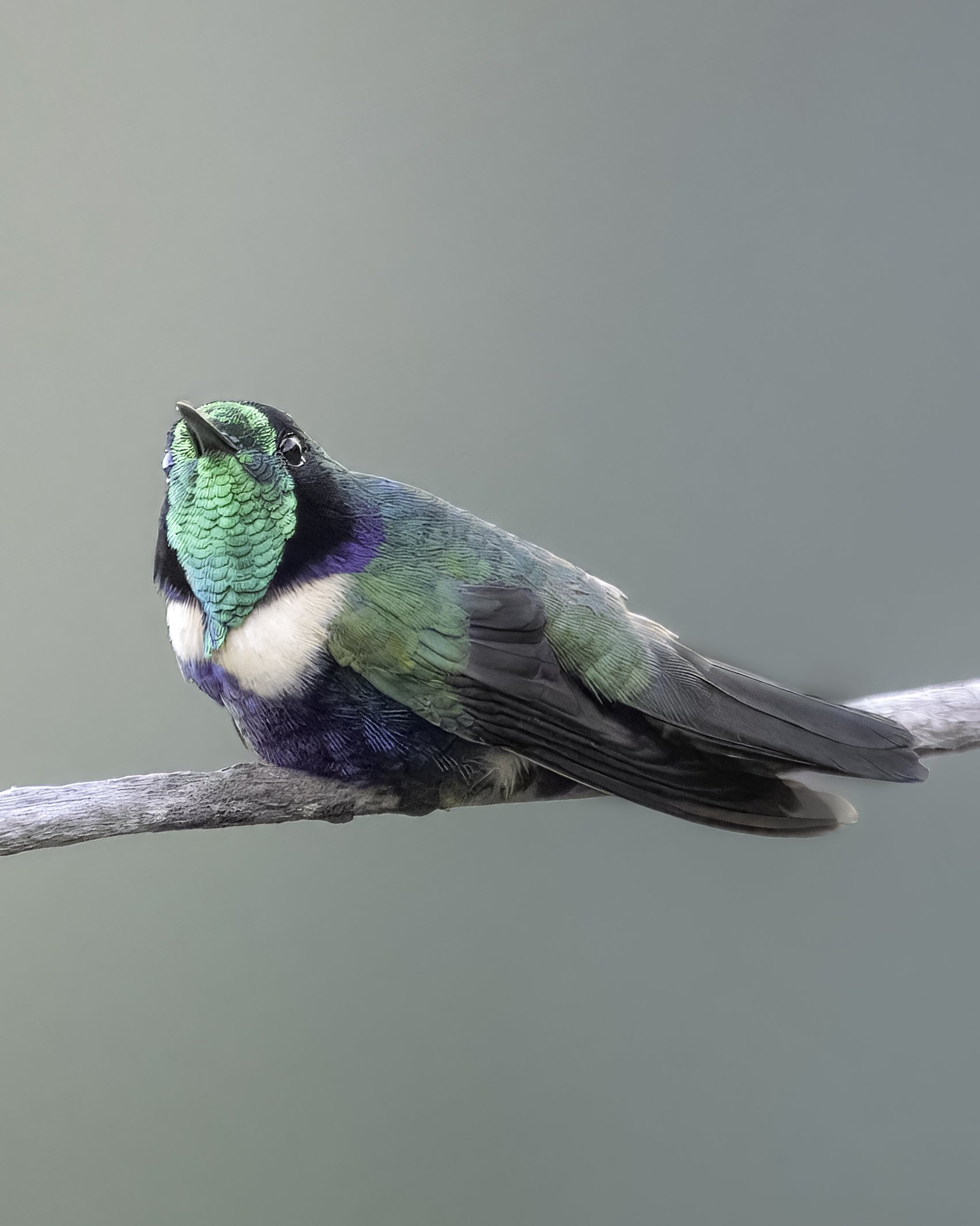
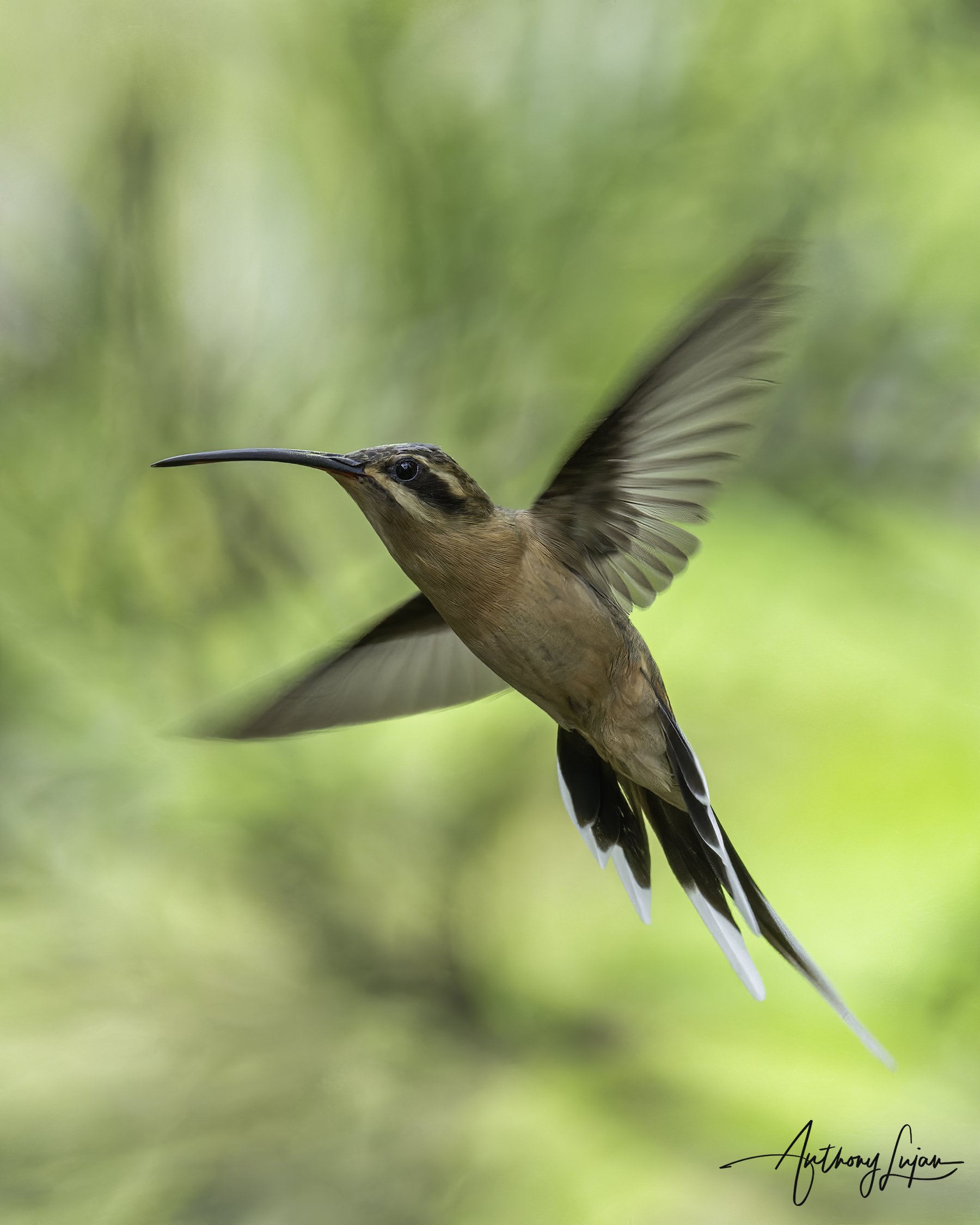
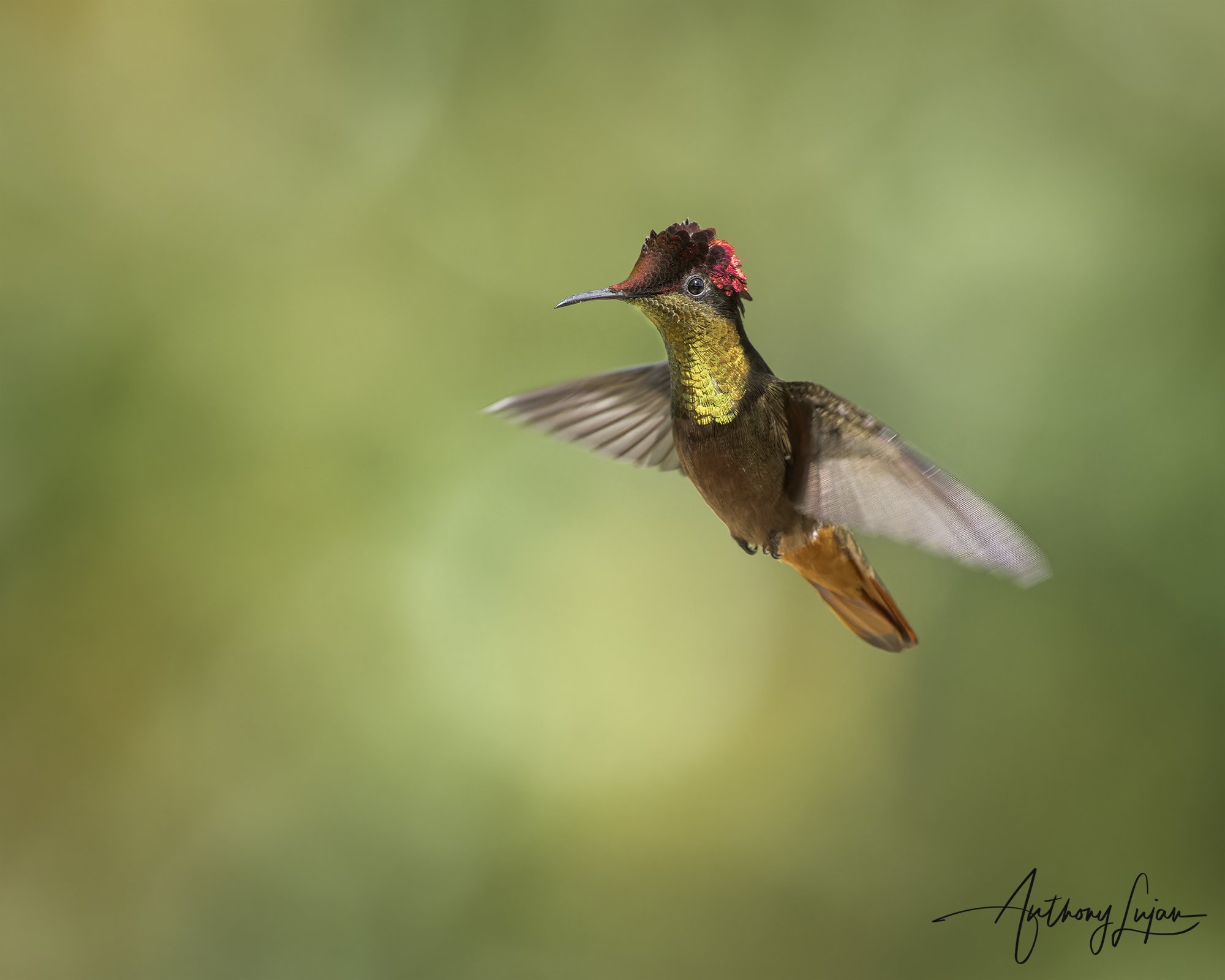
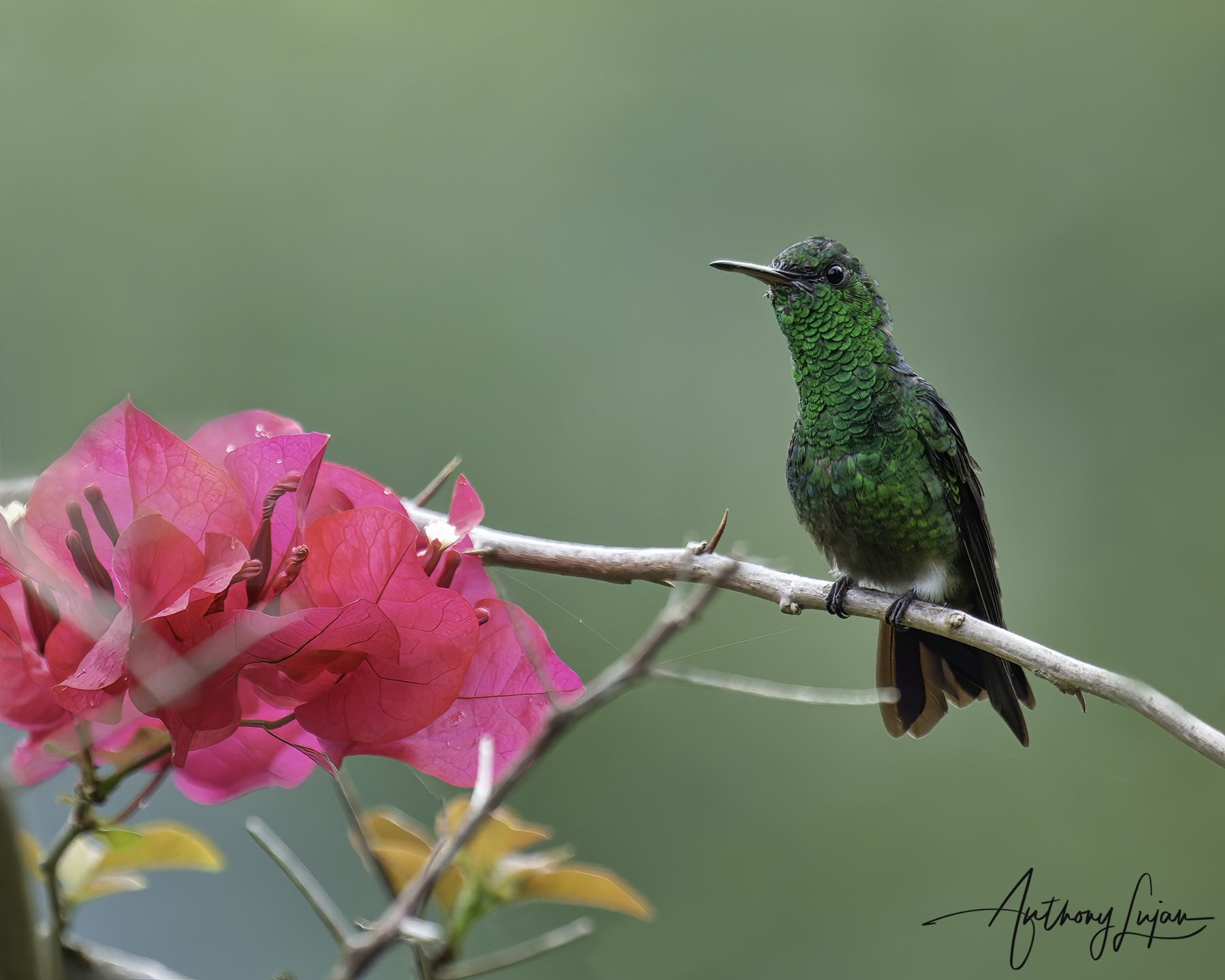
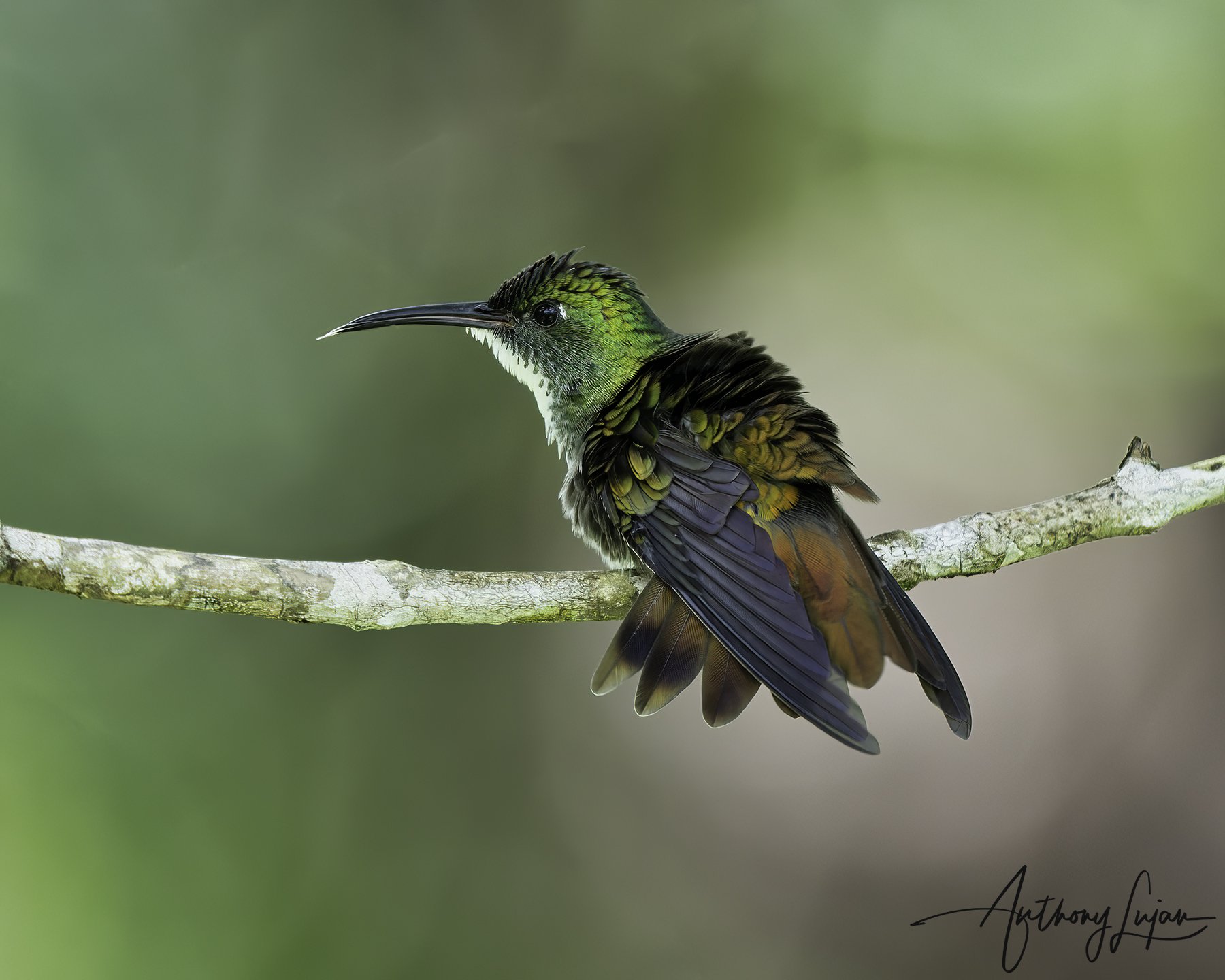
The hummingbirds listed in this section were photographed in Brazil during Anthony’s fieldwork. Together, they provide a firsthand look at the diversity of Brazil’s hummingbird community across different regions, elevations, and habitats.









Hummingbirds of Brazil photographed elsewhere
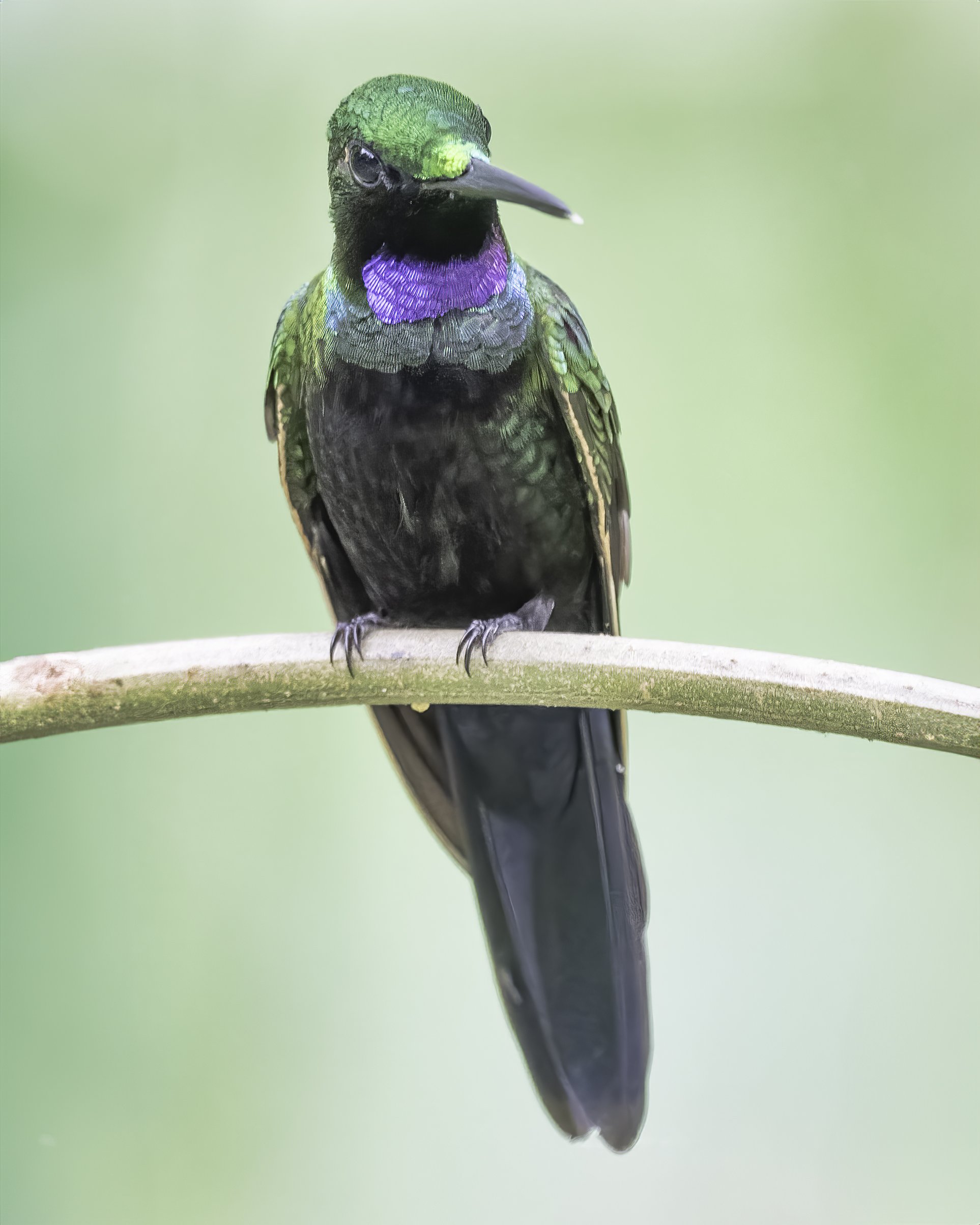
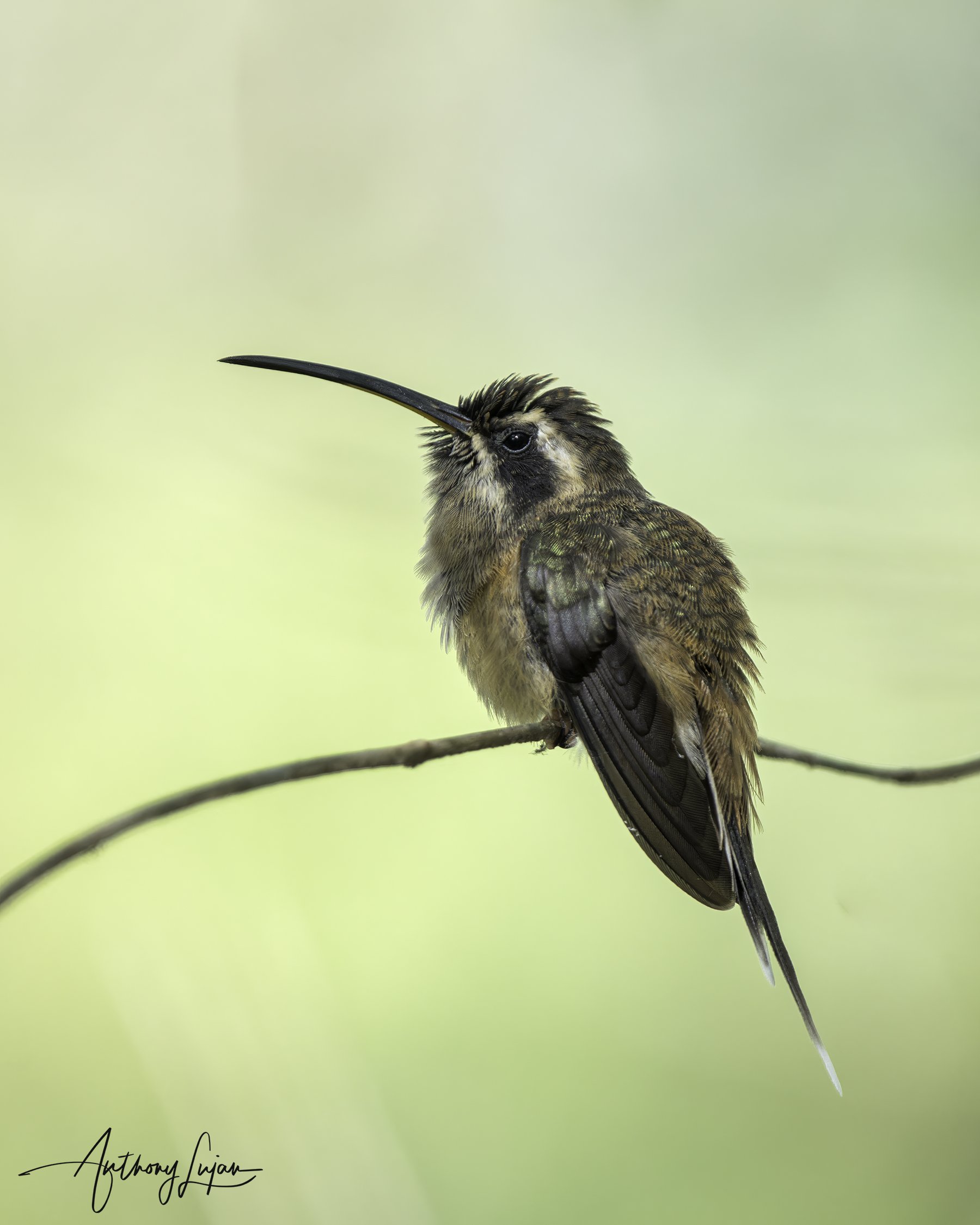
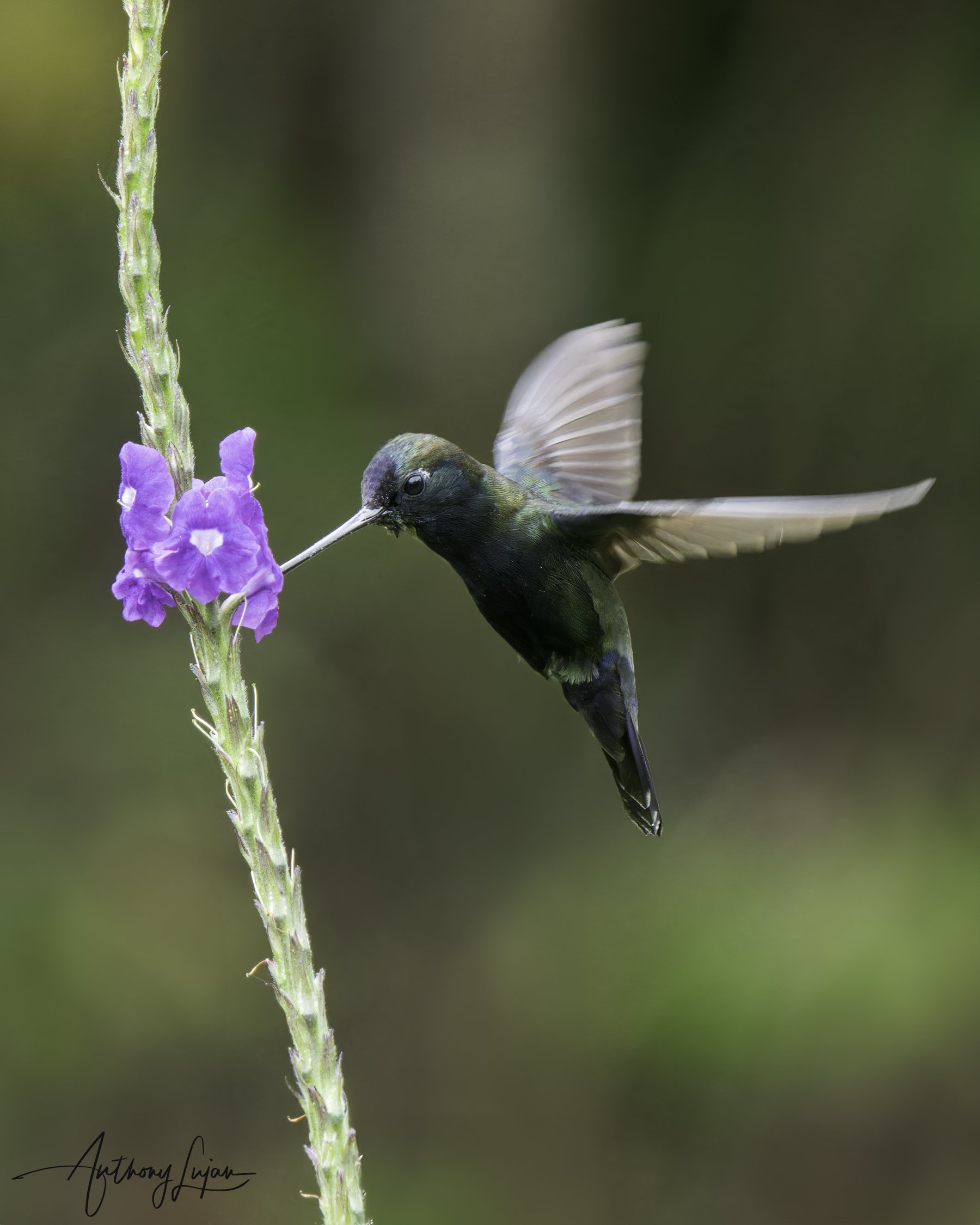
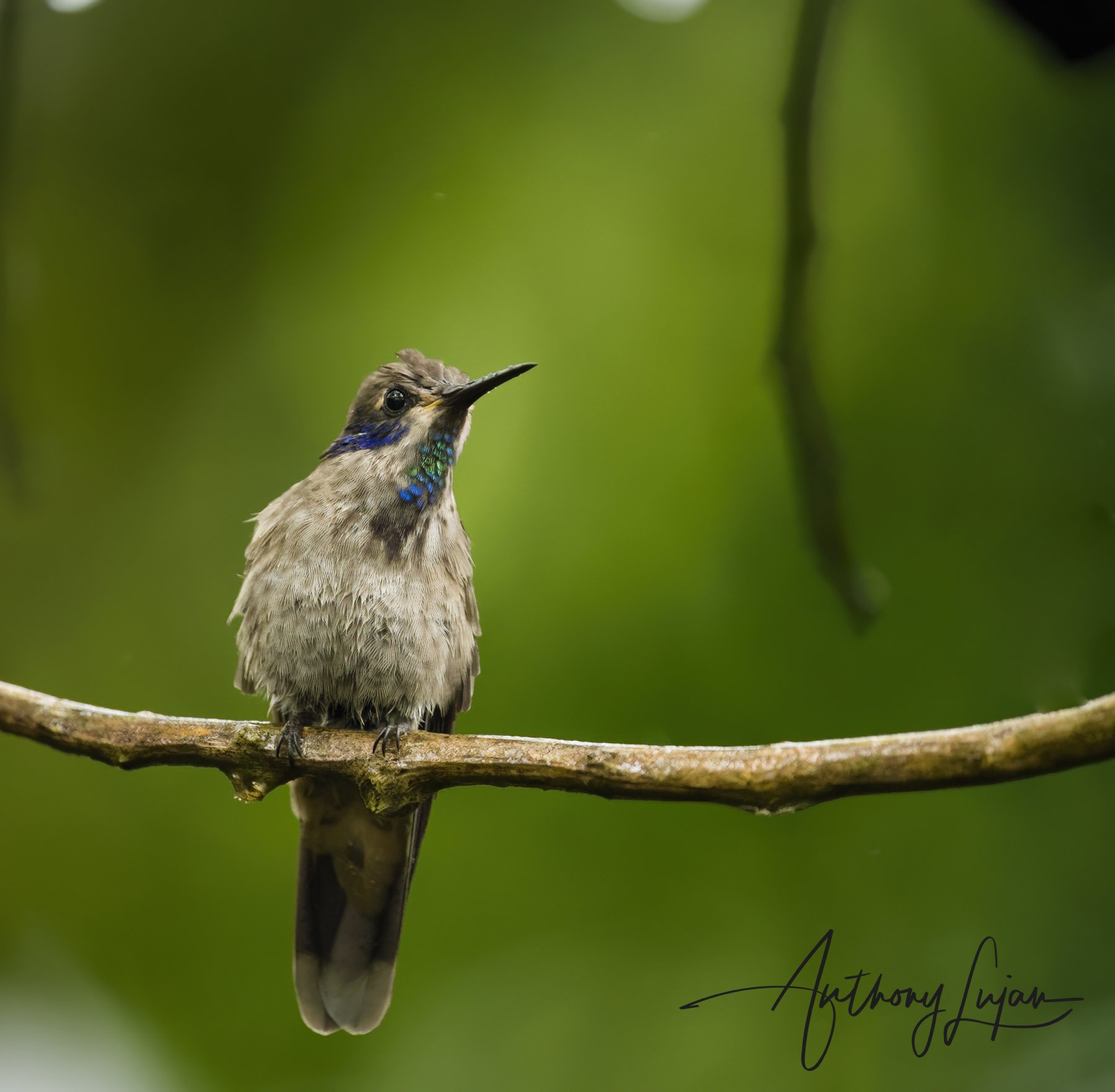
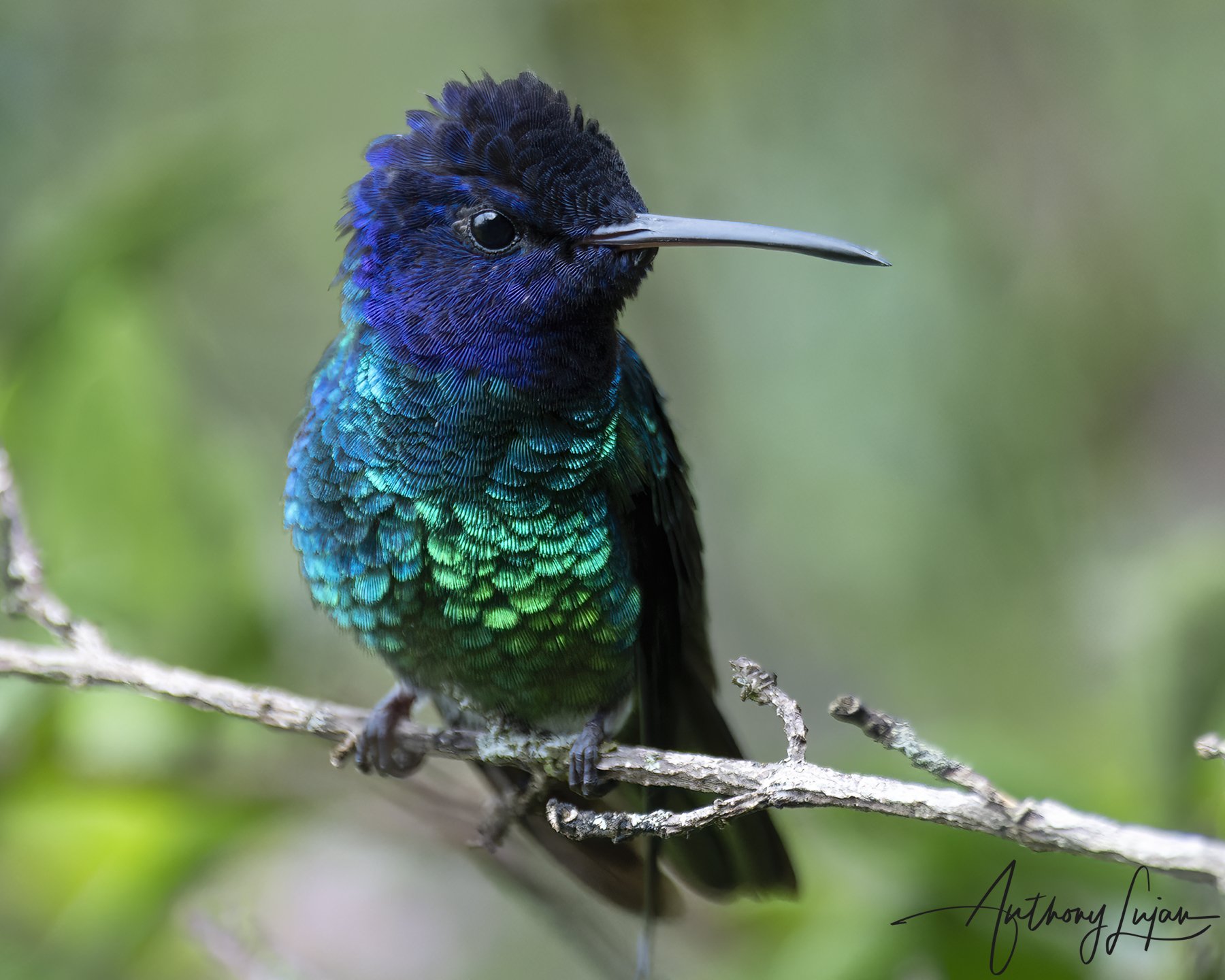
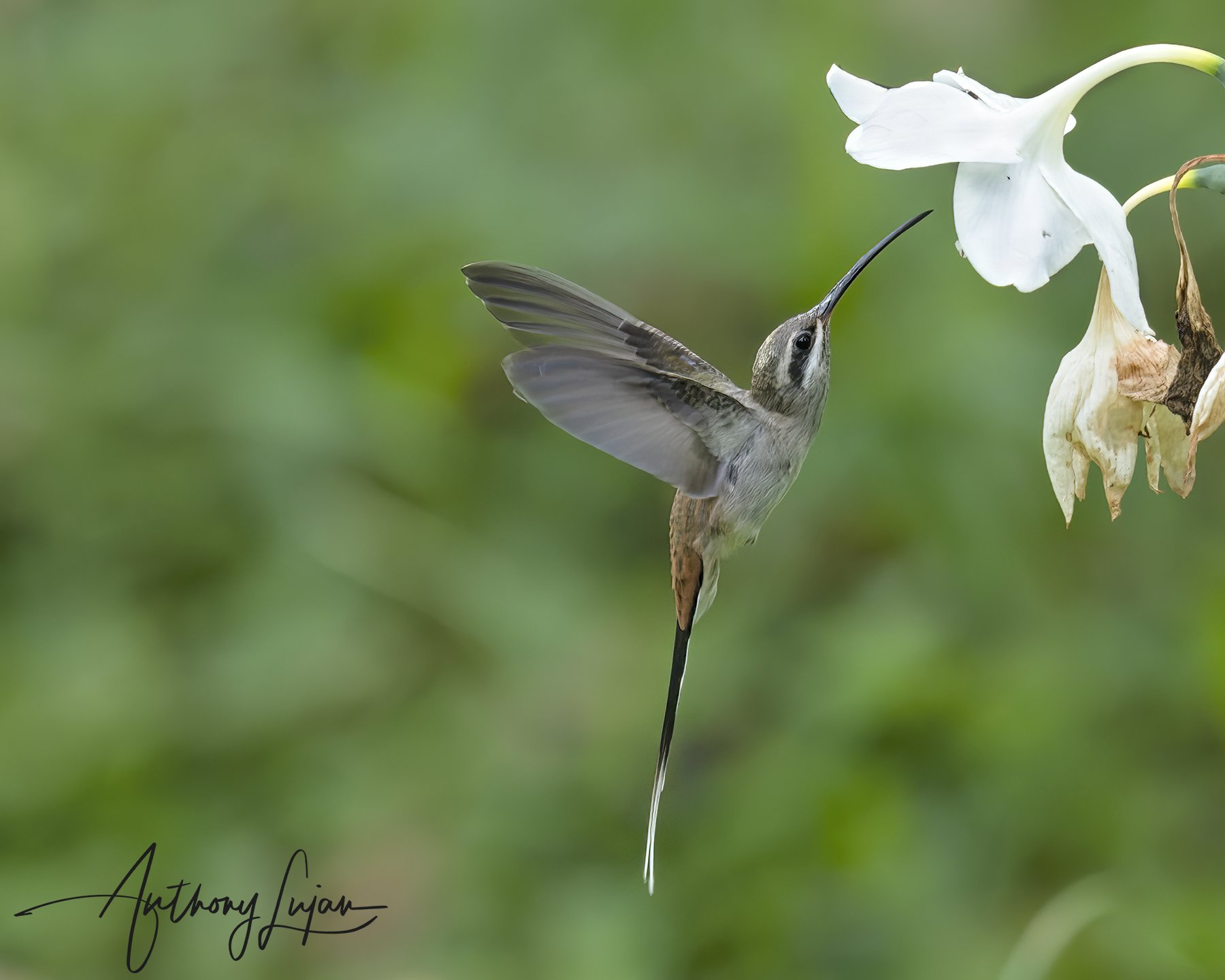
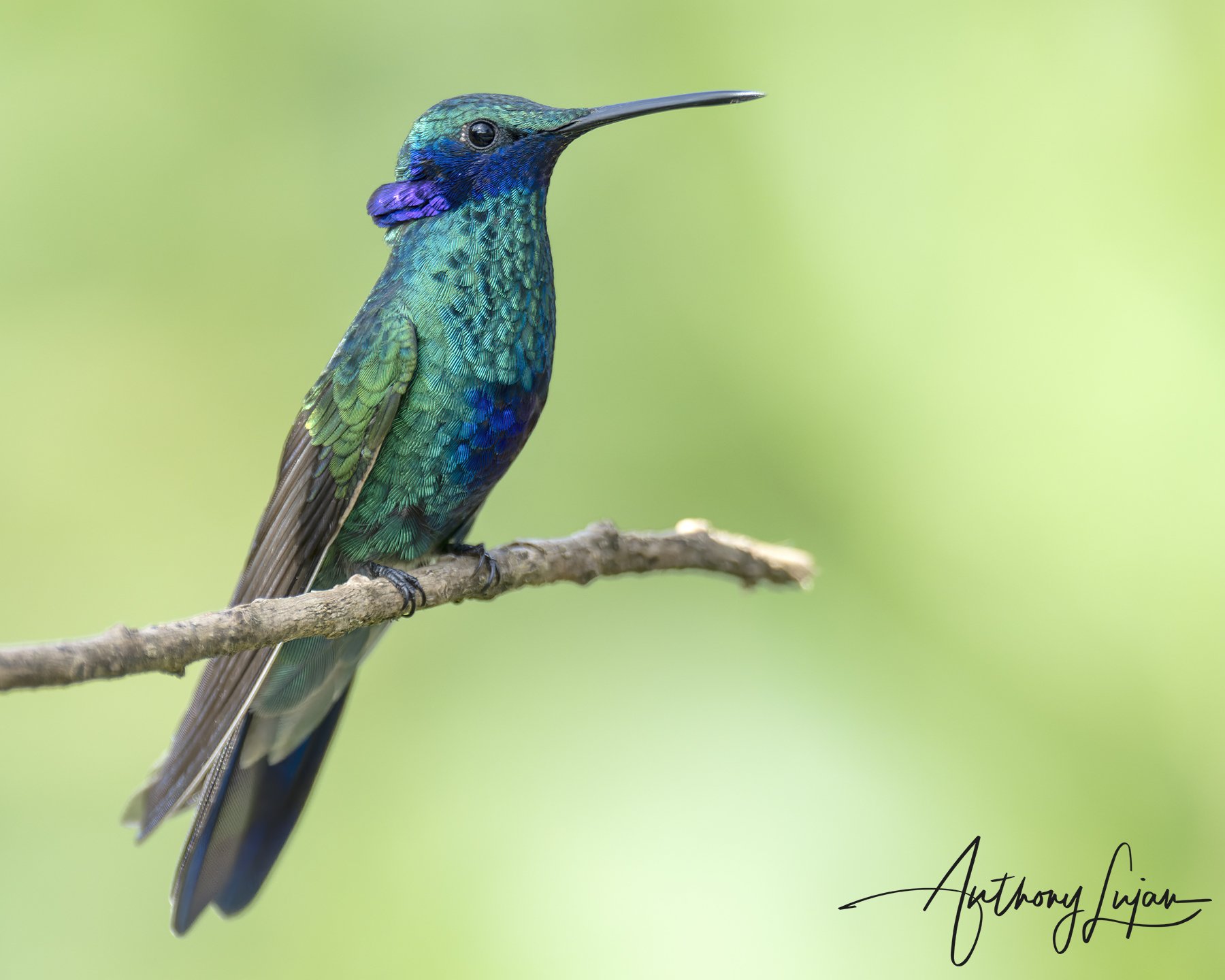
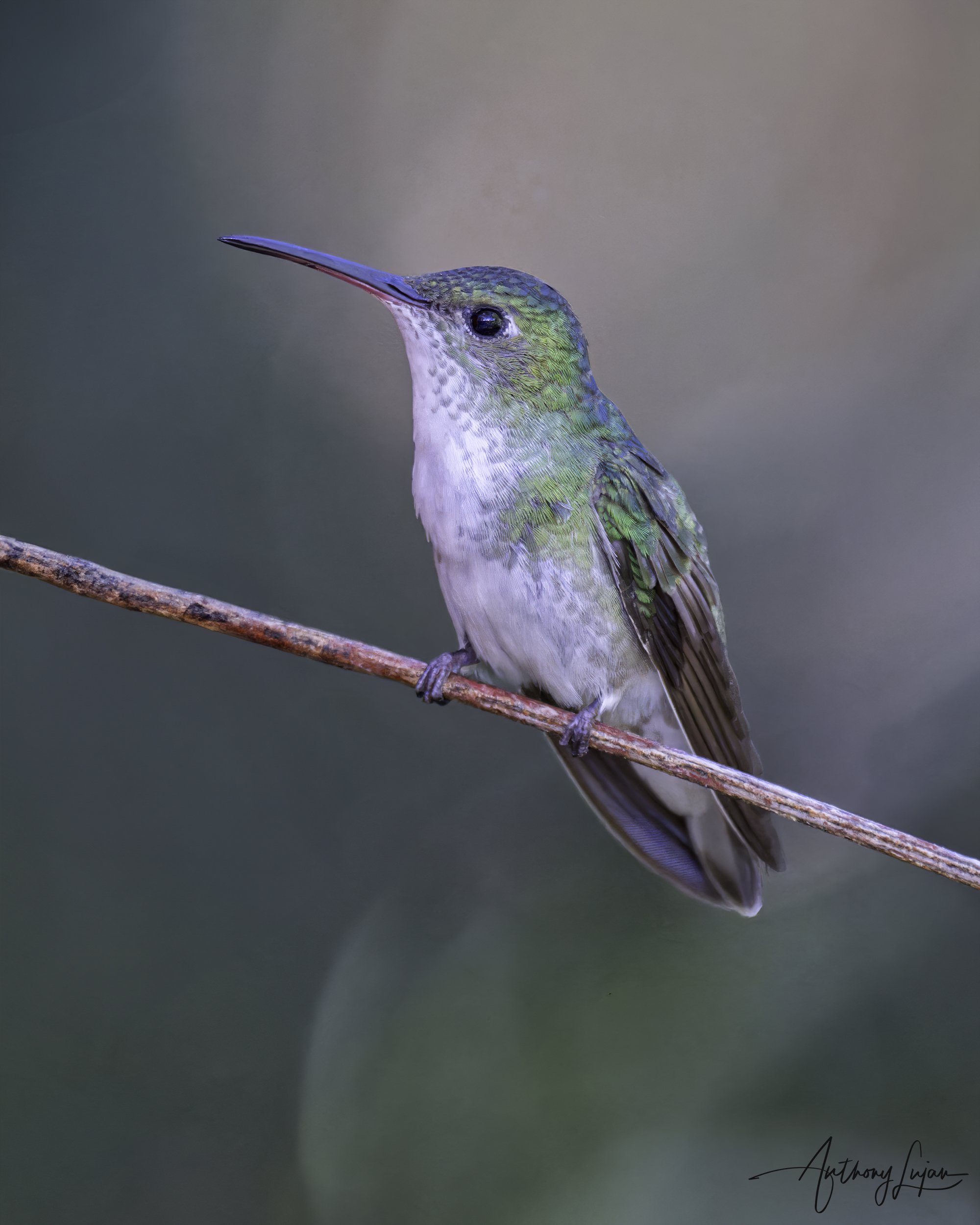
The following hummingbirds occur in Brazil but were photographed in other countries where Anthony has spent time in the field. They help fill out the broader picture of Brazil’s hummingbird diversity, even though they have not yet been documented within the country’s borders. As Anthony continues to explore new regions of Brazil, he will likely photograph many of these species locally and move them into the “Hummingbird species Anthony photographed in Brazil” section.








Explore hummingbirds by country to see which species Anthony has photographed in each place and how his growing gallery fits together across the Americas.