
Hummingbirds of Argentina – Overview
Argentina is near the southern limit of the range of the hummingbird family, with approximately 28 species recorded across its varied landscapes. From the humid Yungas forests of the northwest and the Monte and Chaco woodlands to Patagonian steppes and high Andean puna, a relatively small hummingbird community has adapted to a wide range of climates and elevations.
In Argentina, you can watch hillstars and trainbearers working high on the Andean slopes, striking species such as the Red-tailed Comet and Blue-capped Puffleg in montane forest edges, and more familiar hummingbirds visiting gardens, hedgerows, and flowering trees in towns and agricultural areas. In the northeast and central regions, birds such as the Blue‑tufted Starthroat use woodlands, forest edges, and open country with scattered flowering shrubs and trees. Because Argentina lies at the edge of many species’ distributions, several hummingbirds here show strong seasonal movements that shift with flowering peaks and regional climate patterns.
Although Argentina does not have the sheer number of hummingbird species found in some tropical countries, it offers a distinctive mix of Andean specialists, subtropical forest hummingbirds, and open‑country species that reach their southern limits here. This combination makes Argentina an excellent destination for birders interested in seeing how hummingbirds adapt to cooler, drier, and more temperate conditions at the edge of the family’s global range.
Anthony has photographed 26 of the roughly 28 hummingbird species recorded in Argentina, documenting birds from humid northwest forests to highlands and open lowland habitats. The first section highlights the hummingbirds photographed in Argentina, and the second showcases additional Argentine species documented in neighboring countries, building a more complete picture of the country’s hummingbird fauna.
Major hummingbird habitats in Argentina
Yungas and montane forests: hummingbirds of humid slopes and forest edges in the northwest, often sharing habitats with tanagers and other subtropical forest birds. Andean puna and high ridgelines – hillstars, trainbearers, and other high‑elevation specialists adapted to cold, open, and often windswept environments. Chaco, Monte, and scrubby lowlands have smaller hummingbird assemblages in drier woodlands and scrub, using flowering shrubs, cacti, and riparian corridors. Patagonian and southern regions have a limited but distinctive hummingbird presence in cooler, more open landscapes where flowering periods are highly seasonal.
Planning a hummingbird trip
If you are interested in traveling with Anthony, joining a small‑group hummingbird‑focused tour, or reading detailed trip reports about the species and regions he has worked in, be sure to visit the Travel with Me page and the Hummingbird Expeditions section of the blog to explore current opportunities and past expeditions.
Hummingbird species Anthony photographed in Argentina
The hummingbirds listed in this section were photographed in Argentina during Anthony’s fieldwork. Together, they provide a firsthand look at the diversity of Argentina’s hummingbird community across different regions, elevations, and habitats.


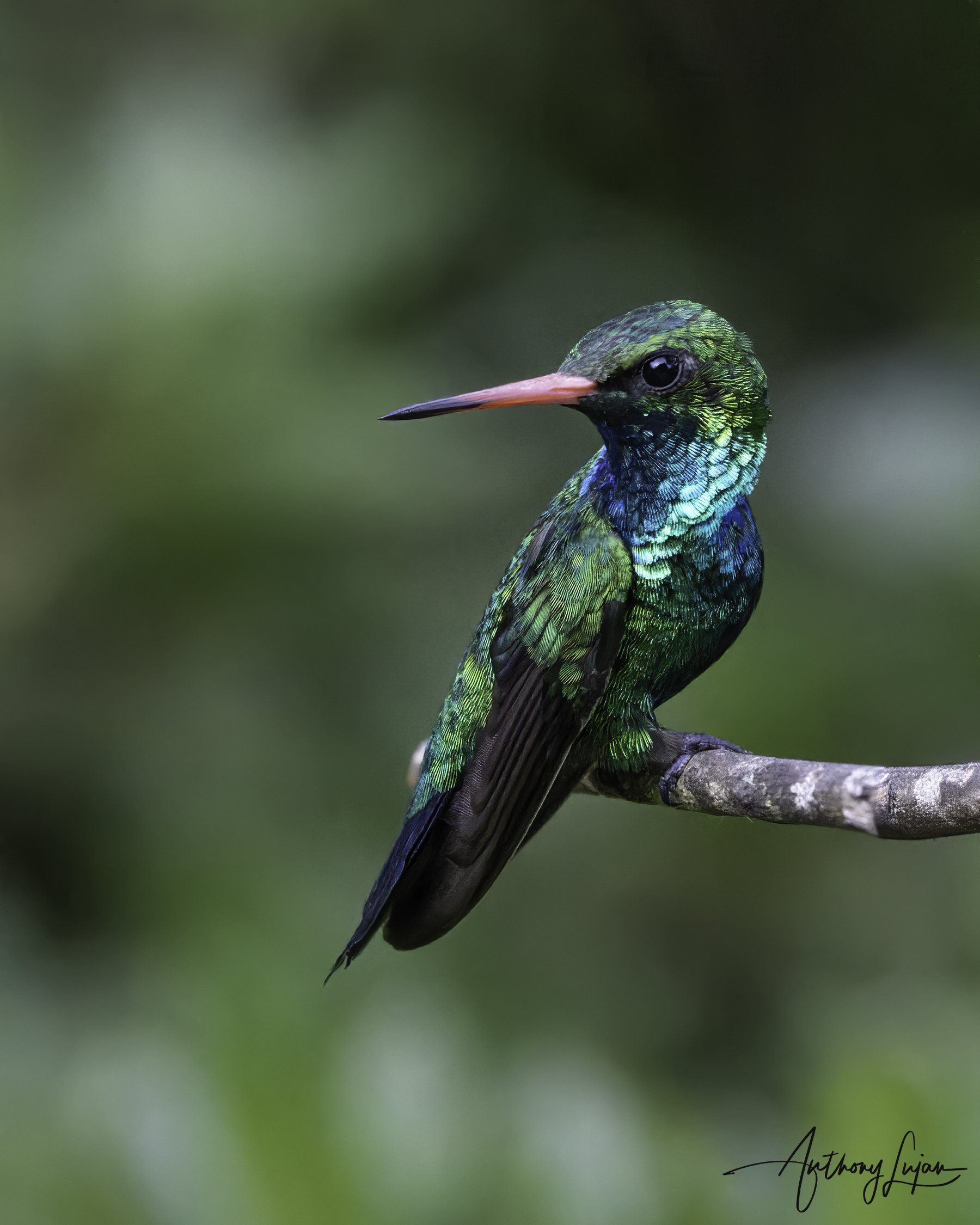

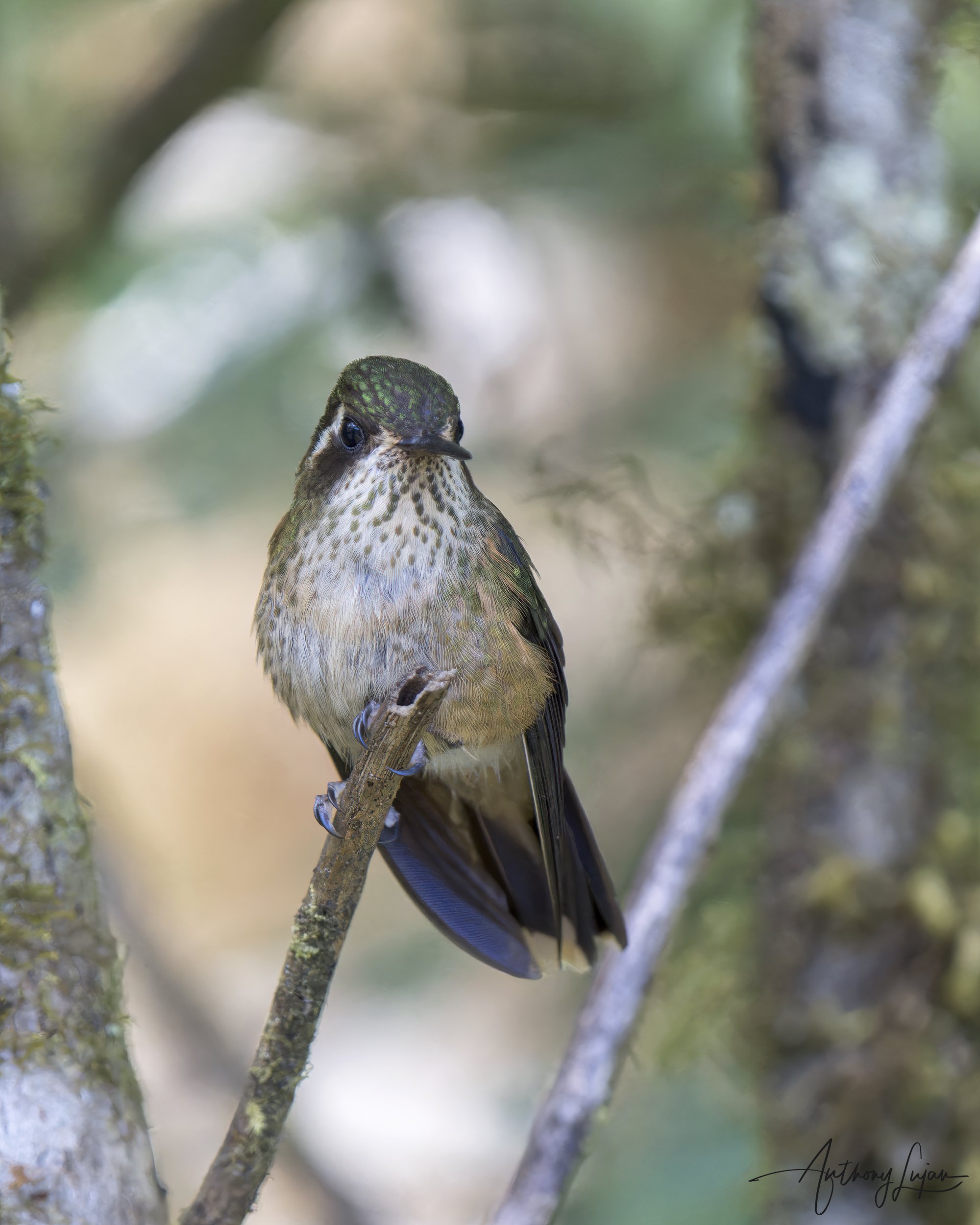
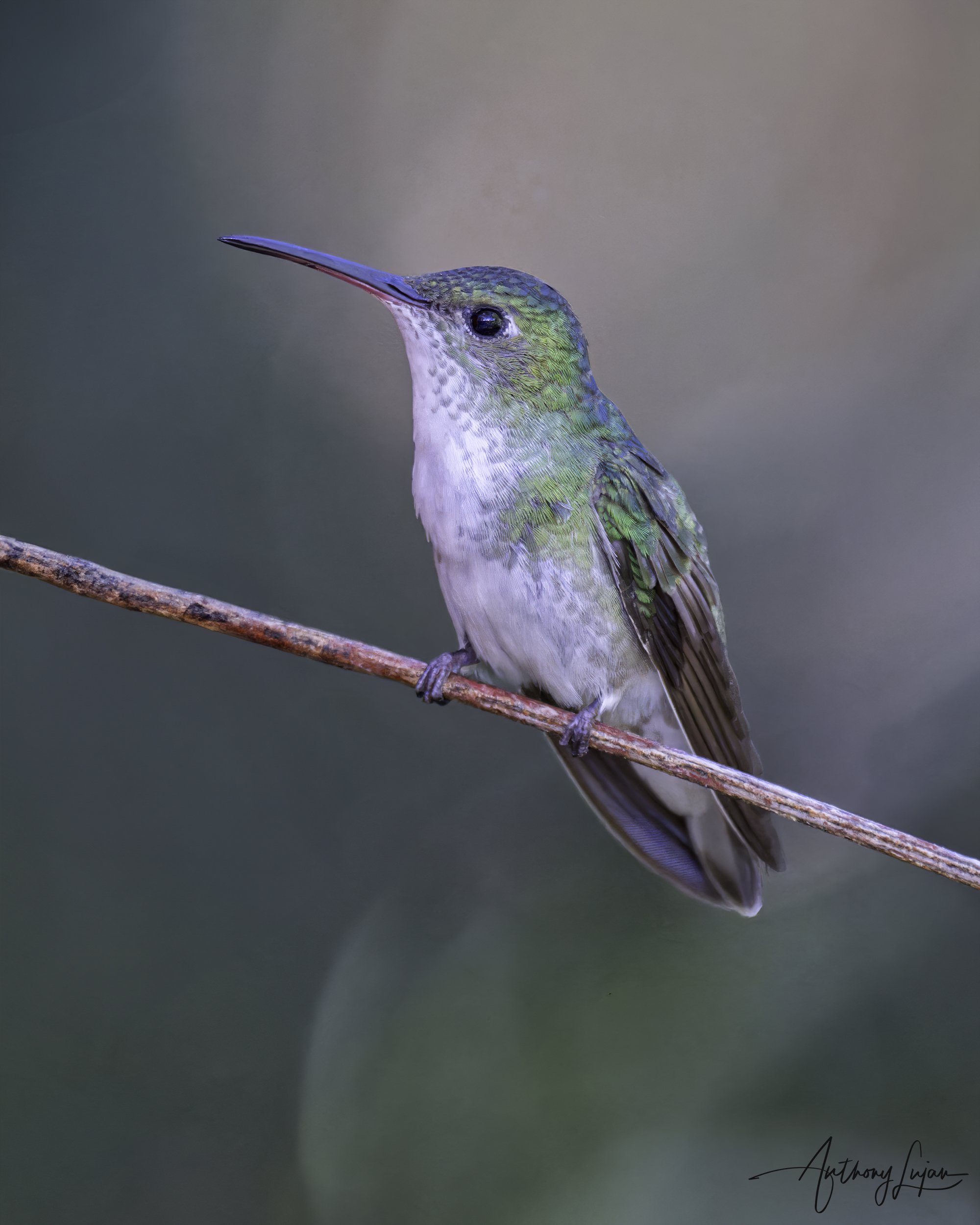
Hummingbirds of Argentina photographed elsewhere
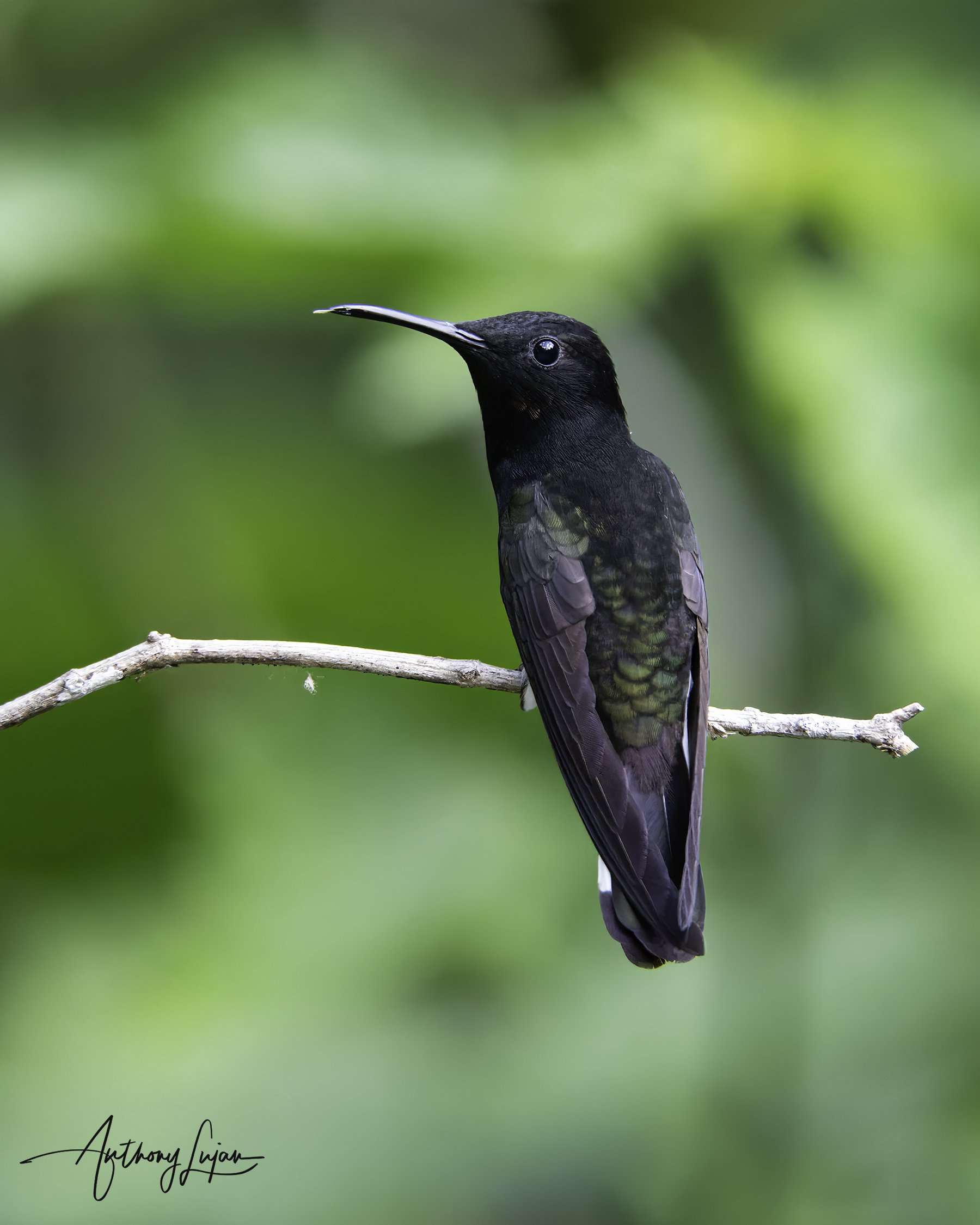
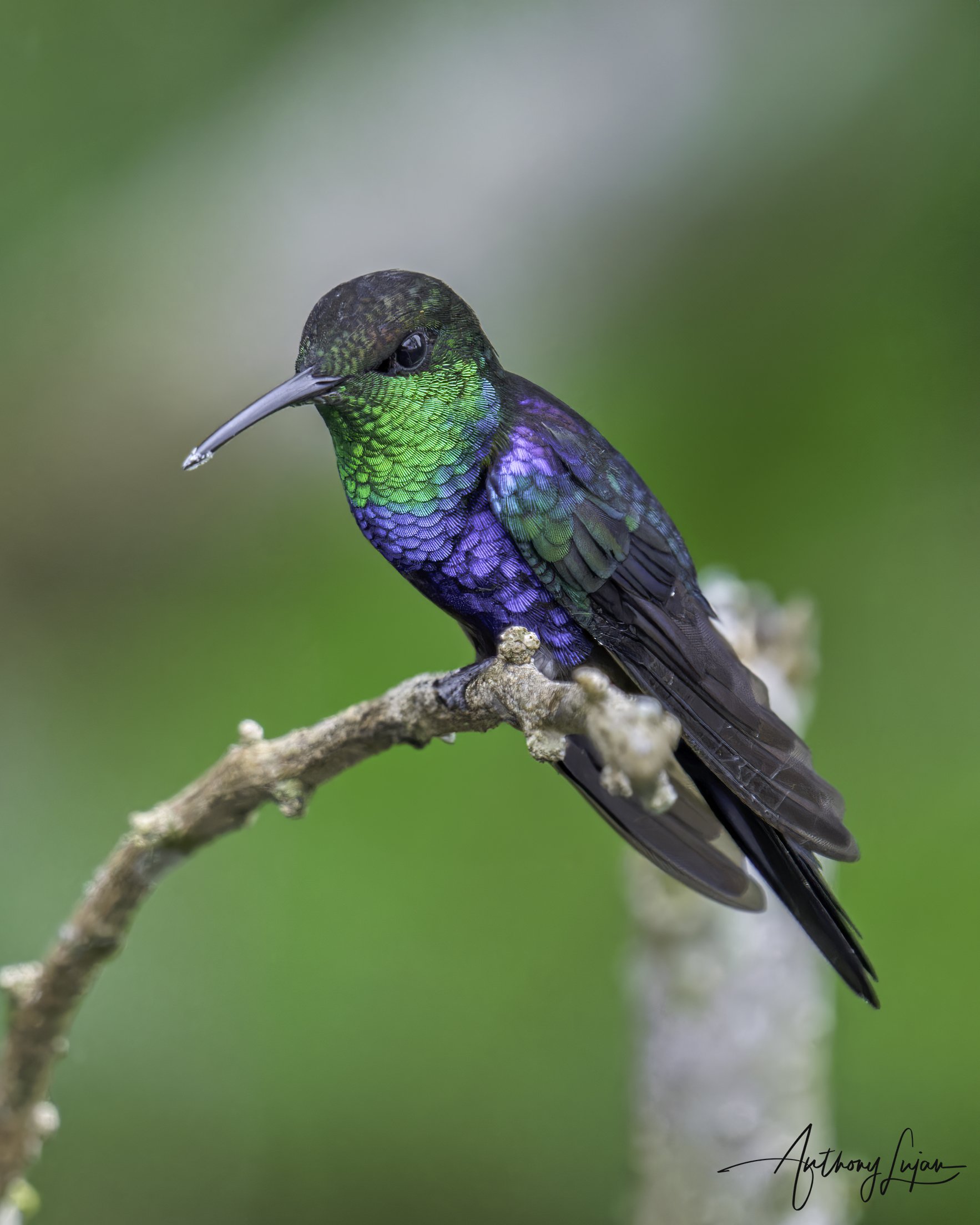
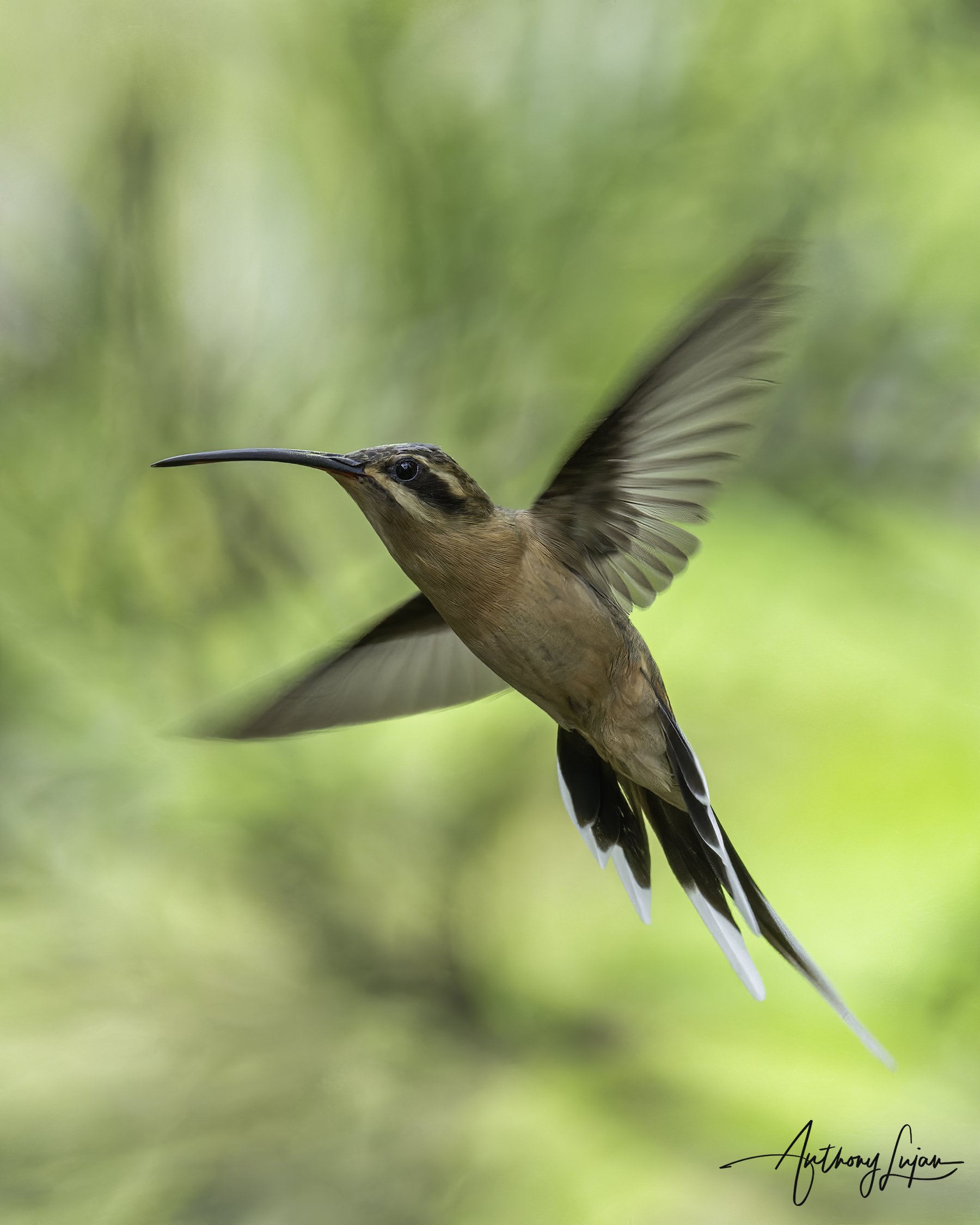
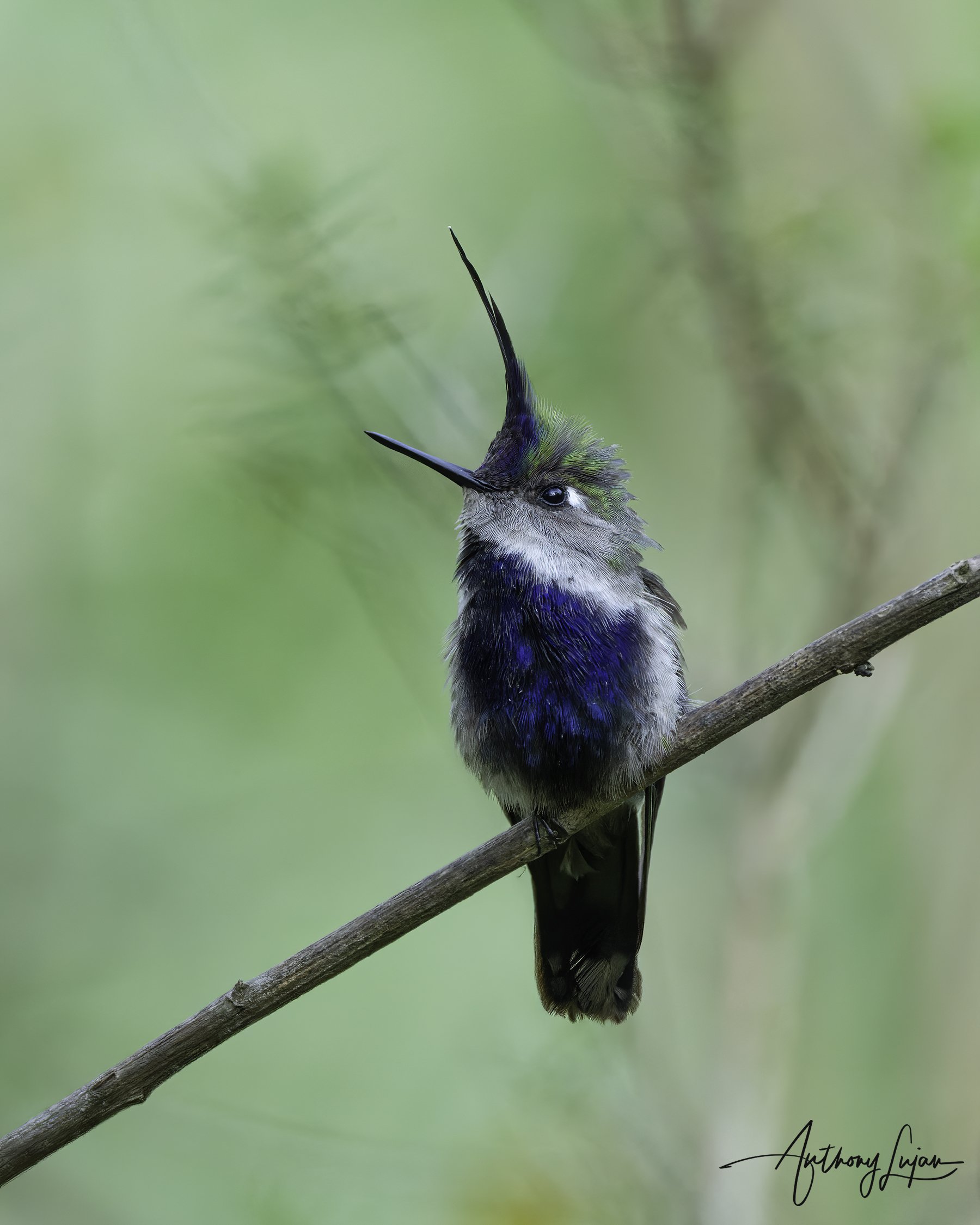
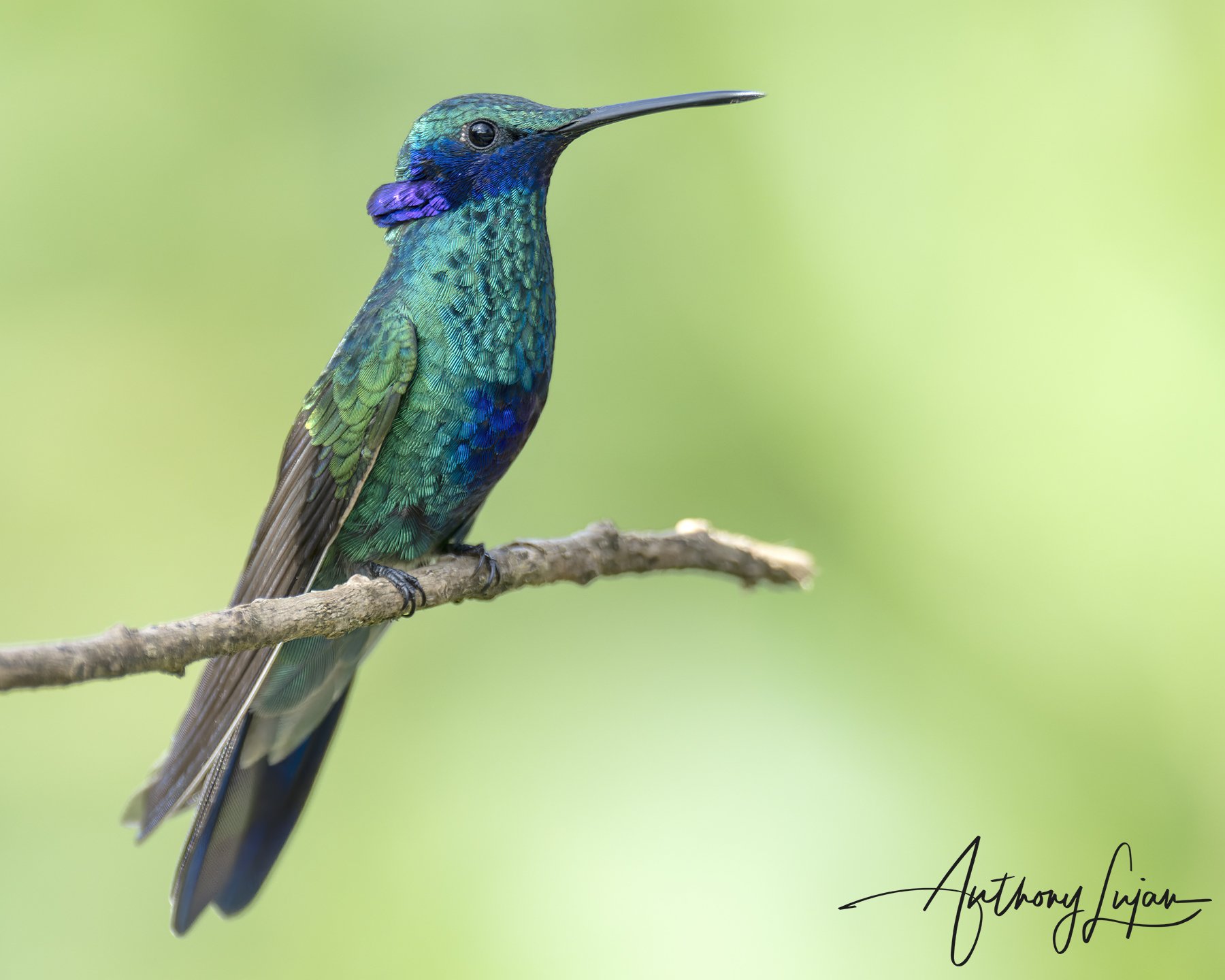
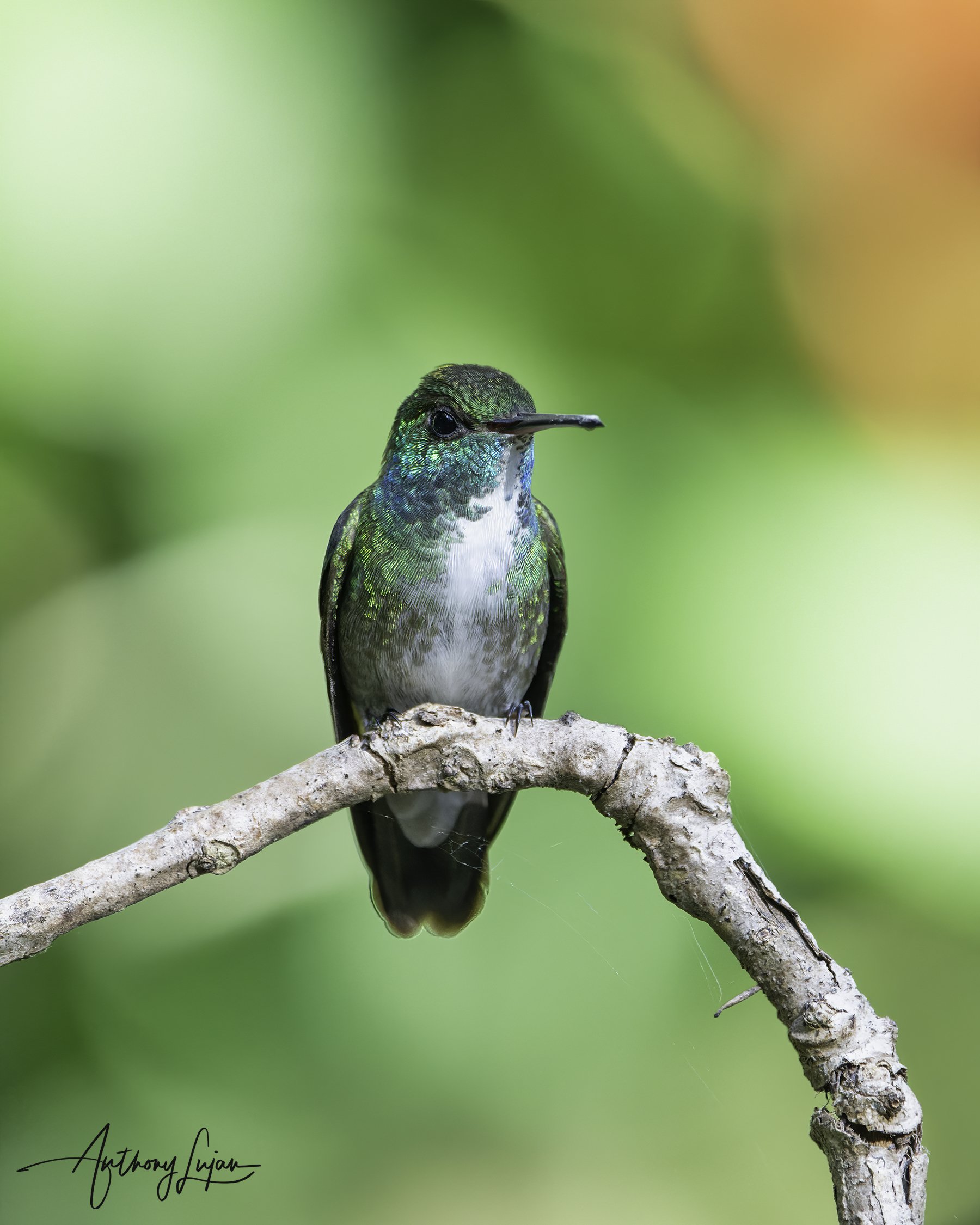
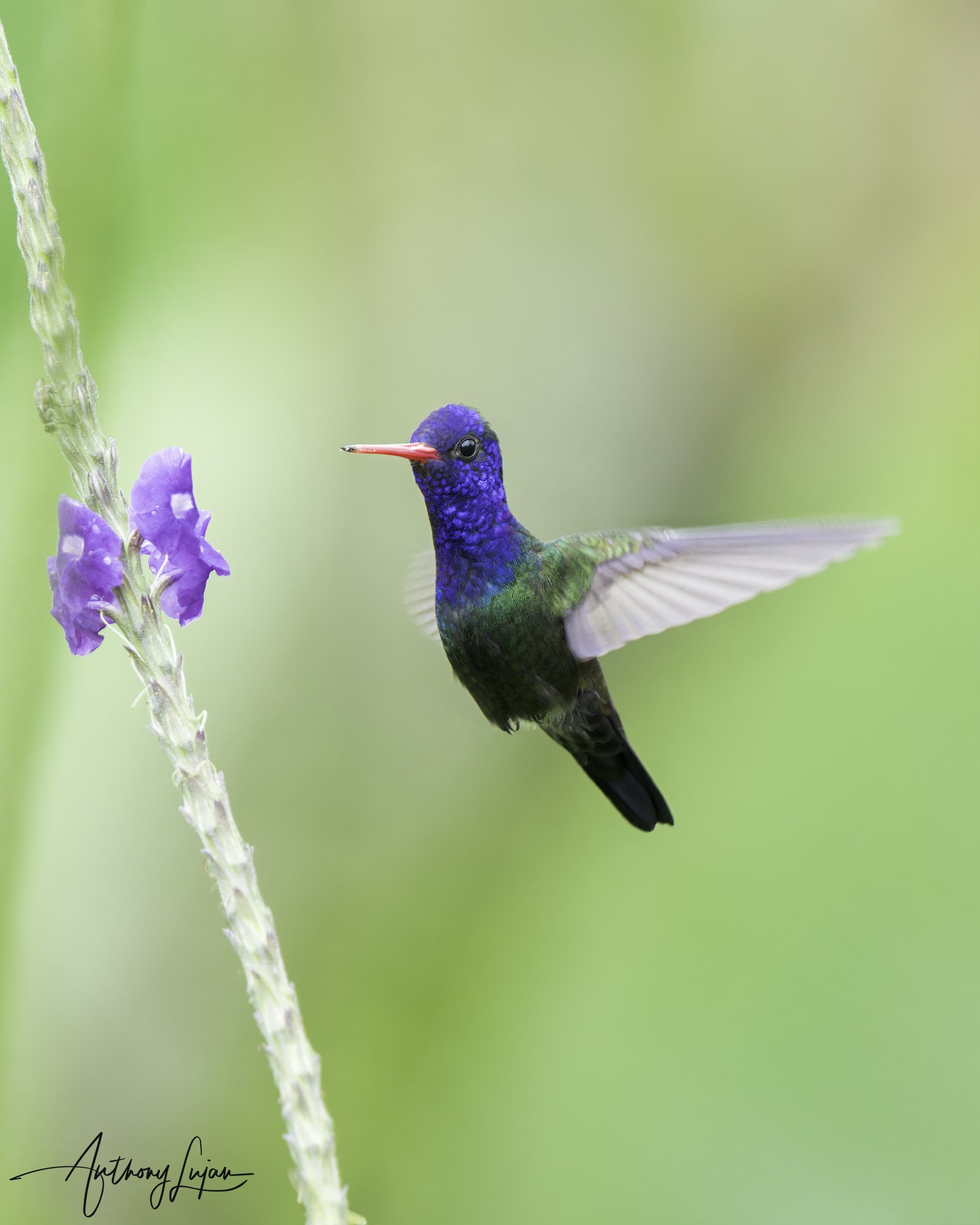
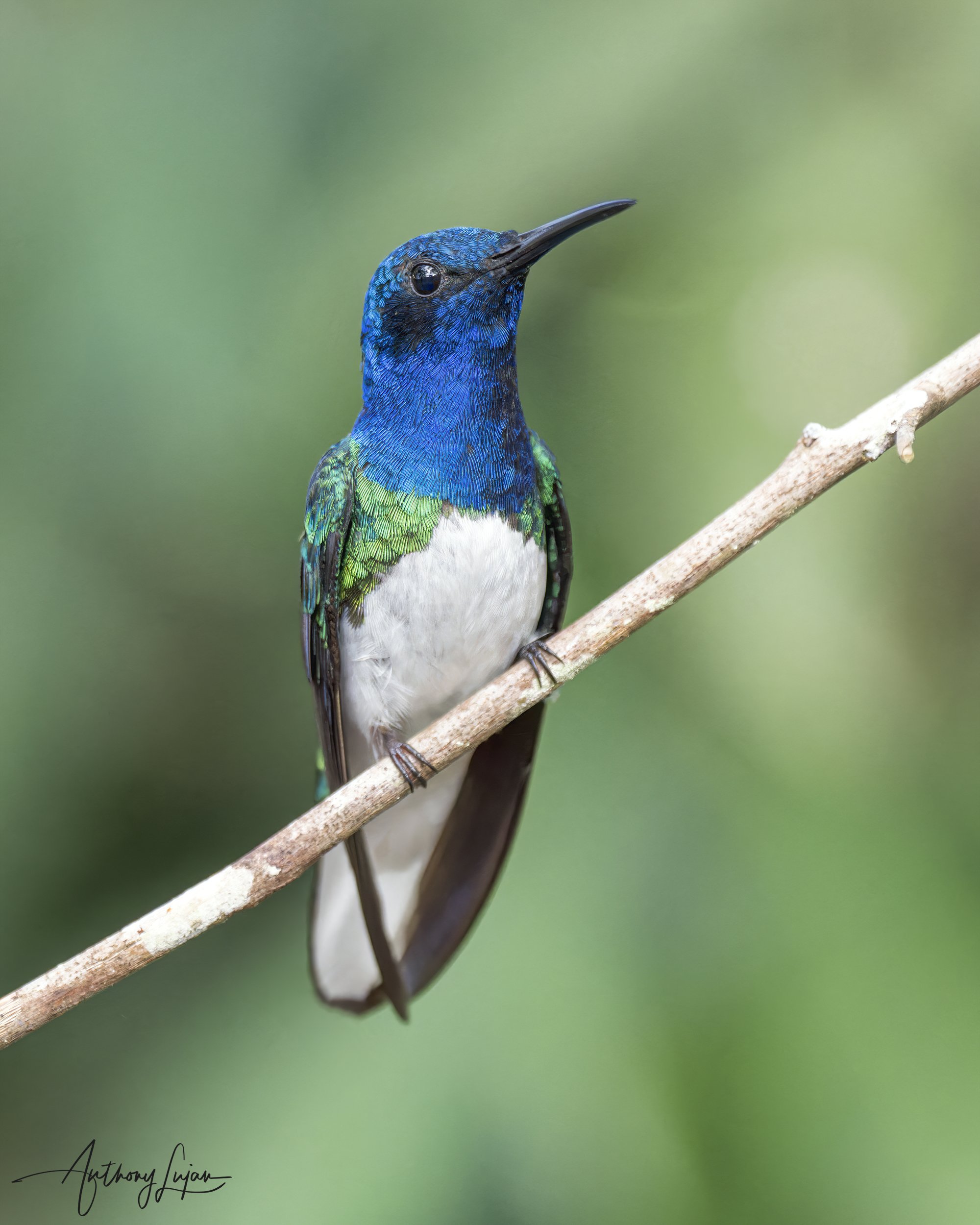
The following hummingbirds occur in Argentina but were photographed in other countries where Anthony has spent time in the field. They help fill out the broader picture of Argentina’s hummingbird diversity, even though they have not yet been documented within the country’s borders. As Anthony continues to explore new regions of Argentina, he will likely photograph any remaining species locally and move them into the “Hummingbird species Anthony photographed in Argentina” section.


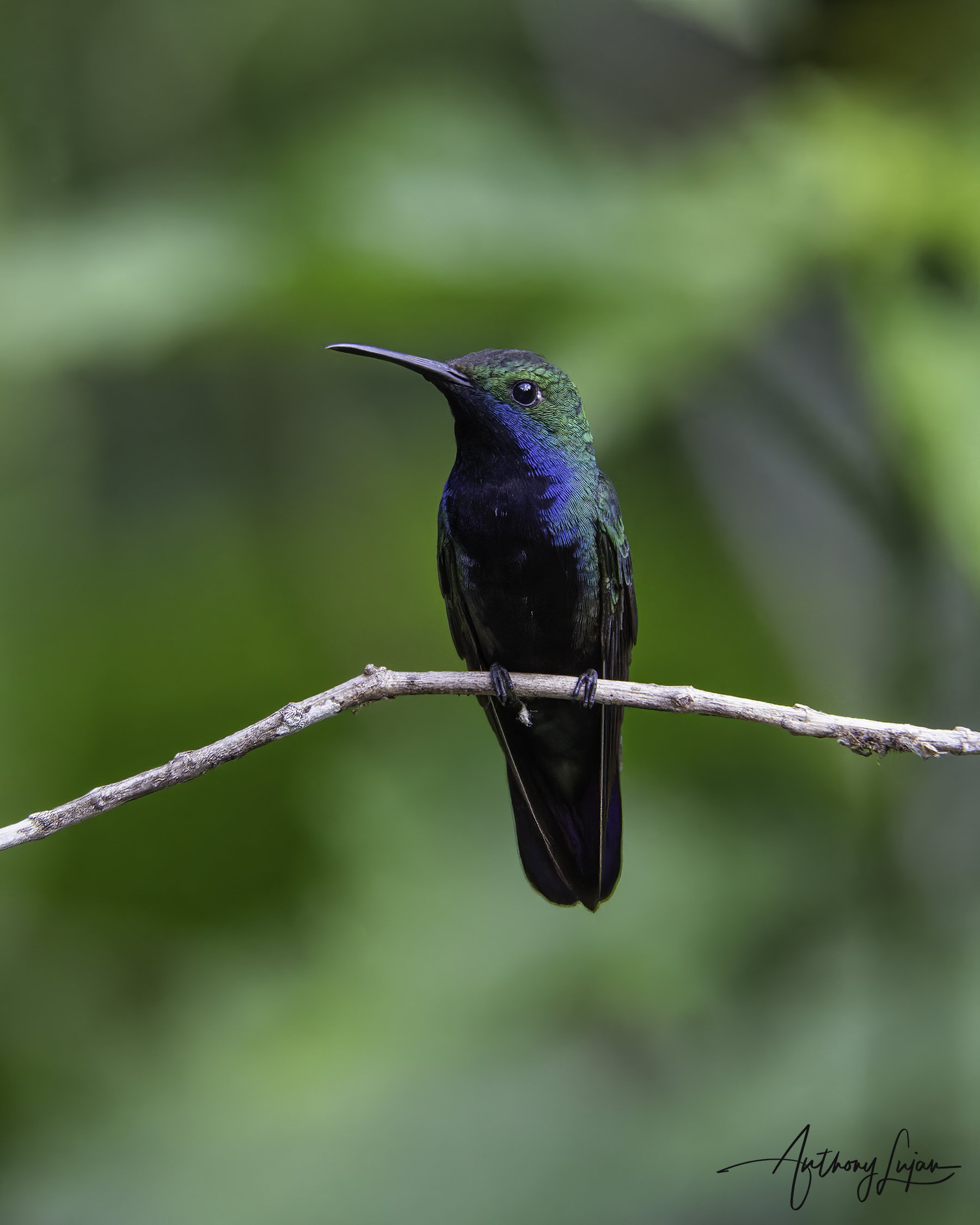







What two species are missing?
Slender-tailed Woodstar
Wedge-tailed Hillstar
Anthony is confident that he will pick those two up in Bolivia on a future trip.
Explore hummingbirds by country to see which species Anthony has photographed in each place and how his growing gallery fits together across the Americas.