Hummingbirds of Mexico – Overview
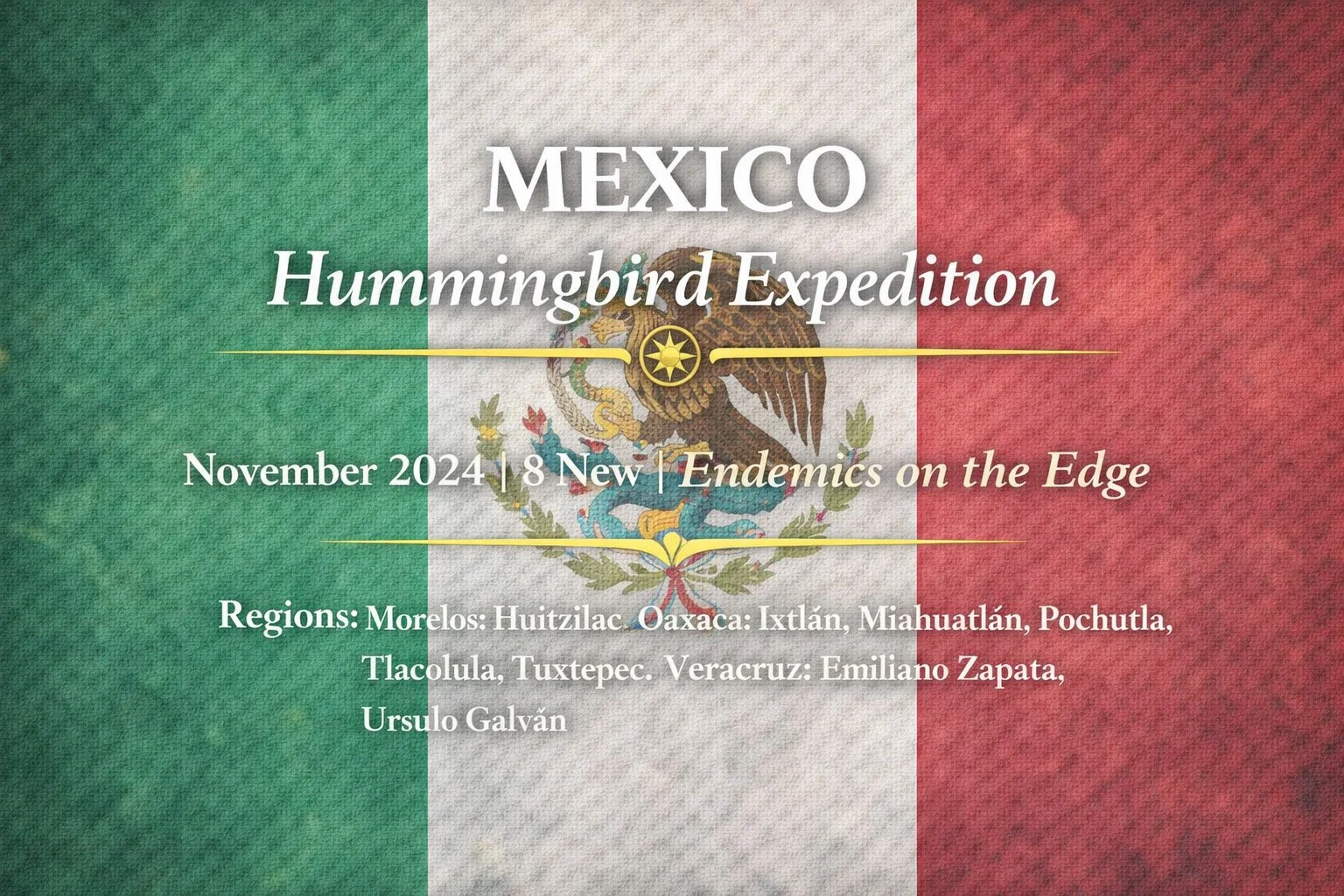
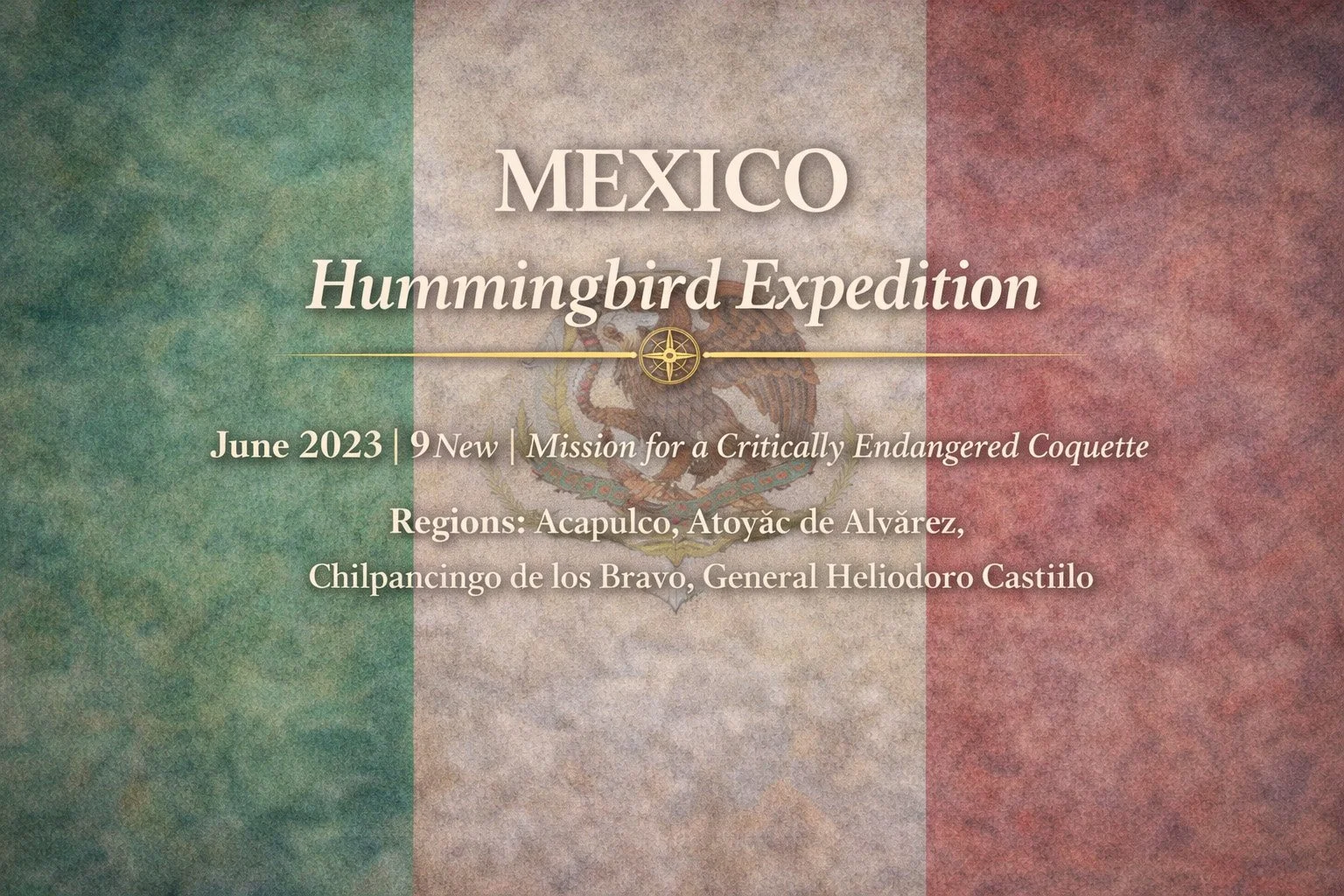
Mexico has approximately 59 species of hummingbirds, comprising temperate and tropical lineages across a complex mix of mountains, plateaus, and coastal lowlands. From thorn scrub and tropical dry forests to humid cloud forests and pine–oak slopes, hummingbirds in Mexico show how elevation, moisture, and vegetation type shape the species that appear in each region.
Endemic hummingbirds of Mexico
Mexico is home to a notable set of hummingbirds that are endemic to the country and found nowhere else. Endemic species, such as the Beautiful Hummingbird (Calothorax pulcher), Bumblebee Hummingbird (Selasphorus heloisa), Dusky Hummingbird (Phaeoptila sordida), Golden-crowned Emerald (Cynanthus auriceps), Green-fronted Hummingbird (Ramosomyia viridifrons), Mexican Hermit (Phaethornis mexicanus), and Turquoise-crowned Hummingbird (Cynanthus doubledayi), occupy specific regions and habitat types within Mexico. Their restricted ranges highlight the importance of Mexico for the global conservation of hummingbird diversity.
Threatened hummingbirds of Mexico
Several endemic Mexican hummingbirds are threatened, with small populations tied to limited ranges and specialized habitats. The Short-crested Coquette (Lophornis brachylophus) is a Critically Endangered species of humid and semi-deciduous forests in a small part of the Sierra Madre del Sur; the Blue-capped Hummingbird (Eupherusa cyanophrys) is Endangered; and the Mexican Sheartail (Doricha eliza) and White-tailed Hummingbird (Eupherusa poliocerca) are both considered Near Threatened. The presence of any of these hummingbirds in the field underscores the urgency of conserving Mexico’s remaining forests, coastal scrub, and specialized microhabitats where they persist.
Anthony’s photography in Mexico
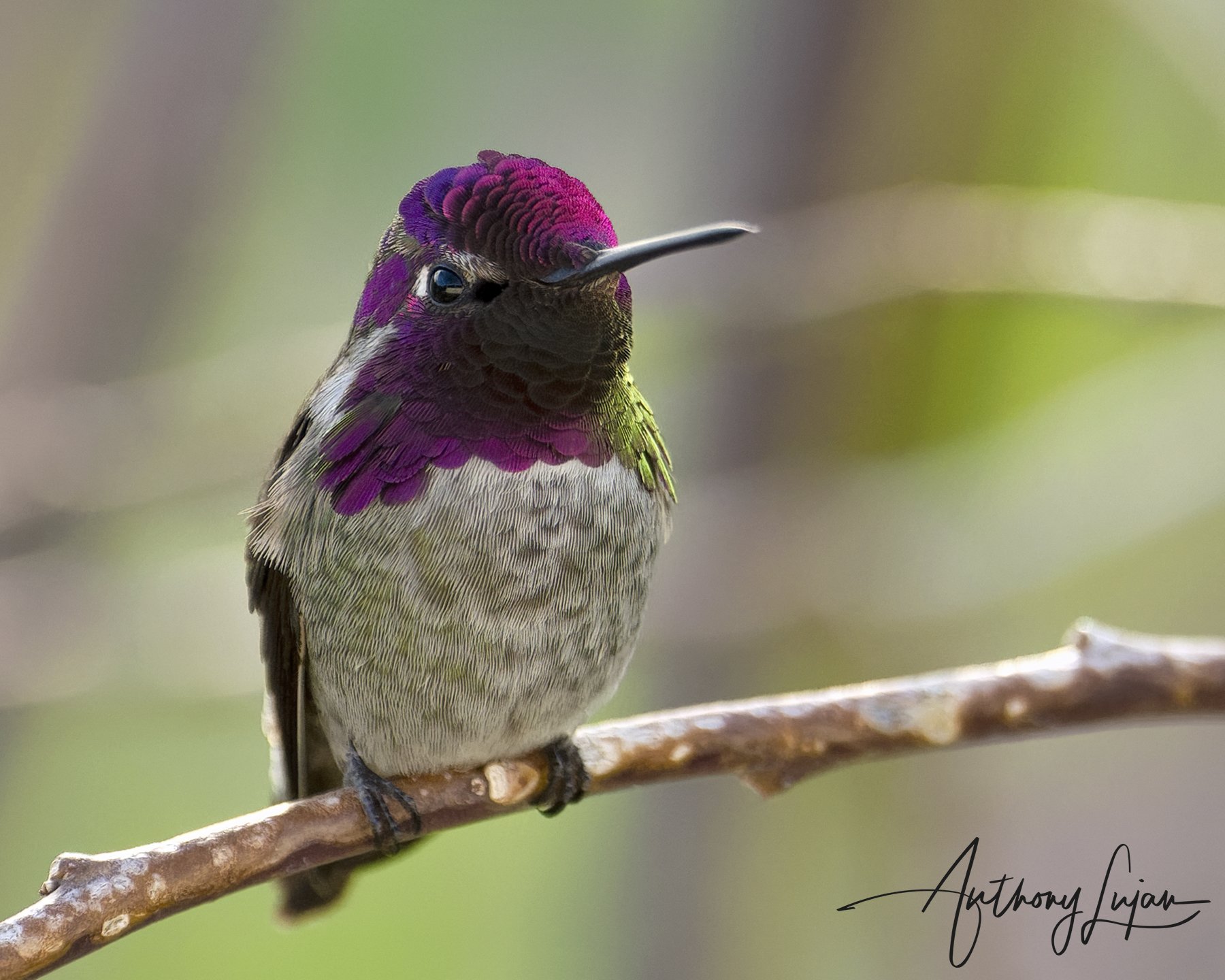
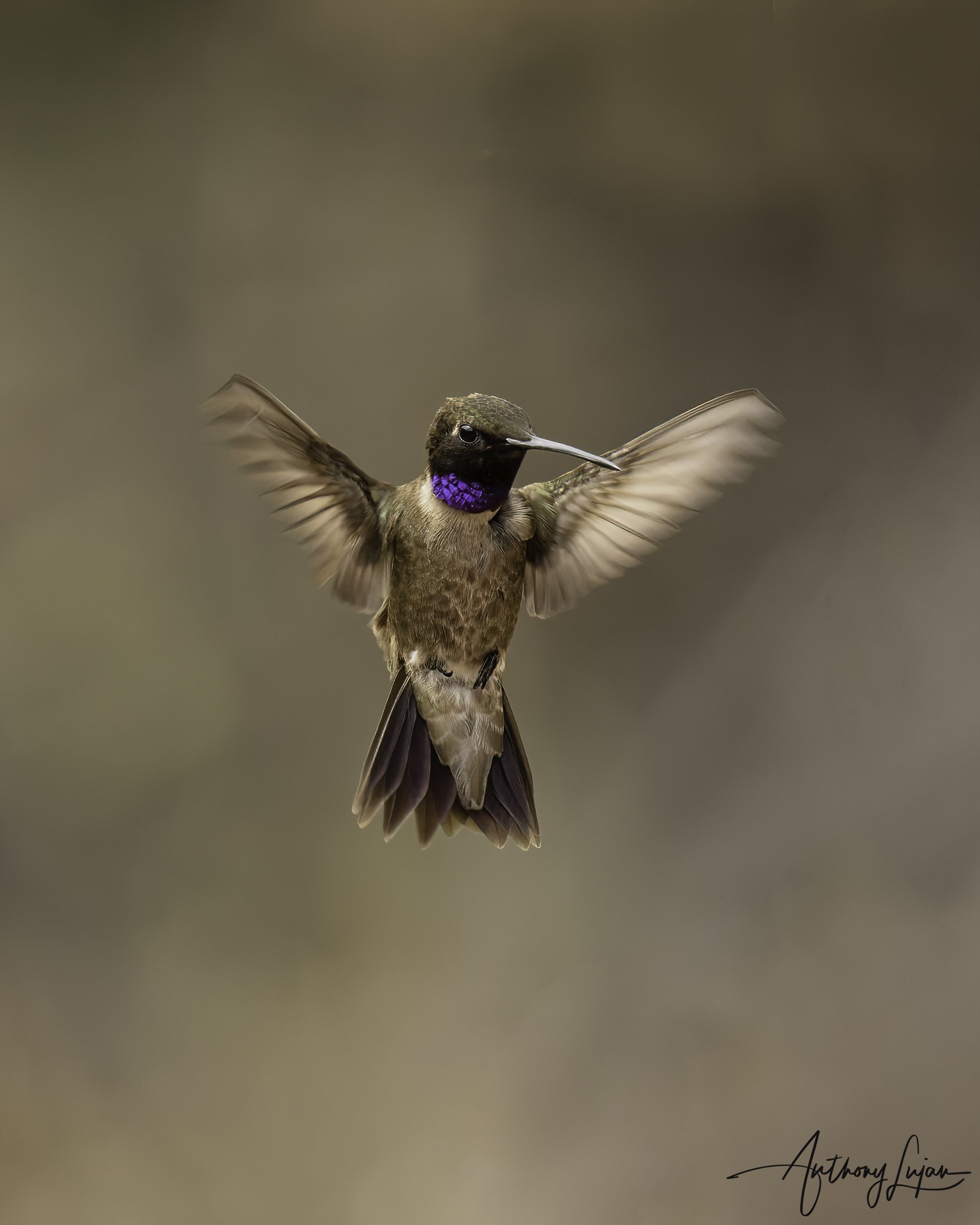
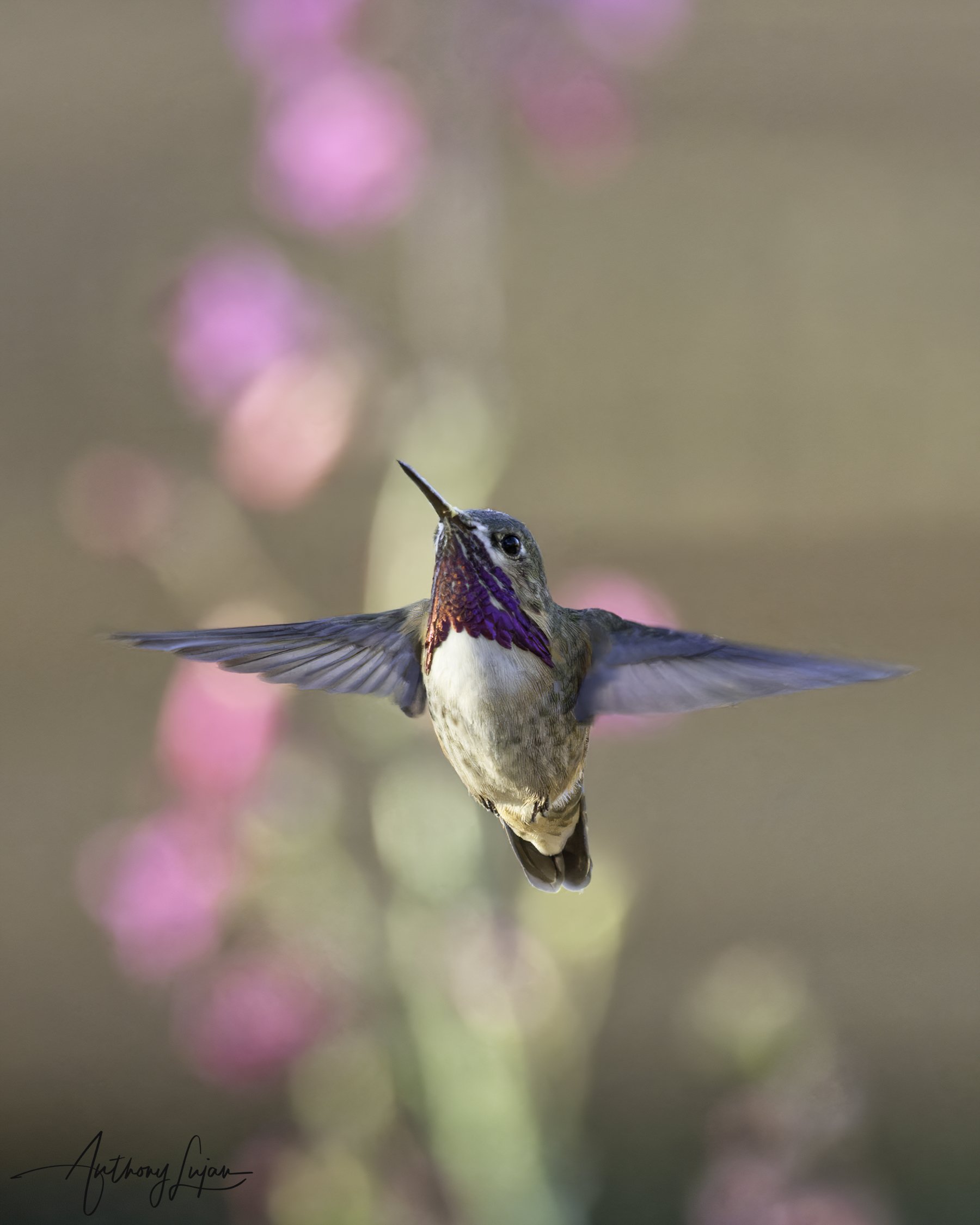
Anthony has photographed 53 of the roughly 59 hummingbird species recorded in Mexico, spanning dry Pacific slopes, interior highlands, Gulf lowlands, and montane forests. The first section highlights the hummingbirds photographed in Mexico, and the second showcases additional Mexican species documented in other countries, building a more complete picture of the hummingbird fauna of Mexico.
Major hummingbird habitats in Mexico
Dry forests and scrub of the Pacific slope – Golden-crowned Emerald (Cynanthus auriceps), Turquoise-crowned Hummingbird (Cynanthus doubledayi), Mexican Sheartail (Doricha eliza), and other species using thorn scrub, dry forest, and coastal vegetation. Humid forests, ravines, and cloud forests – Mexican Hermit (Phaethornis mexicanus), Green-fronted Hummingbird (Ramosomyia viridifrons), Blue-capped Hummingbird (Eupherusa cyanophrys), White-tailed Hummingbird (Eupherusa poliocerca), and Short-crested Coquette (Lophornis brachylophus) in moist forests, ravines, and on montane slopes.
Highlands, pine–oak, and semi-open slopes – Bumblebee Hummingbird (Selasphorus heloisa), Dusky Hummingbird (Phaeoptila sordida), and other species using pine–oak woods, edges, and semi-open habitats with scattered flowering shrubs and trees.
Gardens, hedgerows, and rural landscapes – many Mexican hummingbirds visit hedgerows, orchards, plantations, and flowering gardens near towns and villages across the country.
Planning a hummingbird trip
If you are interested in traveling with Anthony, joining a small-group hummingbird-focused tour, or reading detailed trip reports about the species and regions he has worked in, visit the Travel with Me page and the Hummingbird Expeditions section of the blog to explore current opportunities and past expeditions.
Hummingbird species Anthony photographed in Mexico
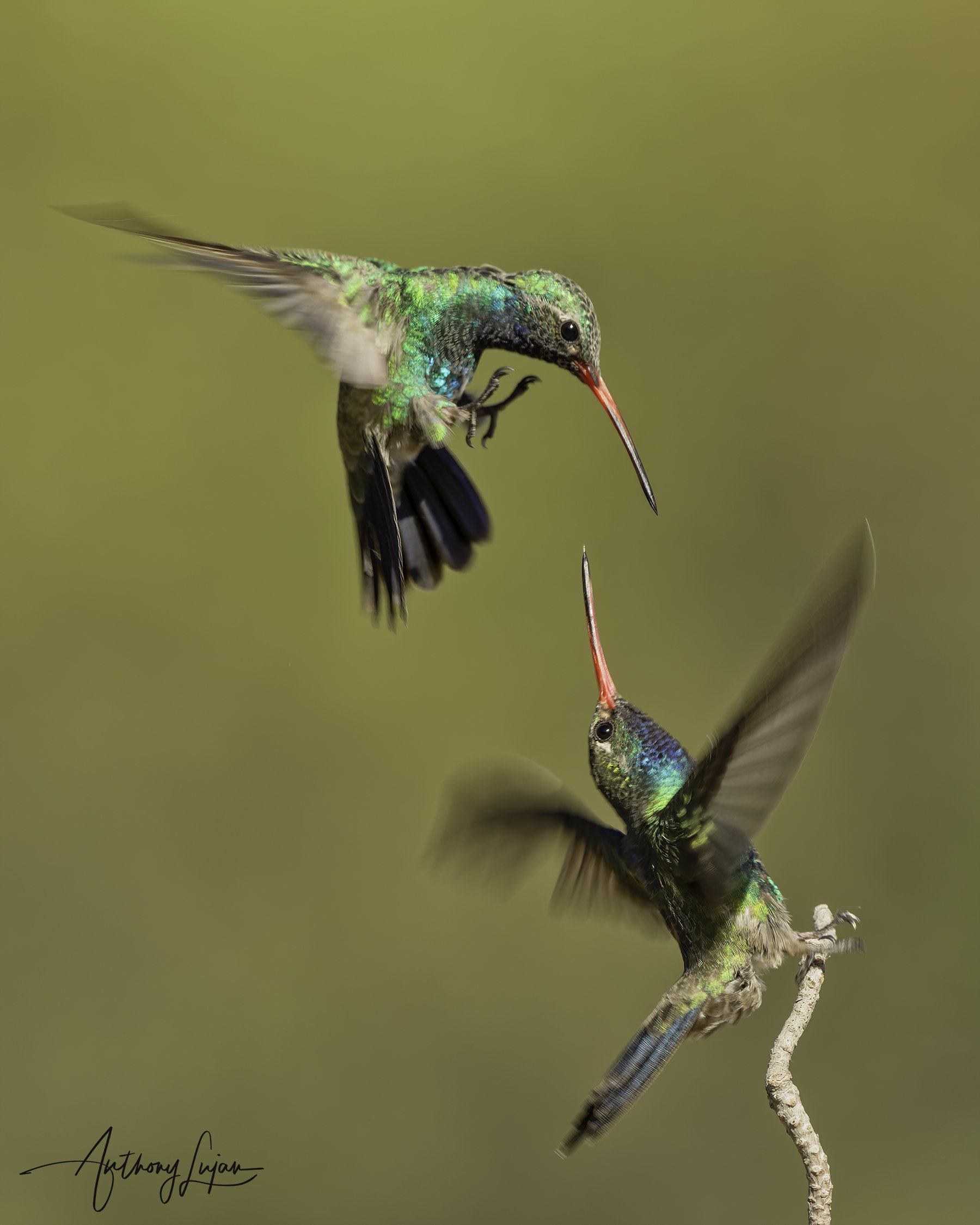
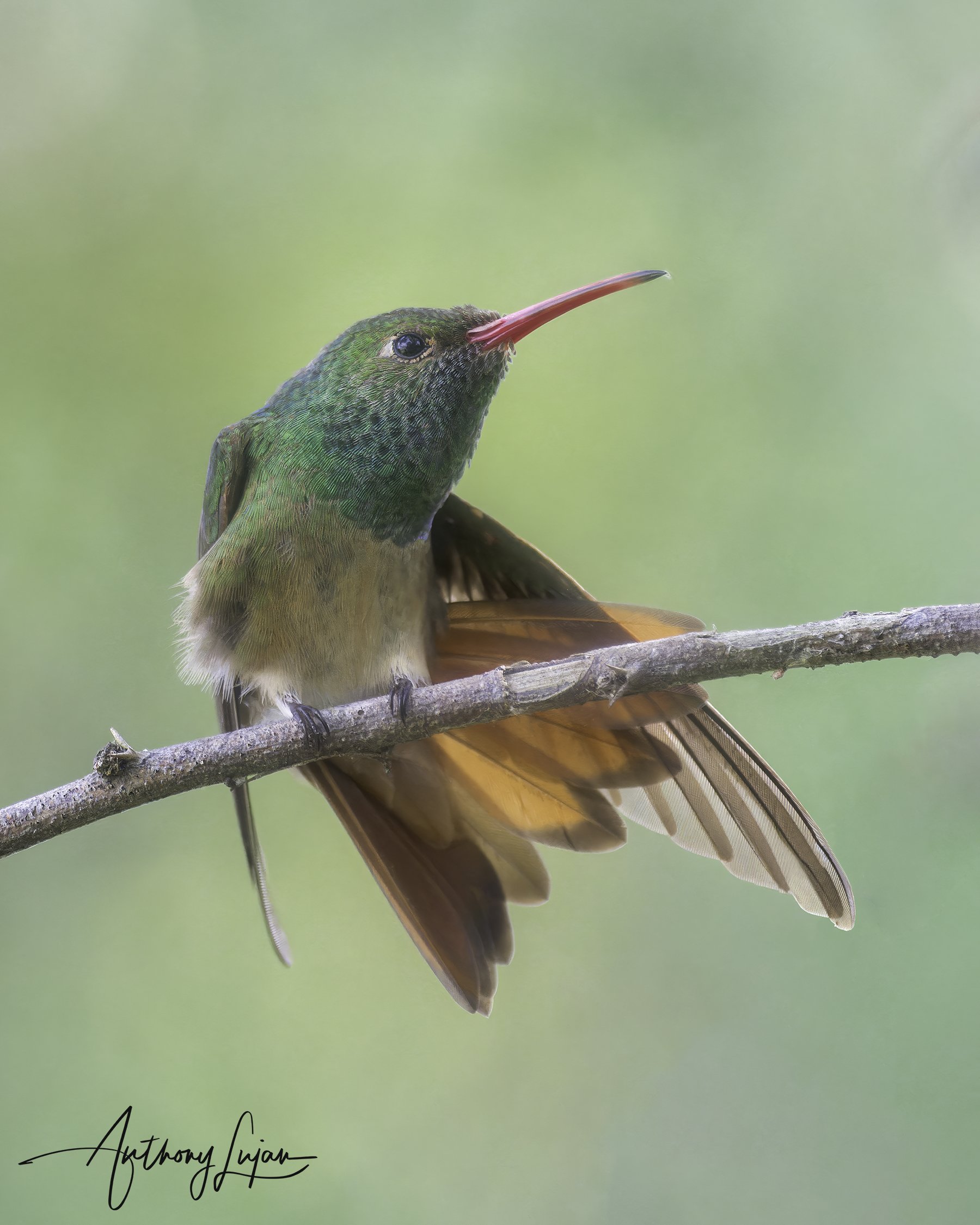
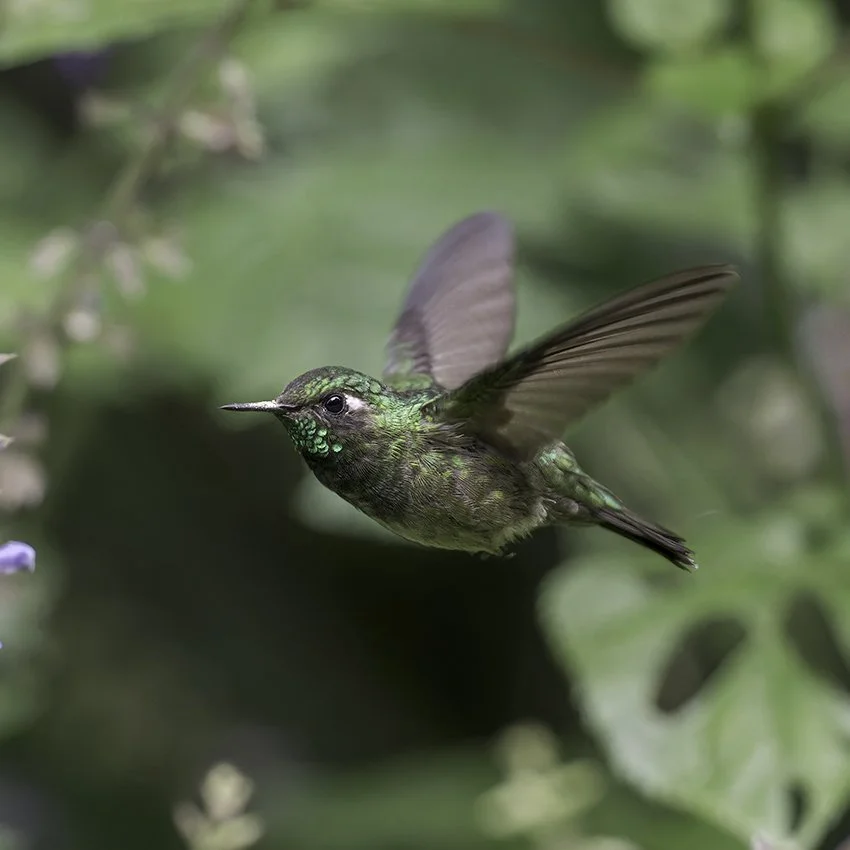
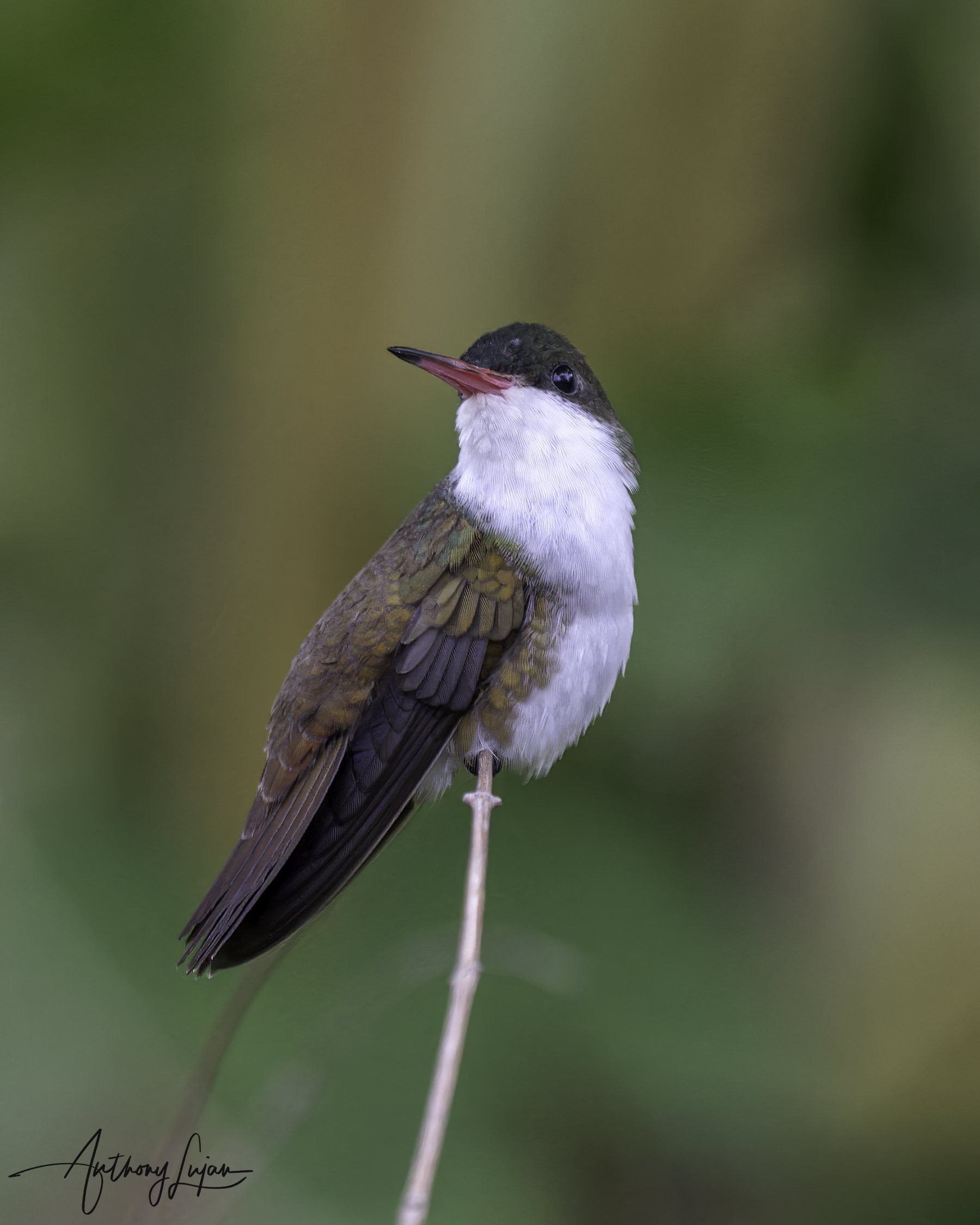
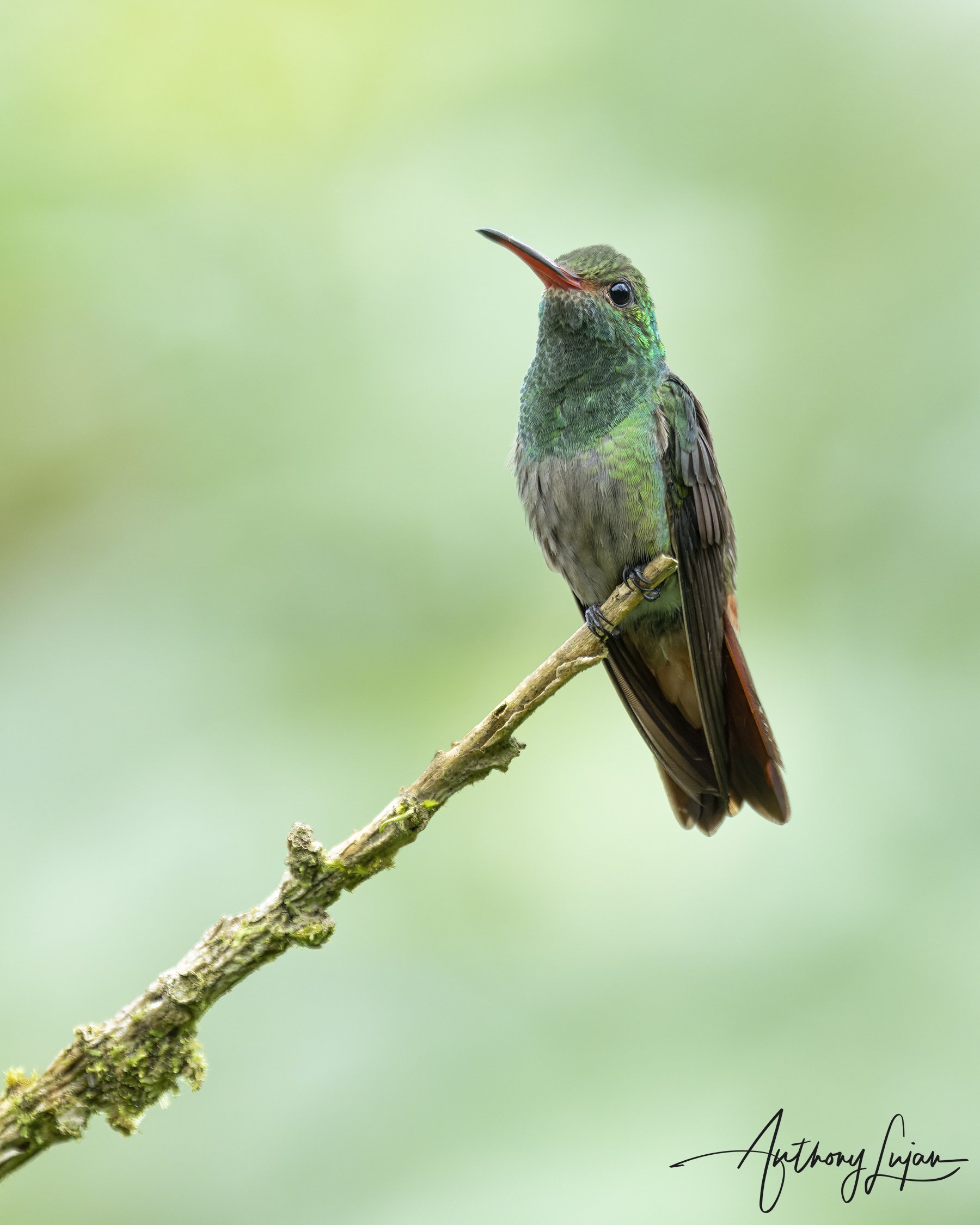
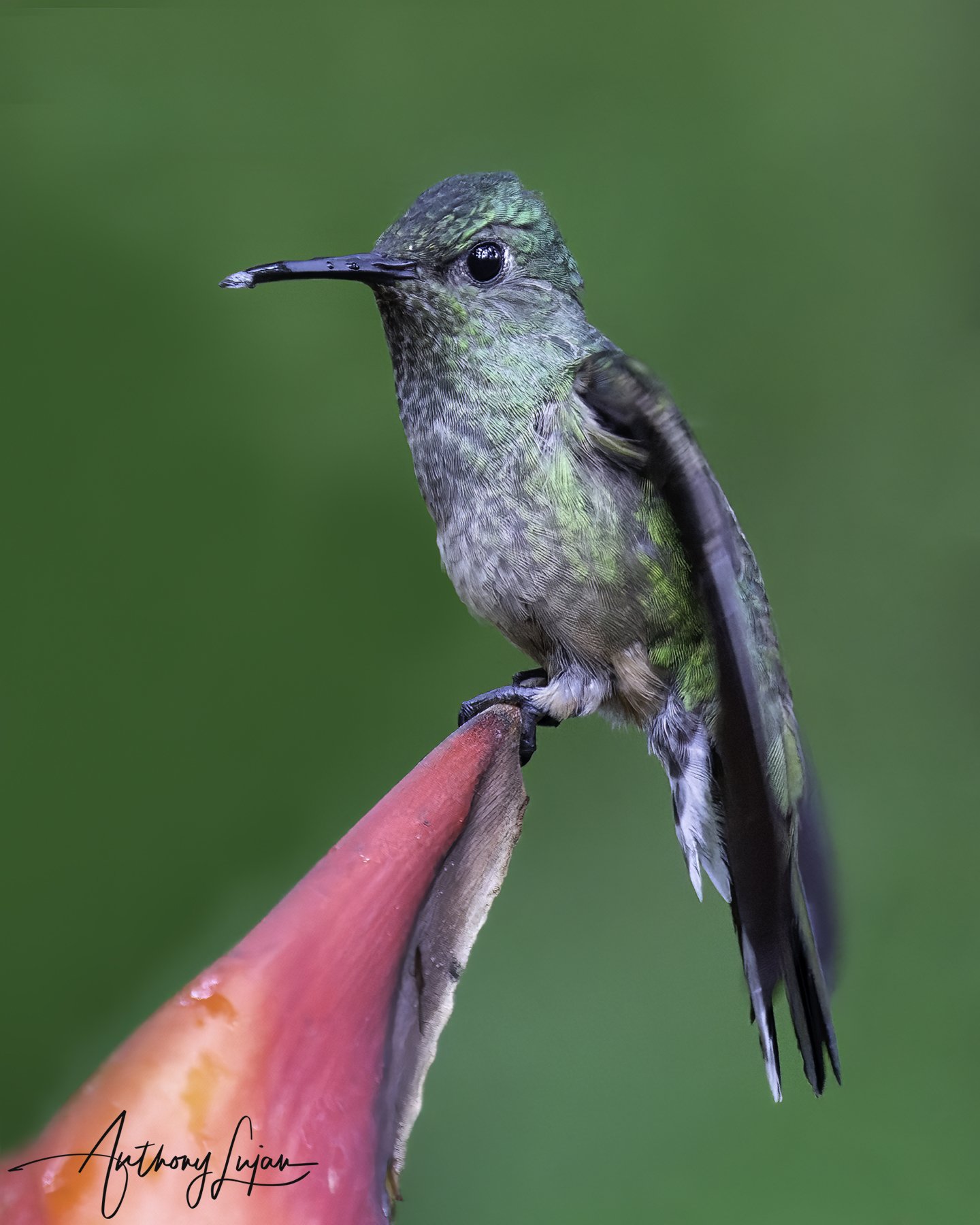
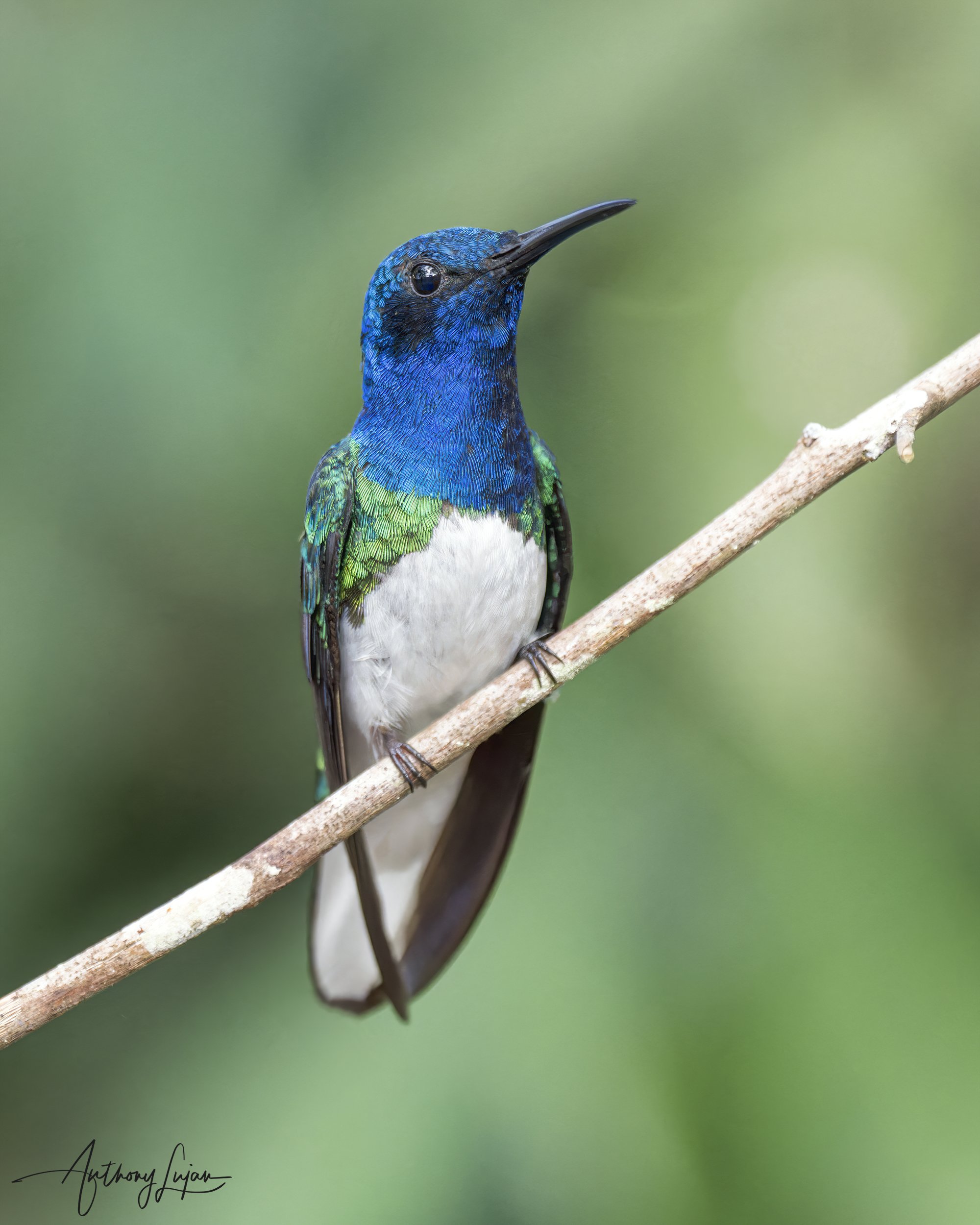
The hummingbirds listed in this section were photographed in Mexico during Anthony’s fieldwork. Together, they provide a first-hand look at the diversity of Mexico’s hummingbird community across different regions, elevations, and habitats.







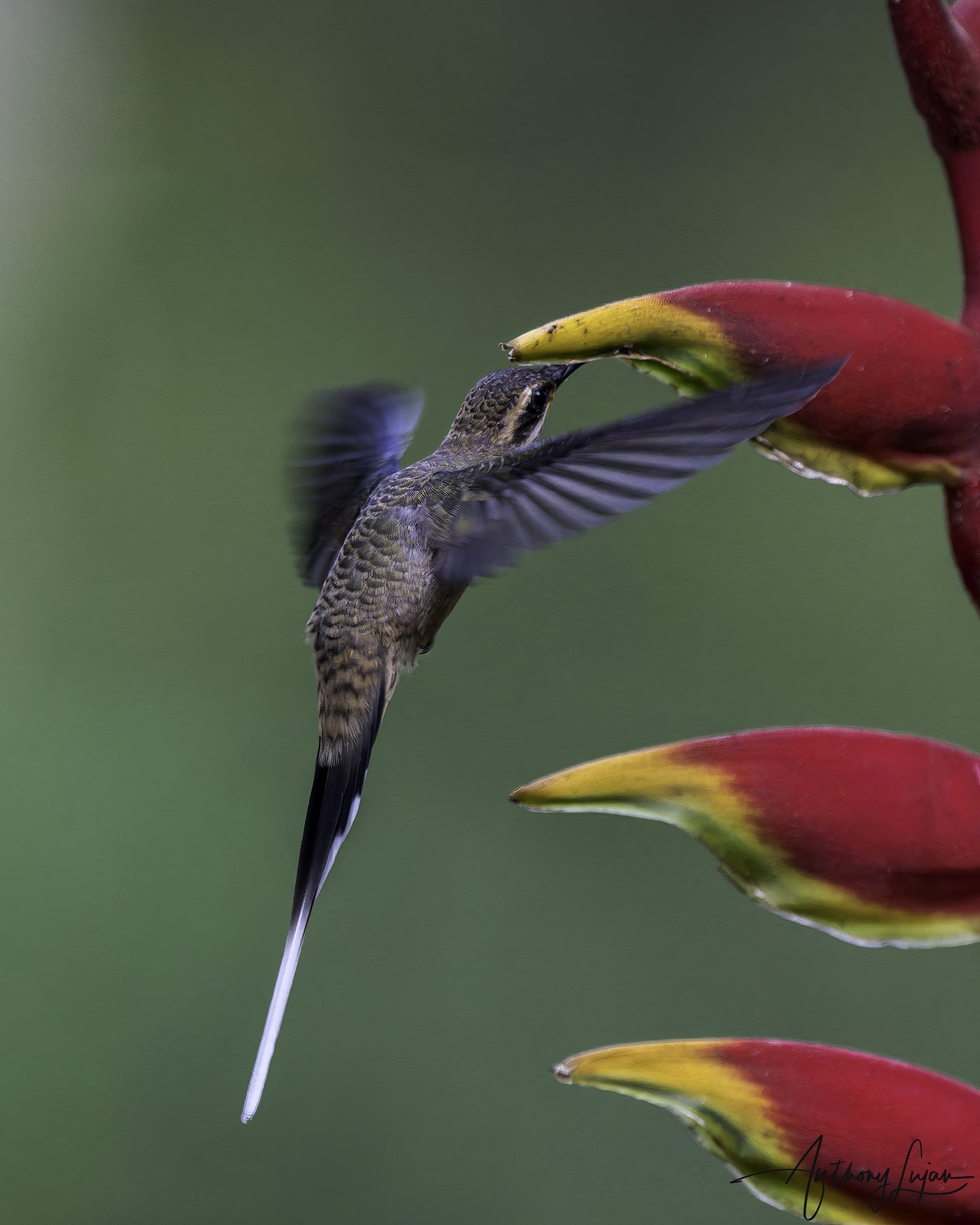


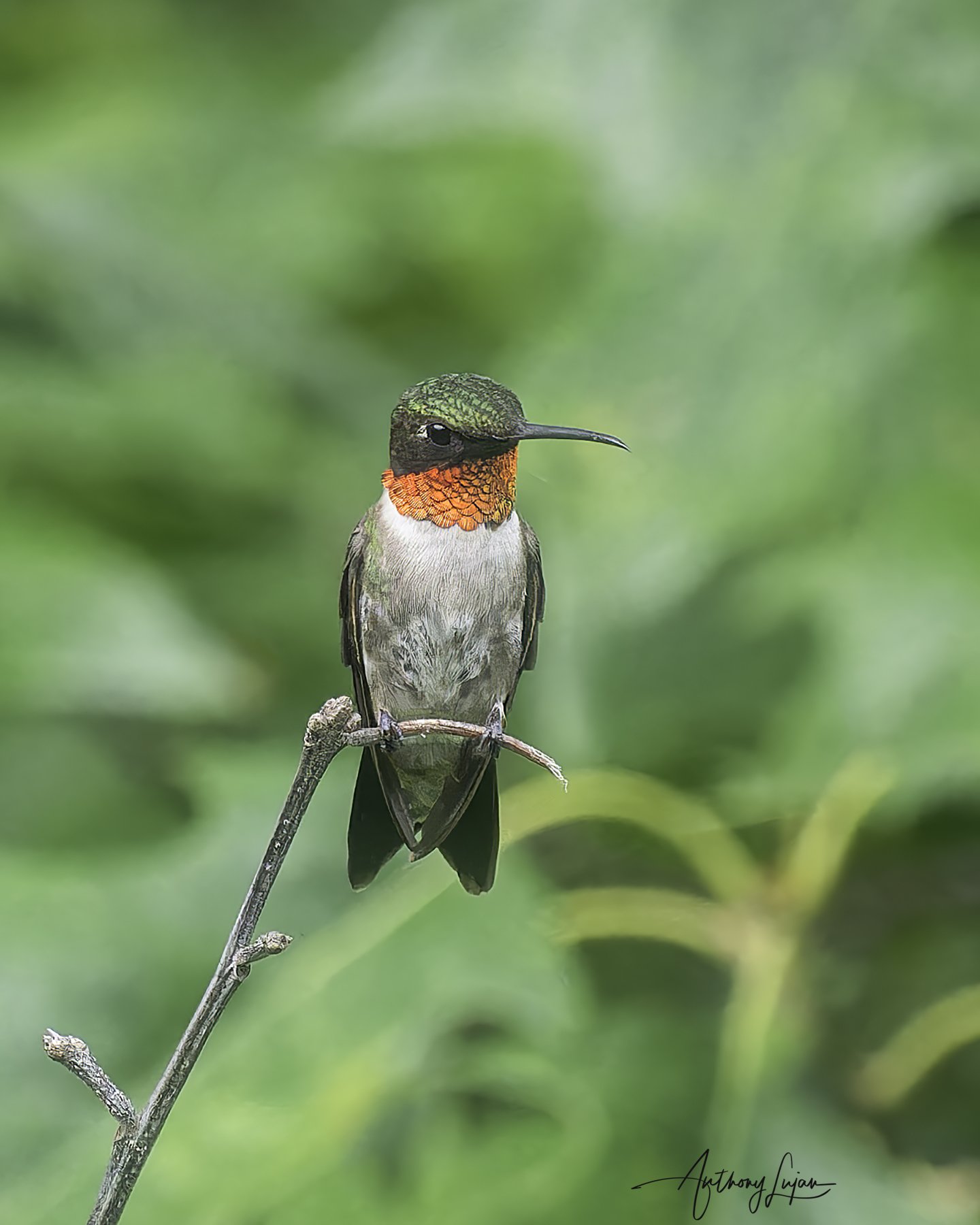


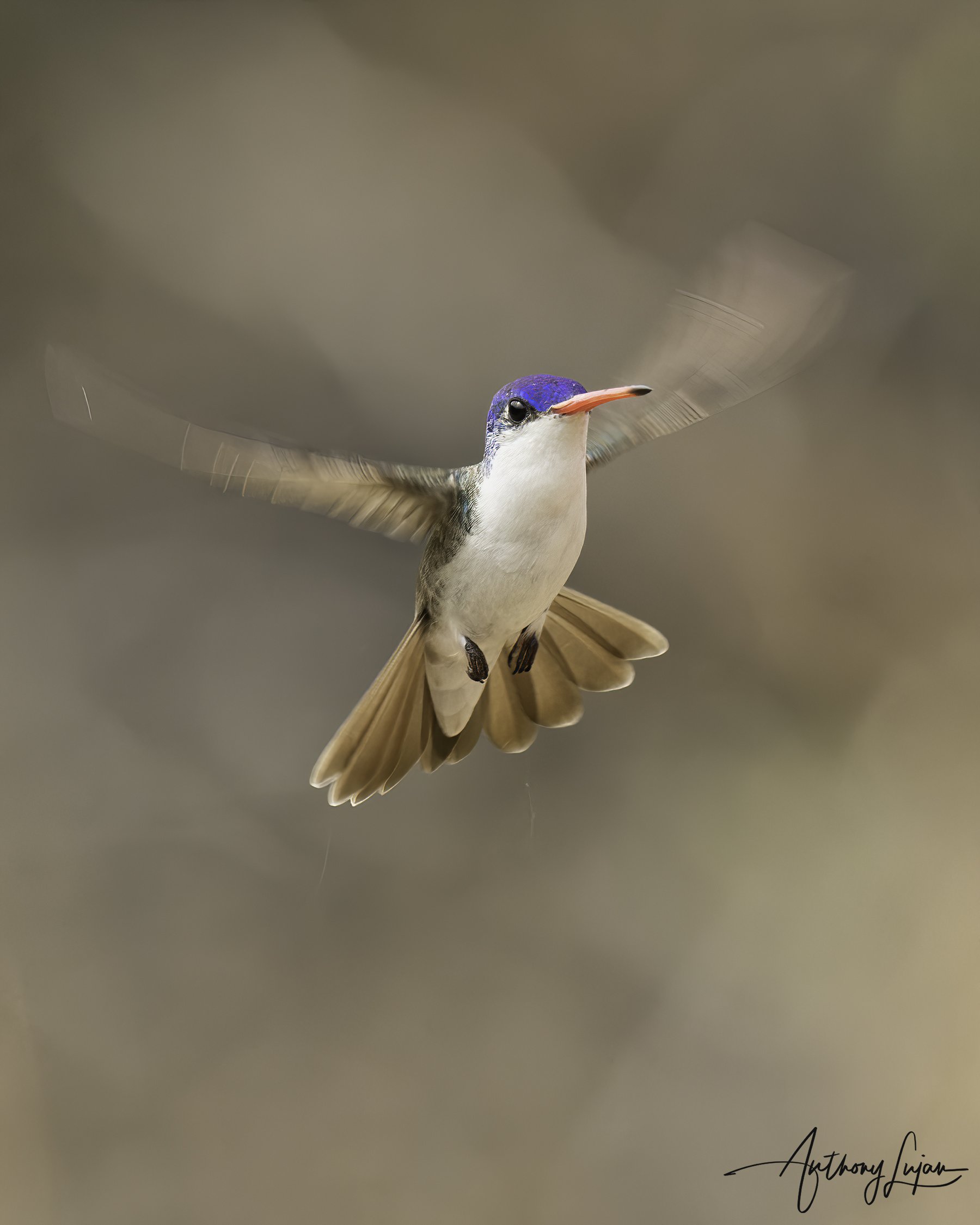


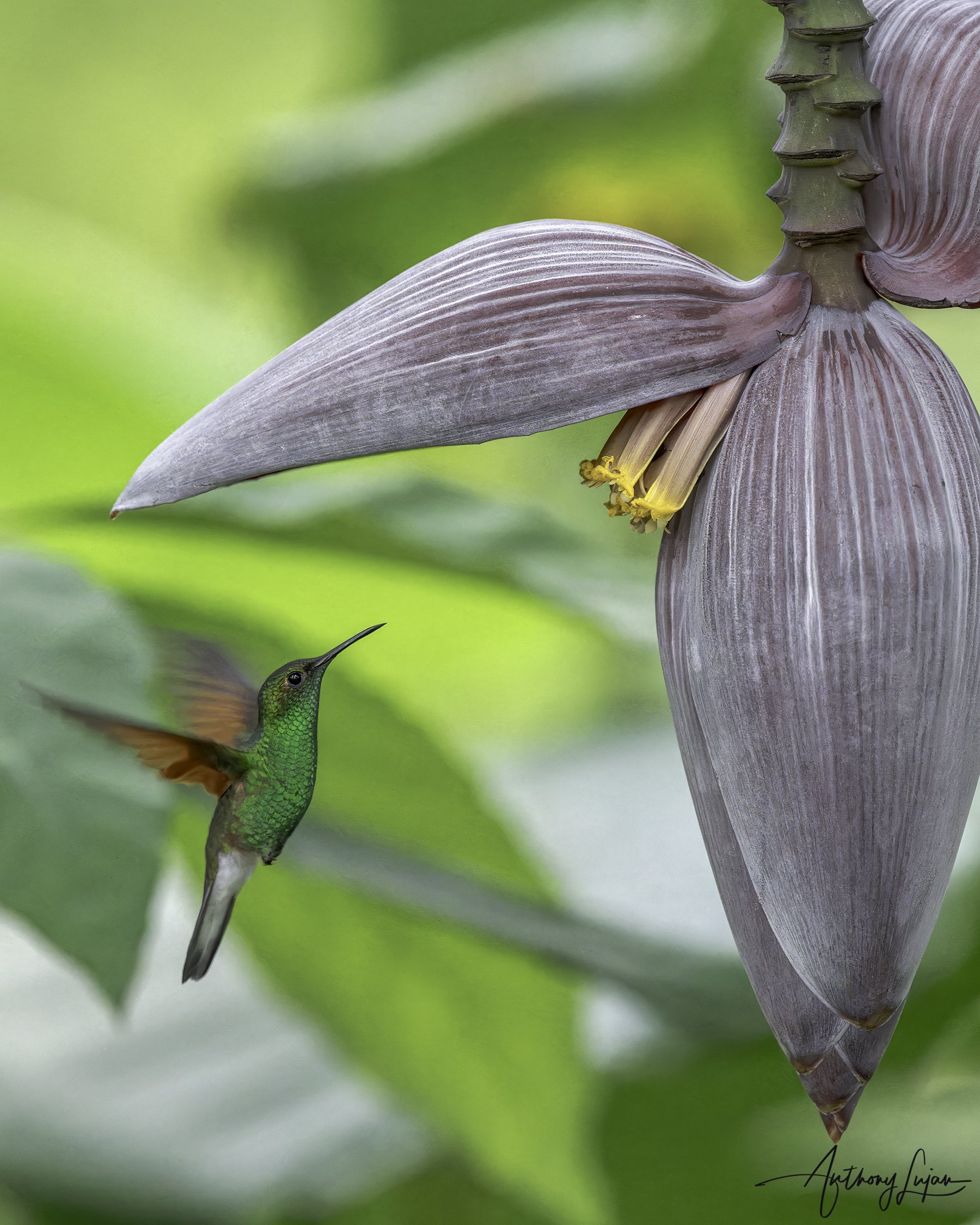
Hummingbirds of Mexico photographed elsewhere
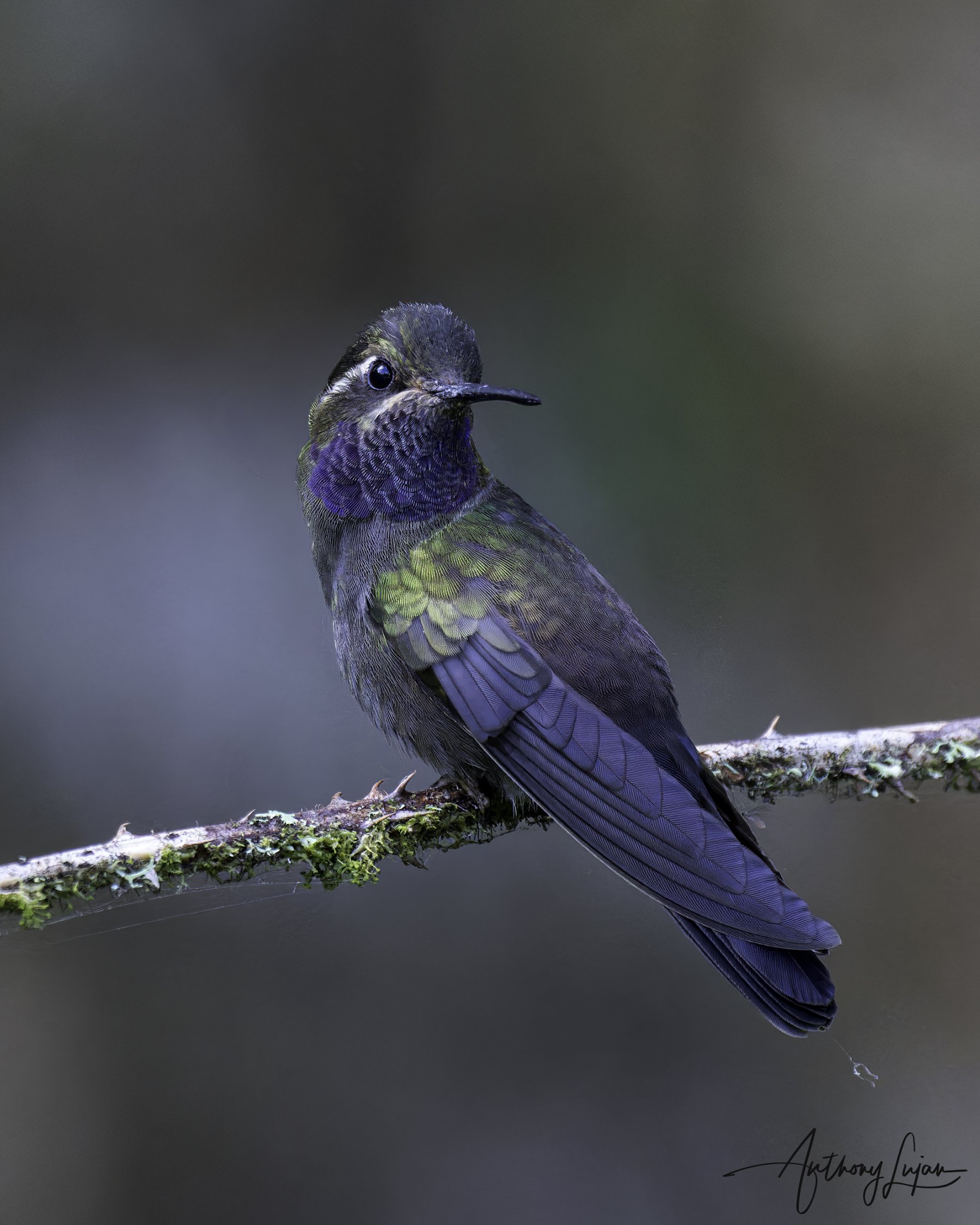
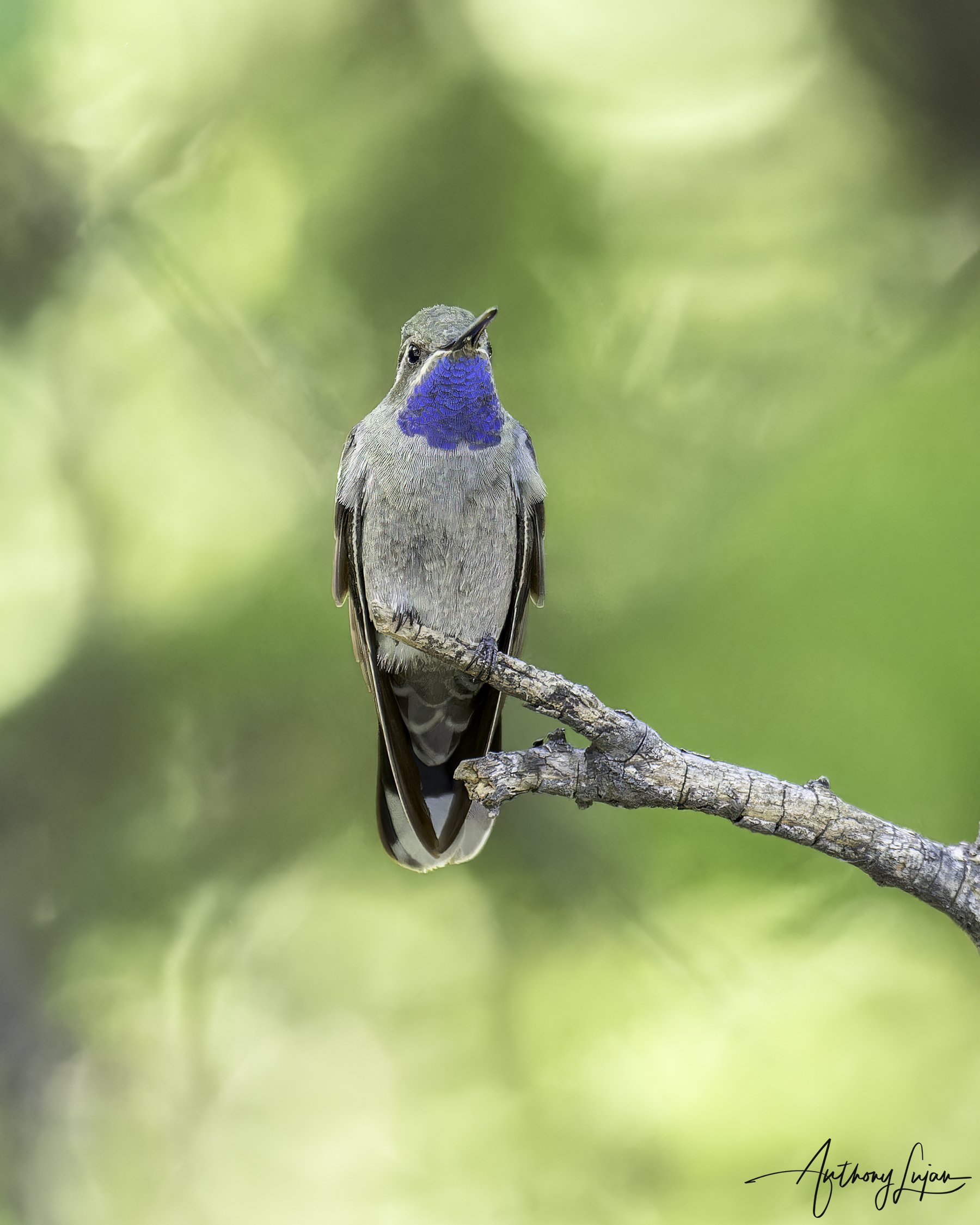
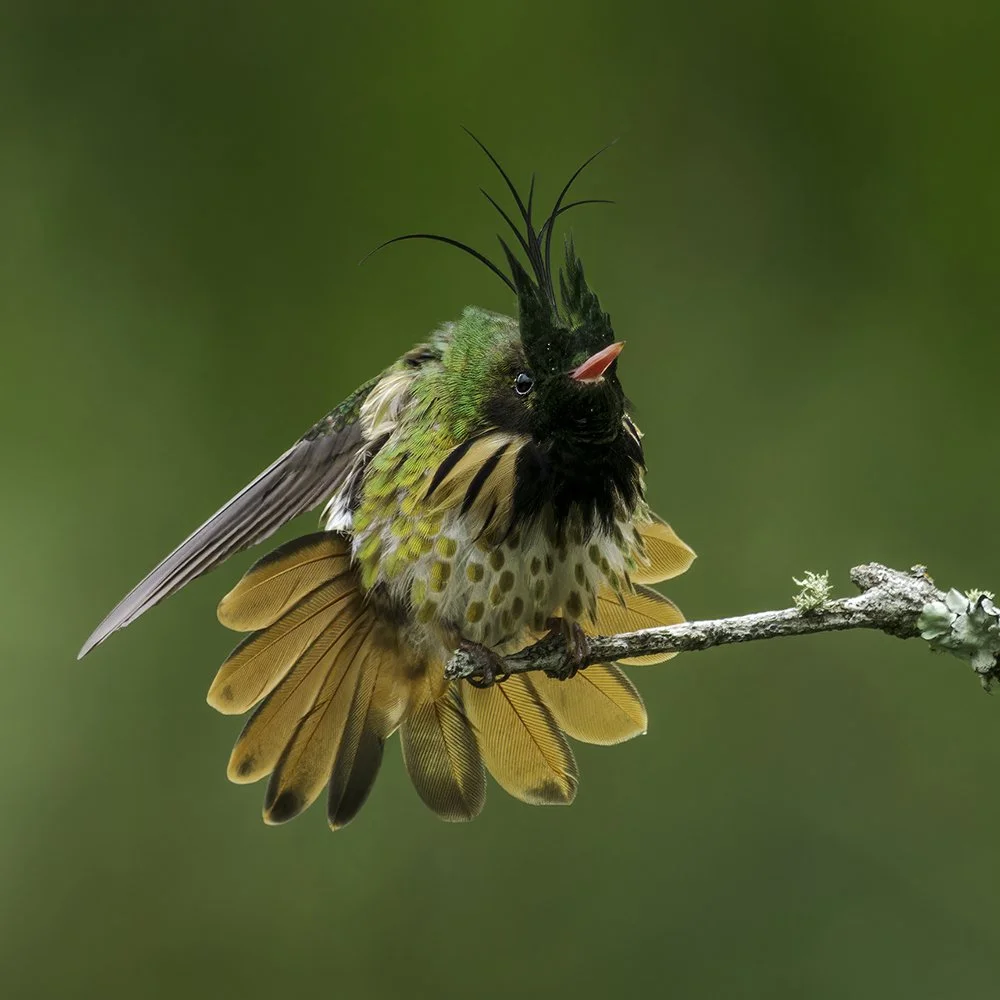
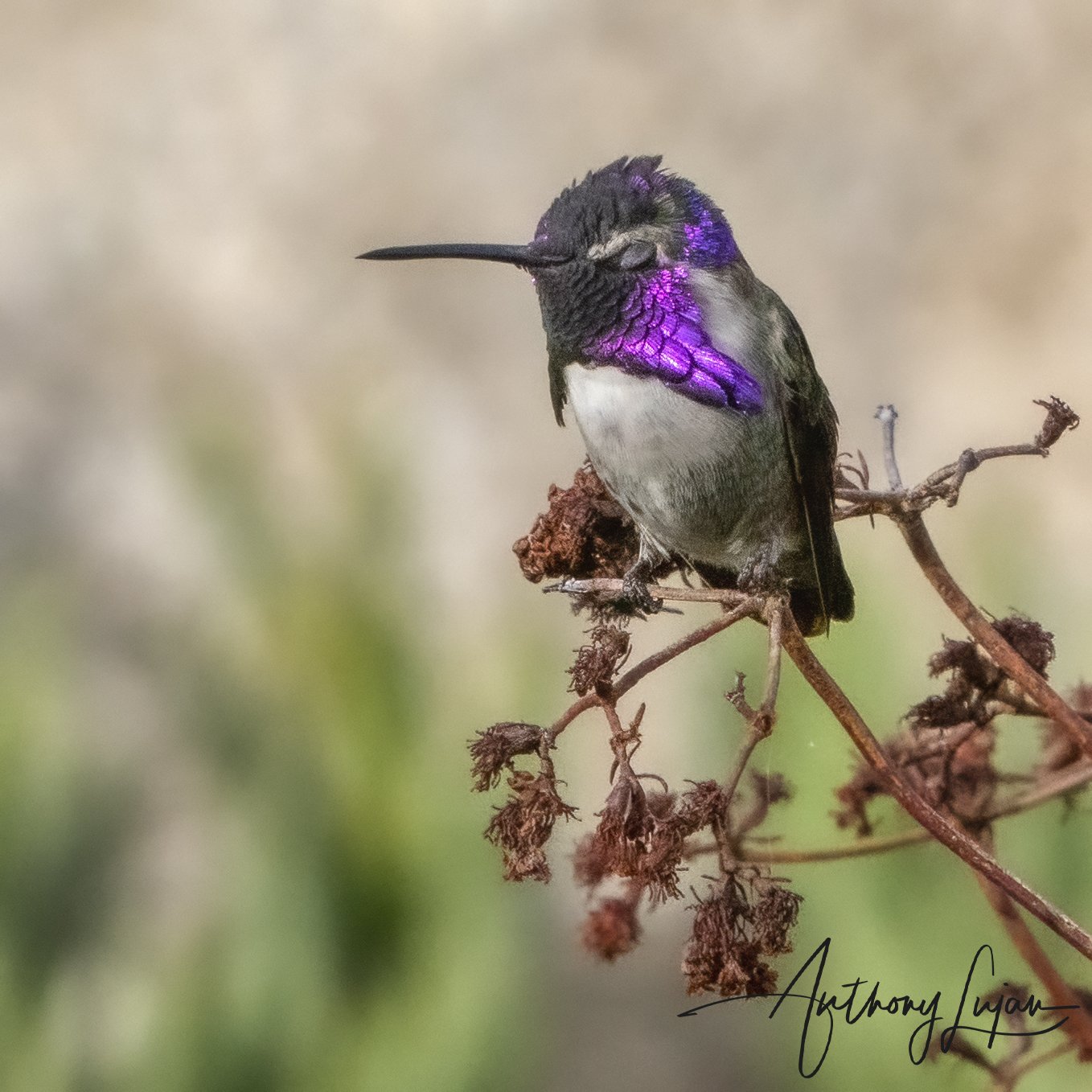
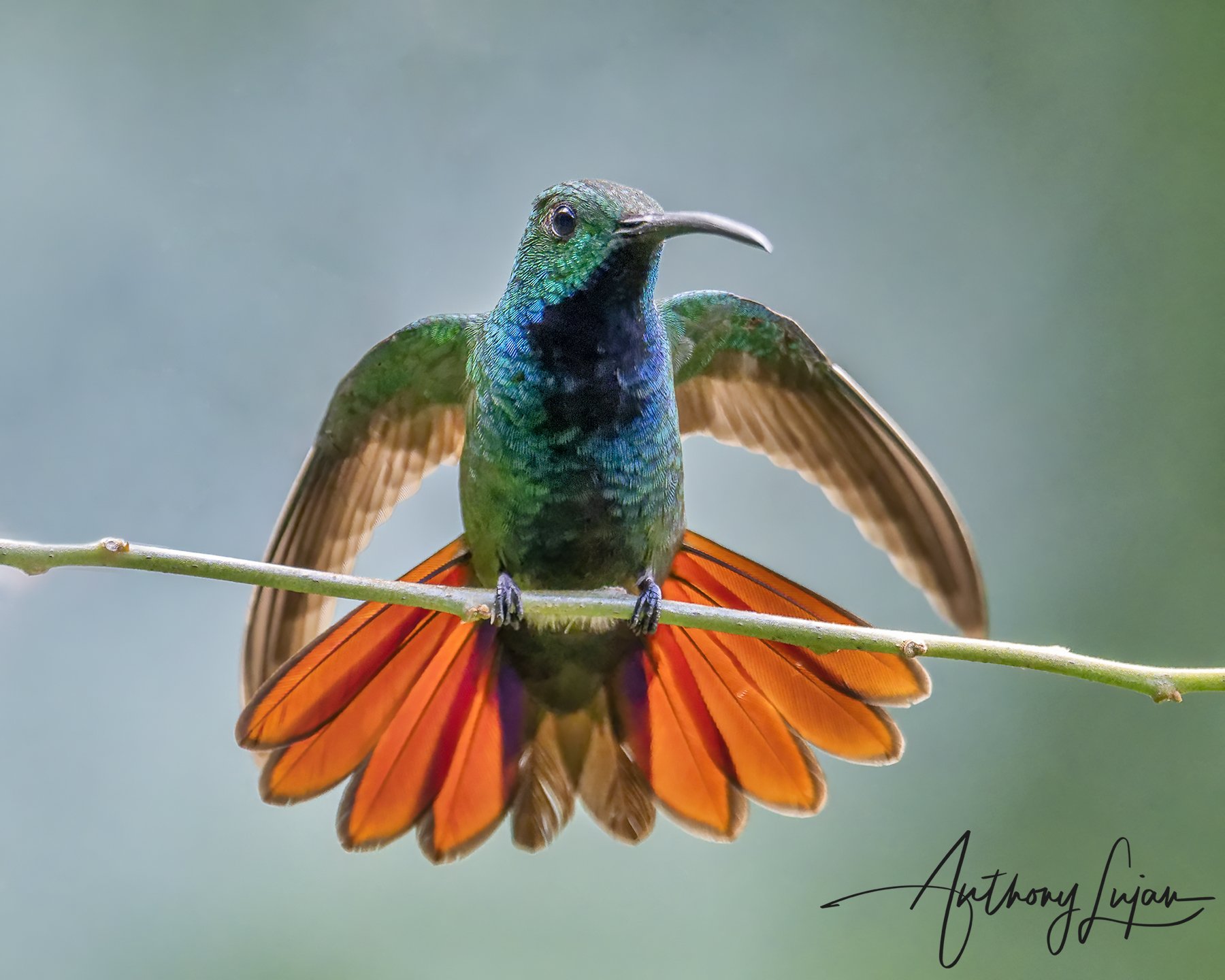
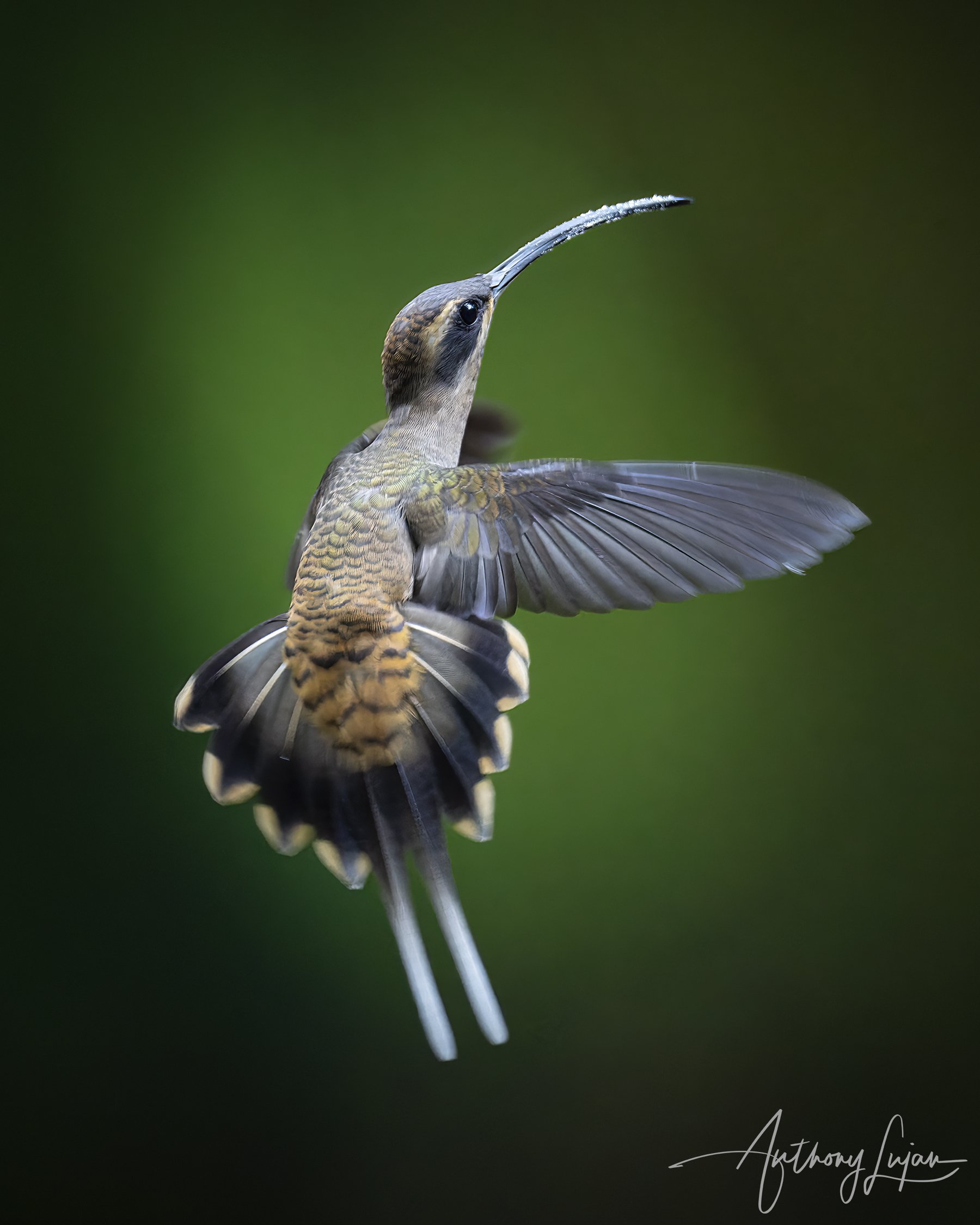
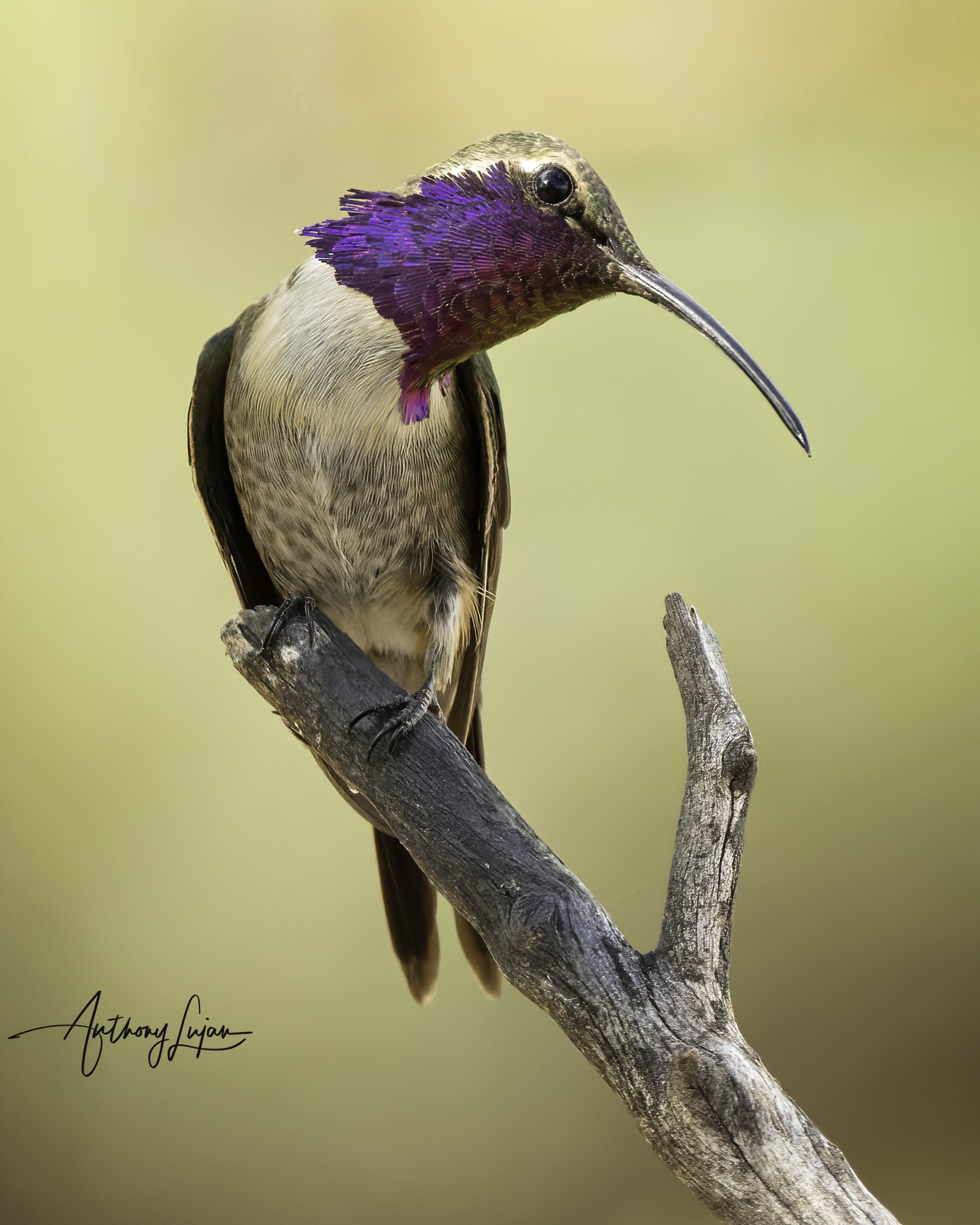
The following hummingbirds occur in Mexico but were photographed in other countries where Anthony spent time in the field. They help fill out the broader picture of hummingbird diversity in Mexico, even though they have not yet been documented in the country. As Anthony continues to explore different regions, he will likely photograph any remaining species locally and move them to the “Hummingbird species Anthony photographed in Mexico” section.













Explore hummingbirds by country to see which species Anthony has photographed in each place and how his growing gallery fits together across the Americas.