Hummingbirds of Chile – Overview
Chile sits along the southwestern edge of the range of the hummingbird family and has a small but distinctive hummingbird community, with approximately 10 species recorded across its long, narrow territory. From the hyper-arid Atacama Desert and coastal valleys to the central Chilean woodlands and windswept slopes of the Andes, hummingbirds have adapted to cooler, drier, and more seasonal conditions than those in many tropical countries.
In Chile, you can watch Giant Hummingbird (Patagona gigas) powering along high Andean valleys, Andean Hillstar (Oreotrochilus estella) and White-sided Hillstar (Oreotrochilus leucopleurus) working rocky slopes, and Green-backed Firecrown (Sephanoides sephaniodes) visiting gardens, orchards, and flowering trees in towns and rural areas. Along the coast and in oases, species such as the Oasis Hummingbird (Rhodopis vesper) and Peruvian Sheartail (Thaumastura cora) use desert blooms, irrigated fields, and riparian vegetation as important feeding sites for these species.
Endemic and threatened hummingbirds of Chile
Chile is home to two hummingbird species that are found nowhere else in the world, both of which are among the most threatened hummingbirds on the planet. The Chilean Woodstar (Eulidia yarrellii), confined to desert oases and irrigated valleys in the north, and the Juan Fernández Firecrown (Sephanoides fernandensis), restricted to the remote Juan Fernández Islands, are endemic to Chile, with extremely small populations and highly specialized habitats. Both species are classified as Critically Endangered and face ongoing pressures from habitat loss, changes in land use, and the introduction of new species. Encountering either of these hummingbirds in the field offers a rare glimpse into fragile ecosystems that depend on focused conservation efforts for long-term survival.
Anthony has photographed all of the hummingbird species recorded in Chile, from high Andean hillstars and Giant Hummingbirds (Patagona gigas) to Green-backed Firecrowns (Sephanoides sephaniodes) and both endemic species. The first section highlights the hummingbirds he photographed in Chile, and the second showcases an additional Chilean species documented in neighboring countries, completing the picture of the country’s hummingbird fauna.
Major hummingbird habitats in Chile
Andean slopes and high valleys – Andean Hillstar (Oreotrochilus estella), White-sided Hillstar (Oreotrochilus leucopleurus), Giant Hummingbird (Patagona gigas), and other species adapted to cold, open, and often windswept mountains.
Central Chilean woodlands and gardens: Green-backed Firecrown (Sephanoides sephaniodes) and other hummingbirds using native forest patches, orchards, hedgerows, and flowering urban and rural gardens.
Desert oases and coastal valleys – Oasis Hummingbird (Rhodopis vesper), Peruvian Sheartail (Thaumastura cora), and Chilean Woodstar (Eulidia yarrellii) in irrigated fields, riparian corridors, and patches of flowering shrubs in otherwise arid landscapes.
Oceanic islands – Juan Fernandez Firecrown (Sephanoides fernandensis) confined to the Juan Fernández archipelago, where it depends on native forests and flowering plants on steep and isolated islands.
Planning a hummingbird trip
If you are interested in traveling with Anthony, joining a small-group hummingbird-focused tour, or reading detailed trip reports about the species and regions he has worked in, visit the Travel with Me page and the Hummingbird Expeditions section of the blog to explore current opportunities and past expeditions.
Hummingbird species Anthony photographed in Chile
The hummingbirds listed in this section were photographed in Chile during Anthony’s fieldwork. Together, they provide a firsthand look at the diversity of Chile’s hummingbird community across different regions, elevations and habitats.



Hummingbirds of Chile photographed elsewhere
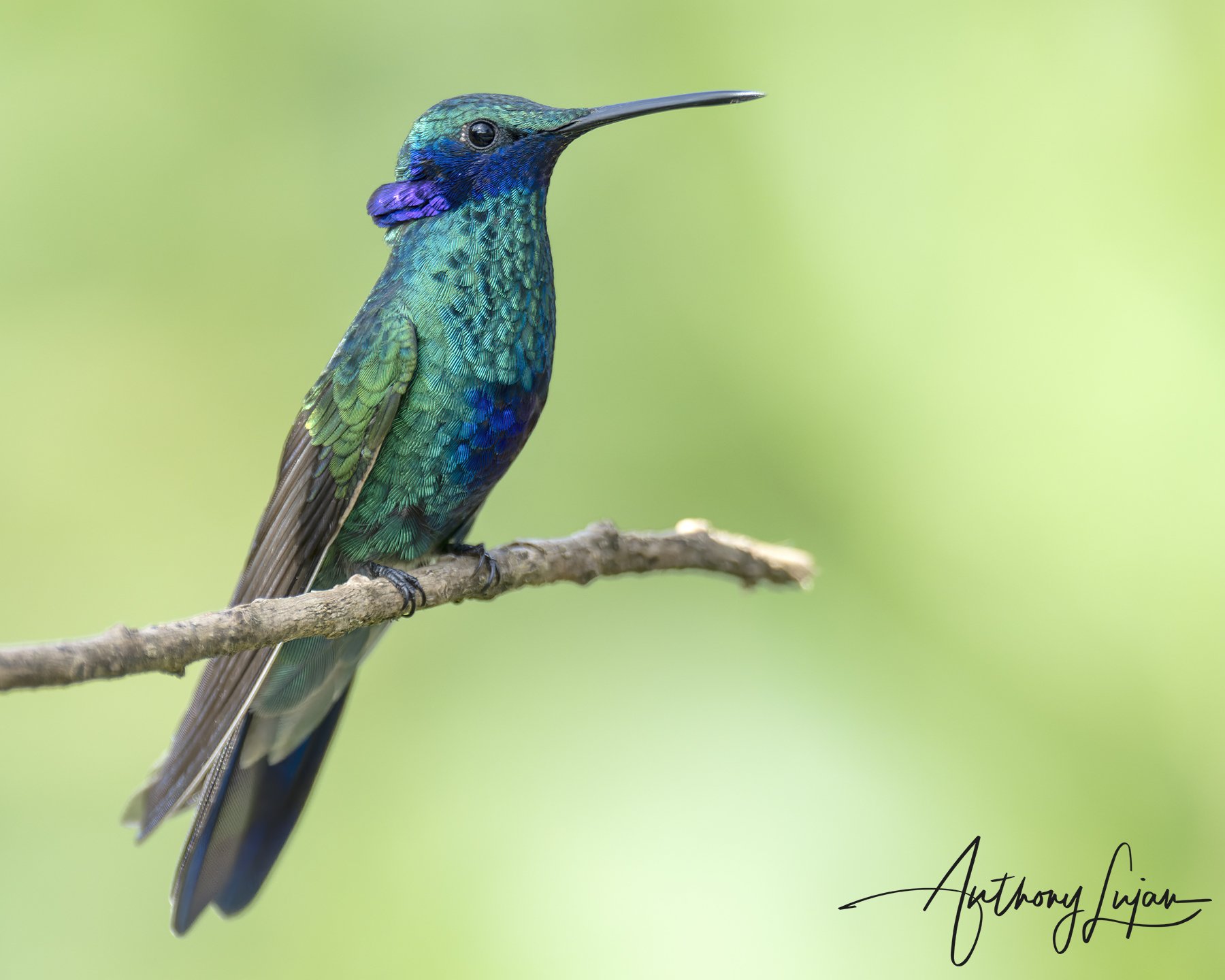
The following hummingbirds occur in Chile but were photographed in other countries where Anthony spent time in the field. They help fill out the broader picture of hummingbird diversity in Chile, even though they have not yet been documented within the country’s borders. As Anthony continues to explore different regions, he will likely photograph any remaining species locally and move them to the “Hummingbird species Anthony photographed in Chile” section.
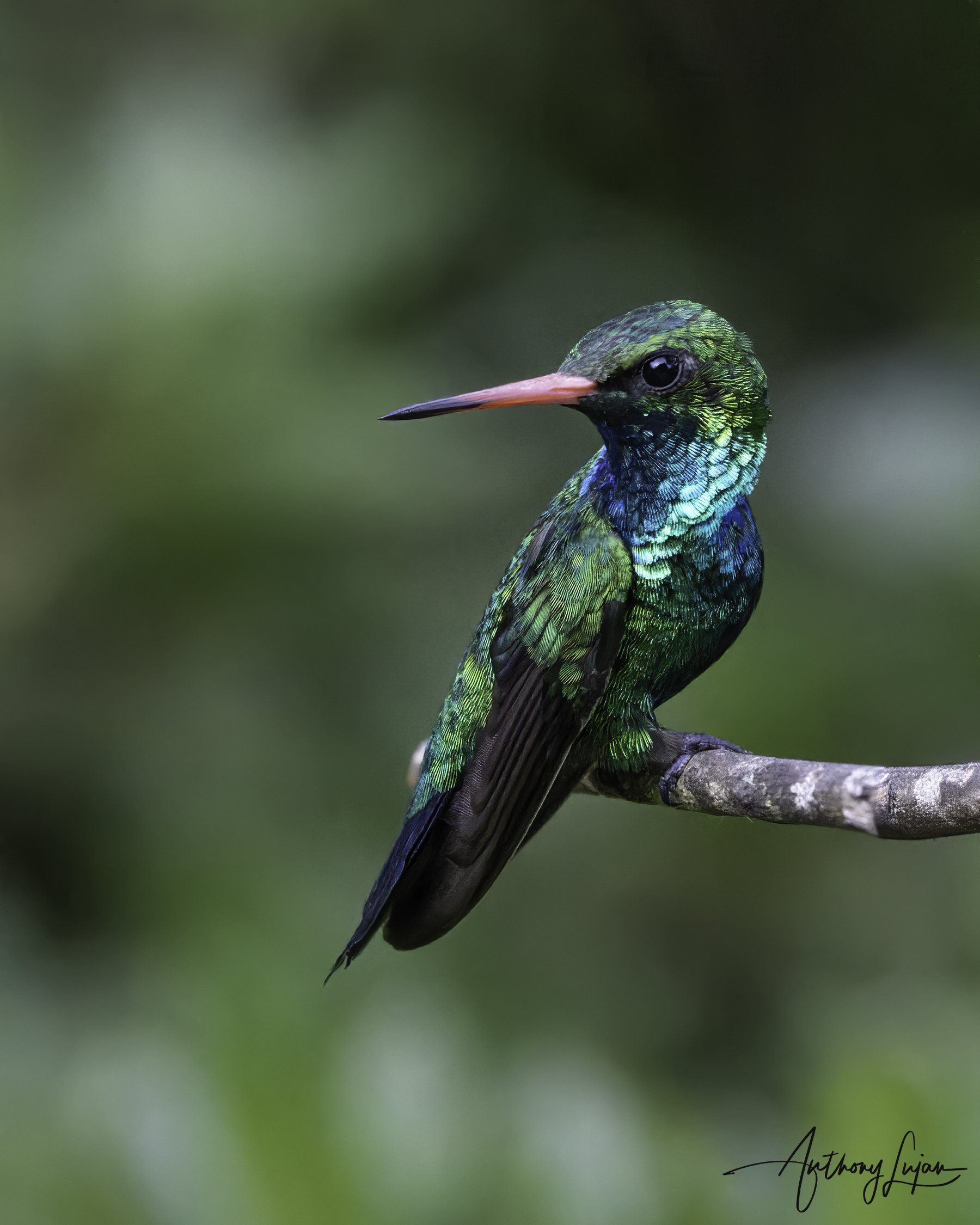
Explore hummingbirds by country to see which species Anthony has photographed in each place and how his growing gallery fits together across the Americas.