
Pale-bellied Hermit
Scientific name: Phaethornis anthophilus
The Pale-bellied Hermit is a medium-sized hermit hummingbird of semi‑deciduous and drier woodland, secondary forest, and brushy habitats from central Panama through northern Colombia into western and northern Venezuela. The global population is estimated at 500,000–4,999,999 mature individuals, the population trend is decreasing, it is not a migrant, and it is currently assessed as Least Concern.
At a Glance
Family: Trochilidae (hummingbirds)
Clade: Phaethornithinae – Hermits
Genus: Phaethornis — 27 species in total
Range: Central Panama, northern and eastern Colombia, western and northern Venezuela; Pearl Islands off Pacific Panama
Habitat: Semi‑deciduous forest, dry woodland, secondary forest, gallery forest, plantations, brushy and thorny scrub
Elevation: Sea level up to about 1,500 m (4,900 ft)
Length: About 10–11.5 cm (3.9–4.5 in)
Weight: About 3.5–5 g
Number of mature individuals: 500,000–4,999,999
Population trend: Decreasing
Movement: Not a migrant
IUCN Red List category: Least Concern
Name Origin
The genus name Phaethornis comes from Greek roots meaning “sun‑shining bird,” referring to the iridescent qualities of hummingbird plumage. The species name anthophilus means “flower‑loving,” a fitting description of this nectar‑feeding hummingbird. The English name “Pale-bellied Hermit” highlights its relatively pale underparts compared to many other hermits.
Taxonomy
Phaethornis anthophilus is a hermit hummingbird in the subfamily Phaethornithinae. It is one of 27 species in the genus Phaethornis and is sometimes also known as the Black-cheeked Hermit because of its dark facial mask.
Subspecies and Distribution
Two subspecies:
Phaethornis anthophilus hyalinus
Distribution: Pearl Islands off the Pacific coast of Panama.Phaethornis anthophilus anthophilus
Distribution: Central Panama to Colombia (including the Magdalena Valley and eastern Andes) and into western and northern Venezuela.
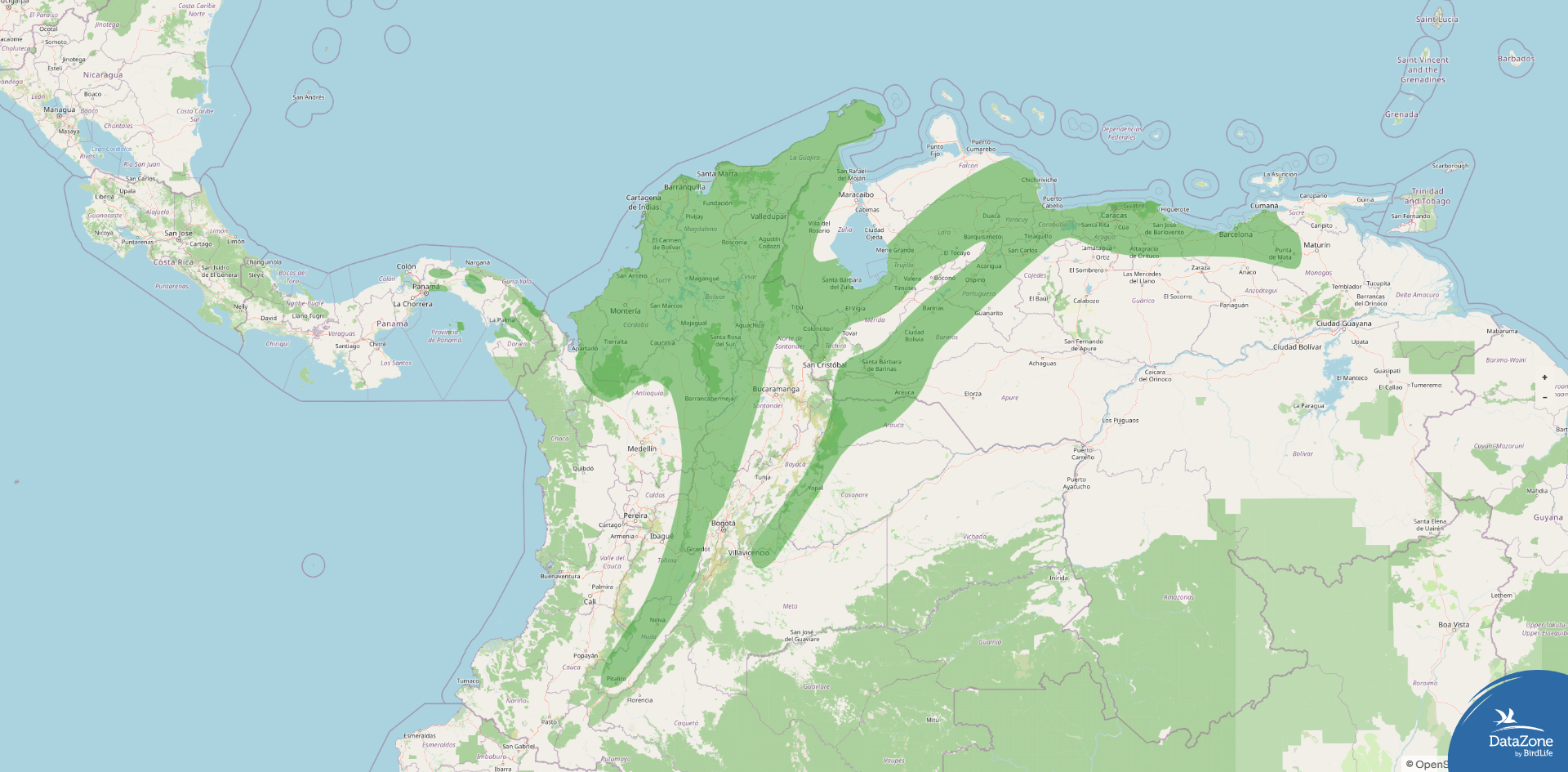
Legend
Green Resident
Species Overview
The Pale-bellied Hermit is a subtly marked hermit with dull greenish‑brown upperparts, pale buff to whitish underparts, and a dark cheek patch that contrasts with pale facial stripes. It favors semi‑open and somewhat drier habitats than many hermits, often in secondary woods, gallery forests, plantations, and scrub. As a typical hermit, it follows traplines between dispersed flowering plants, making it more likely to be seen at favored flowers than in continuous flight.
Male Description
Males are about 10–11.5 cm long. Upperparts are dull greenish‑brown, sometimes with bronzy tones. The underparts are pale buff to whitish on the belly, with slightly warmer or buffier flanks and chest. The face shows a dark mask or cheek patch with a pale supercilium and moustachial stripe, creating the characteristic hermit facial pattern. The bill is long and decurved, suited to tubular flowers. The tail is relatively short for a hermit, with central feathers only slightly longer and pale tips on the outer feathers.
Female Description
Females closely resemble males in size and plumage, with similar dull greenish‑brown upperparts, pale underparts, and dark cheek with pale stripes above and below. The bill may be slightly shorter and more strongly curved, but overall the sexes are very similar. Juveniles appear like adults but with softer contrast and fresher feather edges.
Habitat & Behavior
Pale-bellied Hermits inhabit semi‑deciduous forest, dry woodland, secondary forest, gallery forest, plantations, and brushy or thorny scrub. They are less tied to deep, wet rainforest than many hermits and frequently occur in more open and seasonally drier landscapes, including edges and clearings with scattered trees and shrubs.
They feed primarily on nectar from a wide variety of flowering plants, visiting them along a trapline circuit typical of hermits. Flowers in forest edges, gallery woods, and scrubby vegetation are all used. They also take small arthropods, gleaned from foliage or taken in short sallies. Birds are usually solitary and move quietly between favored flowers, staying close to cover.
Breeding
The breeding biology of the Pale-bellied Hermit follows the general hermit pattern. The female builds a small, hanging cone‑shaped nest of plant fibers and spiderweb, suspended from the underside of a leaf, branch, or root in sheltered positions such as forest edges or ravines.
The clutch consists of two white eggs. The female alone incubates the eggs and feeds the chicks. Incubation and nestling periods together span several weeks; timing varies across the range but generally coincides with peaks in flowering and food availability.
Movement
The Pale-bellied Hermit is considered not a migrant. It is resident within its ranges in Panama, Colombia, and Venezuela, though individuals may move locally along river corridors, between semi‑deciduous forests and gallery forests, and across elevational gradients up to about 1,500 m in response to flowering cycles and seasonal moisture. These are local shifts rather than regular long‑distance migrations.
Population
The global population is estimated at 500,000–4,999,999 mature individuals. Within suitable habitats it can be uncommon to locally common, and in some regions it is even abundant. However, ongoing habitat loss, fragmentation, and degradation in semi‑deciduous forests, gallery forests, and scrubby woodland are contributing to a decreasing overall trend.

Conservation
The Pale-bellied Hermit is assessed as Least Concern due to its relatively large global population and broad distribution from central Panama through northern South America. Nonetheless, conversion of woodland and scrub to agriculture or pasture, degradation of gallery forests, and clearance of secondary forest reduce habitat quality. Maintaining mosaics of semi‑deciduous forest, gallery forest, and structurally complex second growth is important for long‑term persistence.
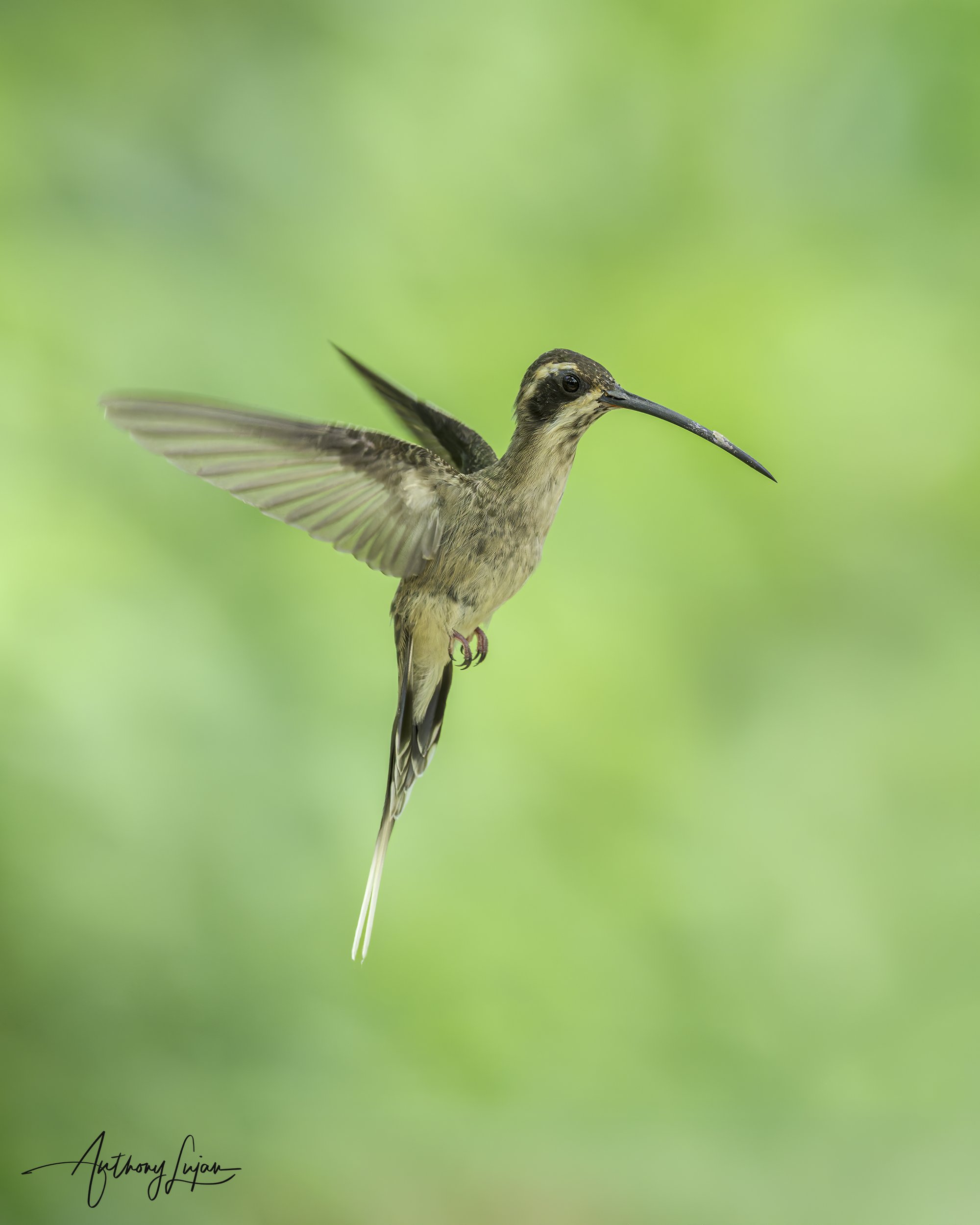
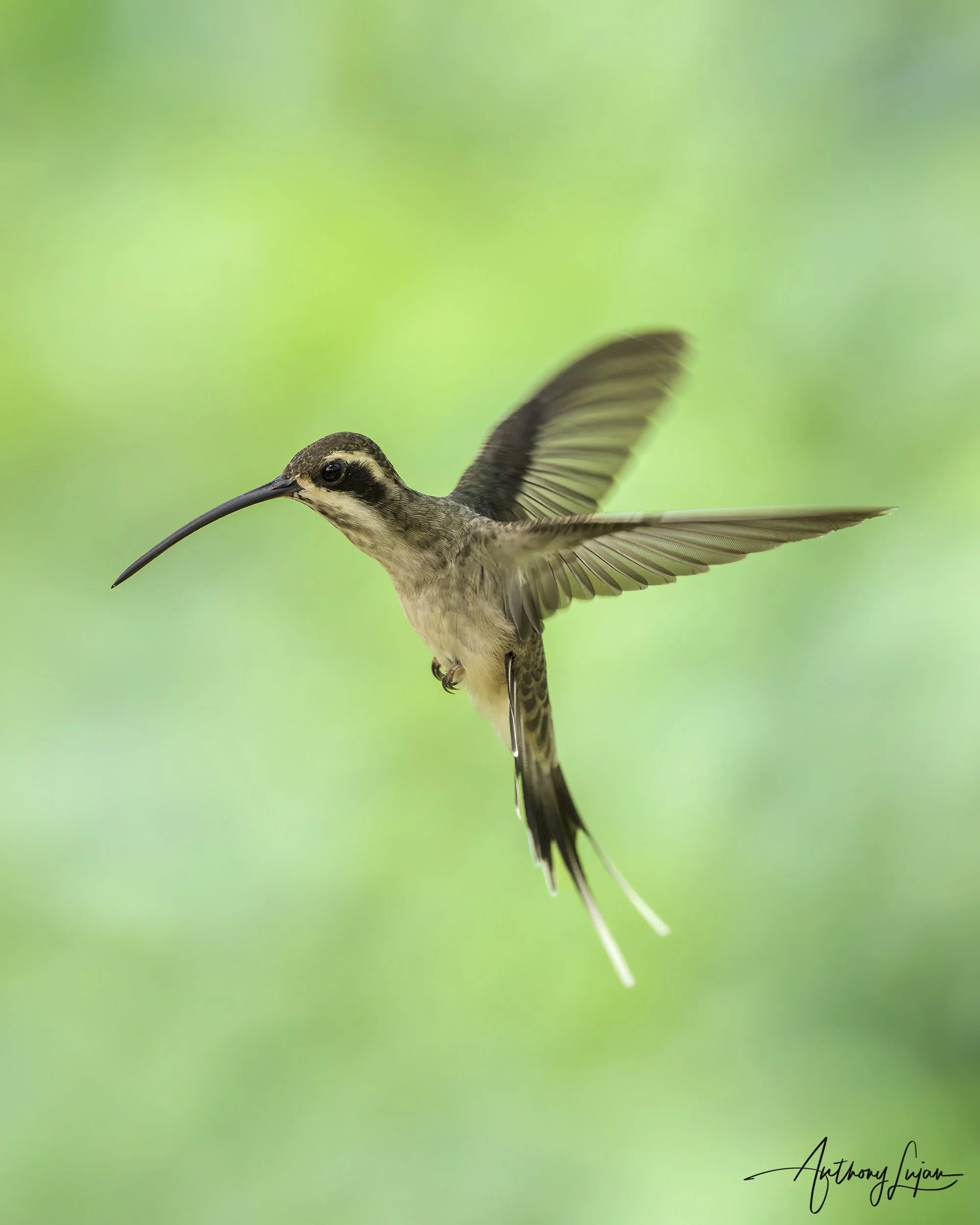
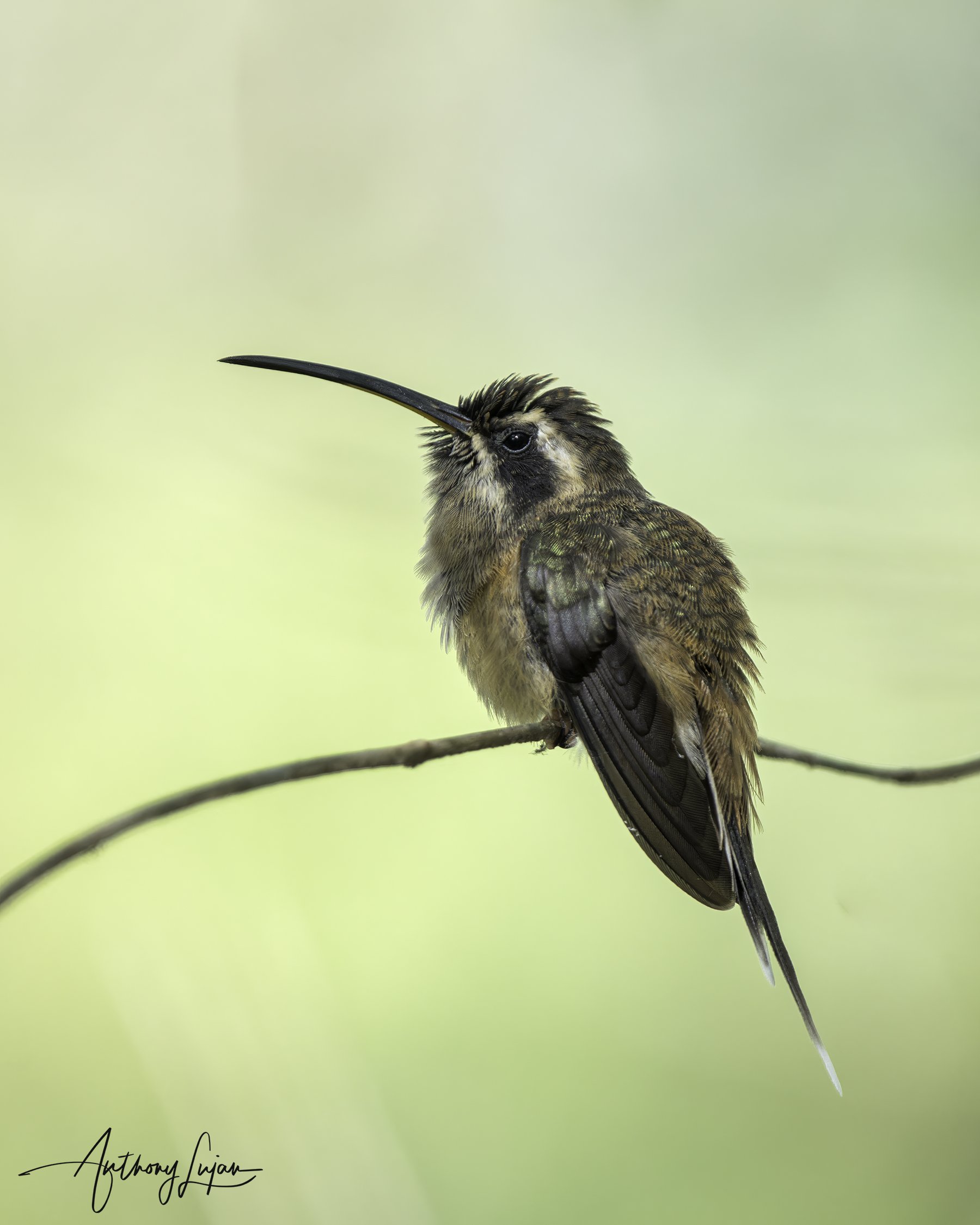
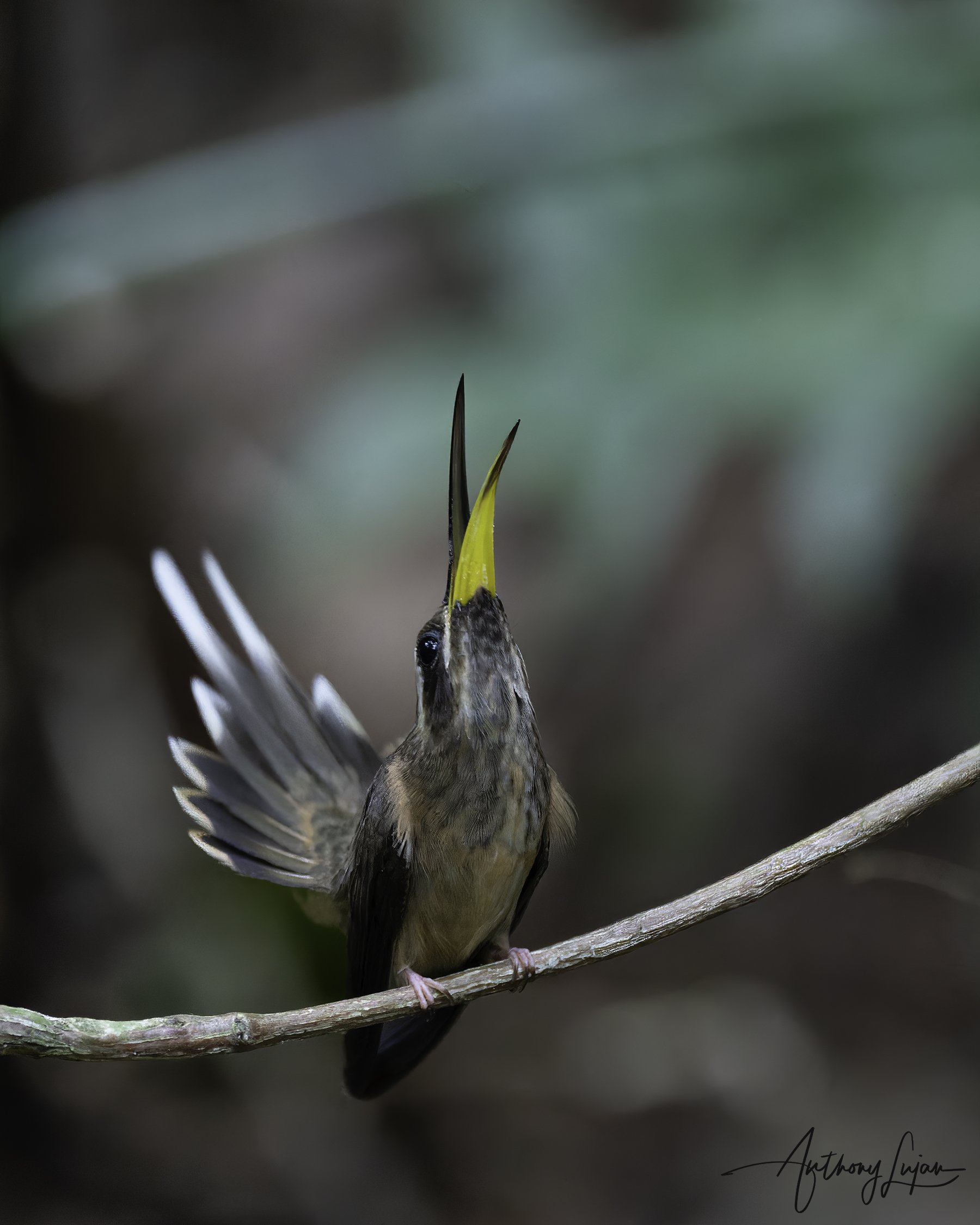
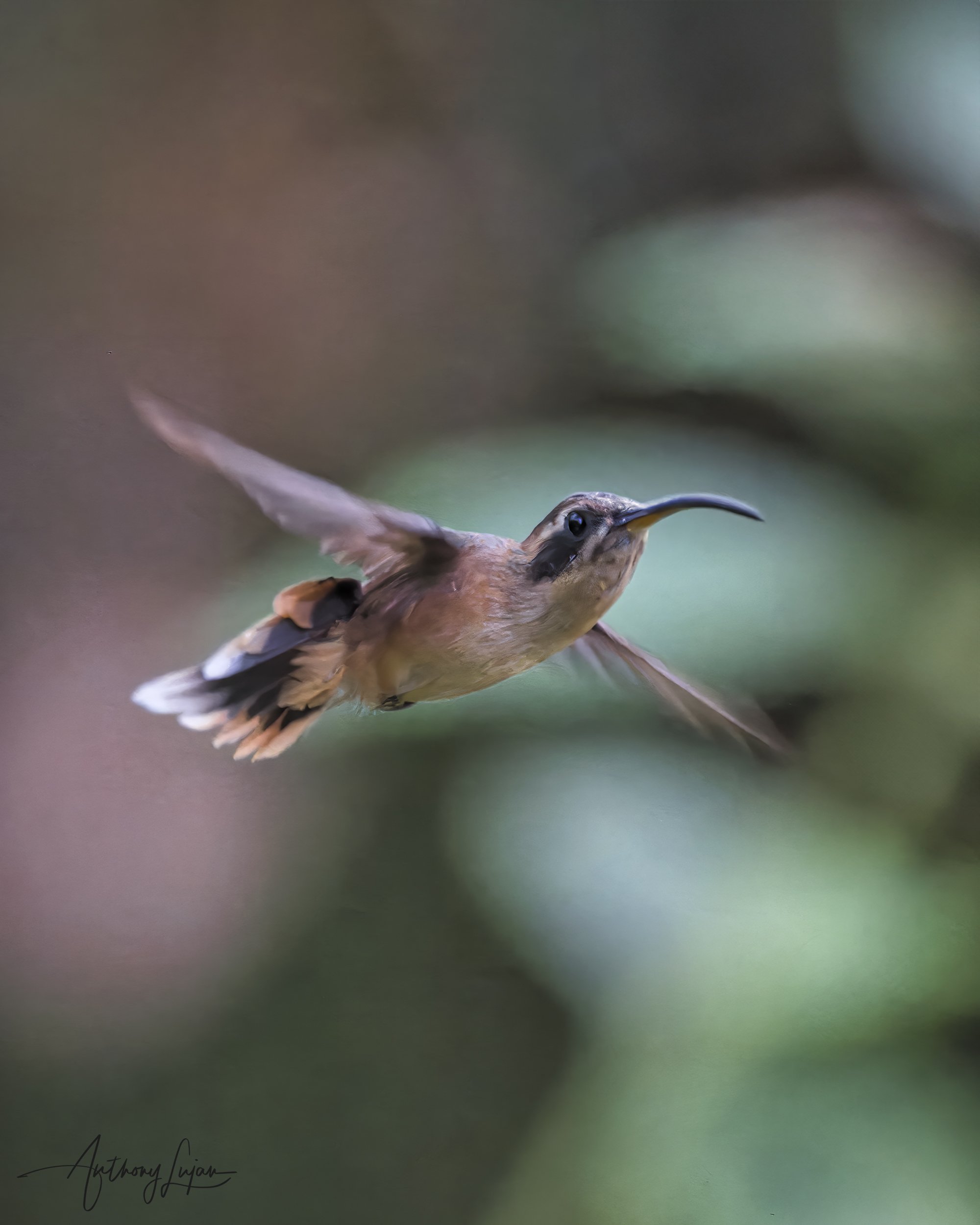
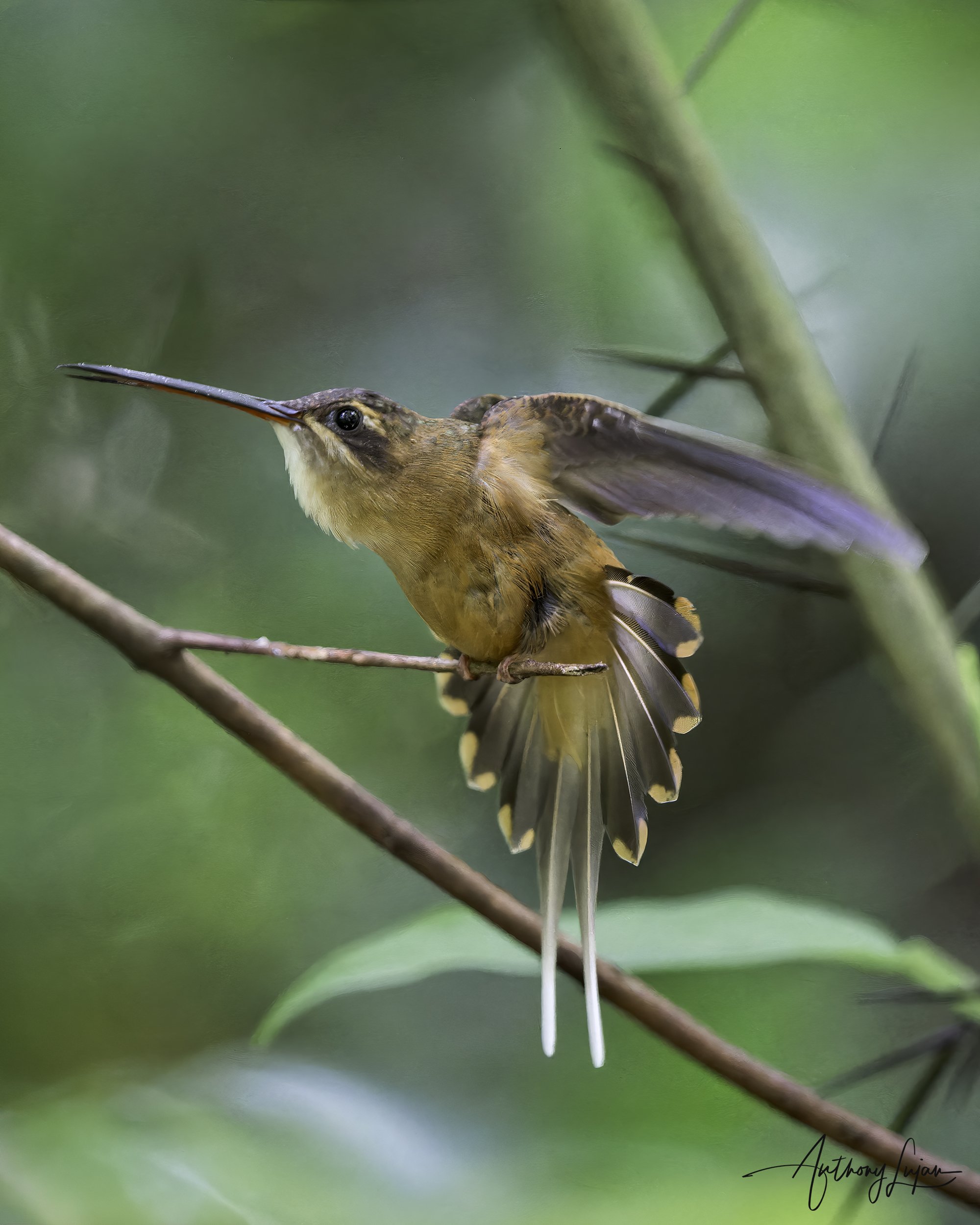
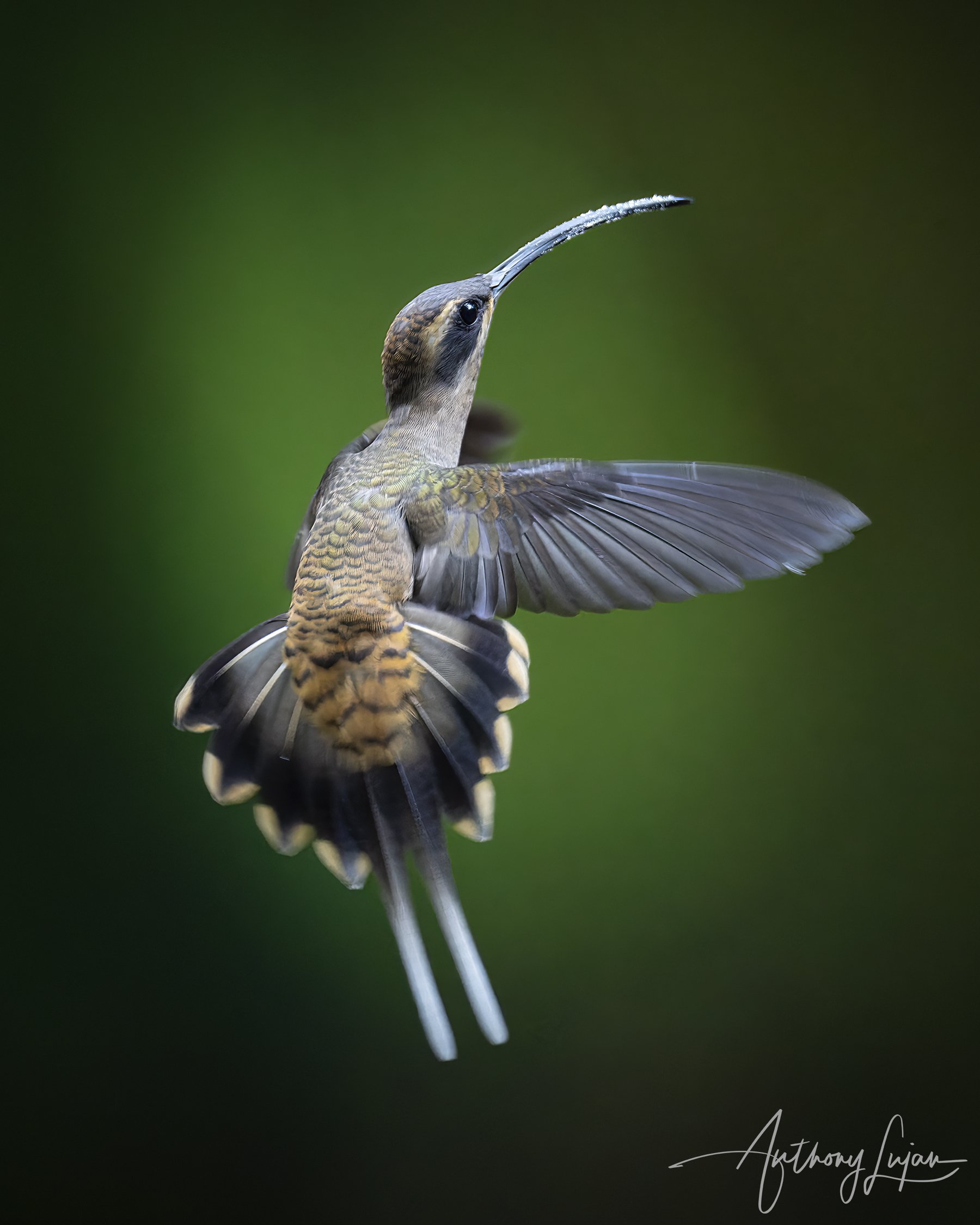
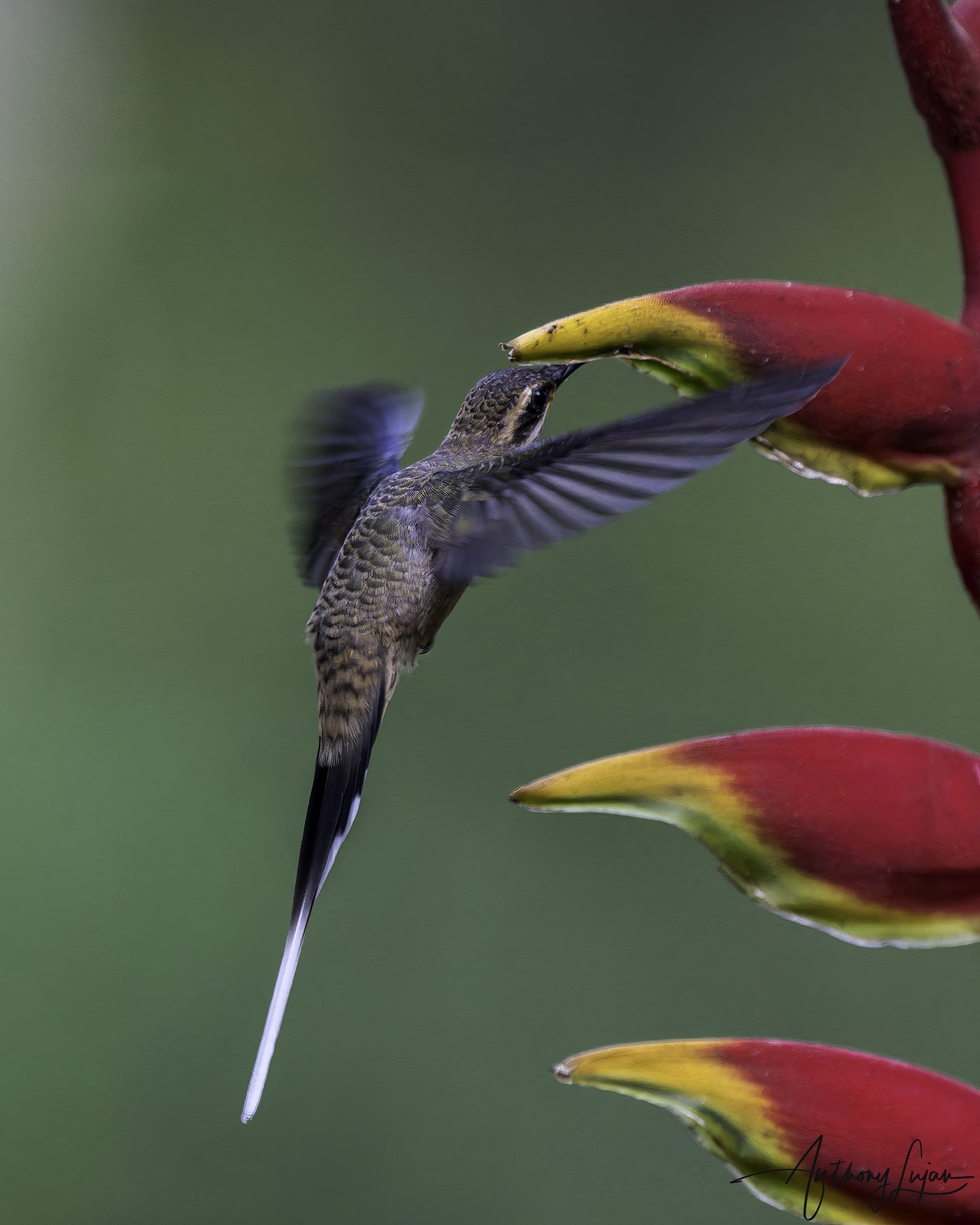
Below is the Pale-bellied Hermit (Phaethornis anthophilus anthophilus)
Photographed at Hummingbirds Tayrona, Magdalena, Colombia
These individuals belong to the subspecies anthophilus, which is distributed from central Panama into northern Colombia (including the Magdalena Valley and east of the Andes) and extends into western and northern Venezuela. It occupies lowland and foothill forests, particularly in humid zones, often near rivers or forest edges. This form is marked by a pale grayish underbelly, warm brown upperparts, and a distinct black facial stripe with pale supercilium. The bill is moderately decurved and bicolored.
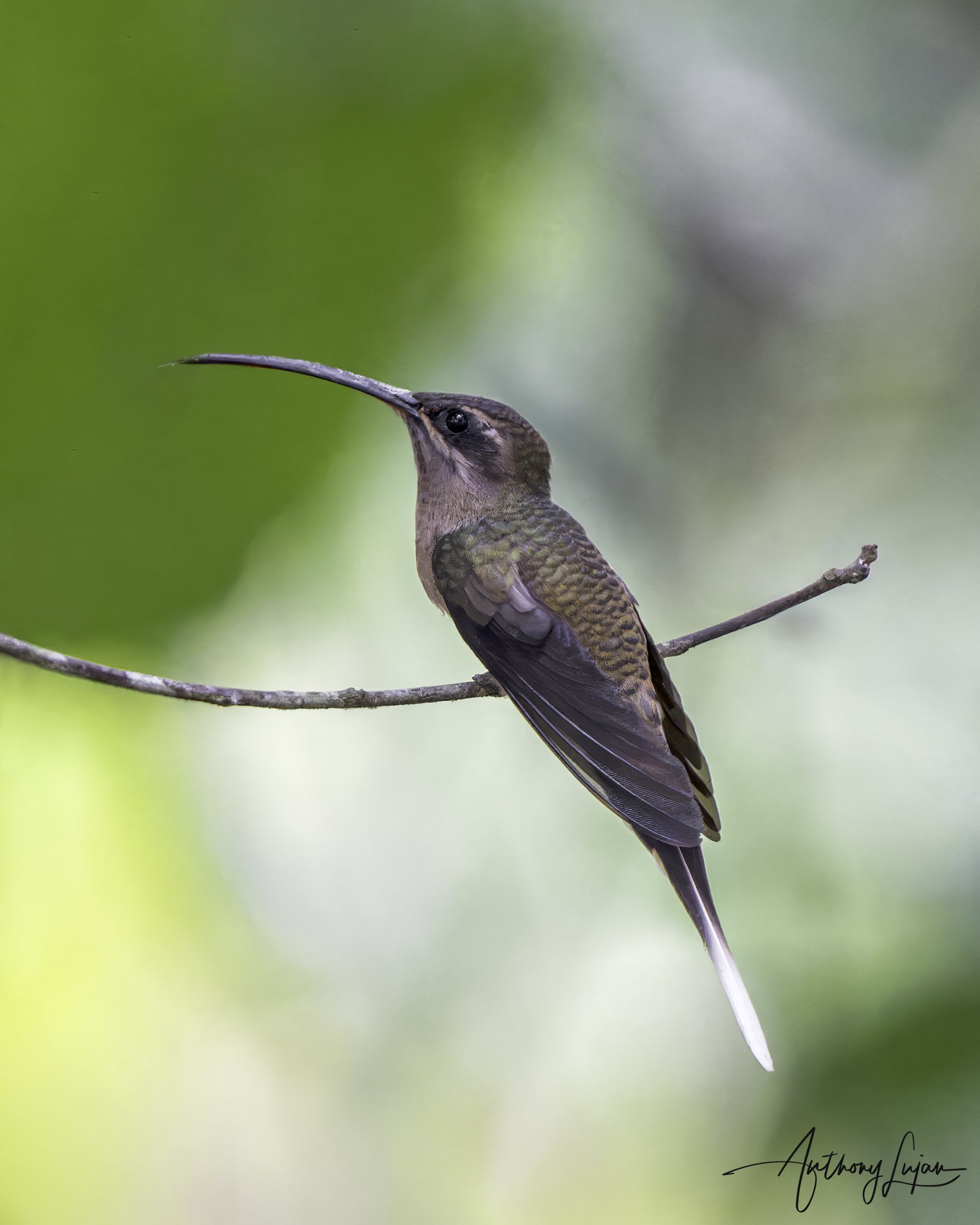
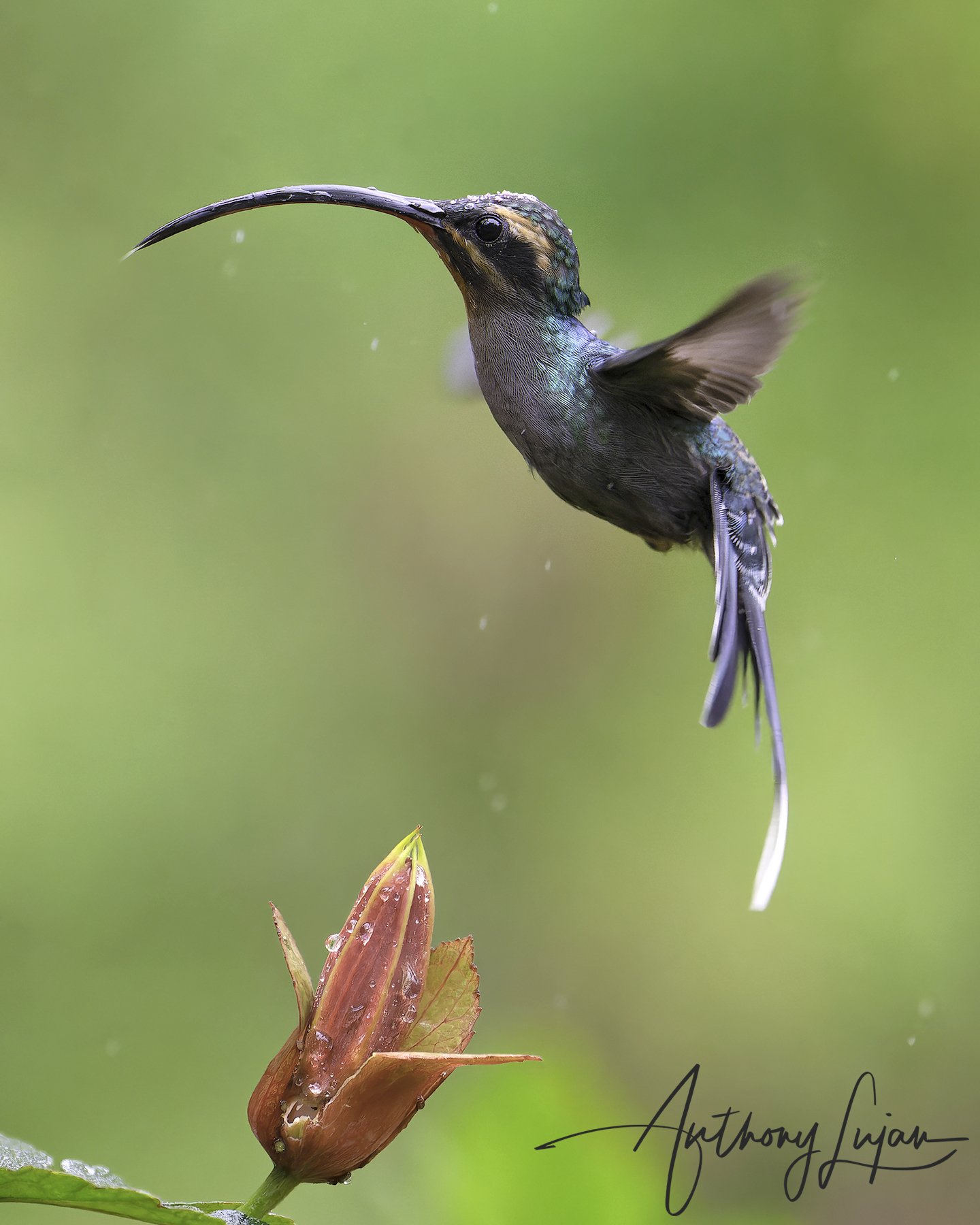
Related species in the Phaethornis genus (27 species total)


Please note: The content provided in this article reflects Anthony’s personal experience and photographic approach. Results can vary depending on light, weather, location, equipment, subject behavior, and field conditions.