
Scientific name: Lophornis delattrei
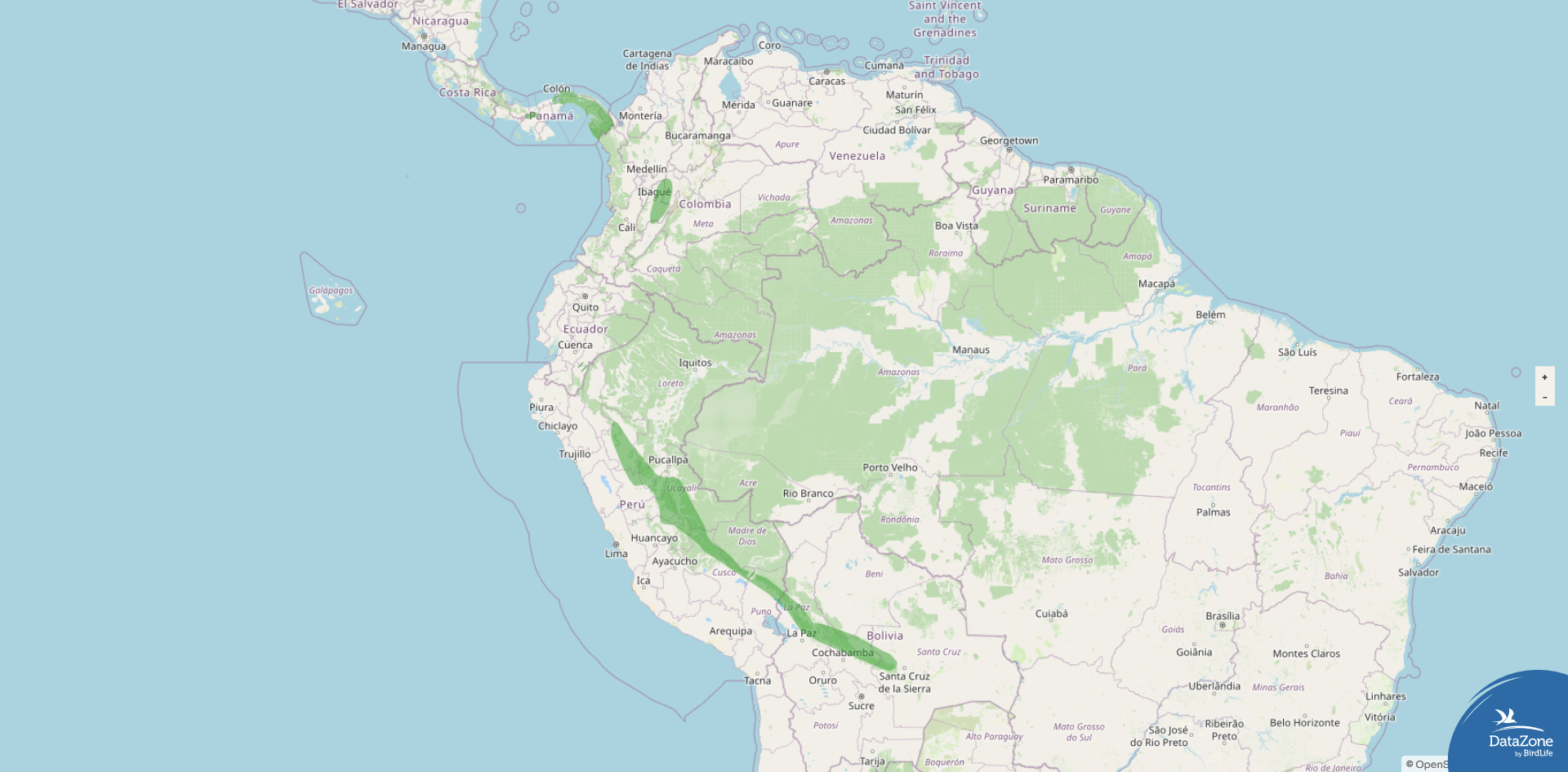
The Rufous-crested Coquette is a tiny, spectacular hummingbird of Central and South America, found from Costa Rica and Panama south through the Andes of Colombia, Ecuador, Peru, and Bolivia, with scattered records in adjacent lowland regions. The global number of mature individuals is estimated at 50,000–499,999, the population trend is Decreasing, and it is assessed as Least Concern.
At a Glance
Family: Trochilidae (hummingbirds)
Clade: Lesbiini – coquettes
Genus: Lophornis — very small, crested hummingbirds with elaborate head and throat plumes
Range: From Panama through the Andes of Colombia and the eastern slope of Peru to northern Bolivia
Habitat: Humid foothill and montane forest, forest edges, shrubby clearings, gardens, and regenerating growth
Elevation: About 400–1,400 m
Length: 6.1–7 cm (2.4–2.8 in)
Weight: ~2.3–2.7 g (0.08–0.10 oz)
Number of mature individuals: 50,000–499,999
Population trend: Decreasing
Status: Least Concern (IUCN)
Name Origin
The genus name Lophornis comes from Greek words meaning “crest” and “bird,” referring to the prominent crests typical of coquettes. The species name delattrei honors French naturalist Adolphe Delattre, who contributed extensively to the study of Neotropical birds. The English name “Rufous-crested Coquette” highlights the male’s vivid rufous crest and ornate coquette-style plumage.
Subspecies & Distribution
Two subspecies:
Lophornis delattrei lessoni
Distribution: Pacific and Caribbean slopes of Panama, and Central and Eastern Andes of Colombia (including the Magdalena Valley and Santander). Historical records also exist from Costa Rica.Lophornis delattrei delattrei
Distribution: Eastern slope of northern Peru (San Martín) south to northern Bolivia (Beni and western Santa Cruz).
Across its range, the Rufous-crested Coquette occupies humid foothill and montane forest, forest edges, and shrubby or regenerating clearings rich in nectar-producing flowers.
Ledged
Green Resident
Species Overview
The Rufous-crested Coquette is a stunning, tiny hummingbird best known for the male’s flamboyant rufous crest and spiky facial plumes. It frequents forest edges, clearings, and regenerating growth in foothill and montane zones, often where a dense understory and flowering shrubs are present. Although it has a broad but patchy distribution from Panama to northern Bolivia and can tolerate some degraded habitats and gardens near forest, ongoing habitat loss contributes to a decreasing population trend.
Male Description
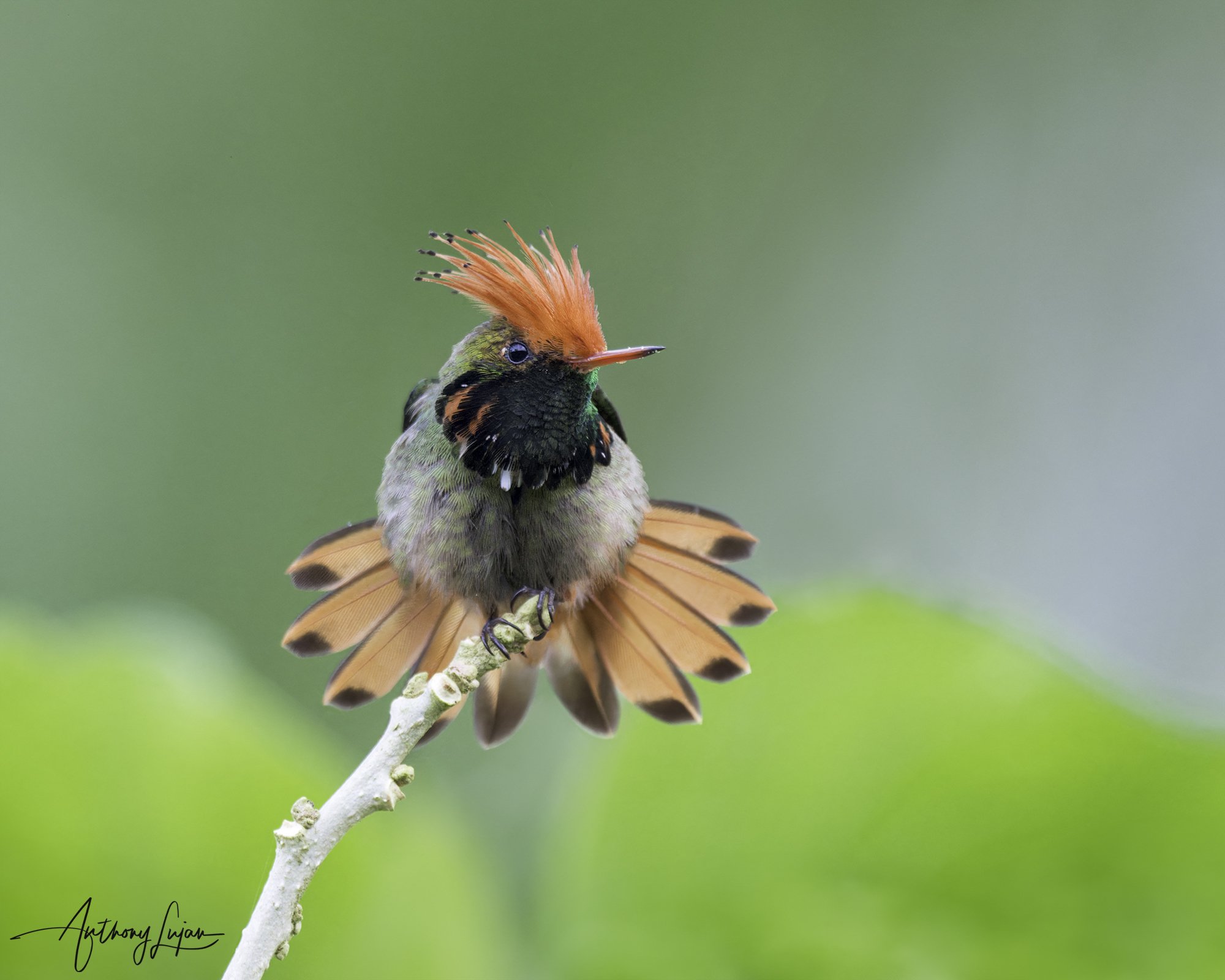
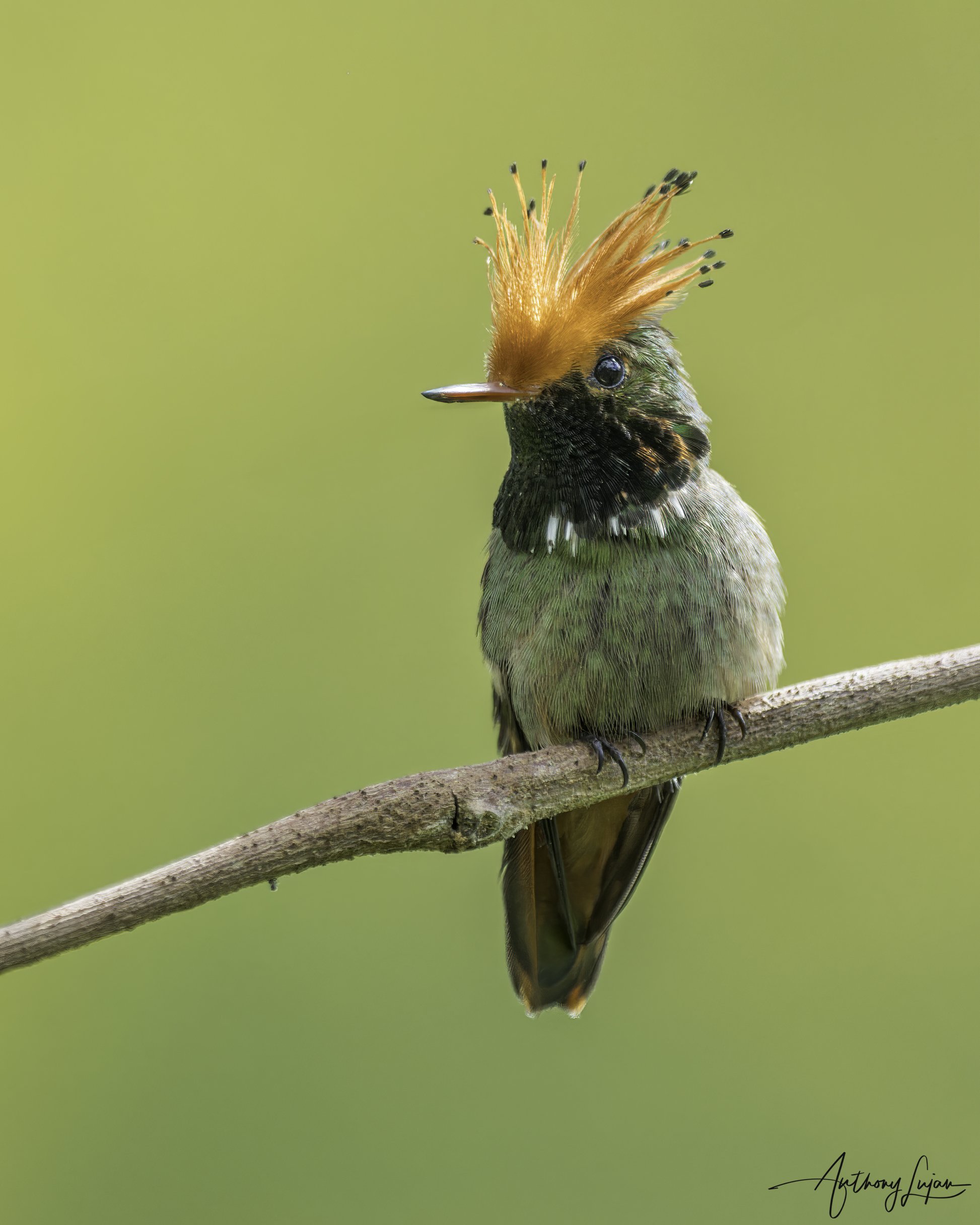
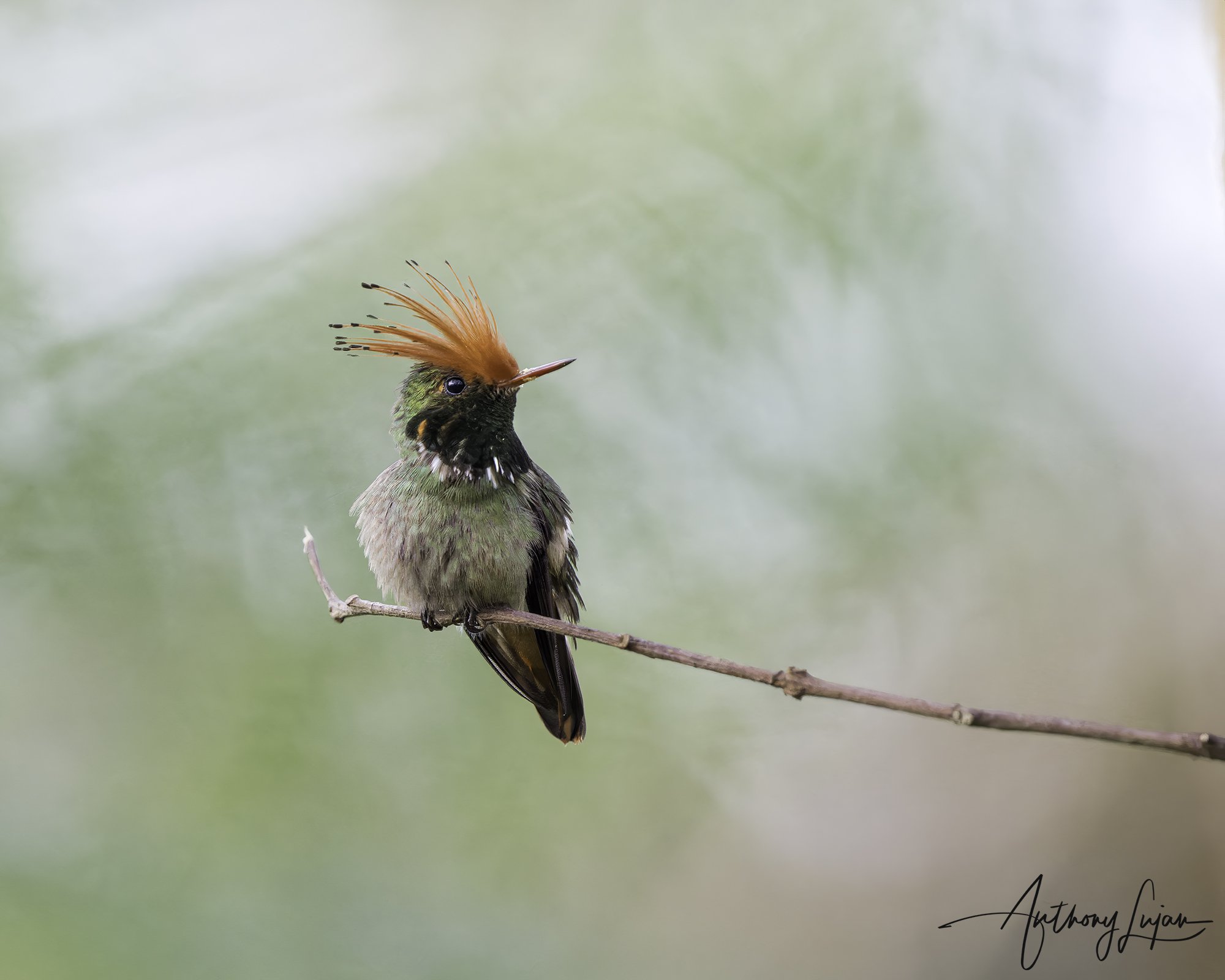
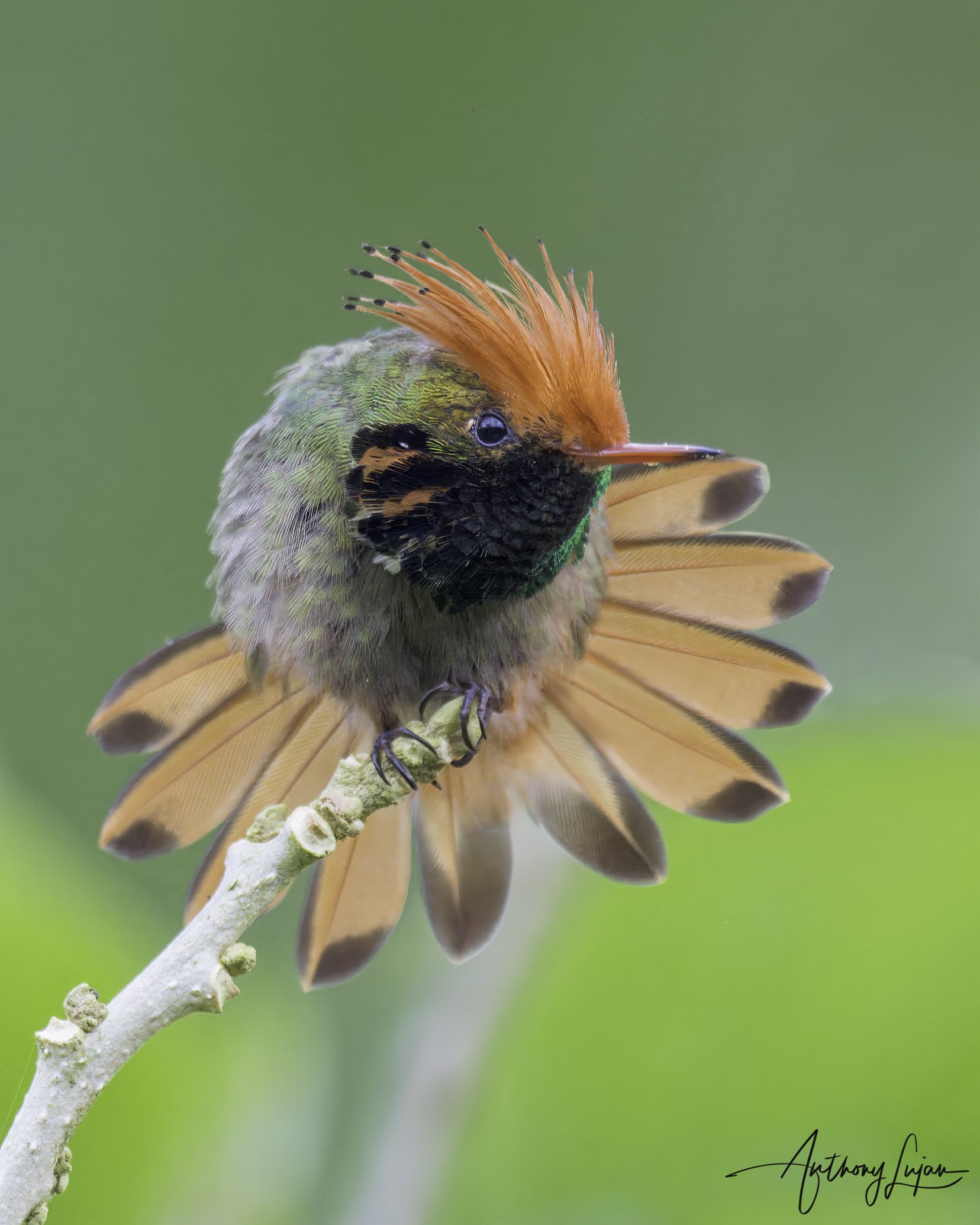
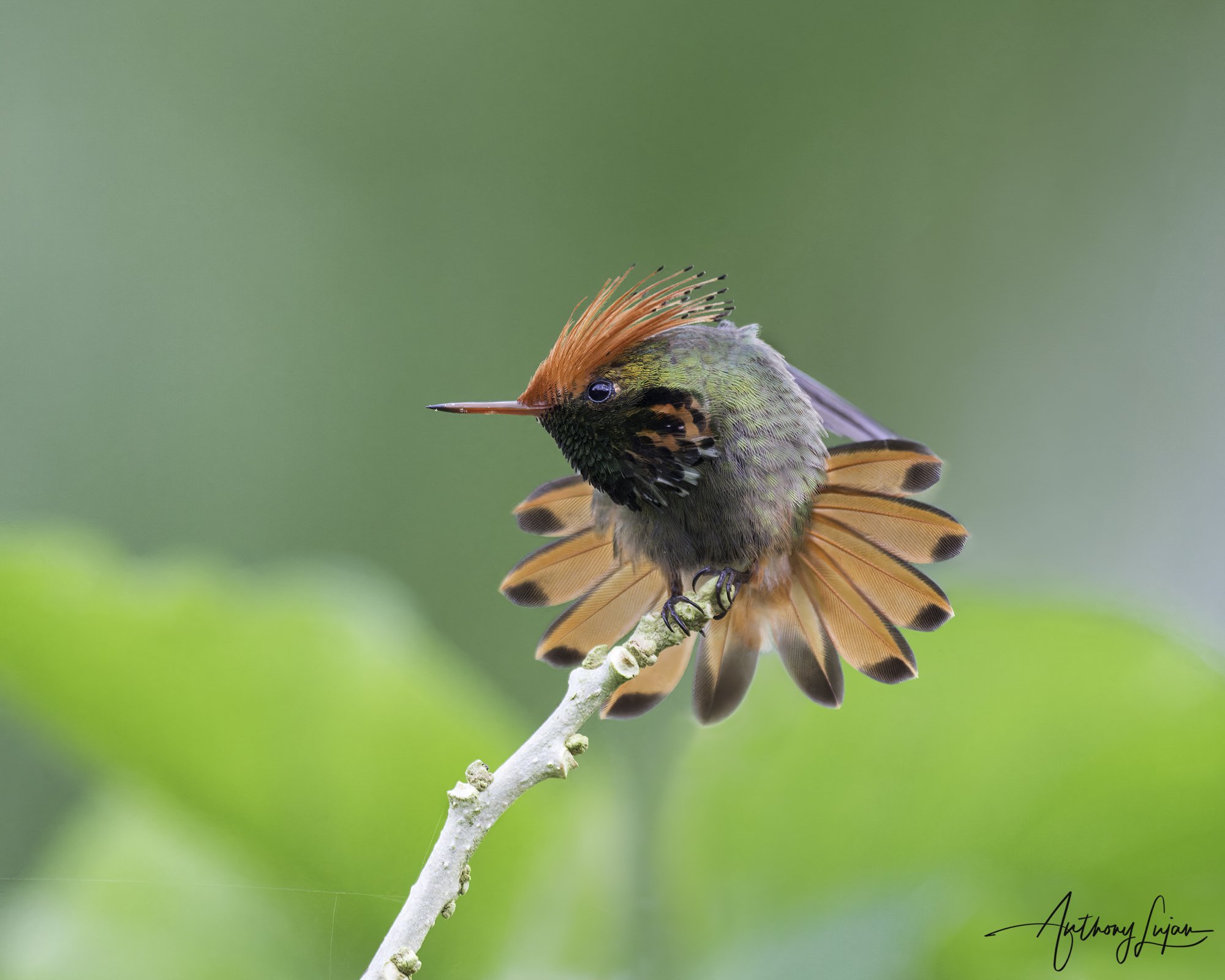
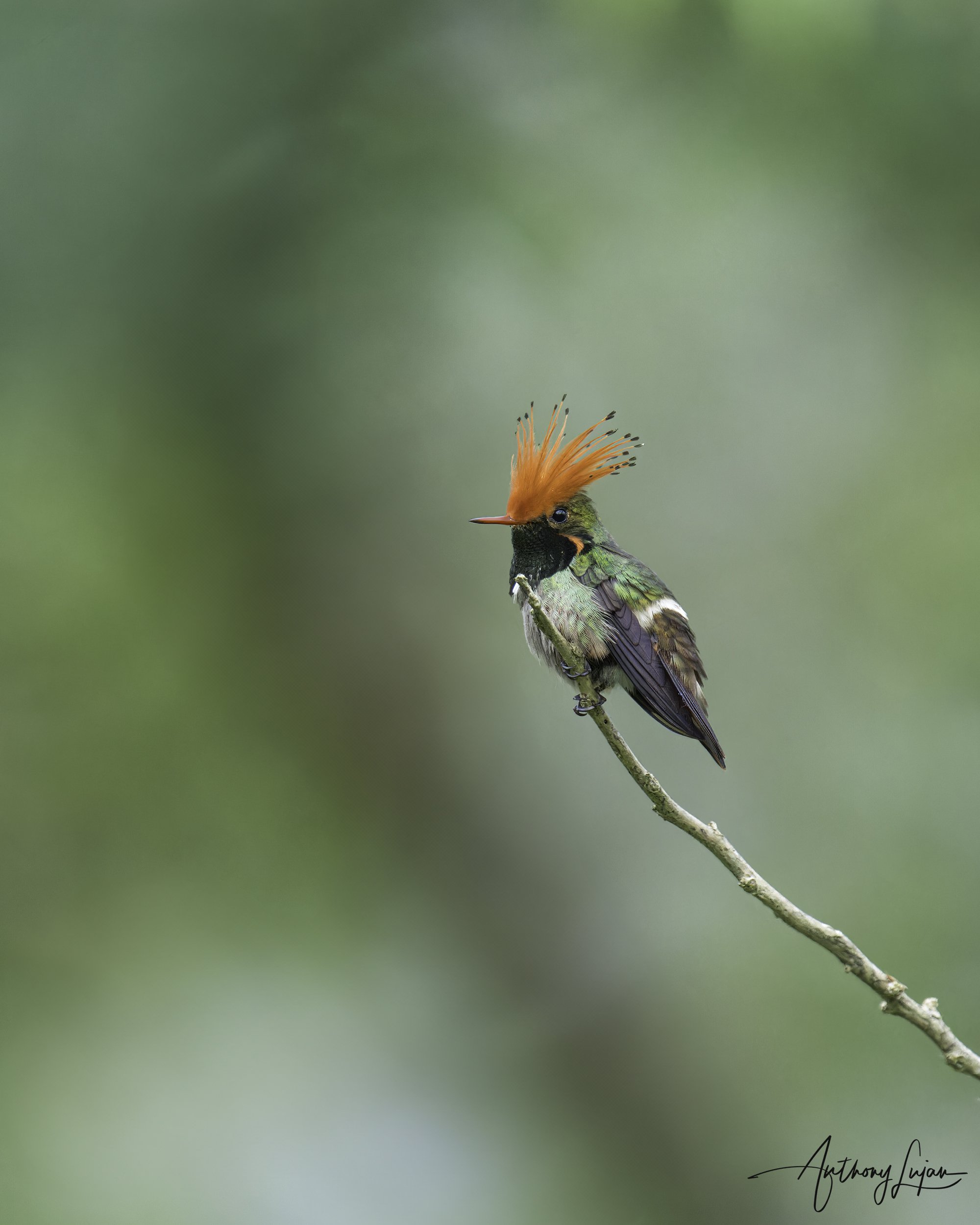
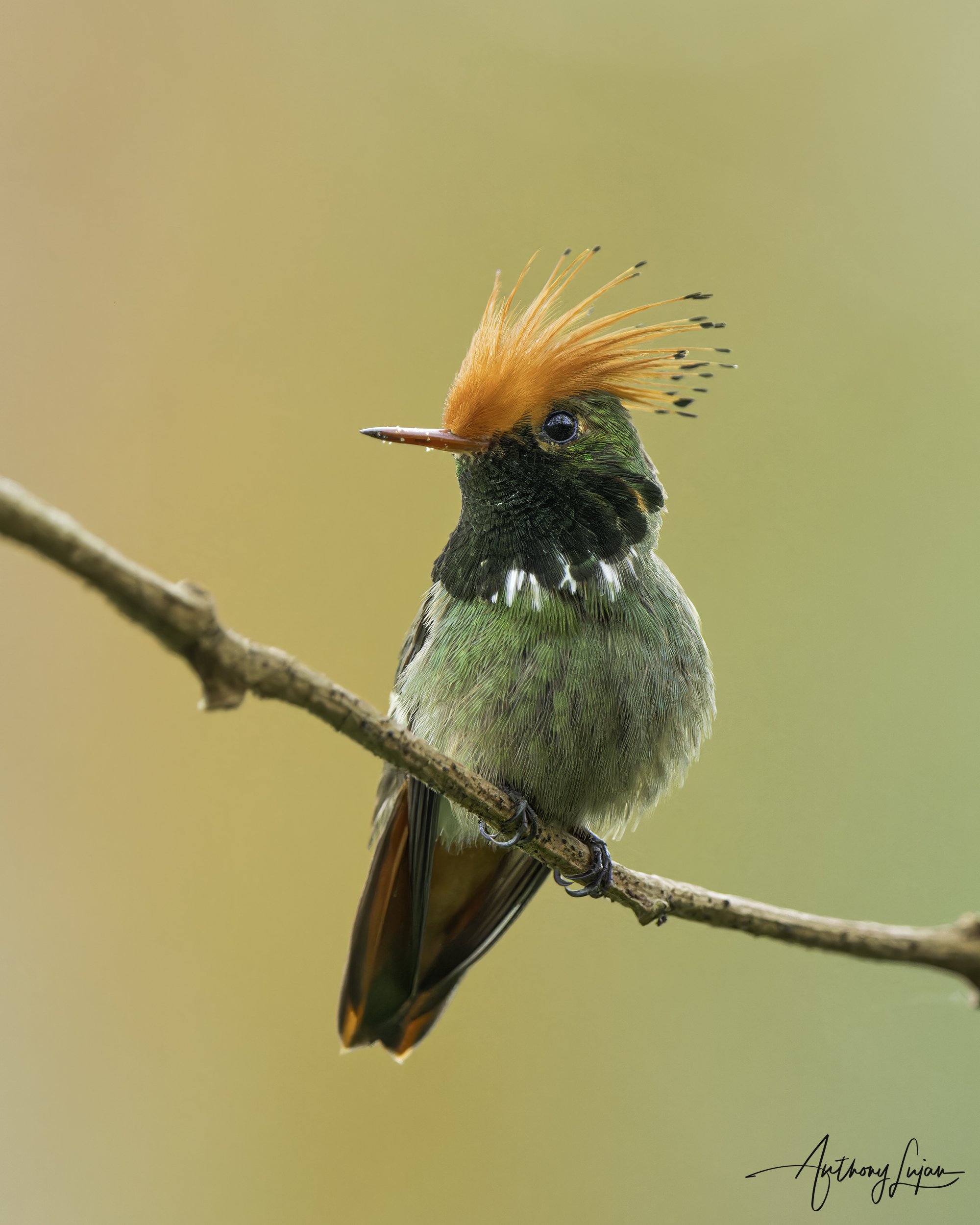
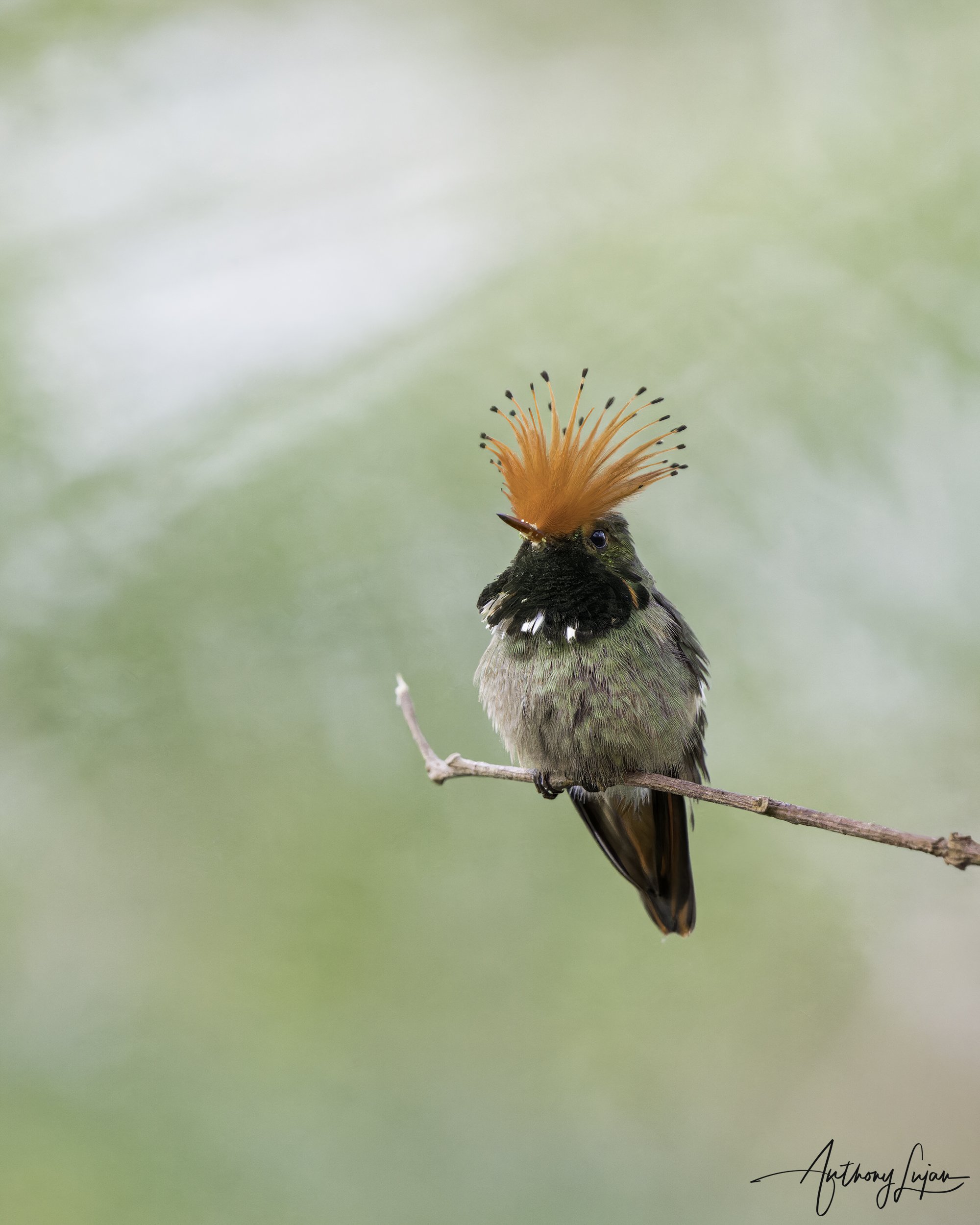
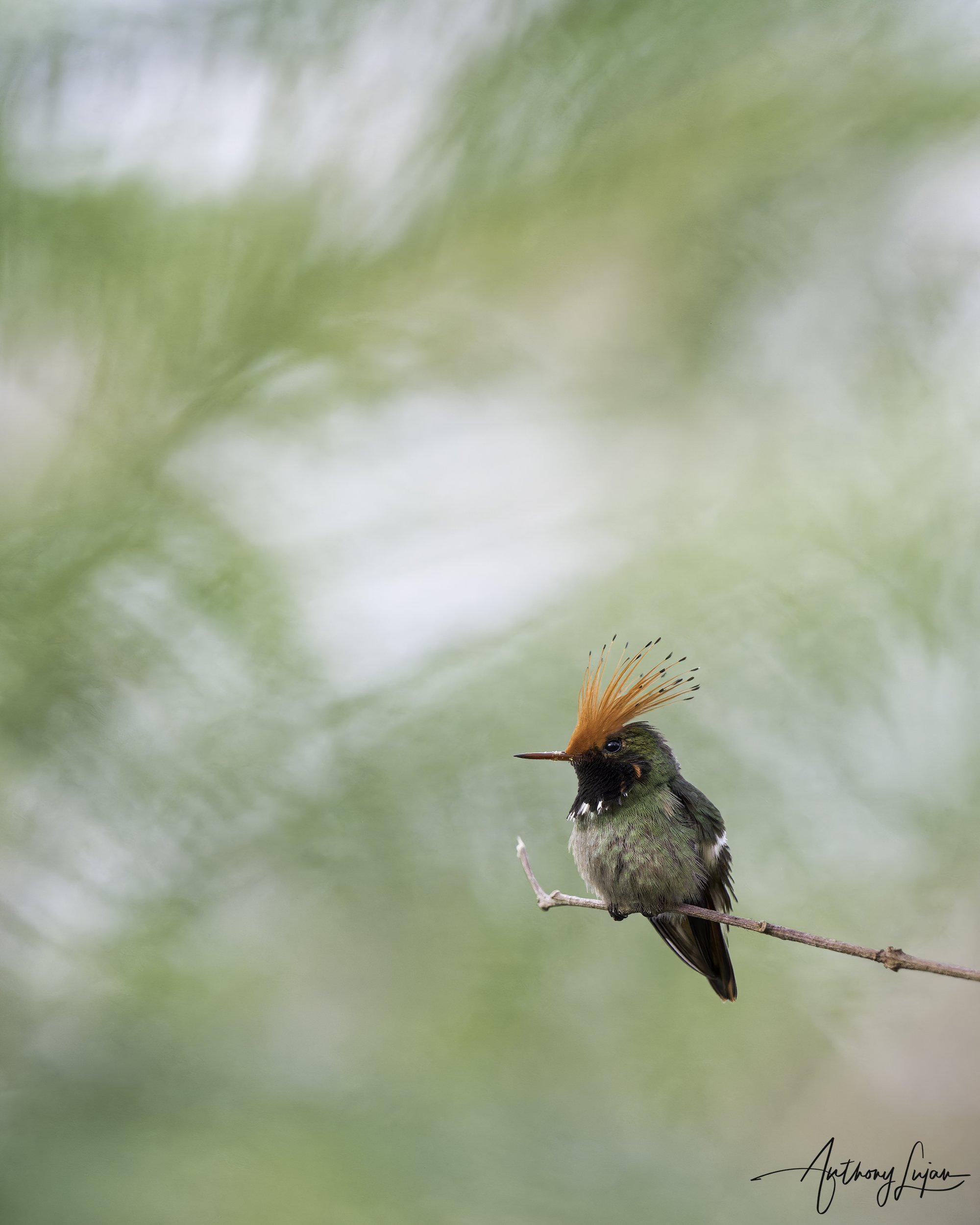
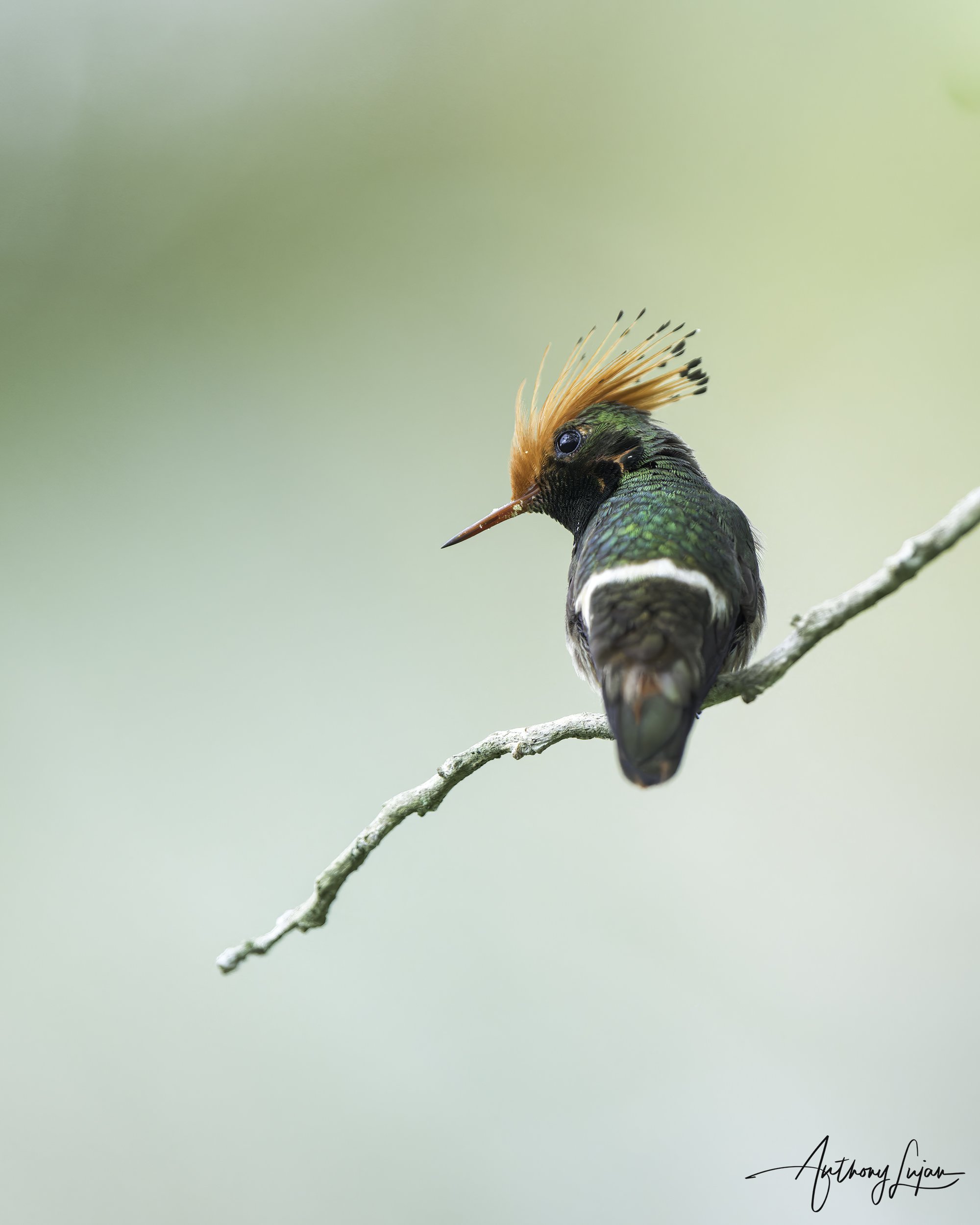
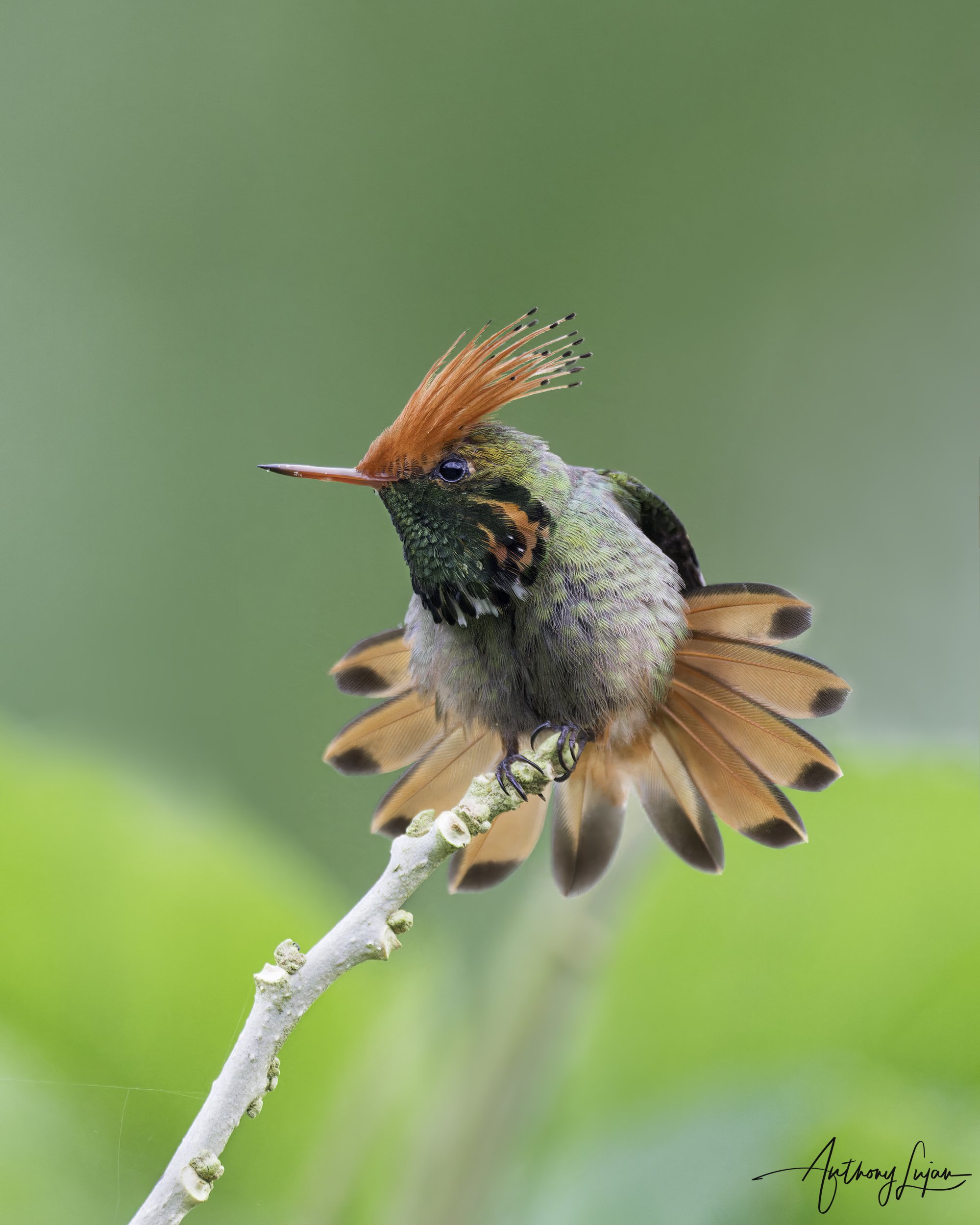
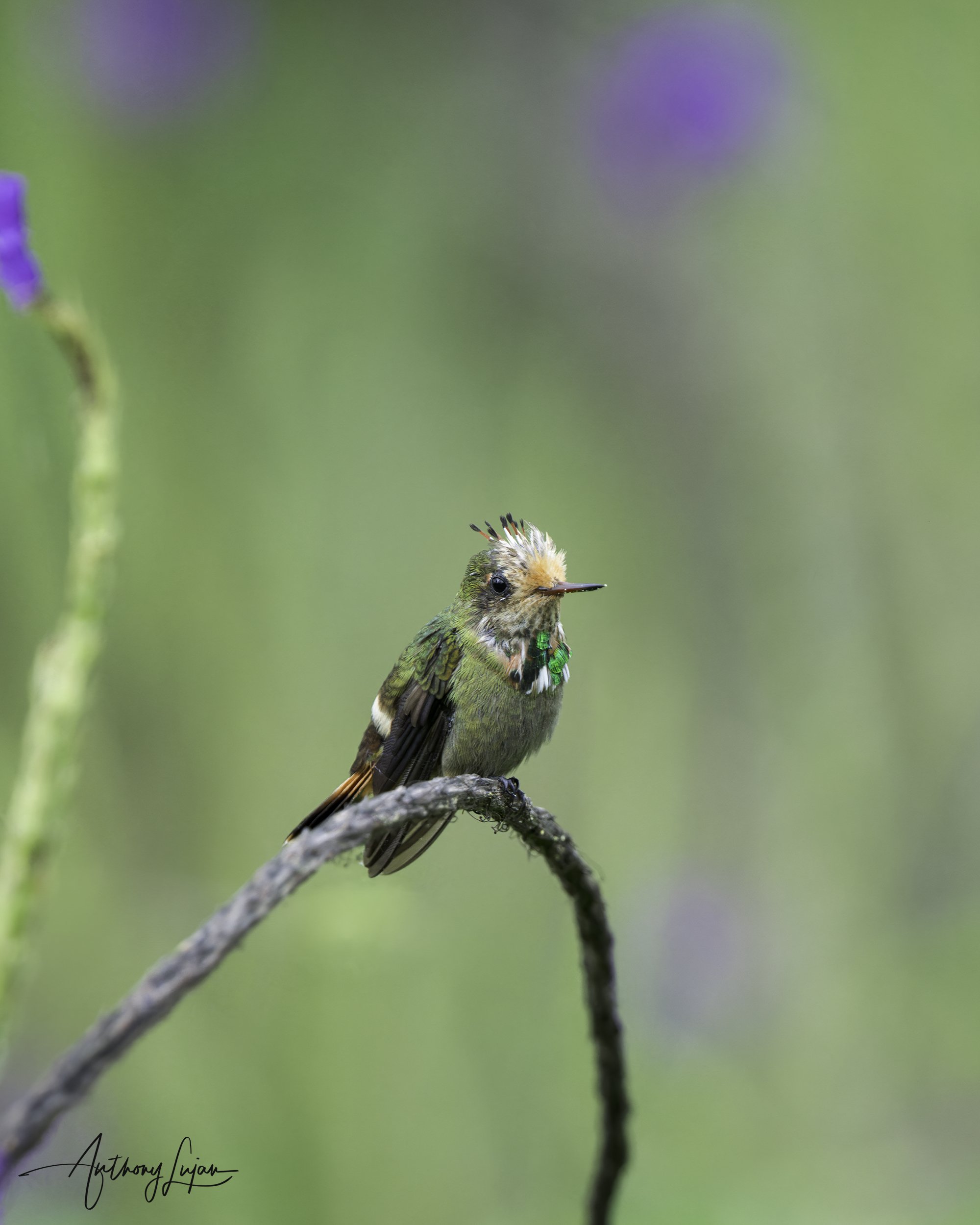
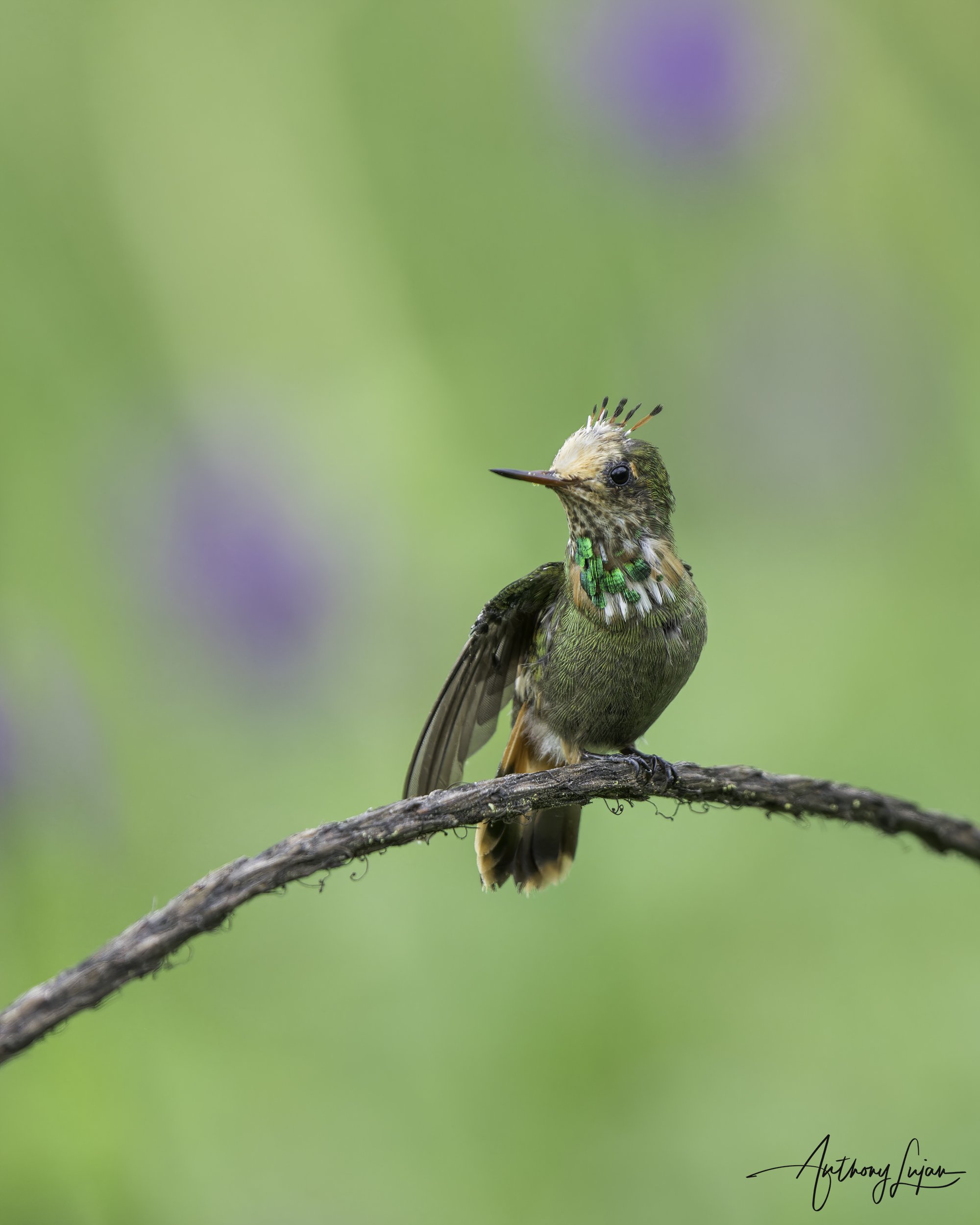
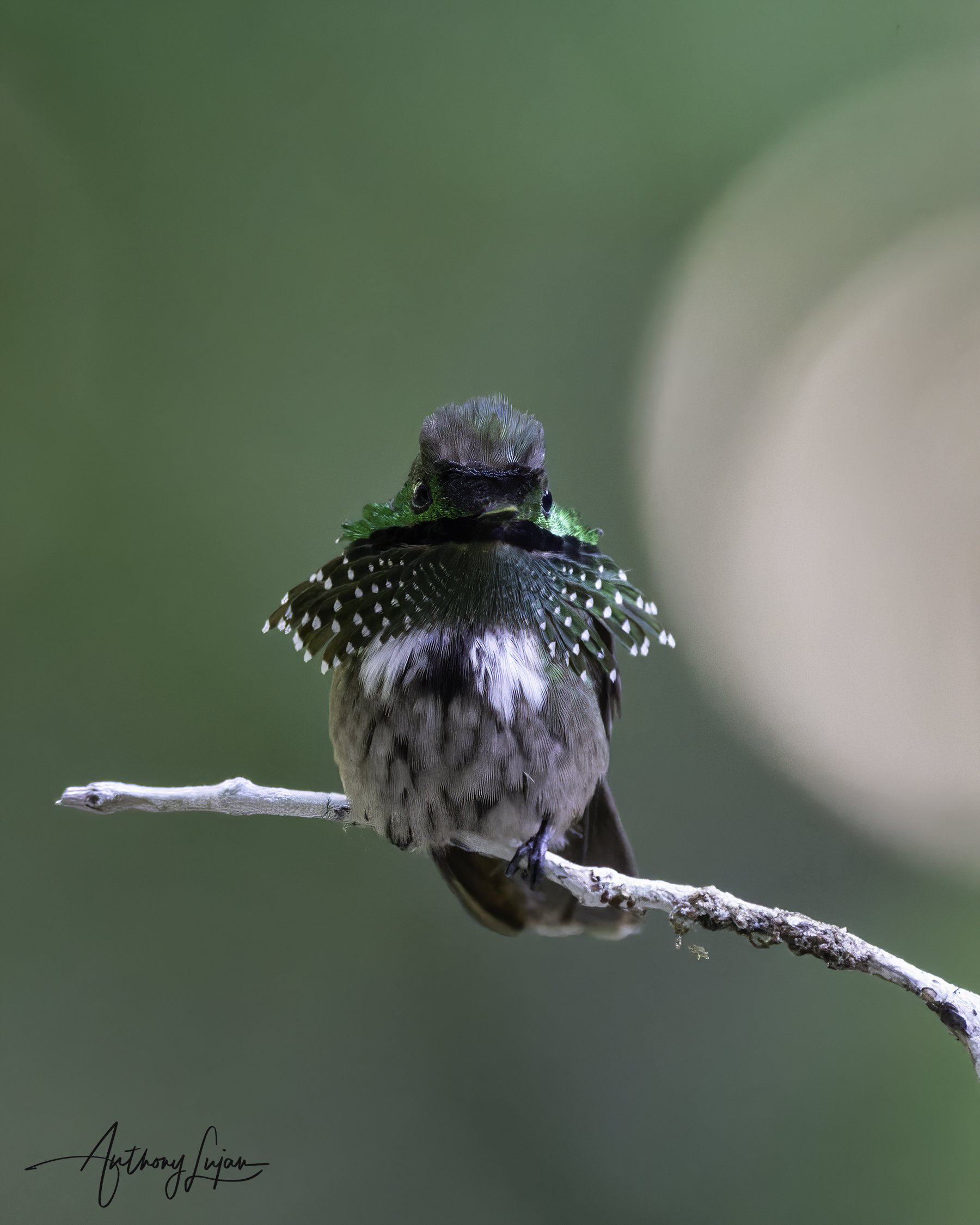
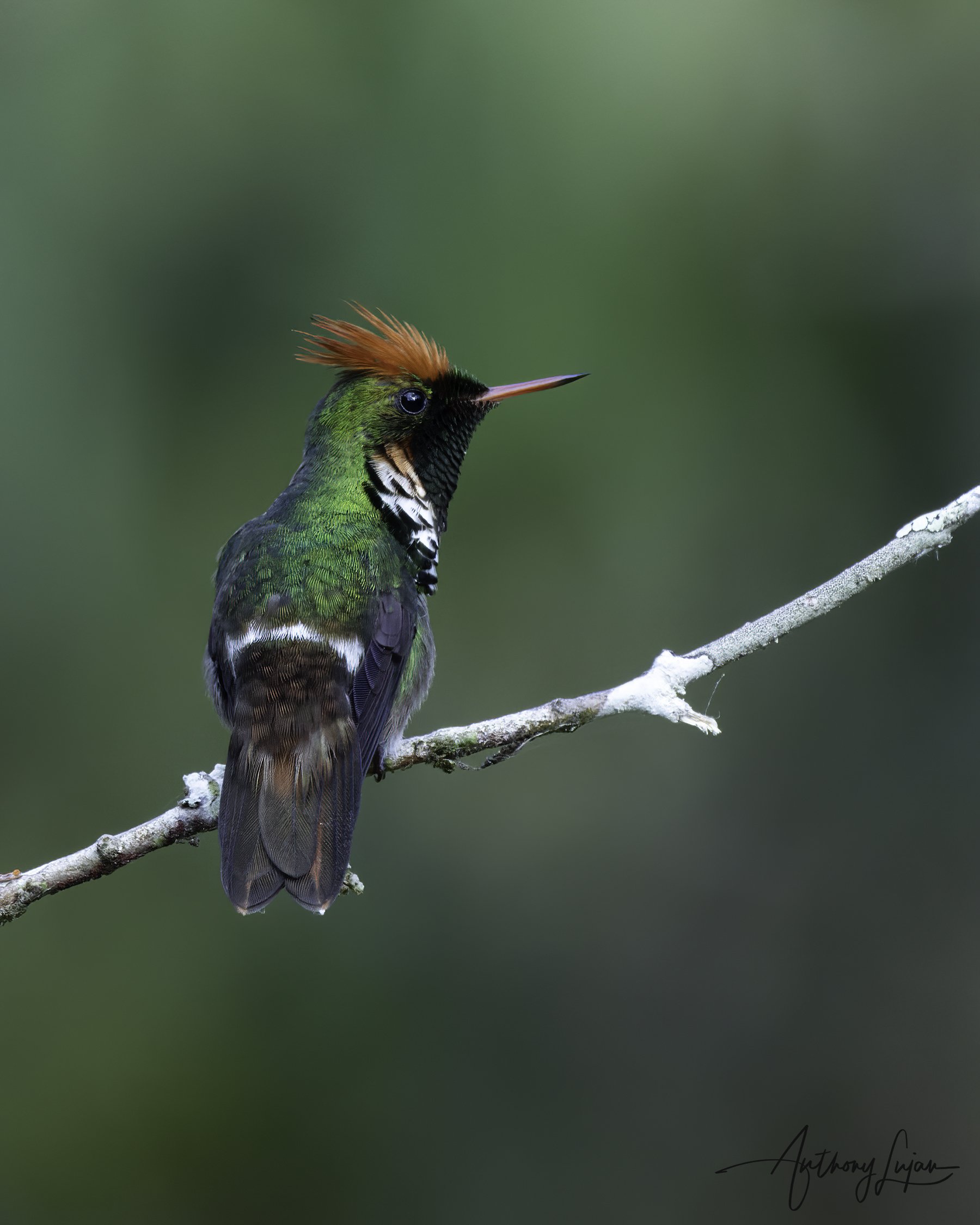
The adult male has metallic green upperparts and a bold rufous crest that can be raised into a dramatic fan. He shows conspicuous, spiky facial plumes and a glittering green throat with white below, creating a sharply contrasting front. The tail is rufous with a darker subterminal band, and in poor light the plumage can look rather dull, but in direct sun it flashes brilliantly with iridescent greens and warm rufous tones. Overall, the male appears like a tiny, jeweled bird with extravagant headgear.
Female Description
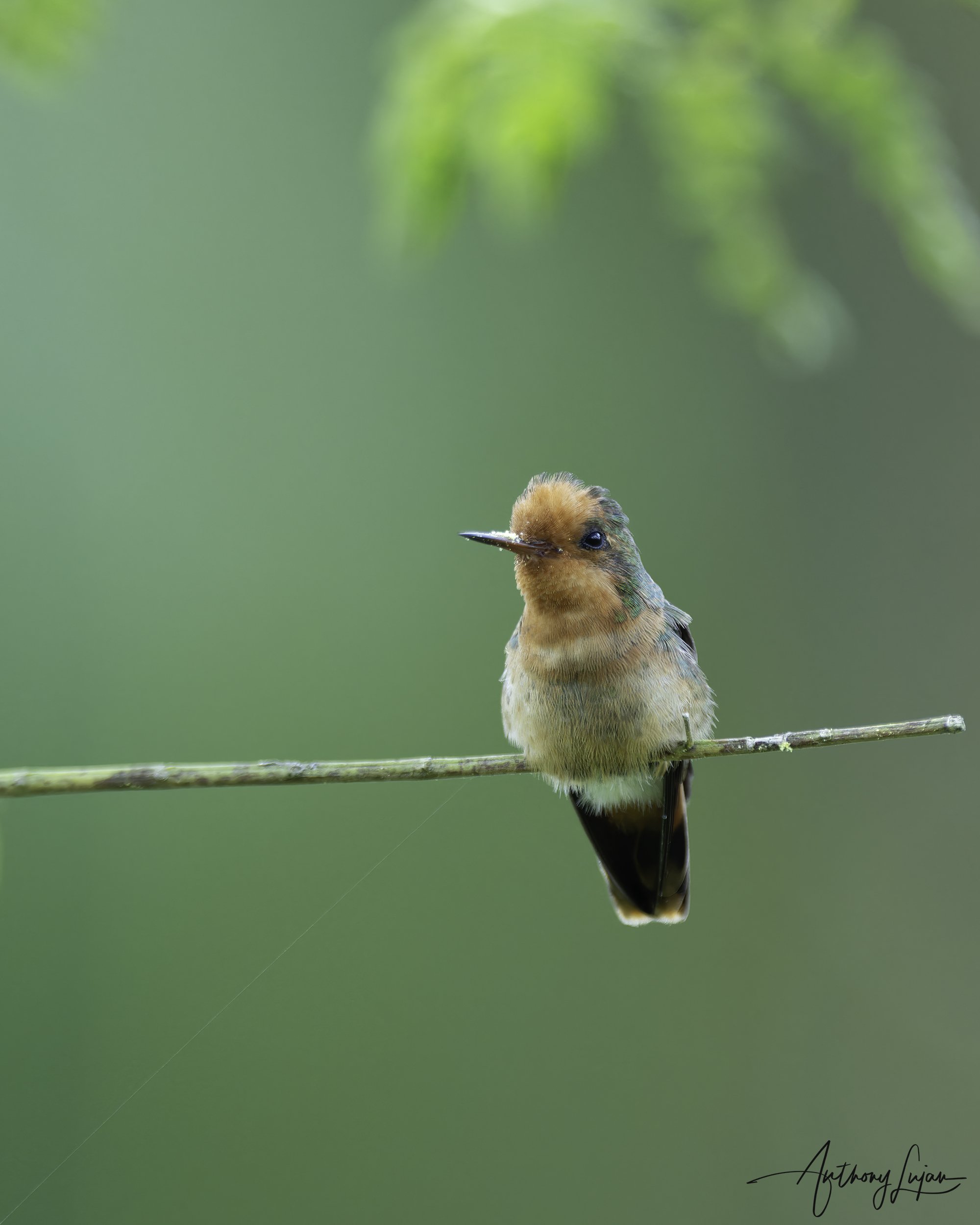
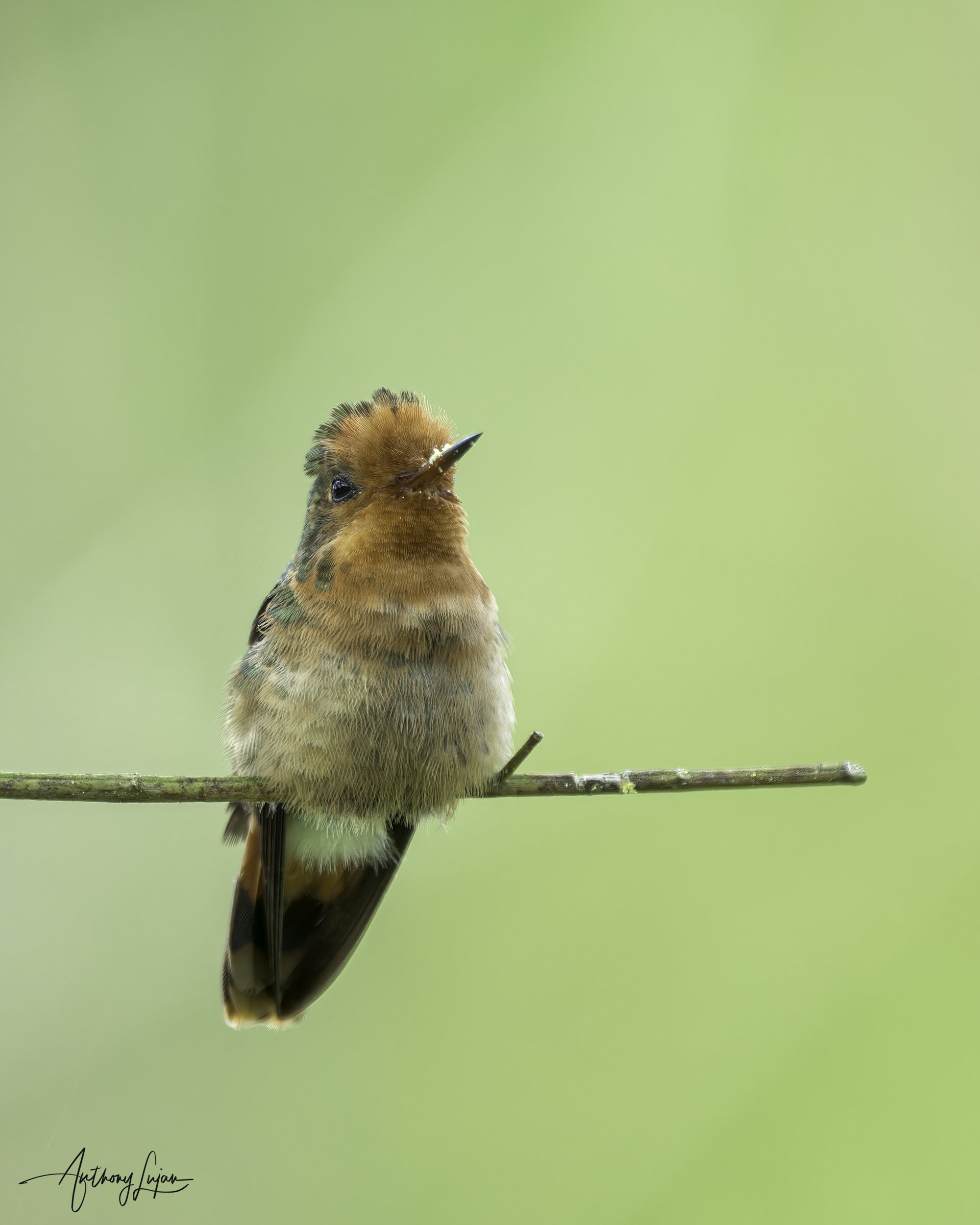
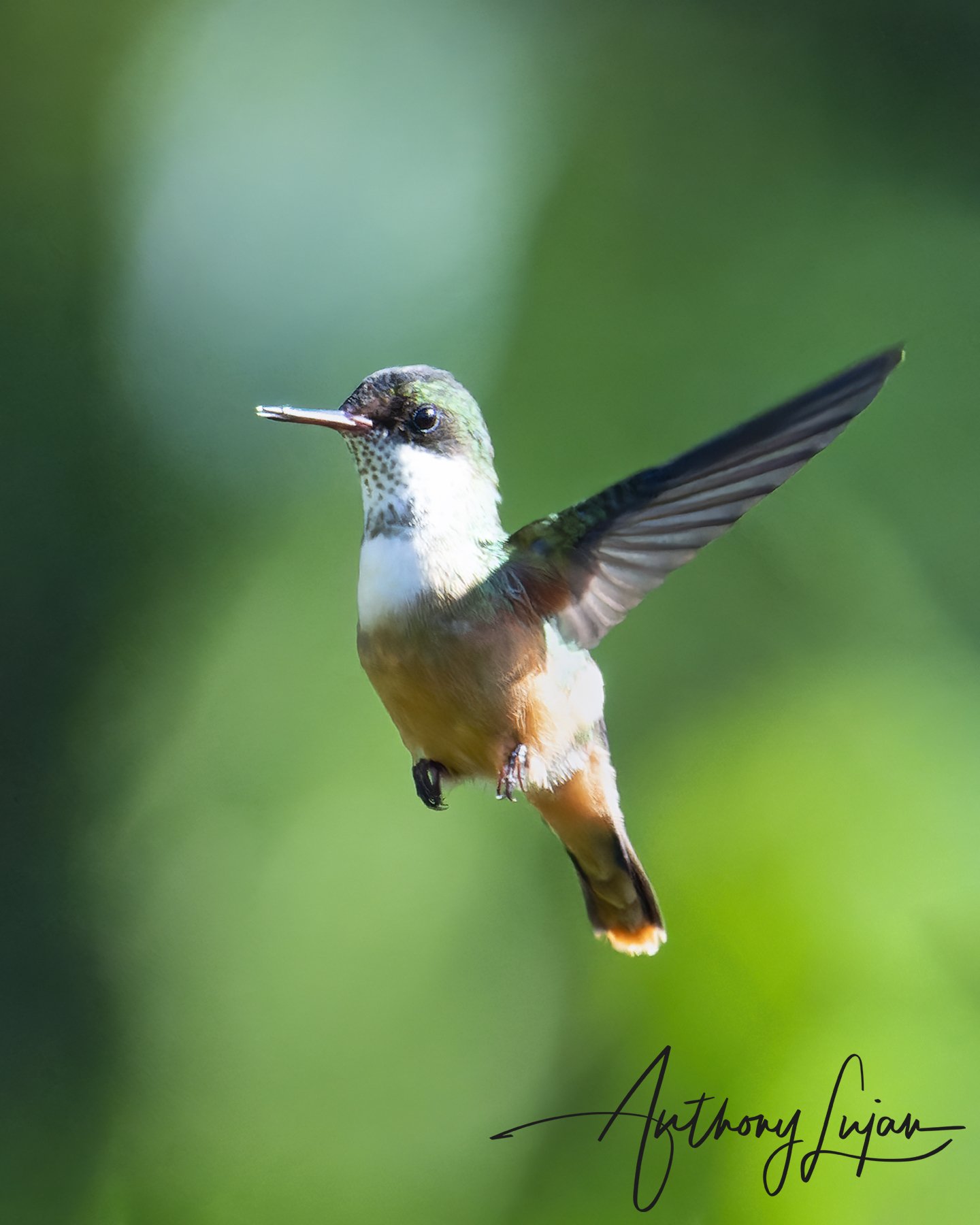
The female lacks the crest and facial plumes of the male, giving her a more modest and streamlined appearance. She is green above, buffy below, with fine spotting or scaling on the throat and breast that softens the contrast. The tail shows rufous edges but is more subdued overall than in the male, fitting her generally more cryptic look. Females resemble a very small, neat green hummingbird, most reliably identified by size, structure, and association with known Rufous-crested Coquette sites.
Habitat & Behavior
Rufous-crested Coquettes are found at forest edges, clearings, gardens, and regenerating growth, typically between about 400 and 1,400 meters. They feed quickly and erratically on small flowers, often at mid-level or into the canopy, moving nimbly through the foliage. Their diet consists mainly of nectar, but they also take tiny insects for protein, which they catch in flight or glean from vegetation. Males are generally less strongly territorial than larger hummingbirds and often forage in loose mixed groups, performing short, energetic display flights and agile hovering maneuvers.
Population
The global population is estimated at 50,000–499,999 mature individuals, distributed patchily from Panama south along the Andes to northern Bolivia. Within suitable foothill and montane forest habitats, the species can be locally regular but is often overlooked due to its small size and rapid movements. Despite its tolerance for some degraded habitats and gardens near forest, the overall population trend is Decreasing, driven by ongoing habitat loss and fragmentation in montane forest regions.

Conservation
Rufous-crested Coquette is currently assessed as Least Concern due to its broad geographic range and population size remaining above major threat thresholds. However, its decreasing trend reflects continued pressure on humid foothill and montane forests from deforestation, agriculture, and infrastructure development. Protecting forest corridors, maintaining regenerating growth and flowering shrub layers, and conserving key foothill sites in Panama, Colombia, Peru, and Bolivia will be important for the species’ long-term survival. Its use of gardens and semi-open areas near forest offers some resilience, but intact and well-connected forest remains essential.
Below is the Rufous-crested Coquette (Lophornis delattrei delattrei)
Photographed at Waqanki/Quebrada Mishquiyaquillo, San Martín, Peru
These individuals belong to the subspecies delattrei, found along the eastern slope of the Andes from northern Peru (San Martín) to northern Bolivia (Beni, Santa Cruz). This form is characterized by its striking rufous crest and bold green body, typical of coquettes in montane foothill forests. It frequents forest edges and second-growth areas rich in nectar-producing flowers.
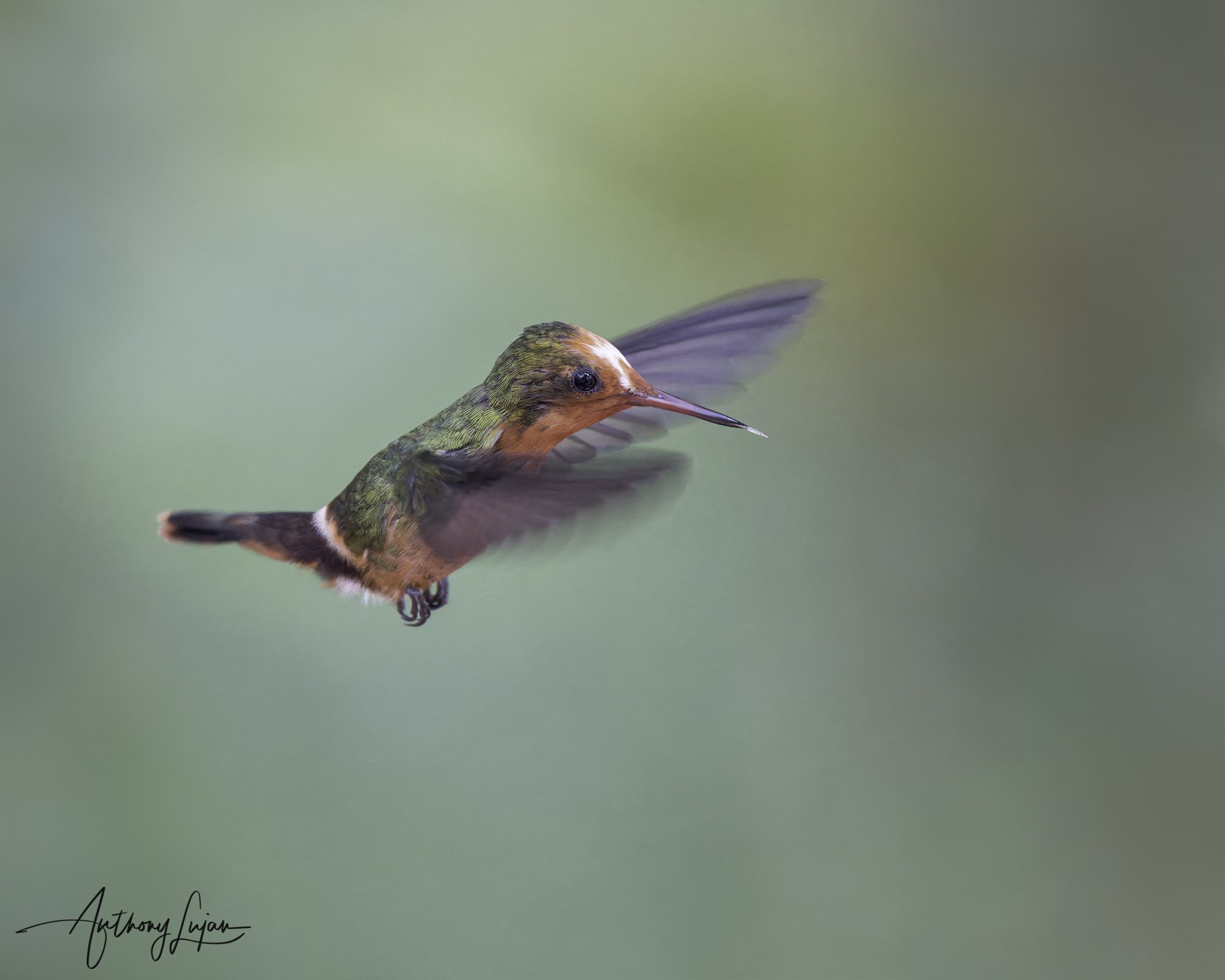
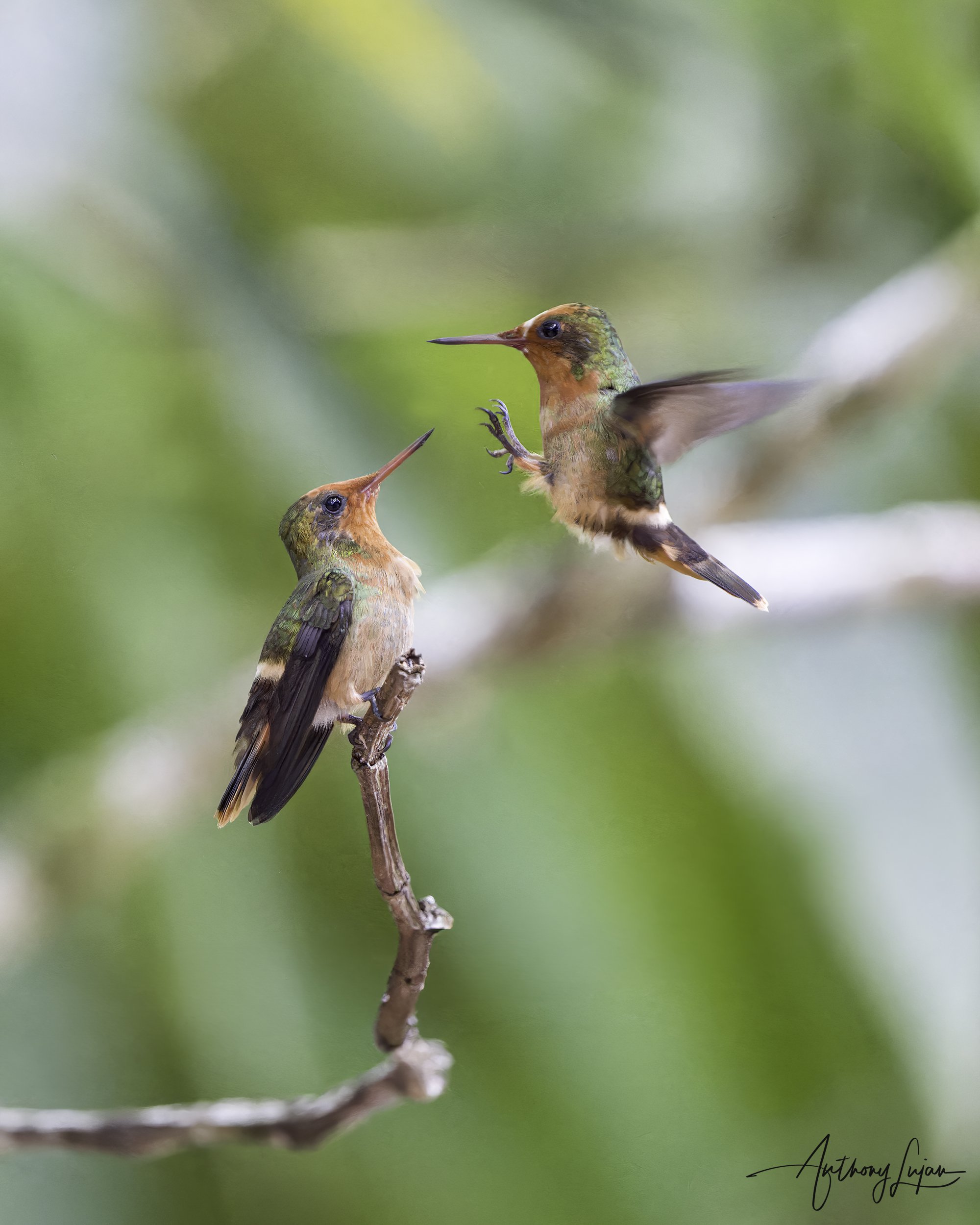
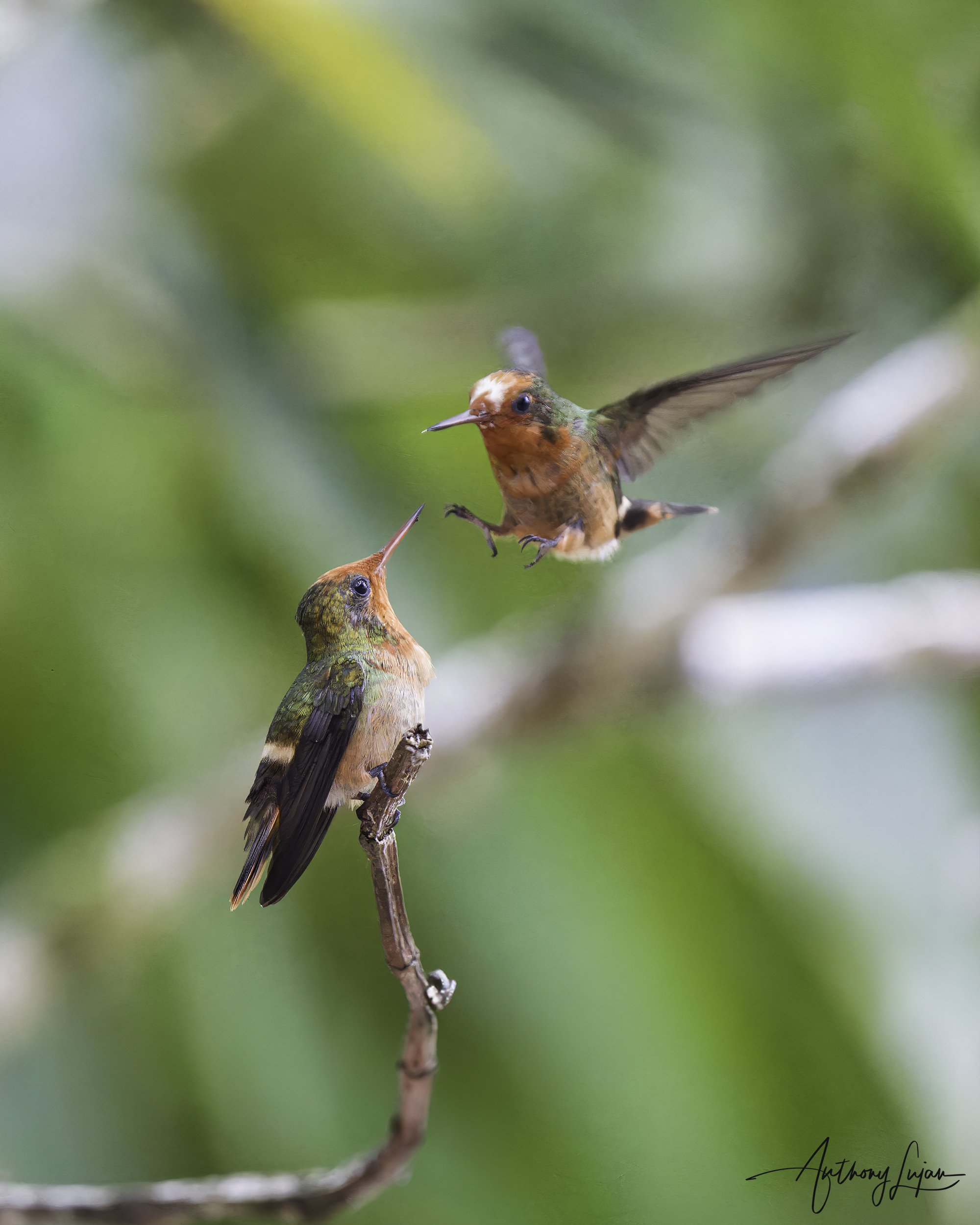
Checkout Anthony’s playlist of this species! Click the top-right dropdown to see all the videos.
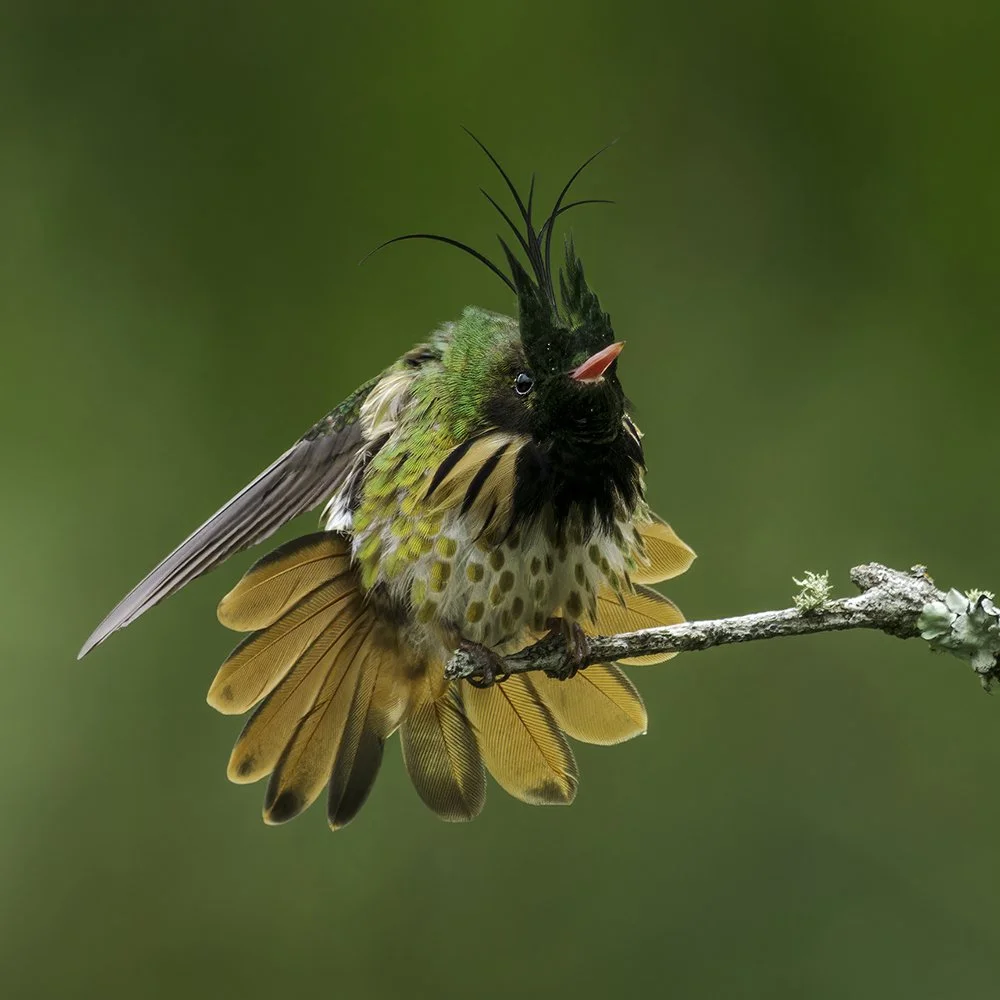
Related species in the Lophornis genus (11 species total):


Please note: The content provided in this article reflects Anthony’s personal experience and photographic approach. Results can vary depending on light, weather, location, equipment, subject behavior, and field conditions.