
Rufous-tailed Hummingbird
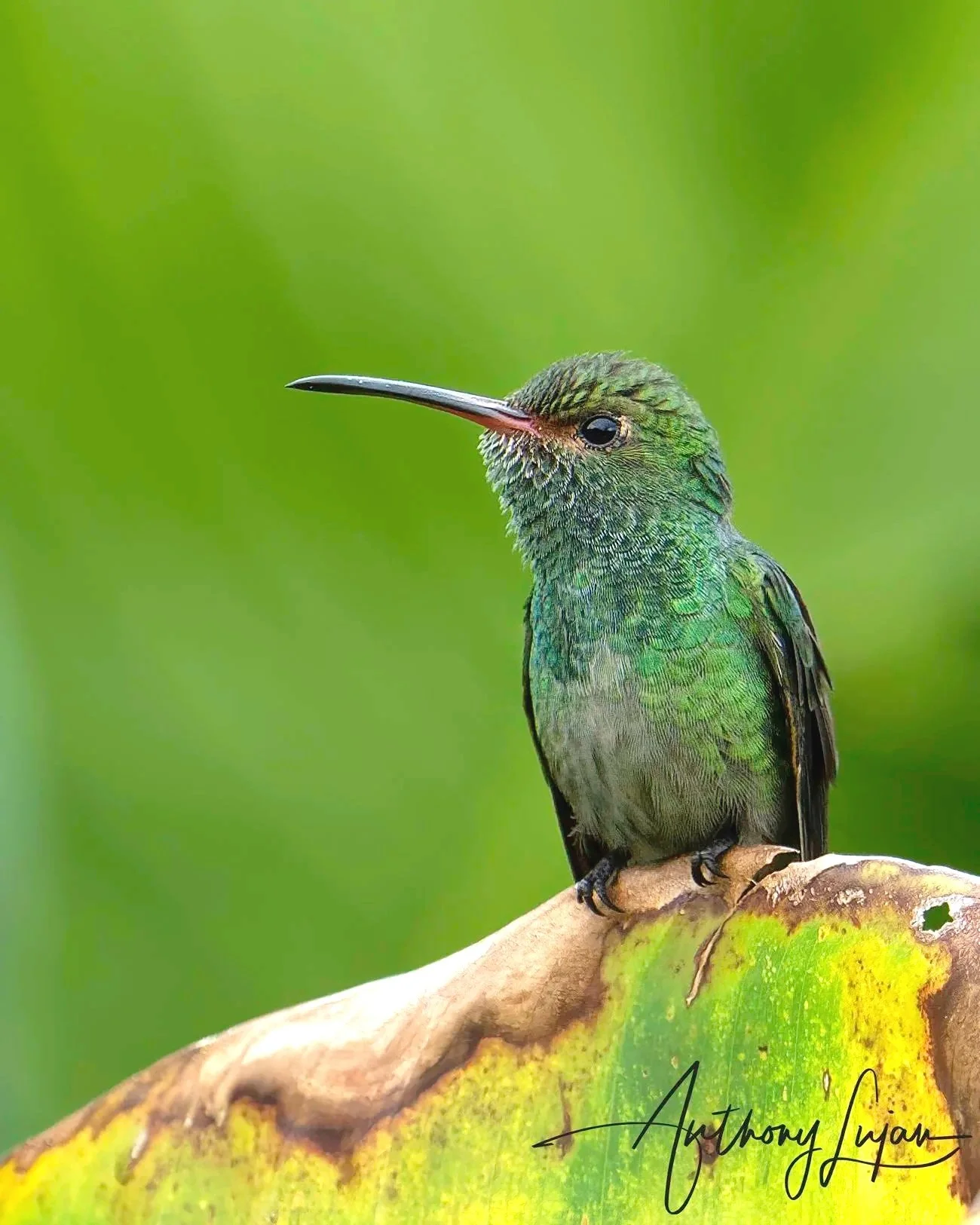
Scientific name: Amazilia tzacatl
The Rufous-tailed Hummingbird is a medium-sized, strongly rufous-tailed hummingbird of forest edges, second growth, plantations, and gardens from eastern Mexico south through Central America into western Colombia and western Venezuela. It is currently listed as Least Concern, with an estimated 5,000,000–50,000,000 mature individuals, a decreasing population trend, and it is considered not a migrant.
At a Glance
Family: Trochilidae (hummingbirds)
Clades: Trochilini – Emeralds
Genus group: Amazilia — medium-sized “emerald” hummingbirds (5 species in total)
Range: Eastern Mexico south through Central America to west‑central Panama, with additional populations in northern and western Colombia and western Venezuela, and localized forms on Isla Escudo de Veraguas.
Habitat: Humid and semi‑humid forest edges, second growth, plantations (such as coffee and banana), thickets, gardens, and other semi‑open habitats, usually near flowering shrubs and trees.
Elevation: From sea level to about 1,800–2,000 m depending on region.
Length: About 8–11 cm (3.1–4.3 in).
Weight: About 4.5–5.5 g (0.16–0.19 oz).
Number of mature individuals: 5,000,000–50,000,000.
Population trend: Decreasing.
Status: Least Concern (IUCN Red List category).
Migration: Not a migrant.
Name Origin
The genus name Amazilia comes from a heroine in an 18th‑century French novel and was later applied to a group of emerald hummingbirds. The species name tzacatl is derived from an indigenous name for this or a similar hummingbird in Mesoamerica. The English name “Rufous-tailed Hummingbird” refers to the rich rufous coloration of the tail, which is one of the species’ most distinctive features.
Taxonomy & Distribution
Amazilia tzacatl
Rufous-tailed Hummingbird belongs to the emerald clade of hummingbirds (tribe Trochilini) and is one of the most widespread hummingbirds in Middle America. It ranges from eastern Mexico south through Central America into western Colombia and western Venezuela, with five recognized subspecies that differ primarily in geography and subtle differences in size, tail and bill proportions, and underpart coloration.
Subspecies and Distribution
Rufous-tailed Hummingbird has five recognized subspecies.
Amazilia tzacatl tzacatl
The nominate subspecies occurs in eastern Mexico, from southern Veracruz and northern Oaxaca south through Central America to west‑central Panama (west Darién). It inhabits forest edges, second growth, plantations, gardens, and other semi‑open habitats from lowlands into foothills, where it is often one of the most common and conspicuous hummingbirds.Amazilia tzacatl fuscicaudata
This subspecies is found in northern and western Colombia (including the Cauca and Magdalena valleys) and western Venezuela from Lara to Táchira. It occupies forest edges, riverine woodland, second growth, and gardens in lowlands and foothills, using similar semi‑open habitats to the nominate but east of Central America into northern South America.Amazilia tzacatl brehmi
This subspecies occurs in the Andes of southwestern Colombia, especially in the upper Río Guiza region of Nariño. It inhabits humid montane forest edges, clearings, and second growth at higher elevations than some of the other subspecies, ranging from foothills up into lower montane zones where flowering shrubs and trees are available.Amazilia tzacatl jucunda
This subspecies is found in the lowlands and on the west slope in western Colombia (including Chocó) and western Ecuador south to western Loja. It inhabits humid lowland and foothill forests, edges, second growth, and gardens on the Pacific slope, where it is a familiar hummingbird in semi‑open and human‑modified habitats.Amazilia tzacatl handleyi
This localized subspecies is restricted to Isla Escudo de Veraguas off the Caribbean coast of northwest Panama. It occurs in island forest, edges, and scrub, using flowering shrubs and trees in this small, isolated setting and is sometimes known as the Escudo Hummingbird.
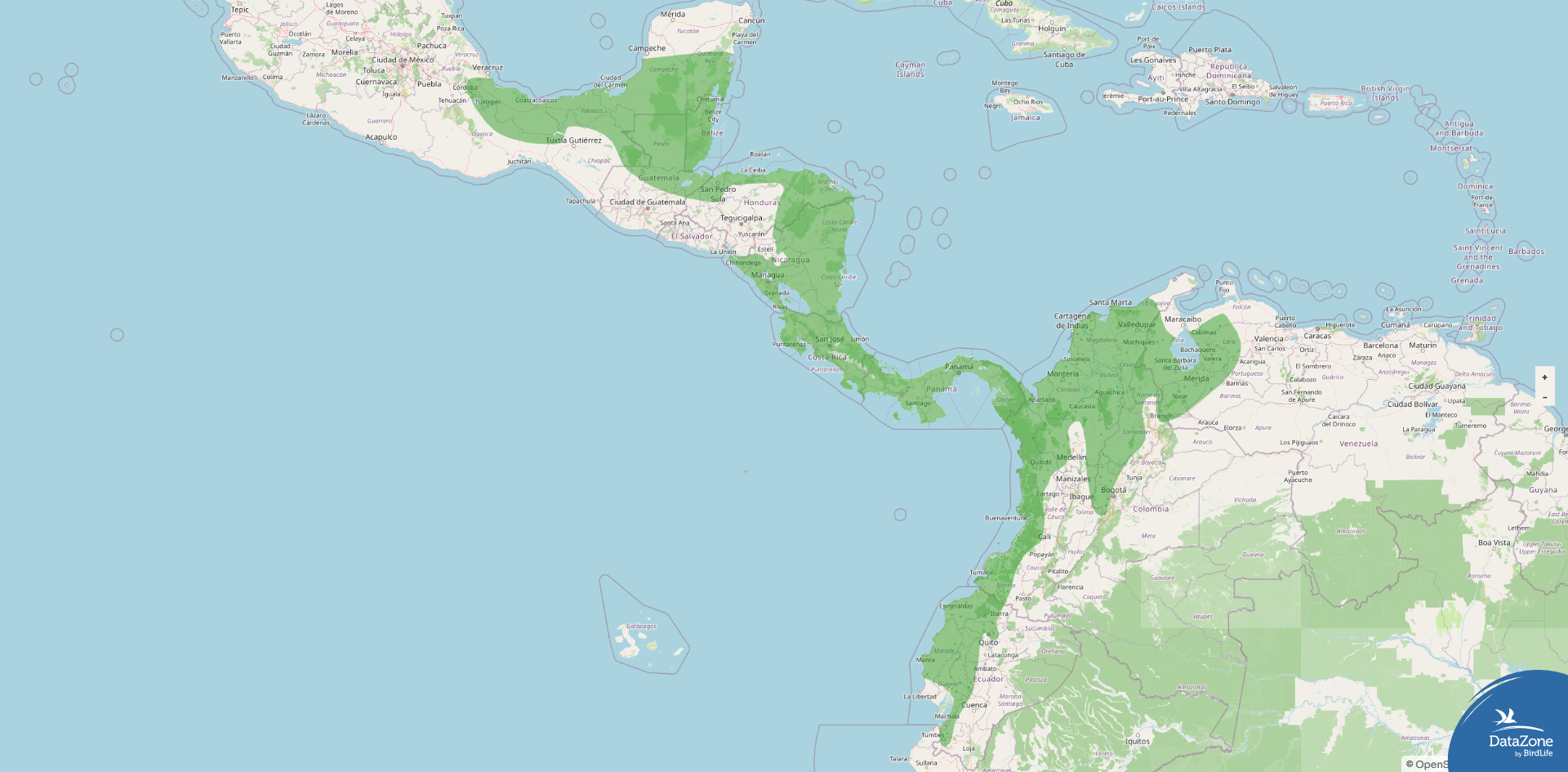
Legend
Green Resident
Species Overview
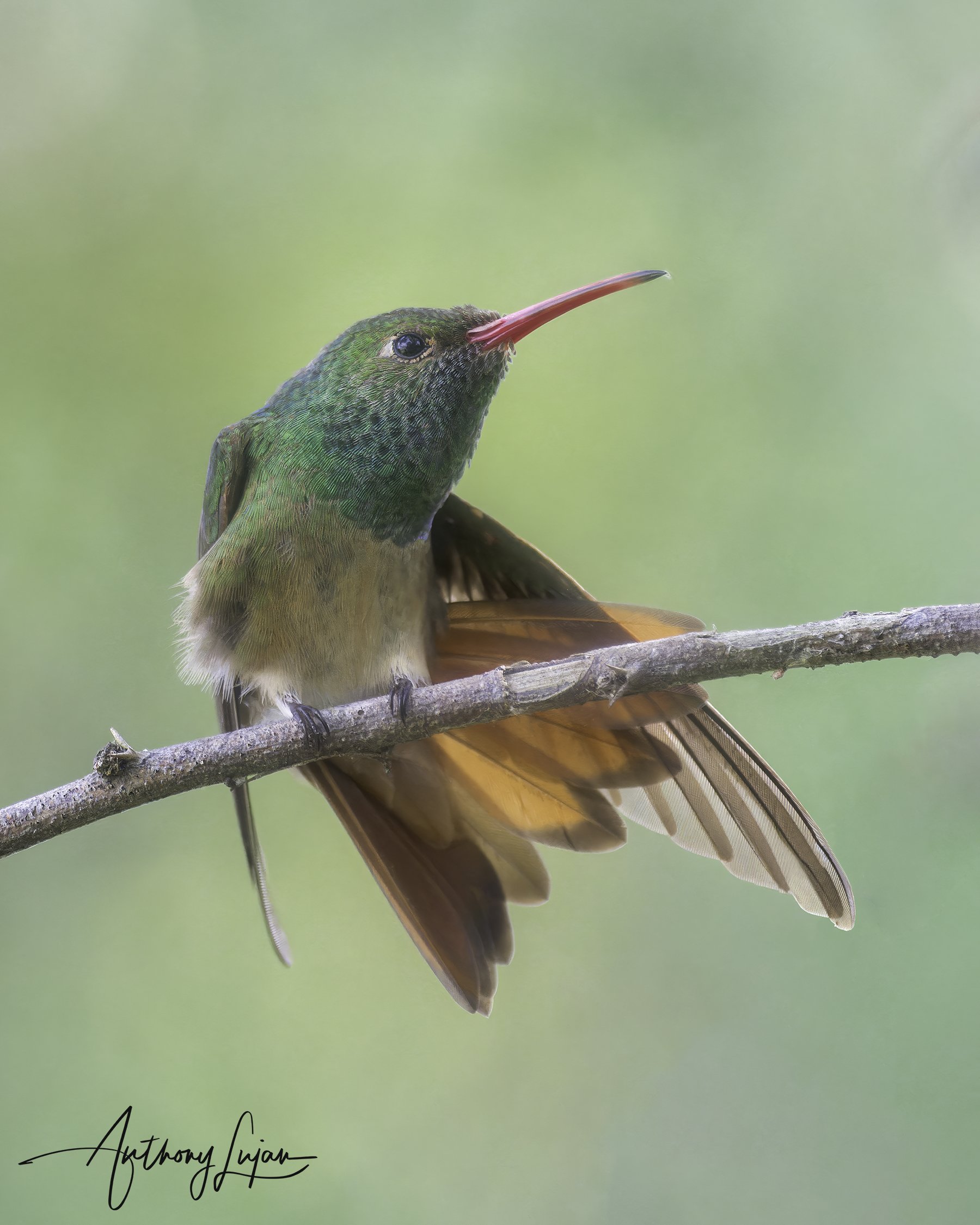
The Rufous-tailed Hummingbird is a robust, medium-sized emerald hummingbird with bright green upperparts and a rich rufous tail that contrasts strongly with the rest of the plumage. It thrives in semi‑open habitats, including forest edges, second growth, plantations, and gardens, and is one of the most frequently encountered hummingbirds across much of its range. Its adaptability to human‑modified landscapes and aggressive behavior at feeders and flowering shrubs make it a familiar species to observers in Middle America.
Male Description
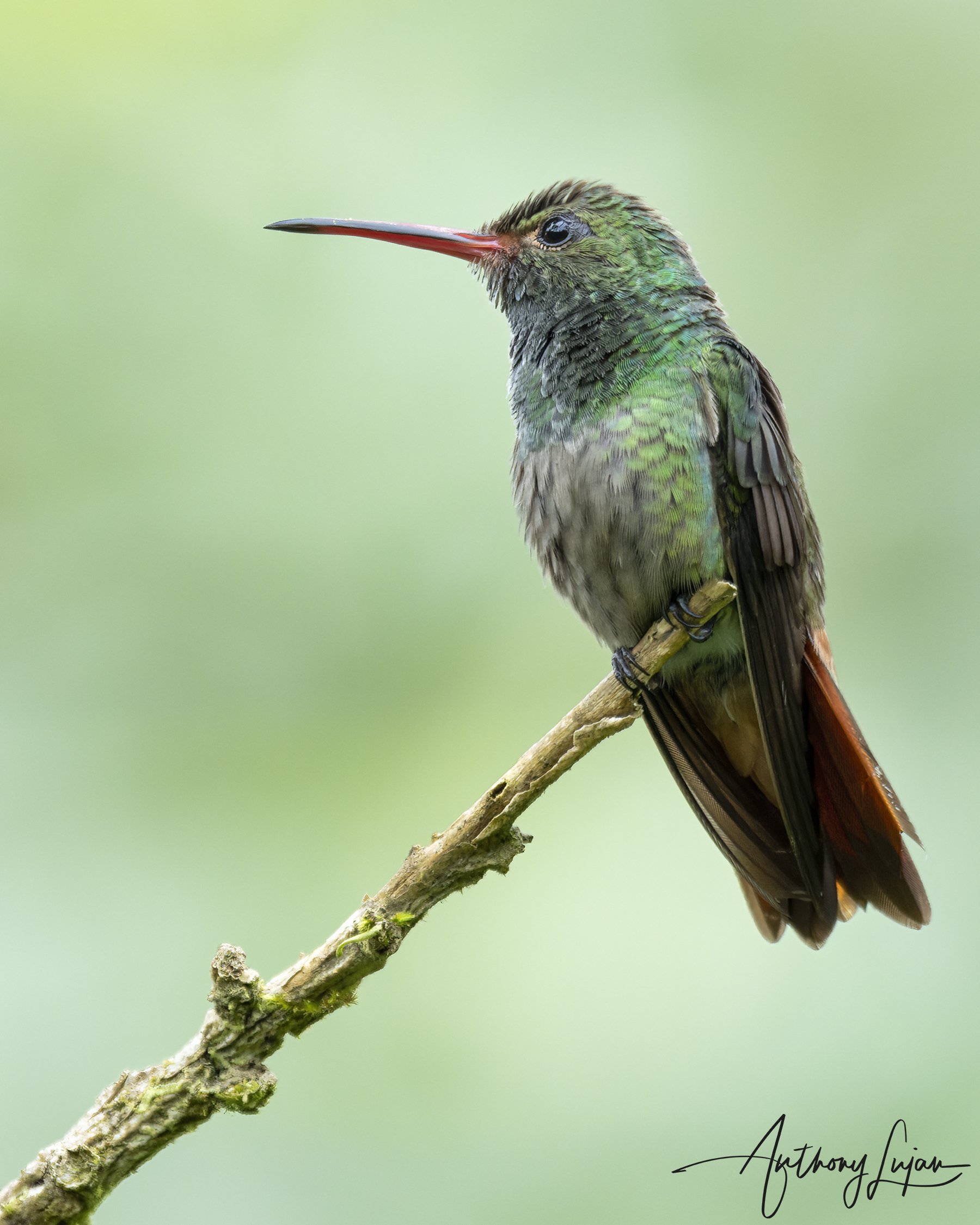
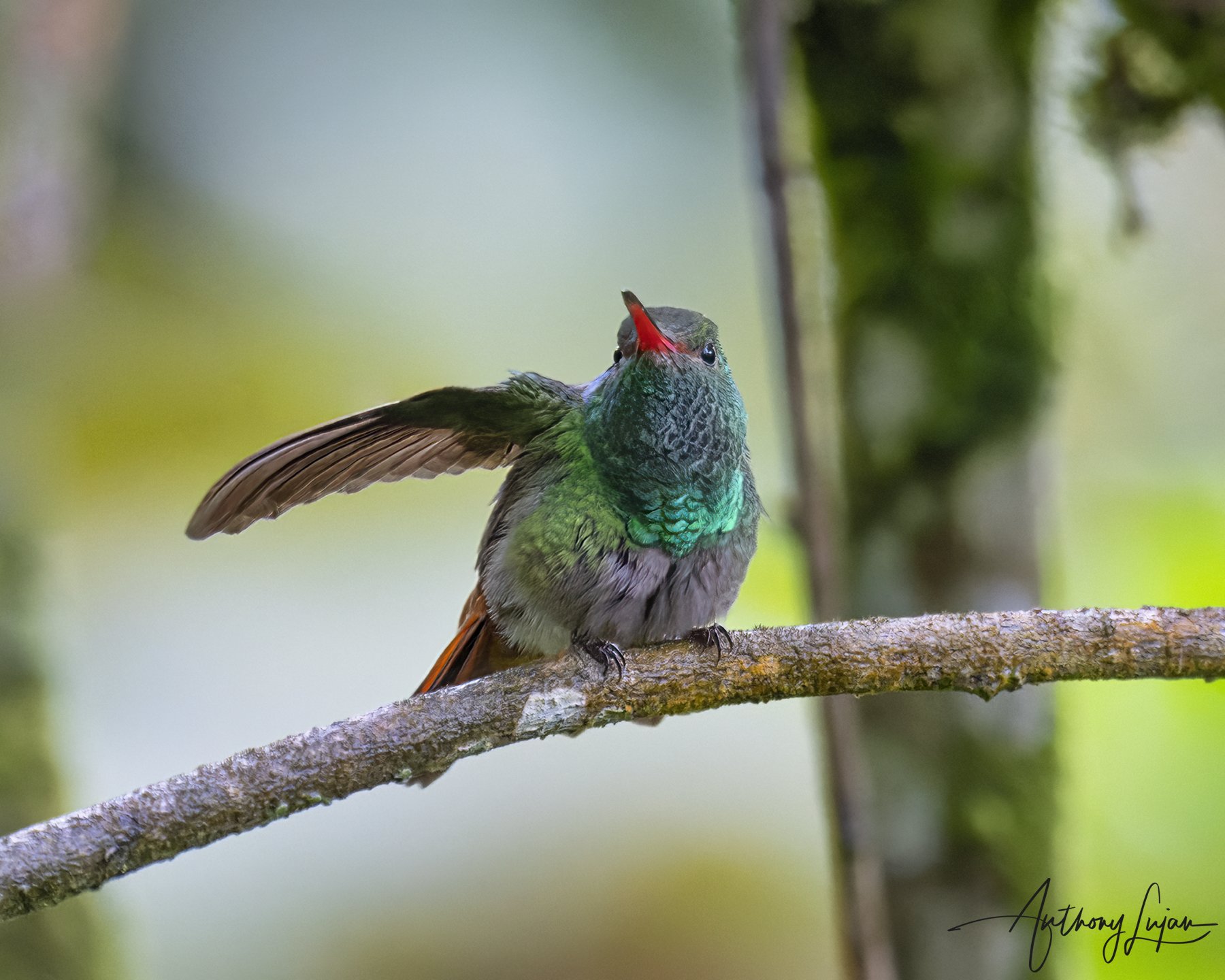
Adult males have bright metallic green upperparts, a green head and breast, and slightly paler gray‑green underparts that can show a faint buff or grayish wash. The tail is a deep rufous to rufous‑chestnut with darker tips, and the wings are dusky. The bill is relatively long and straight, typically reddish or orange‑red with a darker tip. In good light, males show a glowing green body and head with a strongly contrasting rufous tail and dark‑tipped bill.
Female Description
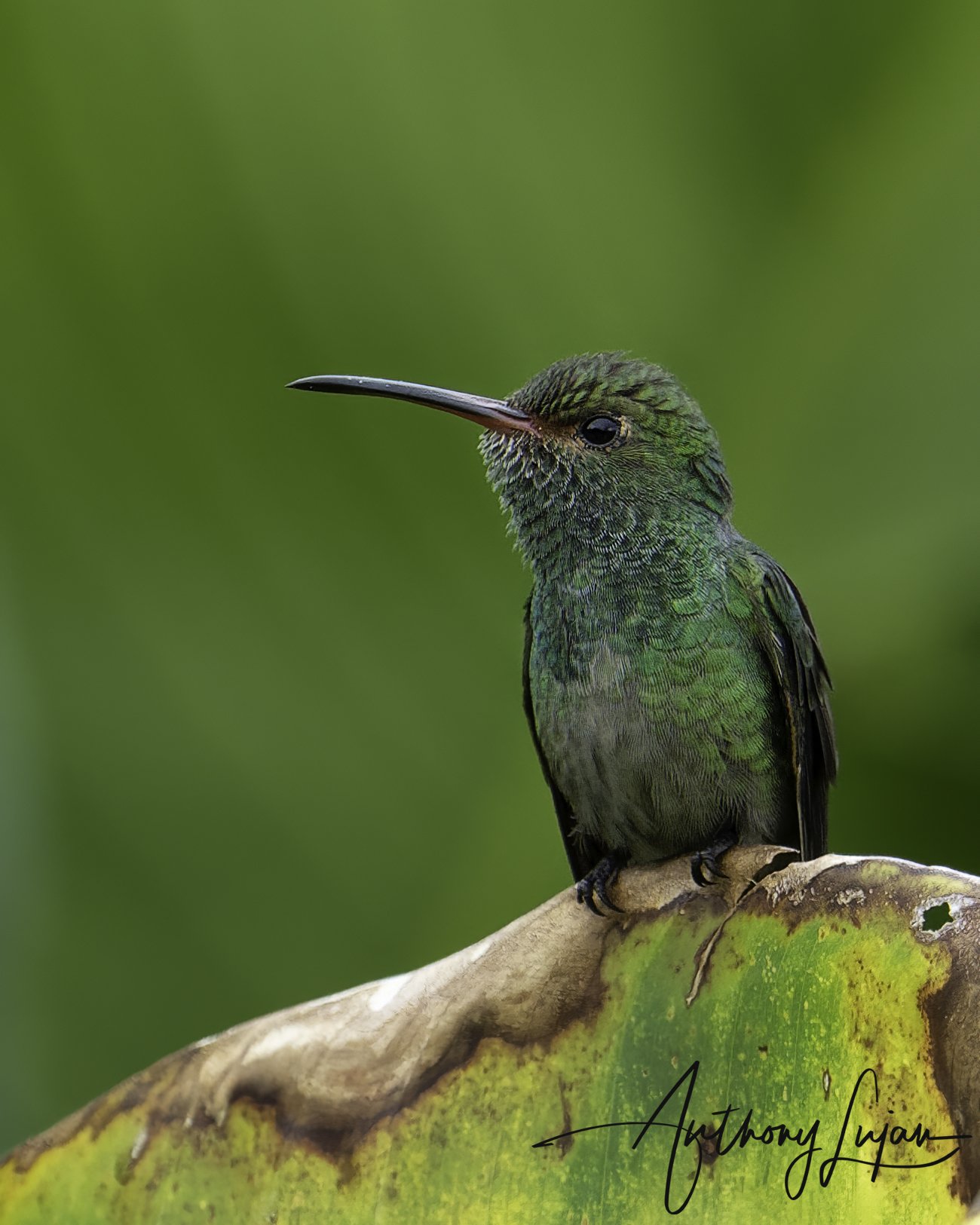
Females are very similar to males in overall coloration but may be slightly duller, with somewhat less intense green on the upperparts and a slightly grayer or more mottled look to the underparts. The rufous tail and darker tips are still present and distinctive. Juveniles resemble adult females but are duller overall, often with buffy or grayish fringes on the head and body feathers and a less brightly colored bill.
Habitat & Behavior
Rufous-tailed Hummingbirds frequent humid and semi‑humid forest edges, thickets, second growth, plantations (such as coffee and banana), and gardens and parks across their range. They forage for nectar from a wide variety of flowering trees, shrubs, vines, and herbaceous plants and are regular visitors to hummingbird feeders. This species is notably aggressive and territorial, often chasing other hummingbirds away from rich nectar sources, and it also takes small insects and spiders for protein, hawking them from perches or gleaning near flowers.
Breeding
Breeding timing varies geographically across the species’ wide range, typically aligning with periods of good flowering and suitable climate. The female builds a small cup nest from plant fibers and spiderweb, often decorated with lichens or moss, usually placed on a horizontal branch or in a fork a short distance above the ground or above low vegetation at forest edges, in second growth, or in gardens. She lays two white eggs and alone carries out incubation and chick‑rearing, as is typical for hummingbirds.
Population
With an estimated 5,000,000–50,000,000 mature individuals, Rufous-tailed Hummingbird has a very large population and is widespread from eastern Mexico through Central America into parts of northern South America. Despite this, the overall population trend is decreasing, likely due to ongoing habitat loss and degradation in some parts of its range, although the species remains common in many suitable semi‑open and human‑modified habitats.

Conservation
Rufous-tailed Hummingbird is currently assessed as Least Concern, reflecting its large range and very high total population. Nonetheless, the decreasing trend indicates that deforestation, intensive agriculture, and urban expansion may be reducing habitat quality over time. Conservation measures that protect forest edges, second growth, and mixed agricultural landscapes with flowering shrubs and trees, as well as maintaining gardens and hedgerows as nectar sources, help support this adaptable but declining species.
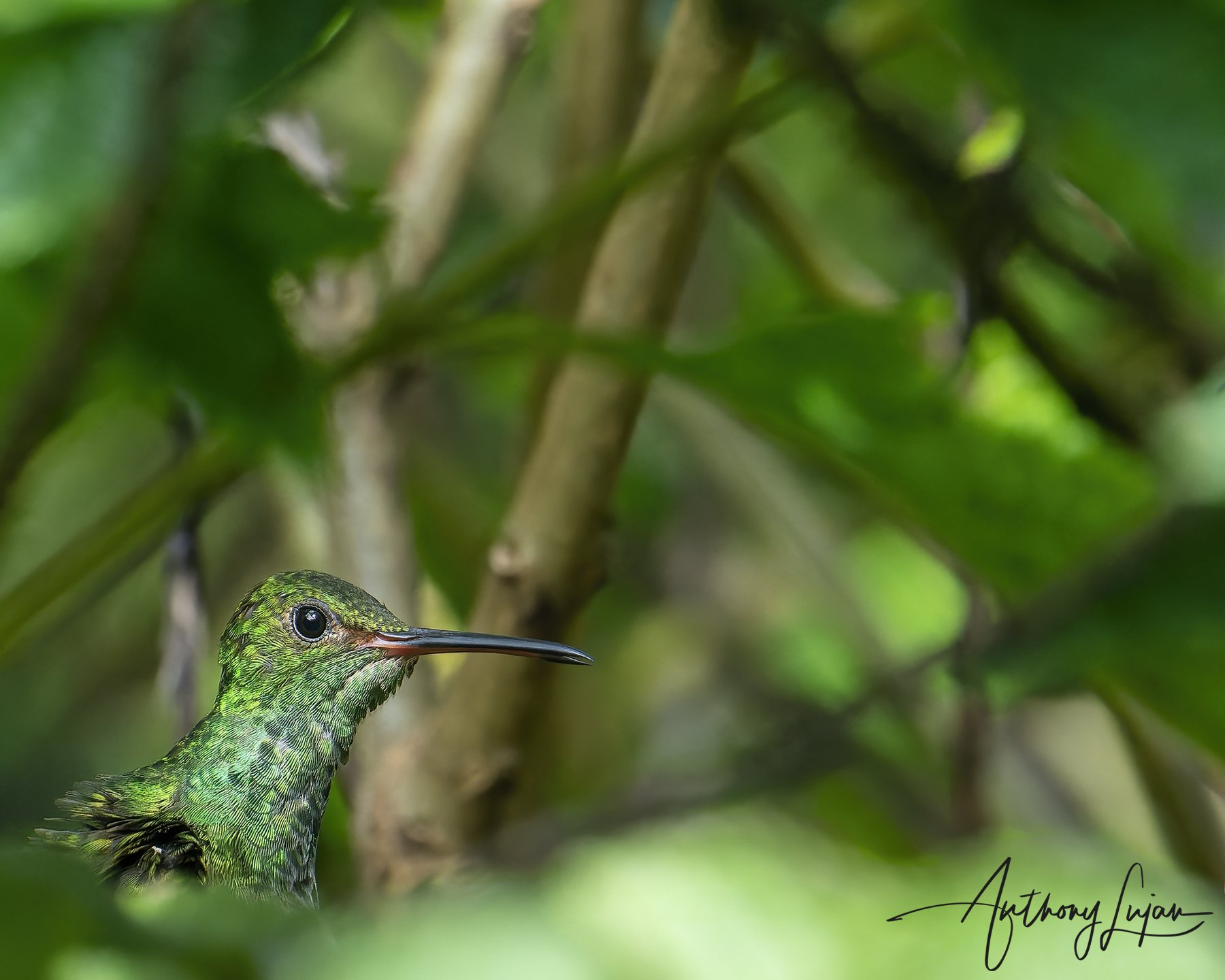
Below is the Rufous-tailed Hummingbird (Amazilia tzacatl fuscicaudata)
Photographed throughout Colombia
These individuals belong to the subspecies fuscicaudata, which ranges across northern and western Colombia, including the Magdalena and Cauca valleys, and extends into western Venezuela. This form is consistent with the species' overall appearance but may show slightly darker tail tones and deeper green on the upperparts. Common in gardens, edge forest, and lowland tropical landscapes.

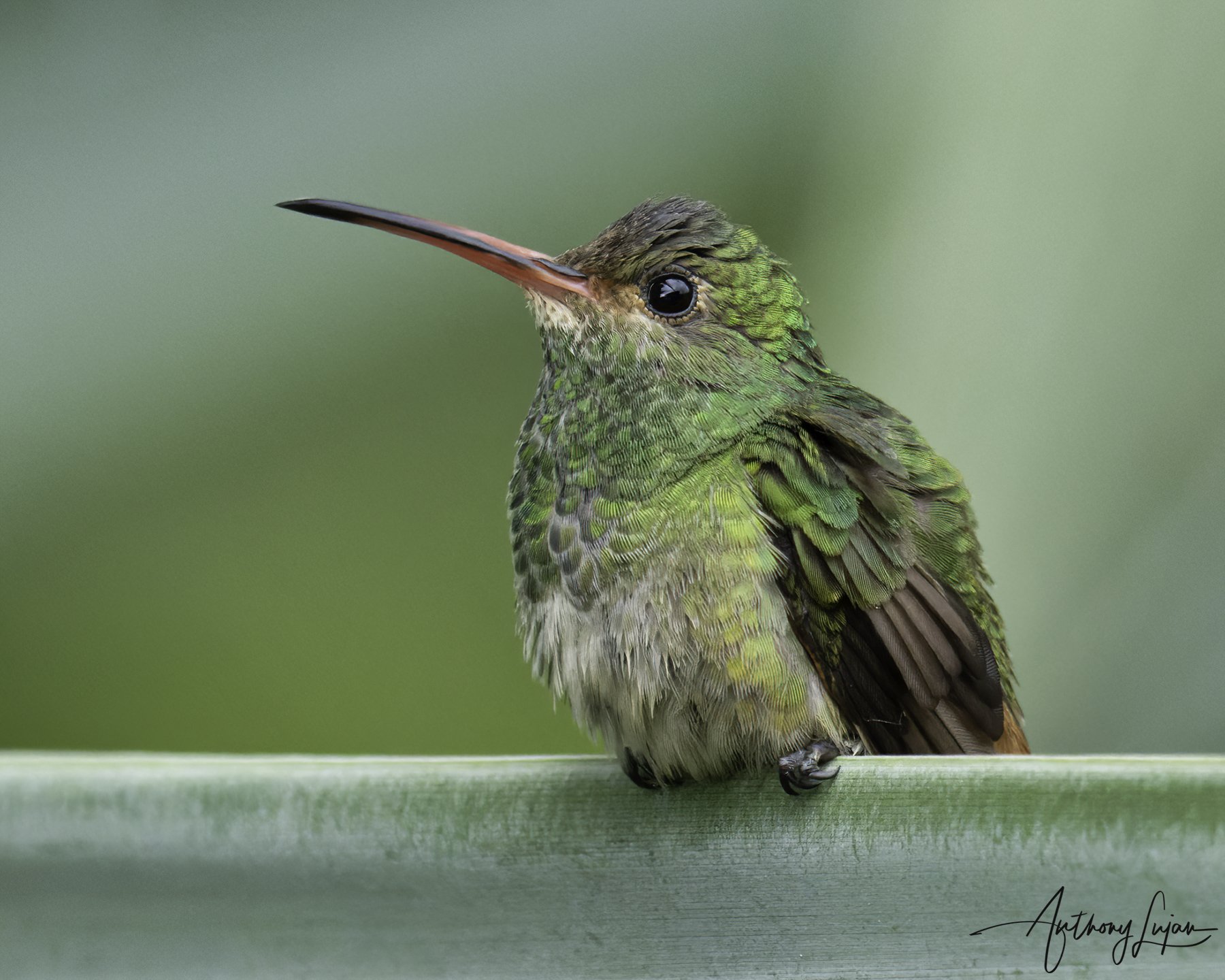
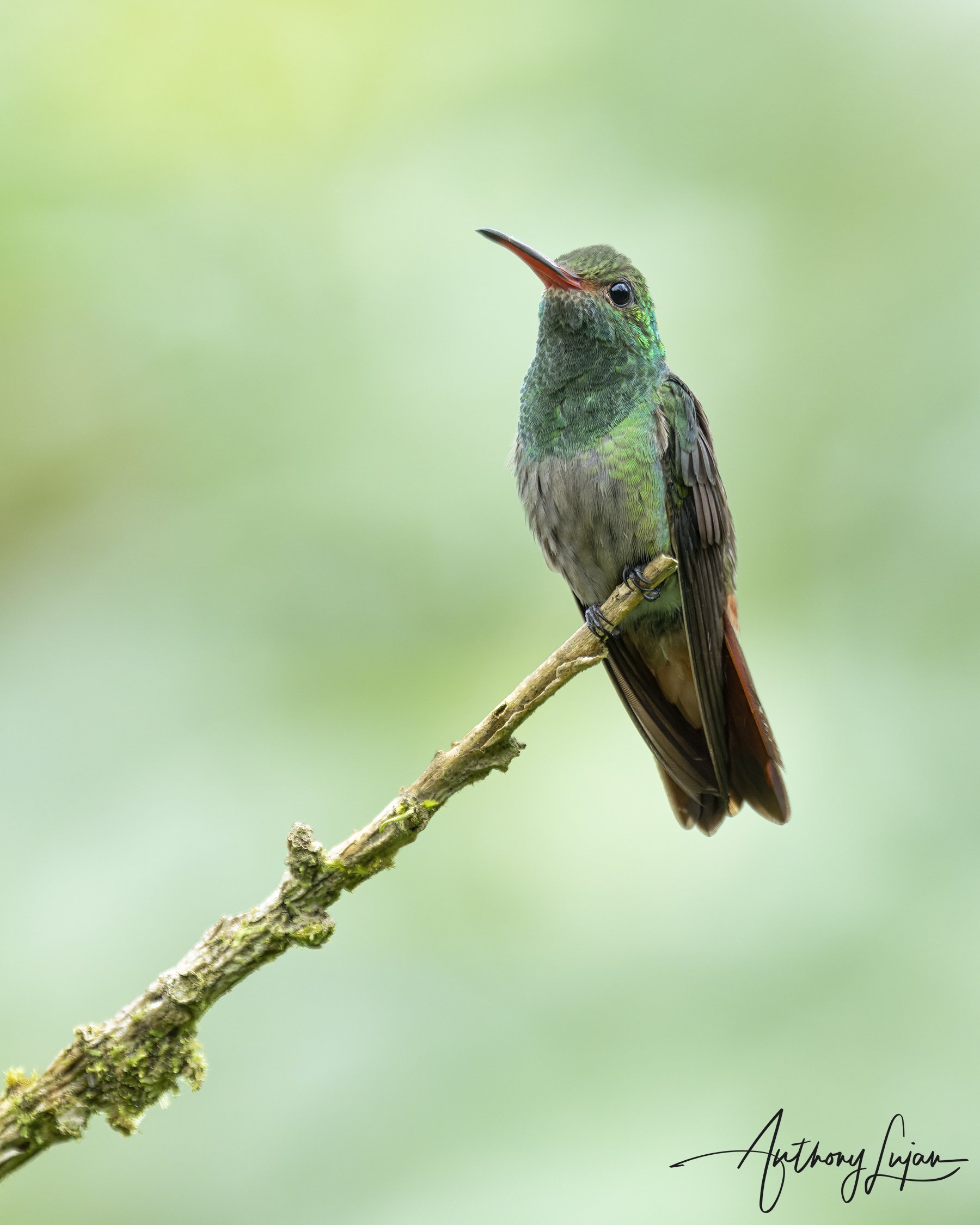
Below is the Rufous-tailed Hummingbird (Amazilia tzacatl tzacatl)
Photographed throughout Costa Rica
These individuals belong to the nominate subspecies tzacatl, found from eastern Mexico south through much of Central America, including both slopes of Costa Rica. This is the most widespread form, with standard field marks: glowing green plumage, rufous tail, and red-black bill. Readily found in gardens and open woodlands across the country.
For more details on the trips behind this species, visit the Costa Rica Hummingbird Expedition | July 2025 page and explore My Travel 2025-05 Costa Rica for guides and trip reports.
Related species in the Amazilia genus (5 species in total):

Please note: The content provided in this article reflects Anthony’s personal experience and photographic approach. Results can vary depending on light, weather, location, equipment, subject behavior, and field conditions.