
Scientific name: Saucerottia saucerottei
The Steely-vented Hummingbird is a medium-sized emerald hummingbird of Colombia and northwestern Venezuela, where it inhabits semi‑open and open landscapes including scrub, savanna, forest edges, secondary forest, plantations, and gardens. Its bright green body and dark steel‑blue tail make it a familiar hummingbird in many foothill and lowland areas of the northern Andes and adjacent lowlands.
At a Glance
Family: Trochilidae (hummingbirds)
Clade: Trochilini – Emeralds
Genus group: Saucerottia — emerald hummingbirds of Mexico, Central America, and northern South America.
Range: Western and north‑central Colombia (including the Cauca Valley and western slopes of the Andes) east to northwestern Venezuela (Trujillo, Mérida, Zulia), following the BirdLife sensu‑stricto treatment that excludes the Central American Blue‑vented lineage.
Habitat: Semi‑open to open landscapes such as scrublands, savanna, edges of mature forest, secondary forest, coffee plantations, and gardens; often in somewhat arid regions.
Elevation: Mostly from sea level to about 1,500 m (4,900 ft), locally up to around 2,000 m and rarely to about 3,000 m in some Venezuelan populations.
Length: about 9 cm (3.5 in).
Weight: roughly 4.5 g (0.16 oz).
Number of mature individuals: 500,000 - 4,999,999
Population trend: Decreasing.
Status: Least Concern (IUCN).
Name Origin
The genus name Saucerottia honors Antoine Claudius Saucerotte, an 18th‑century French physician and naturalist who worked extensively on hummingbirds. The species name saucerottei likewise commemorates Saucerotte, with the doubled “t” reflecting Latinized spelling conventions in 19th‑century taxonomy. The English name “Steely-vented Hummingbird” refers to the dark, steel‑blue plumage around the vent and tail, a key identification feature.
Subspecies and Distribution
Under the sensu‑stricto treatment that separates Central American Blue‑vented Hummingbird (Saucerottia hoffmanni), Steely-vented Hummingbird has three main subspecies in Colombia and Venezuela.
Saucerottia saucerottei warscewiczi
Distribution: Northern Colombia from Sucre Department east into western Zulia state in extreme northwestern Venezuela. It is the northernmost subspecies, occupying semi‑open and open habitats in lowlands and foothills.Saucerottia saucerottei saucerottei
Distribution: Western and north‑central Colombia on the western slope of the Western Andes and in the Cauca River valley. It is the form most often encountered in Colombian inter‑Andean valleys and along Andean foothills.Saucerottia saucerottei braccata
Distribution: Andes of western Venezuela in the states of Trujillo and Mérida. This subspecies reaches higher elevations than the others, often up to about 2,000 m and occasionally to 3,000 m.
Together, these subspecies form a discontinuous band from northern and western Colombia east into the Andean foothills of western Venezuela, mainly in semi‑open and somewhat arid landscapes.
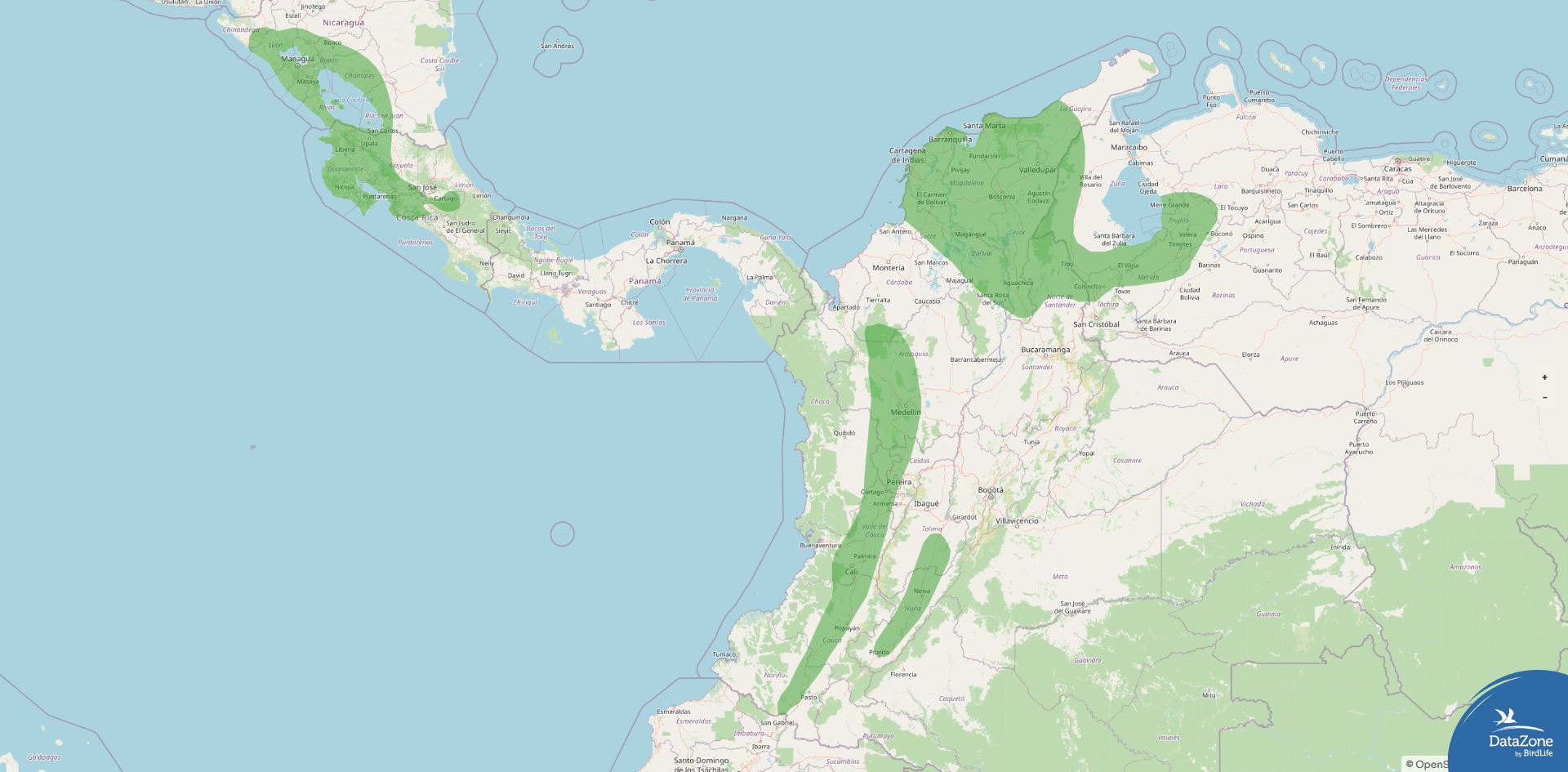
Legend
Green Resident
Species Overview
The Steely-vented Hummingbird is a characteristic emerald of semi‑open habitats in northern Andean foothills and inter‑Andean valleys. It is fairly common to common across much of its range and can be numerous in secondary growth, plantations, and gardens. The combination of a bright green body and dark steel‑blue tail and vent region gives it a distinctive look among regional hummingbirds.
Identification
Male
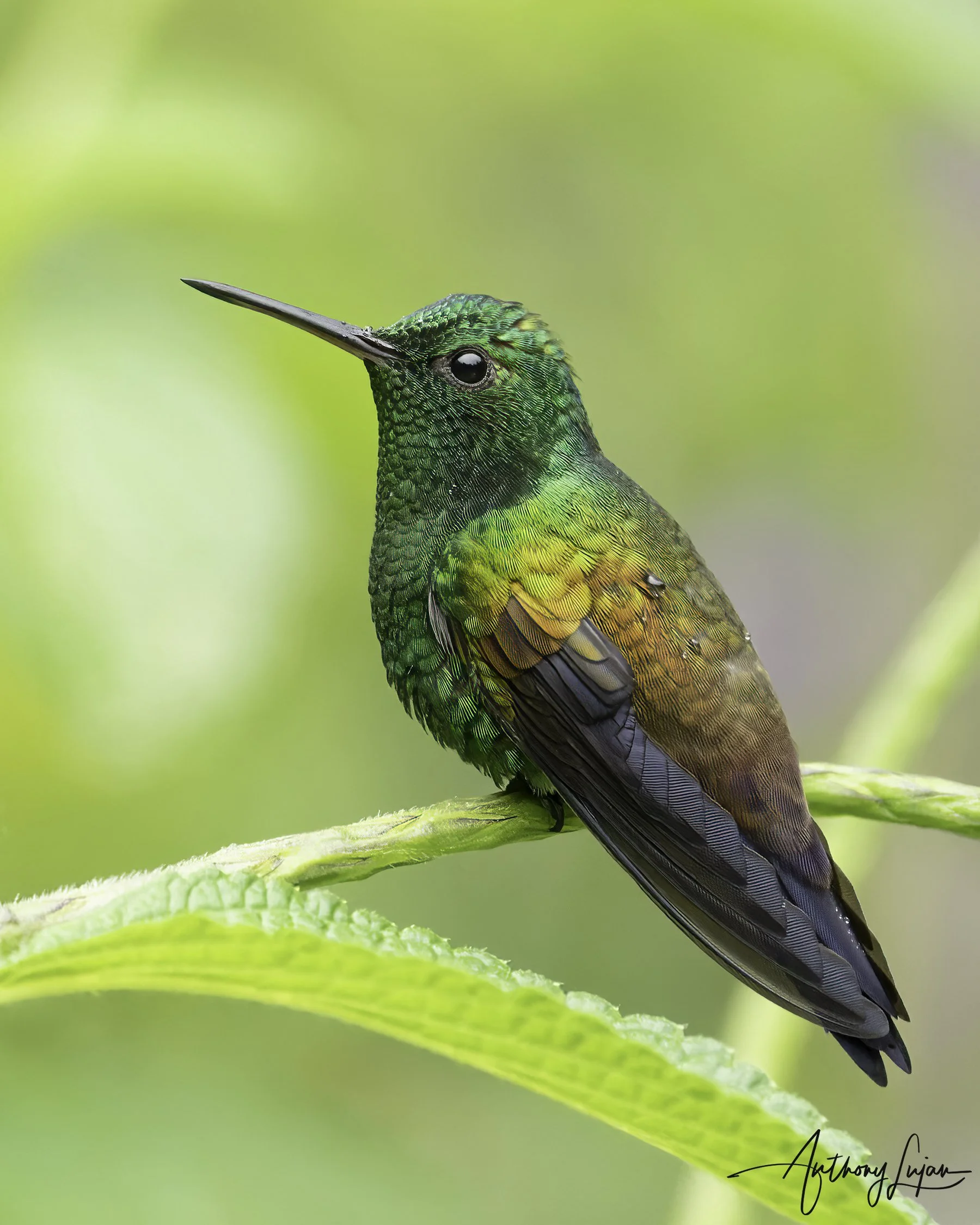
Adult males are all green above, with a bronzy rump and a notched dark steel blue‑black tail. The head, back, and underparts are metallic green, sometimes shading to bronze on the wing coverts and lower back, and the rump and upper tail coverts can appear purplish‑bronze. The vent area (“crissum”) is dark metallic blue, giving the species its “steely‑vented” name, and the bill has a black upper mandible with a rose‑pink lower mandible tipped black. In good light, the contrast between the green body and steel‑blue tail is striking.
Female
Females are similar to males but have a duller underside. The lower breast and belly are a slightly duller green with grayish scaling, and the crissum feathers are edged with gray; the outer tail feathers may show purplish tips. Juveniles are dull dark bronze‑green below and lack the fully developed steely crissum. Both sexes share the straight black‑and‑pink bill and the dark steel‑blue tail that distinguishes Steely-vented from many other emeralds.
Habitat and Behavior
Steely-vented Hummingbirds inhabit semi‑open and open habitats, including scrubby savanna with scattered trees, secondary growth, coffee plantations, gardens, and edges and openings of evergreen gallery forest. They are especially associated with somewhat arid regions but also move into moister areas during the dry season. They occur from lowlands up mountain slopes to about 1,500 m, and locally up to around 2,000–3,000 m for braccata.
These birds visit a wide variety of flowers for nectar, including trees such as Inga, Pithecellobium, Tabebuia, and Genipa; shrubs like Hamelia and Stachytarpheta; as well as vines, epiphytes, and herbs (e.g., Lobelia). They likely also consume insects, as other hummingbirds do, although detailed data are limited. Both sexes are aggressive and territorial around flower patches, with activity and aggression patterns shifting over the course of the day.
Population and Threats
The Steely-vented Hummingbird sensu lato (including Blue‑vented in older treatments) is assessed as Least Concern, with an estimated population of at least 500,000 mature individuals and an overall Decreasing trend. No immediate, major global threats have been identified, and Steely-vented sensu stricto is considered fairly common to common in much of its range and numerous in some habitats. However, ongoing deforestation, agricultural expansion, and urbanization in parts of Colombia and Venezuela continue to alter semi‑open habitats, and climate and land‑use change models suggest that many Mexican and northern Andean hummingbirds could lose suitable habitat over time. These factors are believed to underlie the inferred slow decline.

Conservation
Because Steely-vented Hummingbird uses both natural edge habitats and human‑modified landscapes, it benefits from a network of protected areas as well as traditional agroforestry systems such as shade coffee. Maintaining mosaics of scrub, savanna, forest edges, and low‑intensity agriculture will help sustain populations. Continued monitoring of population trends and habitat change, along with efforts to preserve structurally diverse landscapes in Colombian and Venezuelan foothills and valleys, will be important to ensure that this currently common species does not move toward a higher threat category.
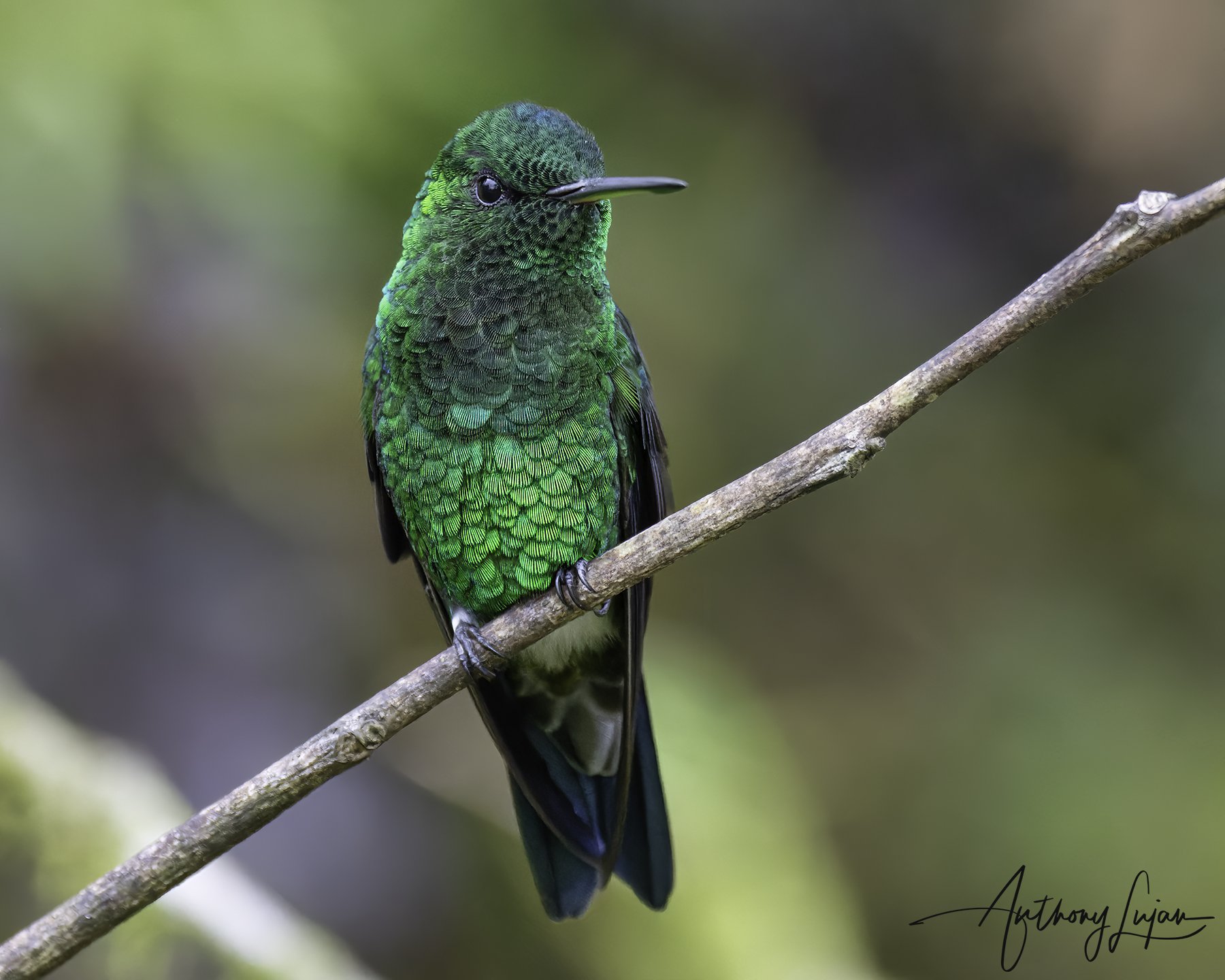
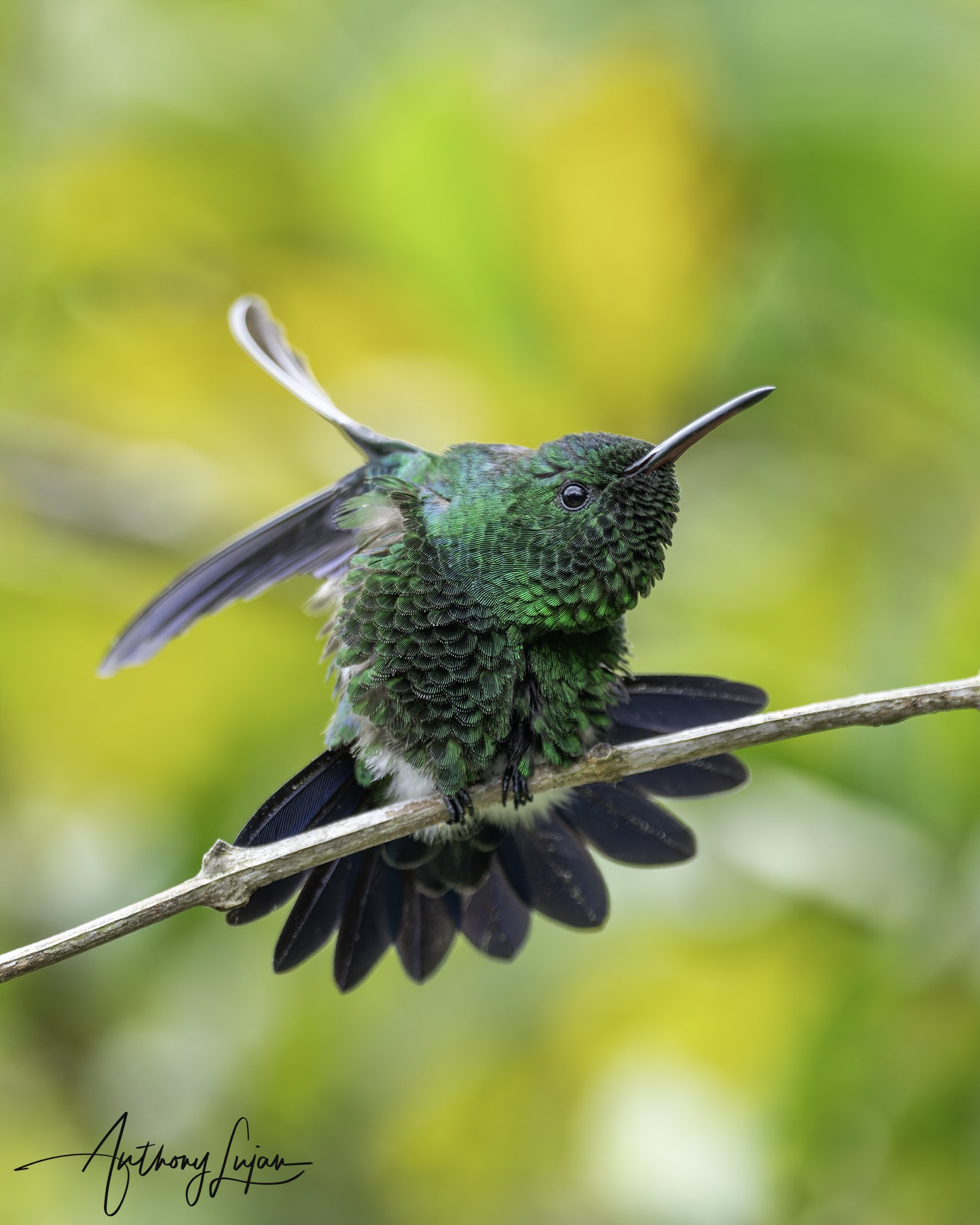
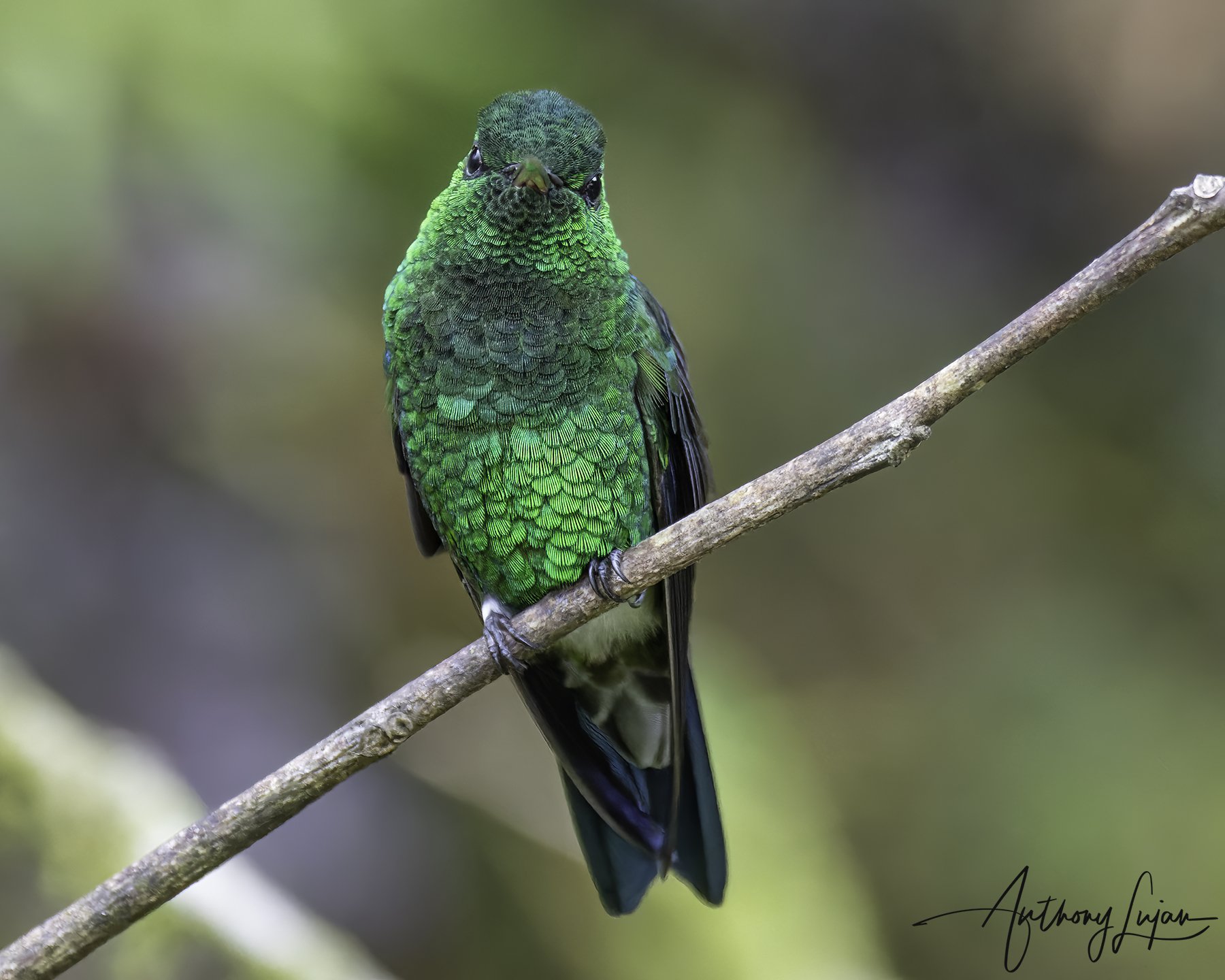
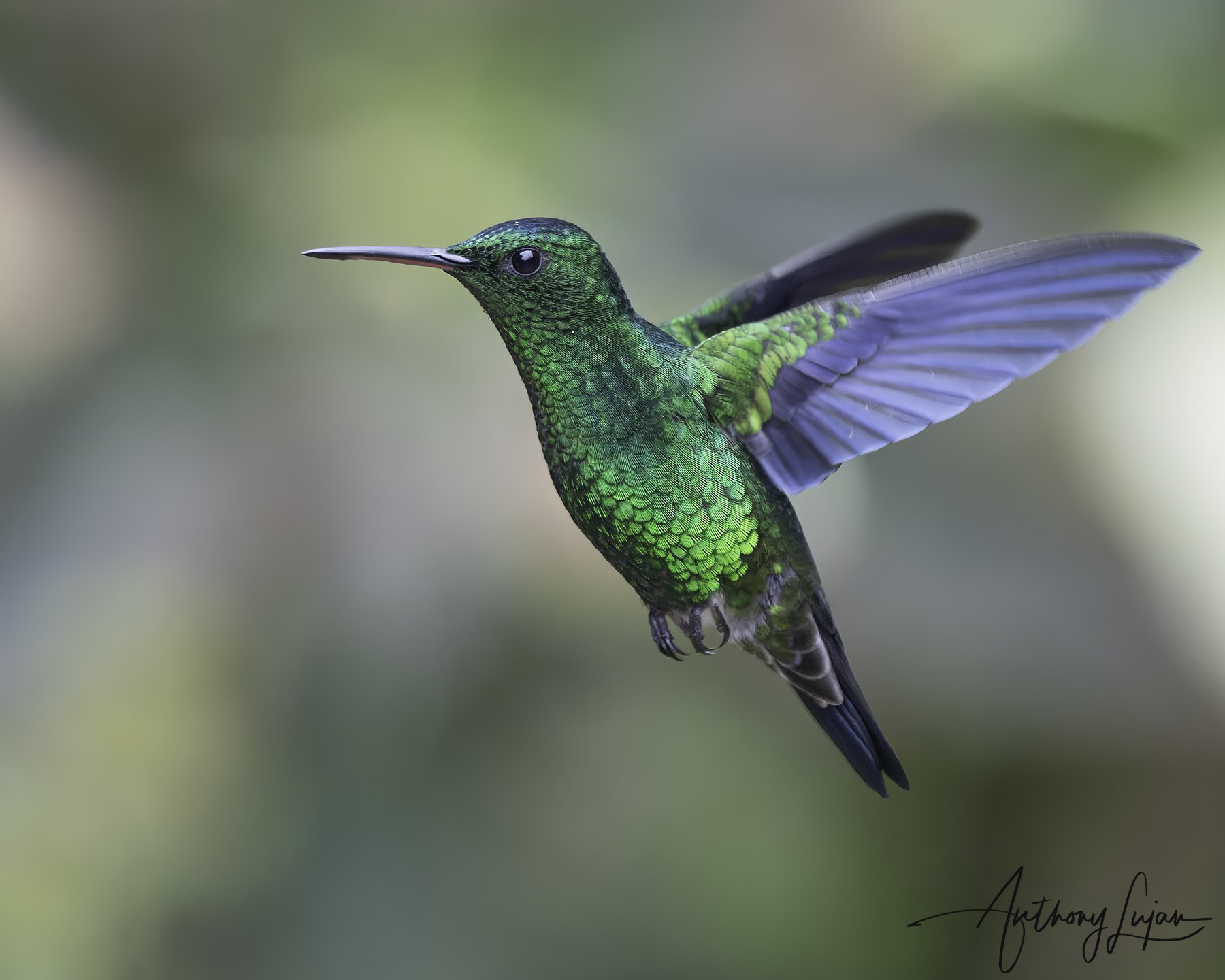
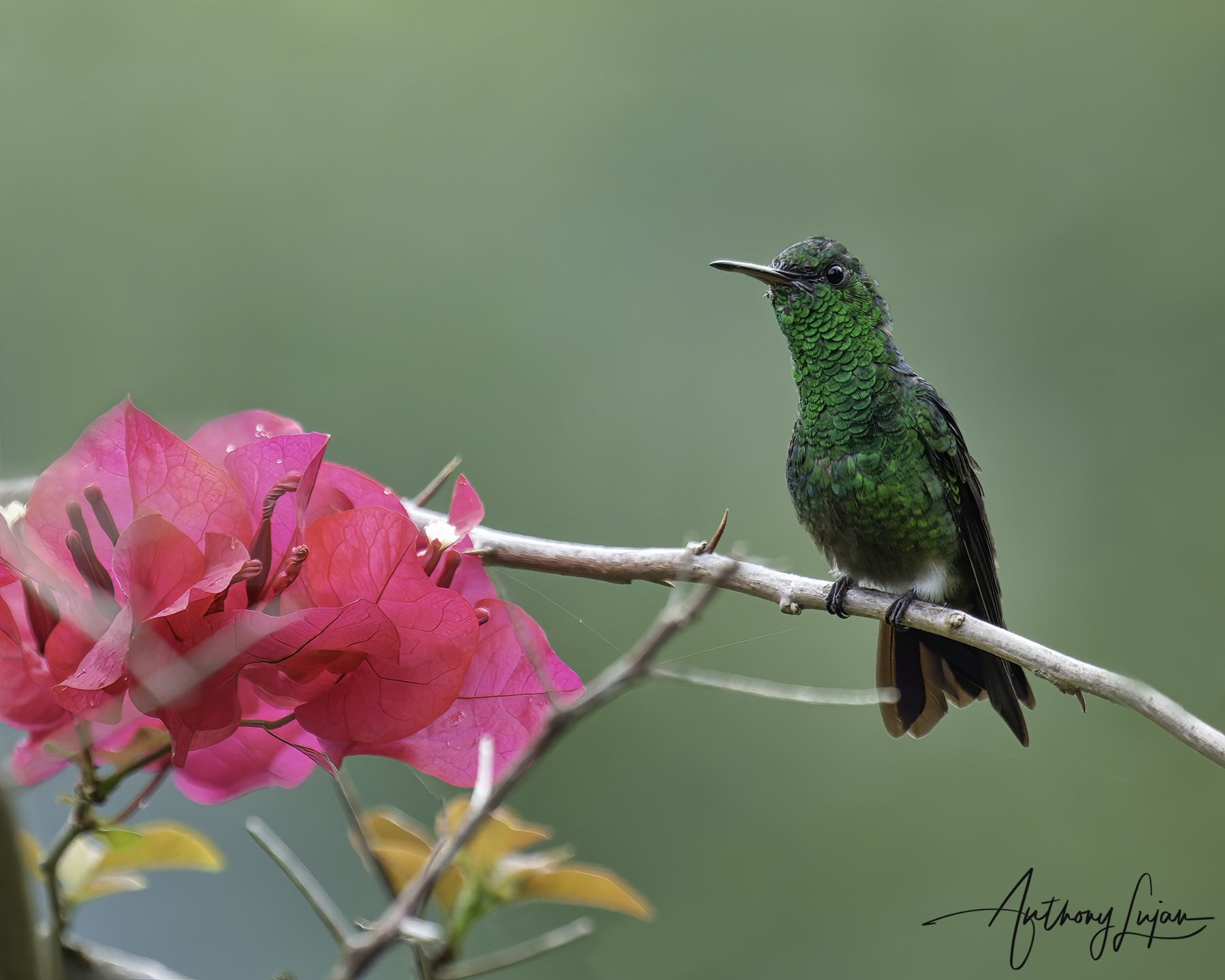
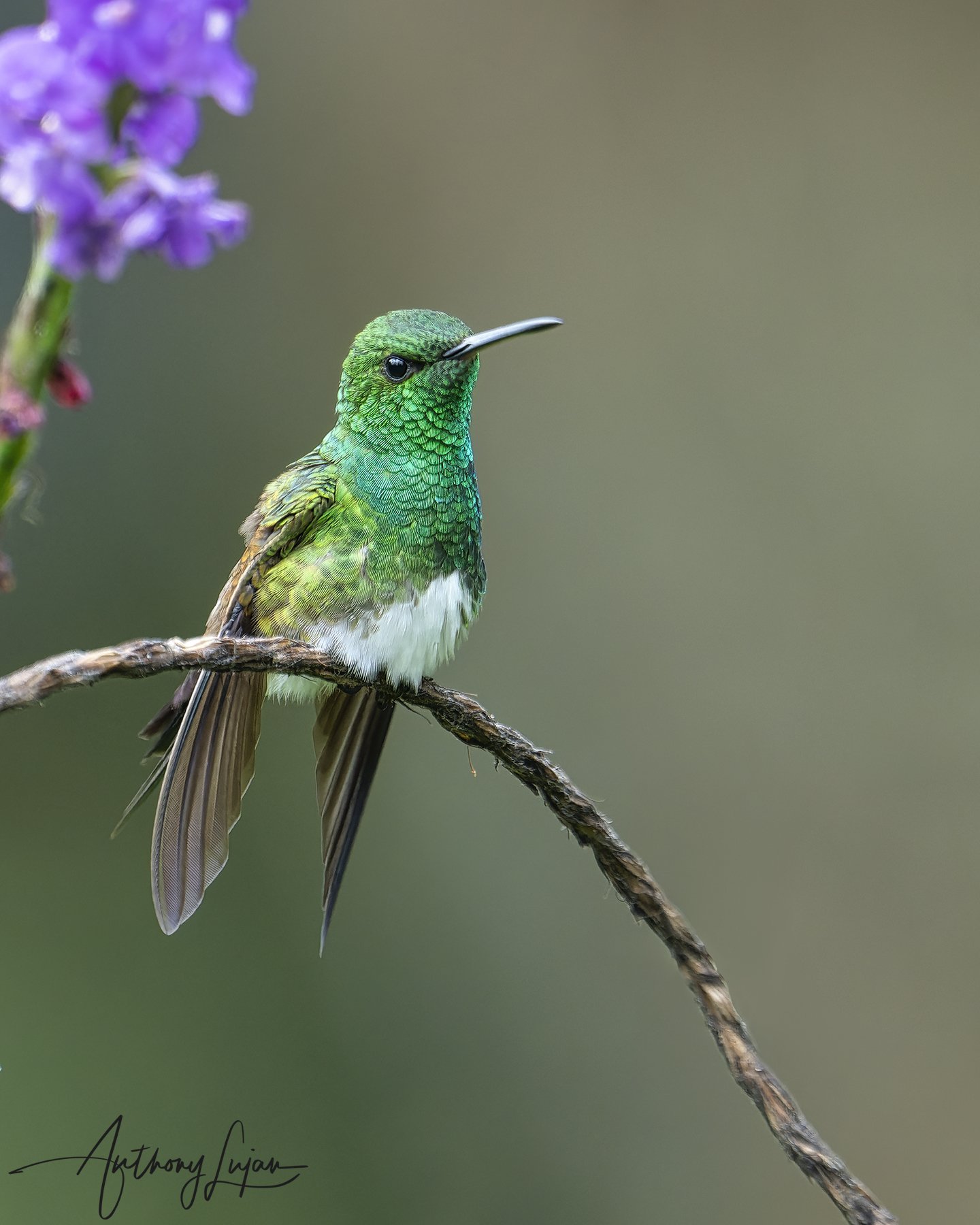
Below is the Steely-vented Hummingbird (Saucerottia saucerottei warscewiczi)
Photographed at Hotel Minca, Observatorio de Aves de Minca, and Mountain House-Bird Lodge, Magdalena, Colombia
These individuals belong to the subspecies warscewiczi, which occurs in northern Colombia from La Guajira west to Sucre and south through the Magdalena Valley to Norte de Santander. This population is distinguished by its overall similar appearance to the nominate form but may show slightly greener vent coloration and more bronzy tones on the upperparts, typical of humid lowland foothills and drier secondary habitats.
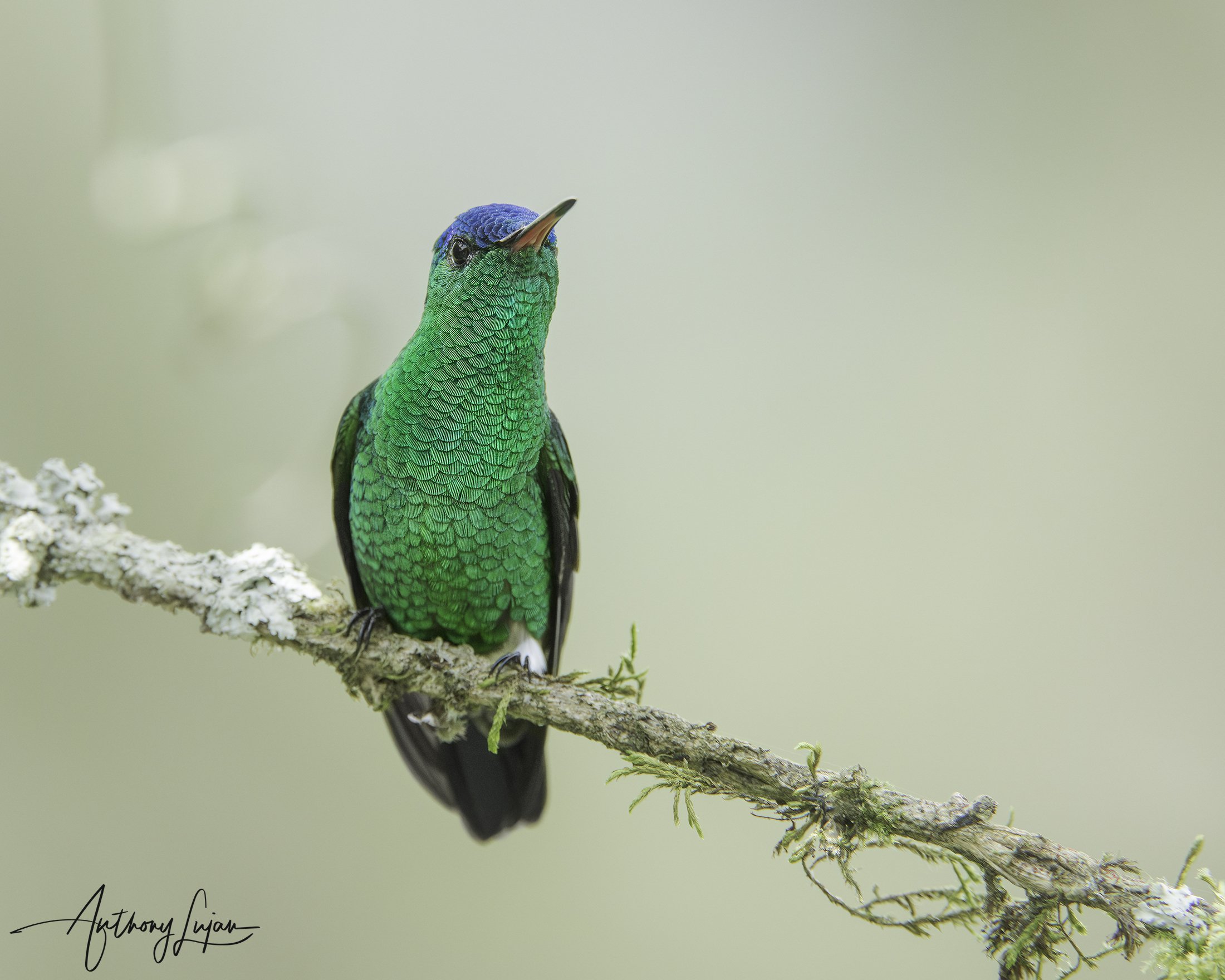
Below is the Steely-vented Hummingbird (Saucerottia saucerottei saucerottei)
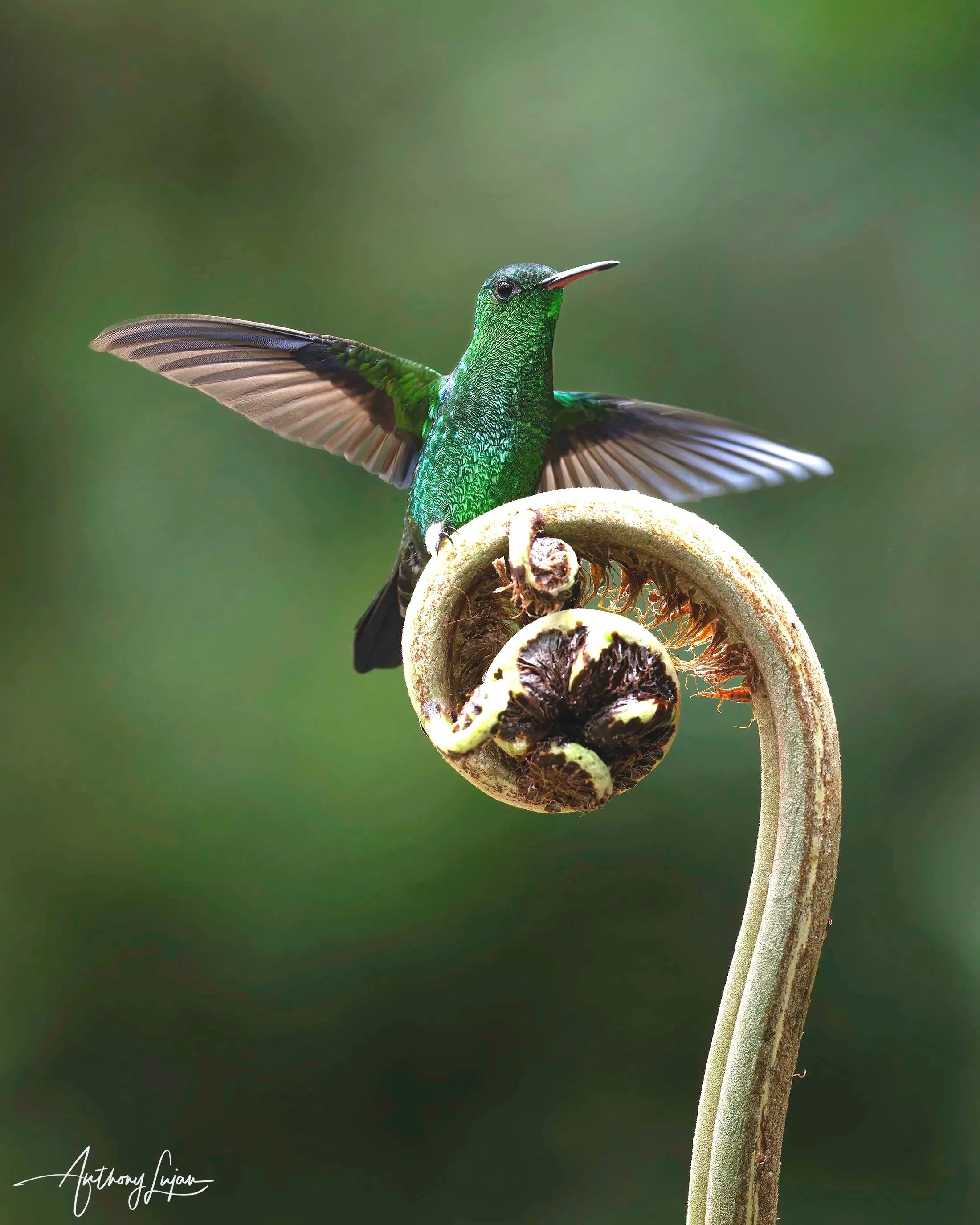
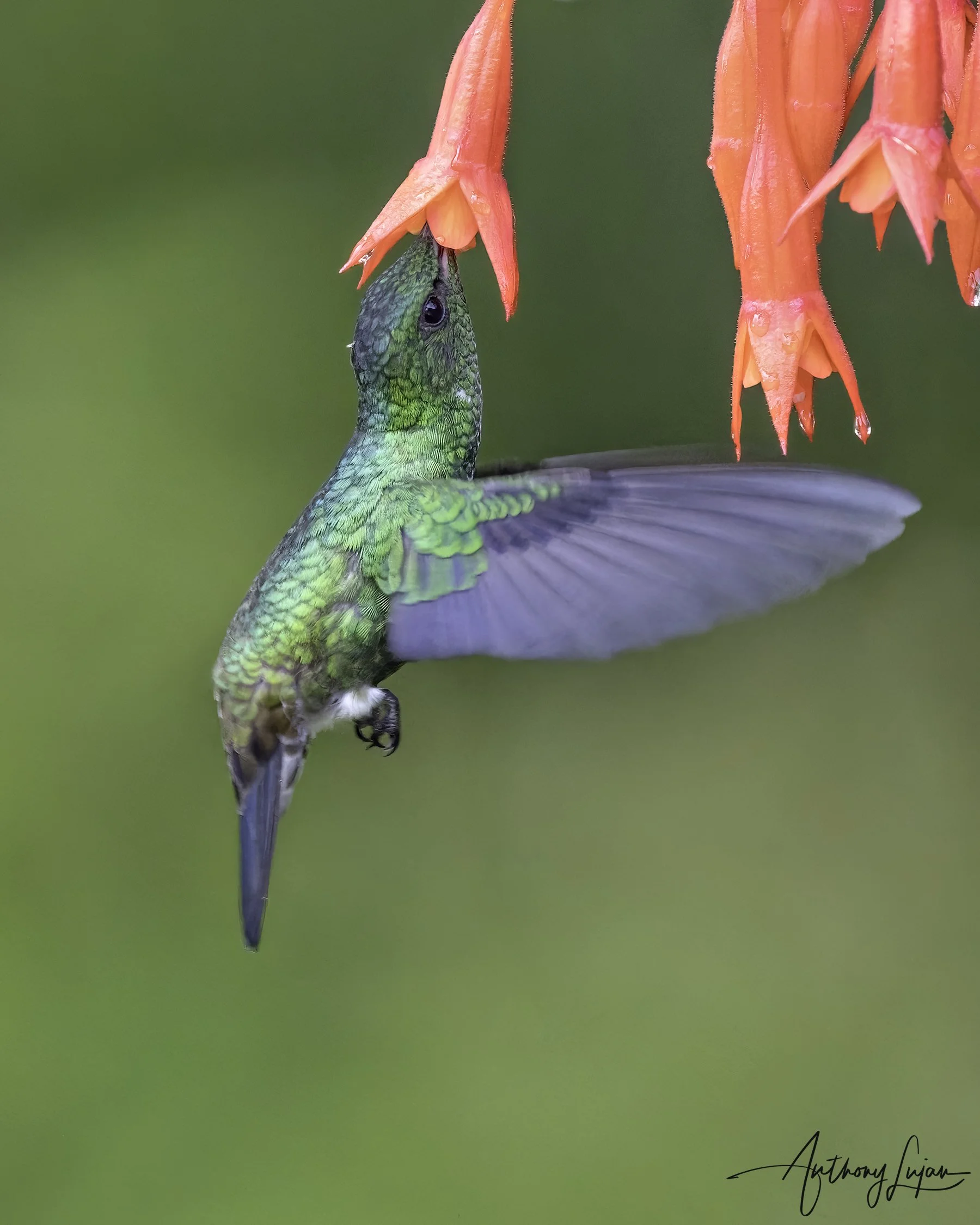
Photographed at La Florida – Bosque de Las Aves and Finca La Araucana, Valle del Cauca, Colombia and Hacienda El Bosque, Cali, Colombia
These individuals belong to the subspecies saucerottei, which occurs along the western slope of the Western Andes and through the Cauca Valley of Colombia. Birds in this population show bronzy-green upperparts with a strong blue gloss on the tail and steely vent feathers, adapted to open forest edge, gardens, and second growth between low and mid elevations.
Checkout Anthony’s playlist of this species! Click the top right dropdown to see all the videos.
Related species in the Saucerottia genus (11 species total):



Please note: The content provided in this article reflects Anthony’s personal experience and photographic approach. Results can vary depending on light, weather, location, equipment, subject behavior, and field conditions.