
Blue-throated Mountain-gem
Scientific name: Lampornis clemenciae
The Blue-throated Mountain-gem, also known as Blue-throated Hummingbird, is a large, dominant mountain hummingbird of the southwestern United States and Mexican highlands. It is the largest hummingbird that regularly breeds in the U.S., favoring cool, wooded canyons and pine–oak and conifer forests near streams. With an estimated 2,000,000 mature individuals and a Stable population trend, it is currently assessed as Least Concern.
At a Glance
Family: Trochilidae (hummingbirds)
Clade: Mellisugini – “Bee” hummingbirds
Genus group:Lampornis — mountain-gems, medium to large highland hummingbirds with bold facial patterns and colorful throats
Range: Mountains of southeastern Arizona, southwestern New Mexico, and west Texas south through the highlands of Mexico to Oaxaca
Habitat: Cool coniferous, pine–oak, and mixed woodlands in canyons and along streams, especially in “sky island” mountains and Mexican highlands
Elevation: Typically about 1,300–3,900 m (4,300–12,800 ft), often 4,500–11,500 ft in the U.S. and up to nearly 13,000 ft in Mexico
Length: About 11–12.5 cm (4.3–4.9 in)
Weight: About 6–10 g (0.21–0.35 oz)
Number of mature individuals: 2,000,000
Population trend: Stable
Status: Least Concern (IUCN)
Name Origin
The genus name Lampornis combines Greek lampros (“bright,” “shining”) and ornis (“bird”), referring to the bright, glittering throat patches and bold plumage typical of mountain-gems. The species name clemenciae honors Clémence (often interpreted as a dedication to a woman named Clémence associated with the describer Lesson). Together, Lampornis clemenciae can be read as “Clémence’s bright bird,” a fitting name for this large, blue‑throated hummingbird.
Subspecies and Distribution
Three subspecies:
Lampornis clemenciae clemenciae
Distribution: Nominate subspecies with the largest range; found in Mexico’s Sierra Madre Oriental and central plateau south to Oaxaca.Lampornis clemenciae bessophilus
Distribution: Southeastern Arizona and the northwestern Mexican states of Sonora, Chihuahua, and Durango.Lampornis clemenciae phasmorus
Distribution: Chisos Mountains of southern Texas as a breeding bird; nonbreeding range poorly known, possibly extending into northeastern Mexico.
Across these subspecies, Blue-throated Mountain-gem occurs in “sky island” ranges of southeastern Arizona, southwestern New Mexico, and west Texas, and south through Mexican highlands along the Sierra Madre Oriental and central plateau to Oaxaca.
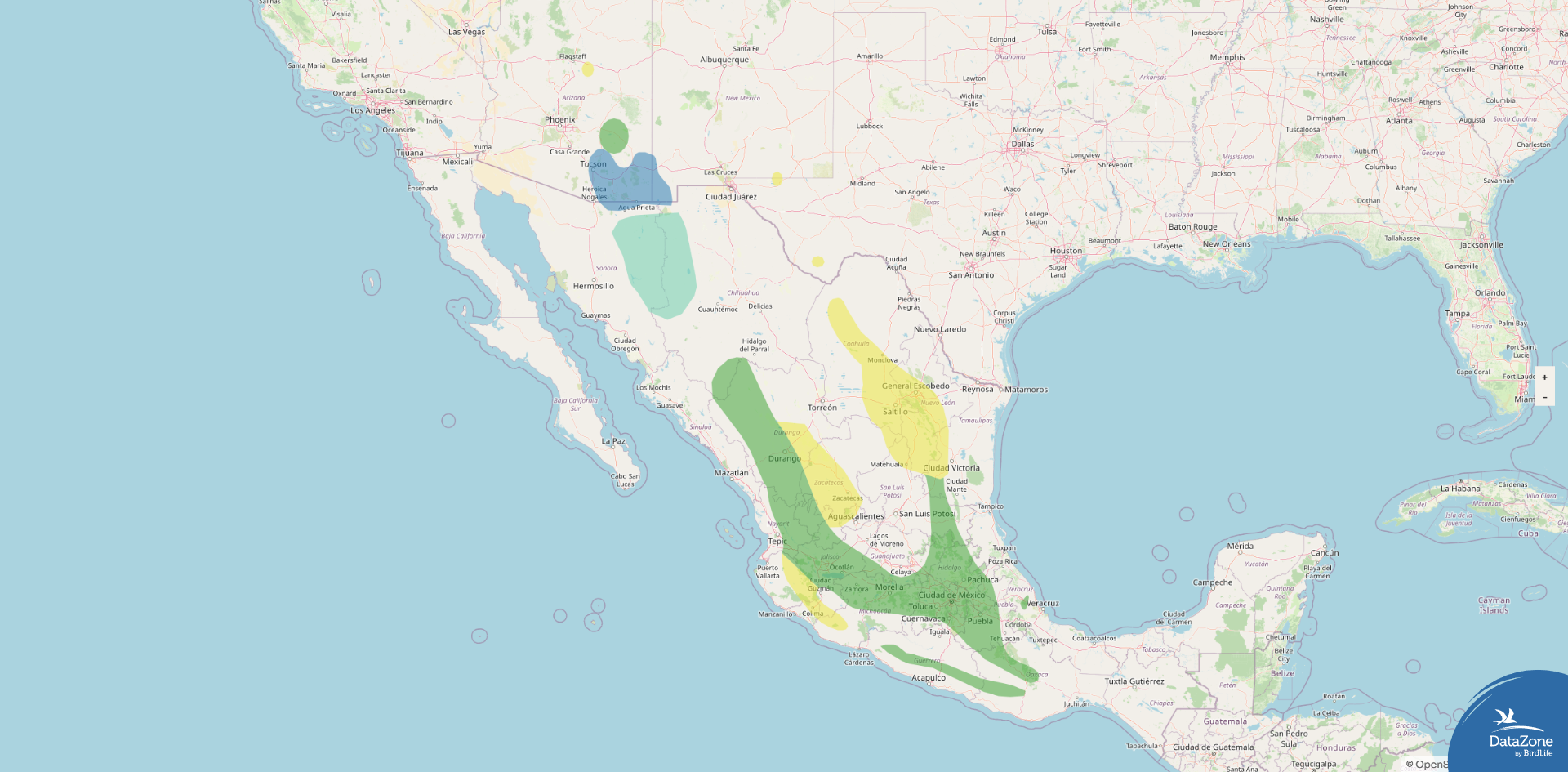
Legend
Green Resident
Yellow Breeding
Blue Non-breeding
Species Overview
The Blue-throated Mountain-gem is the largest breeding hummingbird in the United States and a conspicuous, often dominant presence at mountain feeders and flower patches. It favors cool, moist canyons and pine–oak and conifer forests near streams, where males advertise with loud, sweet chips from exposed song perches. With about 2,000,000 mature individuals and a broadly Stable trend, it remains a characteristic hummingbird of “sky island” forests in the Southwest and highland forests in Mexico.
Identification
Male
Adult males are large hummingbirds with bronzy‑green to golden‑green upperparts and a uniform light gray underside. The throat bears a bold, iridescent blue patch that can appear dull or dark until it catches the light, set off by two strong white facial stripes—one above and one below the eye—that frame the blue gorget. The tail is dark with conspicuous white corners and tips, especially obvious in flight, and the bill is fairly long, straight, and black. Males often look big, long‑tailed, and somewhat “stocky” compared with other hummingbirds at the same feeders, and are typically dominant in aggressive interactions.
Female
Females are similar in size and overall pattern but lack the blue throat, showing a grayish throat and breast instead. They retain the double white facial stripes and white tail corners, which are good field marks even without the blue gorget. Immature males resemble females but gradually develop blue throat feathers, while immatures of both sexes share the same structural traits—large size, white tail corners, and bold facial pattern.
Habitat and Behavior
In the United States, Blue-throated Mountain-gems inhabit cool coniferous and mixed woodlands in “sky island” mountains of southeastern Arizona, southwestern New Mexico, and west Texas, almost always near flowing water in shady canyons. They use riparian forests with sycamores, maples, and willows, as well as pine–oak and mixed conifer forests, typically between about 3,200 and 11,500 ft. In Mexico, they range even higher, up to nearly 12,800 ft, and mainly use pine–fir and pine–oak forests, especially along flower‑rich stream corridors and gaps.
These hummingbirds forage in the understory and mid‑story, feeding on nectar from a wide variety of flowers along streams, canyon edges, and forest gaps, and they frequently visit hummingbird feeders. They also take small insects for protein, hawking them in flight or gleaning from foliage. Blue-throated Mountain-gems are bold and aggressive, often dominating smaller hummingbirds at feeders and nectar sources. Populations in Mexico are largely resident, while U.S. populations are mostly migratory, breeding at higher elevations in spring and summer and moving southward or downslope in fall, though some individuals overwinter at well‑stocked feeders in sheltered canyons.
Population and Threats
Blue-throated Mountain-gem has an estimated 2,000,000 mature individuals and a broadly Stable global population. It occupies a relatively wide elevational and geographic range from the southwestern U.S. to Oaxaca, Mexico, and uses a variety of montane forest types, including some human‑influenced areas with feeders. While no major rapid declines are documented, the species depends on healthy canyon and montane forest habitats, which can be affected by logging, water diversion, climate‑driven changes in stream flow, and forest fires.

Conservation
Conservation of Blue-throated Mountain-gem focuses on protecting riparian corridors and montane forests in “sky island” ranges and Mexican highlands. Maintaining intact pine–oak and conifer forests, preserving streamside vegetation, and managing fire and water use to sustain flower‑rich canyon habitats all benefit this species. In the U.S., many key populations occur in protected areas and on public lands, while in Mexico, continued forest conservation and sustainable land use in highland regions are important to keep populations Stable.
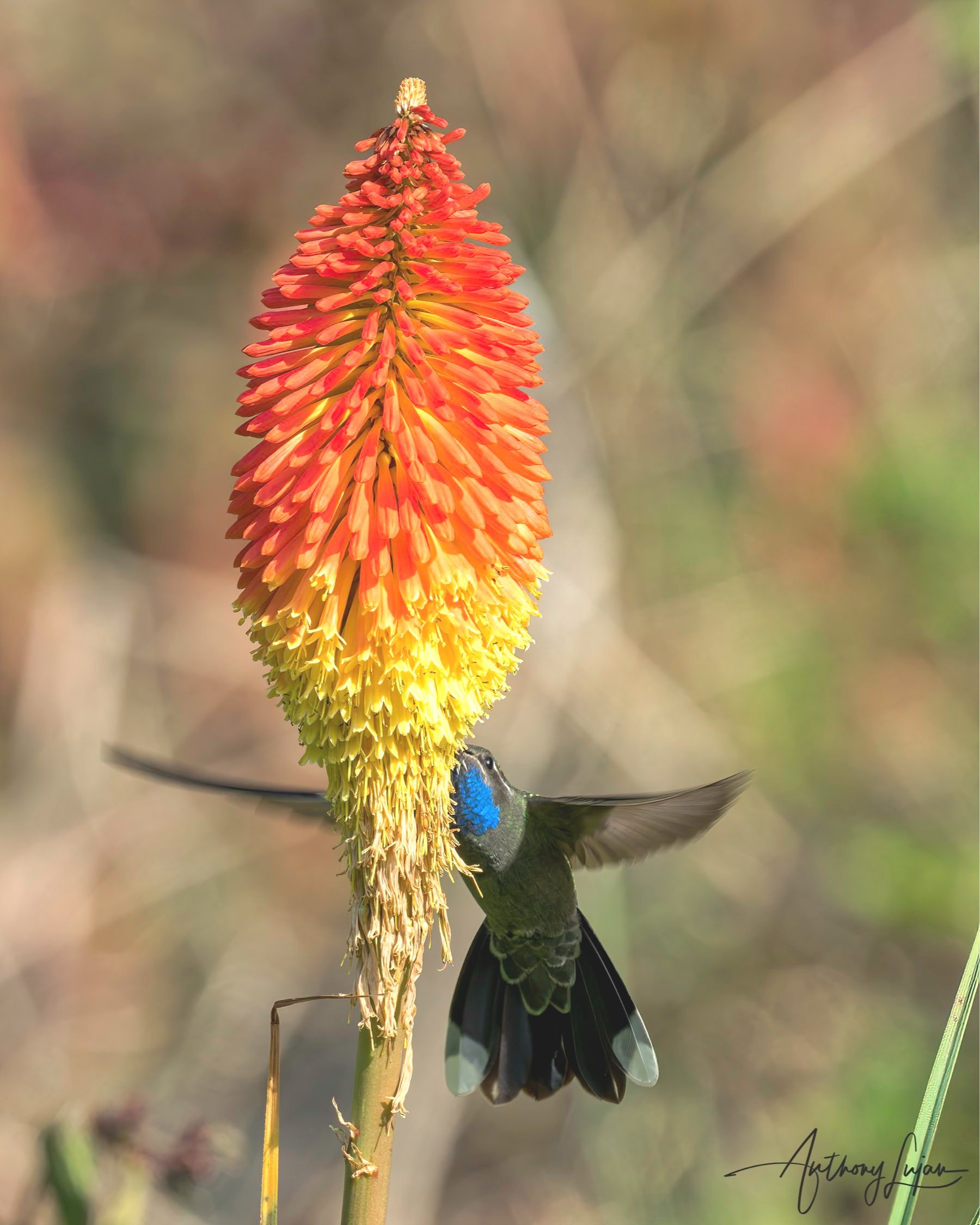
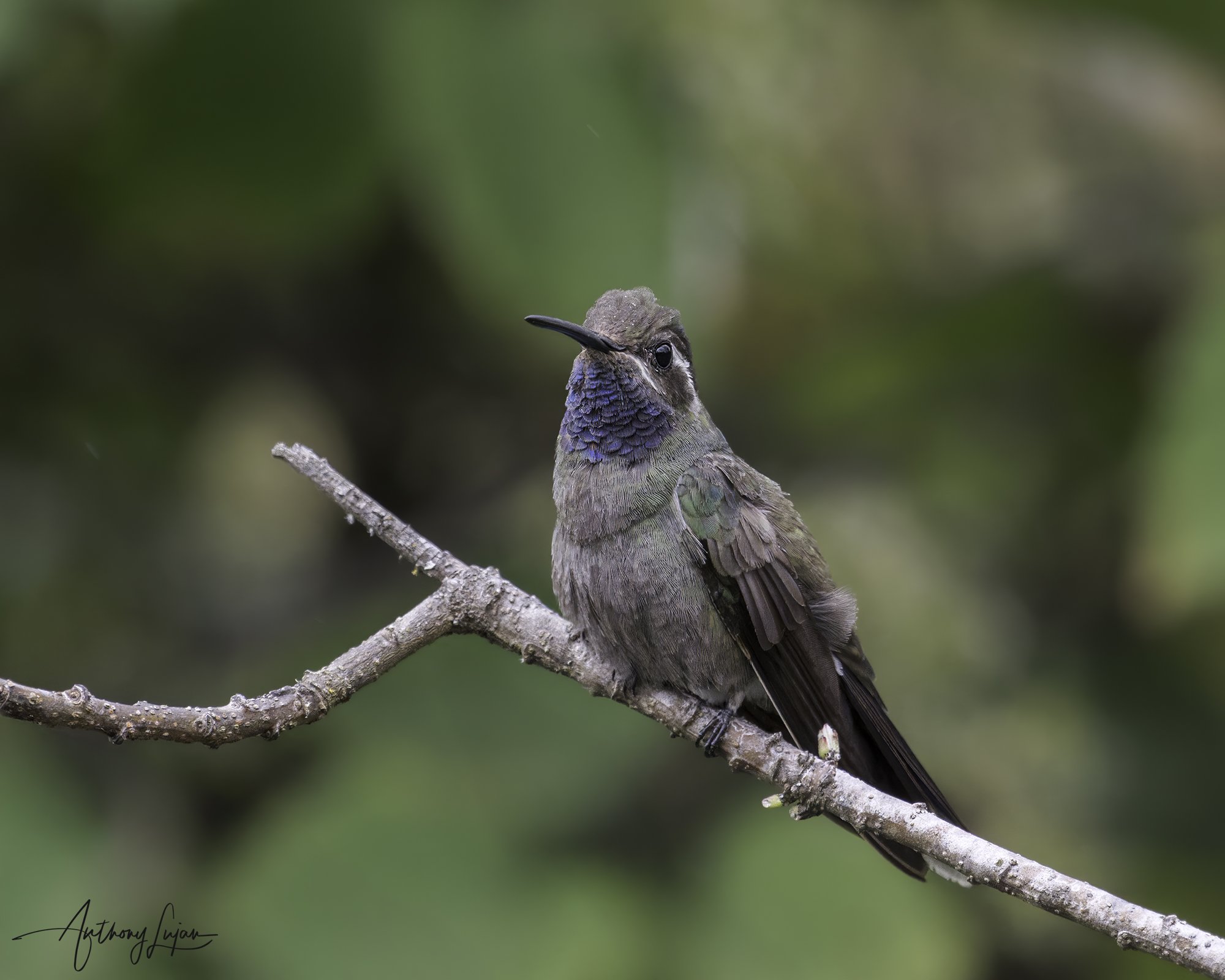
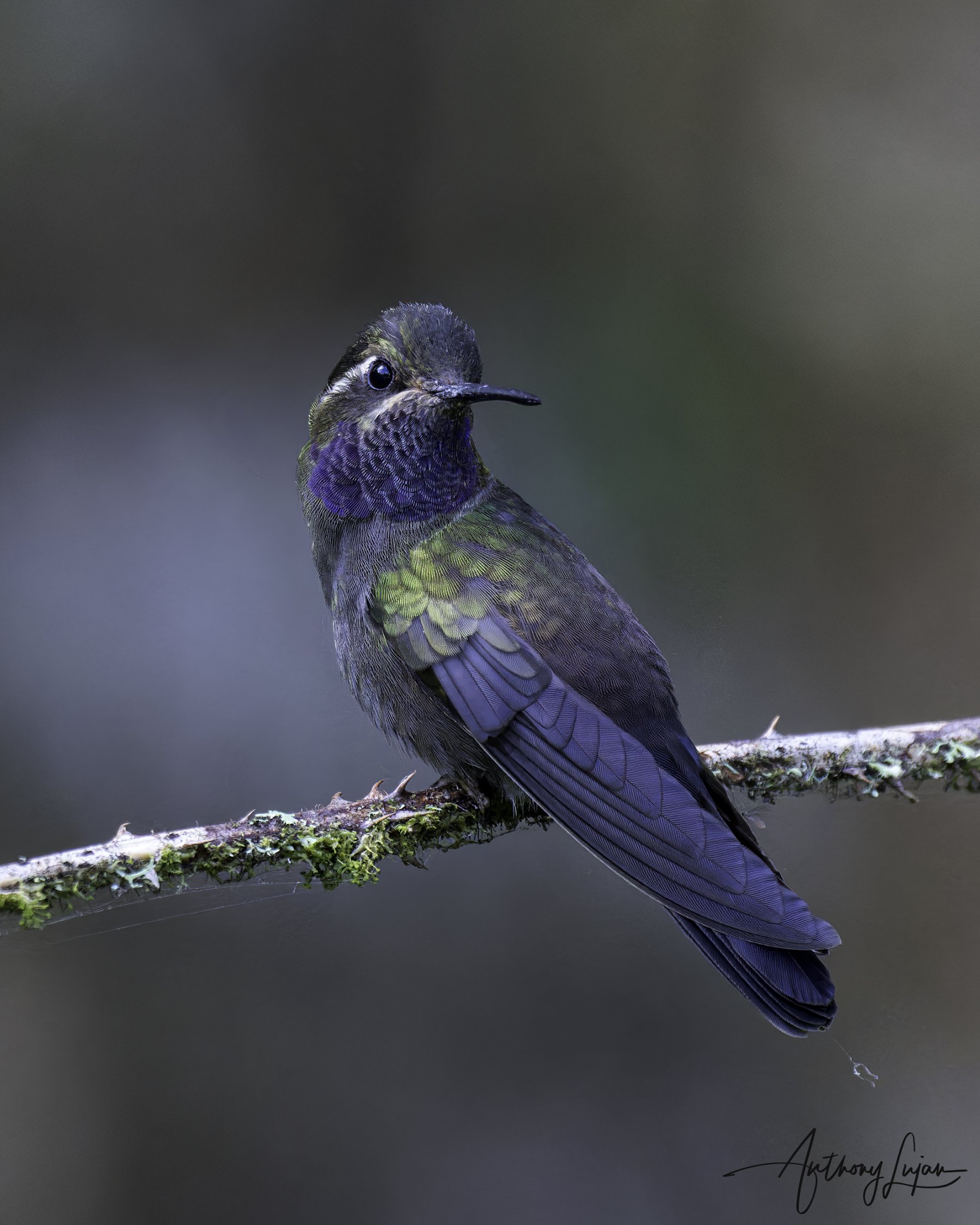
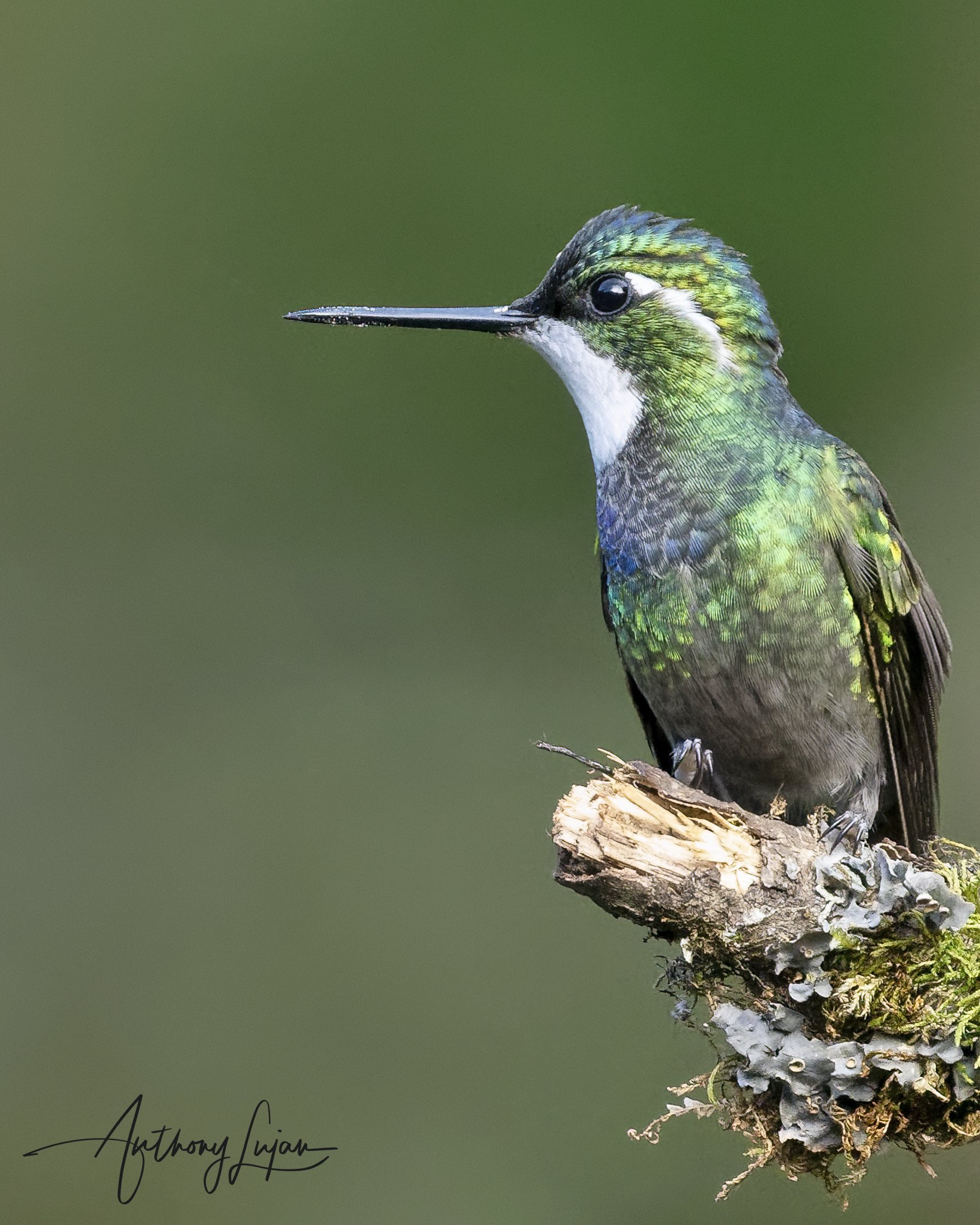
Below is the Blue-throated Mountain-gem (Lampornis clemenciae clemenciae)
Photographed in Omiltemi, Chilpancingo de los Bravo, Guerrero, and Cabañas Los Molinos, Ixtlán, Oaxaca, Mexico
This individual belongs to the nominate subspecies clemenciae, which occurs throughout the highlands of Mexico from the Sierra Madre Occidental and del Sur south to Oaxaca. It inhabits pine-oak forest, montane forest edge, and riparian canyons between 1,200 and 3,000 meters, often foraging at flowering trees and shaded clearings.
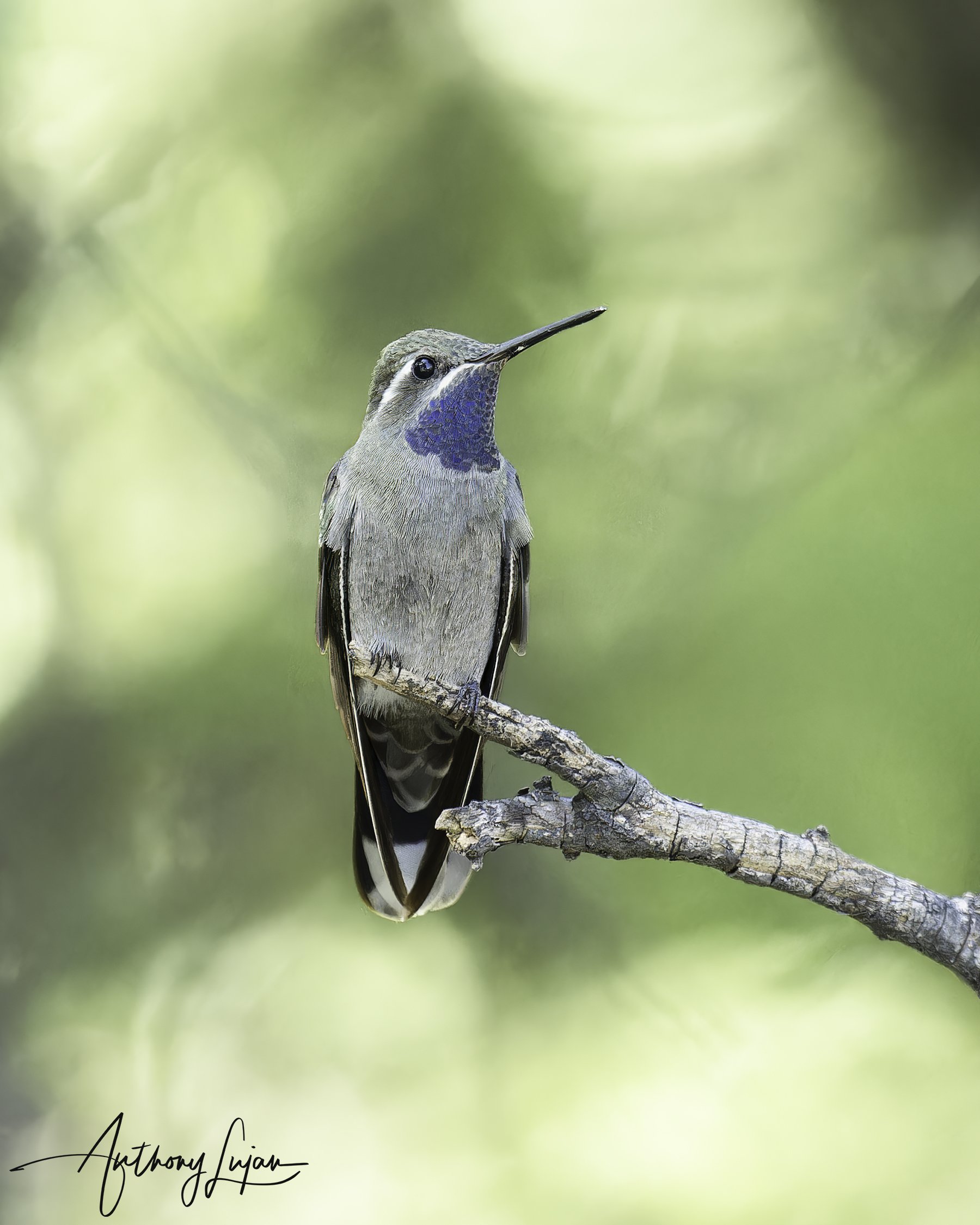
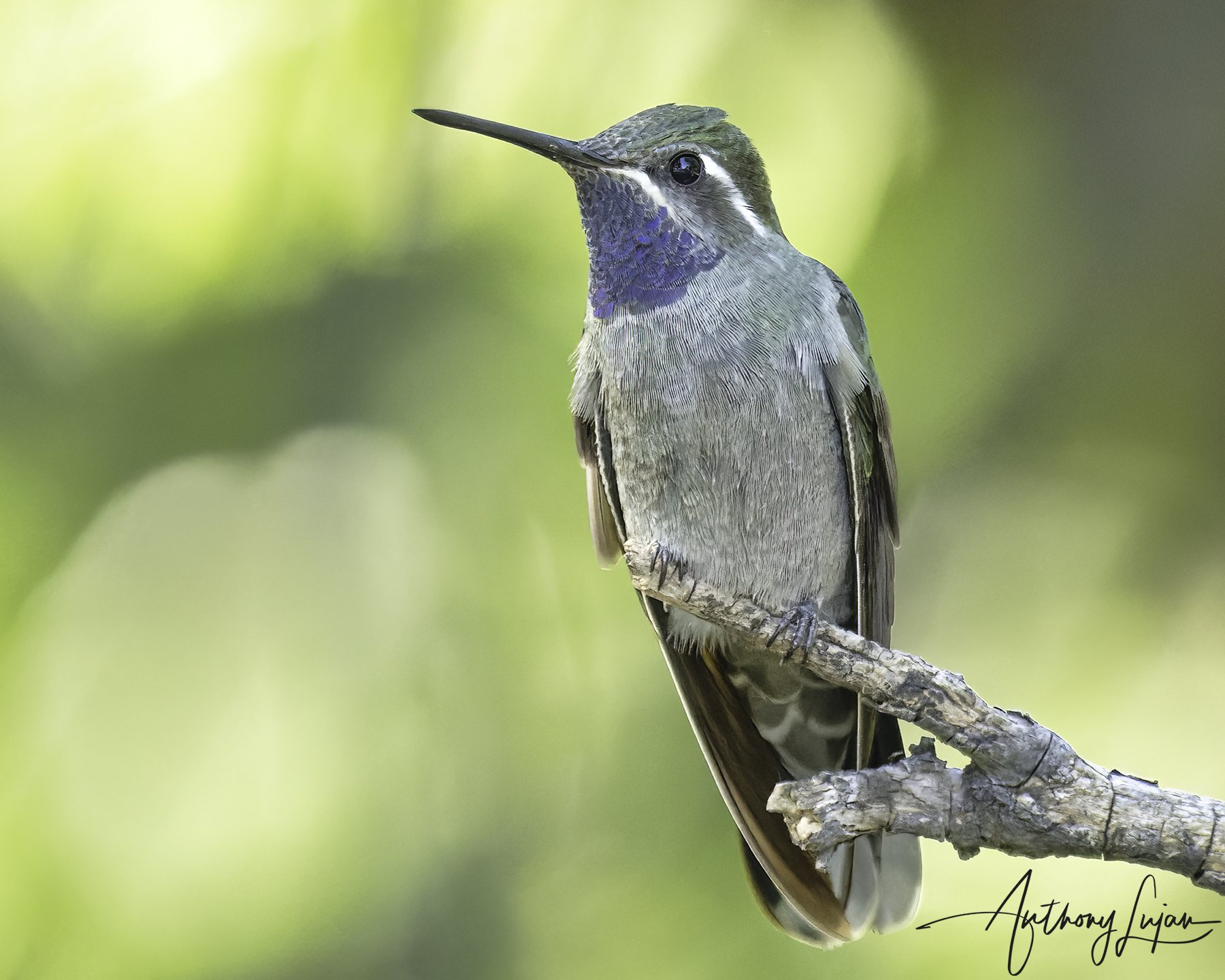
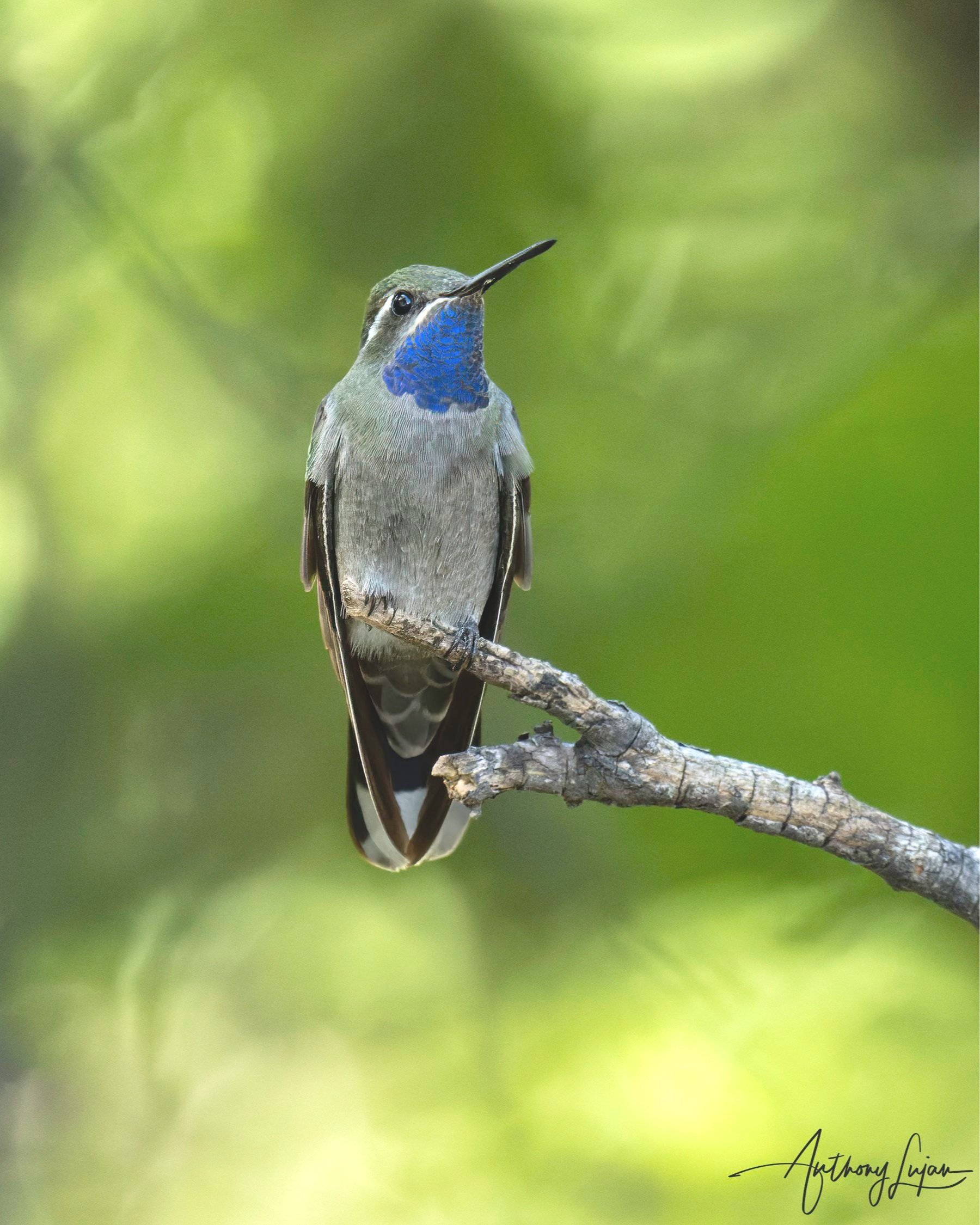
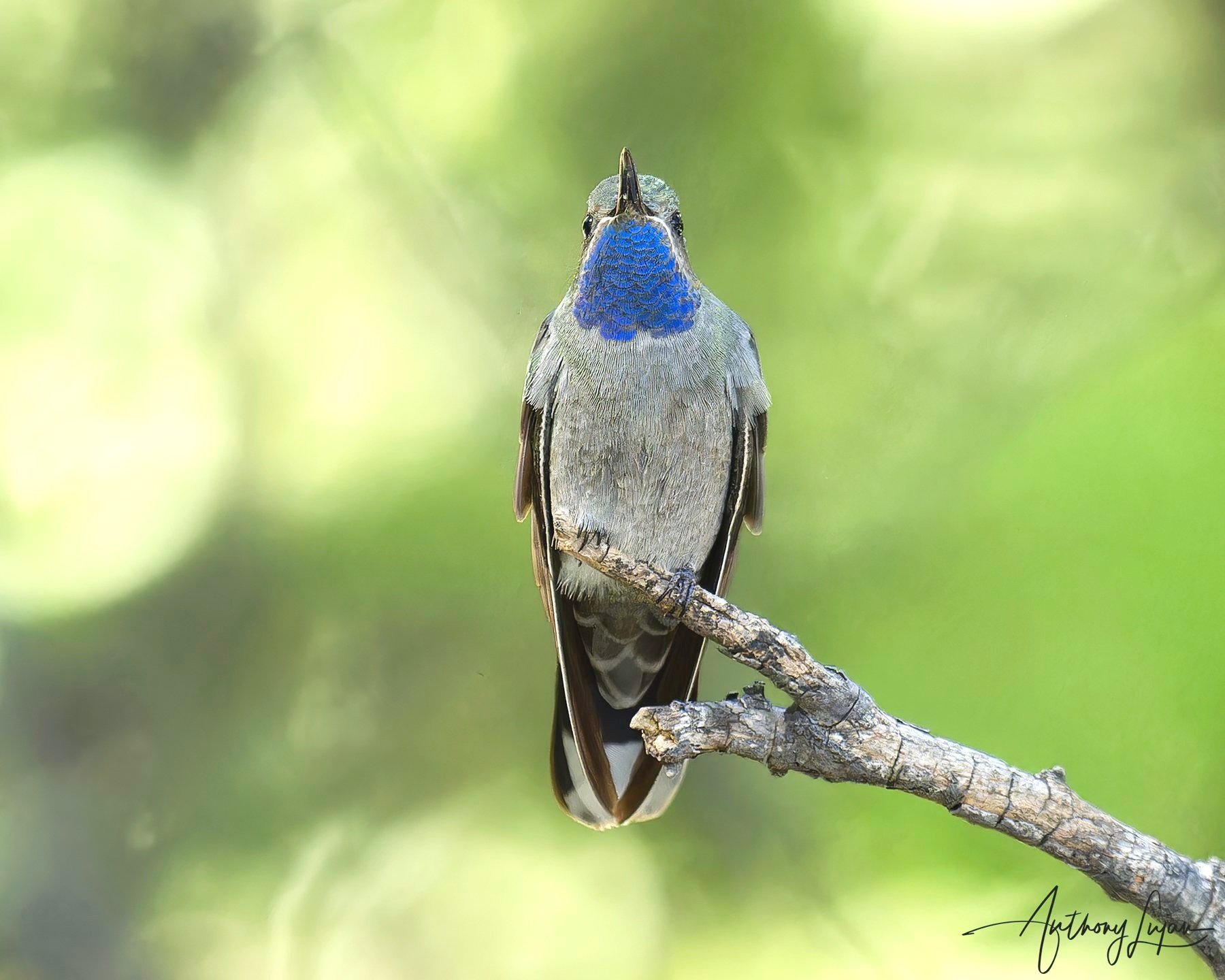
Below is the Blue-throated Mountain-gem (Lampornis clemenciae bessophilus)
Photographed in Cave Creek Canyon and Ramsey Canyon Inn, Cochise County, Arizona, United States
These individuals belong to the subspecies bessophilus, which represents the northernmost population of the species, found in the “Sky Island” mountain ranges of southeastern Arizona, southwestern New Mexico, and adjacent northern Sonora, Mexico. It inhabits shaded montane canyons, pine-oak forest, and riparian corridors above 1,500 meters.
This form is slightly smaller and paler than the Mexican nominate. Males display the same sapphire-blue throat and bold white malar stripes, while females show a dull grayish throat and olive-green upperparts. The species is a strong flier and a regular visitor to flowering trees and feeders, often defending resources aggressively.

Related species in the Lampornis genus (7 species total):



Please note: The content provided in this article reflects Anthony’s personal experience and photographic approach. Results can vary depending on light, weather, location, equipment, subject behavior, and field conditions.