
Blue-vented Hummingbird
Scientific name: Saucerottia hoffmanni
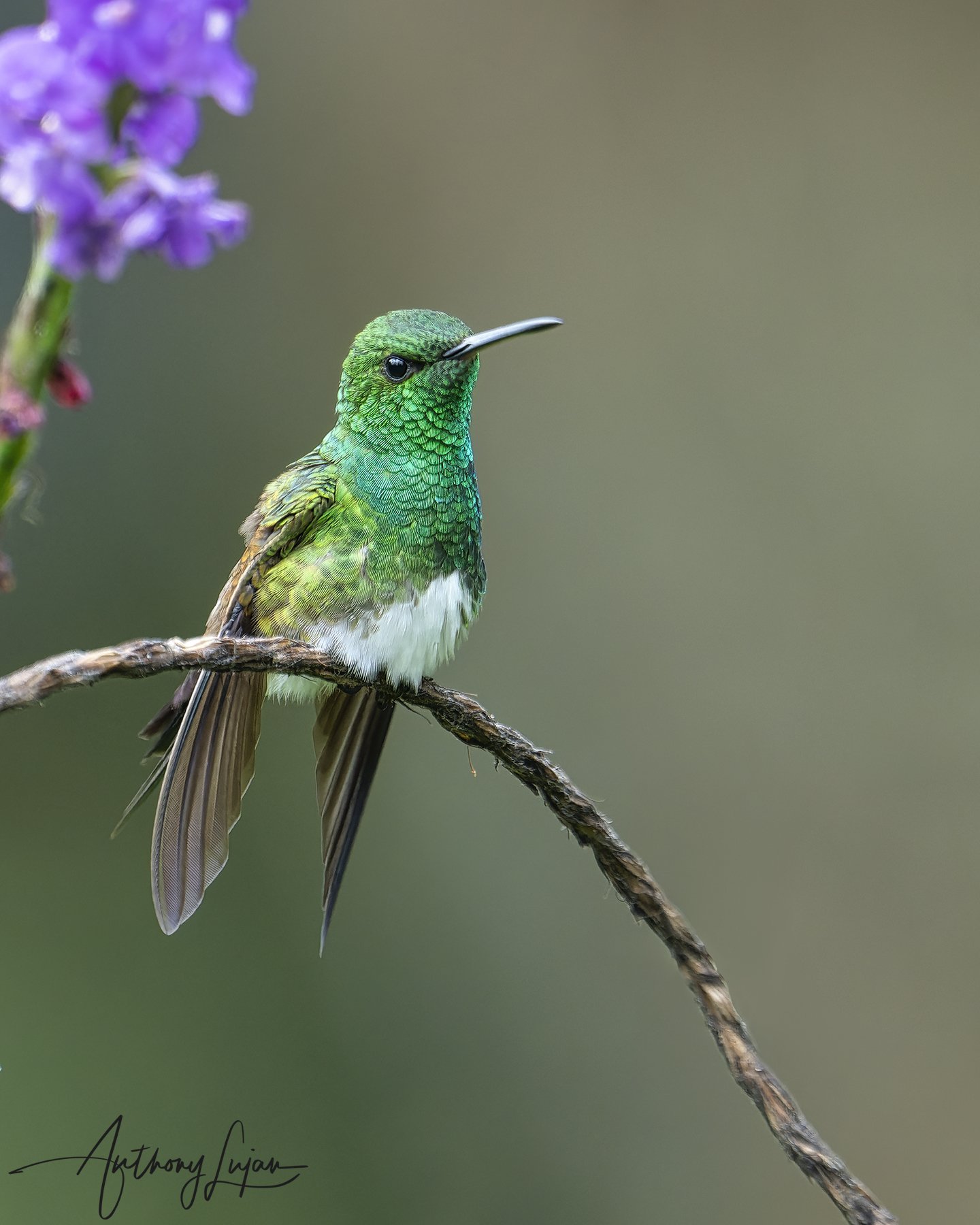
The Blue-vented Hummingbird is a small “emerald” hummingbird of western Nicaragua and Costa Rica, where it inhabits semi‑open to open landscapes such as scrublands, savanna, forest edges, secondary growth, and gardens. Its dark green body and dark blue tail give it a distinctive, somewhat dusky appearance compared with many brighter emeralds.
At a Glance
Family: Trochilidae (hummingbirds)
Clade: Trochilini – Emeralds
Genus group: Saucerottia — mid‑elevation and lowland emeralds of Mexico and Central America.
Range: Western Nicaragua south through much of Costa Rica, from the Pacific lowlands to central interior regions.
Habitat: Semi‑open to open landscapes including scrublands, savanna, edges of mature forest, secondary forest, plantations, and gardens; often in relatively dry to moderately moist areas.
Elevation: From sea level up to about 1,800 m (5,900 ft), most often below 1,500 m.
Length: about 8.5–9.5 cm (3.3–3.7 in).
Weight: roughly 4–5 g (0.14–0.18 oz).
Number of mature individuals: not quantified; believed to have a moderately large population within a relatively small range.
Population trend: Decreasing.
Status: Least Concern (IUCN).
Name Origin
The genus name Saucerottia honors Antoine Claudius Saucerotte, an 18th‑century French physician and naturalist who studied hummingbirds. The species name hoffmanni commemorates the German naturalist Karl Hoffmann, who collected extensively in Costa Rica. The English name “Blue-vented Hummingbird” refers to the bluish tones on the vent and tail region.
Subspecies and Distribution
Taxonomic authorities differ on whether the Blue-vented Hummingbird is a distinct species or part of a wider Steely-vented complex, but most current global lists now treat Saucerottia hoffmanni as a full species confined to Nicaragua and Costa Rica.
The species ranges from semiarid western Nicaragua south through much of Costa Rica. It occupies semi‑open to open habitats including scrublands, savanna, forest edges, secondary forest, plantations, and gardens, often in drier regions outside the rainiest forests. eBird maps show the core distribution along the Pacific slope and in interior valleys of western Nicaragua and central Costa Rica.
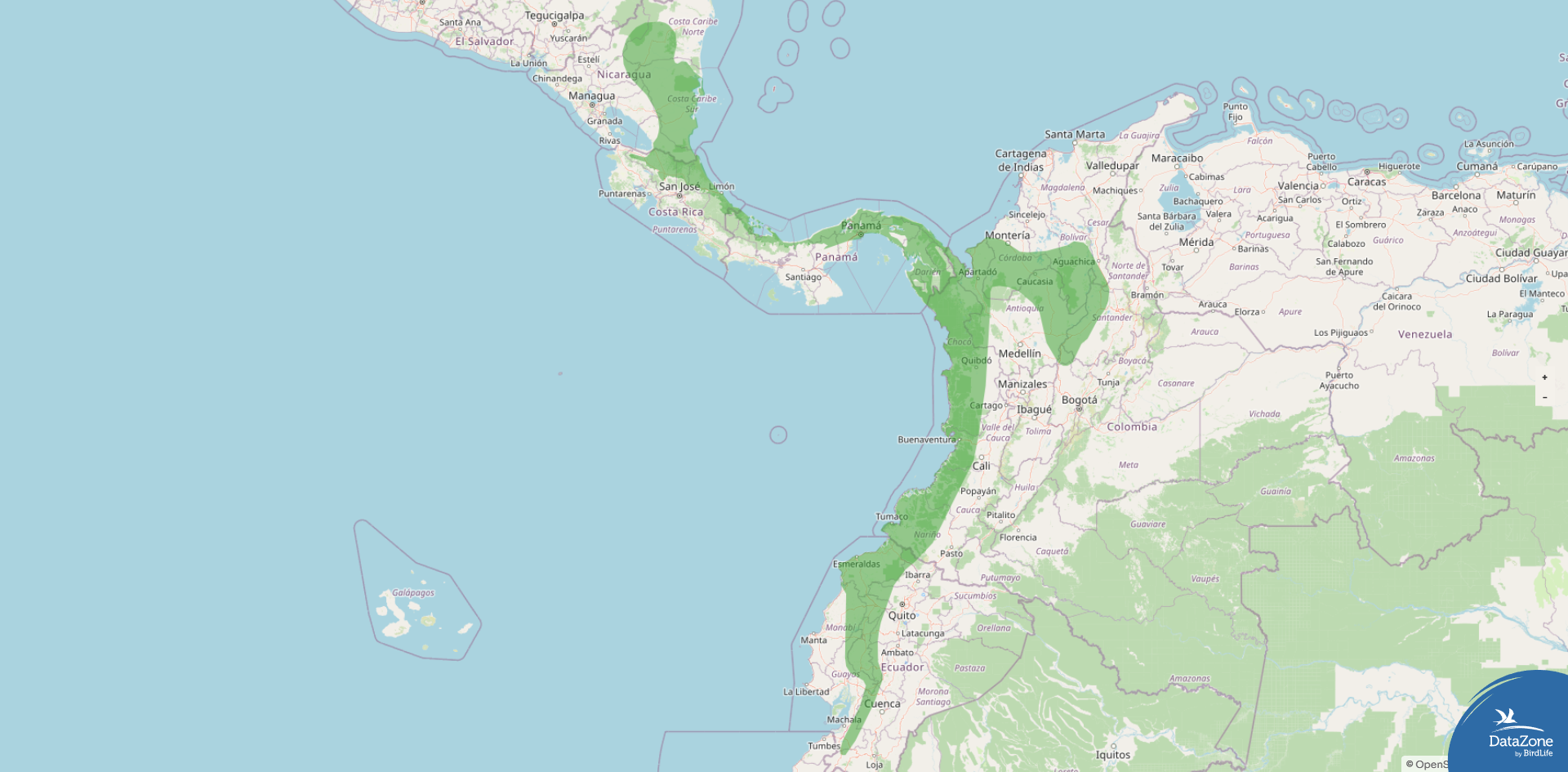
Legend
Green Resident
Species Overview
Blue-vented Hummingbird is a characteristic small hummingbird of open and semi‑open country in western Nicaragua and Costa Rica. It is fairly adaptable, using scrub, savanna, agroforestry, and gardens, and often approaches feeders and flowering ornamentals near houses and lodges. Compared with some other emeralds, its overall darker green plumage and dark blue tail give it a more subdued look that blends into shaded edges and hedgerows.
Identification
Adult
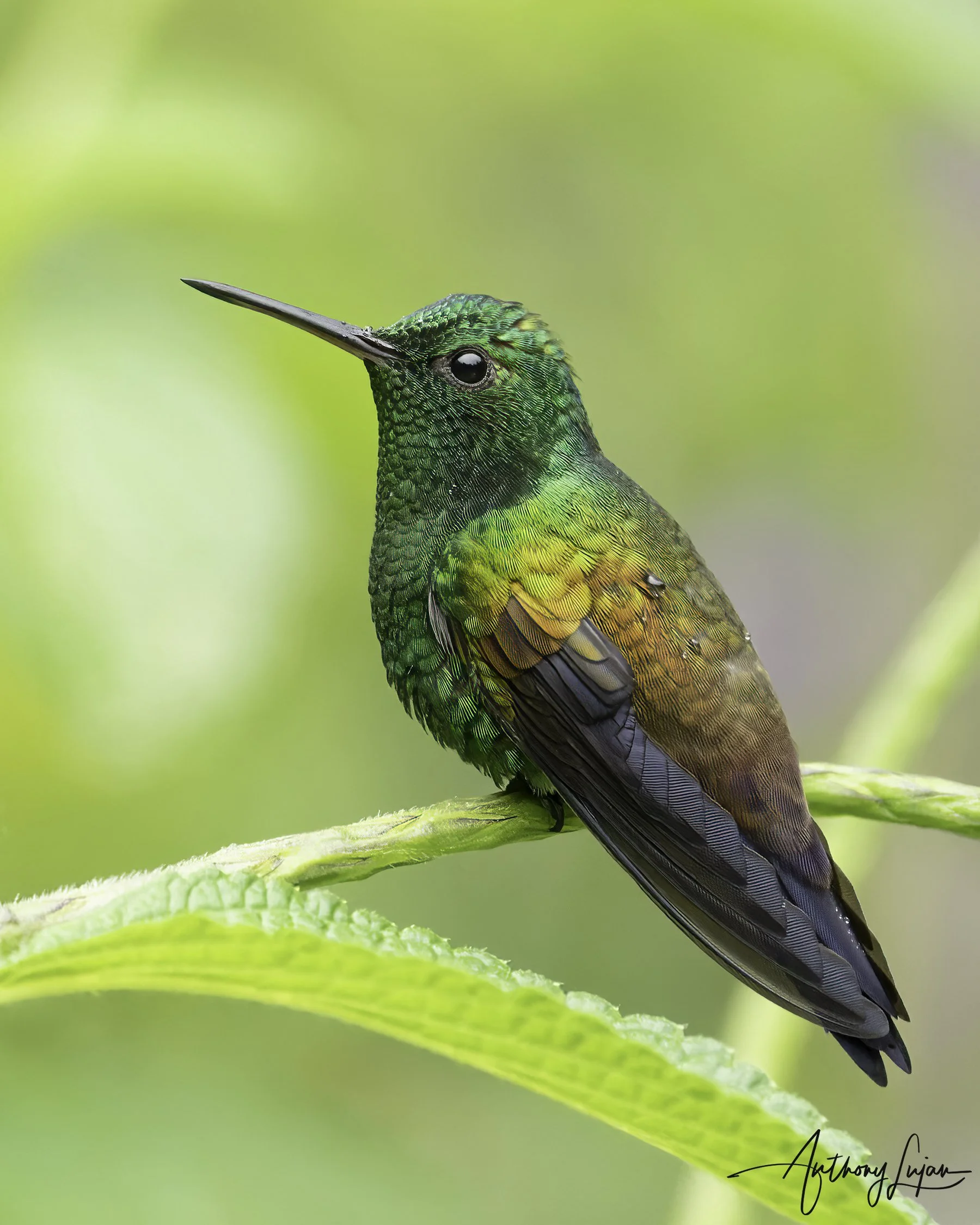
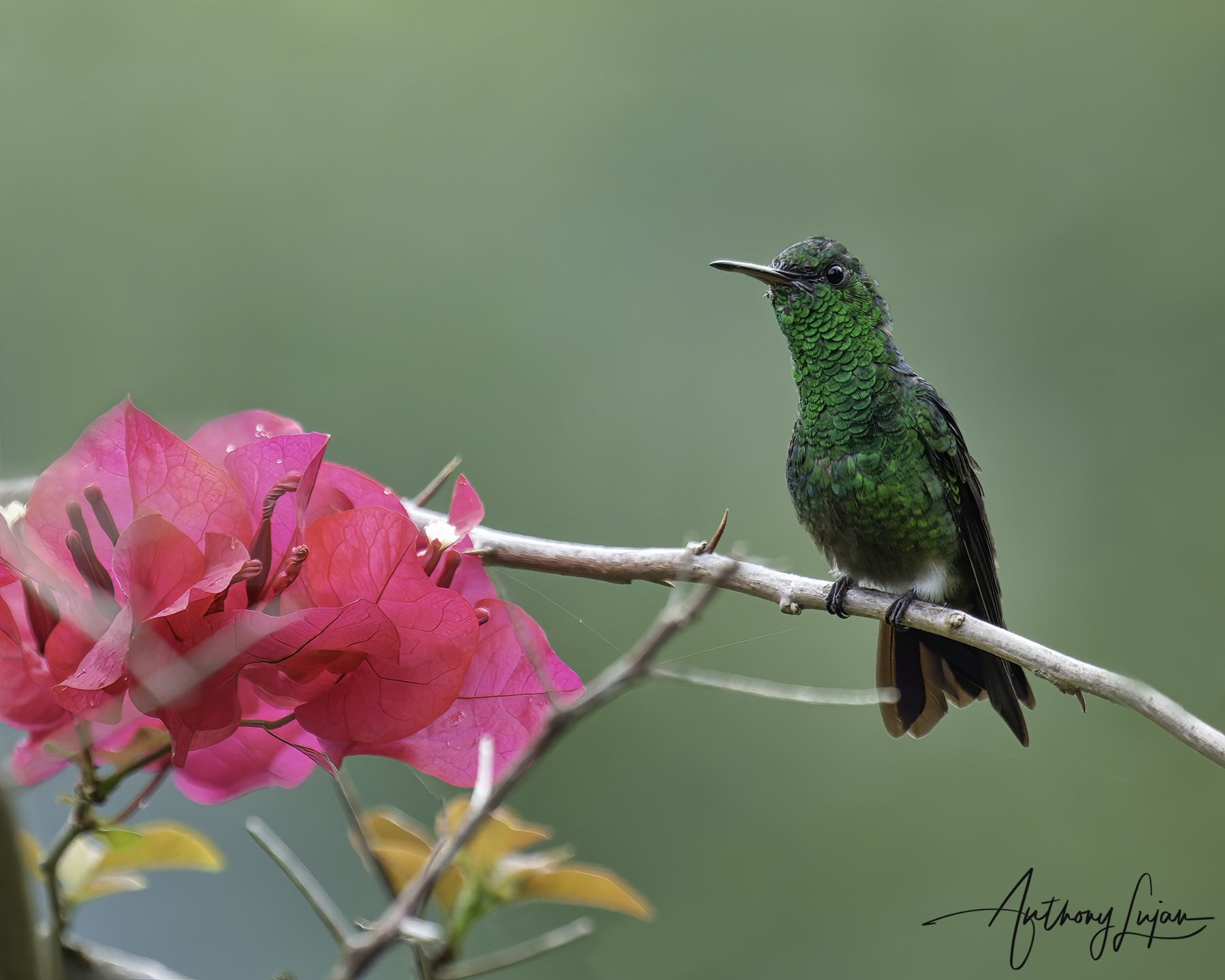
Blue-vented Hummingbirds are fairly small, green overall with a darker face, straight medium‑length black bill, and a dark blue tail. The upperparts are green, the underparts greenish to grayish with some bluish or darker vent and undertail coverts, and the tail shows dark blue or blue‑black tones that can be seen clearly when the bird fans or flicks it. In the field, the combination of small size, dark blue tail, and use of semi‑open scrub and gardens in western Nicaragua and Costa Rica is a strong identification clue.
Sexual dimorphism is subtle; males tend to have slightly more intense coloration, while females may appear a bit duller or grayer on the underparts, but both sexes share the same general pattern.
Habitat and Behavior
Blue-vented Hummingbirds inhabit semi‑open to open landscapes including scrublands, savannas, forest edges, secondary forest, plantations, and gardens. They often prefer relatively dry or moderately moist areas, shifting into moister habitats during the dry season when flowers are more available there. They feed on nectar from a variety of shrubs, trees, and herbaceous plants, and also take small insects as other hummingbirds do. Birds readily visit ornamental flowers and feeders around houses and eco‑lodges, showing their ability to exploit human‑modified environments.
Population and Threats
Blue-vented Hummingbird has a relatively small global range, limited to western Nicaragua and Costa Rica, but within this range it remains fairly common in suitable habitats. It is currently assessed as Least Concern, yet BirdLife/IUCN list its population trend as Decreasing. Ongoing threats likely include habitat loss and degradation from agricultural expansion, urbanization, and changes in land use that simplify semi‑open mosaics into intensive agriculture or heavily built environments. Climate‑driven changes in rainfall and flowering patterns could also influence local abundance in the future, especially in seasonal savanna and scrub landscapes.

Conservation
Because Blue-vented Hummingbirds use scrublands, savannas, forest edges, secondary growth, and gardens, conservation of diverse semi‑open landscapes in western Nicaragua and Costa Rica is important. Maintaining hedgerows, flowering shrubs and trees, and patches of natural or semi‑natural vegetation within agricultural and suburban matrices can help support this species. Protecting remaining forest patches and managing savanna and scrublands in ways that retain nectar‑rich plants will also benefit Blue-vented Hummingbirds and many other pollinators in the region.


Interested in coming along? Visit Travel with Me!
Also visit Costa Rica Hummingbird Expedition | July 2021 | 10 Species | Where It All Started
Also visit Costa Rica Hummingbird Expedition | November 2021 | 22 New Species | Second Chances
Also visit Costa Rica Hummingbird Expedition | July 2025 | 32 Species | 10 New | Closing the Gap
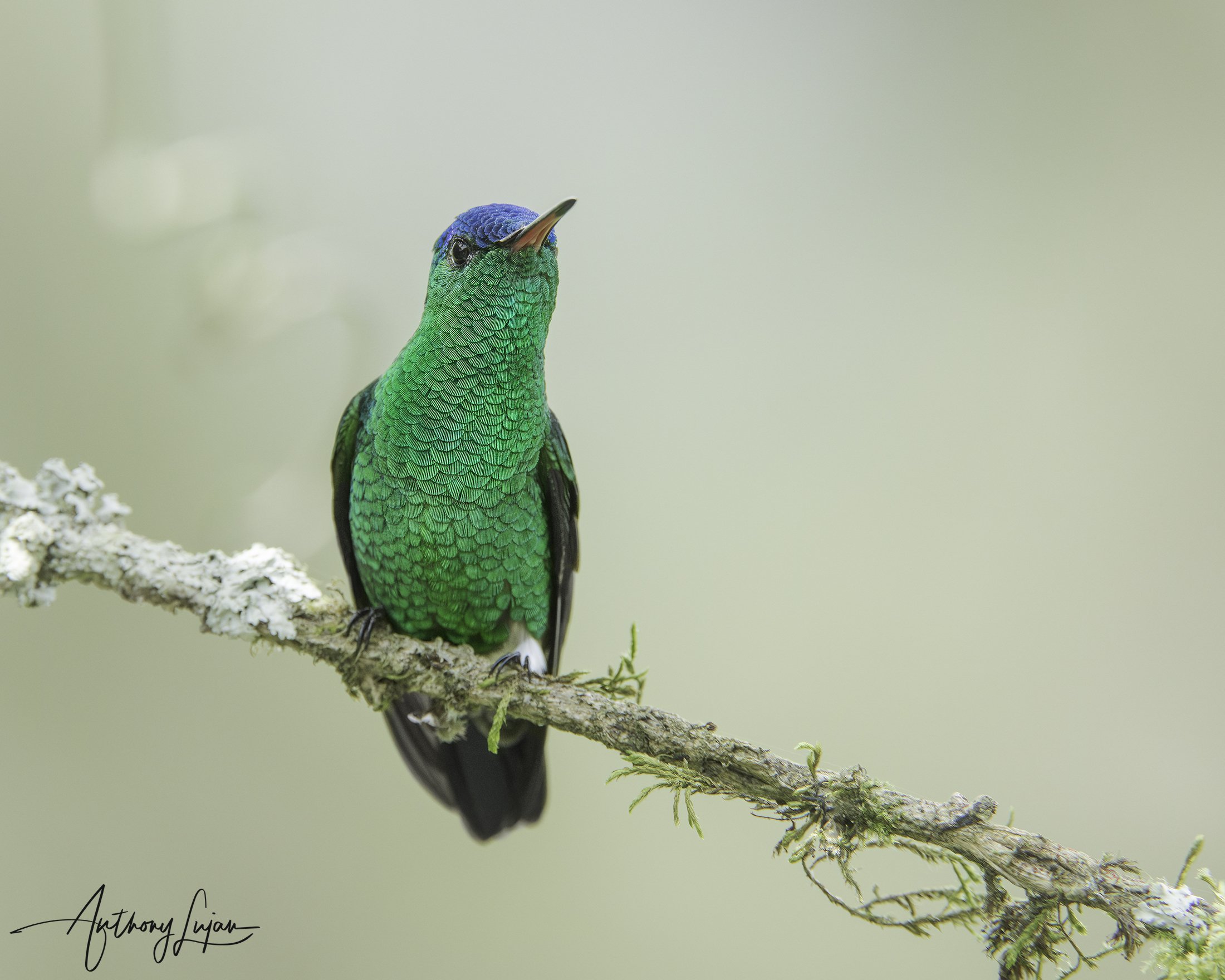
Related species in the Saucerottia genus (11 species total):



Please note: The content provided in this article reflects Anthony’s personal experience and photographic approach. Results can vary depending on light, weather, location, equipment, subject behavior, and field conditions.