
Bronze-tailed Thornbill
Scientific name: Chalcostigma heteropogon
The Bronze-tailed Thornbill is a high-Andean thornbill hummingbird of Colombia and western Venezuela. The number of mature individuals is unknown, the population is decreasing, it is considered non-migratory, and it is currently listed as Least Concern and monotypic, with no recognized subspecies.
At a Glance
Family: Trochilidae (hummingbirds)
Clades: Lesbiini – “coquettes” within subfamily Lesbiinae
Genus group: Chalcostigma — short-billed, high-Andean thornbills with colorful gorgets and metallic tails (5 species total)
Range: From the Tamá Massif of extreme western Venezuela south along the Eastern Andes of Colombia to Cundinamarca.
Habitat: Steep rocky slopes in semi-arid to humid páramo grasslands and the edges of Polylepis groves and other stunted woodland above treeline.
Elevation: About 3,000–3,900 m (9,800–12,800 ft).
Length: About 13–14 cm (5.1–5.5 in).
Weight: About 5.9–6.3 g (0.21–0.22 oz).
Number of mature individuals: Unknown
Population trend: Decreasing
Status: Least Concern (IUCN)
Name Origin
The genus name Chalcostigma comes from Greek for “bronze” and “mark,” referring to the bronzy, iridescent throat patches typical of thornbills. The species name heteropogon means “different beard,” likely alluding to the distinctive form or color of its throat ornament compared with related species. The English name “Bronze-tailed Thornbill” highlights both its metallic bronze tail and its membership in the thornbill group.
Taxonomy & Distribution
Monotypic — no recognized subspecies.
Distribution: Restricted to the Eastern Andes of Colombia and adjacent extreme western Venezuela, from the Tamá Massif south through Boyacá to Cundinamarca. It occupies upper montane, subpáramo, and páramo zones along these ranges.
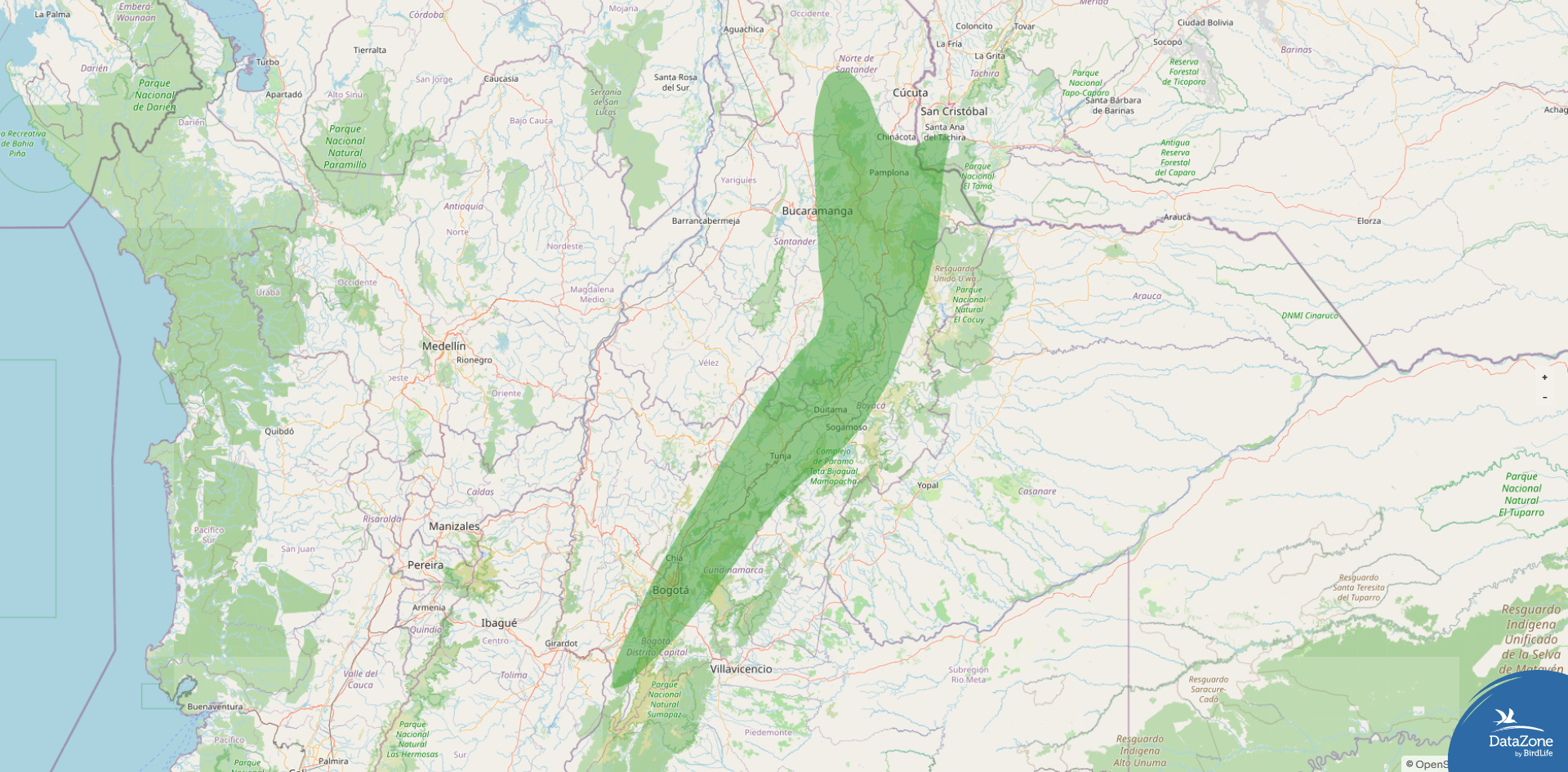
Legend
Green Resident
Species Overview
The Bronze-tailed Thornbill is a specialized high-elevation hummingbird adapted to windswept páramo and rocky slopes above treeline. It forages among low shrubs, bunchgrasses, cushion plants, and stunted woodland edges, often in cold, windy, and foggy conditions. While it can be locally fairly common where suitable habitat persists, its narrow elevational band and limited geographic range make it sensitive to habitat alteration and climate-driven upslope shifts, contributing to a suspected decline.
Description
Both sexes have a short, straight black bill and are relatively large and chunky for thornbills. The upperparts are mostly bottle-green, with coppery-red uppertail coverts and a forked olive-green tail that shows strong bronzy highlights. The face is dark with a small white spot behind the eye, and the crown can show a subtle bronzy or green sheen. The throat ornament (the “thornbill beard”) is shorter and less multi-colored than in the Rainbow-bearded Thornbill, typically appearing as a darker, iridescent patch that may flash bronzy or greenish tones depending on the angle of light. Females resemble males but have a reduced throat ornament and may show paler or buffy tones on the lower belly and undertail coverts.
Habitat & Behavior
Bronze-tailed Thornbills inhabit steep páramo and subpáramo slopes with scattered shrubs, grasses, cushion plants, and rocky outcrops, as well as the upper edges of Polylepis groves and other elfin woodland. They forage close to the ground and low in shrubs, visiting small tubular flowers of páramo plants and shrubs, often clinging to blooms while feeding in strong winds. They also take small arthropods gleaned from vegetation or caught in short sallies. Birds are typically territorial around rich flower patches, chasing away other hummingbirds from their feeding areas. The species is considered resident throughout its range, with only local movements along the elevation gradient in response to weather and flowering.
Breeding
Specific breeding data for the Bronze-tailed Thornbill are limited, but nesting is thought to follow the pattern of other high-Andean thornbills. Nests are probably small cups of plant fibers, moss, and spiderweb, placed low in shrubs or on sheltered rocky ledges within páramo or at woodland edges. As in other hummingbirds, the female likely lays two eggs and alone incubates and raises the chicks, with roughly two weeks of incubation and about three weeks to fledging.
Population
The total number of mature individuals is unknown, but the species’ range is relatively restricted to a narrow Andean band from western Venezuela into north-central Colombia. It can be locally fairly common in suitable páramo and subpáramo habitat, yet such habitats are naturally fragmented and limited in extent. Ongoing pressures from burning, grazing, agriculture, and infrastructure development in high Andean zones are likely contributing to a slow decline.

Conservation
The Bronze-tailed Thornbill is classified as Least Concern because it still occupies multiple sites across its range and occurs in some protected areas, including national parks. However, its decreasing trend, restricted high-elevation habitat, and sensitivity to land-use changes and climate warming are causes for concern. Protecting páramo and subpáramo habitats, limiting burning and overgrazing, and safeguarding Polylepis woodlands and high-elevation reserves are key to ensuring the species’ long-term survival.
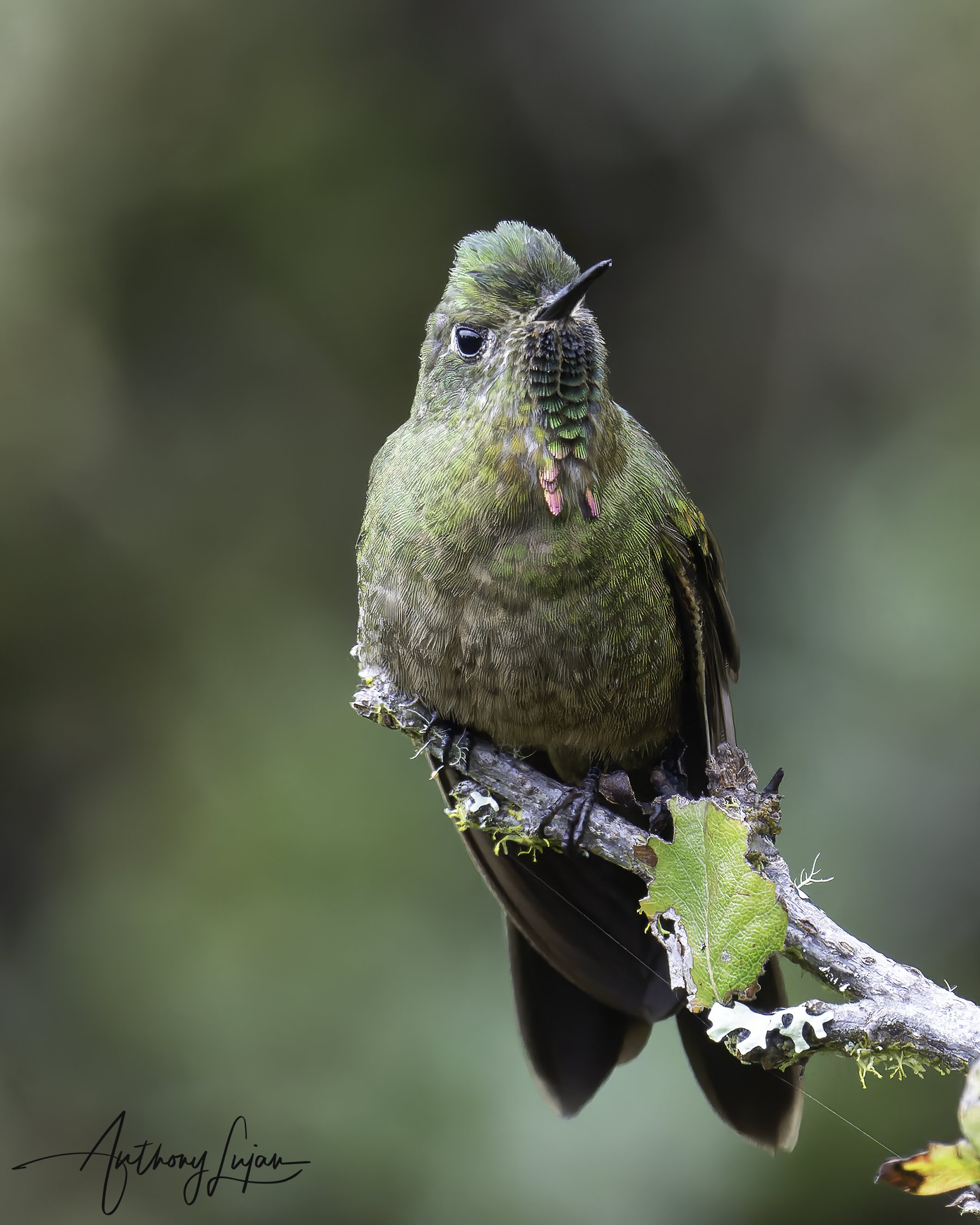
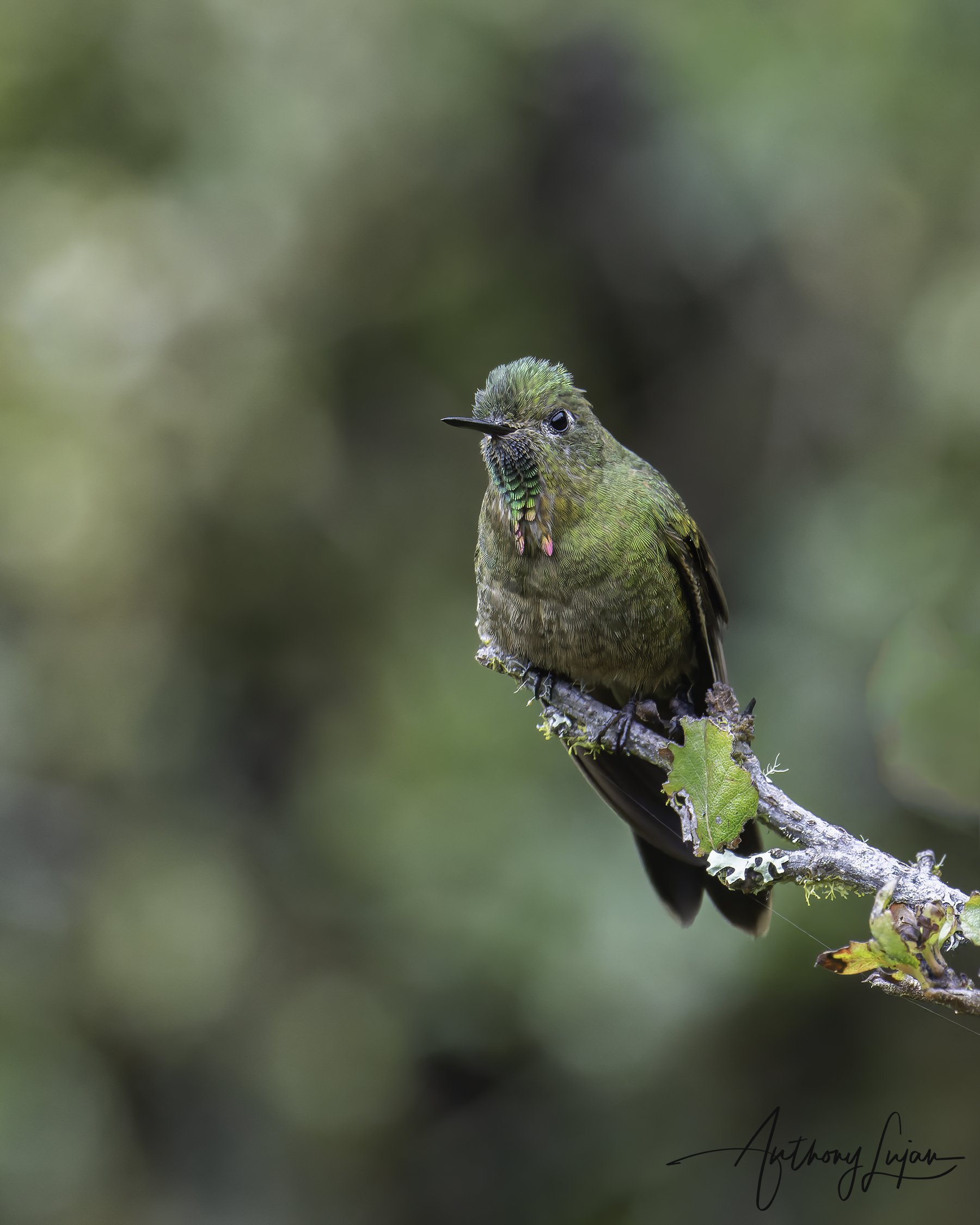
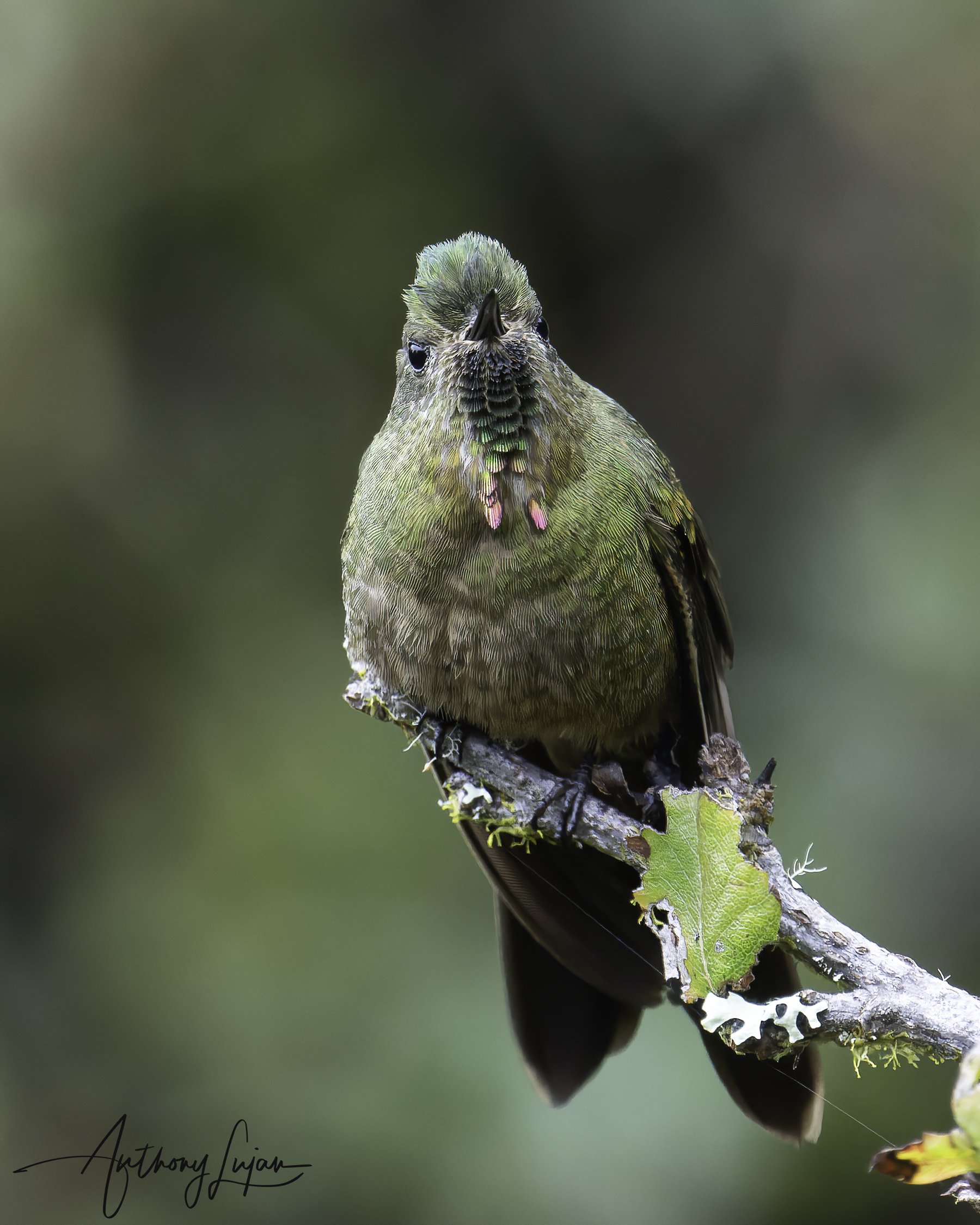
Checkout Anthony’s playlist of this species! Click the top right dropdown to see all the videos.
Related species in the Chalcostigma genus (5 species total, examples):

Please note: The content provided in this article reflects Anthony’s personal experience and photographic approach. Results can vary depending on light, weather, location, equipment, subject behavior, and field conditions.