
Bronzy Inca
Scientific name: Coeligena coeligena
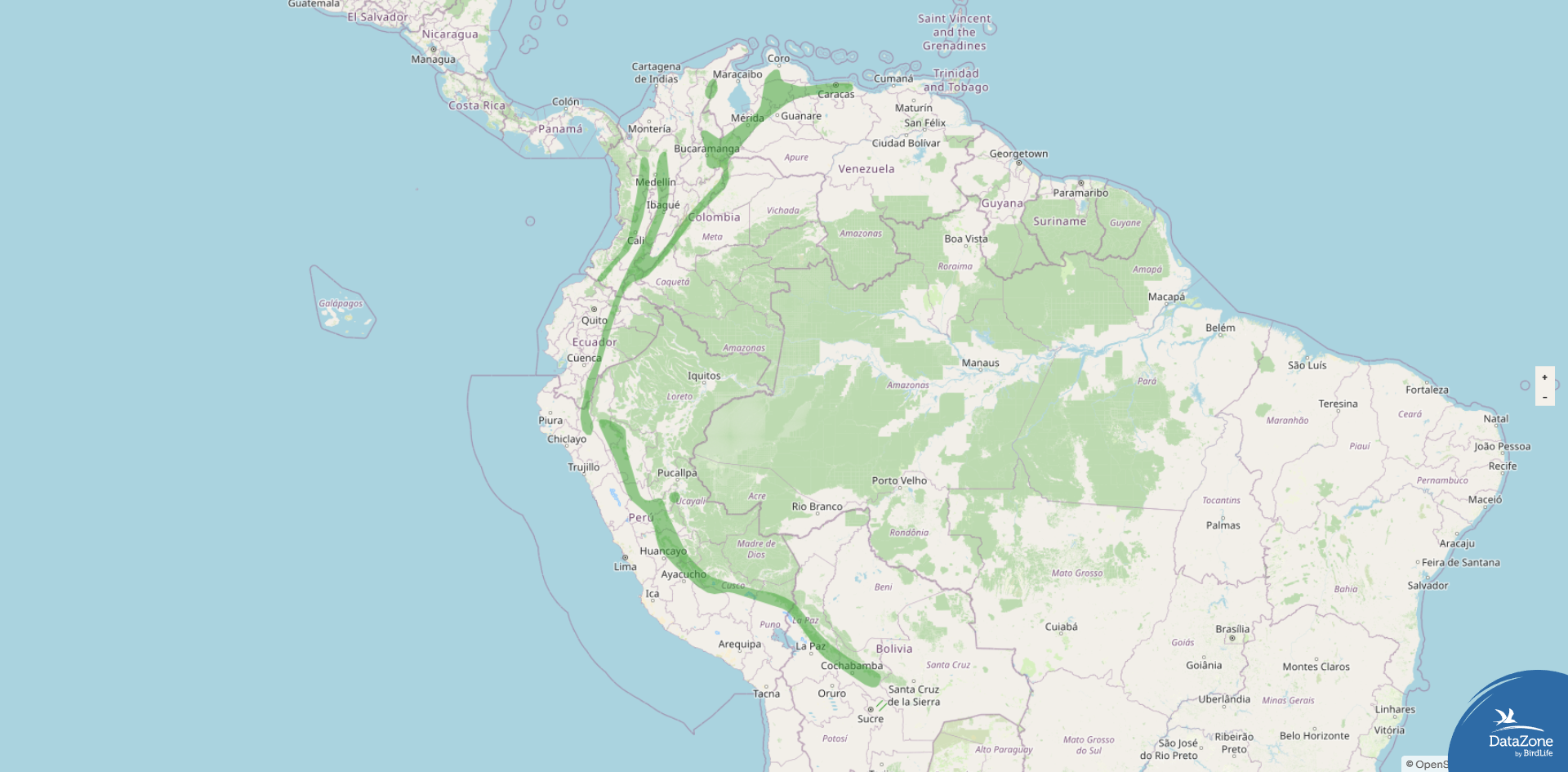
The Bronzy Inca is a medium-sized Andean hummingbird found from northern Venezuela south through Colombia and Ecuador into Peru and Bolivia. The number of mature individuals is unknown, the population is believed to be decreasing, and it is listed as Least Concern, with six recognized subspecies, not considered migratory but making local elevational movements.
At a Glance
Family: Trochilidae (hummingbirds)
Clade: Heliantheini – Brilliants
Genus group: Coeligena — 15 species, 28 subspecies
Range: Andes from northern Venezuela south through Colombia and Ecuador into Peru and Bolivia, on both slopes in parts of the range.
Habitat: Humid montane forest and cloud forest, forest edges, and adjacent secondary growth and clearings with scattered trees and shrubs.
Elevation: Generally from about 1,000–2,700 m, locally higher or lower depending on region.
Length: About 14 cm (5.5 in).
Weight: Males around 7.3 g; females about 6.2 g.
Number of mature individuals: Unknown
Population trend: Decreasing
Status: Least Concern (IUCN)
Name Origin
The genus name Coeligena derives from Latin for “born of heaven” or “sky-born,” reflecting the high Andean habitats and luminous plumage typical of incas and starfrontlets. The species name coeligena repeats the genus name in binomial form, a historical naming convention emphasizing its status as the “typical” Coeligena. The English name “Bronzy Inca” highlights the bird’s bronzy-green body coloration and its close relationship to other inca hummingbirds.
Subspecies & Distribution
Six subspecies are recognized:
Coeligena coeligena coeligena
Occurs in the Andes of Colombia and Ecuador, mainly in humid montane forests on both slopes in parts of the range.Coeligena coeligena columbiana
Found in portions of Colombia, with distributions centered in specific Andean sectors where it replaces or intergrades with neighboring forms.Coeligena coeligena ferruginea
Occurs in parts of Peru, typically associated with certain Andean slopes and elevational bands within humid montane forest.Coeligena coeligena boliviana
Found in Bolivia, inhabiting humid Andean forests within its portion of the species’ southern range.Coeligena coeligena obscura
Distributed in parts of the southern range, associated with specific Andean regions and showing darker overall plumage.Coeligena coeligena zuliana
Occurs in northern Venezuela (Zulia and nearby areas), representing the northernmost populations of the species in humid Andean and foothill forests.
Overall, the Bronzy Inca occupies a broad but fragmented band of humid Andean forest from northern Venezuela south through Colombia and Ecuador to Peru and Bolivia, with subspecies partitioned along latitude, slope, and elevation.
Ledged
Green Resident
Species Overview
The Bronzy Inca is one of the more widespread Coeligena species, inhabiting humid montane forests and cloud forests along much of the northern and central Andes. It is typically uncommon to fairly common within suitable habitat but shows patchy occurrence where forests have been heavily cleared or fragmented. Although still categorized as Least Concern due to its wide range, ongoing habitat loss and degradation are thought to be driving a gradual population decline.
Male Description
Adult males are medium-sized hummingbirds with a long, straight, black bill and overall bronzy-green to olive upperparts. The head and back are dark metallic green with bronzy tones, and the rump and uppertail coverts can show richer bronze reflections. The underparts are mostly brownish to bronze-olive, with subtle iridescent green or golden highlights on the chest and flanks, and the tail is dark, often with a bronzy sheen and slightly forked. In life, males appear as robust, mostly bronzy-green hummingbirds lacking strong contrasting patches but showing warm metallic tones in good light.
Female Description
Females are similar in size and general coloration but slightly duller and with less extensive iridescence than males. The upperparts are bronze-green, and the underparts are more brownish or buffy, sometimes with faint mottling on the throat and breast. The tail is dark with a bronzy gloss and may show slightly paler tips on the outer feathers. Overall, females look like softer-toned versions of males, retaining the bronzy-olive appearance but with less shine and contrast.
Habitat & Behavior
Bronzy Incas inhabit humid montane forest and cloud forest, forest edges, and adjacent second growth and clearings with scattered trees and shrubs. They forage at a range of heights, from understory to mid-canopy, visiting flowers for nectar and also capturing small arthropods for protein. Like many Andean hummingbirds, they often follow a trap-line foraging strategy, moving between a sequence of flowering plants rather than defending a single patch, though they may show localized territoriality around rich nectar sources. The species is generally considered non-migratory, but individuals may make local elevational movements in response to seasonal changes in flowering and climate.
Population
The total number of mature individuals is unknown, but the Bronzy Inca is generally described as uncommon to fairly common in suitable habitat across its extensive Andean range. However, deforestation, habitat fragmentation, and land-use change in Andean montane forests are believed to be contributing to a decreasing population trend. Because much of its range lies in regions with ongoing forest loss, local declines may be more pronounced than currently documented.

Conservation
Bronzy Inca is assessed as Least Concern due to its broad distribution from Venezuela to Bolivia, but it faces significant habitat-related threats. Continued clearing of montane and cloud forests for agriculture, pasture, and human settlement reduces and fragments its habitat, potentially isolating populations and limiting resources. Conservation efforts that protect and restore humid montane forest, maintain forested corridors, and promote bird-friendly land use in Andean regions will benefit this species. Improved monitoring across its range would help clarify the rate of decline and detect any areas where conservation action is most urgently needed.
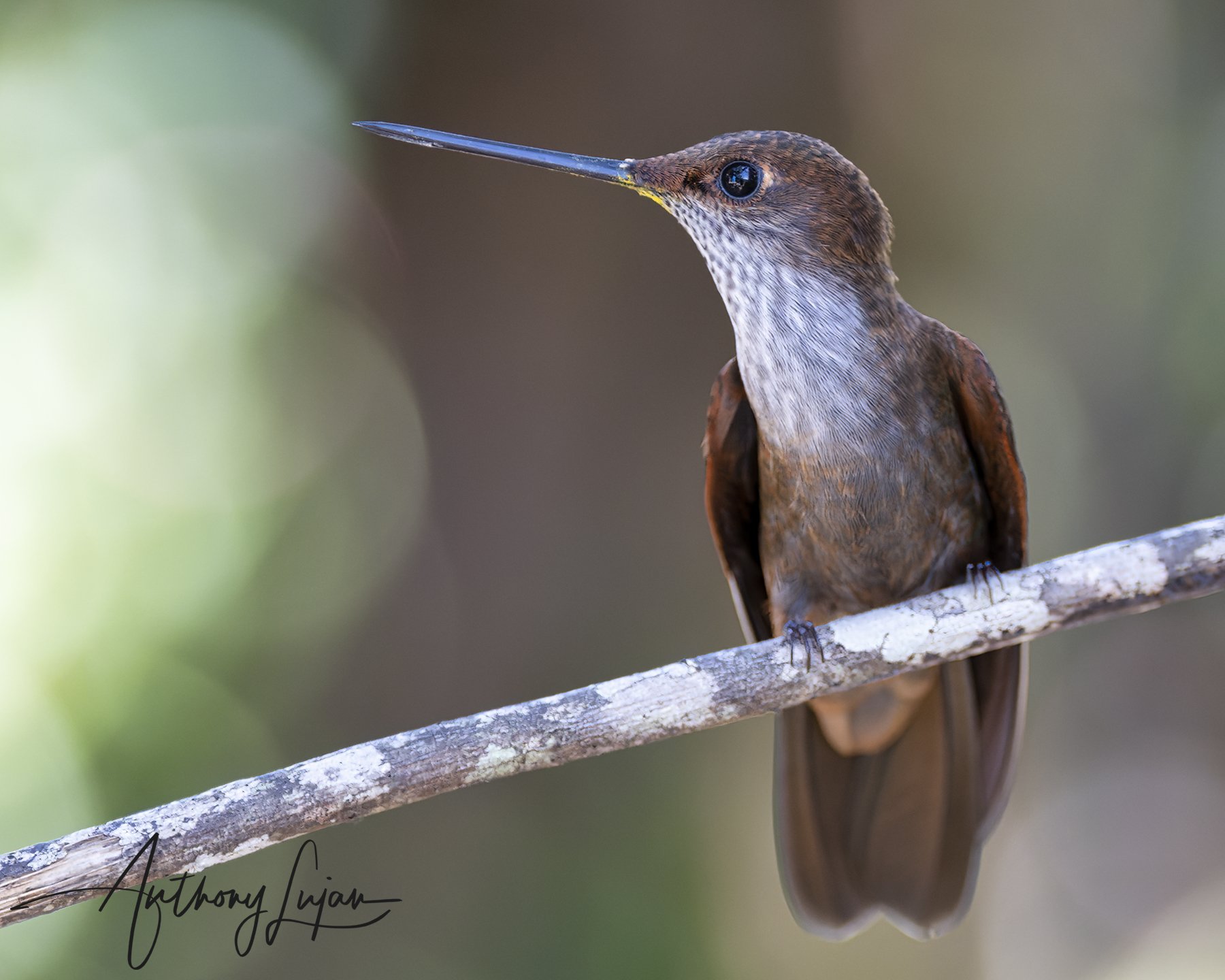
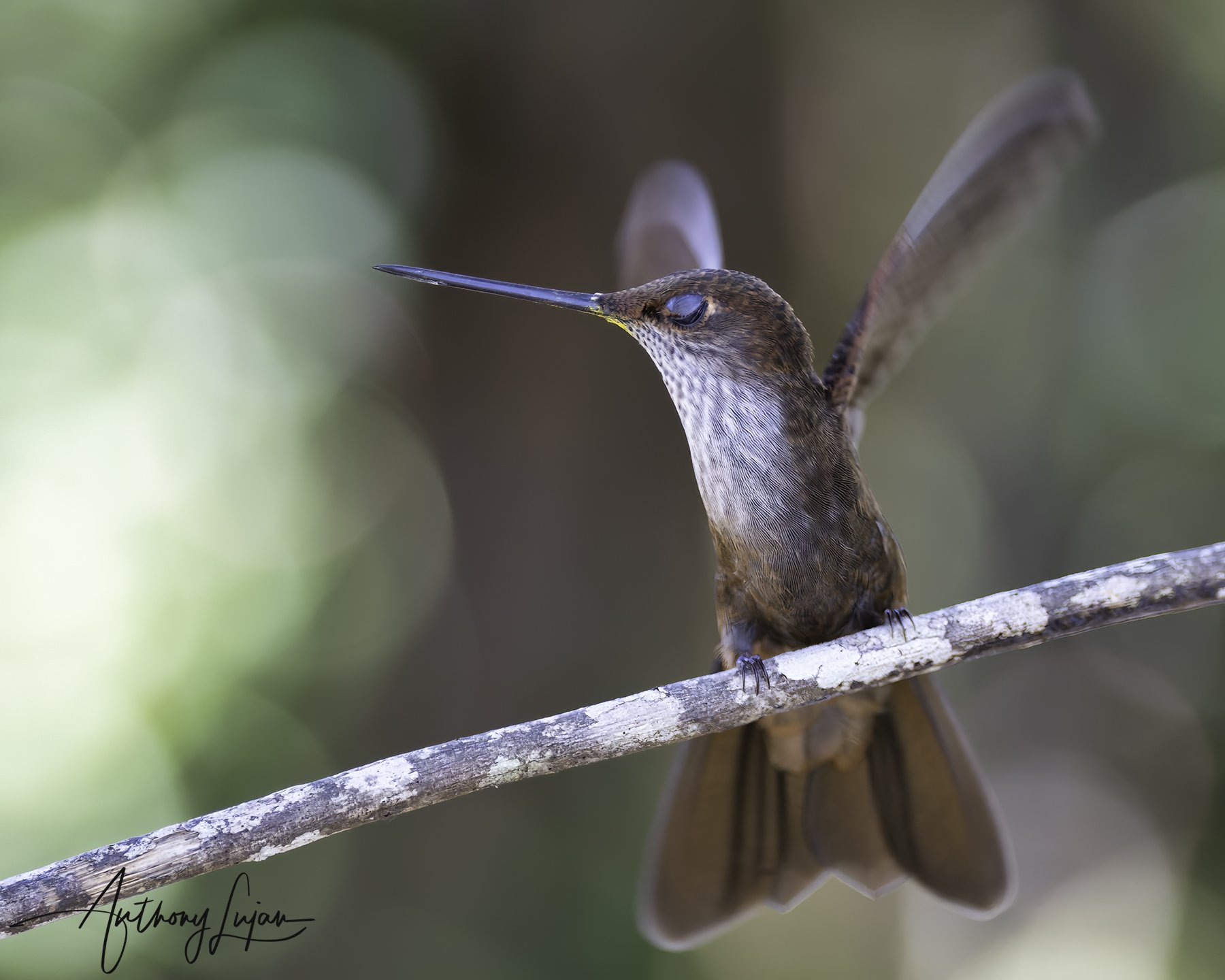
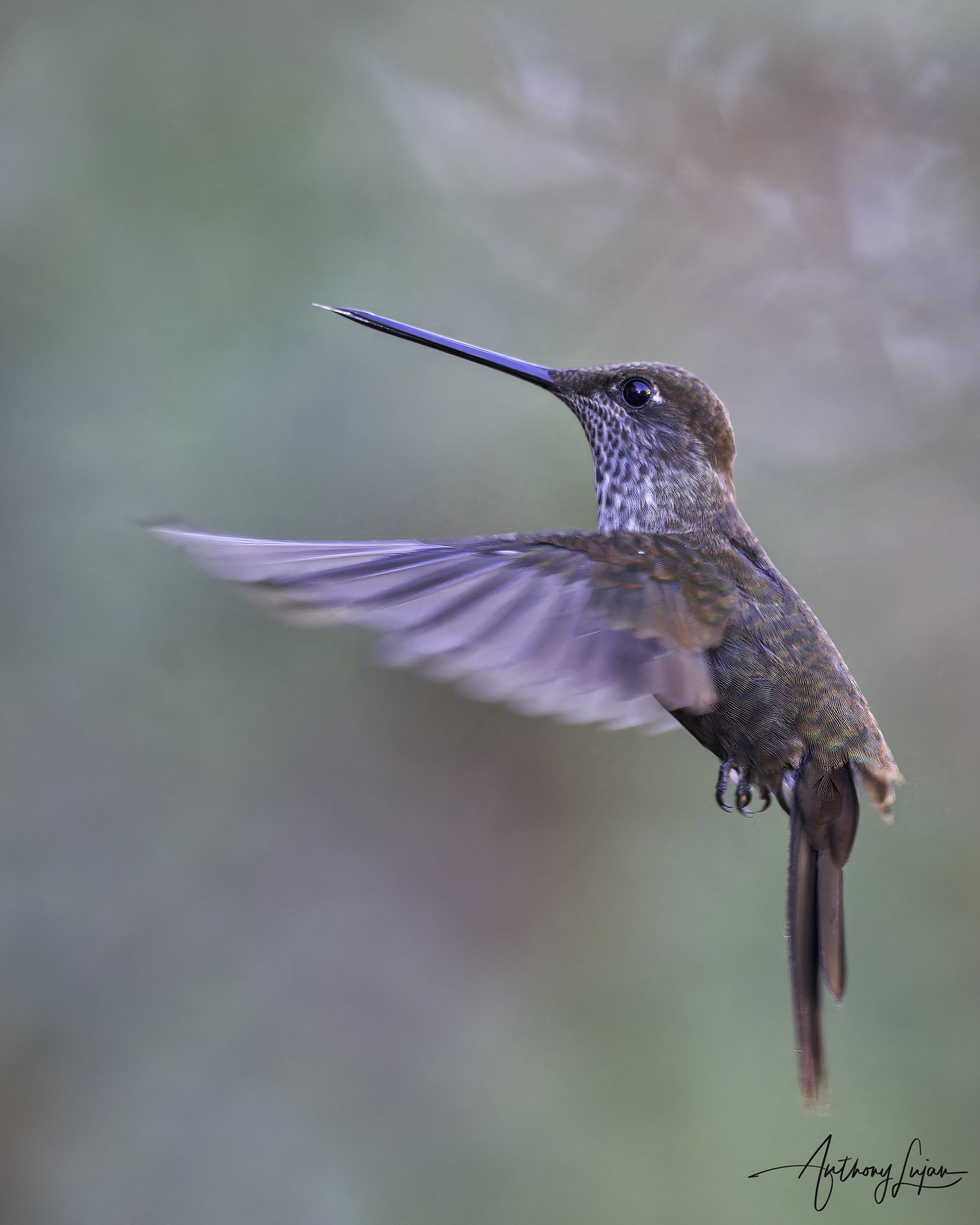
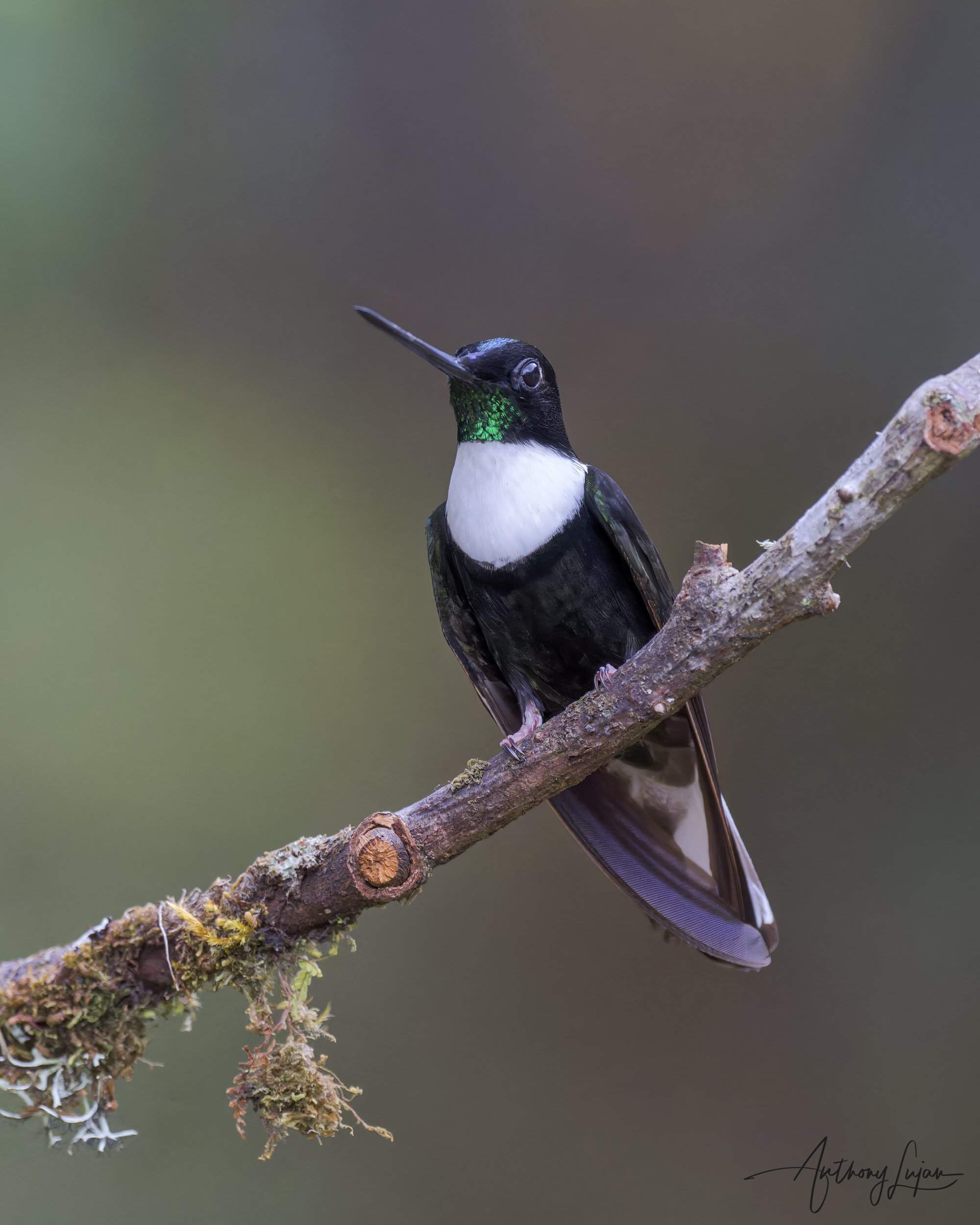
Below is the Bronzy Inca (Coeligena coeligena coeligena)
Photographed at Reserva Ecológica Río Blanco, Caldas, Colombia
This individual belongs to the nominate subspecies coeligena, which occurs throughout the Andes of Colombia and western Venezuela. It inhabits humid montane forest and cloud forest edge between 1,200 and 3,000 meters, where it visits flowering shrubs, forest gaps, and feeders.
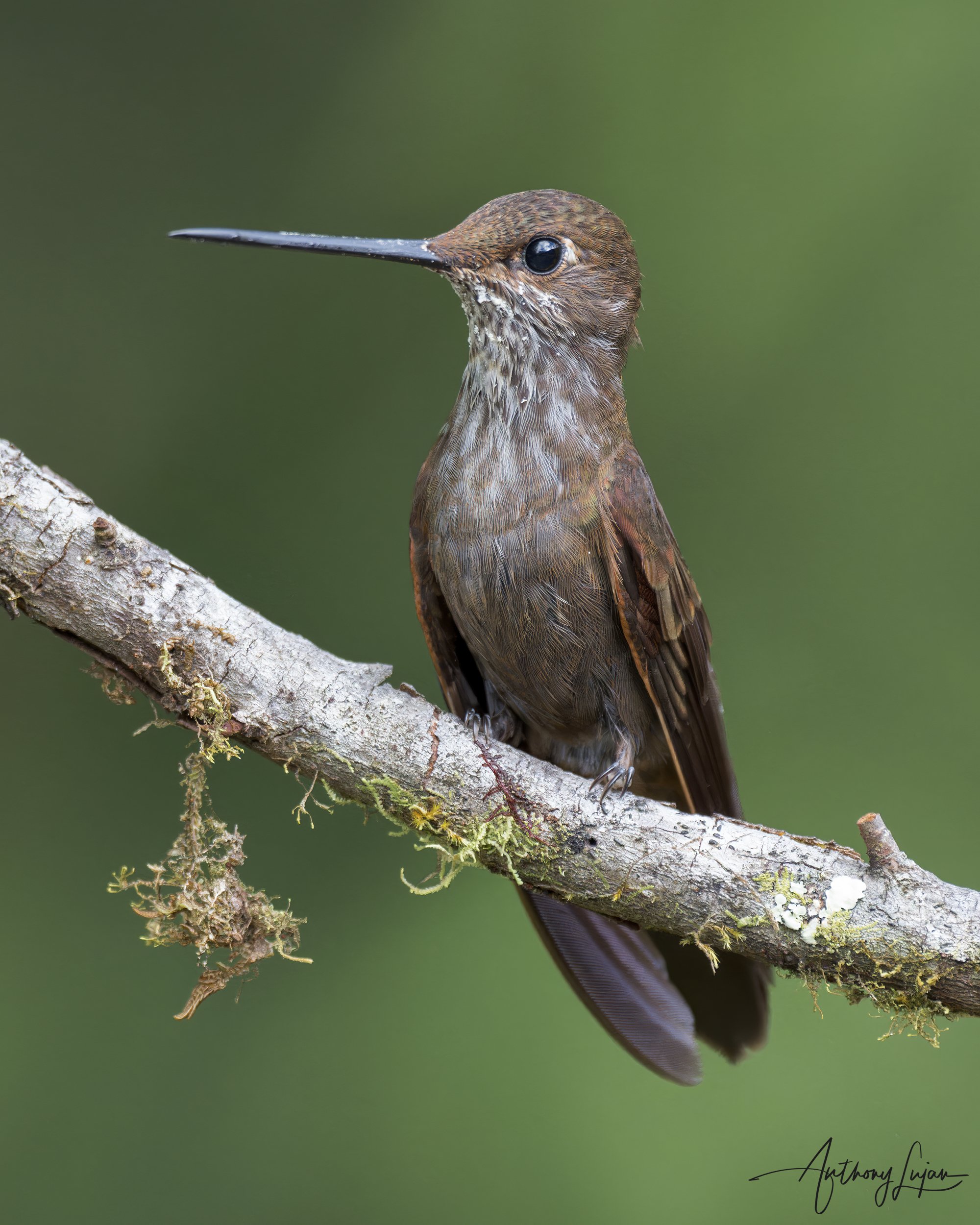
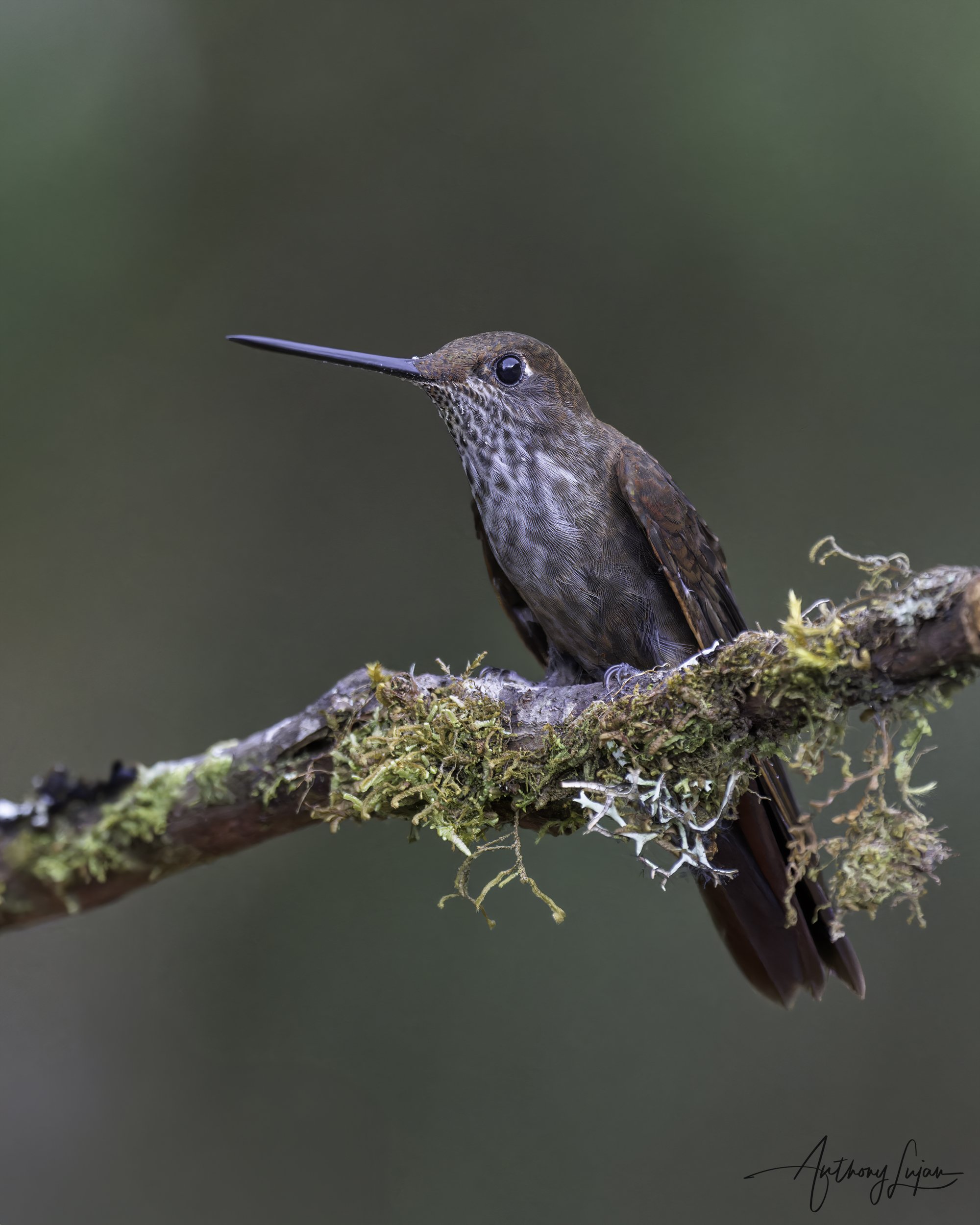
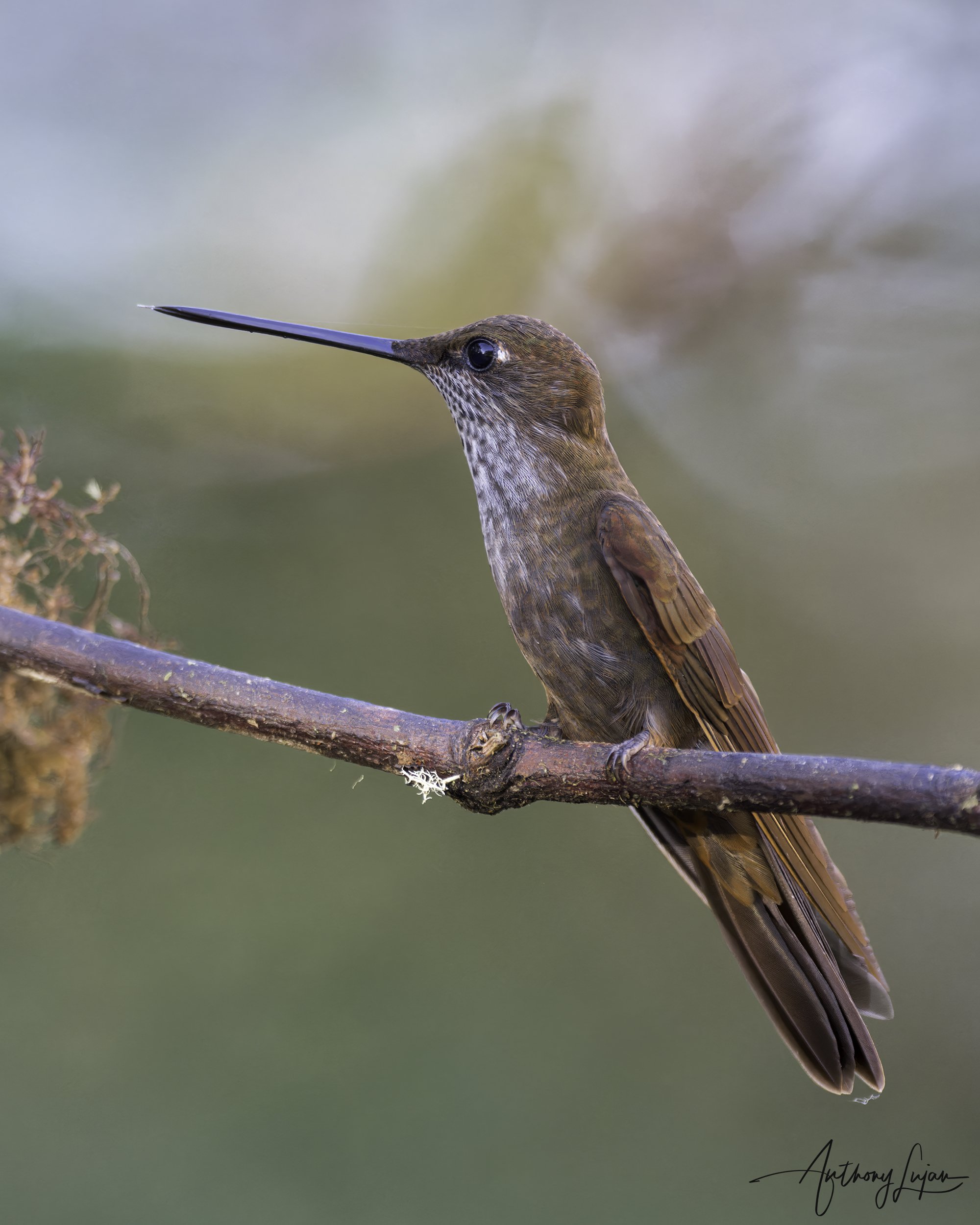
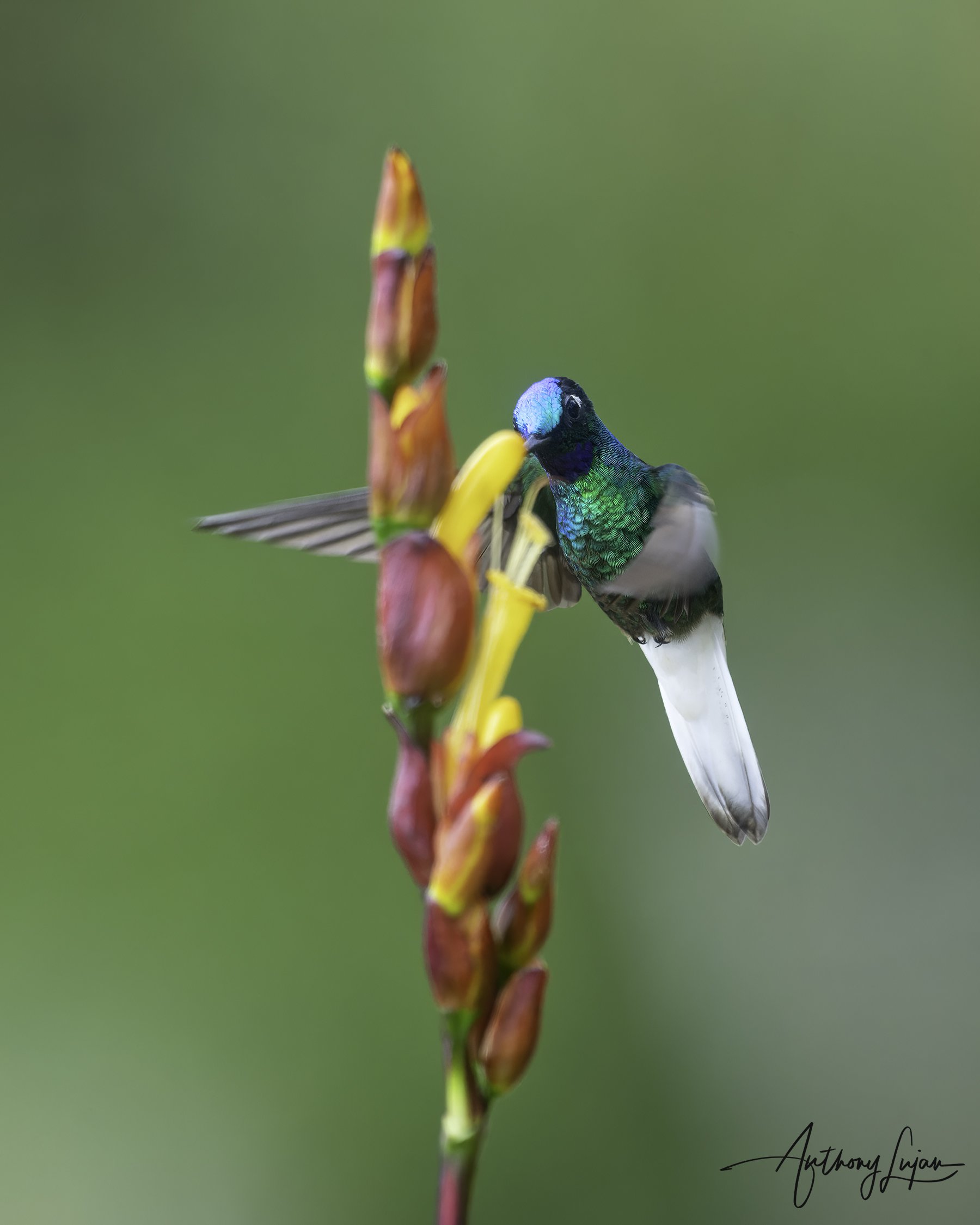
Below is the Bronzy Inca (Coeligena coeligena obscura)
Photographed at Owlet Lodge, Amazonas, Peru
This individual belongs to the subspecies obscura, found in northern Peru from Amazonas south through San Martín and Huánuco. It inhabits humid montane forest and forest edge between 1,800 and 2,800 meters, often at flowering shrubs near forest clearings and ridgelines.
The Peruvian form is slightly darker overall than northern populations, with a deeper bronzy tone and reduced iridescence. Both sexes have the same general pattern, and the species forages methodically through forest edge blooms and shaded clearings.
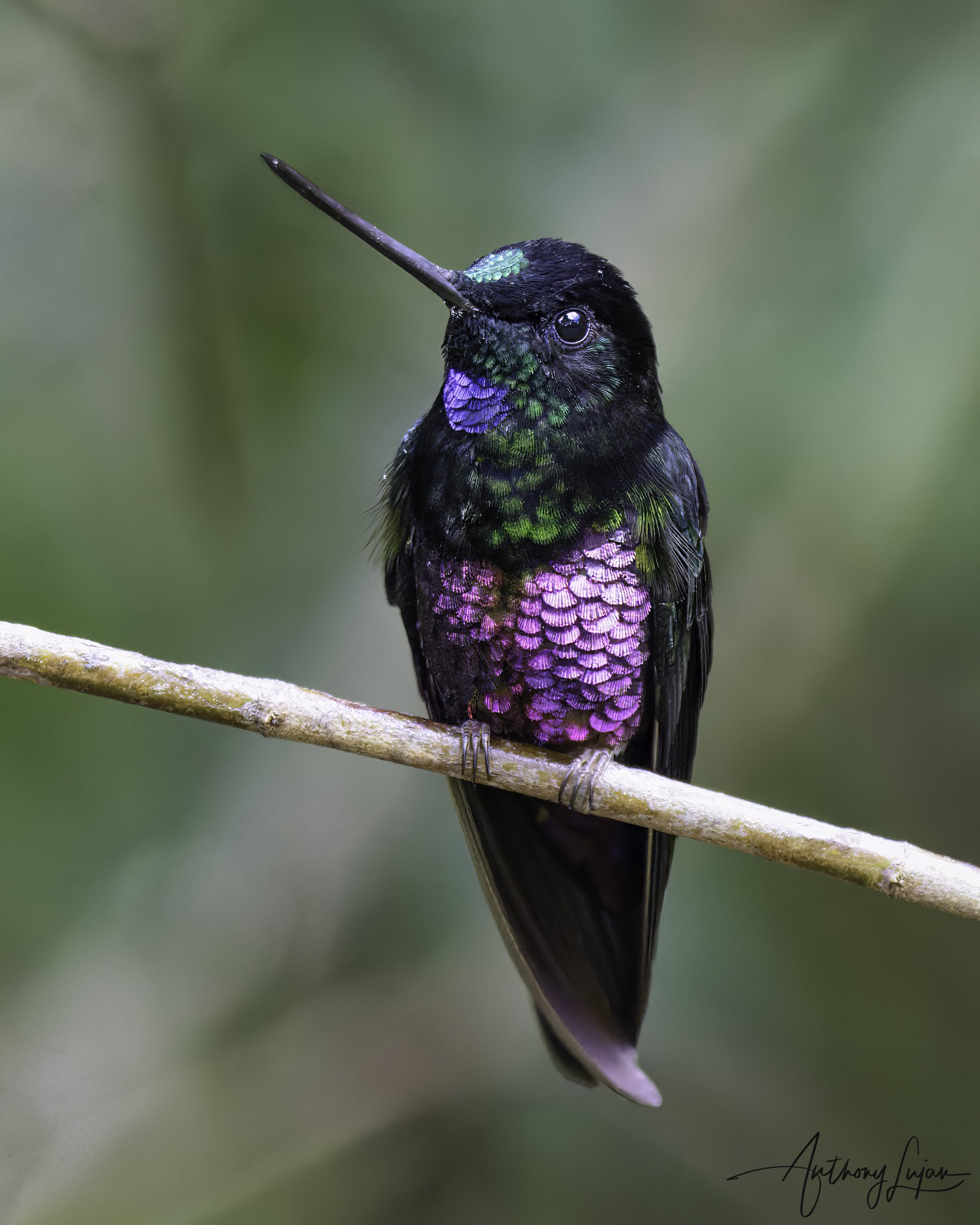
Related species in the Coeligena genus (15 species total):




Please note: The content provided in this article reflects Anthony’s personal experience and photographic approach. Results can vary depending on light, weather, location, equipment, subject behavior, and field conditions.