
Buffy Hummingbird

Scientific name: Leucippus fallax
The Buffy Hummingbird is a small, pale hummingbird of arid scrub, dry forest, and coastal thornbush in northern South America, where it is closely associated with cacti and other drought‑tolerant plants. It is currently listed as Least Concern, with an unknown number of mature individuals, a decreasing population trend, and it is considered not a migrant.
At a Glance
Family: Trochilidae (hummingbirds)
Clades: Trochilini – Emeralds (lowland hummingbirds)
Genus group: Leucippus — buffy, pale lowland hummingbirds (1 species in total)
Range: Northern South America, including northern Colombia, Venezuela, and adjacent regions, with a strong concentration in arid coastal and inland zones.
Habitat: Arid scrub, desert shrubland, dry forest, thorny scrub, coastal thornbush, and mangrove edges, especially where columnar cacti and flowering shrubs are present.
Elevation: From sea level up to about 500 m (1,600 ft).
Length: About 8.5–9 cm (3.3–3.5 in).
Weight: Typical for a small lowland hummingbird, around 3–4 g (about 0.1 oz).
Number of mature individuals: Unknown.
Population trend: Decreasing.
Status: Least Concern (IUCN Red List category).
Migration: Not a migrant.
Name Origin
The genus name Leucippus combines Greek roots meaning “white” or “light” and “horse,” a classical name repurposed in zoology, here reflecting the pale or buff coloration of this lowland hummingbird. The species name fallax means “deceptive” or “misleading,” perhaps referring to the bird’s subtle plumage or similarity to other small pale hummingbirds. The English name “Buffy Hummingbird” highlights its overall buffy, pale underparts and understated appearance.
Taxonomy & Distribution
Monotypic — no recognized subspecies.
Buffy Hummingbird is the only species in the genus Leucippus, placed in the emerald clade (Trochilini) among lowland hummingbirds. It is found in northern South America, primarily in northern Colombia and Venezuela and nearby regions, favoring arid to semi‑arid lowland landscapes near the Caribbean coast and adjacent inland valleys. Within this dry‑country band, it is patchily but locally common where suitable scrub and cactus habitats remain.
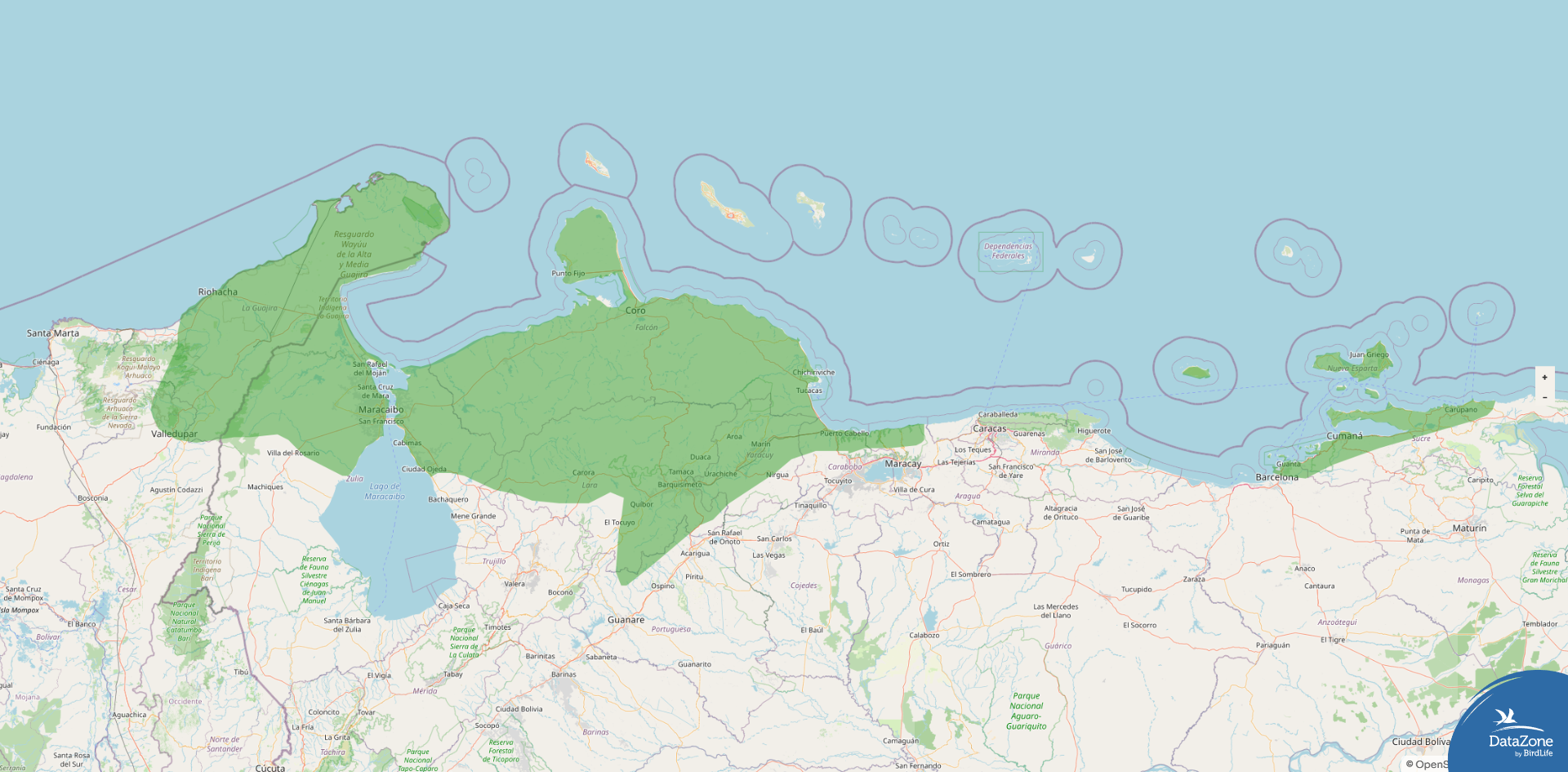
Legend
Green Resident
Species Overview
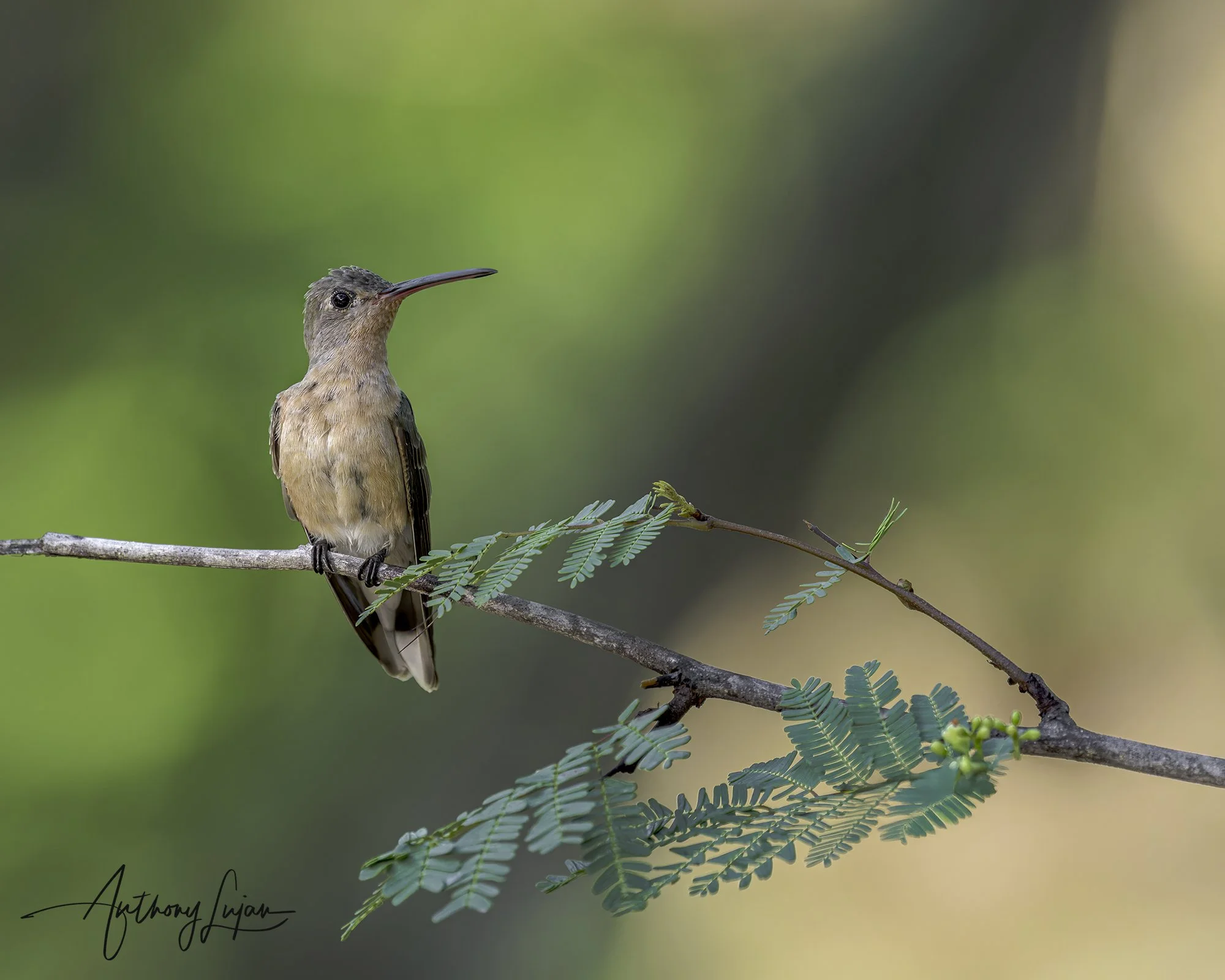
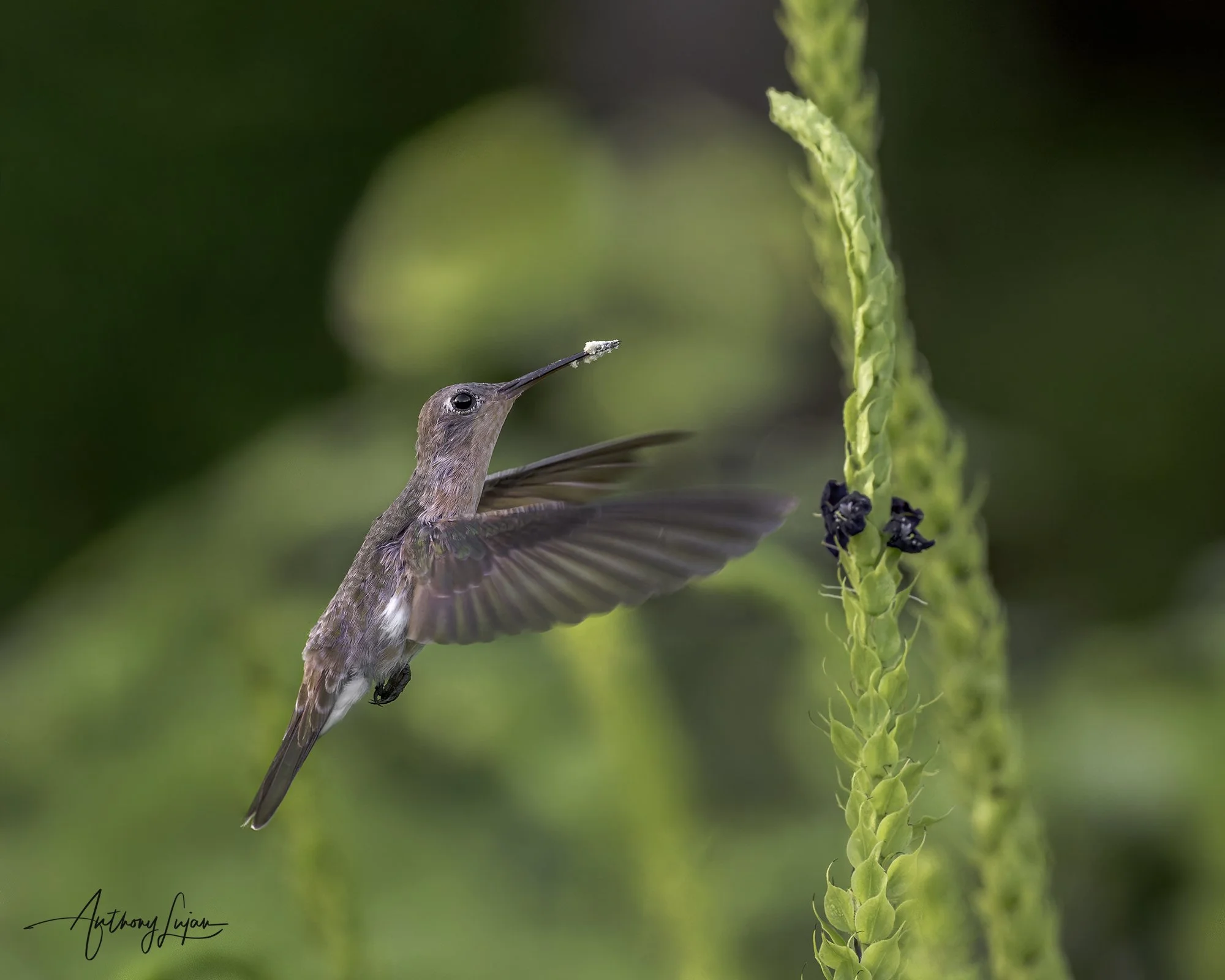
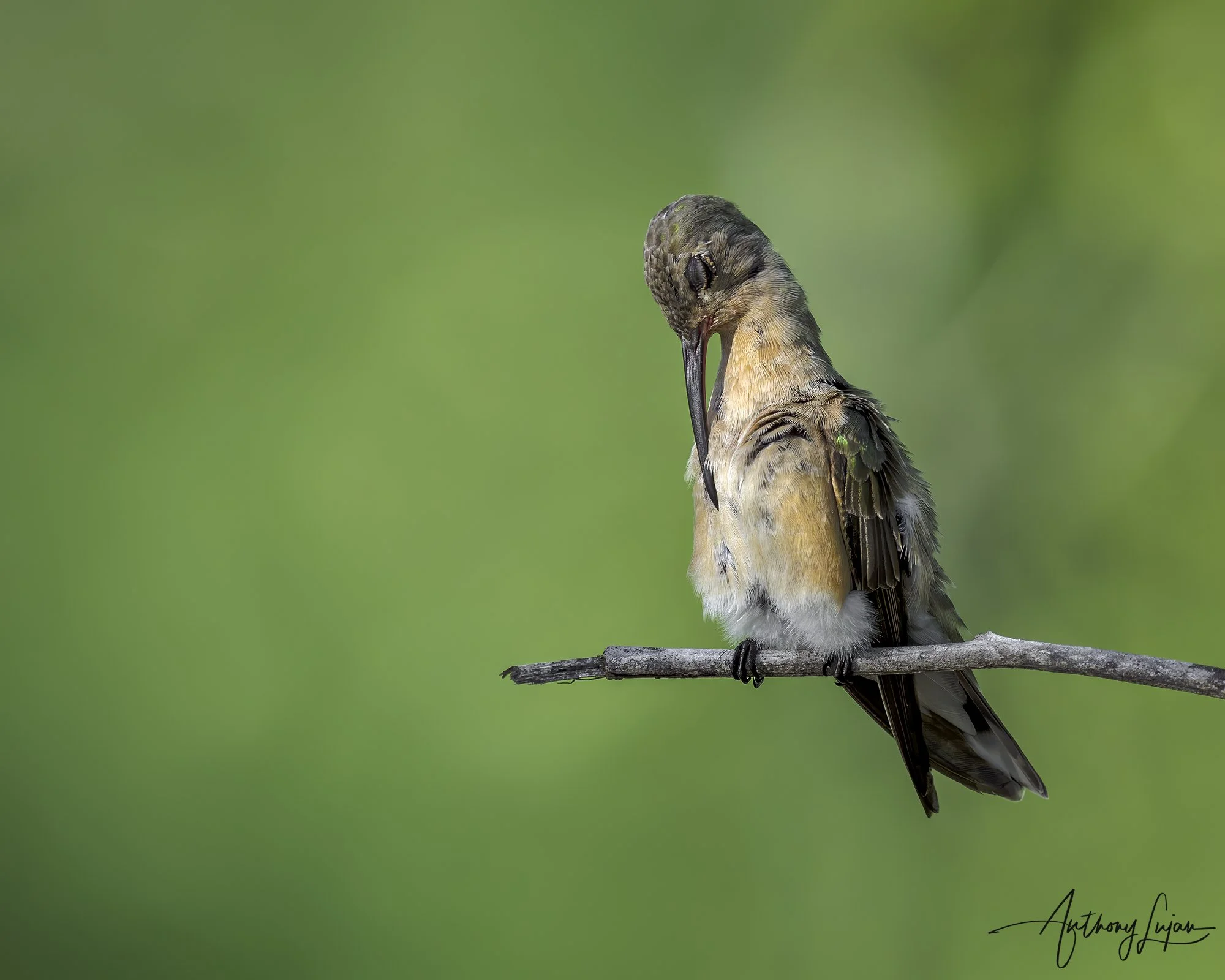
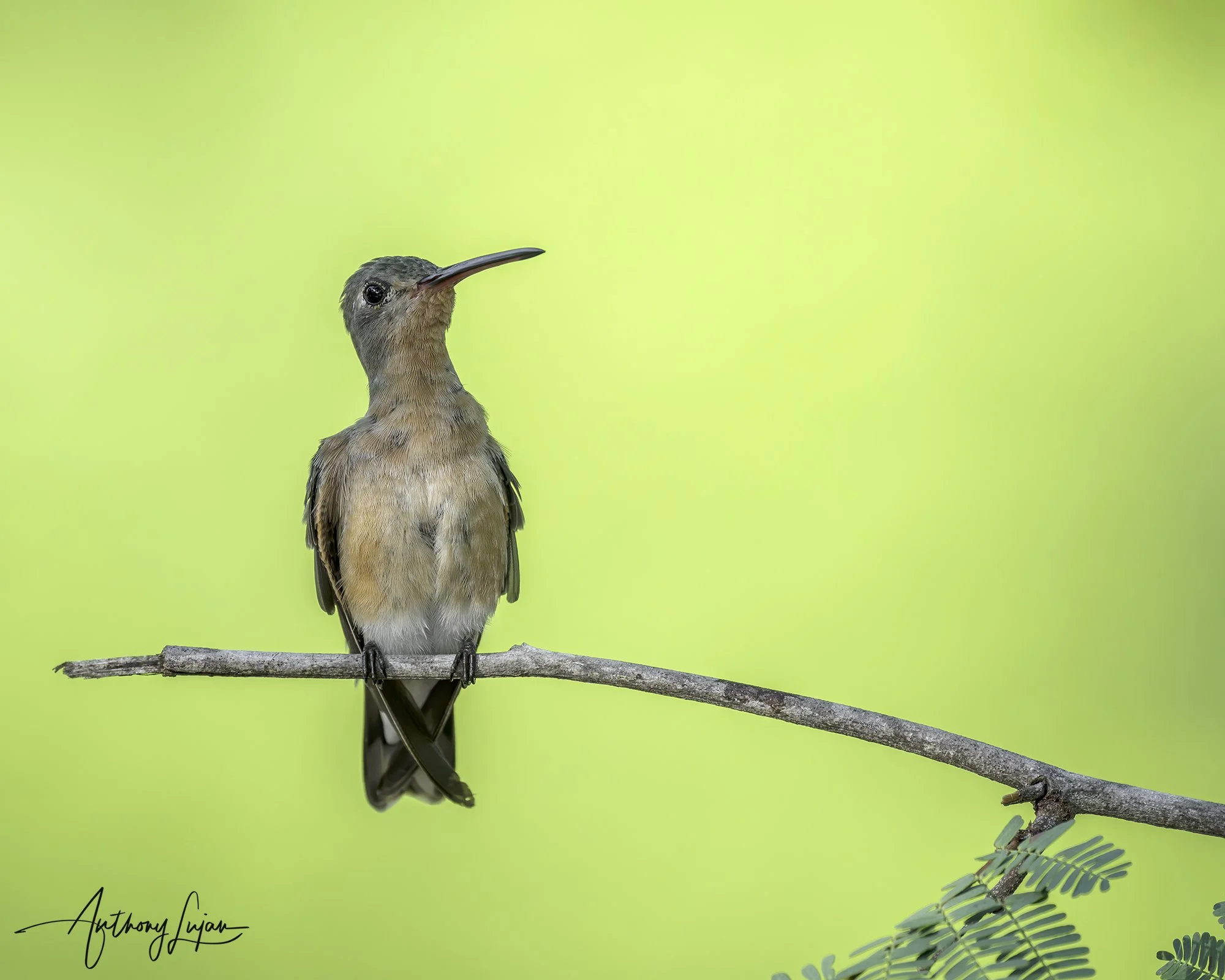
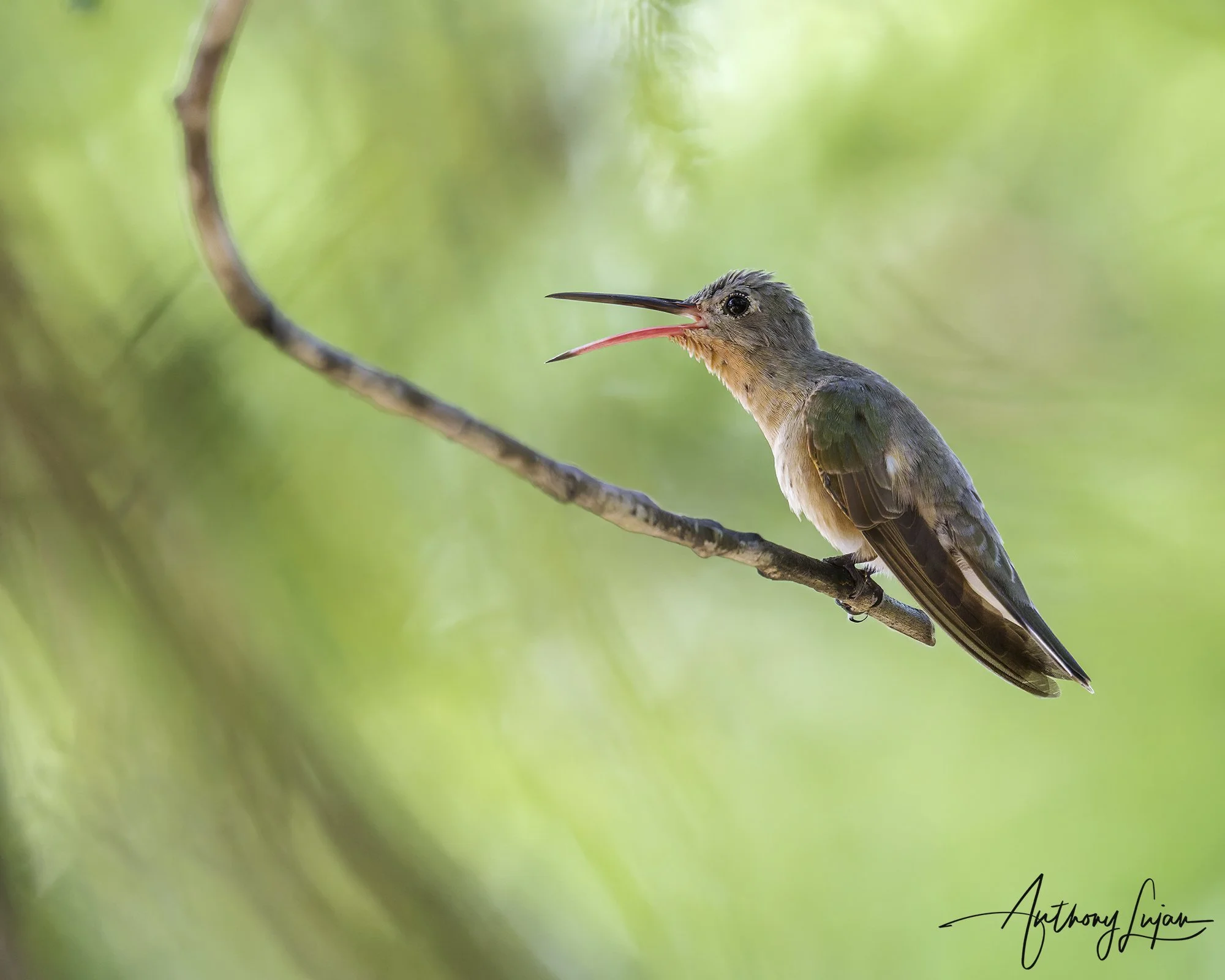
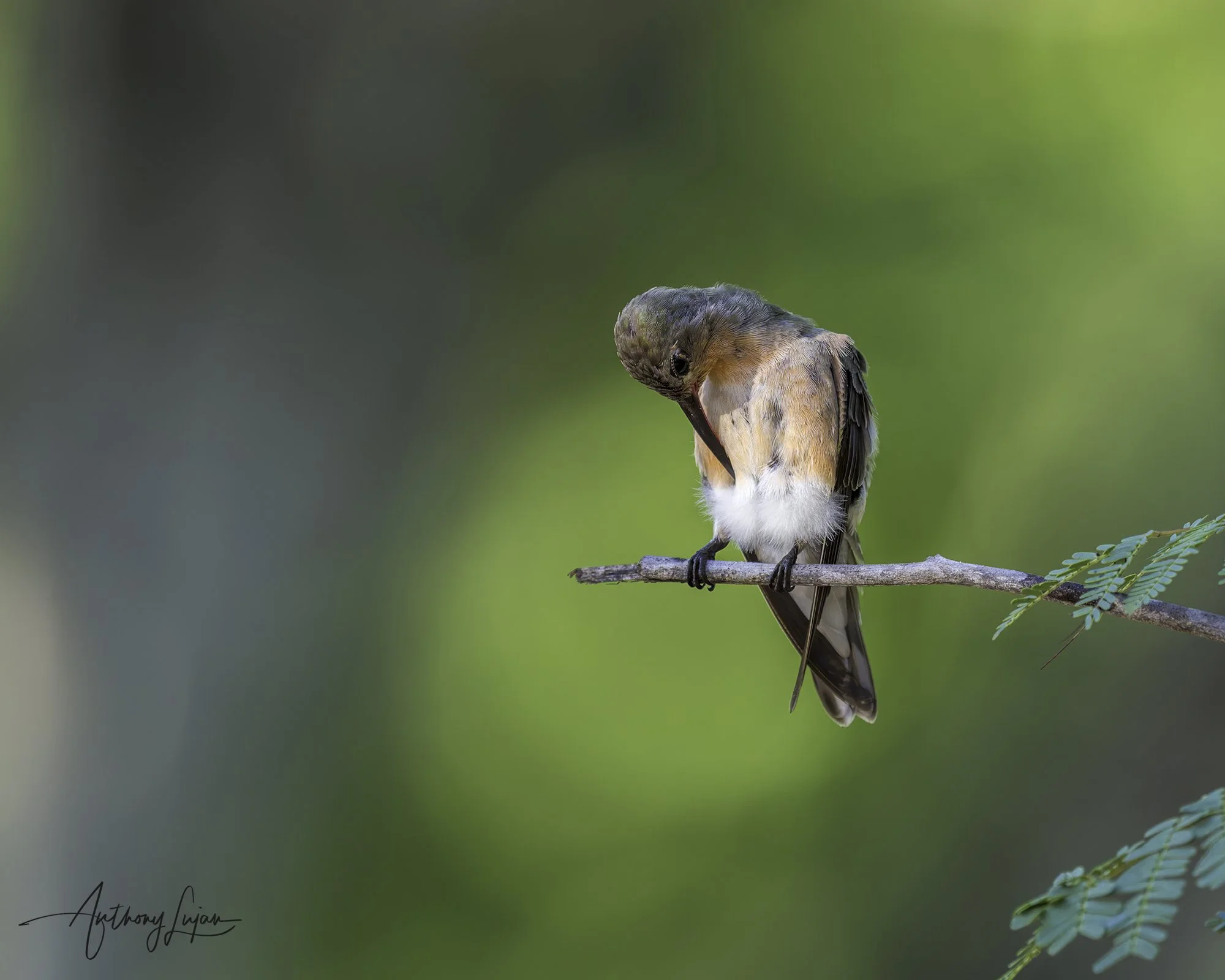
The Buffy Hummingbird is a small, pale hummingbird with dull green upperparts and buffy to pale cinnamon underparts that fade to whitish on the belly and undertail coverts. Unlike many emeralds, it lacks extensive bright throat or crown patches, instead blending into dry, dusty landscapes dominated by shrubs and cacti. It is particularly notable for feeding not only on nectar but also on the exposed flesh and juice of cactus fruits, making it an important pollinator and seed disperser in arid ecosystems.
Male Description
Adult males have dull green upperparts, including the crown, back, and wings, with a small whitish spot behind the eye. The underparts are pale cinnamon‑buff, grading to whitish on the lower belly and undertail coverts. The tail is dull green with a transverse gray bar and a rounded tip, sometimes showing slightly paler edging. The bill is straight and slender, with a black upper mandible and a pale lower mandible tipped dark. In the field, males appear as small, relatively plain buffy hummingbirds with a dull green back and pale underparts, well suited to dry scrub and cactus-dominated landscapes.
Female Description
Females closely resemble males but are often slightly duller overall, with less intense green above and paler buff below. The whitish belly and undertail coverts can be more extensive, and the buffy tones may be weaker or more washed out. Juveniles look similar to adult females but with even duller plumage, more brownish or grayish tones mixed into the upperparts, and less distinct contrast between the buffy underparts and whitish belly.
Habitat & Behavior
Buffy Hummingbirds inhabit arid scrub, desert shrubland, dry forest, thorny scrub, and coastal thornbush, as well as some mangrove edges and open, brushy areas with scattered shrubs and cacti. They forage at medium heights and near the ground, often around flowering cacti, agaves, and shrubs, and may also feed higher in the canopy of low dry forests. They defend favored nectar sources, chasing away other hummingbirds from rich patches of flowers. In addition to nectar, they consume the exposed flesh and juice of cactus fruits and catch small insects, making them both pollinators and insect predators in their dryland ecosystems.
Breeding
Breeding occurs within suitable dry seasons and may vary locally across the species’ range. The female builds a small cup nest of plant fibers, often lined with soft material and bound with spiderweb, usually placed on a horizontal branch or in a shrub in arid scrub or at the edge of dry forest. She lays two white eggs and alone incubates and raises the chicks, as is typical for hummingbirds. Nesting is often timed to periods when flowering and fruiting of key plants—such as cacti and shrubs—provide ample food.
Population
The total number of mature Buffy Hummingbirds is unknown, but the species is considered uncommon to locally common in suitable arid and semi‑arid habitats. Its range is relatively limited to northern South America, and the continuing loss and degradation of dry scrub, thorn forest, and coastal habitats contribute to a decreasing population trend, even though it remains locally secure where habitat persists.

Conservation
Buffy Hummingbird is currently assessed as Least Concern, reflecting its overall range and persistence, but a decreasing trend highlights vulnerability to habitat change. Conversion of arid scrub and dry forests to agriculture, grazing, and urban or coastal development reduces the availability of flowering shrubs, cacti, and nesting sites. Conservation of dry scrub and thorn forest, protection of coastal and inland cactus communities, and maintenance of native flowering plants in semi‑arid landscapes all help support this species and the specialized dryland communities it inhabits.
Checkout Anthony’s playlist of this species! Click the top right dropdown to see all the videos.
No related species in the Leucippus genus (1 species in total):
Please note: The content provided in this article reflects Anthony’s personal experience and photographic approach. Results can vary depending on light, weather, location, equipment, subject behavior, and field conditions.