
Scientific name: Selasphorus heloisa
The Bumblebee Hummingbird is an exceptionally small mountain hummingbird endemic to Mexico, where it inhabits pine–oak and evergreen forests on both major mountain chains. It is smallest known bird to have occurred north of Mexico. Its tiny size, preference for high-elevation forest, and frequent hovering around flowering shrubs give it a bee‑like quality in both appearance and behavior.
At a Glance
Family: Trochilidae (hummingbirds)
Clade: Mellisugini – “Bee” hummingbirds
Genus group:Selasphorus — small, often rufous or green-backed hummingbirds with bright gorgets and distinctive wing sounds
Range: Endemic to Mexico; found in both the Sierra Madre Occidental and Sierra Madre Oriental and south through highlands of central and southern Mexico, with very rare vagrants to Arizona, USA
Habitat: Semi-humid to humid pine–oak forest, evergreen forest, cloudforest, and humid scrub and edges in montane regions
Elevation: Mostly 1,500–3,000 m (4,900–9,800 ft)
Length: About 7–7.5 cm (2.8–3.0 in)
Weight: Around 2.2 g (0.078 oz)
Number of mature individuals: 50,000–499,999
Population trend: Stable
Status: Least Concern (IUCN)
Name Origin
The genus name Selasphorus comes from Greek roots often interpreted as “light-bearing” or “glowing,” referring to the brilliant iridescent gorgets and crowns typical of many species in this genus. The species name heloisa commemorates Heloïse (often interpreted as a feminine personal name honored by the describers Lesson and Delattre in 1839). Together, Selasphorus heloisa can be thought of as “Heloïse’s glowing hummingbird,” a nod to its sparkling plumage and namesake.
Subspecies and Distribution
Two subspecies:
Selasphorus heloisa heloisa
Distribution: Highlands of central and southern Mexico, from central Tamaulipas south through Veracruz and Puebla to Guerrero and Oaxaca in the Sierra Madre Oriental and Transvolcanic Belt.Selasphorus heloisa margarethae
Distribution: Northwestern and western Mexico in the Sierra Madre Occidental, from southeastern Sinaloa and southwestern Chihuahua south to Jalisco.
Across these subspecies, Bumblebee Hummingbird is found in both of Mexico’s major mountain ranges, primarily in montane pine–oak and evergreen forests, cloudforest, and humid scrub between about 1,500 and 3,000 m. It is predominantly Mexican, with only a handful of historical records as a vagrant from the Huachuca or nearby canyons in southeastern Arizona.
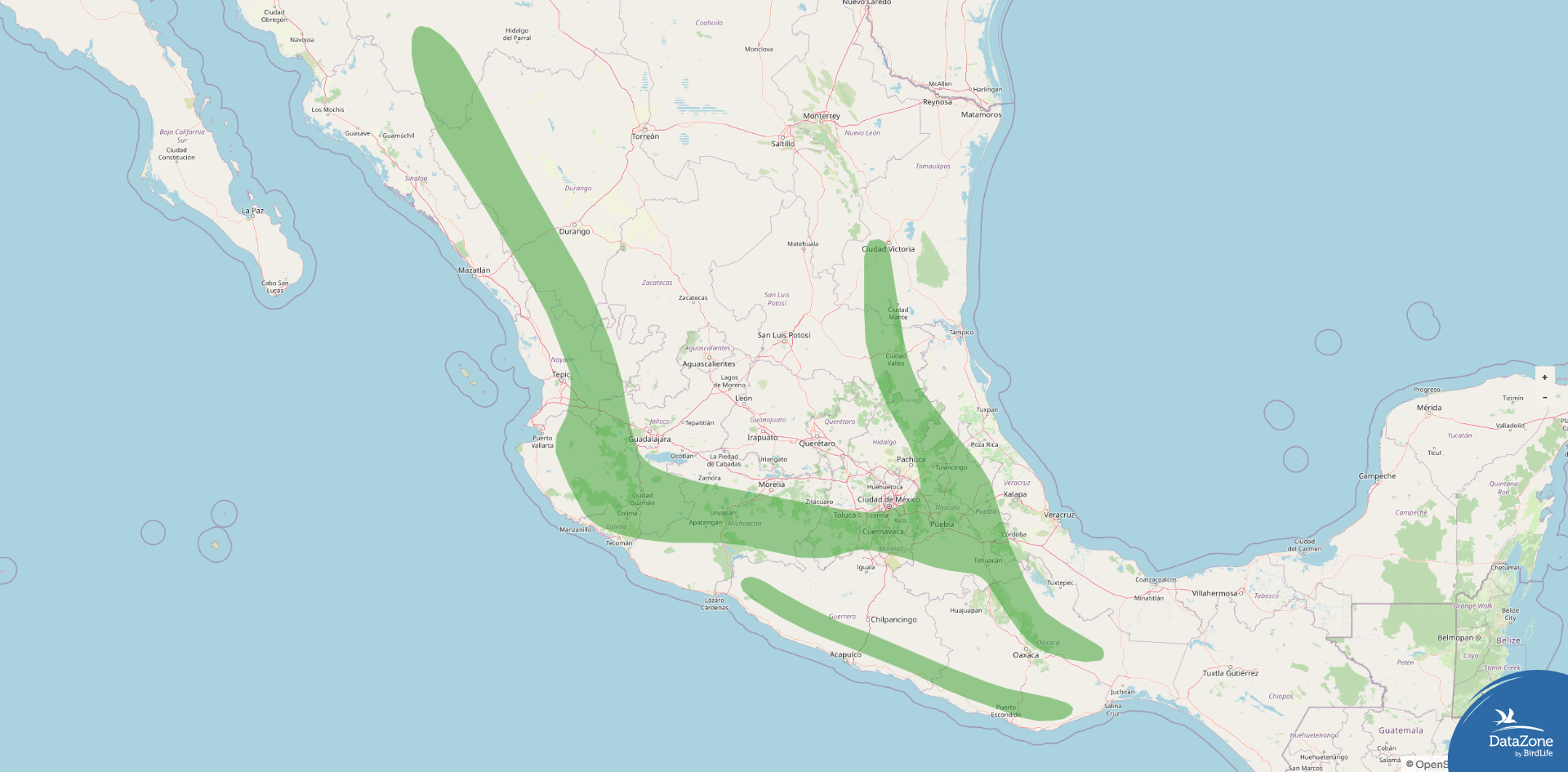
Legend
Green Resident
Species Overview
The Bumblebee Hummingbird is one of the tiniest hummingbirds and a characteristic resident of Mexican highland forests. Its very small size, short bill, and fast, hovering flight around shrubs and small trees create a bee‑like impression that fits its English name. Although its global population is relatively modest (estimated 50,000–499,999 mature individuals), it occupies a fairly broad swath of montane forest in Mexico and is currently assessed as Least Concern with a Stable population trend.
Identification
Male
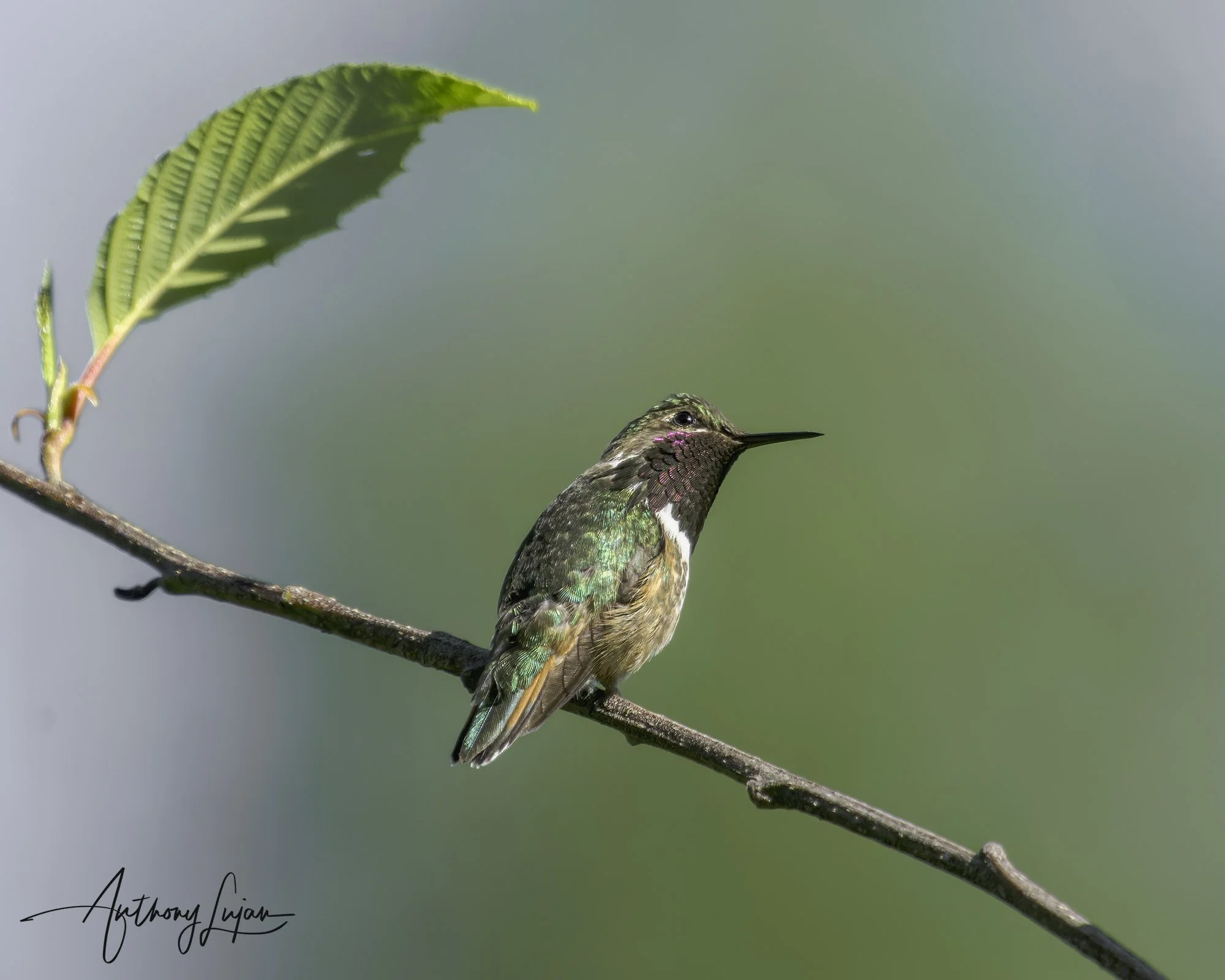
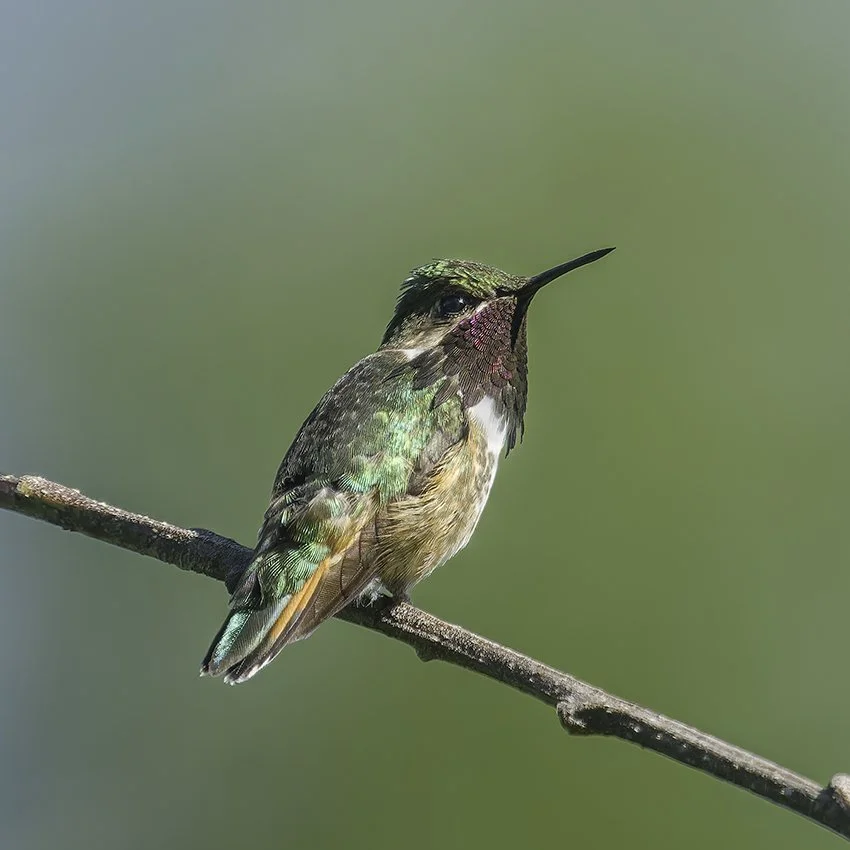
Adult males are tiny hummingbirds with green upperparts and a short, straight black bill. The gorget and upper breast show iridescent reddish to pinkish tones (varying by angle and light), contrasting with whitish underparts and some buffy or cinnamon wash on the flanks. The tail is relatively short and slightly forked, with dark feathers that may show some rufous tones toward the base; in flight, the bird appears compact with a relatively short tail compared to other Selasphorus species like Rufous or Broad-tailed. Overall, the male’s tiny size and subtle gorget coloration, along with its highland forest setting, help separate it from larger, more strongly rufous congeners.
Female
Females resemble males in size but lack the full reddish gorget, instead showing a pale throat with fine spotting or wash and generally paler underparts. The upperparts are green, and the tail is short with more limited or subtle rufous tones, often with pale tips to some tail feathers. Juveniles are similar to females until young males begin to develop more color in the gorget area.
Habitat and Behavior
Bumblebee Hummingbirds inhabit semi-humid to humid pine–oak forest, evergreen forest, cloudforest, and montane scrub in Mexico’s highlands, typically between 1,500 and 3,000 m. They occur along forest interiors, edges, and clearings, as well as in humid scrub and thickets where flowering shrubs and small trees are abundant. Within these habitats they forage at low to mid‑levels, visiting small tubular flowers and hovering to feed in a manner very reminiscent of large bees.
Their diet consists primarily of nectar from a variety of montane plants, with small insects and spiders taken for protein, especially during breeding. Bumblebee Hummingbirds are generally solitary and can be quite territorial around rich flower patches, engaging in aggressive chases despite their small size. The species is believed to be largely resident within Mexico, with local elevational movements following flowering patterns rather than long-distance migration.
Population and Threats
Bumblebee Hummingbird is assessed as Least Concern, with an estimated 50,000–499,999 mature individuals and a Stable population trend across its Mexican montane range. It occupies a relatively specialized elevational band of pine–oak and cloudforest, habitats that are subject to ongoing change from logging, agricultural expansion, and development in parts of Mexico. While it still appears locally fairly common in suitable habitat, continued loss and fragmentation of montane forest could pose future risks by reducing nectar resources and nesting sites.

Conservation
Conservation of Bumblebee Hummingbird depends on protecting semi-humid to humid pine–oak, evergreen, and cloudforest habitats in both the Sierra Madre Occidental and Sierra Madre Oriental. Preserving intact montane forest mosaics, limiting deforestation and heavy degradation, and maintaining undergrowth with native flowering shrubs all support this tiny highland specialist. As climate and land use reshape Mexico’s mountain ecosystems, monitoring of Bumblebee Hummingbird populations and continued protection of key elevational belts will be important to maintain its Stable status.
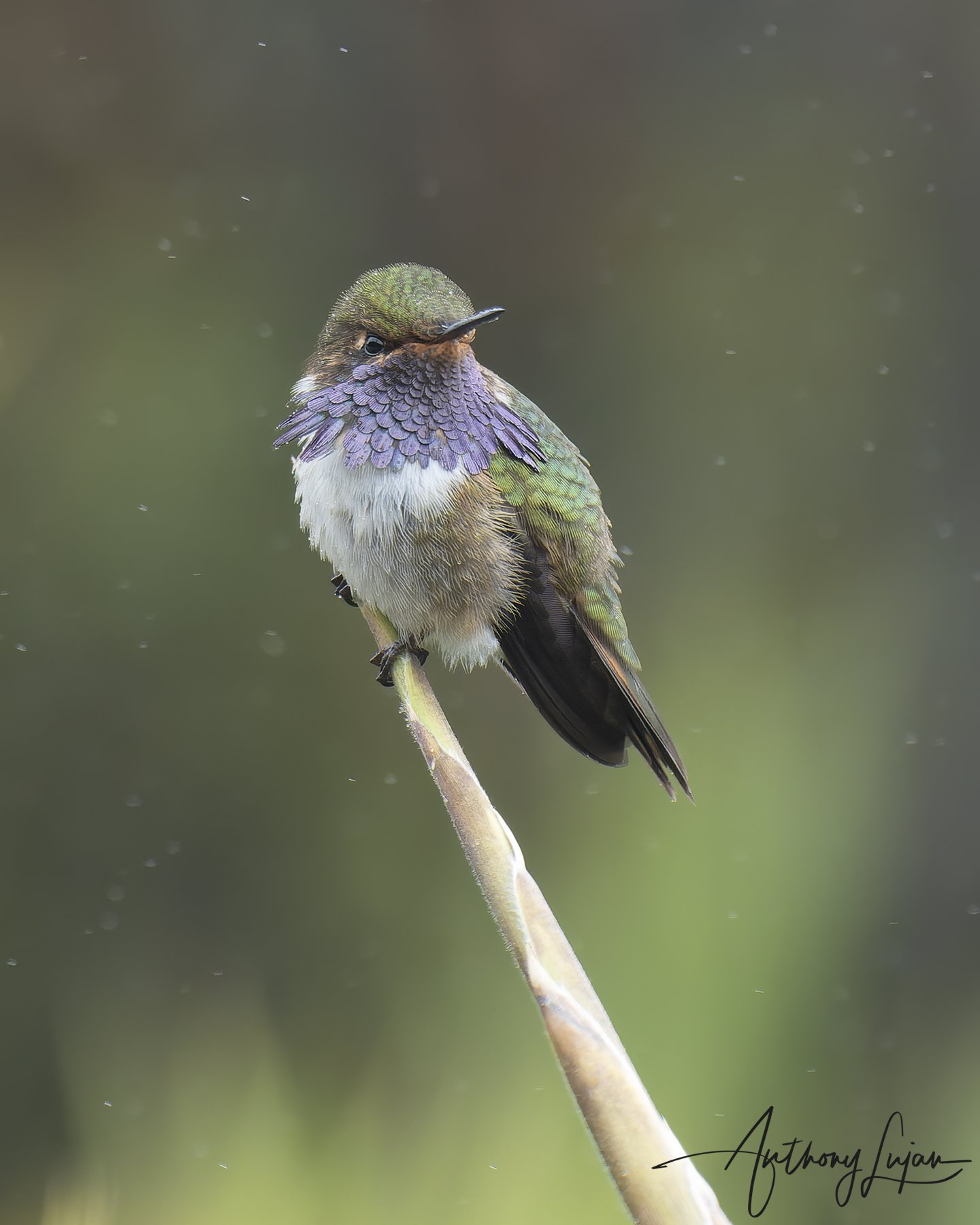
Below is the Bumblebee Hummingbird (Selasphorus heloisa heloisa)
Photographed at Camino El Manzanal–Miramar, Miahuatlán, Oaxaca, Mexico
This individual belongs to the nominate subspecies heloisa, which occurs throughout the highlands of southern Mexico, including the Sierra de Miahuatlán in Oaxaca. It inhabits pine-oak forest, forest edge, and scrubby clearings between 1,200 and 2,400 meters, often in areas rich in flowering herbs and shrubs.
Checkout Anthony’s playlist of this species! Click the top right dropdown to see all the videos.
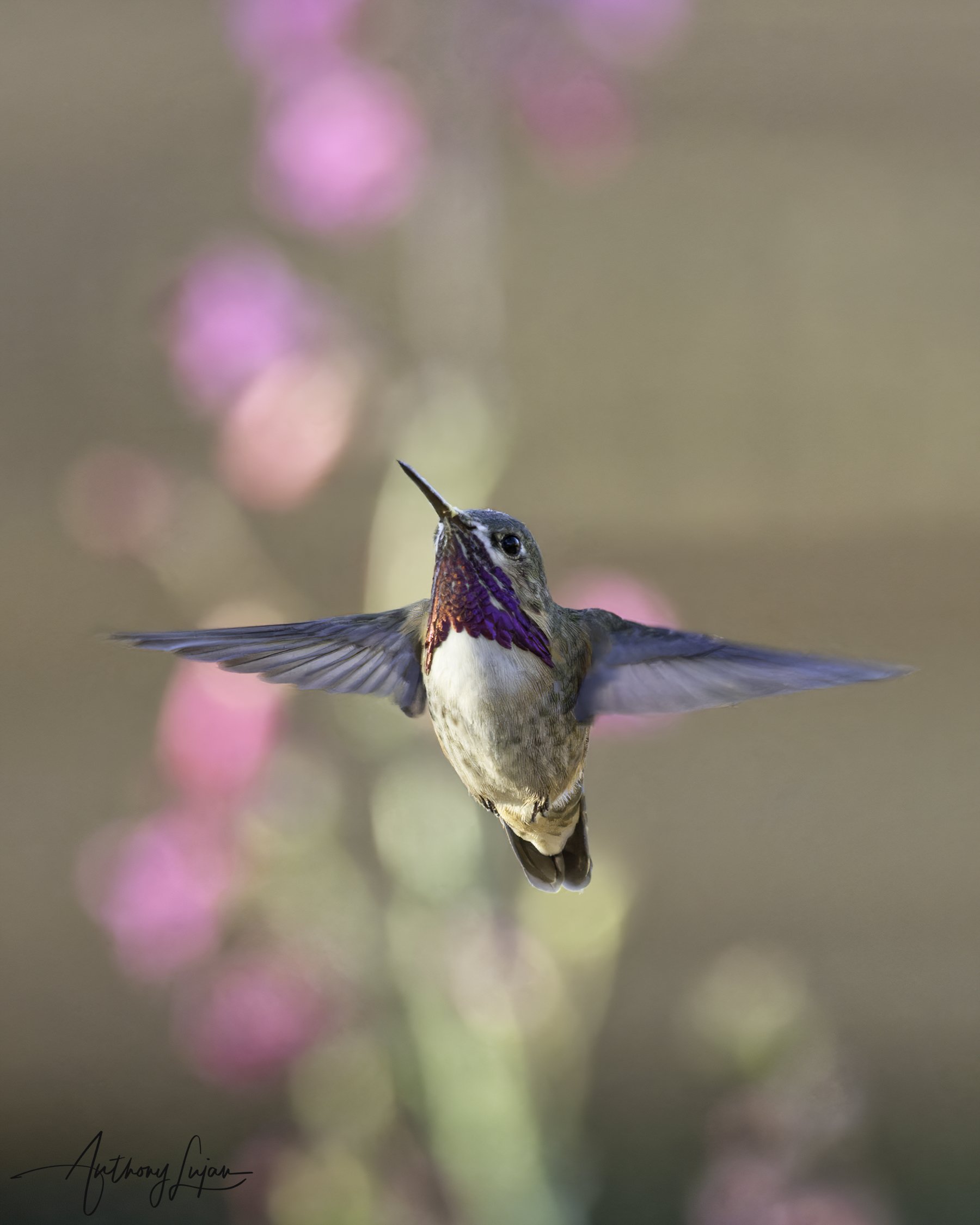
Related species in the Selasphorus genus (9 species total):





Please note: The content provided in this article reflects Anthony’s personal experience and photographic approach. Results can vary depending on light, weather, location, equipment, subject behavior, and field conditions.