
Collared Inca
Scientific name: Coeligena torquata
The Collared Inca is a striking Andean hummingbird found in humid montane forests from western Venezuela through Colombia and Ecuador to Peru and Bolivia. The number of mature individuals is unknown, but the population is thought to be decreasing, and it is currently listed as Least Concern with several recognized subspecies and no large-scale migratory movements
At a Glance
Family: Trochilidae (hummingbirds)
Clade: Heliantheini – Brilliants
Genus group: Coeligena — 15 species, 28 subspecies
Range: Humid Andean forests and forest edges from western Venezuela through Colombia and Ecuador south into Peru and Bolivia.
Habitat: Subtropical and temperate cloud forests, humid montane forest interiors and edges, especially along thickets and forest borders.
Elevation: Mainly about 1,800–3,000 m, often above 2,100 m in Ecuador and typically in upper-montane zones throughout the Andes.
Length: About 10–14 cm (3.9–5.5 in), a medium-large hummingbird with a long straight bill.
Weight: Roughly 6–8 g, varying slightly among populations and sexes.
Number of mature individuals: Unknown
Population trend: Decreasing
Status: Least Concern (IUCN)
Name Origin
The genus name Coeligena combines Latin roots meaning “heaven-born” or “born of the sky,” a reference to the shining, ethereal appearance of these high-Andean hummingbirds. The species name torquata means “collared,” describing the bold white chest patch that forms a collar across the upper breast. The English name “Collared Inca” similarly highlights this conspicuous white “collar” and follows a traditional naming pattern for several Andean hummingbirds known as incas.
Subspecies & Distribution
Coeligena torquata torquata (collard)
Occurs in the Andes of northwestern Venezuela, Colombia, eastern Ecuador, and northern Peru, mainly in humid montane forests on both slopes.Coeligena torquata fulgidigula
Found on the eastern slope of Ecuador, with birds somewhat greener overall and males showing a particularly bright blue or turquoise chin and forehead.Coeligena torquata margaretae
Ranges from central Amazonas Region of Peru south to Pasco, with males showing a two-part green-and-blue forehead patch and females having a white-and-green spotted chin.Coeligena torquata insectivora
Inhabits montane forests from Pasco south to Ayacucho in Peru, in humid Andean slopes and cloud forest borders.Coeligena torquata eisenmanni (Vilcabamba)
Occurs in a relatively small area northwest of Cusco, Peru, where both sexes show some coppery uppertail coverts and subtle plumage differences from other forms.
Taken together, Coeligena torquata occupies a long but relatively narrow band of humid montane forest along the Andes from western Venezuela south through Colombia and Ecuador into Peru and northern Bolivia, mainly at mid- to high elevations in cloud forest zones.
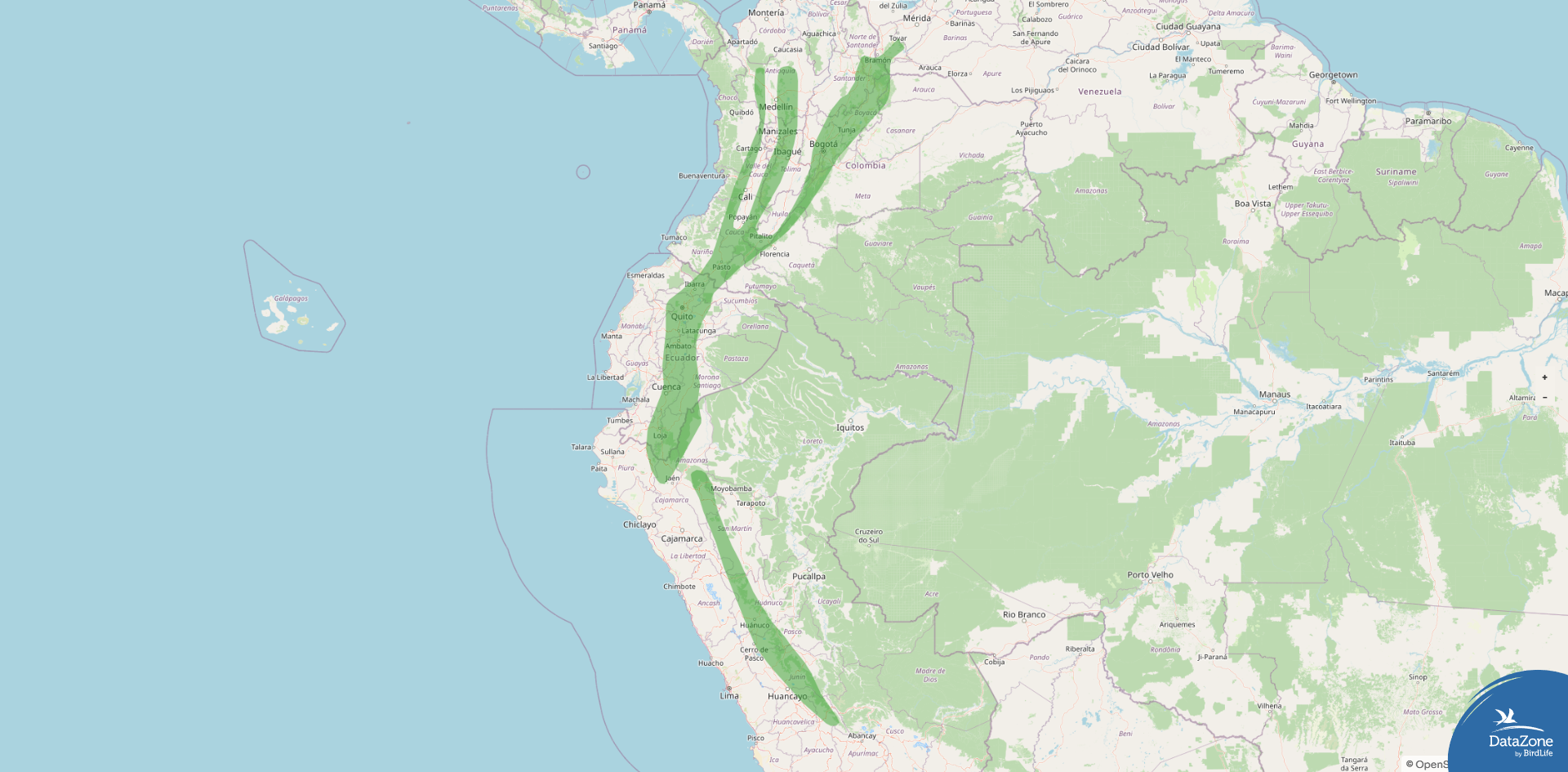
Legend
Green Resident
Species Overview
The Collared Inca is one of the most distinctive Andean hummingbirds, appearing mostly dark with a bold white chest patch and white in the tail that stand out in shaded cloud forest. It frequents humid montane forest interiors and borders, often visiting flowering shrubs along trails, forest edges, and clearings. Like many high-elevation hummingbirds, it plays an important role as a pollinator of Andean plants, particularly bromeliads and other tubular flowers.
Male Description
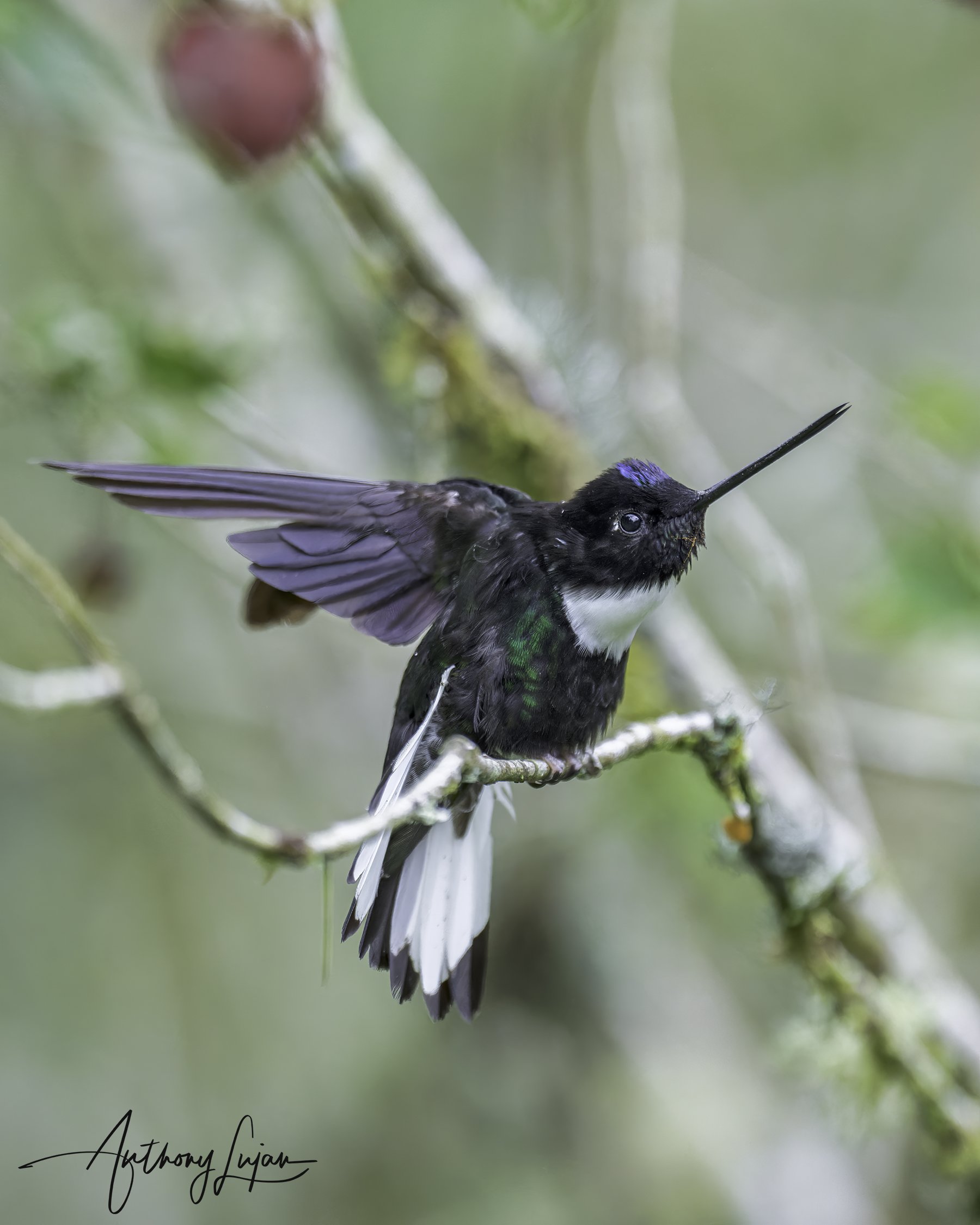
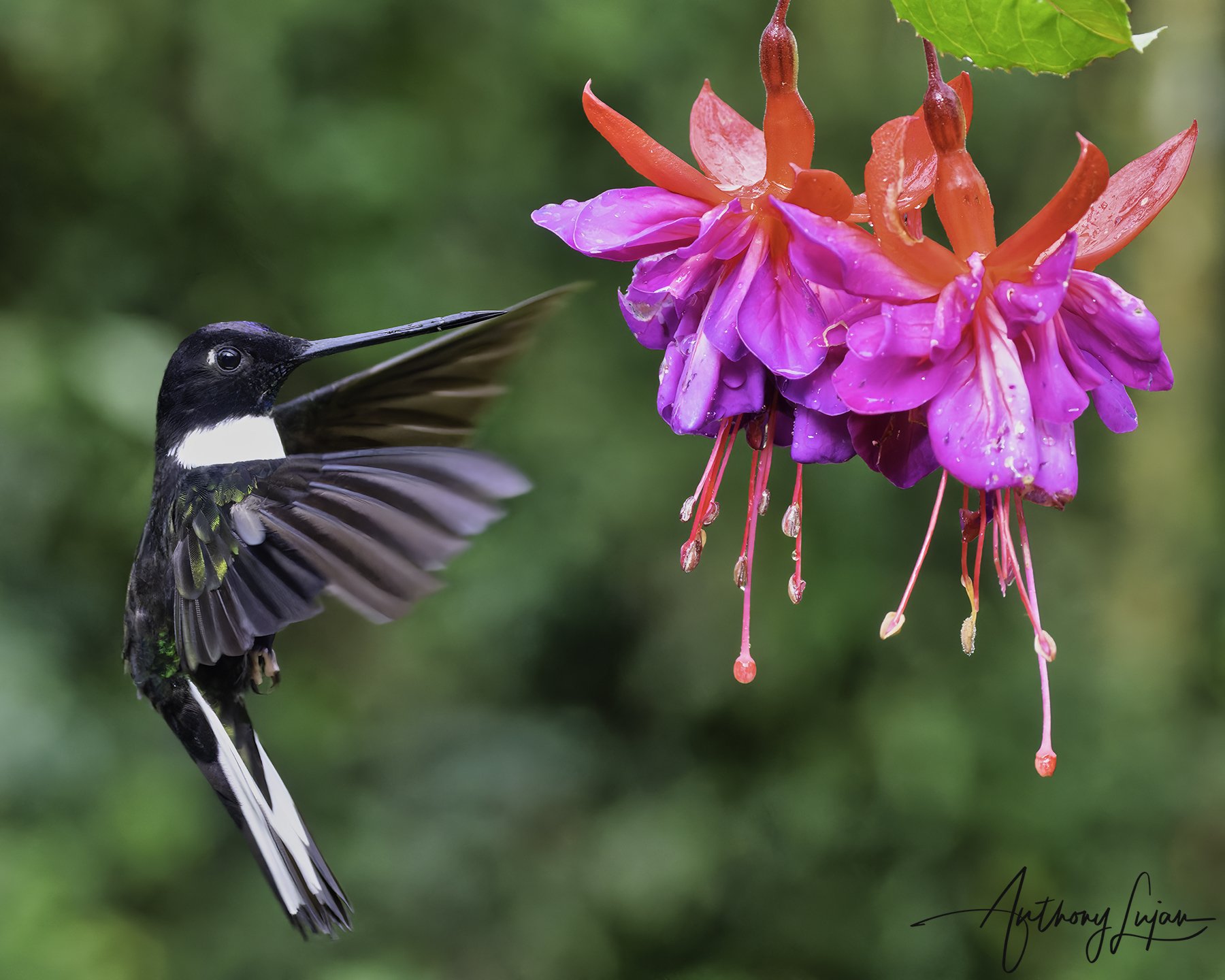
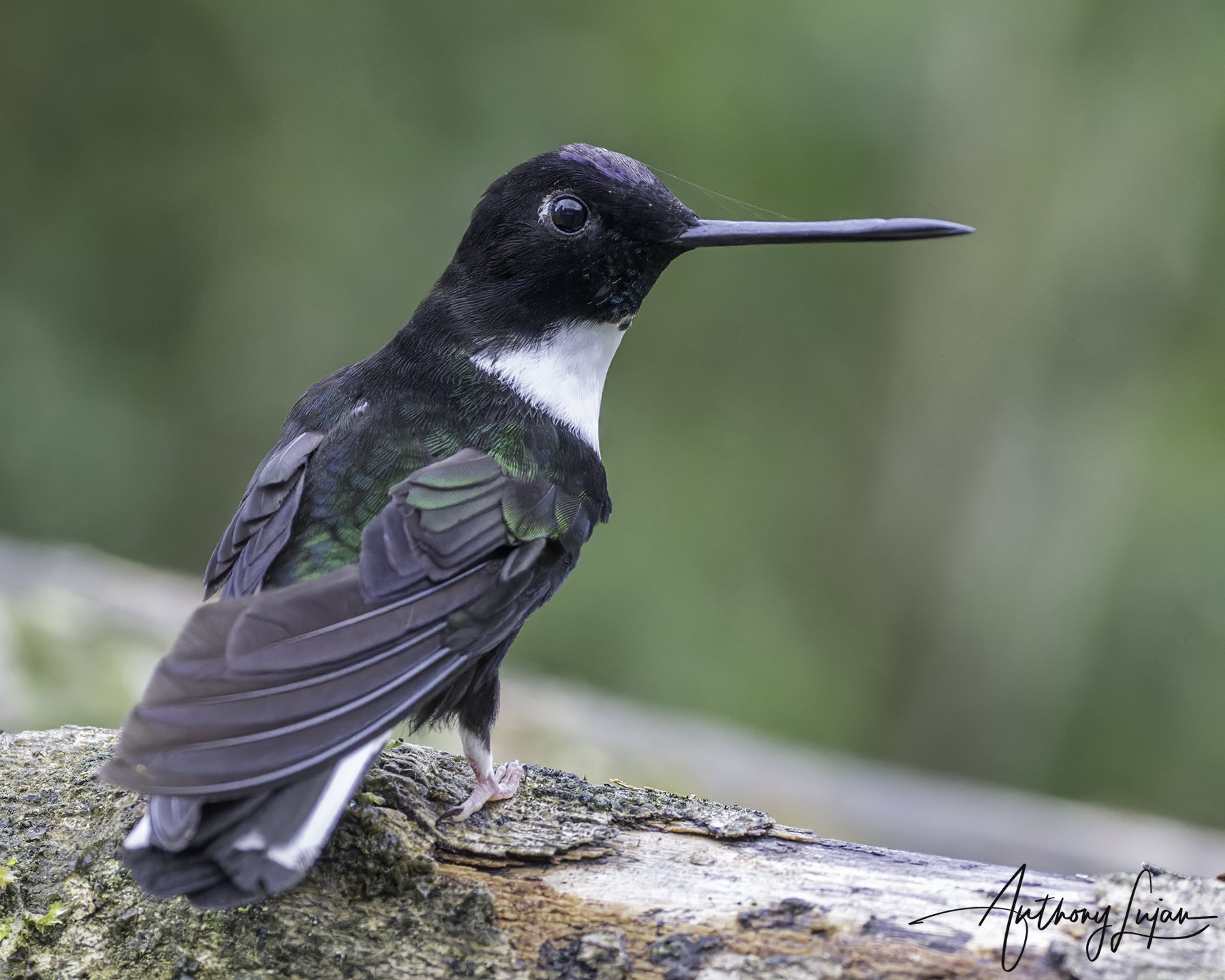
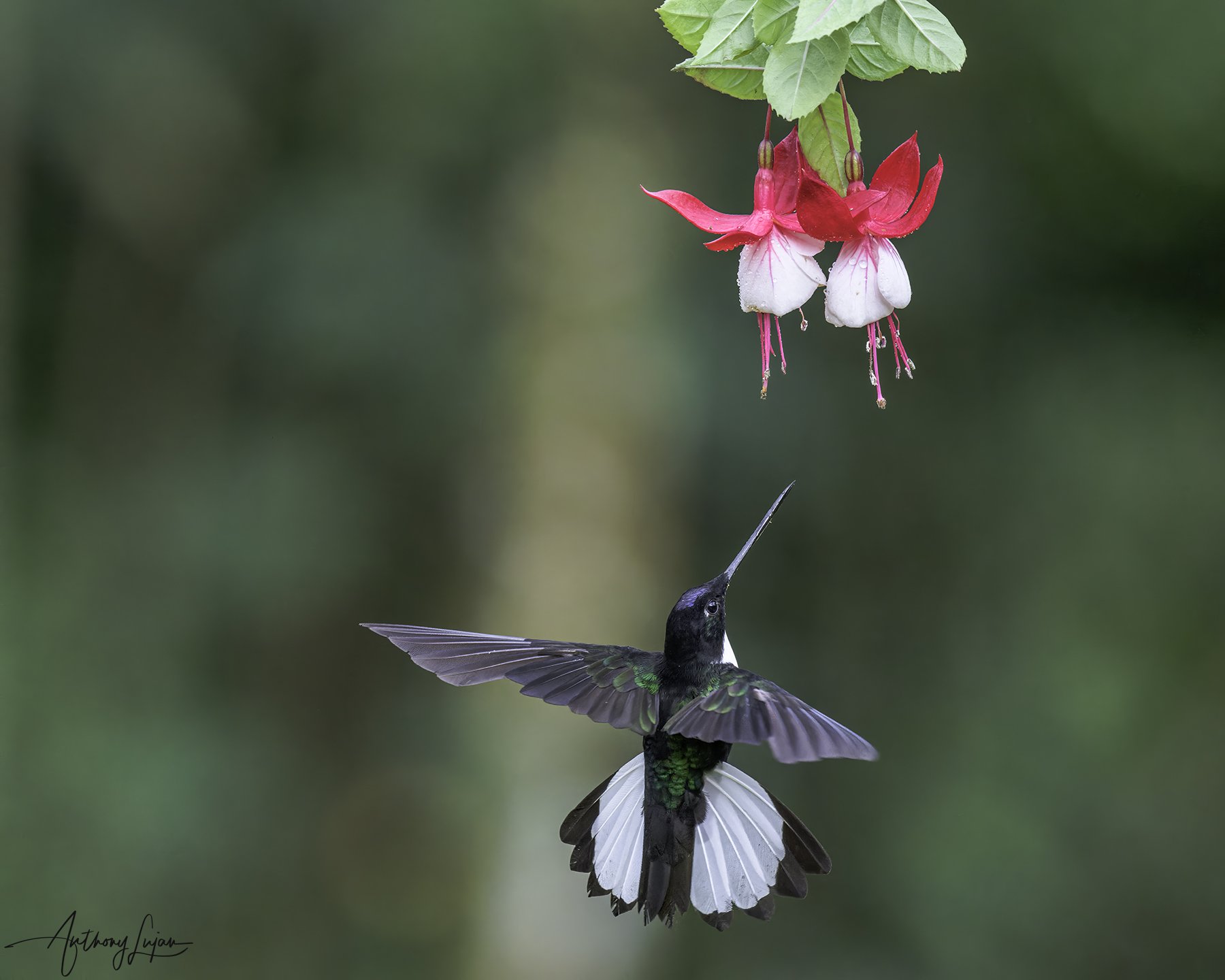
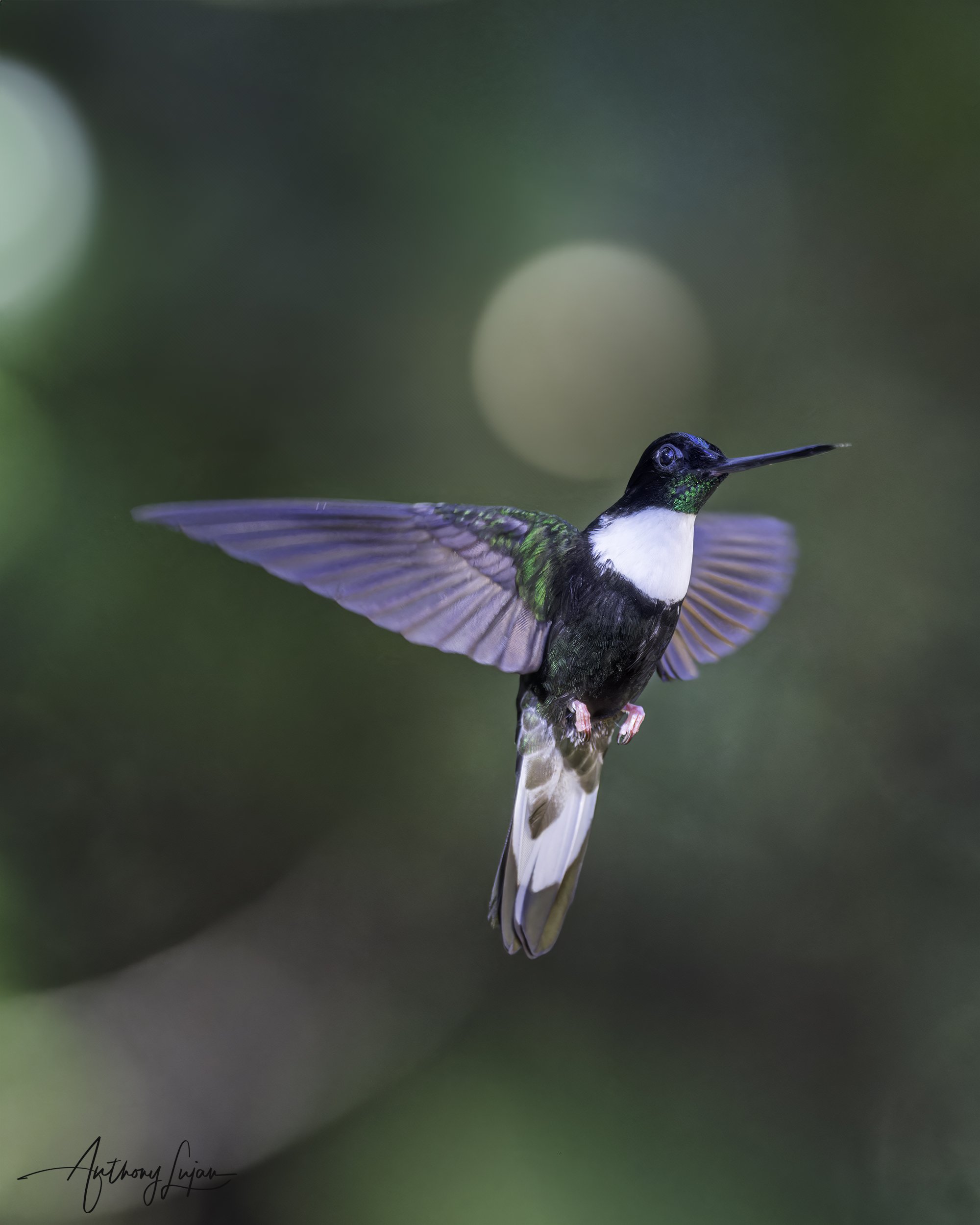
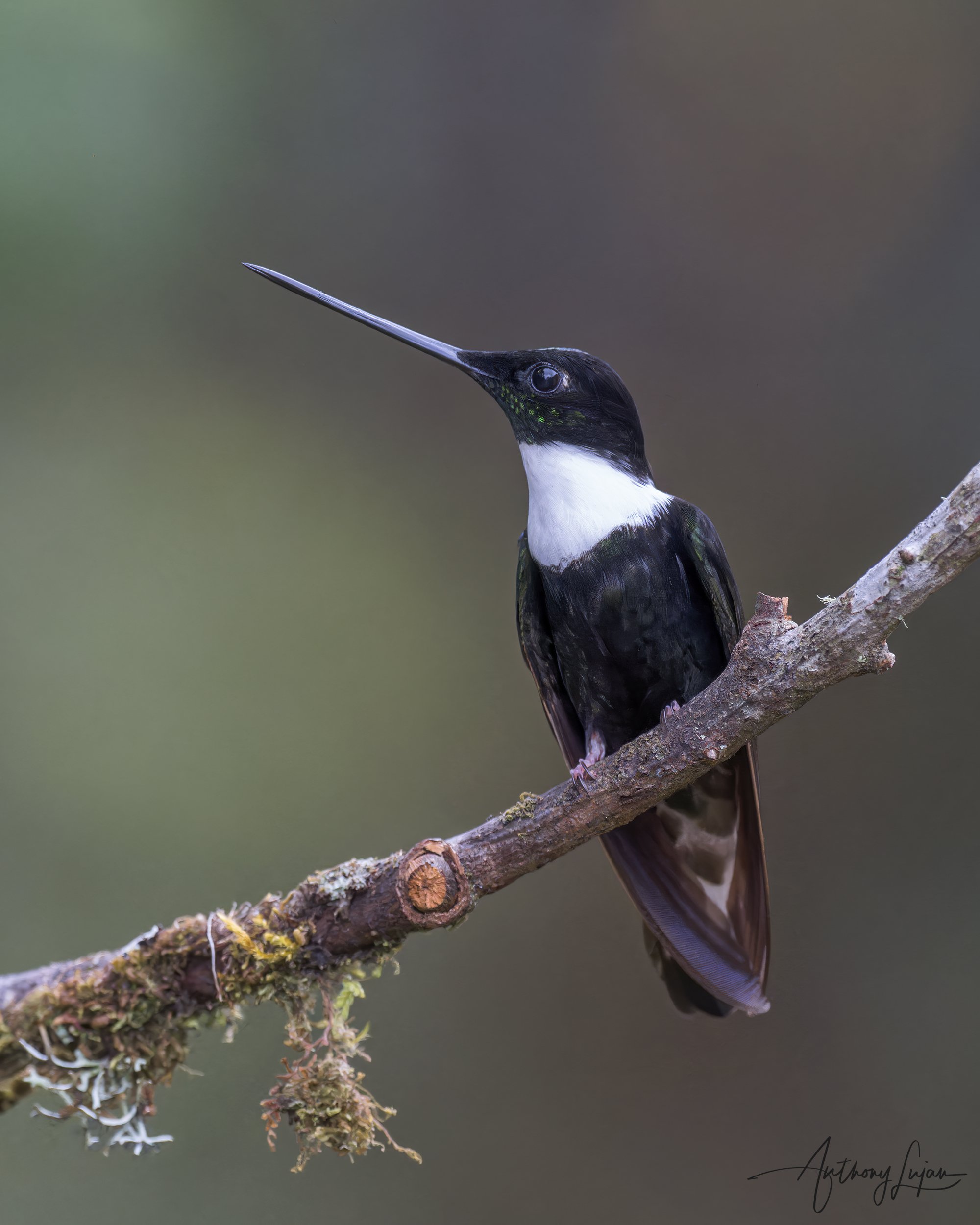
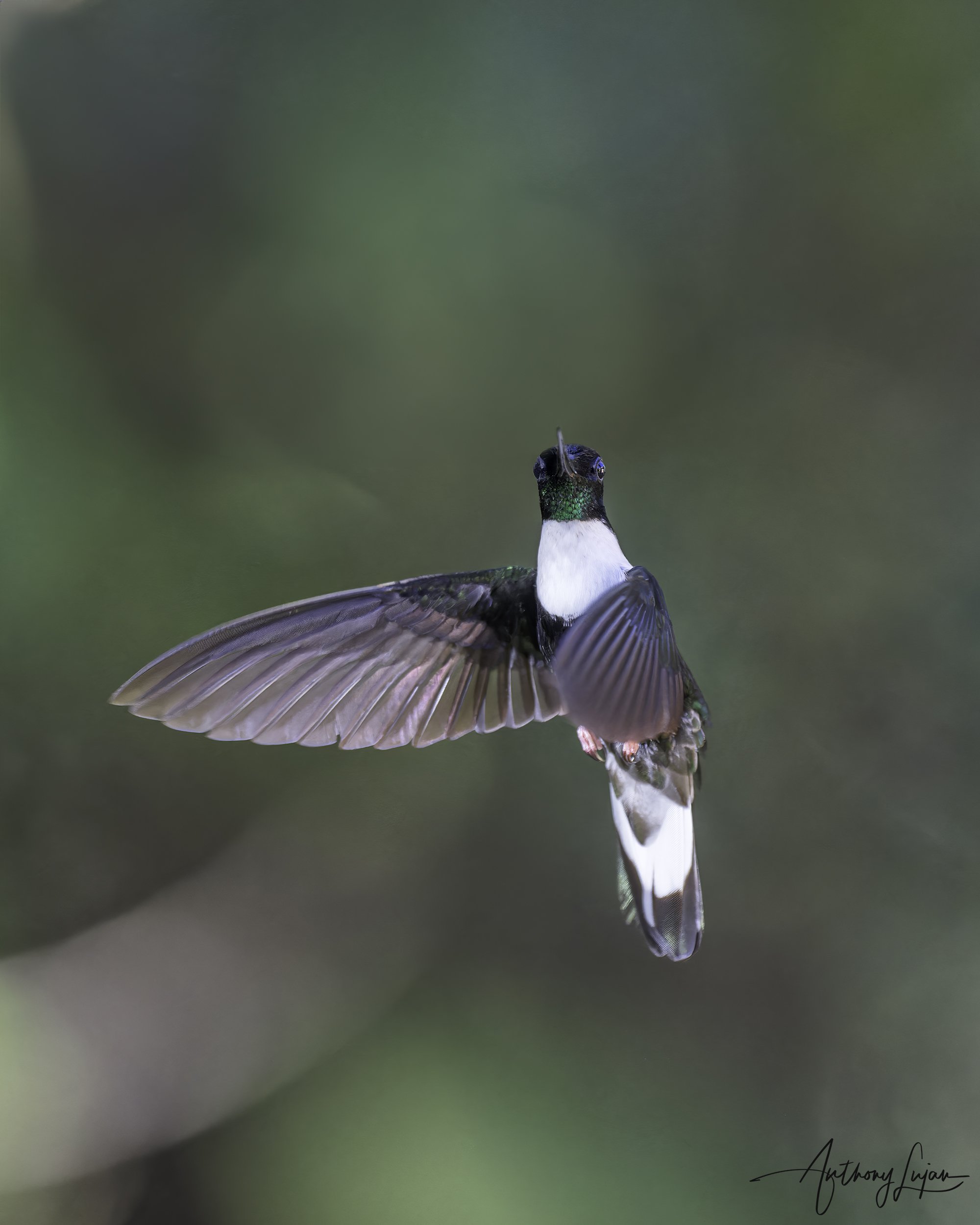
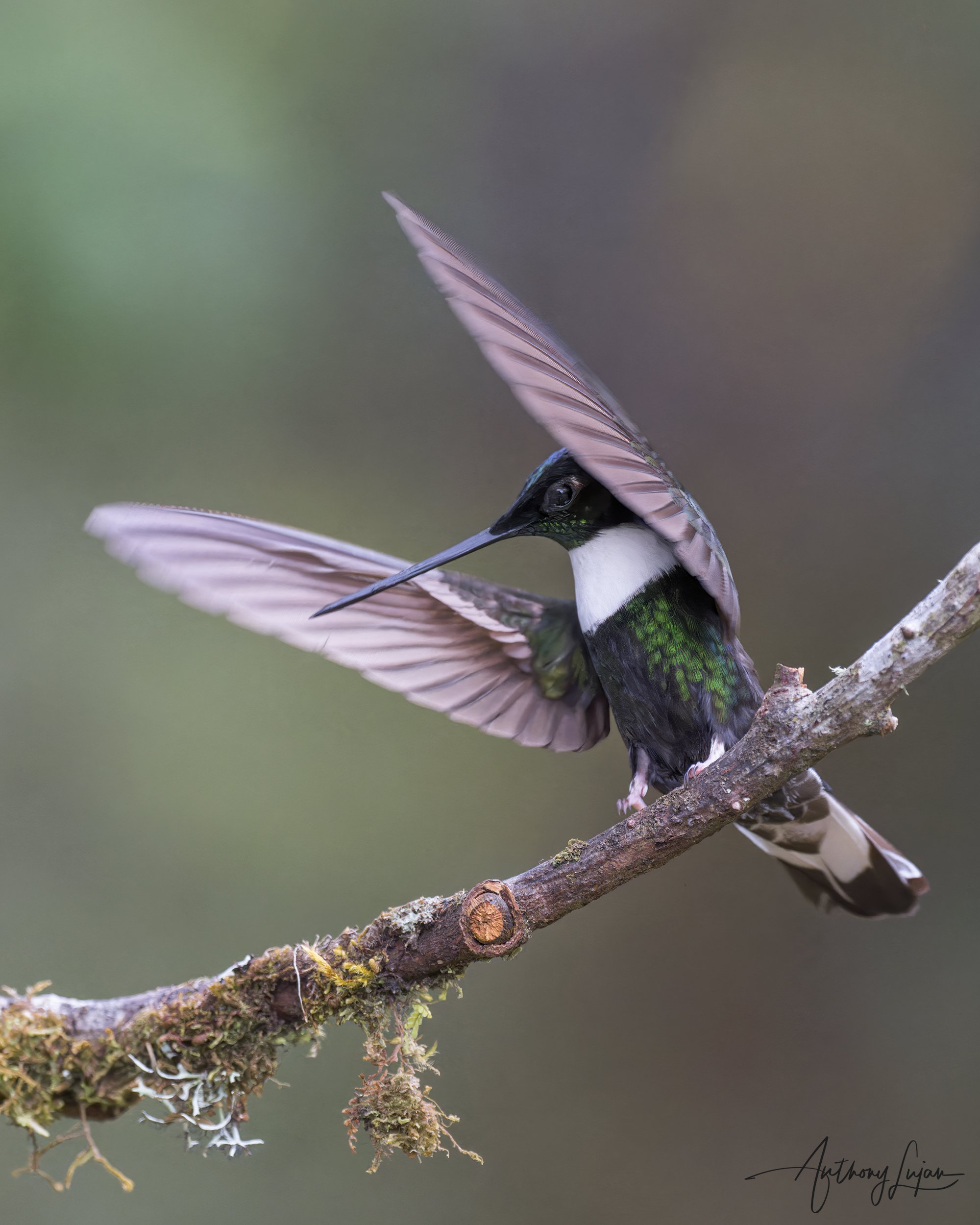
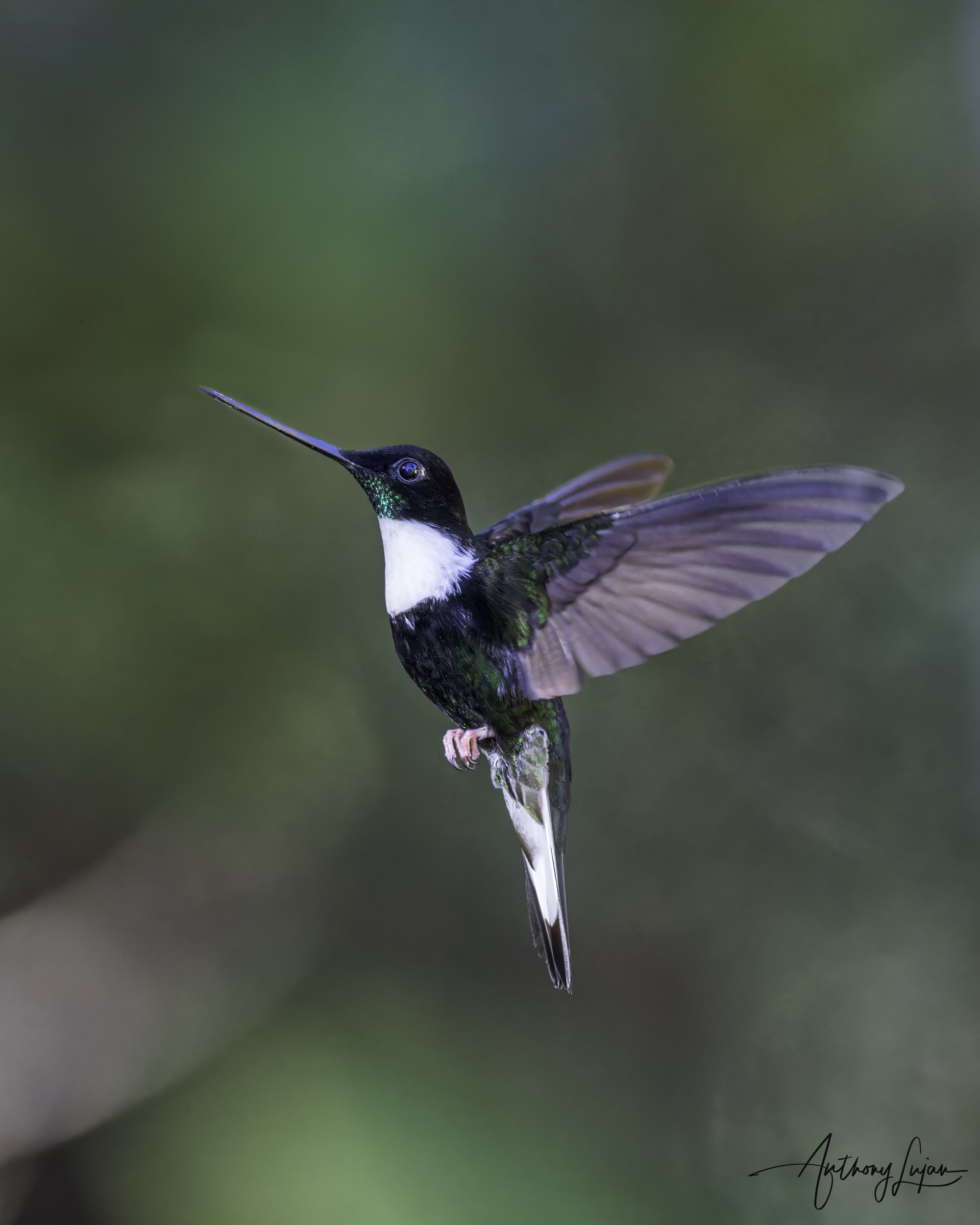
Adult males are mostly blackish to dark green with a long, straight black bill and a conspicuous, broad white patch across the upper breast that forms a collar. In good light, males show a shimmering metallic violet or bluish forehead patch, a glittering green throat, white thighs, and dusky feet, with dark green mixed into the otherwise dark body plumage. The tail is mostly black, but the basal half of the outer four tail feathers is white, creating bold white flashes in flight and when the tail is fanned. Overall, males present as dark, elegant hummingbirds with a large white chest patch and contrasting white tail elements that make them easy to recognize.
Female Description
Females resemble males but are slightly smaller and overall greener above, with less extensive blackish tones. The throat is duller, often with some white and green speckling rather than a solid shimmering green patch, and the white chest patch is typically a bit smaller and less crisply defined. The tail pattern mirrors that of the male, with dark central feathers and white on the basal portions of the outer rectrices, though the tail can appear slightly less strongly forked. In the field, females look like greener, somewhat softer-toned versions of the male, still showing the characteristic white collar and tail flashes that define the species.
Habitat & Behavior
Collared Incas inhabit humid subtropical and temperate cloud forests, usually in the understorey and along borders and thickets near forest edges. They typically forage below mid-canopy height, visiting a variety of tubular flowers, especially bromeliads, and also catching small insects and other arthropods for protein. The species is usually solitary at flowers and may use a mix of trap-lining along regular feeding routes and defending rich flowering patches, depending on local resource abundance. It is considered resident throughout most of its range, with no strong evidence for long-distance migration, though some local elevational movements may occur in response to flower availability.
Population
Although the global number of mature individuals is unknown, the Collared Inca is described as fairly common across much of its broad Andean range where suitable humid montane forest persists. It can be locally abundant at flowering shrubs and along forest borders but is naturally patchy, tracking the distribution of cloud forest and key nectar plants. Despite its relative commonness, ongoing habitat changes in the Andes suggest an overall decreasing trend.

Conservation
The Collared Inca is currently assessed as Least Concern, largely because of its wide geographic range and general presence in many Andean regions. However, deforestation, fragmentation of montane forests, agricultural expansion, and infrastructure development threaten its habitat, especially at mid-elevations where human pressure is often greatest. Protection of cloud forests within national parks and reserves, maintenance of forested corridors, and promotion of shade-grown agriculture help safeguard habitat for this and other Andean hummingbirds, and continued monitoring is important to detect any acceleration in declines that could alter its conservation status in the future.
Below is the Collared Inca (Coeligena torquata torquata)
Photographed in Reserva Ecológica Río Blanco, Caldas, and Manaure, Cesar, Colombia
These individuals belong to the nominate subspecies torquata, which is widespread in the Colombian Andes. In both the Central Andes near Río Blanco and the Eastern Andes in the Manaure region, the species occupies humid montane forest, forest edge, and high elevation shrub zones.
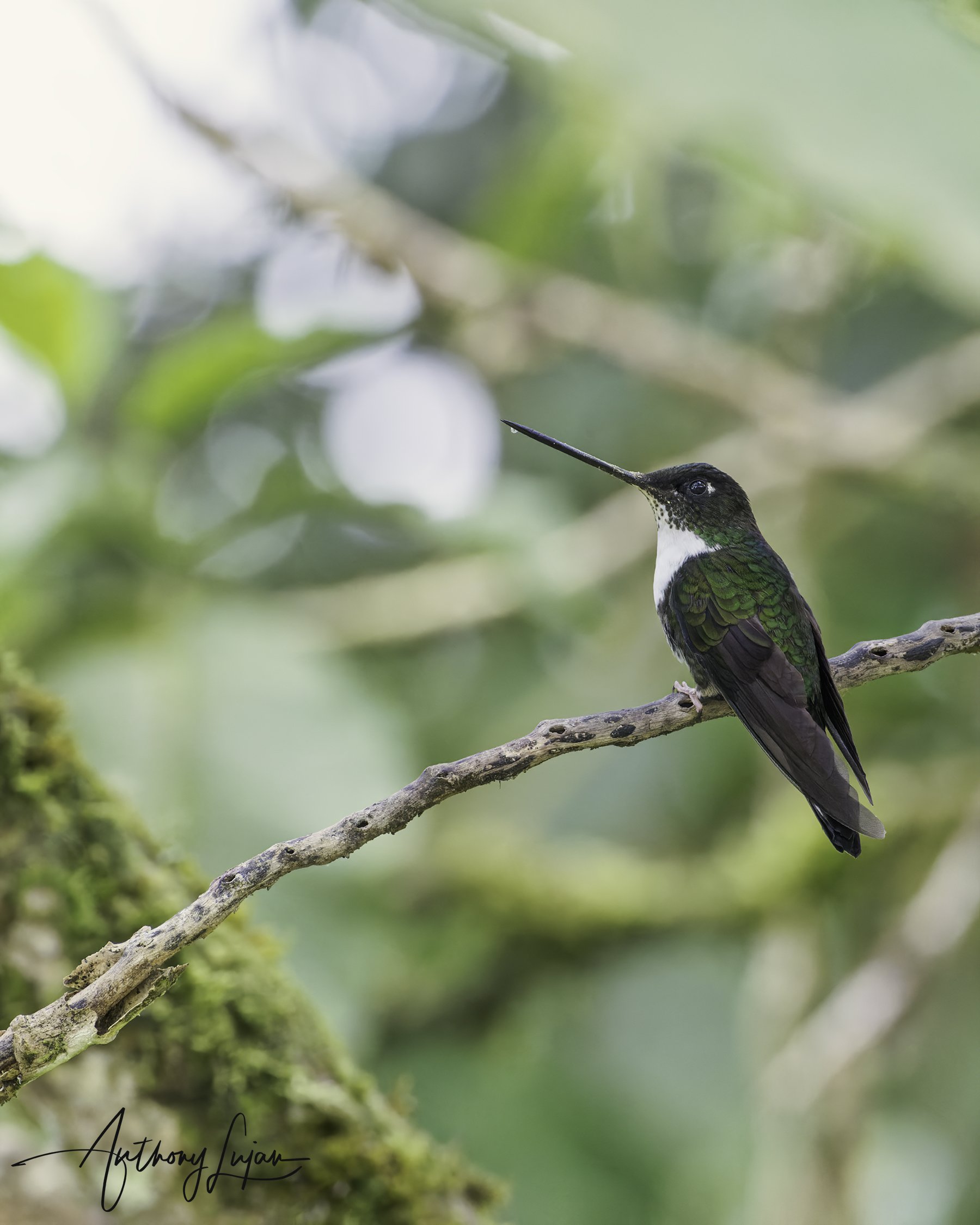
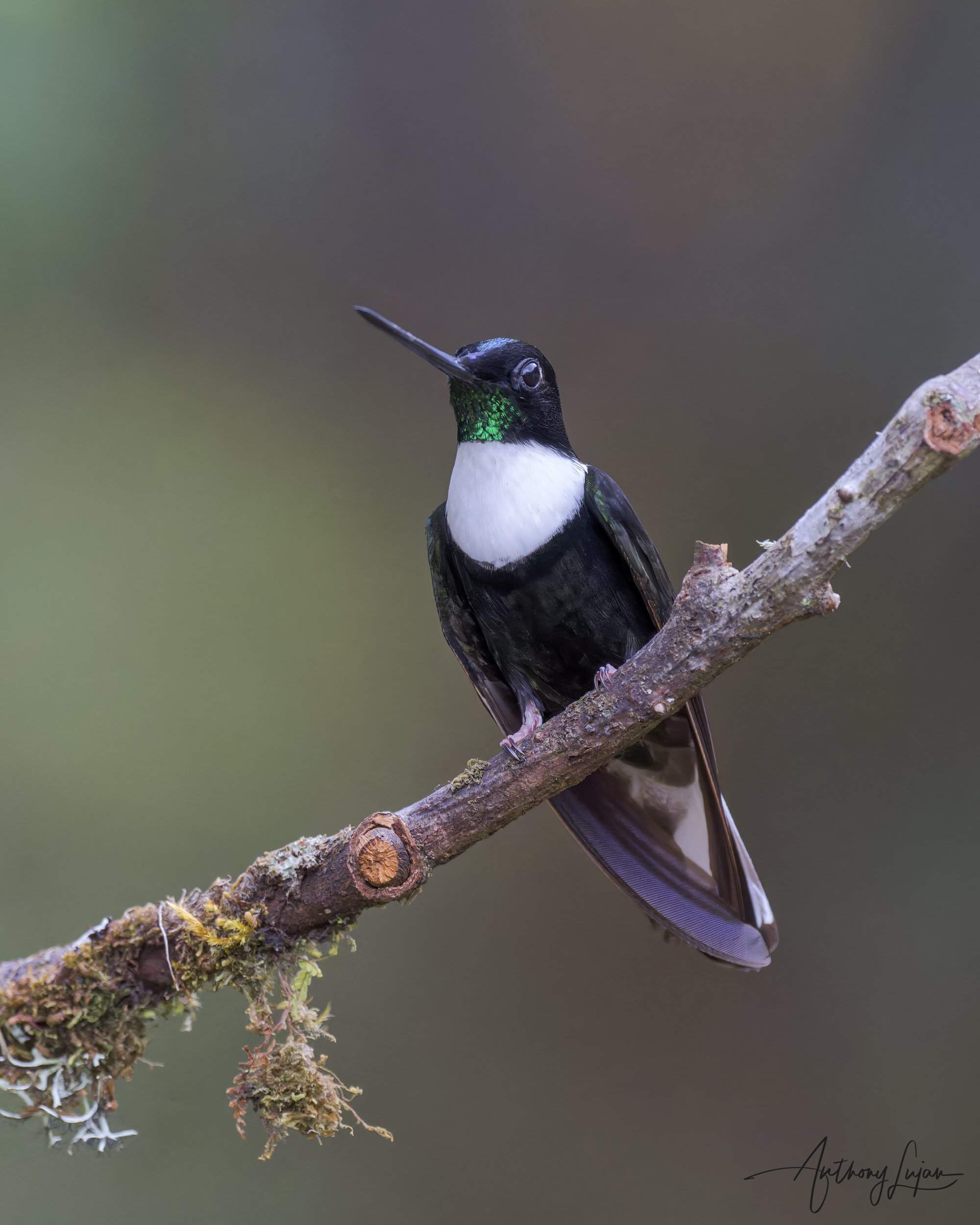
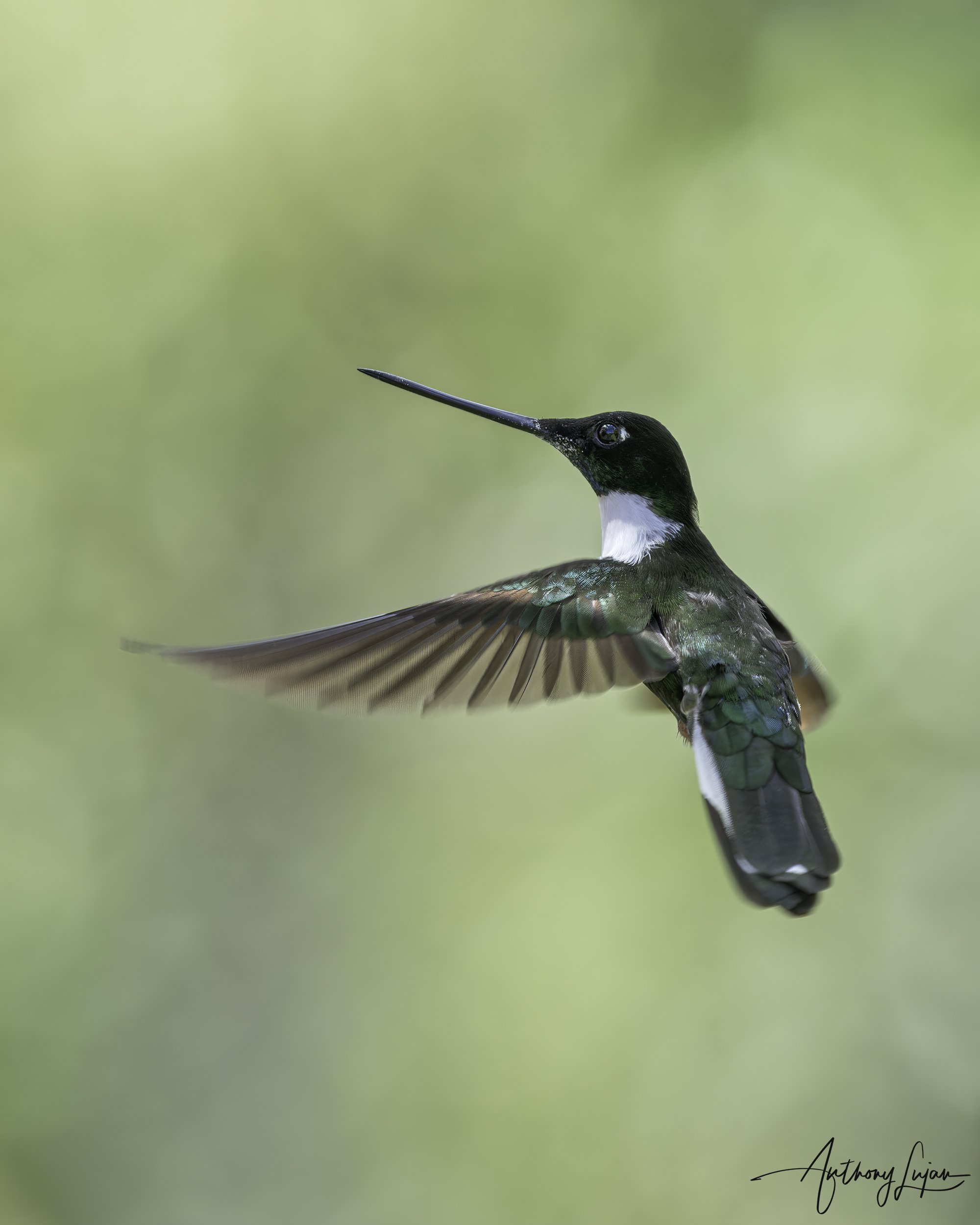
Below is the Collared Inca (Coeligena torquata margaretae)
Photographed in Amazonas, Peru
This individual belongs to the subspecies margaretae, which occurs in the eastern Andean slopes of Peru. In this region, the species inhabits humid montane forest and cloud forest edge where it forages among tubular flowers and flowering shrubs.
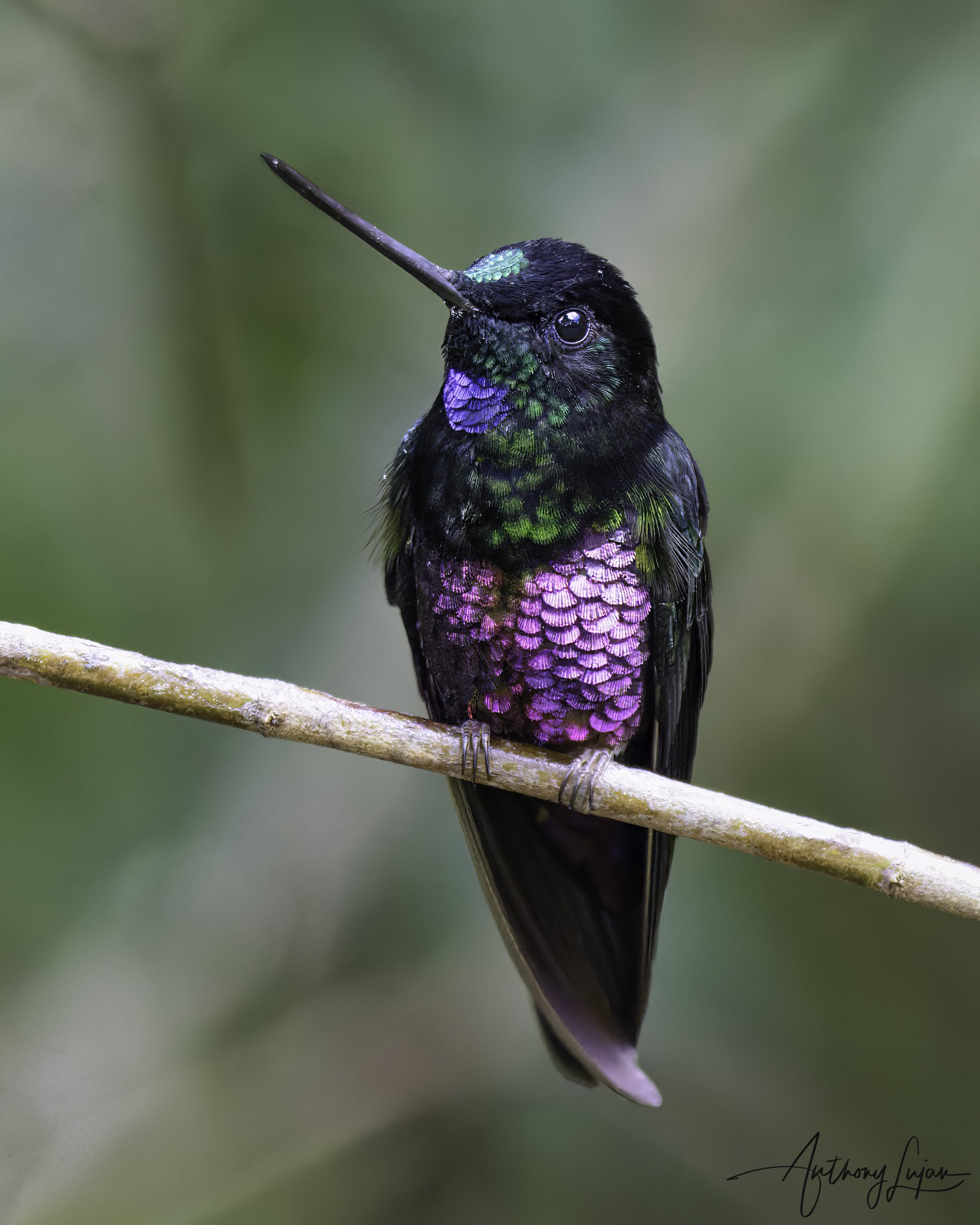
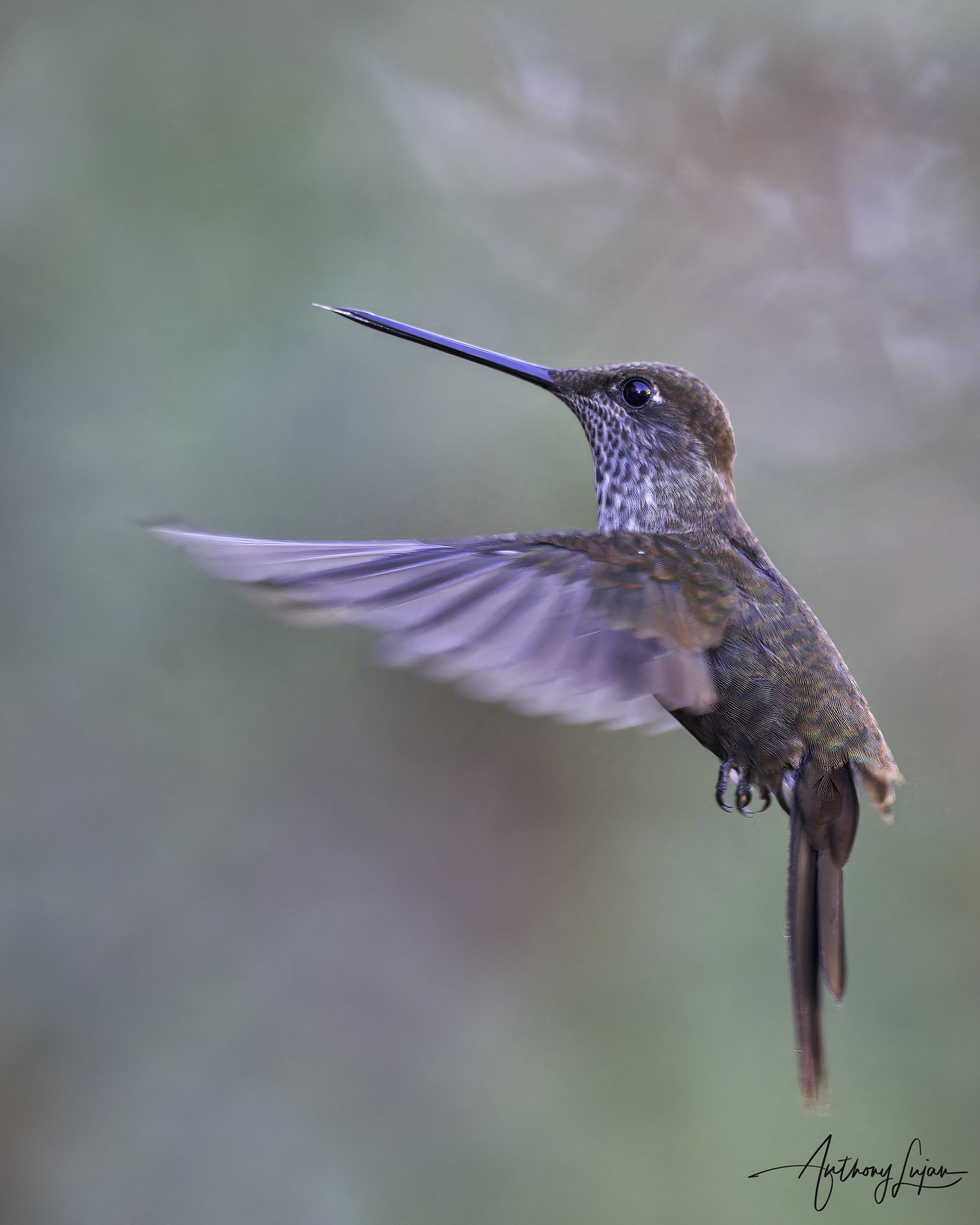
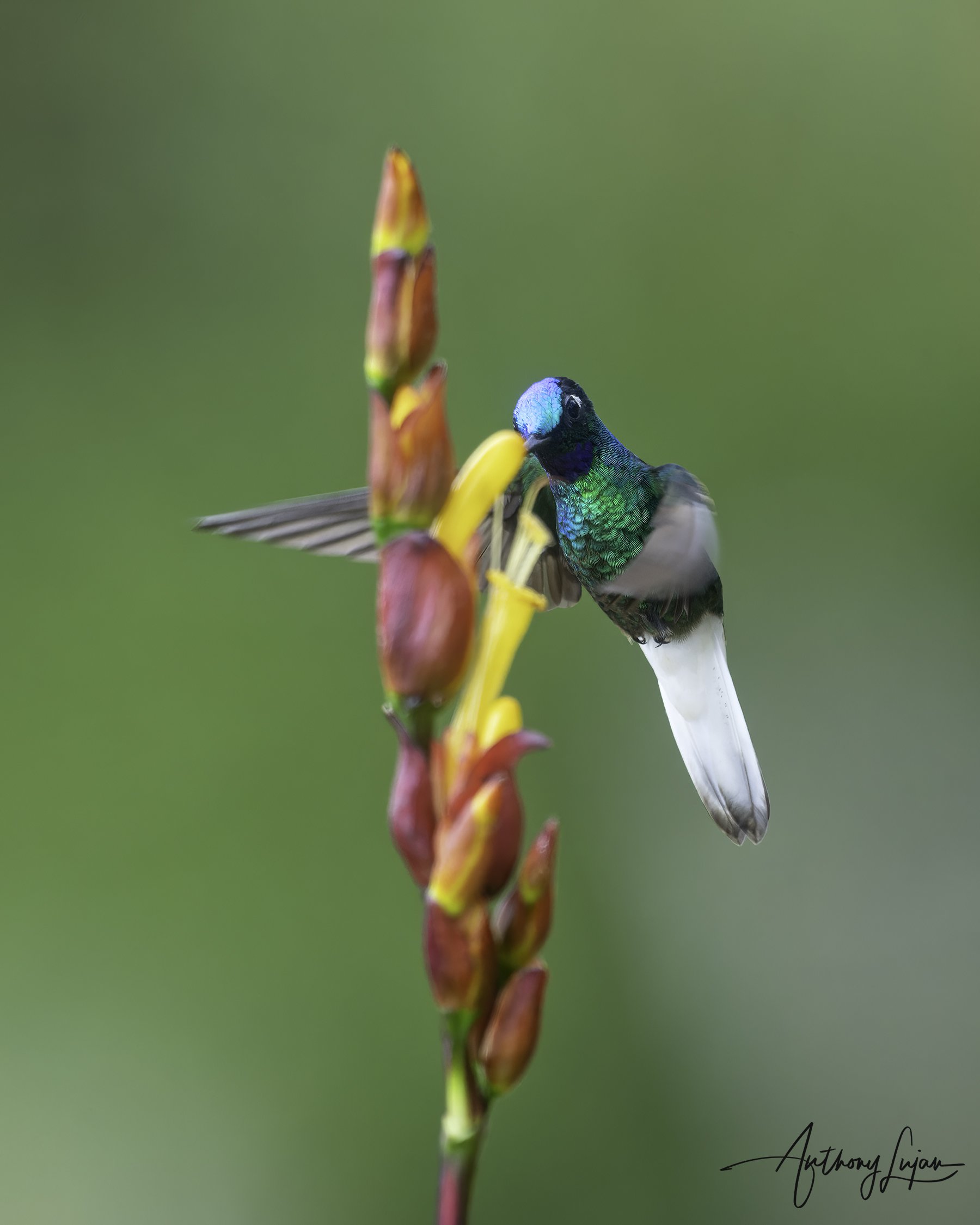
Related species in the Coeligena genus (15 species total):



Please note: The content provided in this article reflects Anthony’s personal experience and photographic approach. Results can vary depending on light, weather, location, equipment, subject behavior, and field conditions.