
Copper-rumped Hummingbird
Scientific name: Saucerottia tobaci
The Copper-rumped Hummingbird is a small “emerald” hummingbird of Venezuela, Trinidad and Tobago, and possibly Grenada, where it occupies a wide variety of forested and semi‑open habitats from lowlands into foothills. Its rich green body and coppery to purplish rump and tail make it a familiar and often very common hummingbird in much of its range.
At a Glance
Family: Trochilidae (hummingbirds)
Clade: Trochilini – Emeralds
Genus group: Saucerottia — emerald hummingbirds of Mexico, Central America, and northern South America.
Range: Tobago, Trinidad, and much of Venezuela (including islands such as Margarita), with possible occurrence on Grenada.
Habitat: Wide range of forest types including gallery forest, moist lowland forest, cloud forest, rainforest, secondary forest, and edges; also savanna, plantations, rural gardens, urban areas, and heavily degraded former forest.
Elevation: Mostly from sea level to about 1,000 m (3,300 ft), with some subspecies (e.g., monticola, feliciae) up to around 2,000 m (6,600 ft).
Length: about 9–11 cm (3.5–4.3 in).
Weight: males about 4.6–4.7 g (0.16–0.17 oz), females about 3.5–4.2 g (0.12–0.15 oz).
Number of mature individuals: 10,000 - 19,999
Population trend: Decreasing
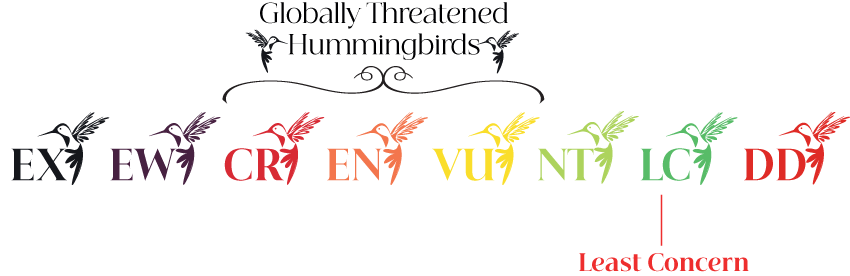
Status: Least Concern (IUCN).
Name Origin
The genus name Saucerottia honors Antoine Constant Saucerotte, a 19th‑century French physician and ornithologist recognized for his work on hummingbirds. The species name tobaci refers to the island of Tobago, the type locality where the species was first described. The common name “Copper-rumped Hummingbird” highlights the distinctive coppery or bronzy rump visible in many subspecies.
Subspecies and Distribution
The Copper-rumped Hummingbird is divided into several subspecies that differ mainly in tail and rump coloration and are distributed across different regions of Venezuela and the nearby islands.
Commonly recognized subspecies include:
Saucerottia tobaci monticola – Northwestern Venezuela (Falcón, Lara, Yaracuy); darker than the nominate, with a steel‑blue to violet‑blue tail.
Saucerottia tobaci feliciae – North and central Venezuela between Carabobo and Anzoátegui, south to Táchira, Apure, and Guárico; back more golden‑green and tail bluish‑black.
Saucerottia tobaci caudata – Northeastern Venezuela (Sucre and Monagas); with a dark blue tail.
Saucerottia tobaci aliciae – Margarita Island off northern Venezuela; has some copper in upperparts, blue‑black tail, and cinnamon‑rufous undertail coverts.
Saucerottia tobaci erythronotos – Trinidad; slightly darker underparts than the nominate and some dark purplish in the uppertail coverts.
Saucerottia tobaci tobaci – Tobago; the nominate, the largest subspecies, with bronze‑green upperparts and purple‑red uppertail coverts.
Saucerottia tobaci caurensis – Southeastern Venezuela (Bolívar and Amazonas); with a grayer rump and uppertail coverts, dark purplish tail, and bluish‑black undertail coverts.
Across these subspecies the species ranges from sea level coastal and island habitats to interior foothills and montane slopes in Venezuela, as well as the islands of Trinidad and Tobago and possibly Grenada.
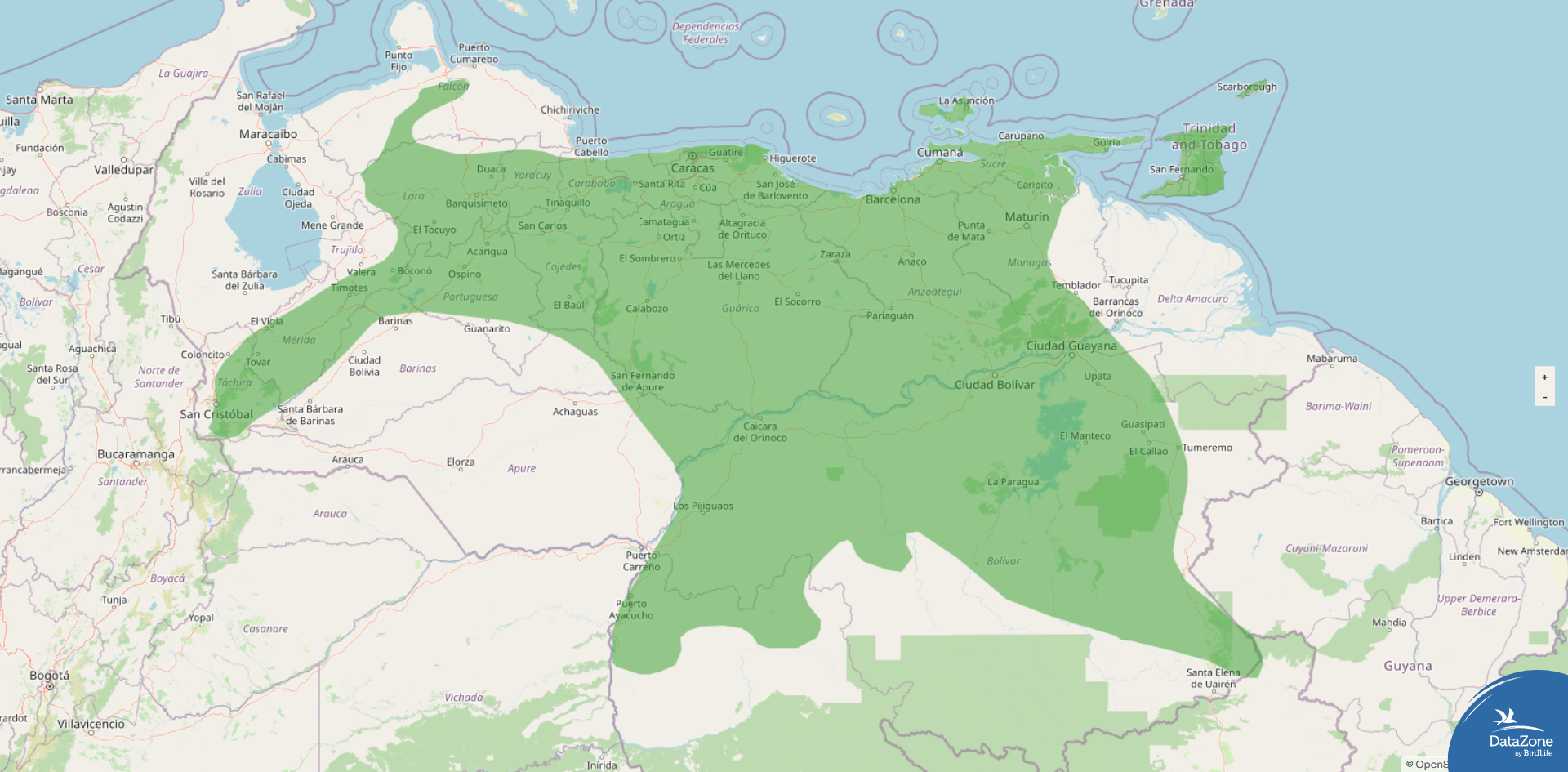
Legend
Green Resident
Species Overview
Copper-rumped Hummingbird is one of the most familiar hummingbirds in Trinidad and Tobago and many parts of Venezuela. It is versatile and adaptable, occurring in pristine forest, secondary growth, plantations, and gardens, where it often becomes a common visitor to flowering shrubs and feeders. Its gleaming green plumage and coppery to purplish rump and tail create a striking effect, especially when the bird turns in good light.
Identification
Male
The nominate males (e.g., S. t. tobaci on Tobago) have bronze‑green upperparts with purple‑red uppertail coverts and a copper‑ or bronze‑toned rump. The underparts are green, and the tail is mostly dark with purplish or coppery reflections depending on subspecies. All subspecies share a straight, medium‑length blackish bill with a pinkish base to the lower mandible.
Subspecies vary in tail and rump coloration: monticola has a steel blue to violet‑blue tail; feliciae has a golden‑green back and bluish‑black tail; caudata a dark blue tail; aliciae some copper above, blue‑black tail, and cinnamon‑rufous undertail; erythronotos darker underparts and purplish uppertail coverts; and caurensis grayer rump and purplish tail with bluish‑black undertail coverts.
Female
Females generally resemble males but are duller with less intense iridescence. Their underparts may appear paler green or grayish, and the tail pattern parallels that of males within each subspecies but often with slightly reduced color saturation. In all forms, the straight blackish bill with pinkish base and the combination of green body and coppery to purplish rump and tail help distinguish Copper-rumped from other regional hummingbirds.
Habitat and Behavior
Copper-rumped Hummingbirds inhabit a wide range of wooded and semi‑open habitats. They occur in gallery forest, moist lowland and montane forest, cloud forest, rainforest, and secondary forest, as well as savannas, plantations, rural gardens, urban areas, and heavily degraded former forest. They feed on nectar from a variety of flowering plants at all forest levels and also take small insects for protein, gleaned from foliage or caught in flight. In Trinidad and Tobago they are frequent visitors to garden feeders and flowering hedges, often showing bold and territorial behavior toward other hummingbirds.
Breeding seasons vary geographically: on Trinidad breeding is almost year‑round (excluding roughly September and October, with a peak from January to March), while on Tobago it spans at least November to June. The species builds a nest of silky plant down decorated with lichen, usually saddled on a fork or small branch 1–3 m above ground, though nests up to about 6 m have been recorded; nests have even been found on wires and clotheslines. The female incubates two eggs for about 16–19 days, and fledging occurs about 19–23 days after hatching, with up to three broods per season.
Population and Threats
Copper-rumped Hummingbird has a large range and is considered common to very common in many parts of Trinidad, Tobago, and northern Venezuela, particularly for subspecies such as erythronotos, tobaci, feliciae, and caudata. The IUCN assesses it as Least Concern, and both population size and overall trend are officially listed as Unknown, but there is no evidence of rapid decline. No major global threats have been identified; the species appears relatively tolerant of habitat modification and thrives in many human‑influenced landscapes. Local pressures such as deforestation, urban expansion, and agricultural intensification may affect some populations, but these have not yet translated into documented large‑scale declines.
Conservation
Given its adaptability, the Copper-rumped Hummingbird currently does not require targeted emergency conservation measures and benefits from existing protected areas in Venezuela and on Trinidad and Tobago. Maintaining a mix of natural forest, secondary growth, agroforestry, and green urban spaces with flowering plants will help sustain its populations. Continued monitoring is still valuable to detect any future changes in population or range, especially as land use and climate continue to change in northern South America and the Lesser Antilles.
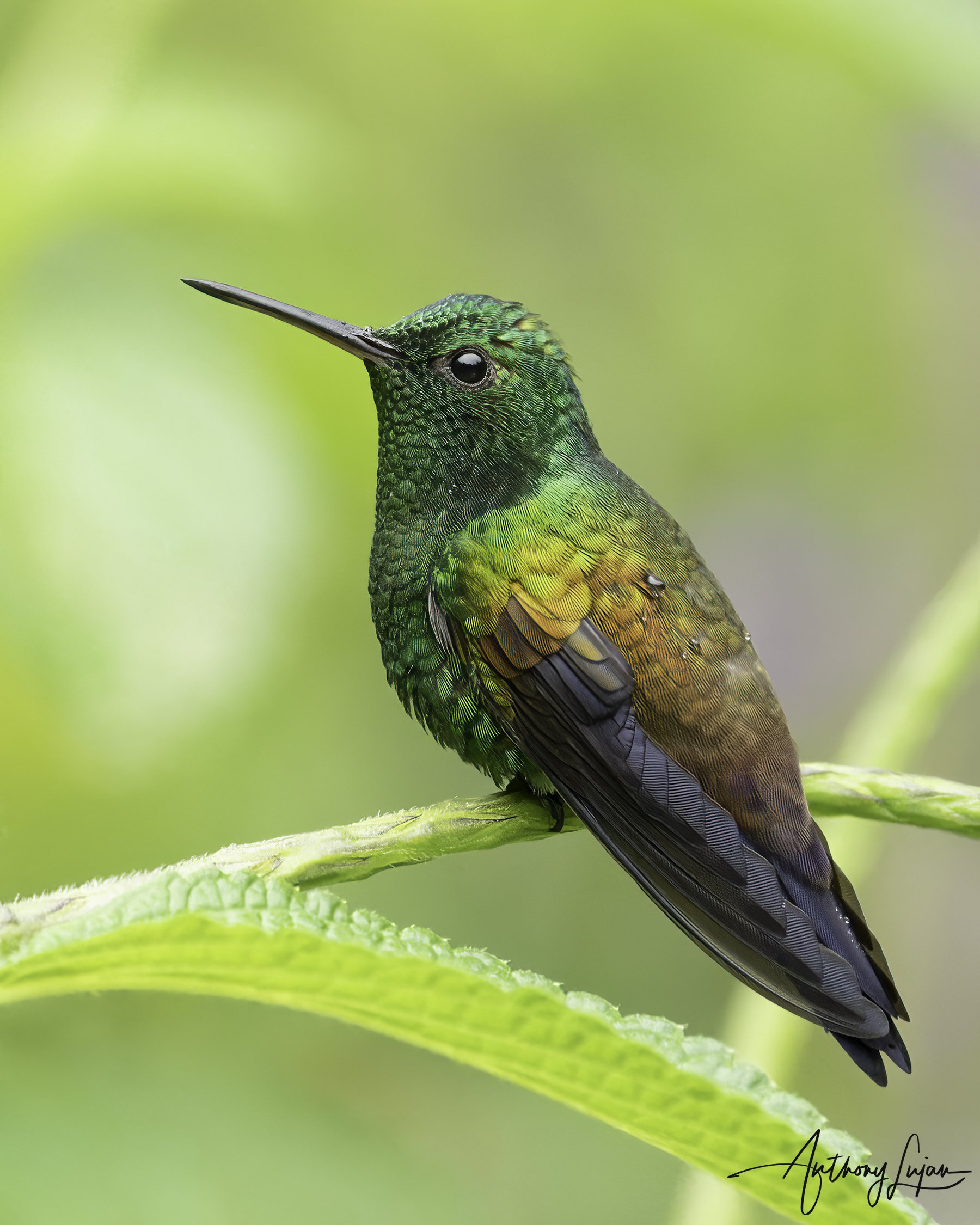
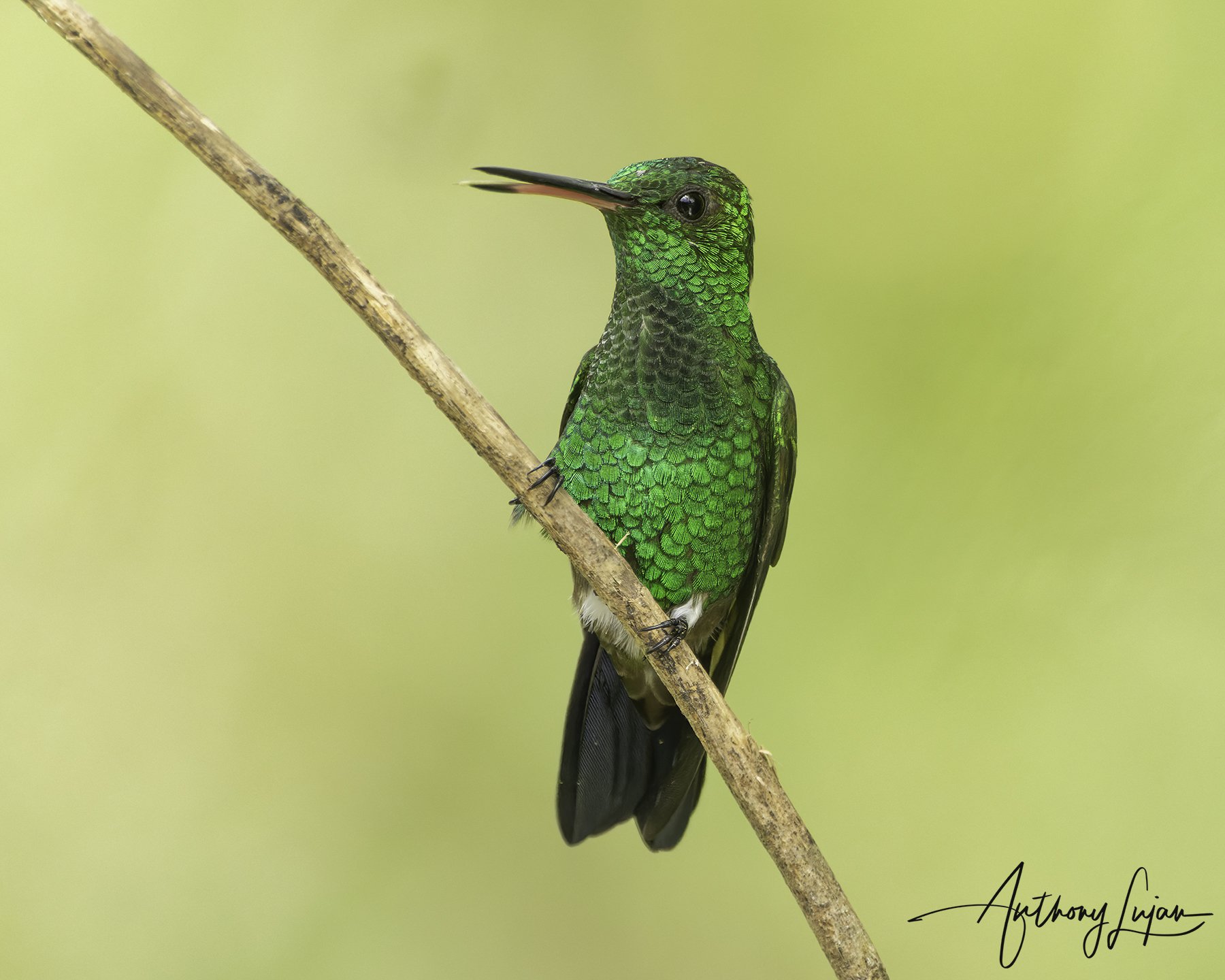
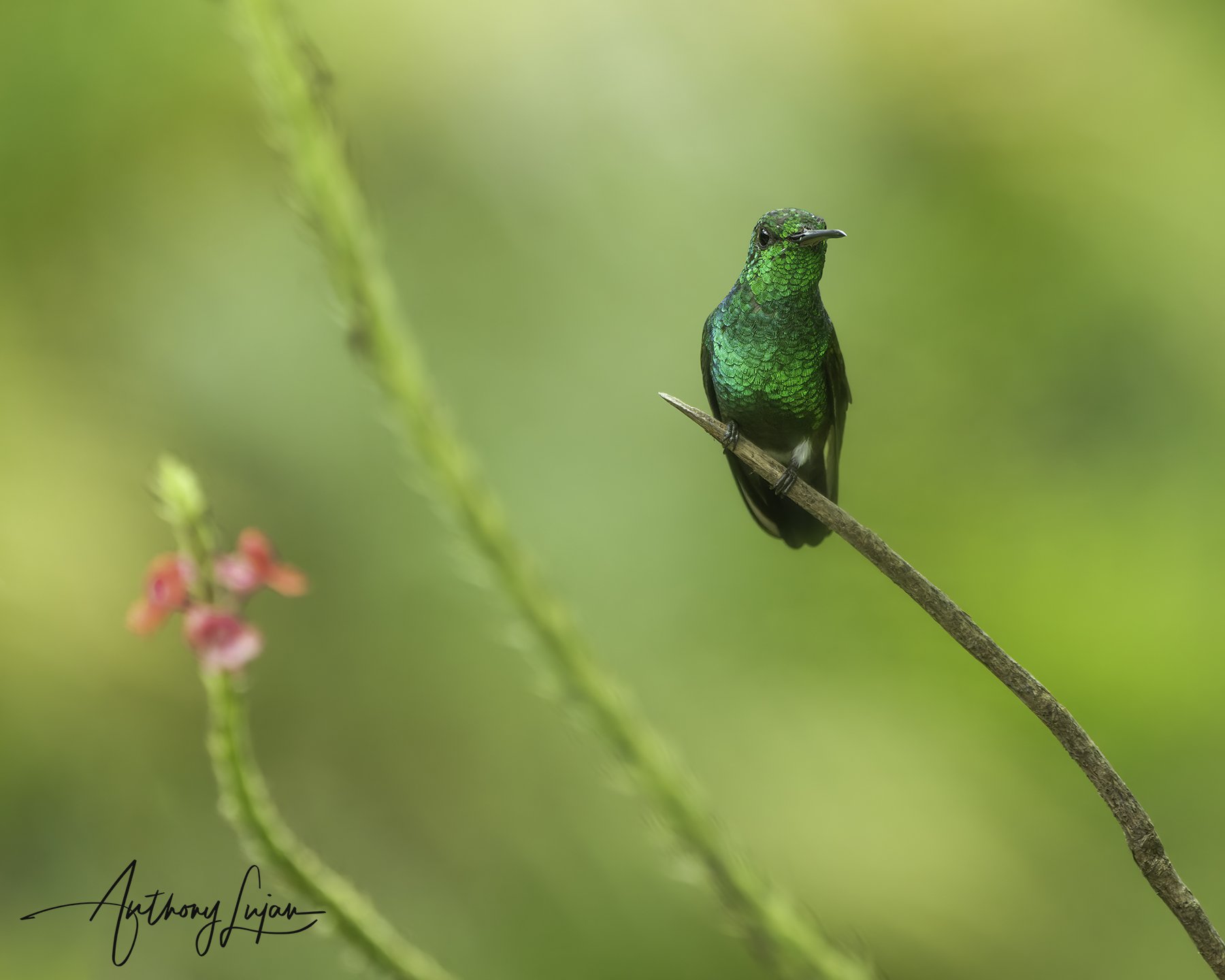
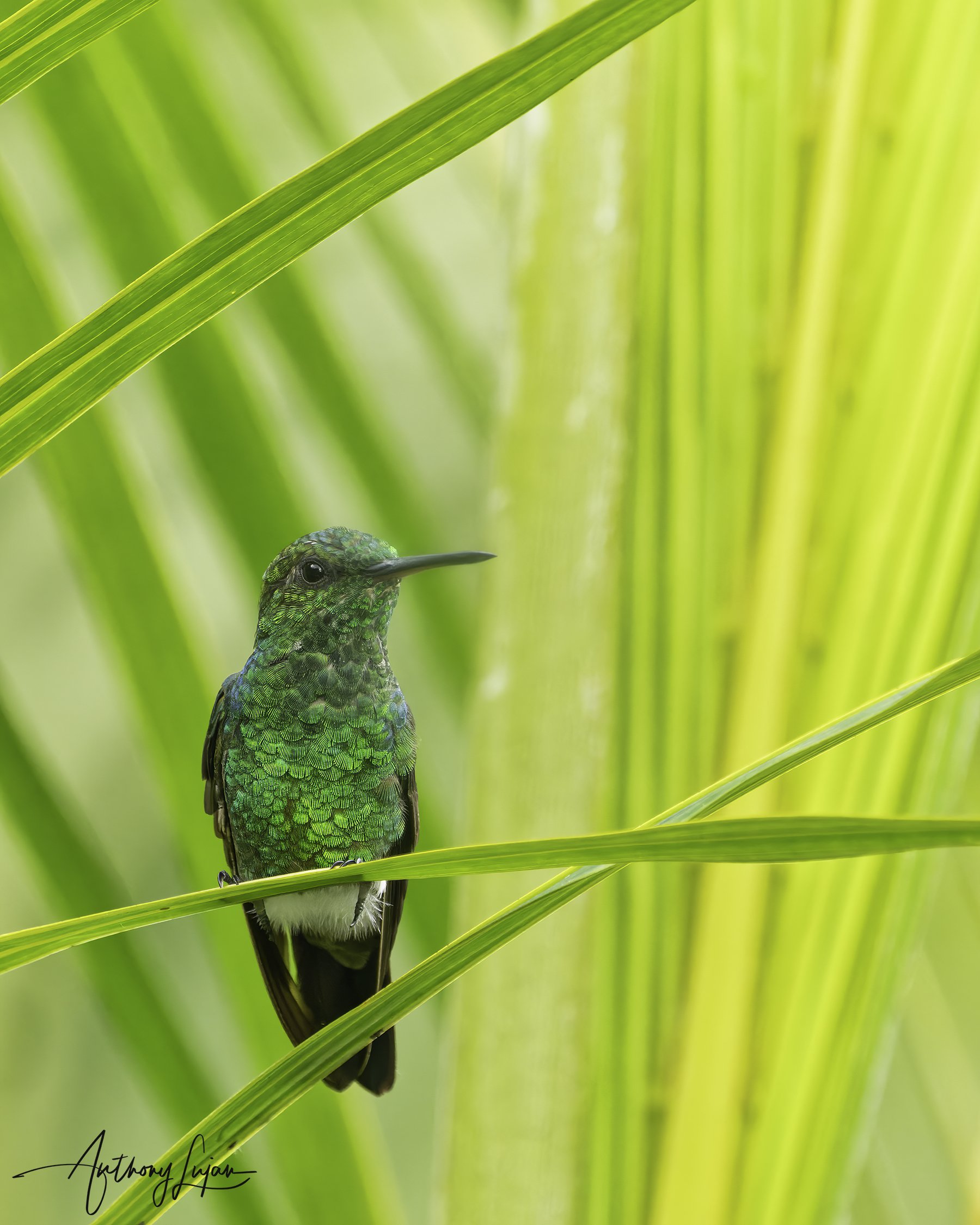
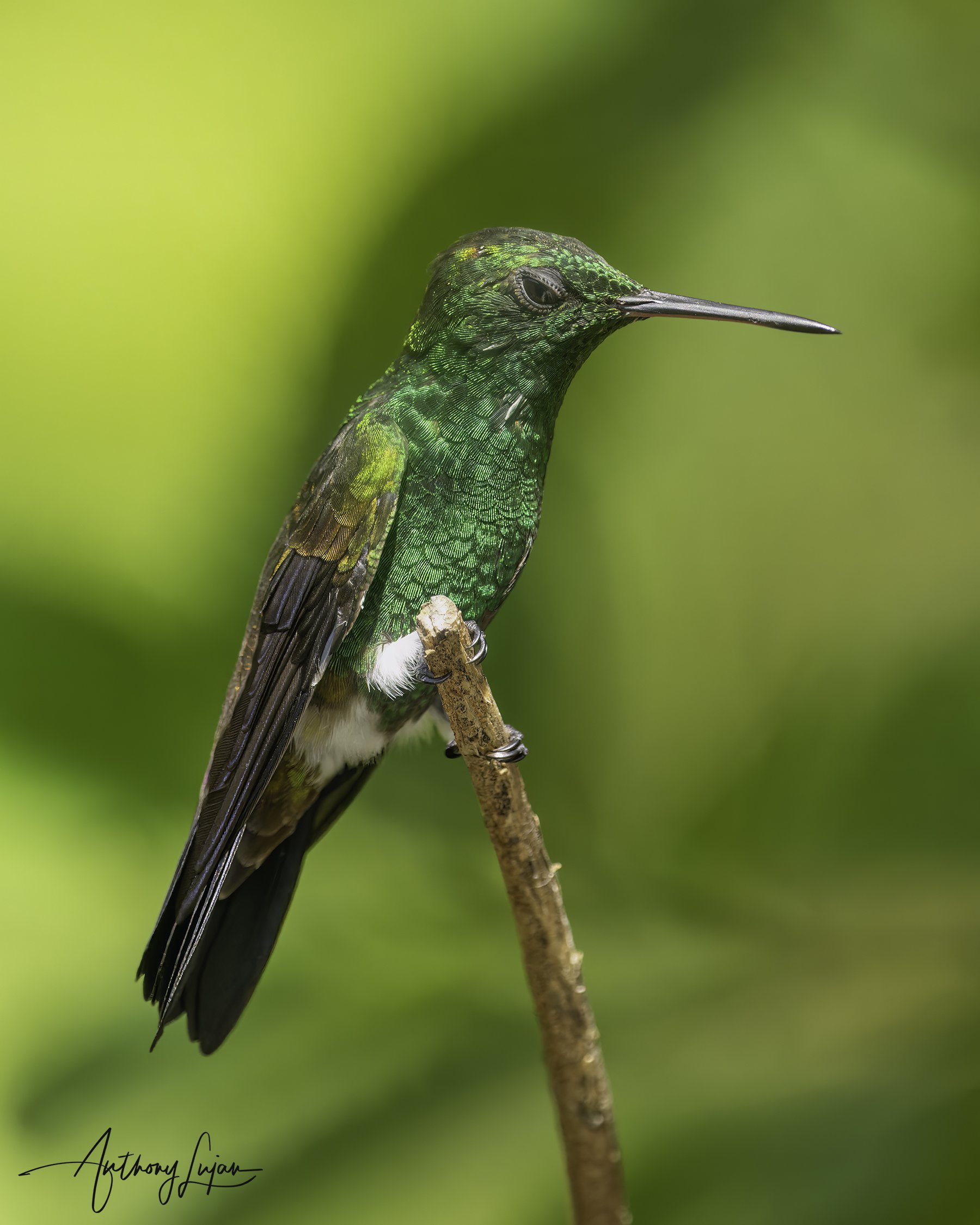
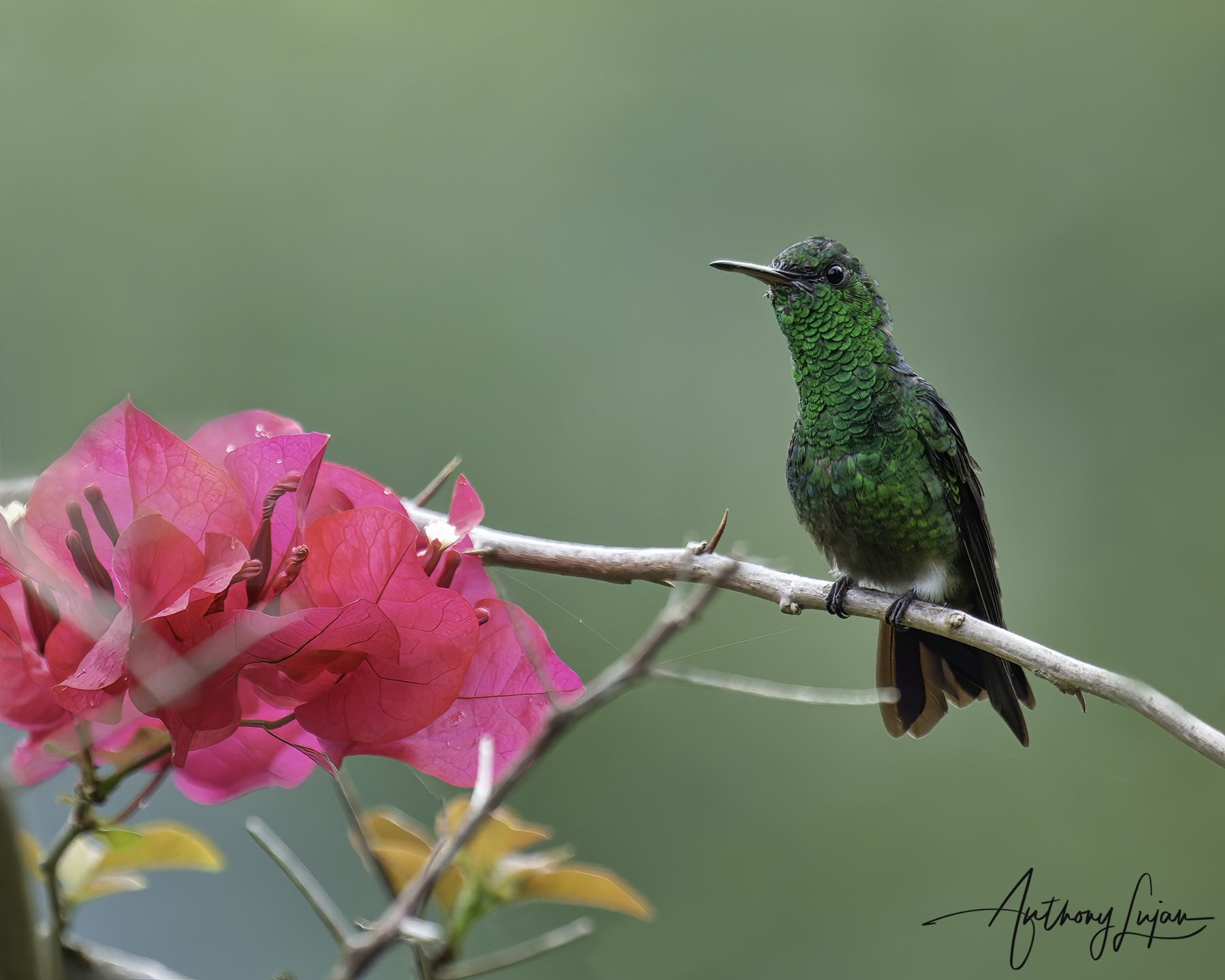
Below is the Copper-rumped Hummingbird (Saucerottia tobaci erythronotos)
Photographed at Yerette – Home of the Hummingbird, Tunapuna-Piarco, Trinidad and Tobago
This individual belongs to erythronotos, the Trinidad subspecies. It is common on Trinidad in forest edge, gardens, and plantations.
Checkout Anthony’s playlist of this species! Click the top right dropdown to see all the videos.
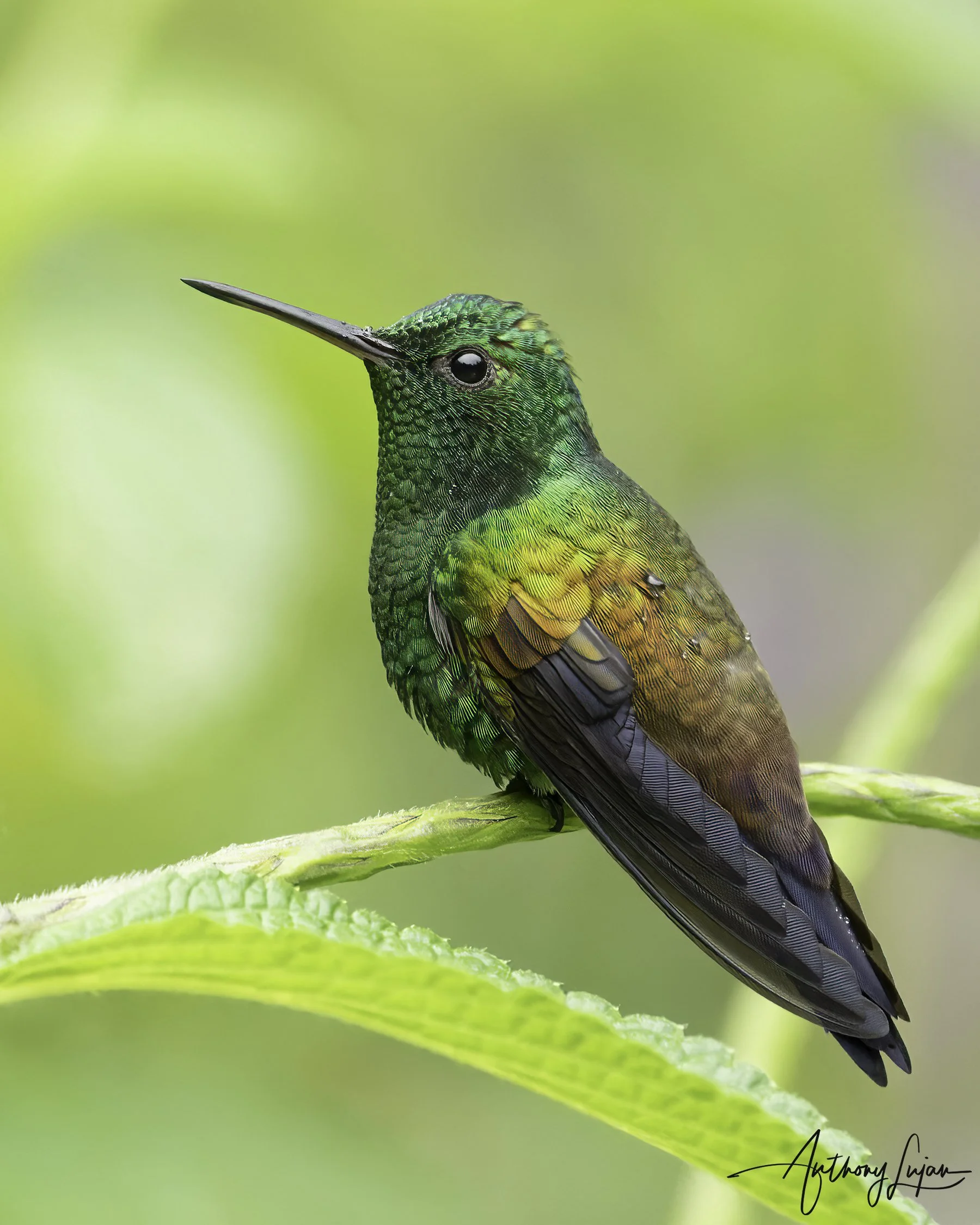
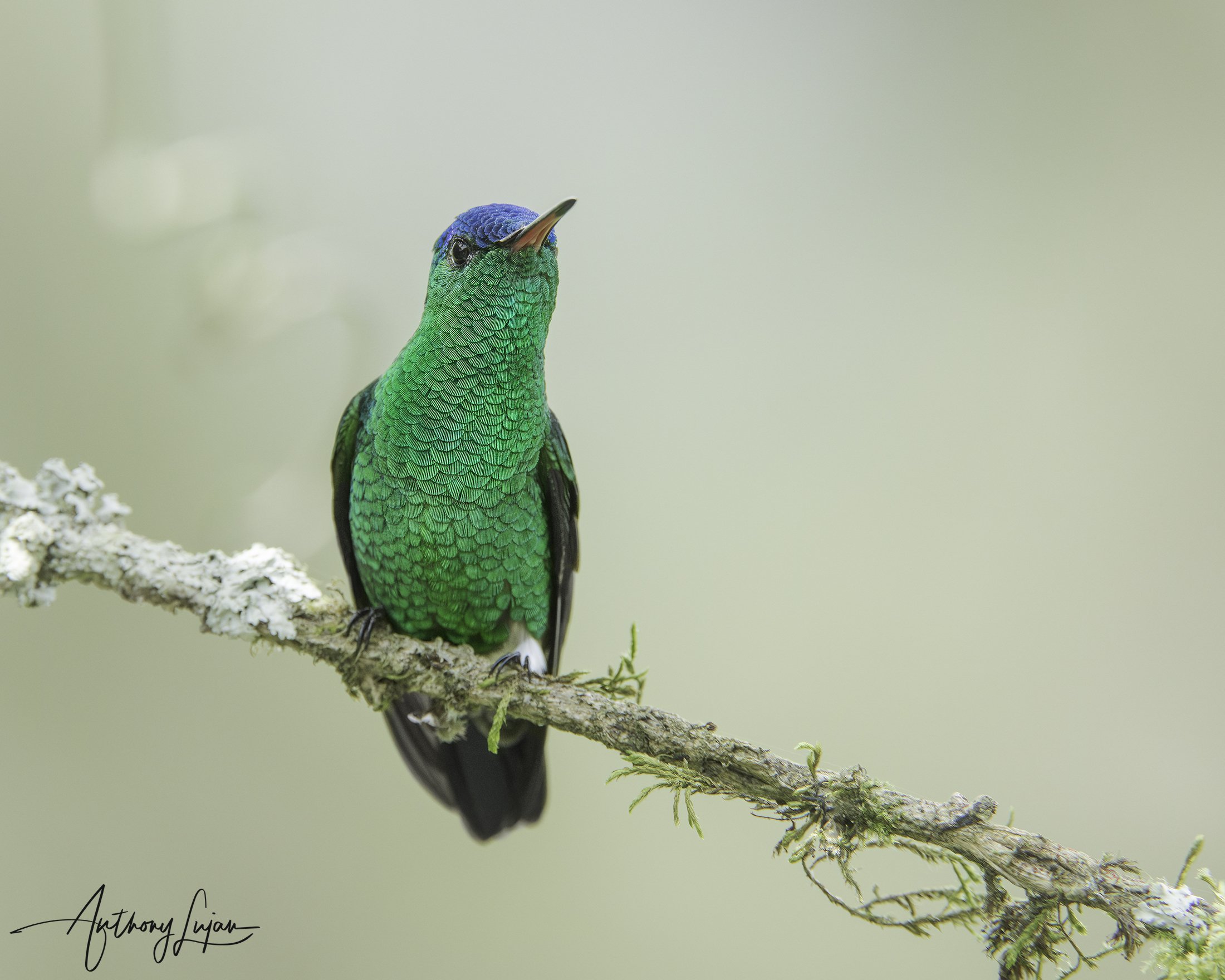
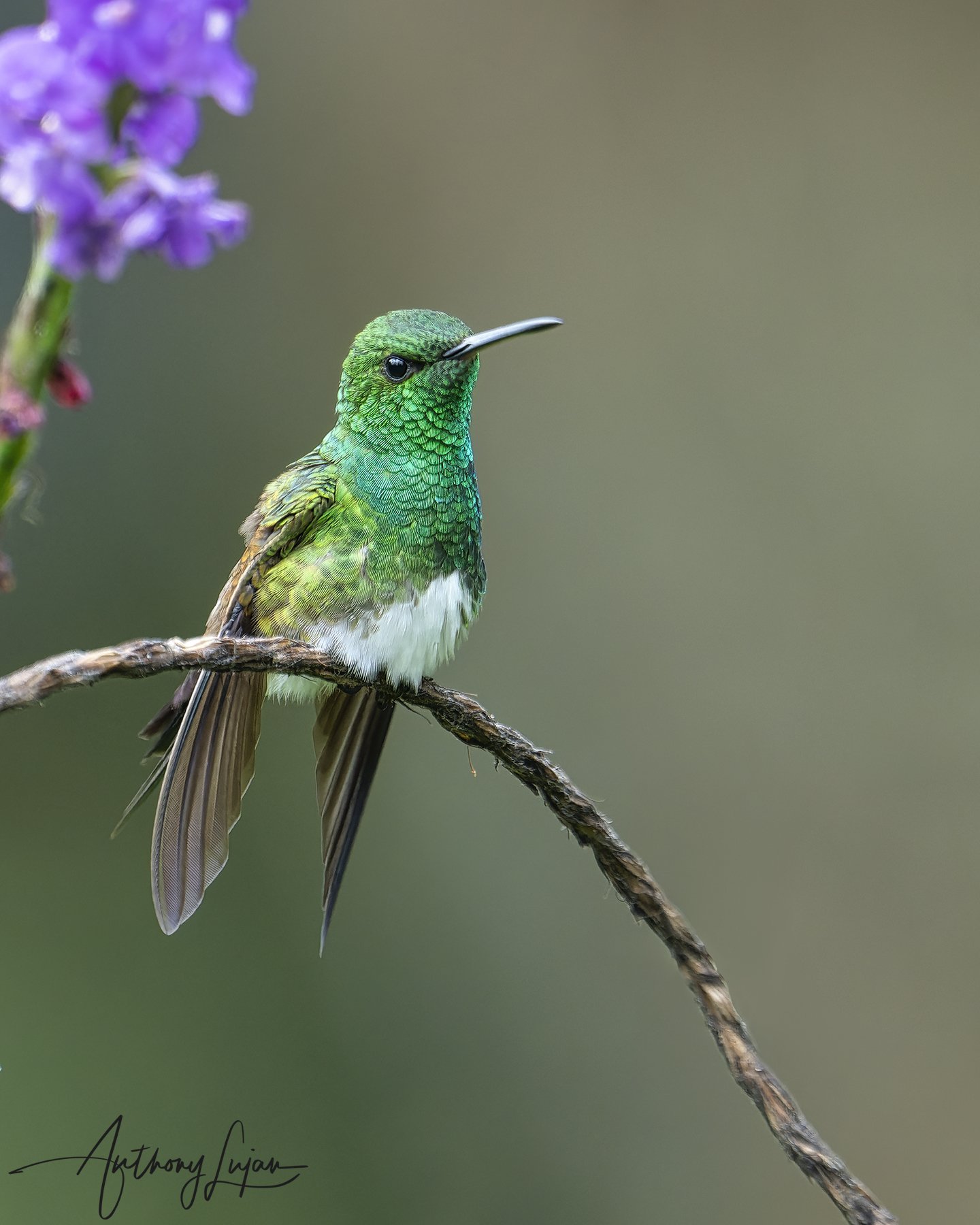
Related species in the Saucerottia genus (11 species total):



Please note: The content provided in this article reflects Anthony’s personal experience and photographic approach. Results can vary depending on light, weather, location, equipment, subject behavior, and field conditions.