
Coppery-bellied Puffleg
Scientific name: Eriocnemis cupreoventris
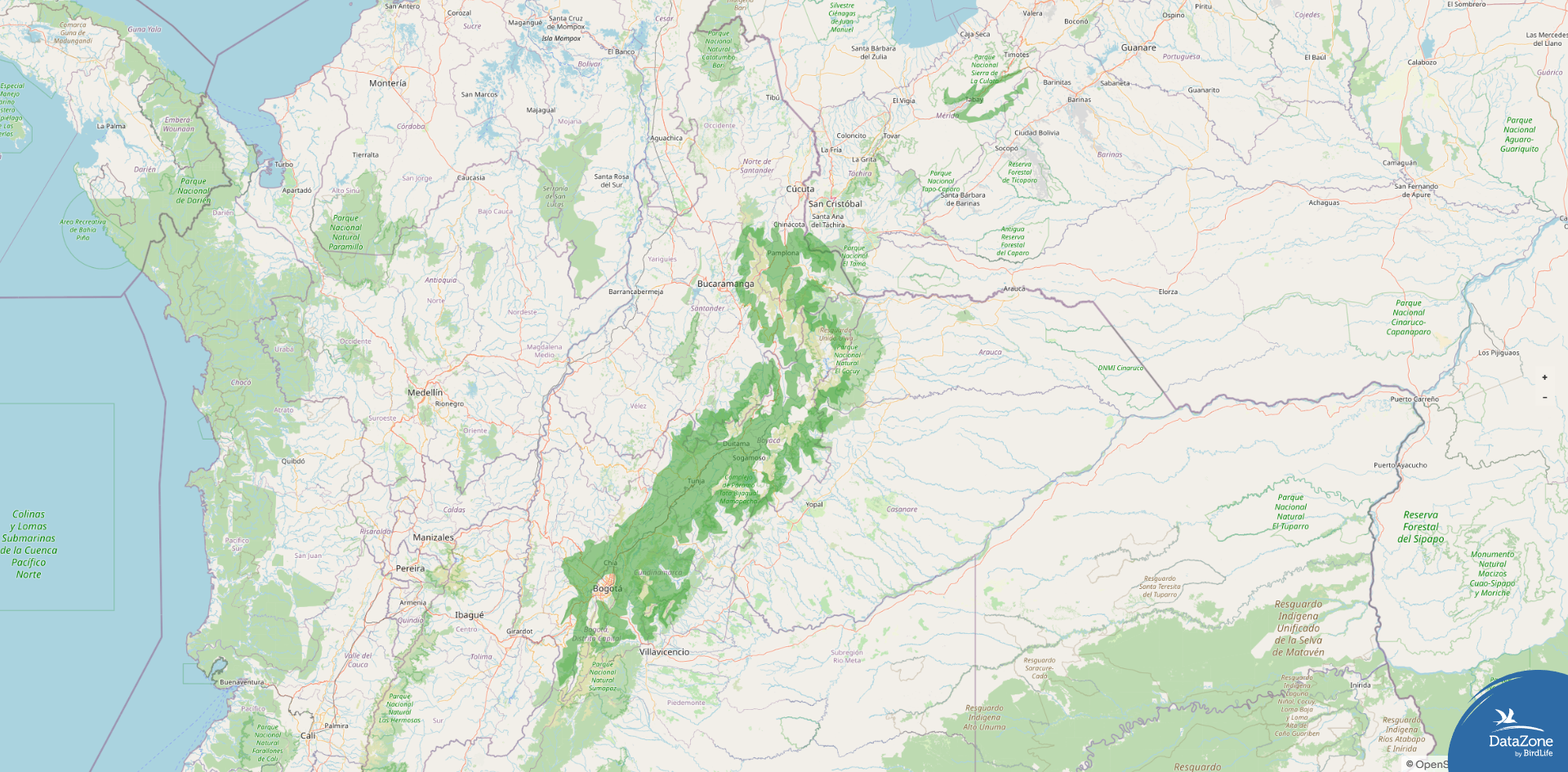
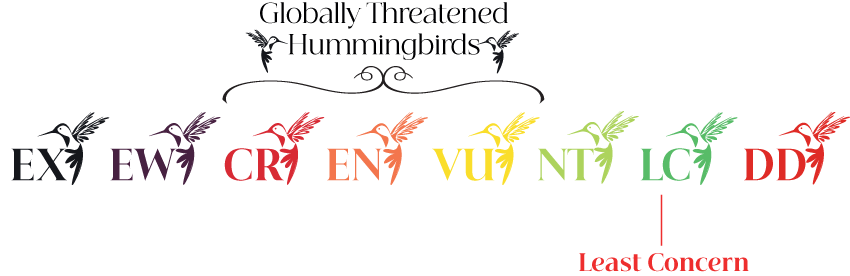
The Coppery-bellied Puffleg is a high-Andean hummingbird of the Eastern Andes of Colombia and Venezuela, where it inhabits humid montane forest edges, elfin forest, and shrubby páramo-like vegetation. The number of mature individuals is unknown, its population trend is considered Stable, it is assessed as Least Concern, and it is treated as non-migratory aside from local movements.
At a Glance
Family: Trochilidae (hummingbirds)
Clade: Lesbiini – Coquettes
Genus: Eriocnemis — Andean pufflegs with dense feather “puffs” around the legs
Range: Eastern Andes from Mérida state in northwestern Venezuela south and west through the Eastern Cordillera of Colombia
Habitat: Subtropical and tropical moist montane forest, borders of elfin forest, shrubby páramo-like vegetation, and high-altitude grassland with scattered shrubs
Elevation: Roughly 1,900–3,300 m
Length: About 9–10 cm (3.5–3.9 in)
Weight: About 4.4–5.6 g (0.16–0.20 oz)
Number of mature individuals: Unknown
Population trend: Stable
Status: Least Concern (IUCN)
Name Origin
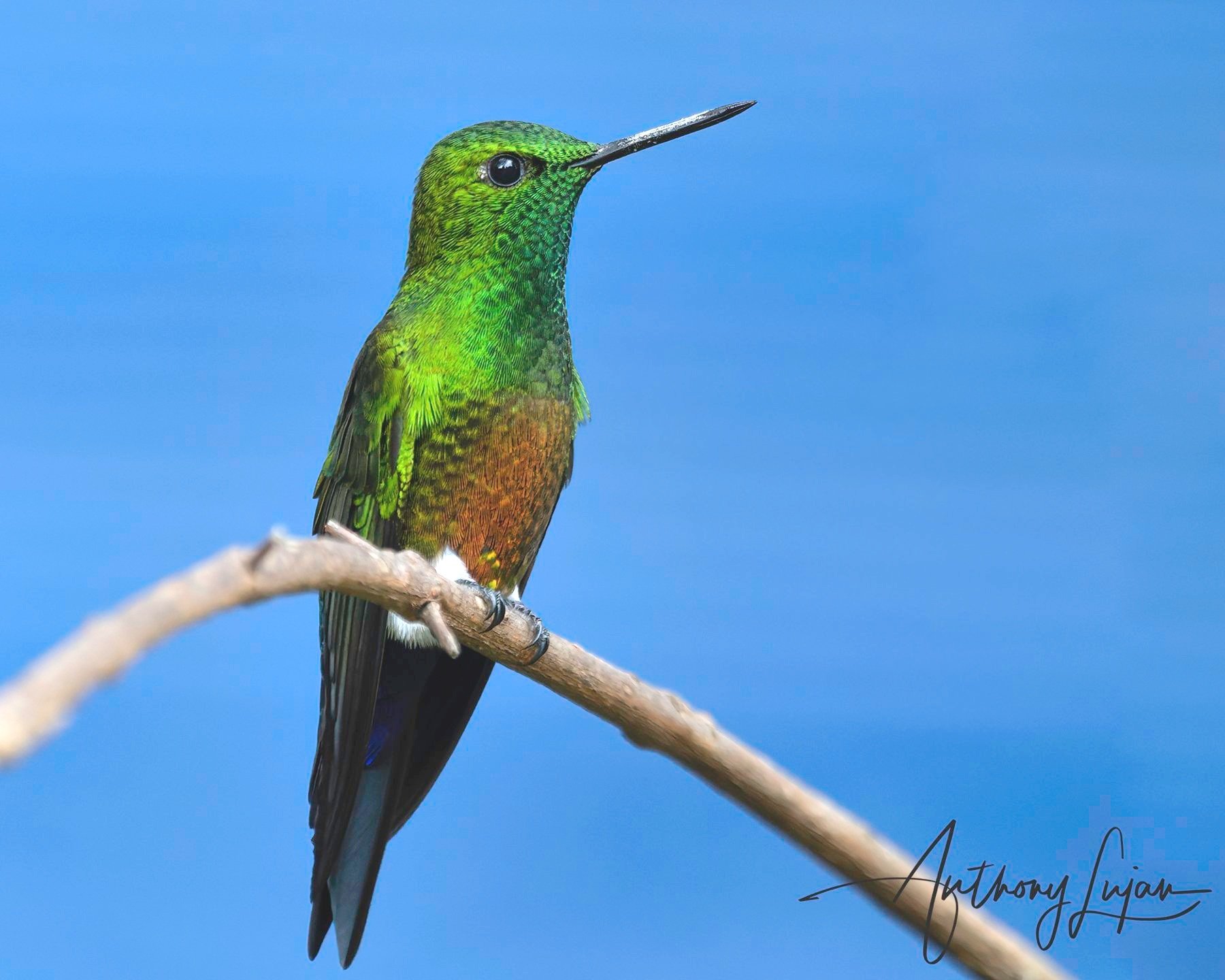
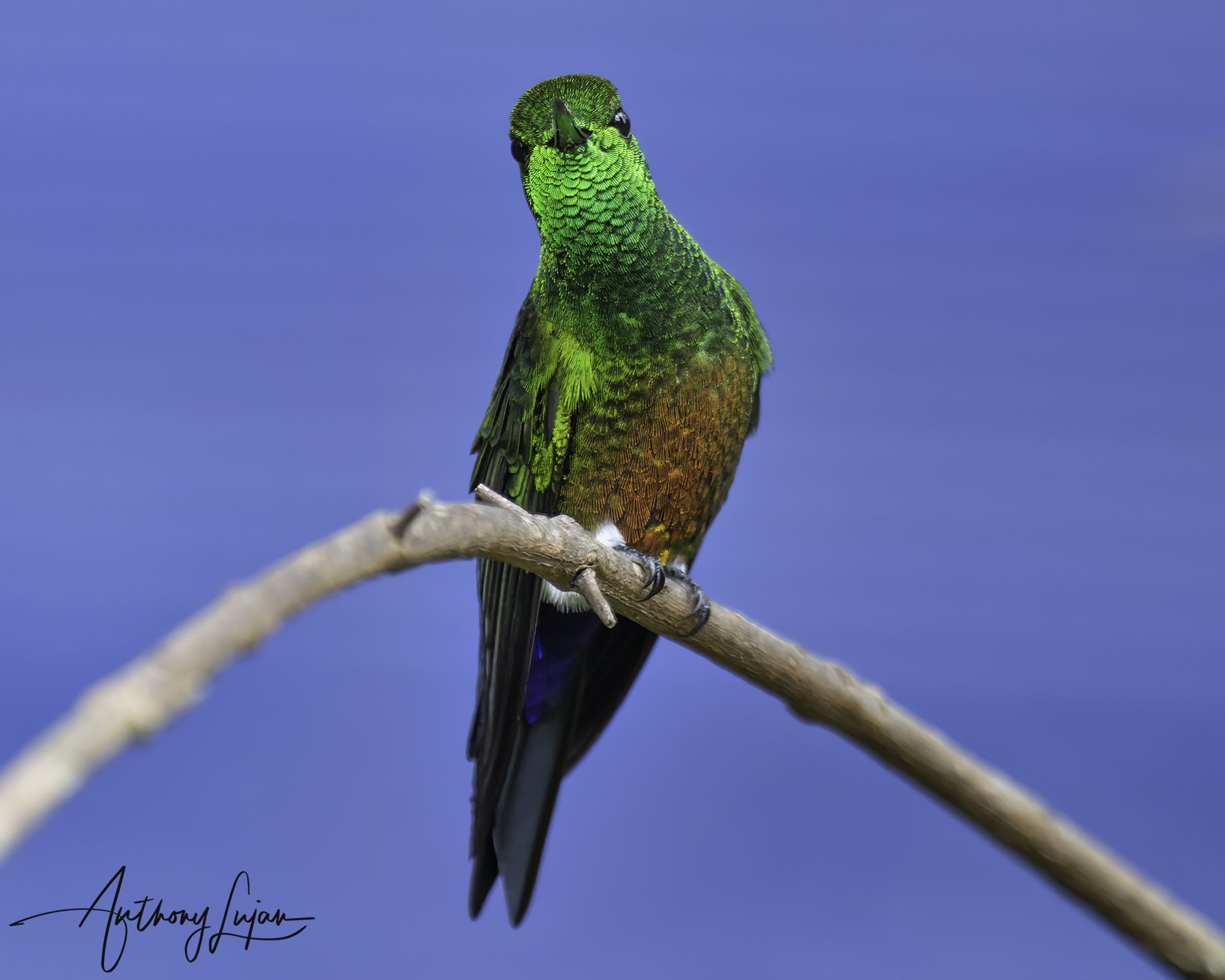
The genus name Eriocnemis comes from Greek roots meaning “wool” and “leg,” referring to the fluffy feather “puffs” around the legs that define pufflegs. The species name cupreoventris combines “copper” and “belly,” describing the bird’s distinctive coppery-colored underparts. The English name “Coppery-bellied Puffleg” directly reflects this combination of coppery belly and puffleg leg puffs.
Subspecies & Distribution
Coppery-bellied Puffleg is monotypic, with no recognized subspecies.
It is found in the Eastern Andes from Mérida state in northwestern Venezuela south and west along the Eastern Cordillera of Colombia. Within this range it inhabits humid montane forest and elfin forest borders, shrubby páramo-like vegetation, and high-altitude grasslands with scattered low shrubs, usually within a band between about 1,900 and 3,300 meters.
Ledged
Green Resident
Species Overview
The Coppery-bellied Puffleg is a striking high-Andean hummingbird, famous for its bright coppery belly and white leg puffs. It is closely associated with moist montane and elfin forests and adjacent shrubby highlands, often occurring in a mosaic of forest edge, shrubland, and páramo-like vegetation. Although it has a relatively limited geographic range restricted to the Eastern Andes of Colombia and Venezuela, it can be locally fairly common in suitable habitat, and its overall Stable trend supports its current Least Concern status.
Male Description
Adult males have dark green upperparts with a contrasting, bright coppery to reddish-copper belly that gives the species its name. They show conspicuous white leg puffs above a dark tail, creating the characteristic puffleg look. The throat and chest are green, blending into the rich copper below, and the bill is straight and blackish. In good light the coppery belly glows against the darker upperparts and tail, making the male one of the more eye-catching pufflegs.
Female Description
Females are similar in structure but somewhat duller and more patterned. They have green upperparts and a belly that is less intensely coppery, often with more greenish or buff tones and some spotting or mottling. Their white leg puffs are present but can appear slightly less dense than in males. Overall, females look like smaller, greener versions of the male, best identified by the combination of range, habitat, white leg puffs, and a somewhat coppery-toned underside.
Habitat & Behavior
Coppery-bellied Pufflegs inhabit subtropical and tropical moist montane forest, elfin forest borders, shrubby páramo-like vegetation, and high-altitude grasslands with scattered shrubs along the Eastern Andes. They tend to favor edges and openings where flowering shrubs and low trees are available, including forest borders and shrubby slopes. Their diet consists mainly of nectar from shrubs and low trees, but they also take small insects and other arthropods for protein. The species is considered non-migratory, though it may make local movements along slopes in response to changes in flowering and weather conditions.
Population
The total number of mature individuals is unknown, but the Coppery-bellied Puffleg is generally described as uncommon to locally fairly common within suitable montane habitats in Colombia and Venezuela. It occupies a relatively narrow elevational band and is tied to specific high-Andean vegetation types, but its presence in a mix of forest edge, elfin forest, and shrubby grassland provides some buffer against habitat change. Current assessments indicate a Stable population trend, with no evidence yet of rapid, large-scale declines.
Conservation
Coppery-bellied Puffleg is listed as Least Concern, reflecting its stable trend and occurrence across a stretch of the Eastern Andes that includes some protected areas. Nevertheless, deforestation, agricultural expansion, and changes in high-Andean land use can degrade or fragment its montane forest and shrubby habitats. Conservation measures that safeguard montane and elfin forests, maintain shrubby páramo-like vegetation and high-altitude grasslands with native shrubs, and limit excessive clearing at these elevations will benefit the species. Ongoing monitoring is important to ensure that its apparently stable status is maintained as Andean landscapes continue to change.
Related species in the Eriocnemis genus (11 species total):


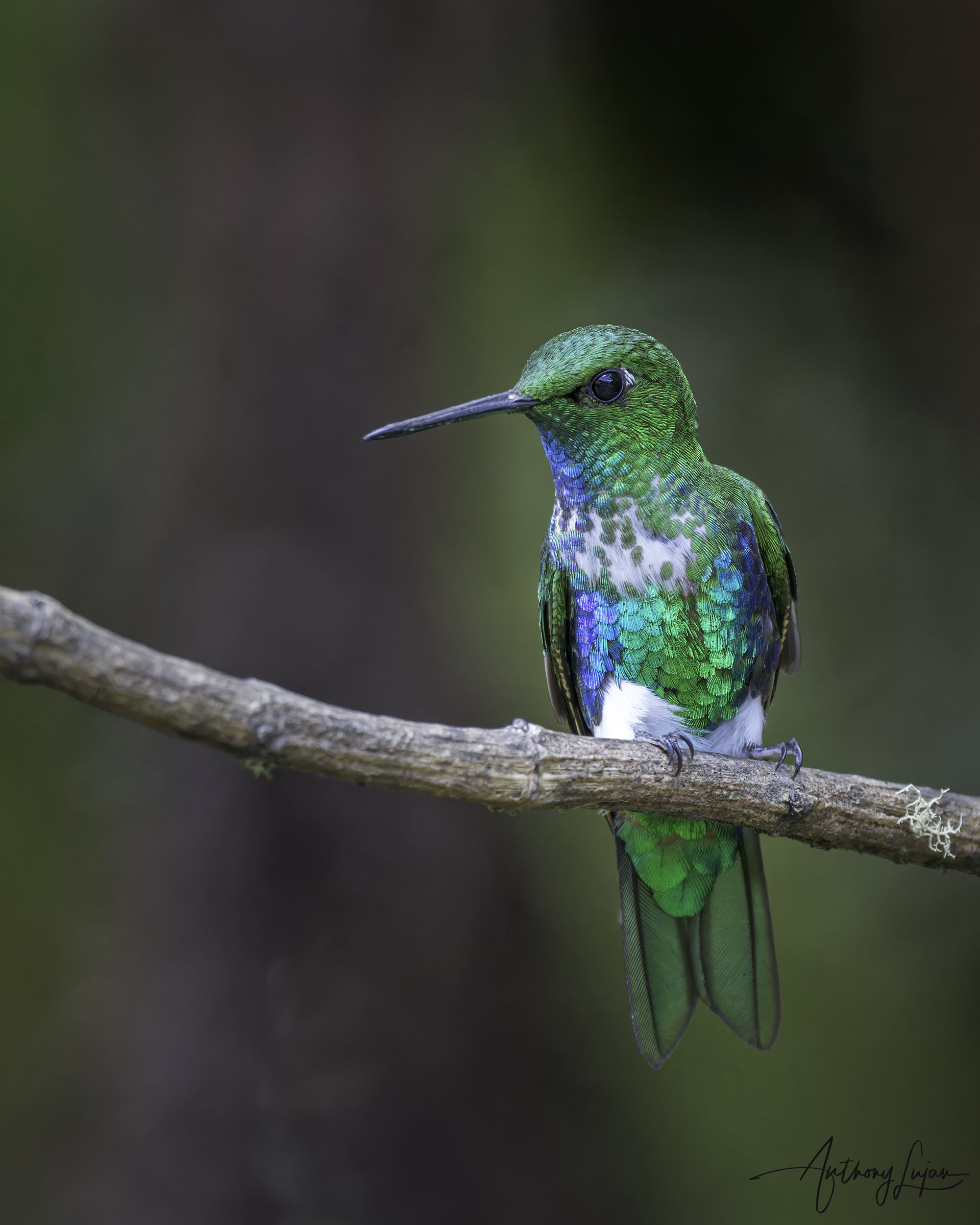
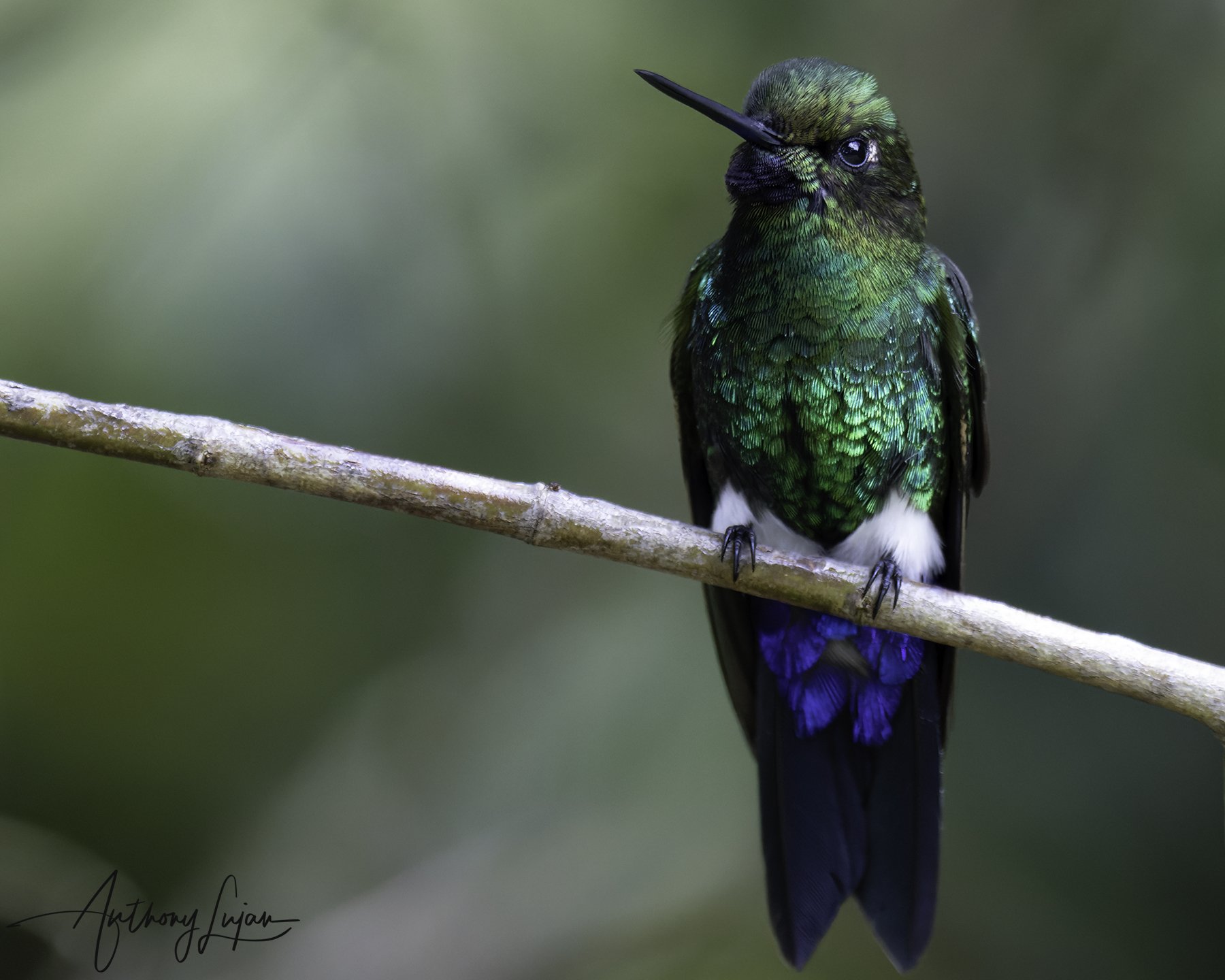

Please note: The content provided in this article reflects Anthony’s personal experience and photographic approach. Results can vary depending on light, weather, location, equipment, subject behavior, and field conditions.