
Scientific name: Chionomesa lactea
The Sapphire-spangled Emerald is a small, brilliantly iridescent hummingbird of semi‑open and edge habitats in southeastern Venezuela and eastern Brazil. Its total number of mature individuals is unknown, its global population trend is decreasing, it is generally treated as non‑migratory, and it is listed as Least Concern.
At a Glance
Family: Trochilidae (hummingbirds)
Clade: Trochilini – Emeralds
Genus: Chionomesa — 2 species in total
Range: Southeastern Venezuela and eastern Brazil
Habitat: Moist forest edges, second‑growth woodland, plantations, cerrado and other semi‑open habitats, rural gardens, and urban parks
Elevation: Mostly from about 200 to 1,400 m (650–4,600 ft)
Length: About 8–11 cm (3.1–4.3 in)
Weight: About 3.6–5 g (0.13–0.18 oz)
Number of mature individuals: Unknown
Population trend: Decreasing
Movement: Not a Migrant (resident, with local seasonal movements only)
IUCN Red List category: Least Concern
Name Origin
The common name “Sapphire-spangled Emerald” refers to the bird’s brilliant sapphire‑blue breast and throat set against emerald‑green upperparts. The species name lactea is Latin for “milky,” likely referencing the pale or whitish ventral areas in some individuals or the contrast between bright blue and paler underparts.
Taxonomy & Distribution
Chionomesa lactea belongs to the tribe Trochilini (“emeralds”) within the hummingbird family Trochilidae and is one of two species in the genus Chionomesa, along with the Glittering-throated Emerald (Chionomesa fimbriata). It is found disjunctly across northern and eastern South America: in southeastern Venezuela, across eastern Brazil, and in eastern and southeastern Peru, northern Bolivia, and adjacent western Brazil. Within this range it is typically associated with semi‑open and edge habitats rather than dense interior forest.
Subspecies and Distribution
Three subspecies:
Chionomesa lactea zimmeri
Distribution: Southeastern Venezuela (central and southern Bolívar).Chionomesa lactea lactea
Distribution: Eastern Brazil from central Bahia south through Minas Gerais, Rio de Janeiro, São Paulo, and Paraná.Chionomesa lactea bartletti
Distribution: Eastern and southeastern Peru (south from San Martín), northern Bolivia (Pando, La Paz, Beni, Santa Cruz), and adjacent western Brazil (Acre and southwestern Amazonas); possibly extreme eastern Ecuador.
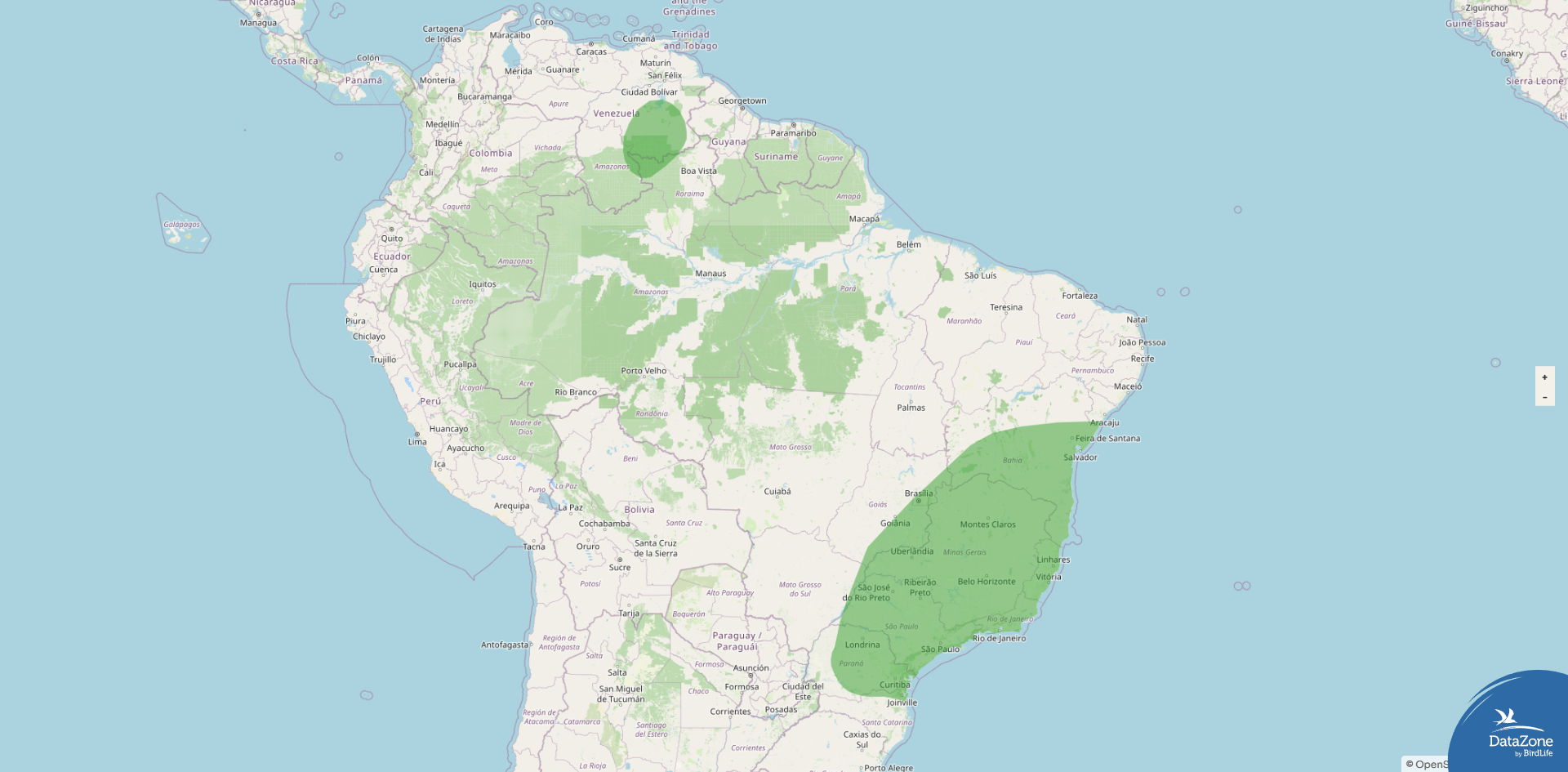
Legend
Green Resident
Species Overview
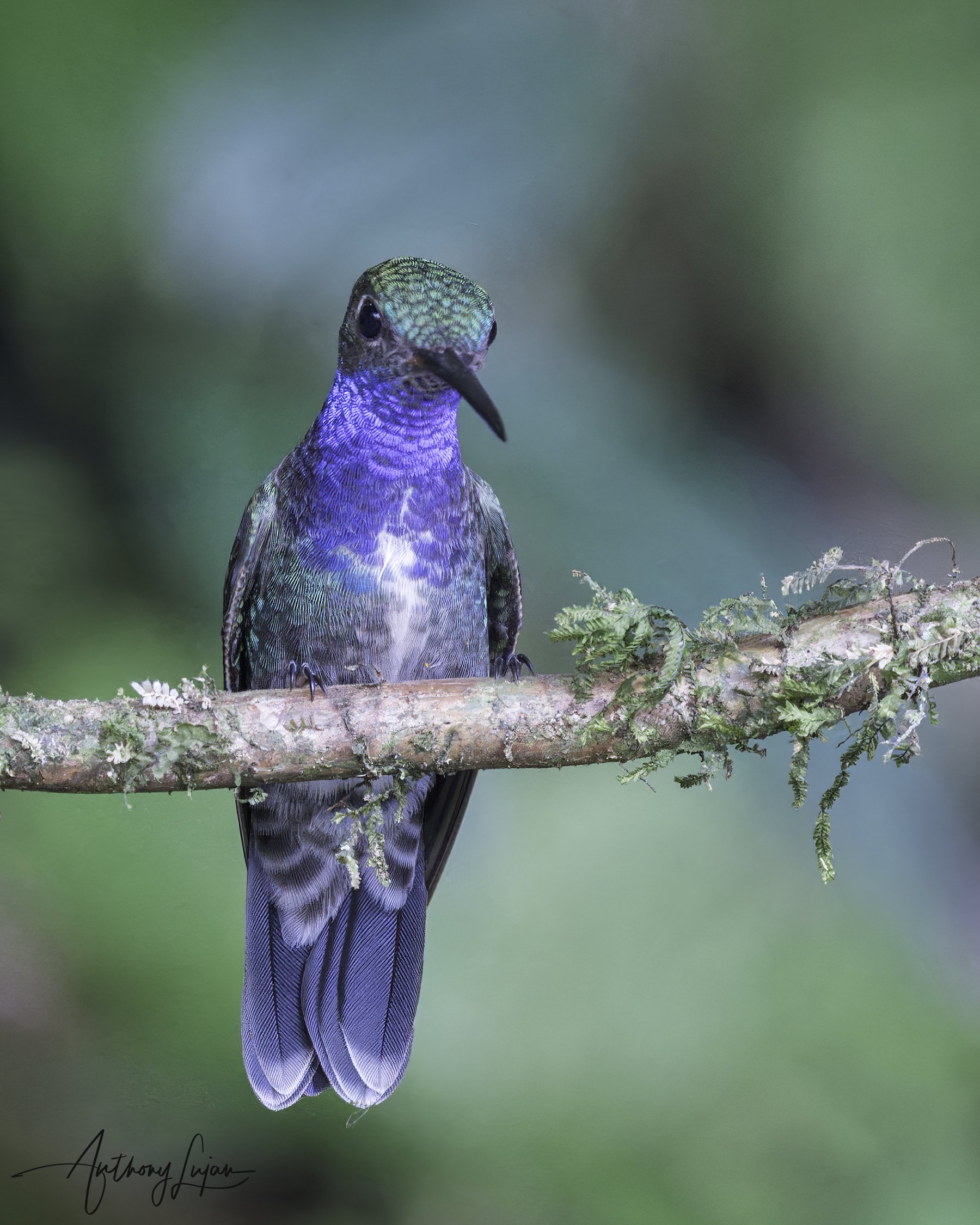
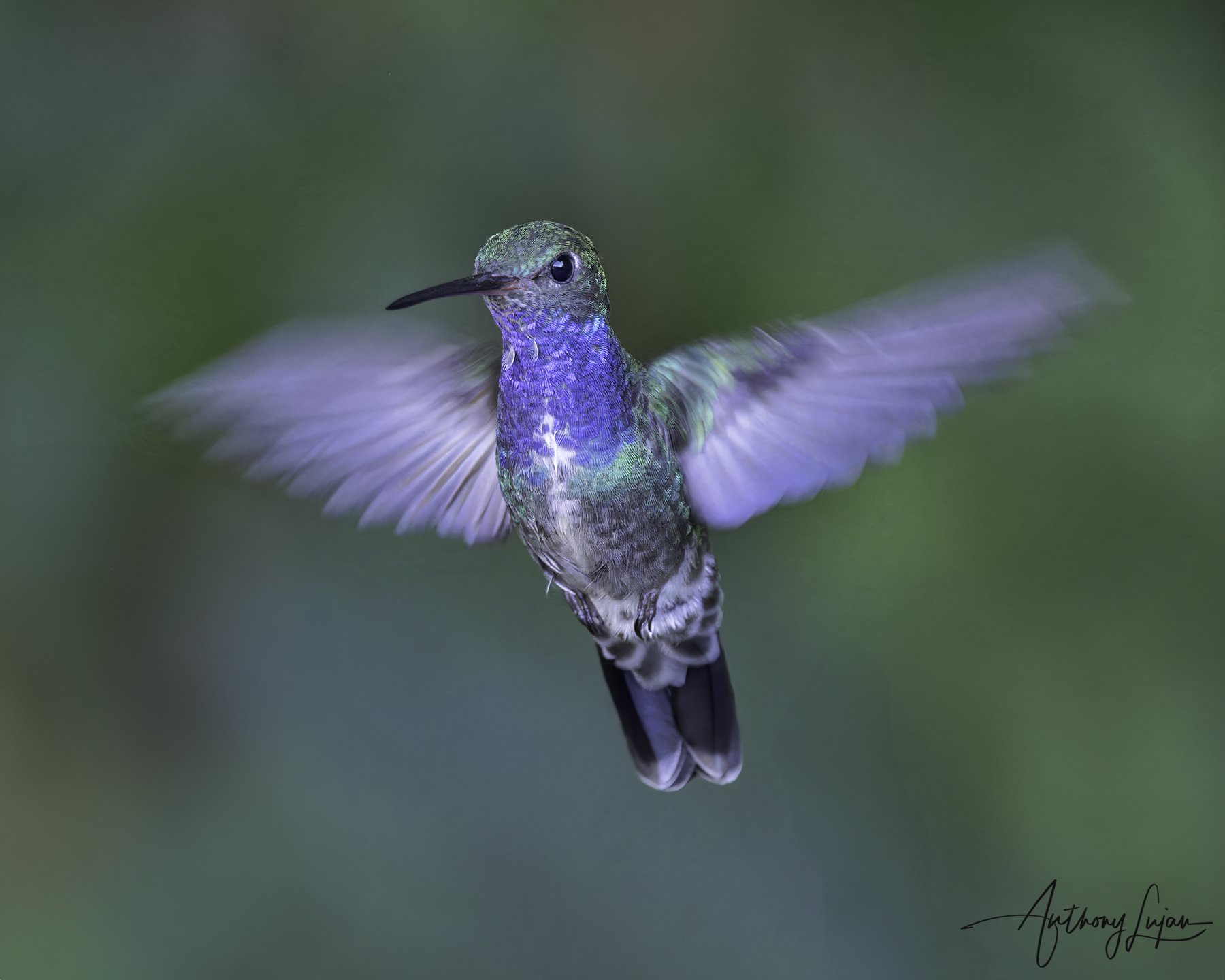
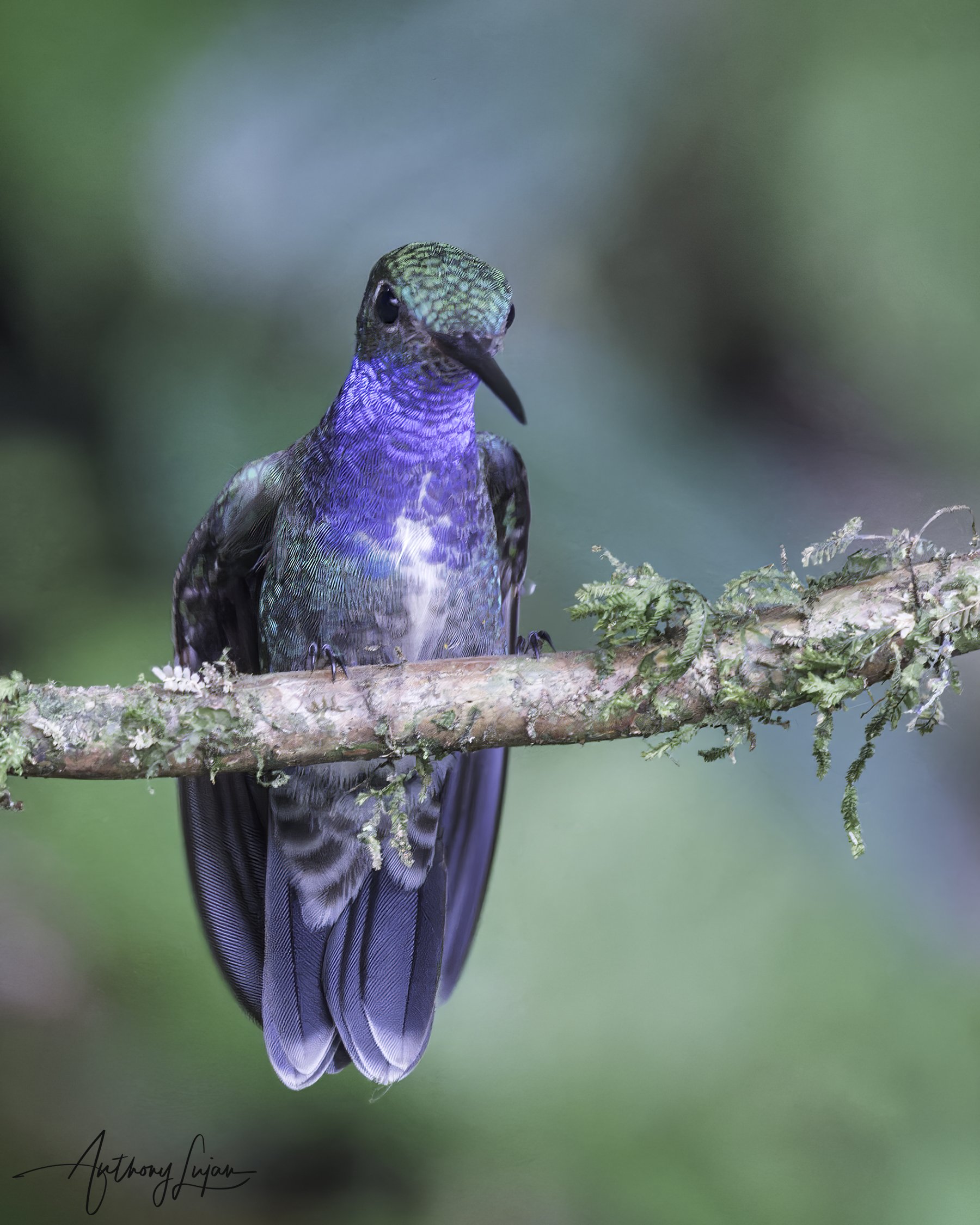
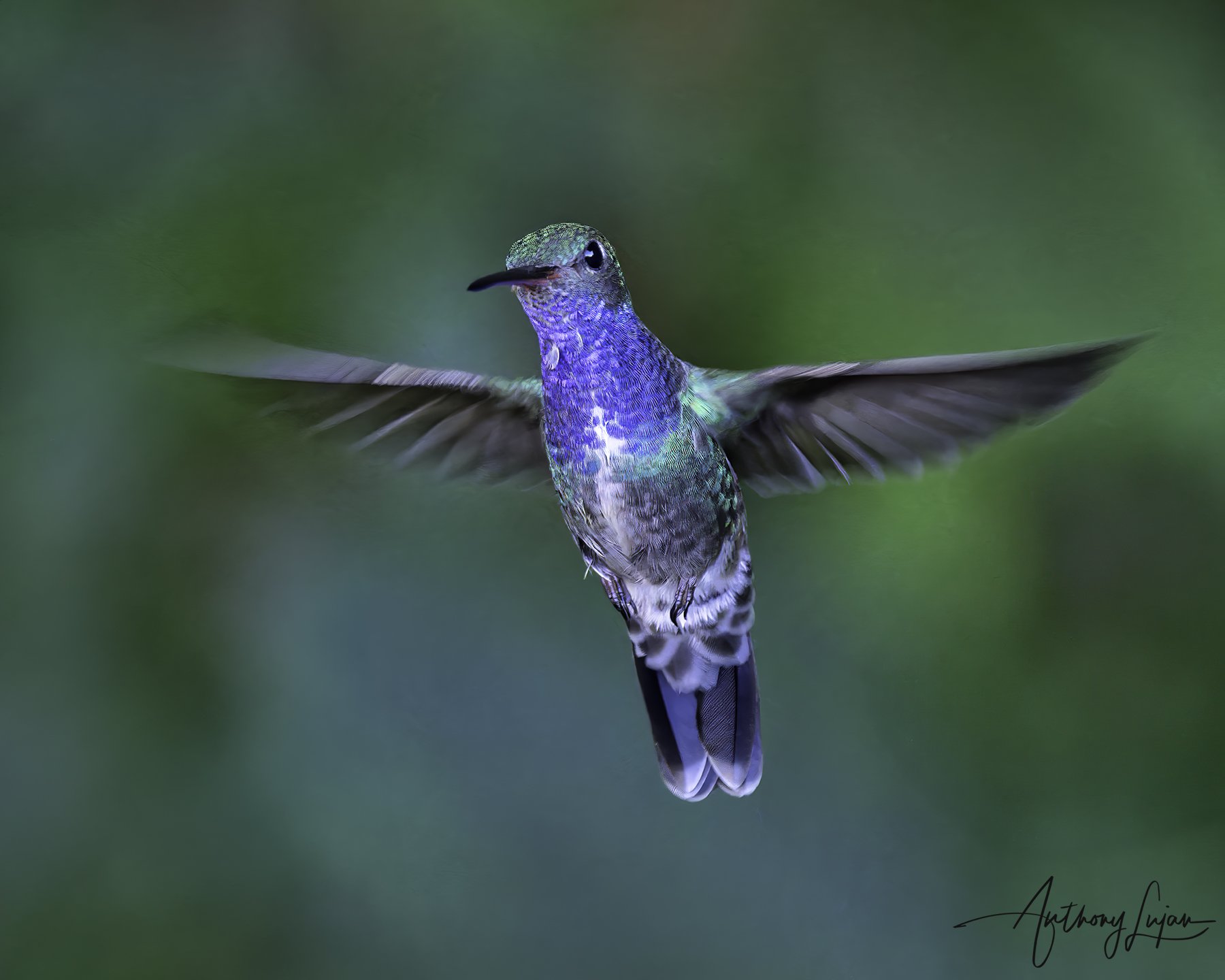
The Sapphire-spangled Emerald is a vibrant, attractive hummingbird recognized by its glittering blue breast and belly combined with green upperparts and a pale central belly stripe. It adapts well to disturbed landscapes and is often encountered at forest edges, in second growth, and in gardens where flowering shrubs and small trees are abundant. Despite this adaptability and a broad range, its overall population trend is considered decreasing, likely reflecting ongoing habitat loss and degradation in parts of its range.
Male Description
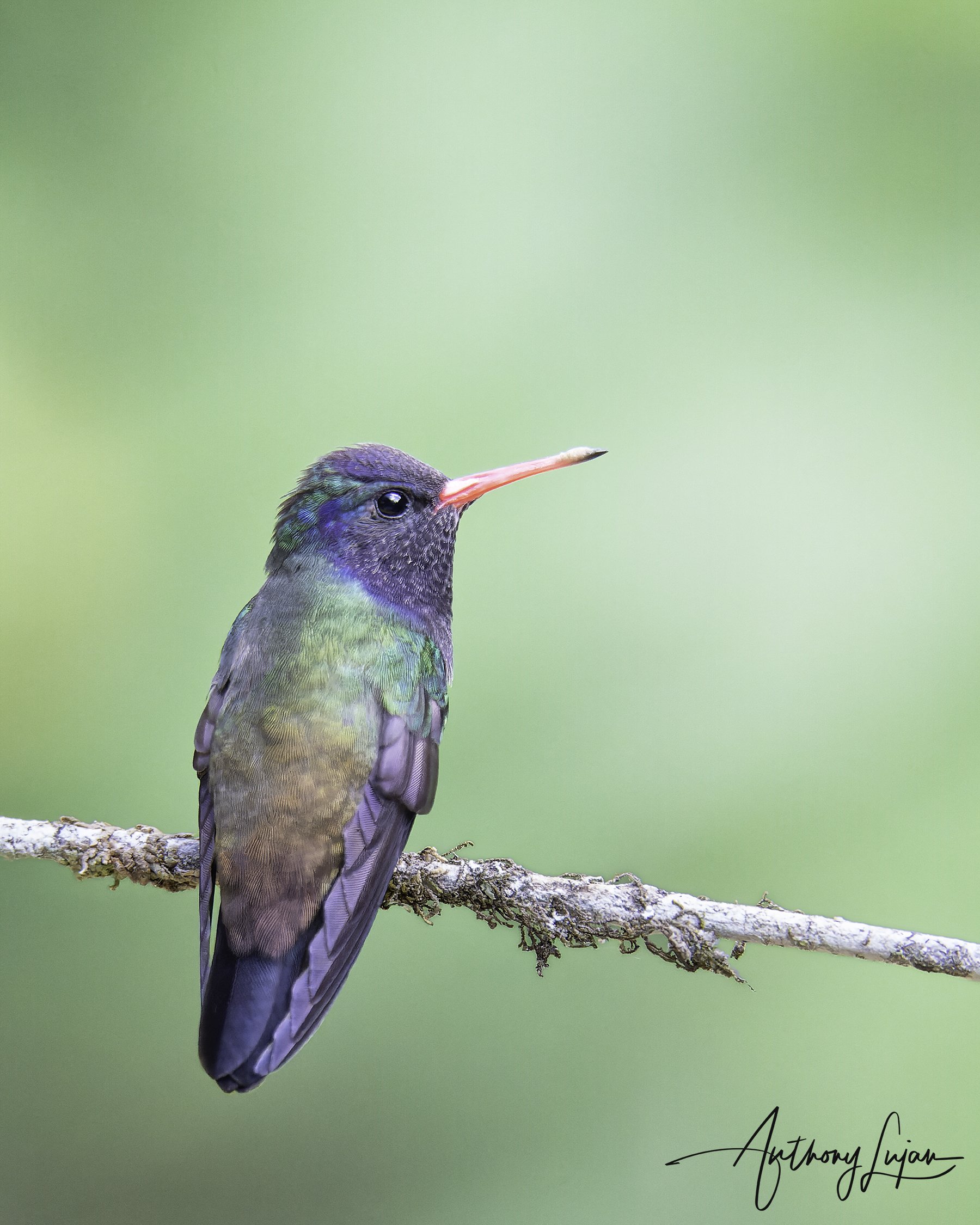
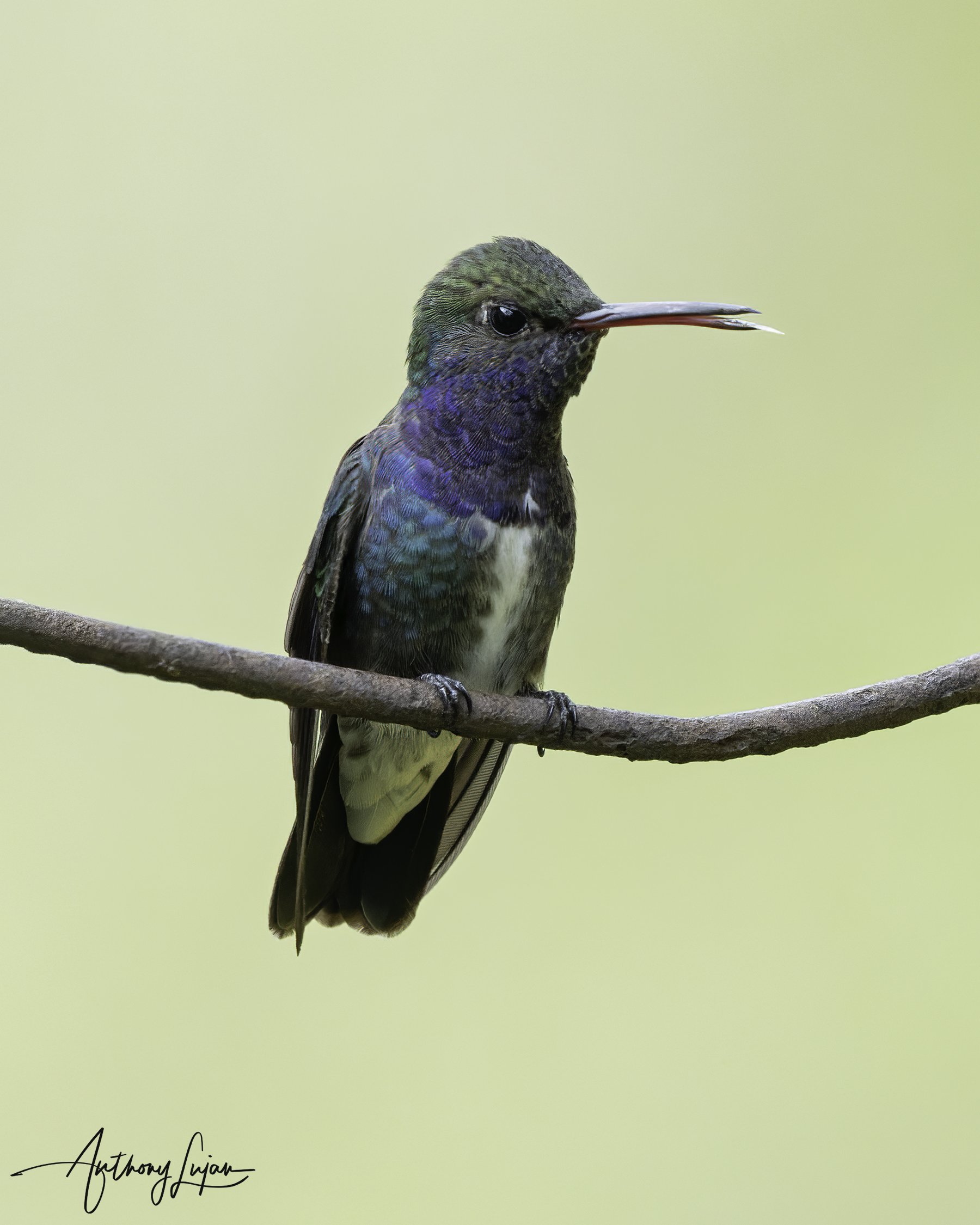
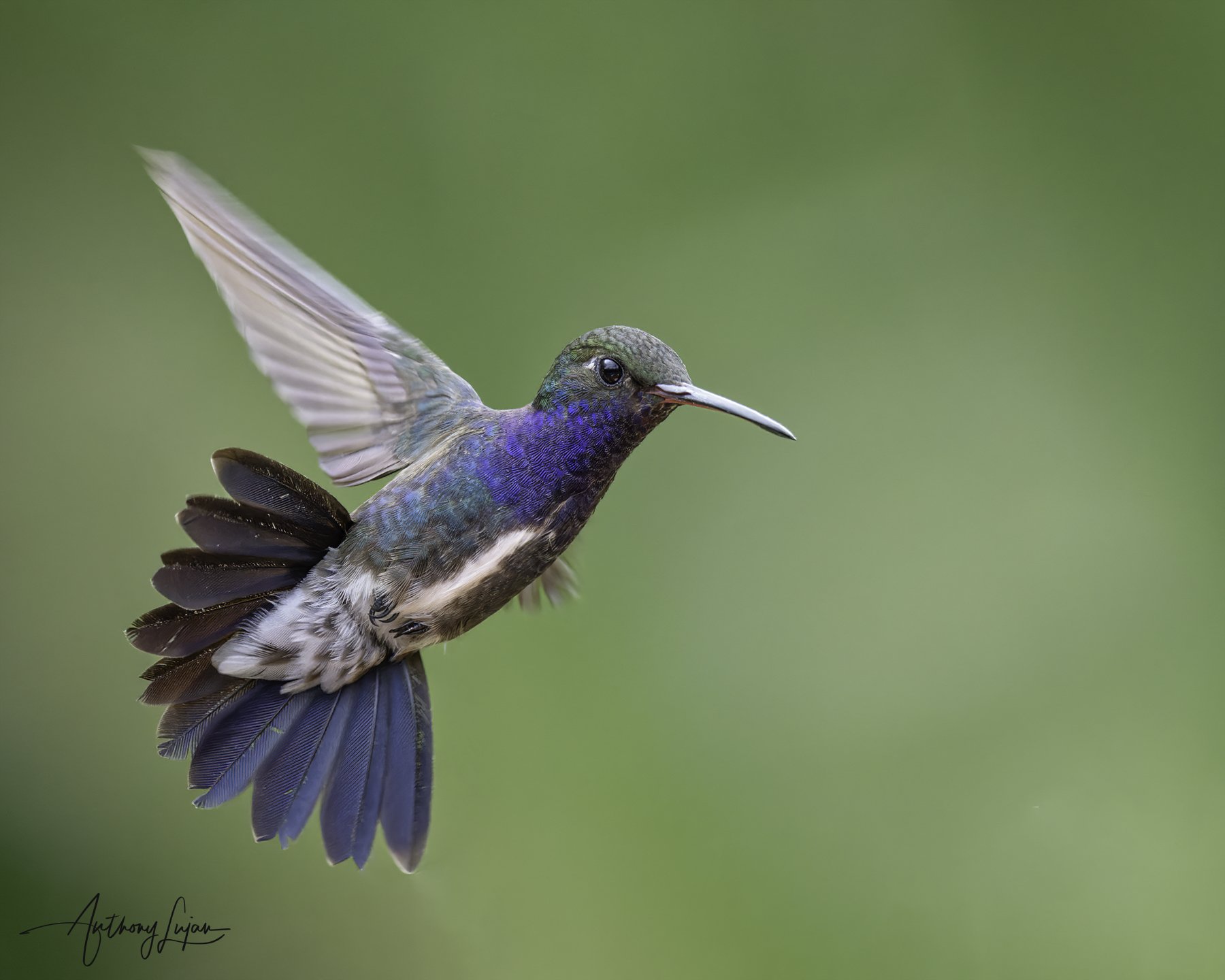
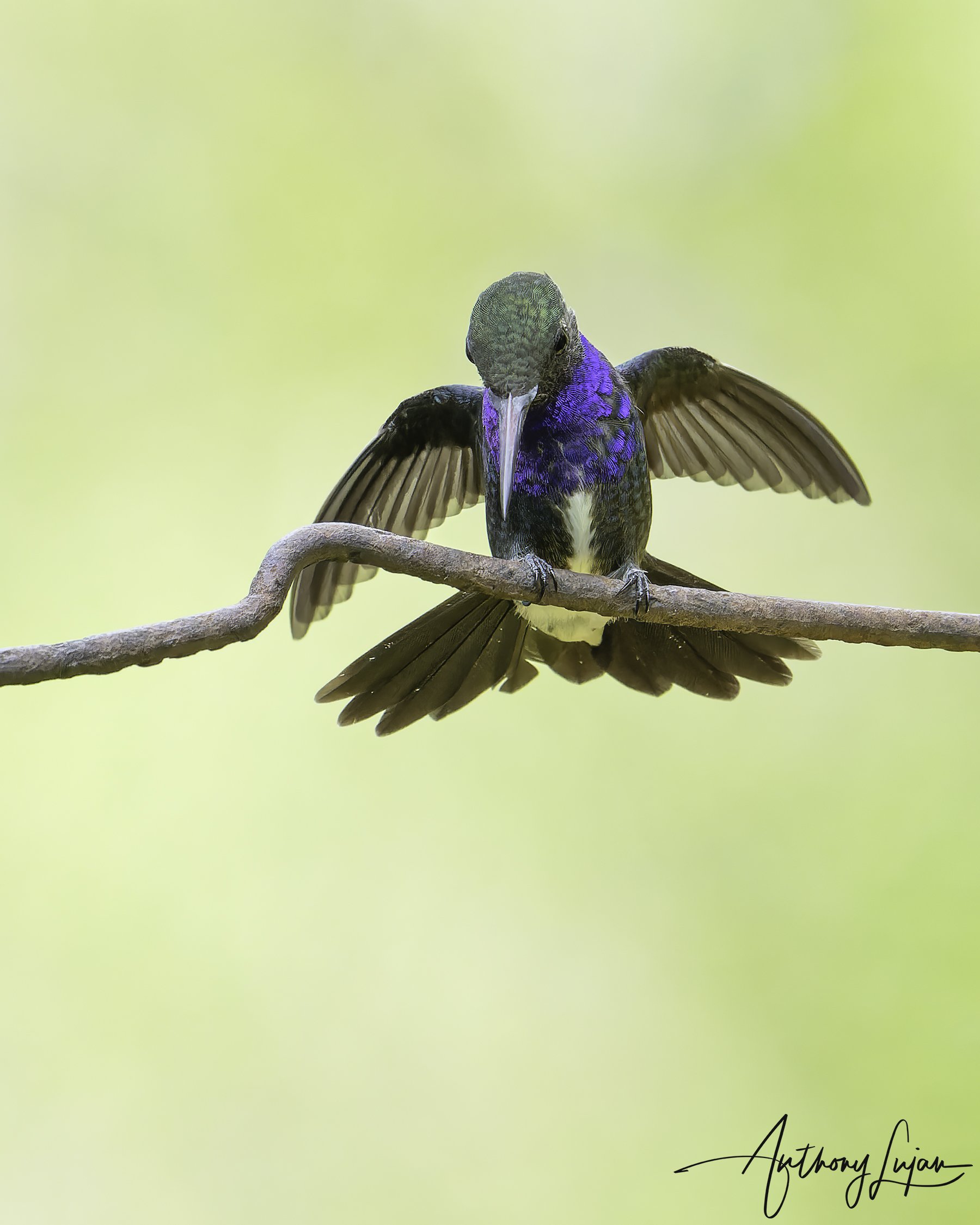
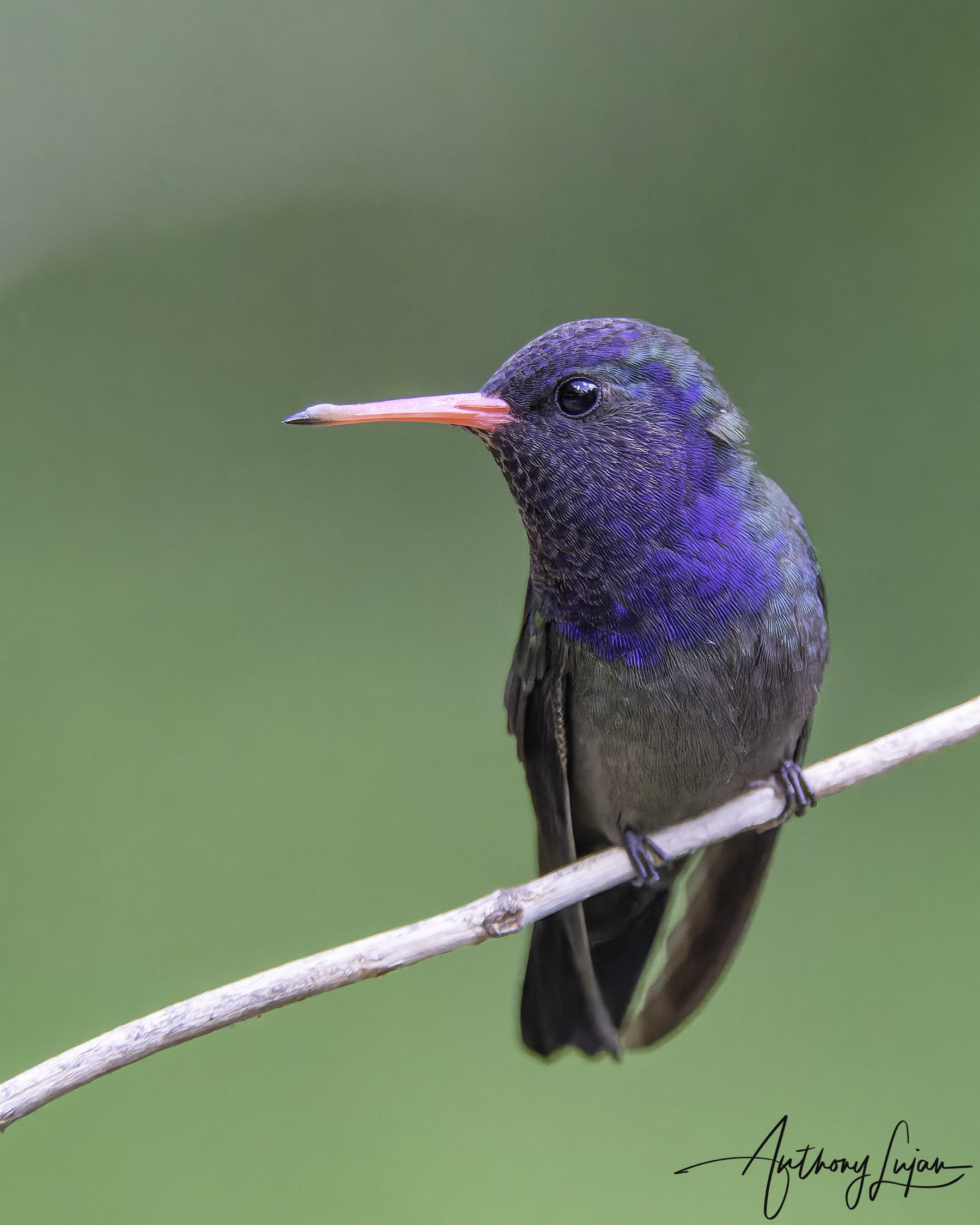
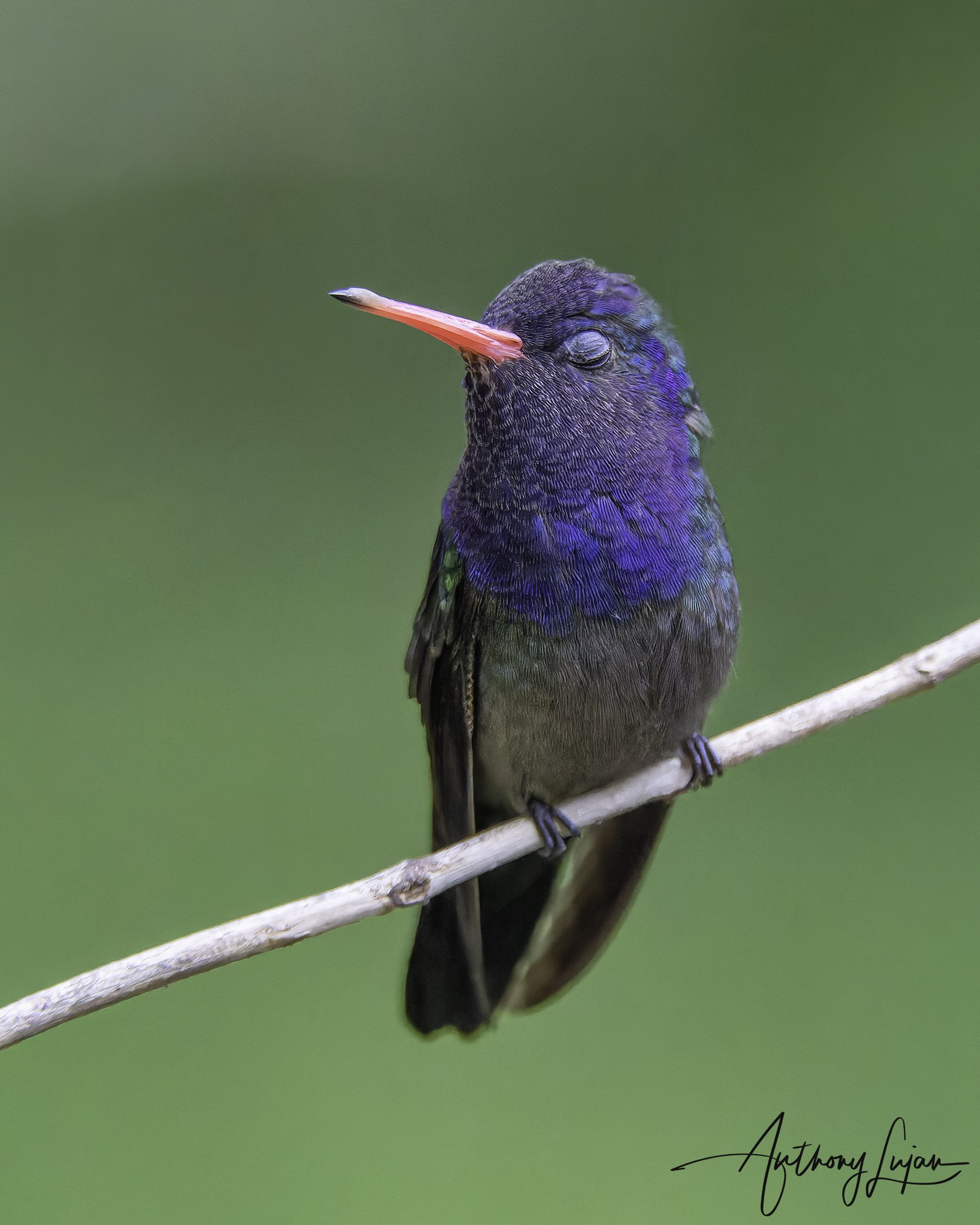
Adult males are metallic green above, including crown, back, and rump, with a subtly darker mask through the eye. The throat, breast, and much of the belly are bright sapphire‑blue to blue‑violet, usually with a narrow, paler or whitish central stripe running down the lower belly. The undertail coverts can show mixed blue and green tones. The tail is greenish to bronze with darker tips, slightly forked and often flashed during display. The bill is straight, medium‑length, with a dark or black upper mandible and a pinkish to horn‑colored lower mandible with a dark tip.
Female Description
Females are similar in size but generally duller. The upperparts are metallic green like the male, but the underparts show a less extensive blue area: the throat and upper breast may have bluish or greenish spots on a grayish or whitish ground rather than a solid blue patch. The central belly is paler or whitish, and the overall contrast is softer. The tail is greenish with white tips to the outer tail feathers, a helpful field mark when the tail is fanned. Juveniles resemble females, often with more buffy or pale edging to plumage and less saturated blue on the chest; young males gradually acquire the full sapphire‑blue underparts as they mature.
Habitat & Behavior
Sapphire-spangled Emeralds frequent moist forest edges, second‑growth woodlands, gallery forest, tall scrub, plantations, cerrado edges, rural gardens, and urban parks. They are particularly associated with semi‑open habitats that offer both shelter and abundant flowers, including flowering shrubs, small trees, and vines, and they are regular visitors to ornamental plantings and feeders in some areas.
They forage mainly at low to mid‑levels, hovering at blossoms or briefly perching while feeding. Individuals often defend productive flower patches and may chase away other hummingbirds with short, direct flights and chattering calls. As with most hummingbirds, their diet combines nectar from a range of native and introduced plants with small insects and spiders captured in flight or gleaned near flowers for protein.
Breeding
Breeding seasons vary across the species’ patchy range. In eastern Brazil, breeding tends to occur in the warmer, wetter months, often from about September through February, while in Andean foothill and Amazonian edge populations it generally aligns with local rainy seasons and peaks of flower availability. The female builds a small cup nest from soft plant fibers and spiderweb, camouflaged on the exterior with bits of lichen, bark, and moss.
Nests are commonly placed 1–4 m (3–13 ft) above ground on a horizontal branch, in a fork, or on a drooping twig, sometimes overhanging paths or clearings. The clutch consists of two white eggs, and the female alone is responsible for incubation and chick rearing. Incubation typically lasts around two weeks, and chicks fledge roughly three to four weeks after hatching, though timing can vary with conditions.
Movement
The Sapphire-spangled Emerald is treated as a resident species without large‑scale migratory movements. Local seasonal movements likely occur, particularly in more seasonal parts of its range, as individuals track shifting peaks in flowering across forest edges, second growth, and savannah‑like habitats. These movements may involve short elevational shifts in foothill regions or commuting between more humid and drier zones, but birds remain within the same general regions throughout the year.
Population
Although the number of mature individuals remains unquantified, the species has a fairly wide but somewhat fragmented distribution and can be locally common in suitable edge and semi‑open habitats. However, habitat loss, especially in eastern Brazil and parts of Amazonian foothills, may be contributing to declines in some regional populations. This, together with ongoing landscape modification across its range, underlies the assessment of an overall decreasing population trend.

Conservation
The Sapphire-spangled Emerald is currently listed as Least Concern, reflecting its broad distribution and continued presence in many disturbed and semi‑urban habitats. Nevertheless, deforestation, conversion of forest and cerrado to agriculture or pasture, and urban expansion reduce and fragment its preferred edge and woodland habitats. The species occurs in several protected areas across Brazil, Venezuela, Peru, and Bolivia, where forest and edge habitats remain relatively intact. Maintaining and restoring forest edges, second‑growth corridors, and nectar‑rich gardens and parks can help support this species as broader land‑use change continues.
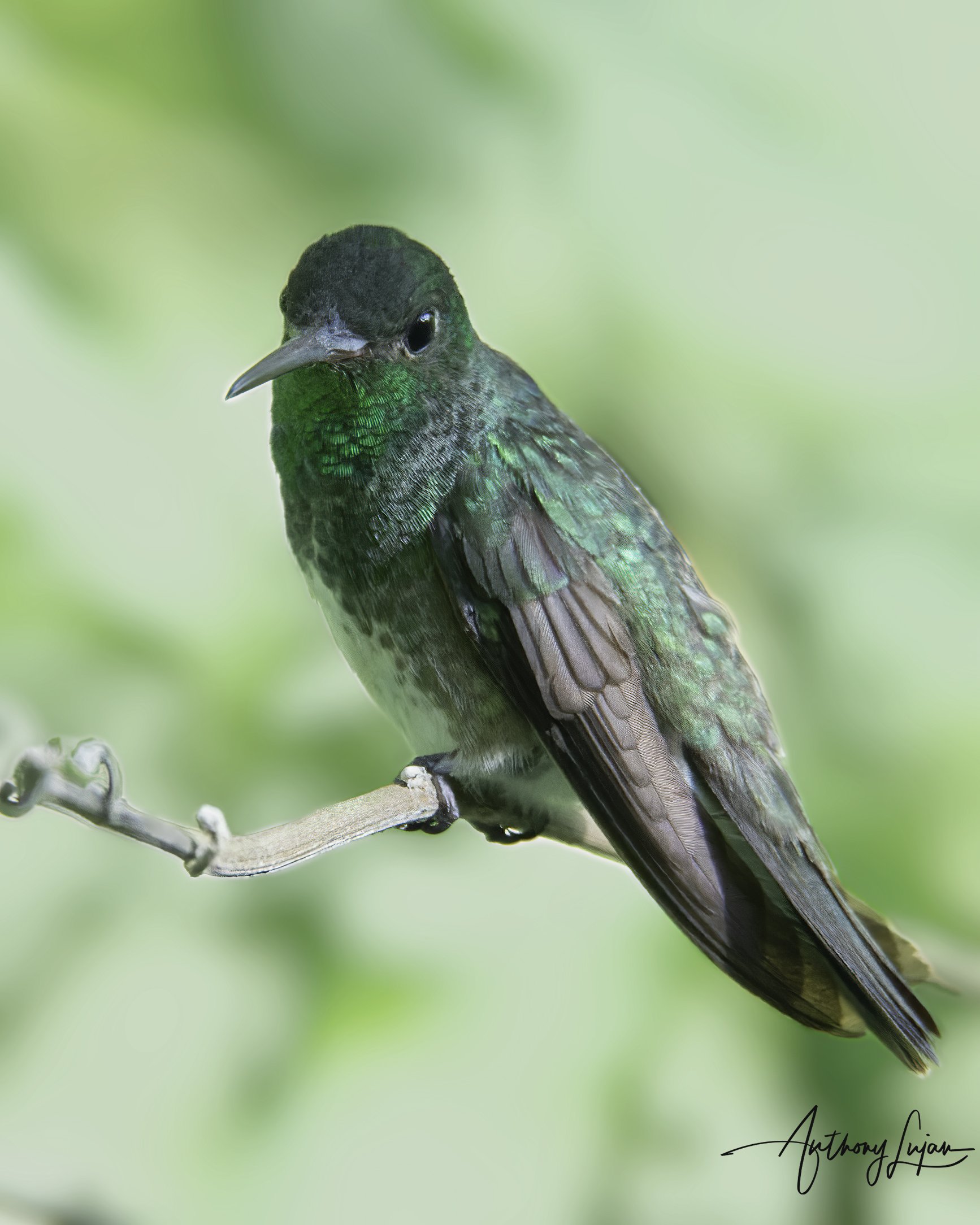
Below is the Sapphire-spangled Emerald (Sapphire-spangled), (Chionomesa lactea lactea)
Photographed at Lajedo dos Beija-Flores, Bahia; Pousada da Fazenda, Monte Alegre do Sul; and Sítio Macuquinho, Salesópolis, São Paulo, Brazil
These individuals belong to the nominate subspecies lactea, found across eastern Brazil from Bahia south to Paraná. It inhabits drier woodland, cerrado edge, and cultivated landscapes, often visiting flowering shrubs and feeders in disturbed areas.
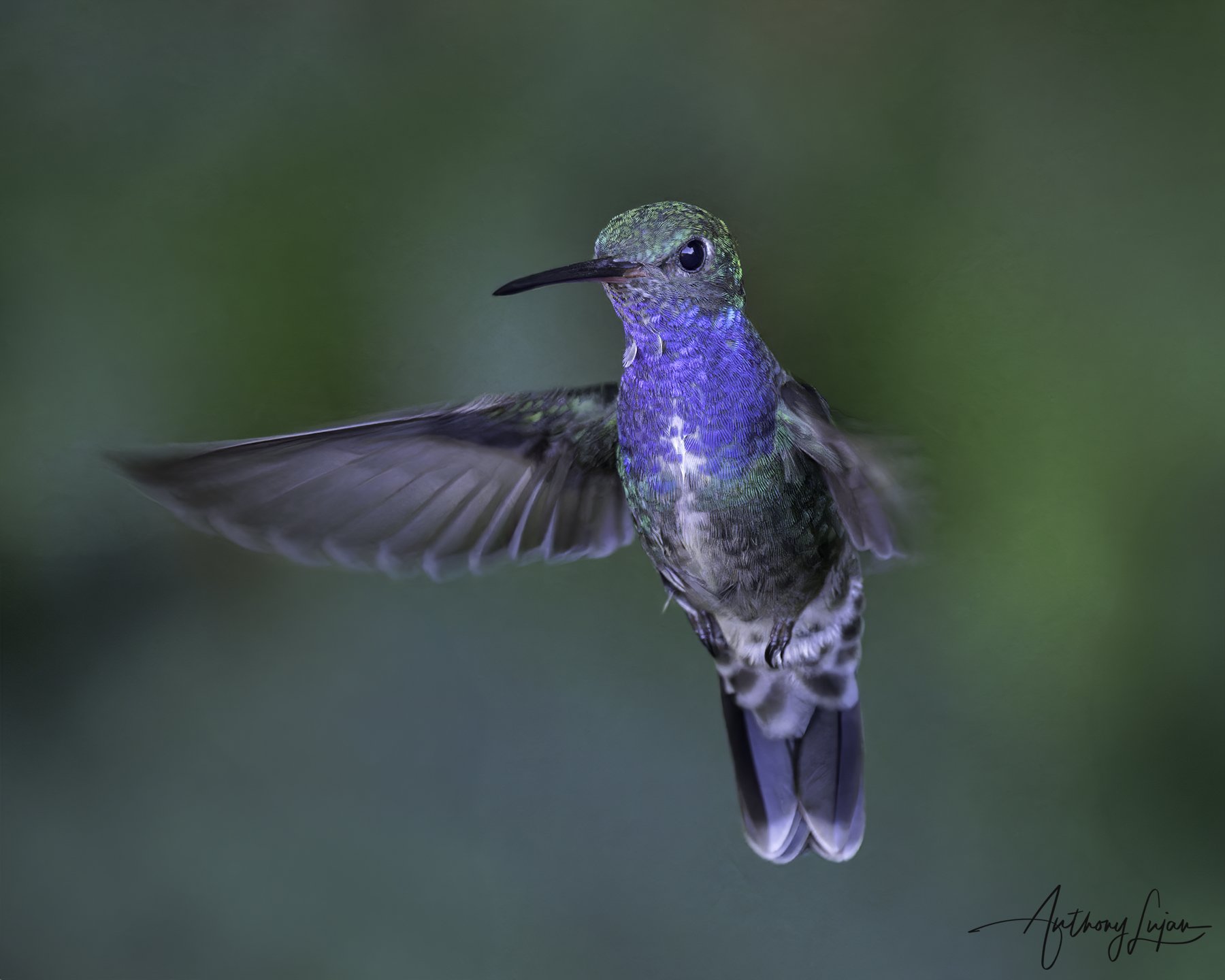
Below is the Sapphire-spangled Emerald (Spot-vented) (Chionomesa lactea bartletti)
Photographed at Bosque de Protección Alto Mayo and Waqanki Reserve, San Martín, Peru
These individuals belong to the subspecies bartletti, which occurs from eastern Peru southward through northern Bolivia and into adjacent western Brazil. It typically inhabits humid forest edge, secondary woodland, and foothill slopes between 300 and 1,200 meters.
Checkout Anthony’s playlist of this species! Click the top right dropdown to see all the videos.
Related species in the Chionomesa genus (2 species in total):
Please note: The content provided in this article reflects Anthony’s personal experience and photographic approach. Results can vary depending on light, weather, location, equipment, subject behavior, and field conditions.