Scientific name: Lophornis brachylophus
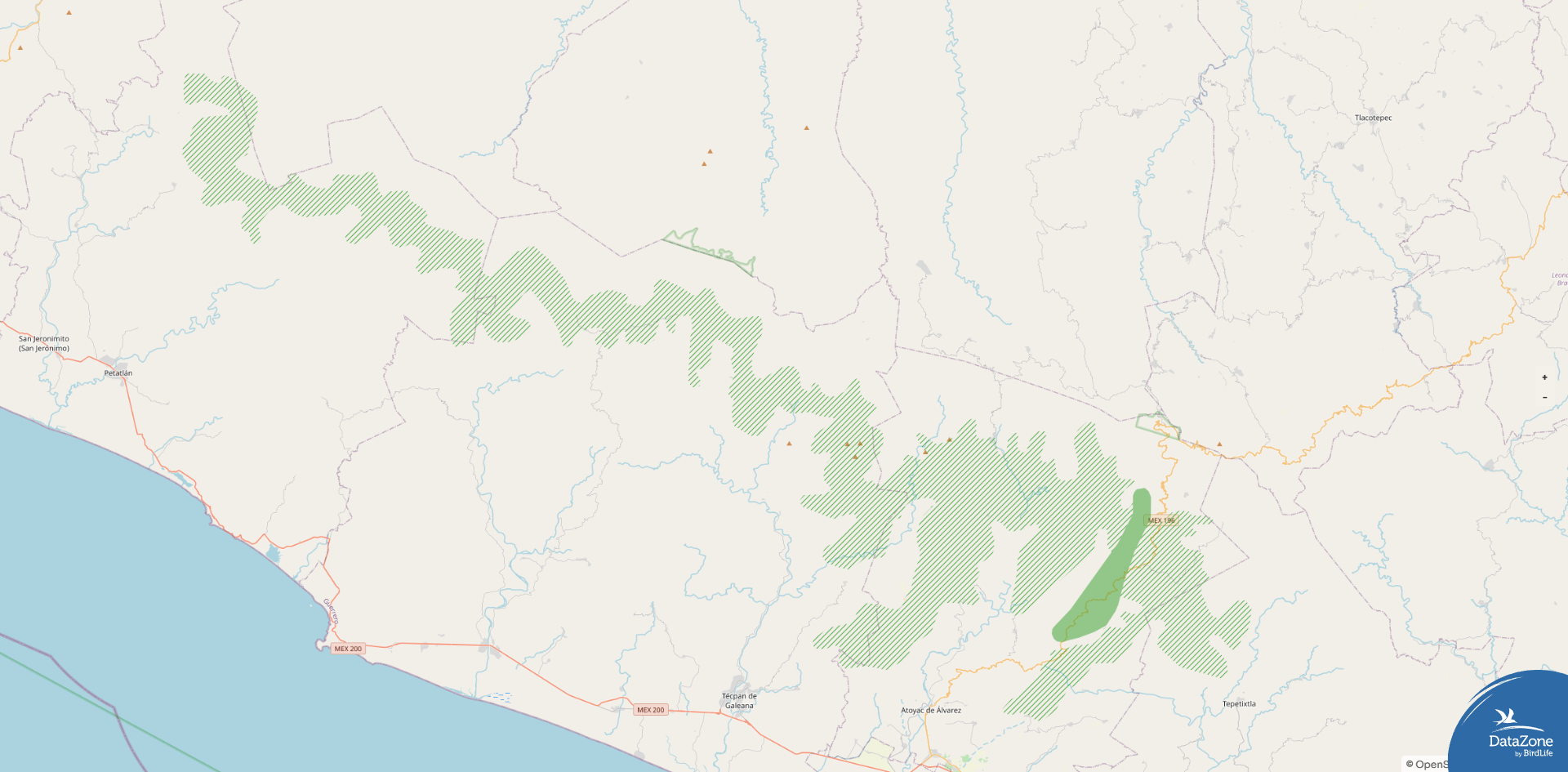
The Short-crested Coquette is a tiny, range-restricted hummingbird endemic to southwestern Mexico, where it is known only from a very small area in the Sierra Madre del Sur. The number of mature individuals is estimated at 250–999, the population trend is Decreasing, and it is assessed as Critically Endangered.
At a Glance
Family: Trochilidae (hummingbirds)
Clade: Lesbiini – coquettes
Genus: Lophornis — very small, crested hummingbirds with ornate head and throat plumes
Range: Extremely restricted area in the Sierra Madre del Sur of Guerrero, southwestern Mexico
Habitat: Humid and semi-humid montane forests, including tropical semideciduous and cloud forest, forest edges, and shade coffee plantations with abundant flowering plants
Elevation: Roughly 700–1,700 m within its small Mexican range
Length: About 6–7 cm (around 2.4–2.8 in)
Weight: Around 2–3 g
Number of mature individuals: 250–999
Population trend: Decreasing
Status: Critically Endangered (IUCN)
Name Origin
The genus name Lophornis comes from Greek words meaning “crest” and “bird,” referring to the prominent crests that characterize coquettes. The species name brachylophus combines elements meaning “short crest,” directly describing this coquette’s relatively short head crest. The English name “Short-crested Coquette” mirrors this, emphasizing the shorter crest that distinguishes it from more flamboyantly crested relatives.
Subspecies & Distribution
Short-crested Coquette is monotypic, with no recognized subspecies.
It is endemic to a very small region of the Sierra Madre del Sur in Guerrero, southwestern Mexico, known from only a short stretch of road and surrounding slopes in the Atoyac region. Within this tiny range, it occupies humid montane habitats, including tropical semideciduous and cloud forests, as well as shade coffee plantations and adjacent semi-open areas where flowering shrubs and trees are concentrated. Its microendemic distribution makes it extremely vulnerable to local habitat changes.
Ledged
Green Resident
Species Overview
The Short-crested Coquette is one of Mexico’s rarest birds, a microendemic hummingbird restricted to a small area of humid montane forest in the Sierra Madre del Sur. It favors forest edges, clearings, and shade coffee landscapes where a dense shrub layer and flowering plants supply nectar throughout the year. Its tiny global range, very small population, and continuing habitat pressure all contribute to its Critically Endangered status and make it a high-priority species for conservation in southwestern Mexico.
Male Description
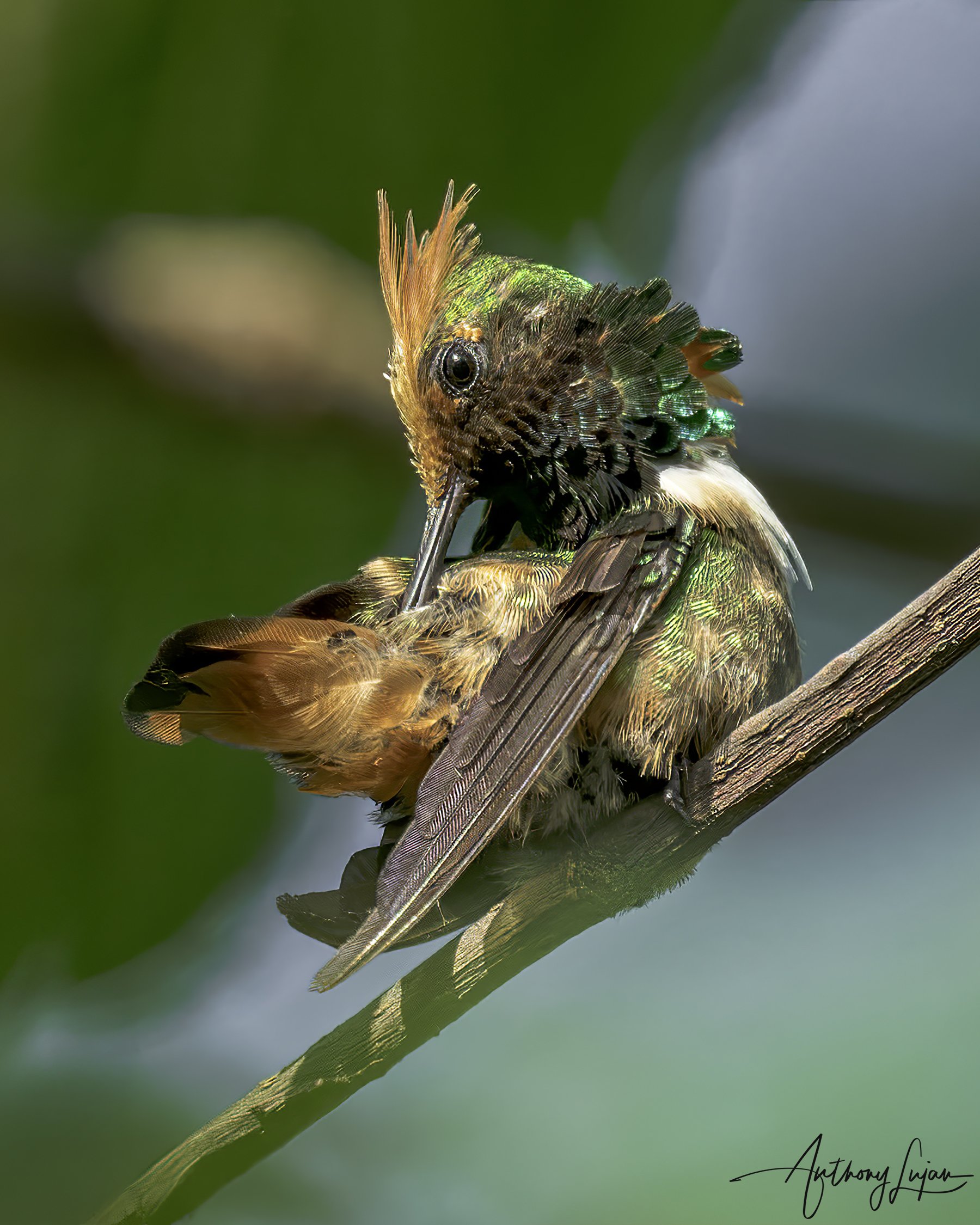
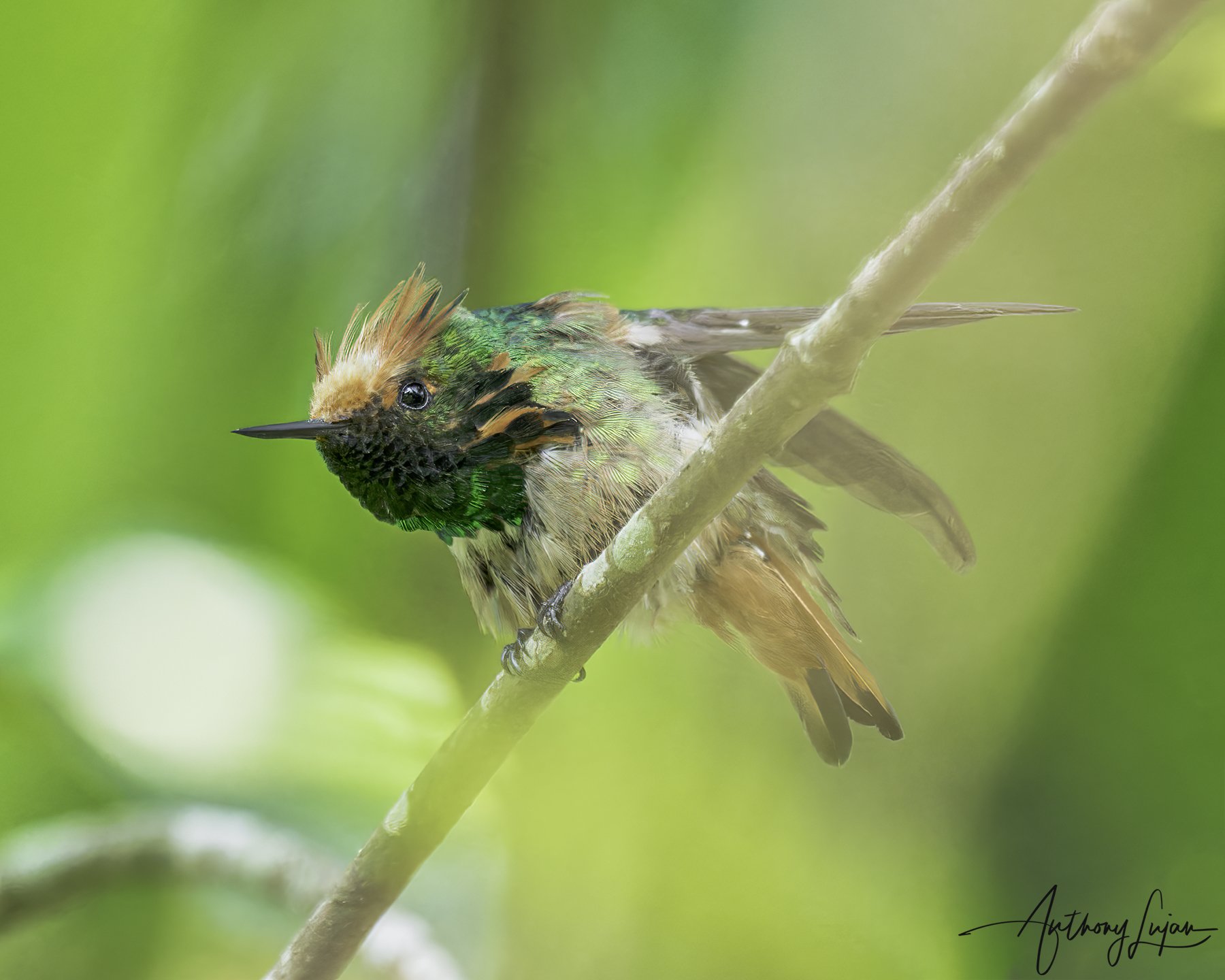
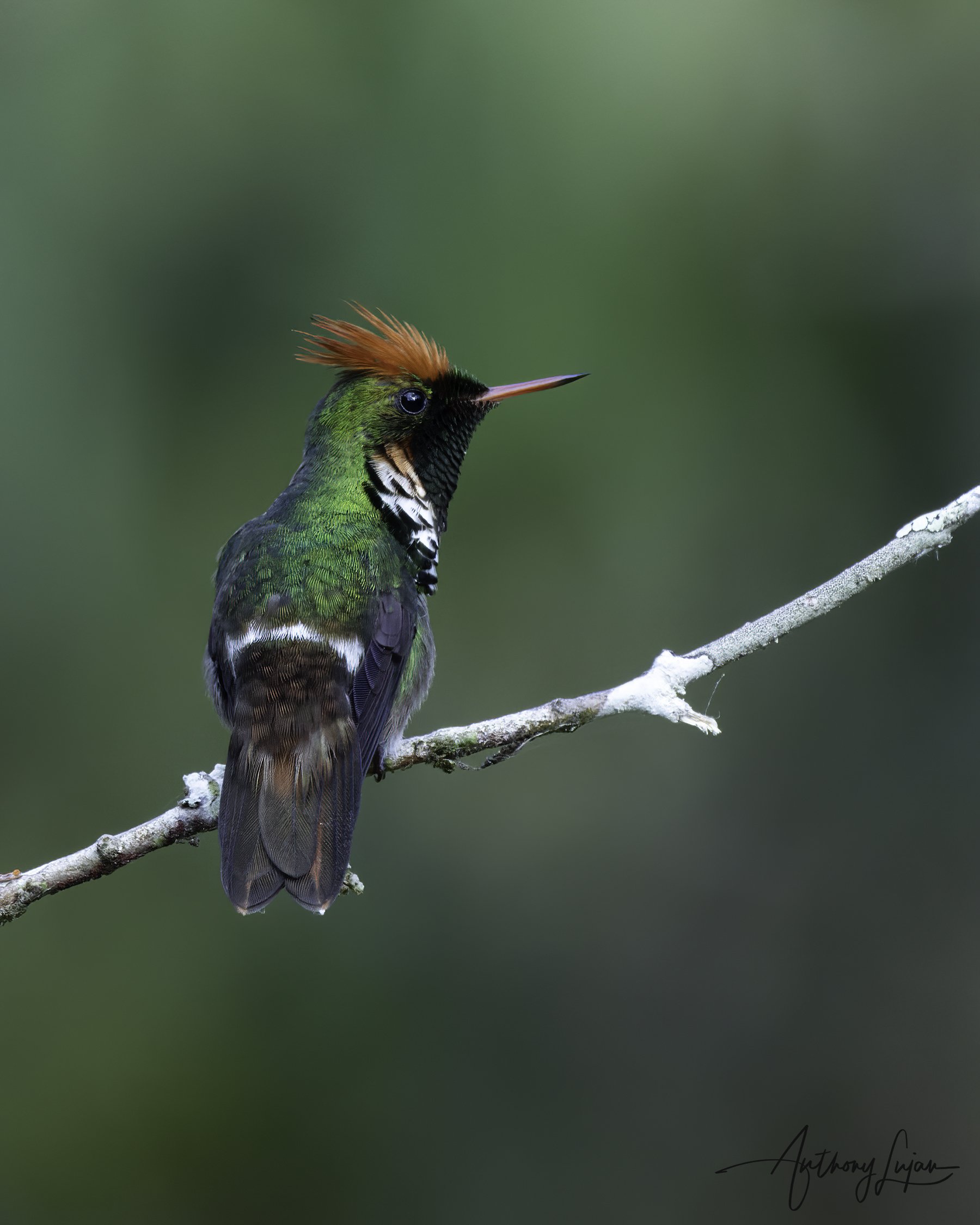
The adult male is a minute hummingbird with a short, straight bill and a distinctive but relatively short crest on the head. He has metallic green upperparts and a glittering throat that contrasts with paler, buffy or whitish underparts marked with some green spotting. The combination of the short crest and compact head pattern gives a neatly ornamented look rather than the extravagant plumes of some other coquettes. The tail is relatively short, with warm rufous or bronzy tones and darker tips, adding to the bird’s small, jewel-like appearance as it moves through the forest understory.
Female Description
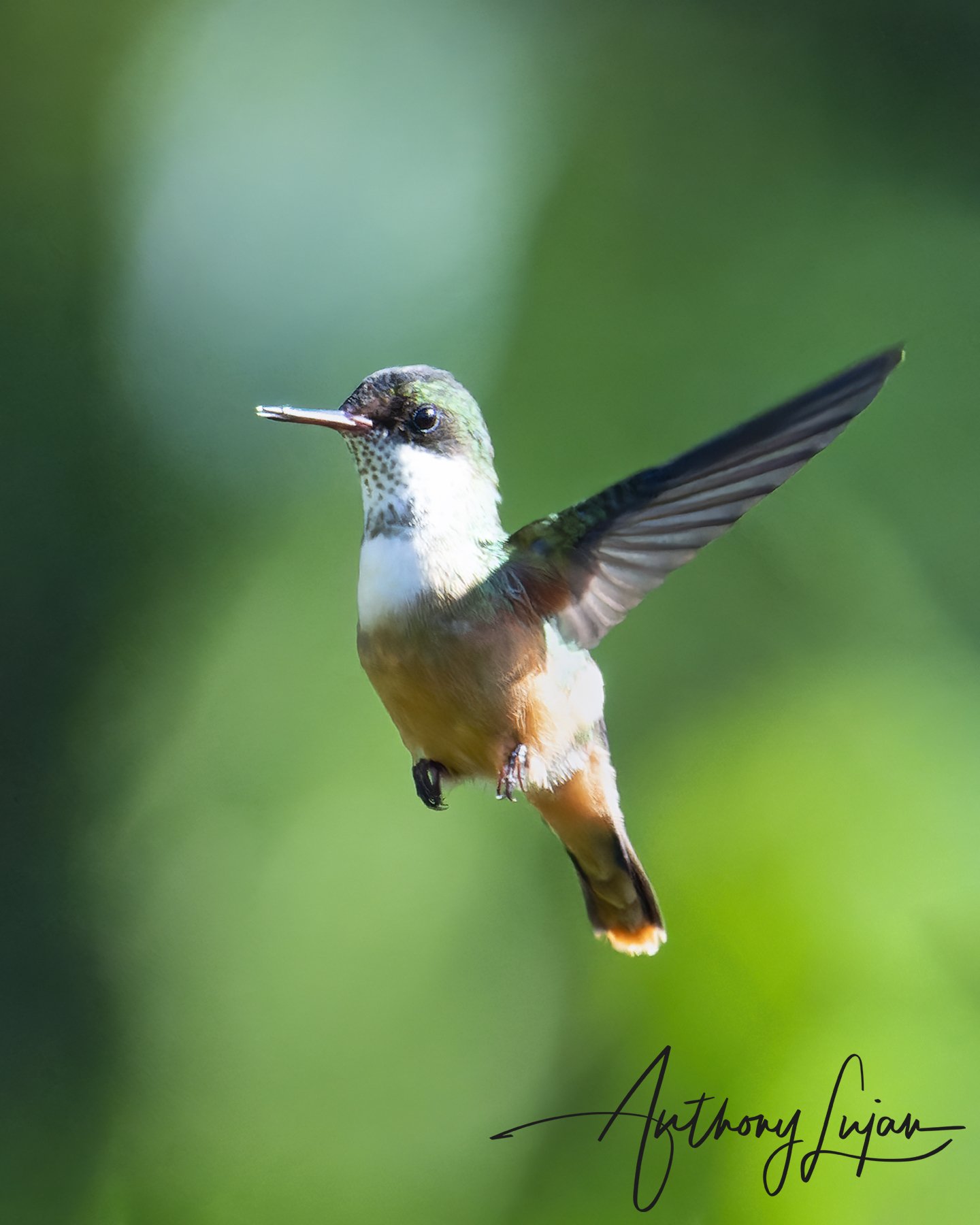
The female lacks the male’s short crest and bold throat coloration, giving her a more subdued, streamlined profile. Her upperparts are metallic green without prominent plumes, and her underparts are whitish to buff with fine green spotting along the sides of the breast and flanks. The tail is somewhat longer in proportion to her body than in the male, greenish above with rufous or buff at the bases of the outer feathers and pale tips, forming a gentle pattern. She appears as a very small, neat green hummingbird, best identified by size, structure, and the fact that she occurs only within this small endemic range in southwestern Mexico.
Habitat & Behavior
Short-crested Coquettes inhabit humid montane habitats in the Sierra Madre del Sur, including tropical semideciduous forest, cloud forest, and shade coffee plantations, along with forest edges and regenerating clearings rich in flowers. They forage at low to mid-levels along edges, gaps, and within shaded coffee understory, tracking peaks in flowering and, seasonally, fruits. Like other coquettes, they feed mainly on nectar from small blossoms and also take tiny insects for protein, capturing them in flight or gleaning them from foliage. Individuals are usually seen singly or in loose association at flowering shrubs and trees, moving rapidly and agilely between blossoms despite their tiny size.
Population
The global population of Short-crested Coquette is estimated at only 250–999 mature individuals, all confined to this small endemic area of southwestern Mexico. Within that range the species is sparsely distributed, following patches of suitable forest, cloud forest, and shade coffee where nectar resources are available. The population trend is Decreasing, driven by habitat loss, fragmentation, and changes in land use within its already minute distribution.

Conservation
Short-crested Coquette is listed as Critically Endangered because it is endemic to a single small region in Mexico, has a tiny population, and faces continuing declines in habitat quality and extent. Deforestation, agricultural expansion, and changes in coffee management threaten the cloud forests, tropical semideciduous forests, and shade coffee plantations that support the species. Conservation priorities include protecting remaining forest and shade coffee habitats in the Atoyac region, maintaining flowering shrub and tree layers, securing community-managed reserves, and closely monitoring the species’ population and elevational movements. Focused, site-based conservation is essential to ensure this microendemic coquette survives in the wild.
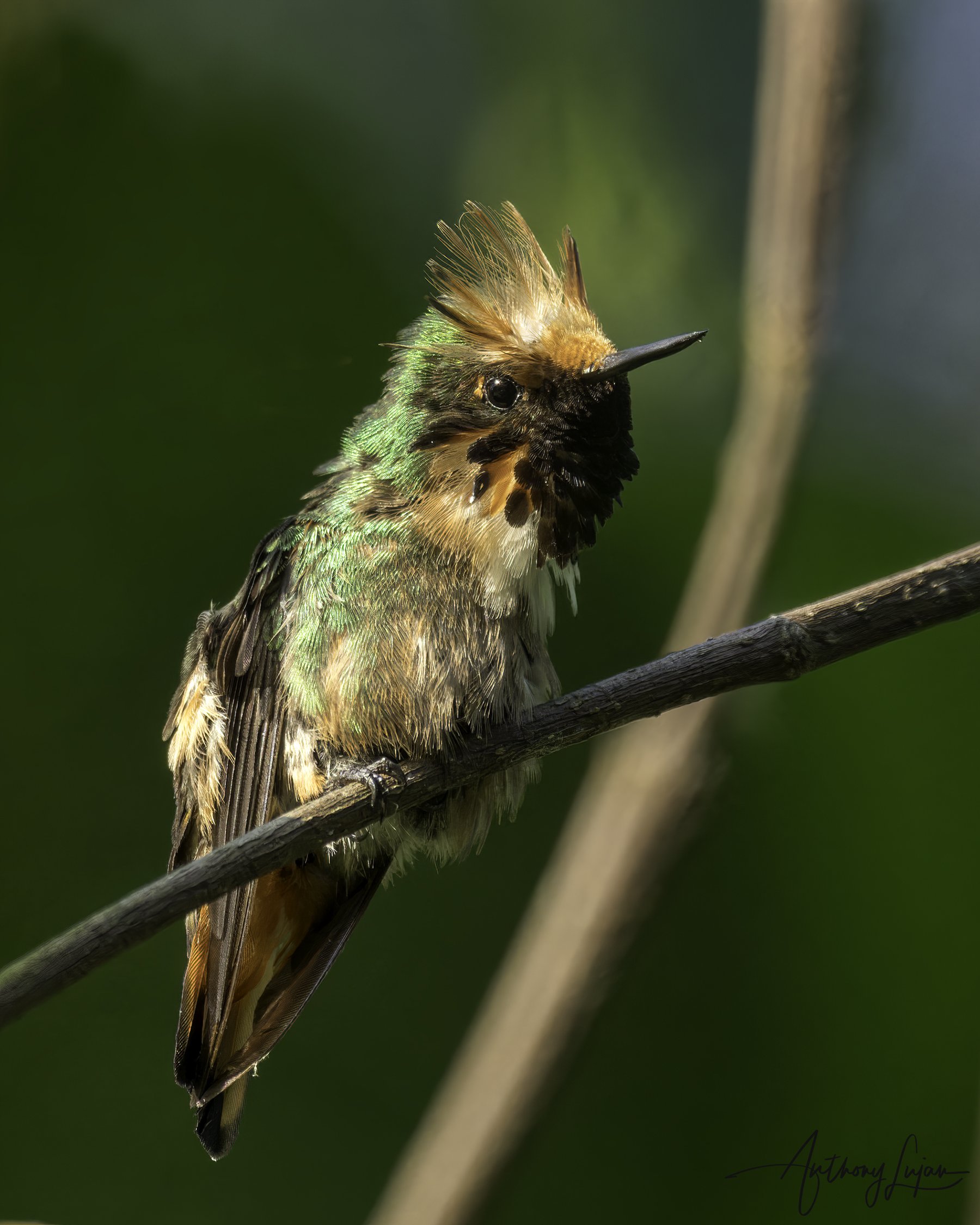
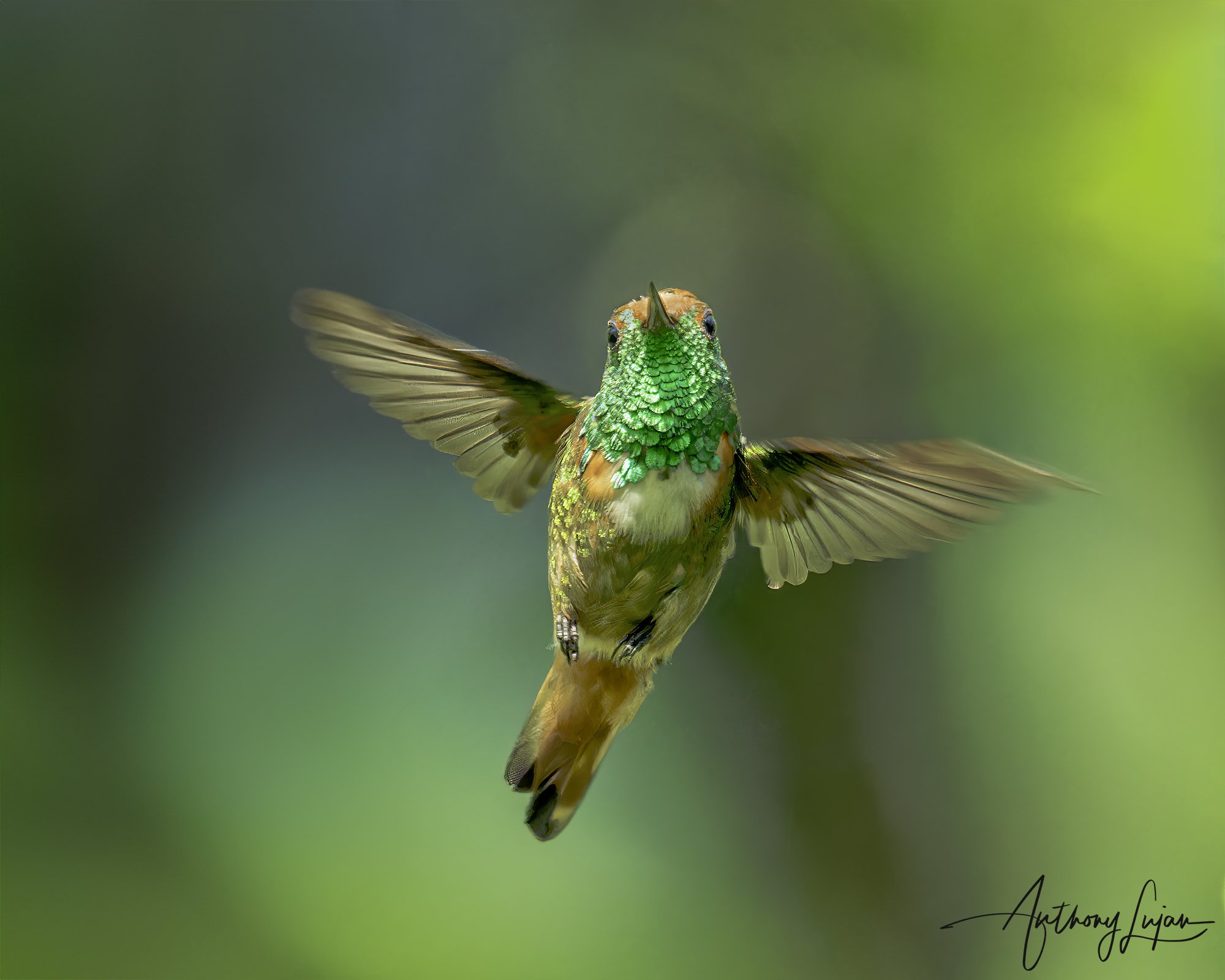
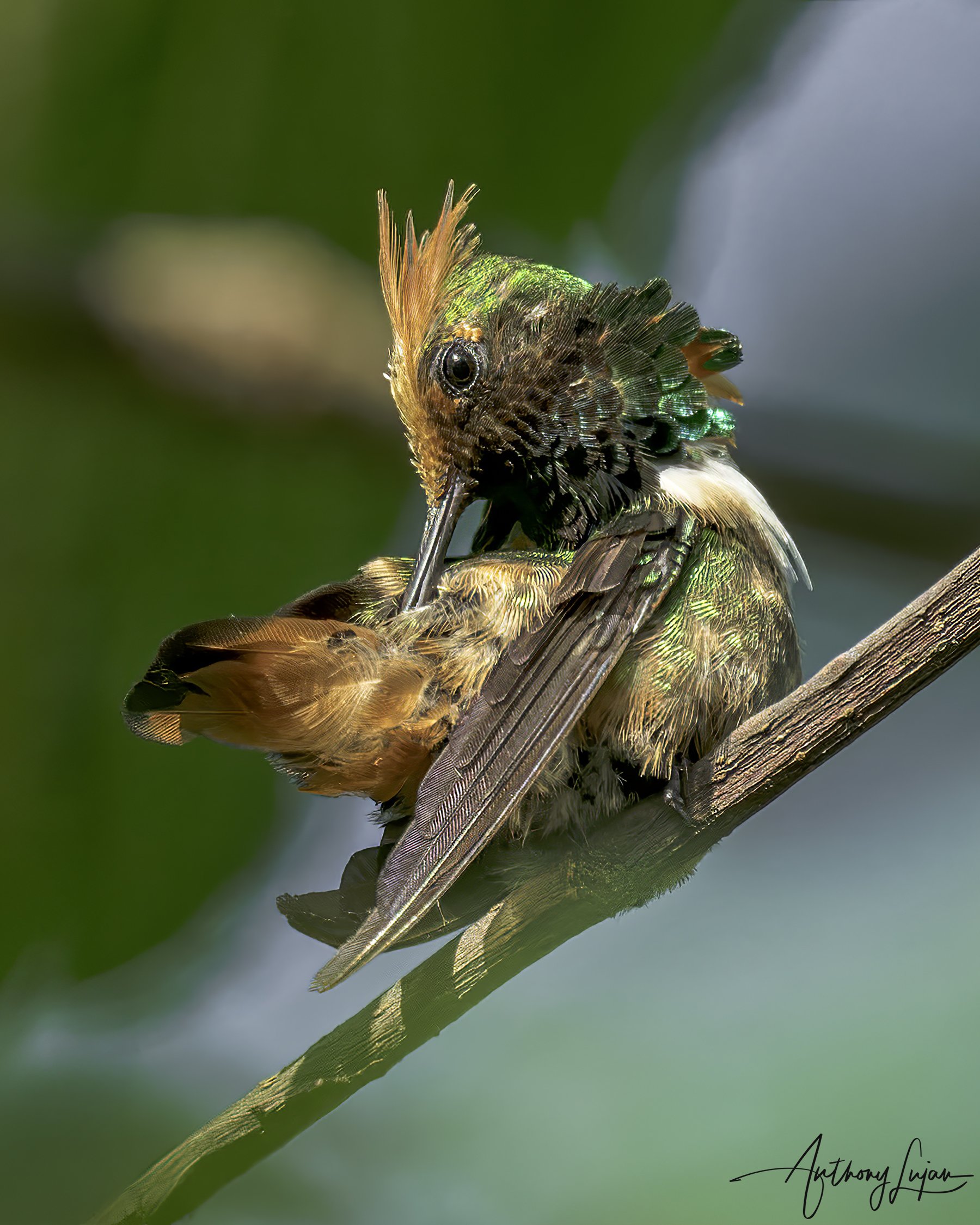
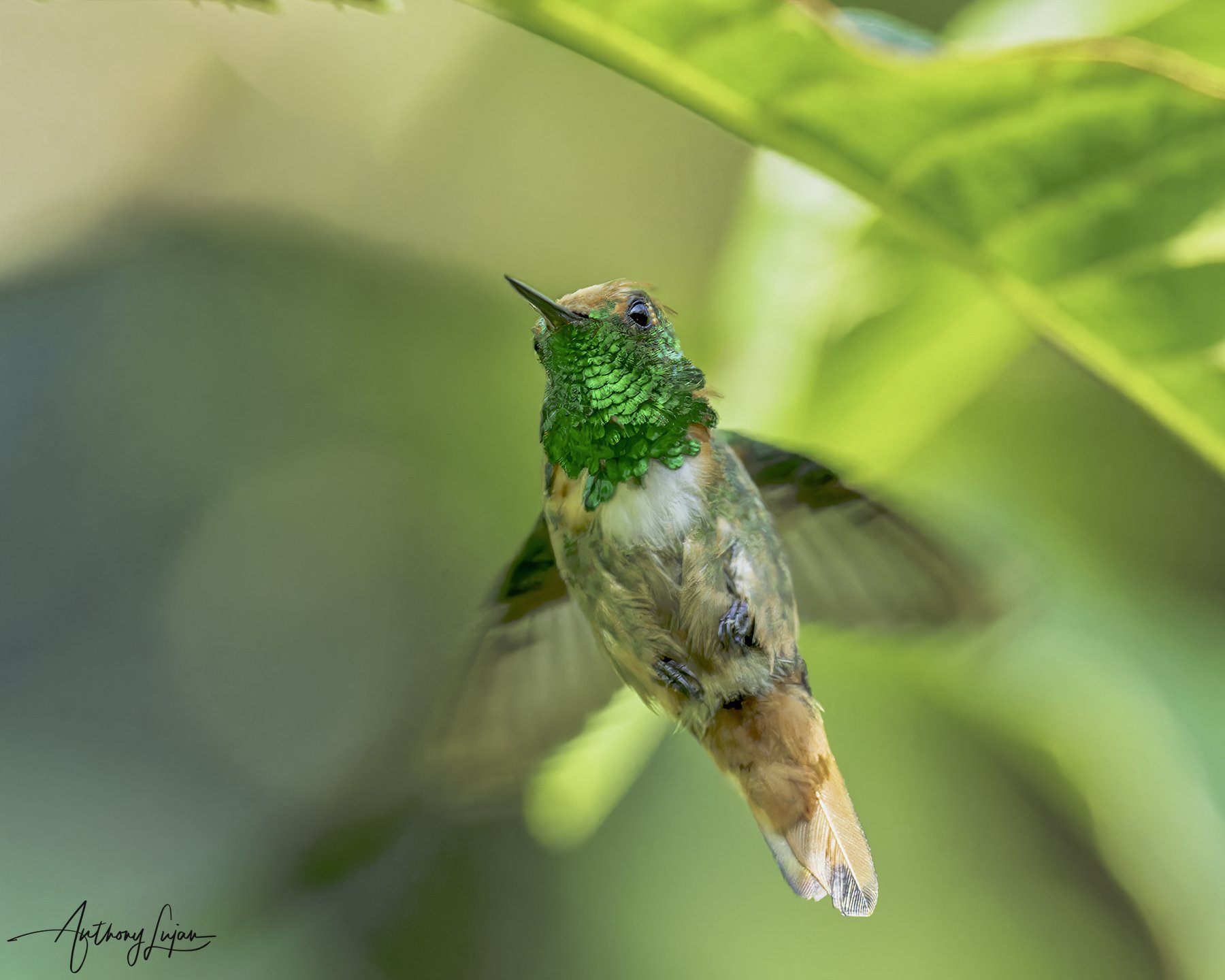
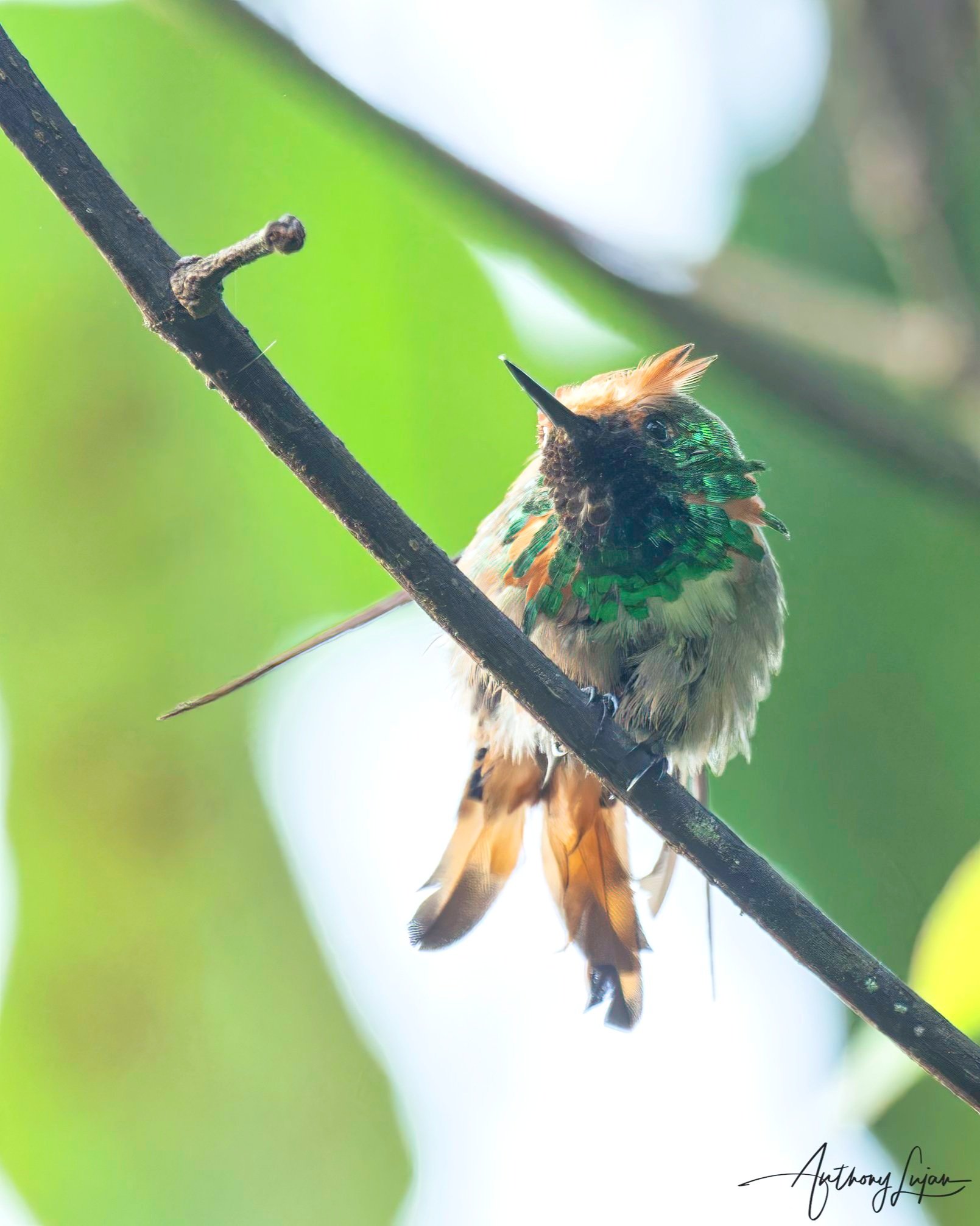
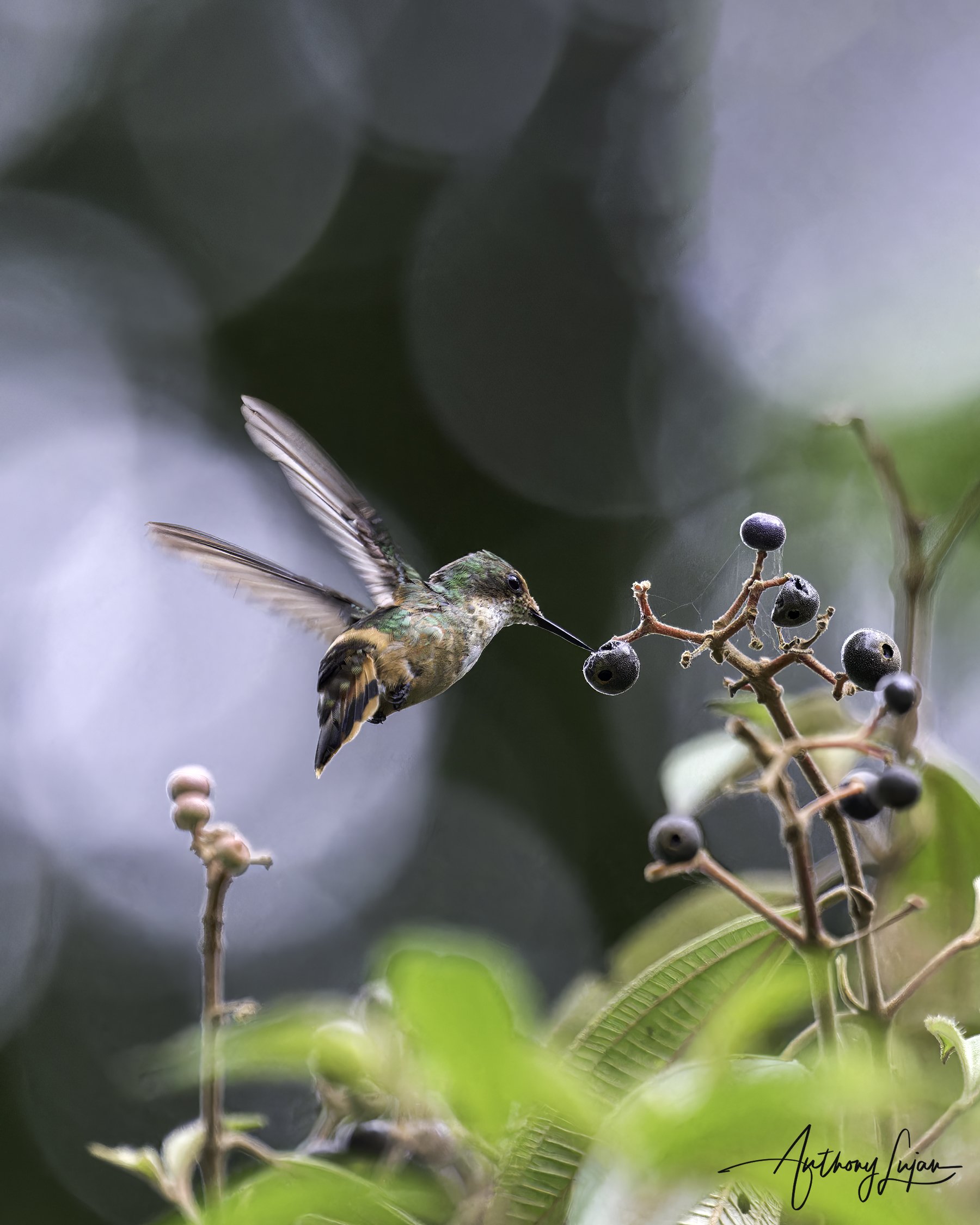
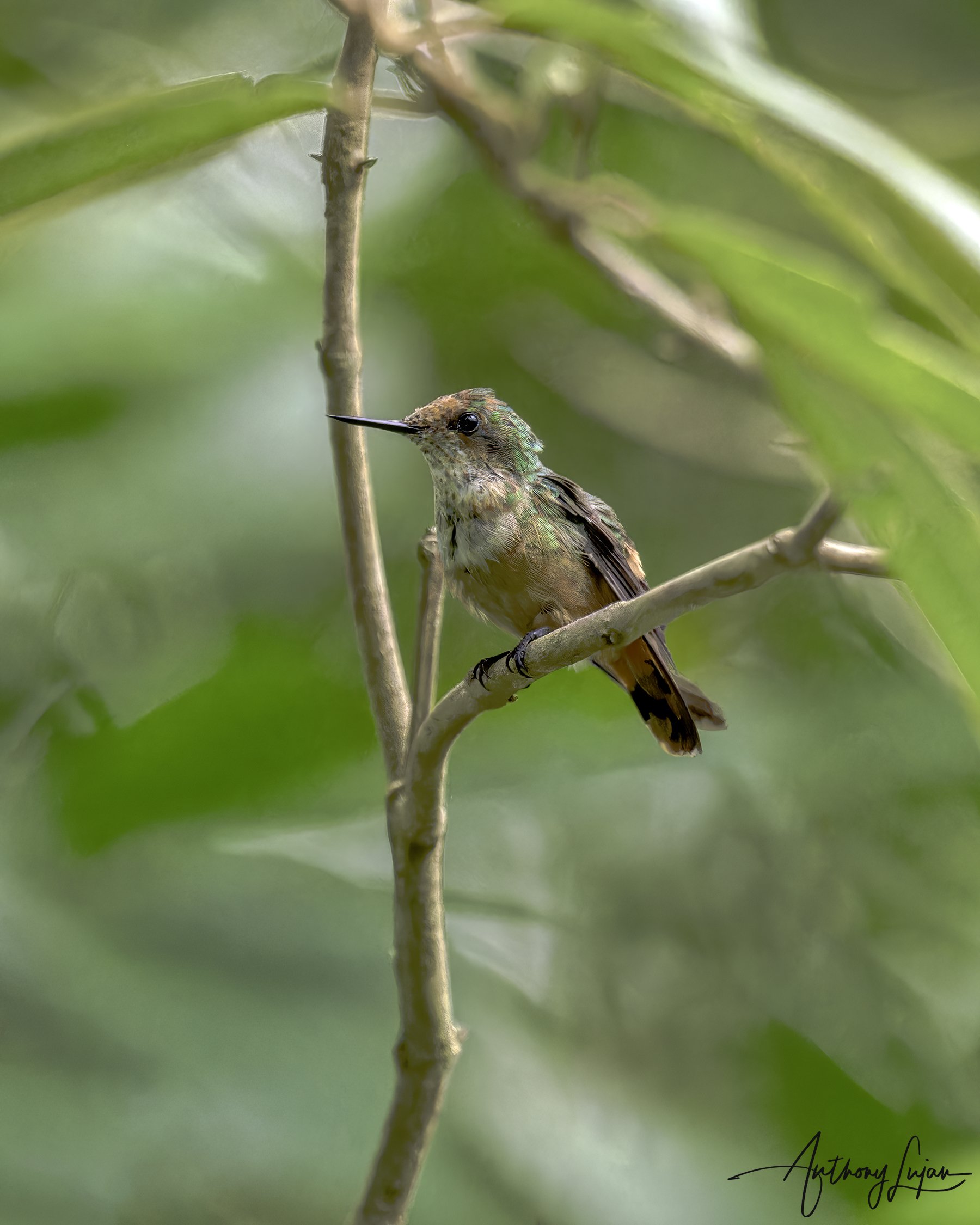
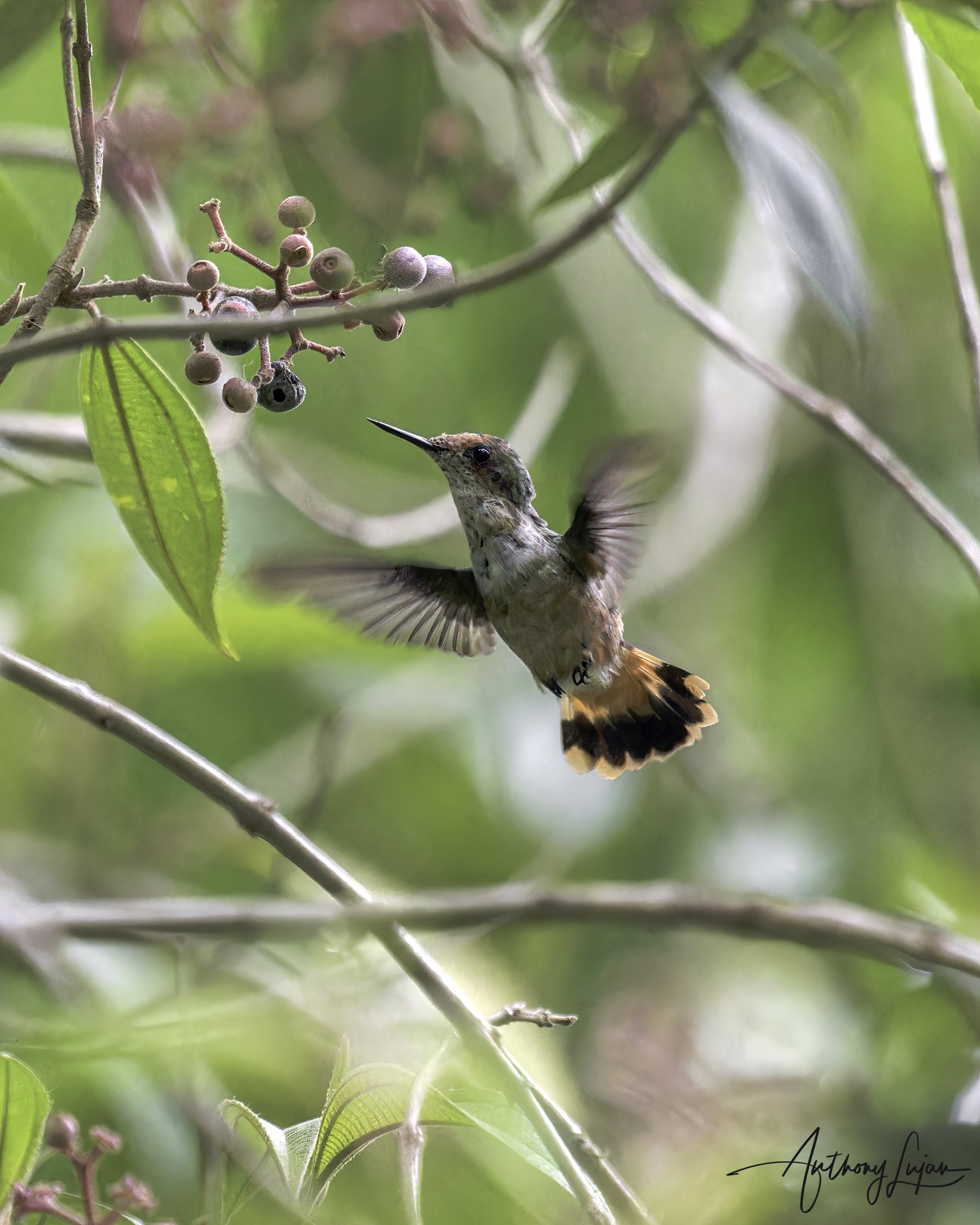
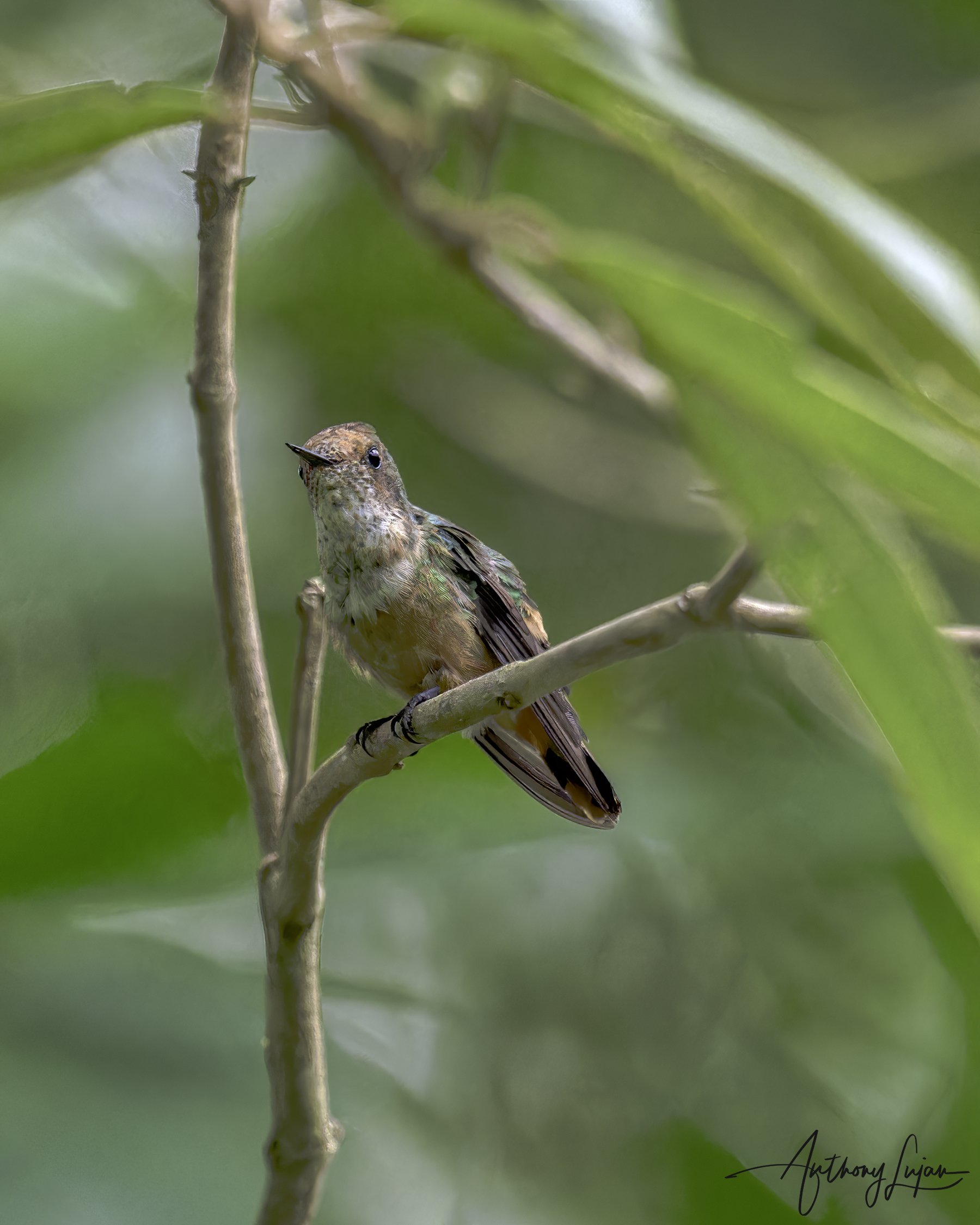
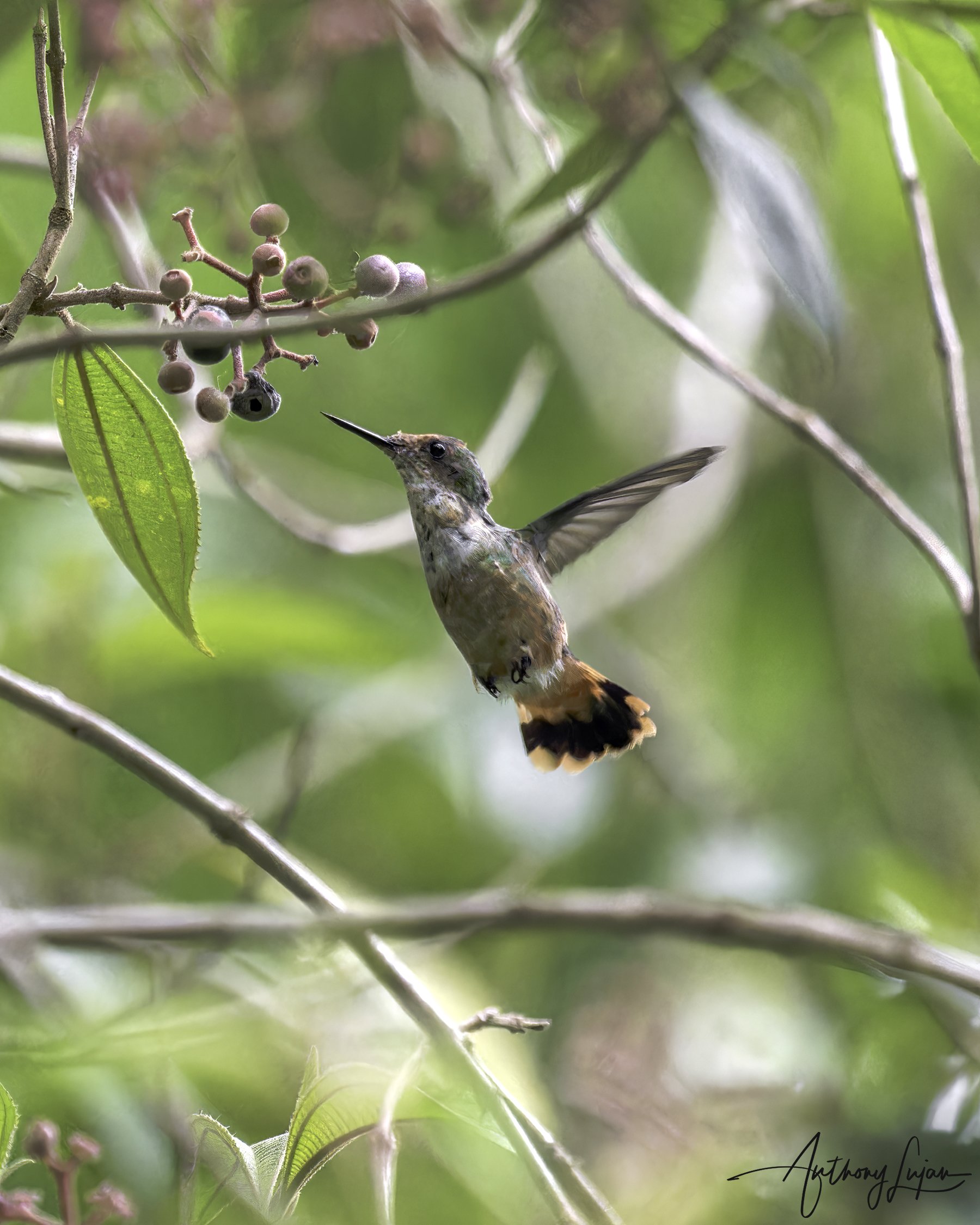
Checkout Anthony’s playlist of this species! Click the top right dropdown to see all the videos.
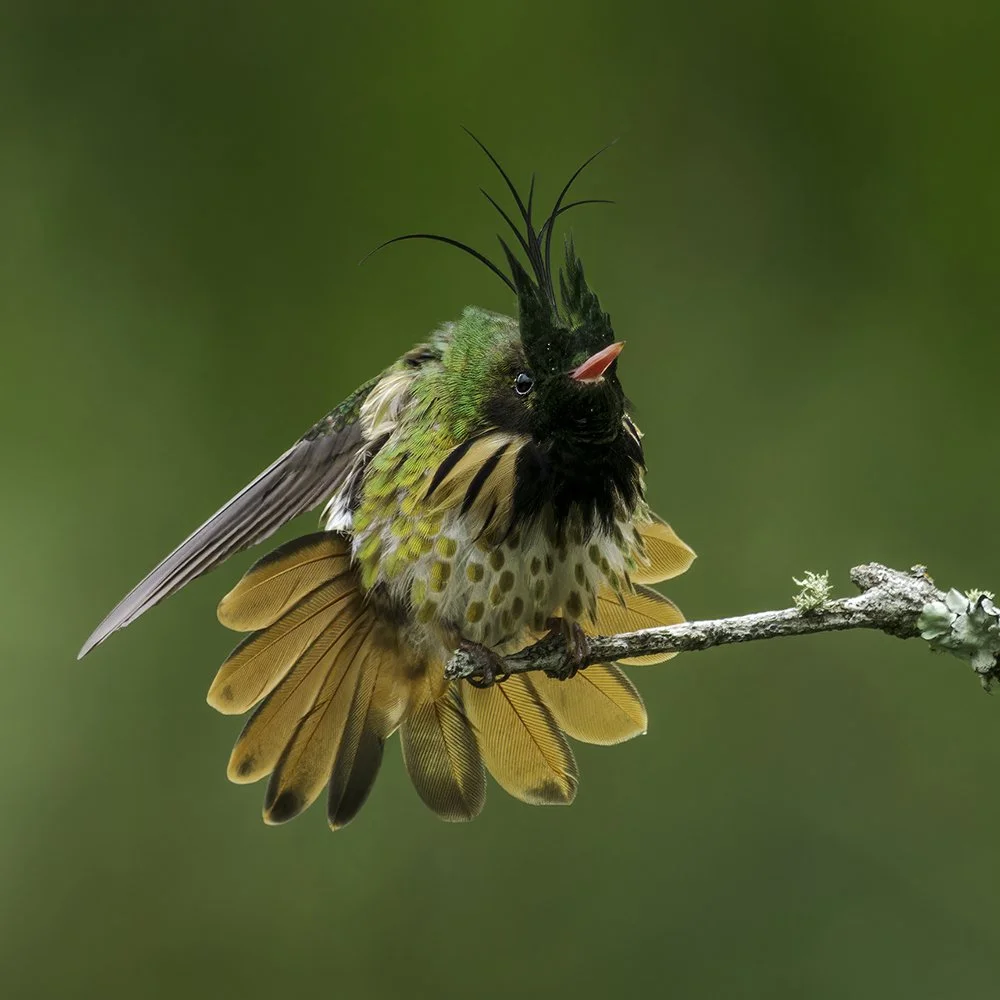
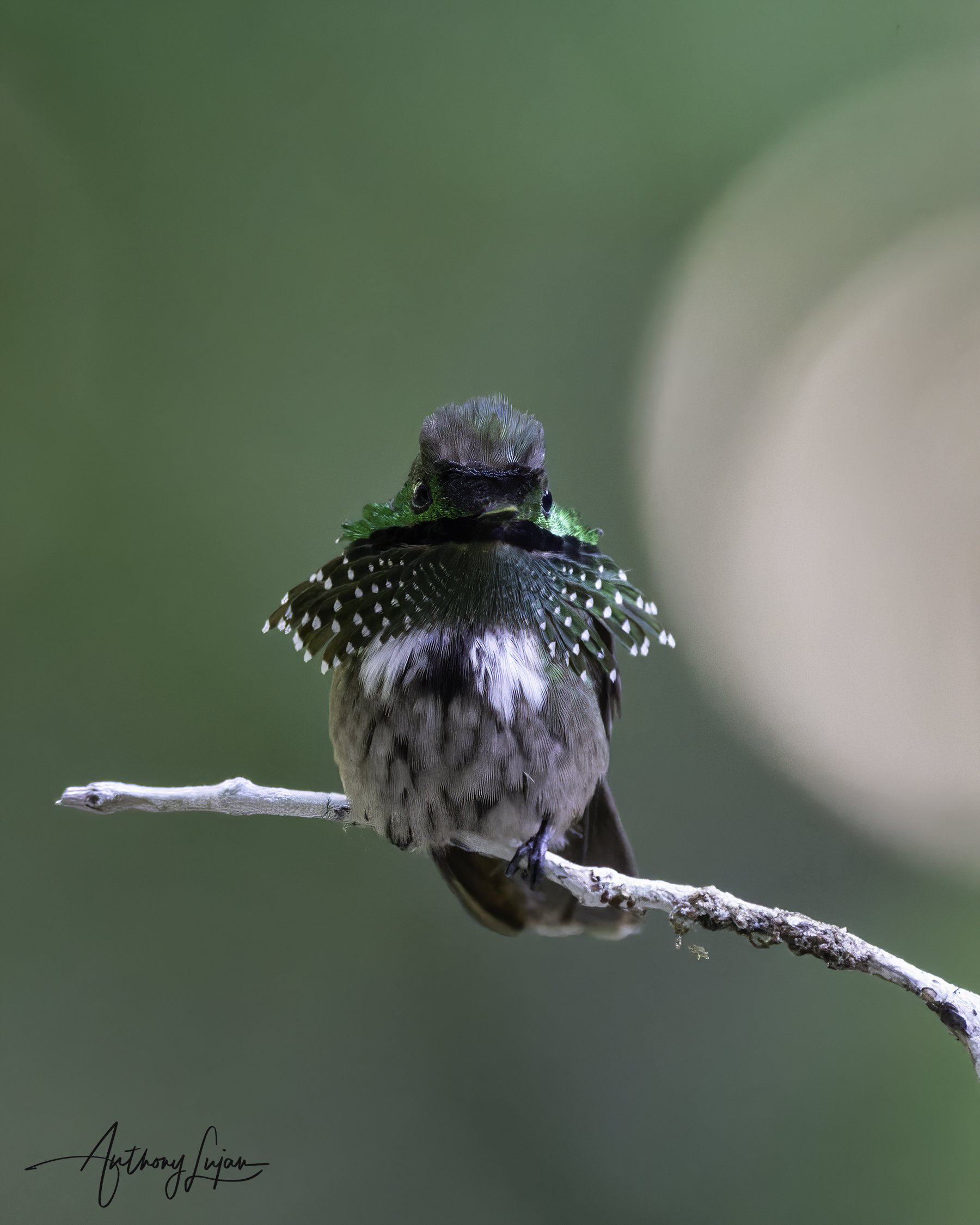
Related species in the Lophornis genus (11 species total):


Please note: The content provided in this article reflects Anthony’s personal experience and photographic approach. Results can vary depending on light, weather, location, equipment, subject behavior, and field conditions.
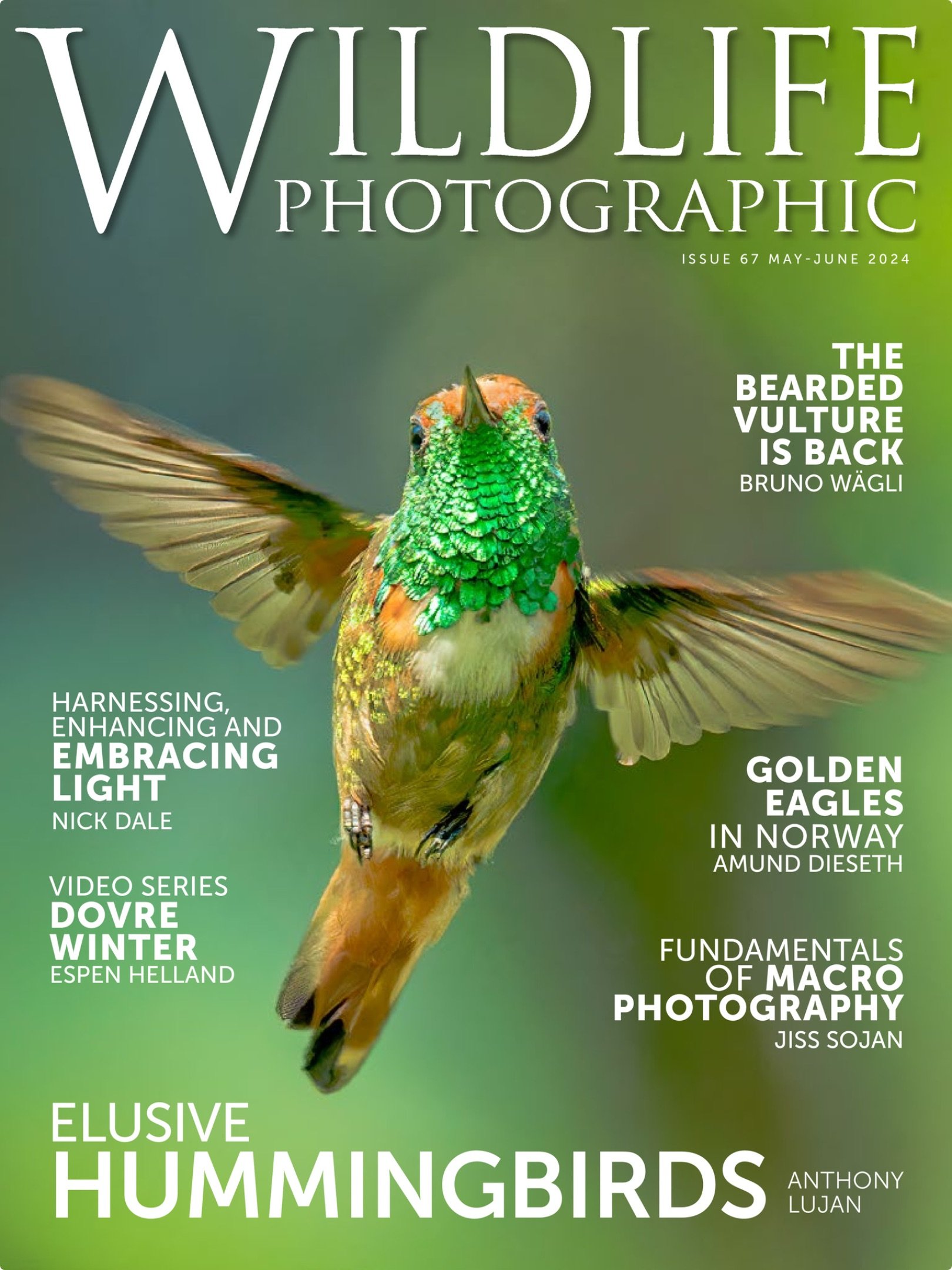
As researchers and biologists continue to learn more about this fascinating species, they are increasingly reaching out to Anthony to request permission to use his photos in their work. In addition to this recognition, Anthony’s stunning images have been featured on the front cover of a prestigious publication. Furthermore, his photographic achievements have inspired the creation of one of Anthony’s enamel pins, celebrating his contribution to hummingbird conservation and appreciation.