
Snowy-bellied Hummingbird
Scientific name: Saucerottia edward
The Snowy-bellied Hummingbird is a mid‑elevation emerald hummingbird of southern Costa Rica and Panama, where it favors semi‑open savannas, scrub, forest edges, plantations, and gardens. Its glowing green upperparts, bright white belly, and rufous tail make it one of the signature hummingbirds of the Chiriquí highlands and central Panama.
At a Glance
Family: Trochilidae (hummingbirds)
Clade: Trochilini – Emeralds
Genus group: Saucerottia — emerald hummingbirds of Mexico, Central America, and northern South America.
Range: Endemic to southern Costa Rica and Panama, with a few records in northwestern Colombia.
Habitat: Savannas, scrub with scattered trees, edges and clearings of primary forest, secondary forest, coffee plantations, and gardens; on islands also abandoned fields and mangroves.
Elevation: Mainly from sea level to about 1,600 m (5,200 ft); some island populations mostly below about 700 m (2,300 ft).
Length: about 8.5–9.5 cm (3.3–3.7 in).
Weight: around 4.4–5 g (0.16–0.18 oz).
Number of mature individuals: between 50,000 and 499,999.
Population trend: Stable (believed to be stable overall).
Status: Least Concern (IUCN).
Name Origin
The genus name Saucerottia honors Antoine Claudius Saucerotte, an 18th‑century French physician and naturalist who studied hummingbirds. The species name edward commemorates the French zoologist Alphonse Milne-Edwards or another “Edward” honored in the original description (sources differ), and has long been associated with this species under the former genus Amazilia. The English name “Snowy-bellied Hummingbird” refers to its bright white (“snowy”) belly that contrasts strongly with its green upperparts and rufous tail.
Subspecies and Distribution
The Snowy-bellied Hummingbird has four recognized subspecies.
Saucerottia edward niveoventer
Distribution: Southwestern Costa Rica into western and central Panama, including Coiba Island in the Gulf of Chiriquí. Slightly larger than the nominate, with a tail that is bluish‑black to purplish‑black.Saucerottia edward edward (nominate)
Distribution: Panama from around the Canal Zone east into Darién Province, with at least one record in northwestern Colombia’s Chocó Department.Saucerottia edward collata
Distribution: Central Panama. Inhabits fields with low herbs and bushes at elevations between about 500 and 850 m (1,600–2,800 ft).Saucerottia edward margaritarum
Distribution: Southwestern Darién on the mainland plus the Pearl Islands and other islands in the Gulf of Panama. On islands it uses semi‑open to open habitats such as abandoned fields and mangroves; on the mainland it also occurs in rainforest.
Across these subspecies, Snowy-bellied Hummingbirds form a mainly Costa Rica–Panama endemic complex, with a small foothold in adjacent Colombia.
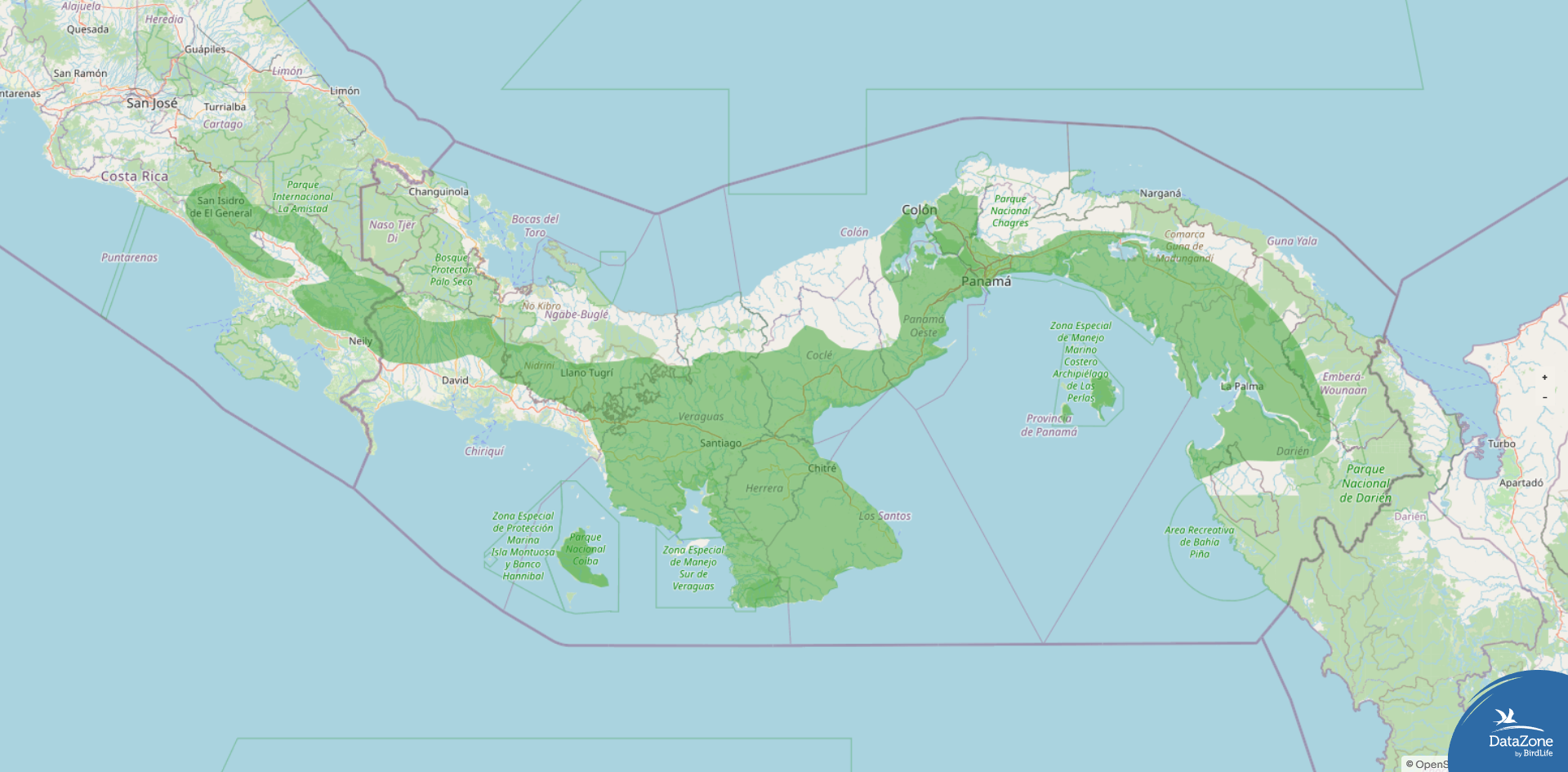
Legend
Green Resident
Species Overview
The Snowy-bellied Hummingbird is a common and conspicuous hummingbird through much of southern Costa Rica and Panama. It occupies a broad elevational band from lowlands into foothills, where it frequents forest edges, savannas, scrub, plantations, and gardens. Island subspecies in the Gulf of Panama have adapted to semi‑open coastal landscapes, including abandoned fields and mangroves.
Identification
Male
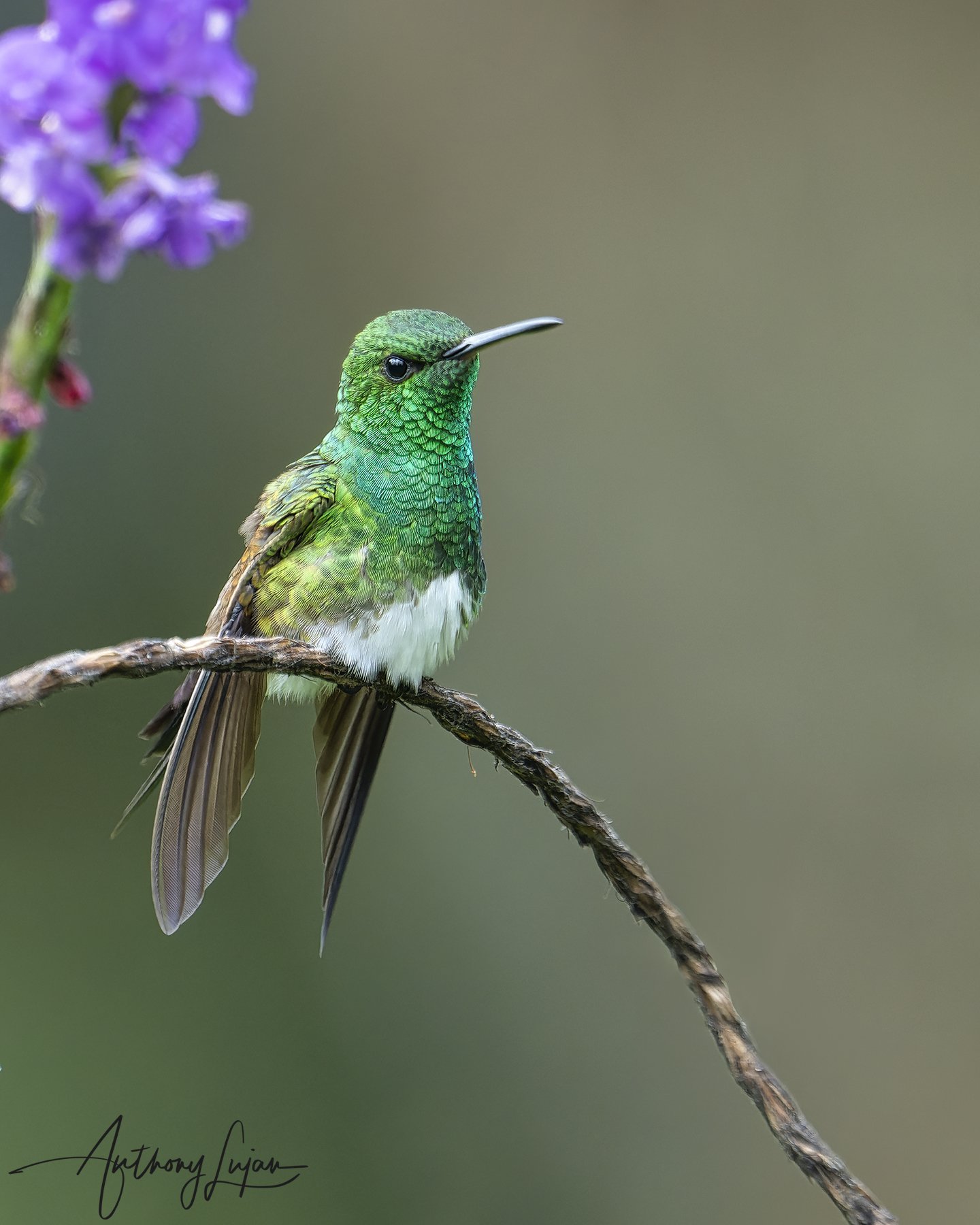
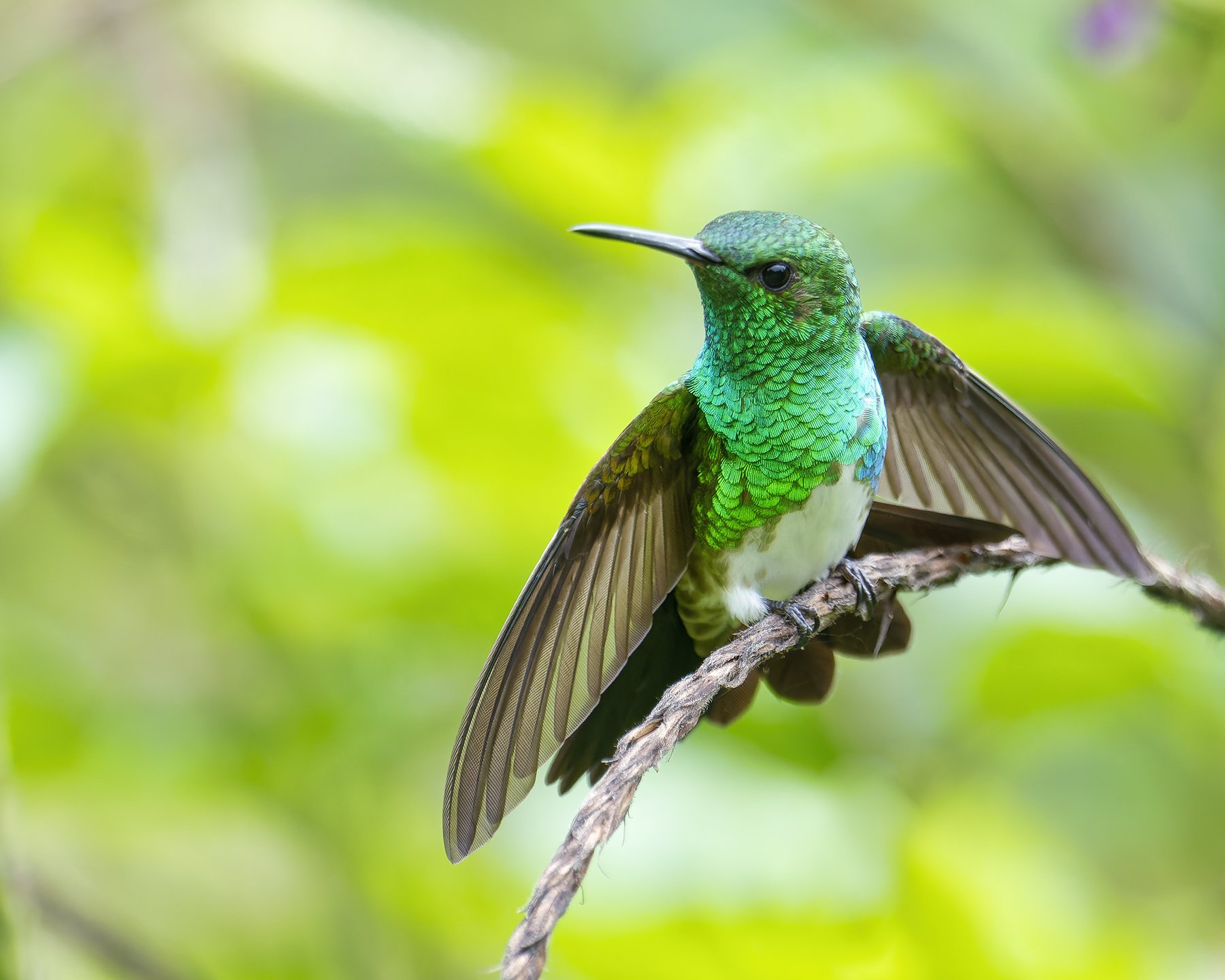
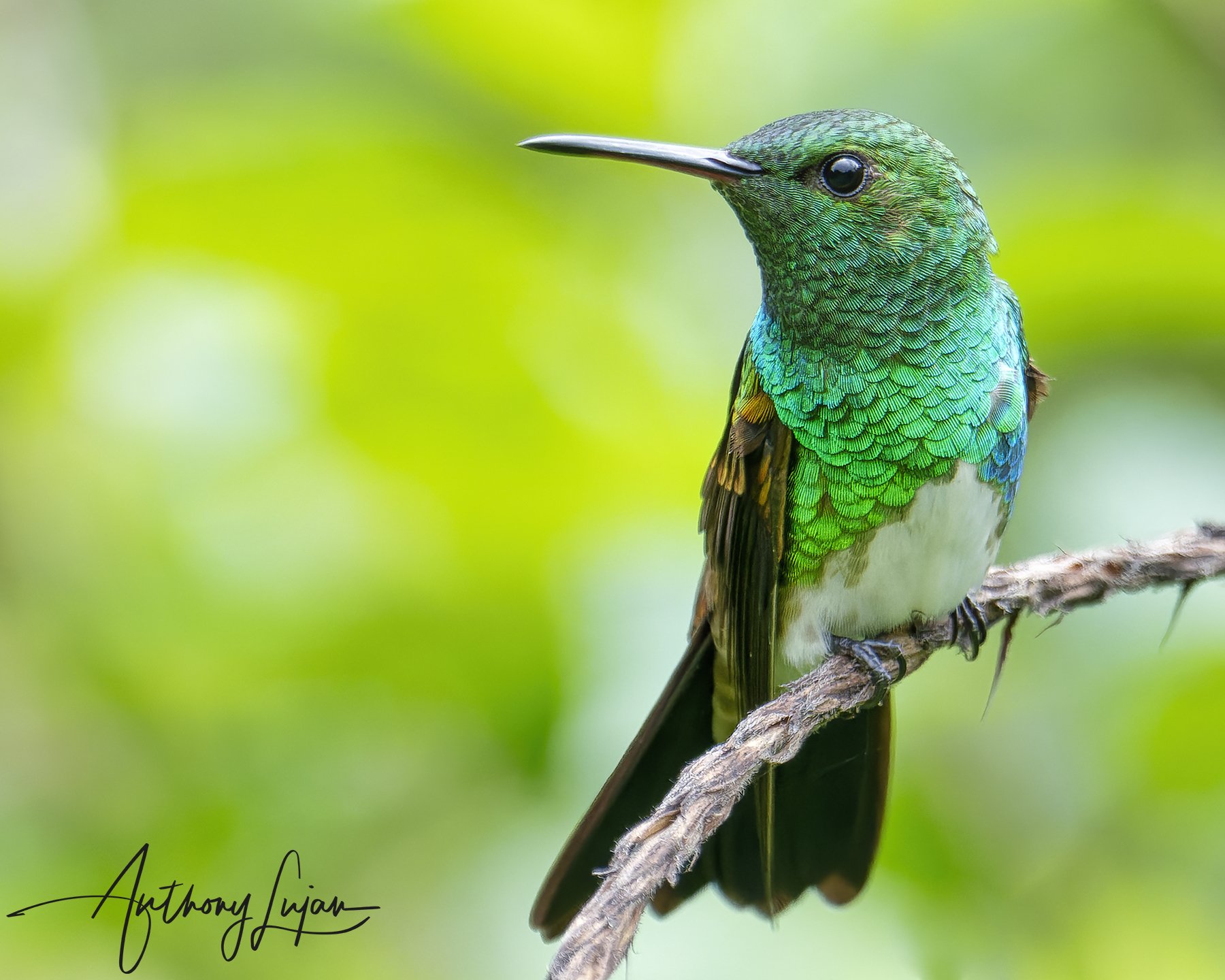
Adult males have glittering green upperparts and a bright white belly that contrasts strongly with coppery to rufous flanks and tail. The breast and upper belly may show some green wash, while the lower belly and vent remain clean white. The tail is rufous to coppery with varying amounts of darker tips, and the bill is straight, mostly black with some reddish at the base of the lower mandible.
Subspecies differ subtly: niveoventer is slightly larger with a darker, bluish‑black to purplish‑black tail; collata shows reduced contrast between green and copper on the back and brownish undertail coverts; margaritarum has paler undertail coverts and a bronze to bronze‑green tail.
Female
Females resemble males but may have slightly duller green on the upperparts and a bit more spotting or grayish wash on the throat. The white belly and rufous tail are retained, though the contrast with the breast can be less sharp than in males. Both sexes share the compact build, green back, snowy belly, and rufous tail that make this species easy to pick out in southern Costa Rica and Panama.
Habitat and Behavior
Snowy-bellied Hummingbirds inhabit a variety of semi‑open and edge habitats. In Costa Rica and western Panama they favor savannas, scrub with scattered trees, edges and clearings of primary forest, secondary forest, coffee plantations, and gardens from sea level to about 1,600 m. Subspecies collata is associated with fields of low herbs and bushes between about 500 and 850 m, while margaritarum on islands uses abandoned fields and mangroves and, on the mainland, rainforest up to about 700 m.
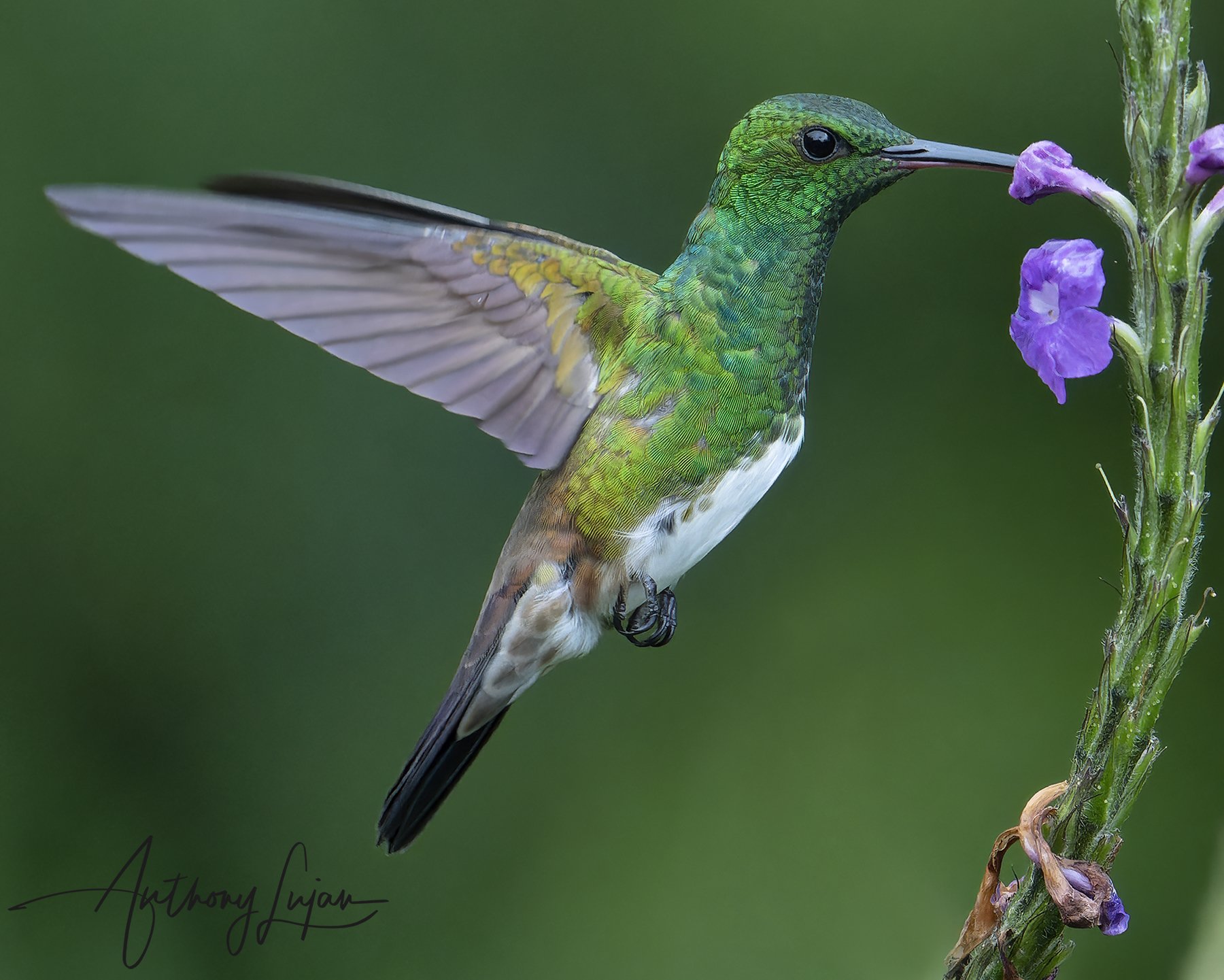
They feed on nectar from a range of flowering shrubs, trees, and herbs in these semi‑open landscapes and also take small insects for protein, as do other hummingbirds. Birds often visit ornamental flowers and feeders near houses and lodges, making them a familiar sight to birders and residents alike. Breeding in western populations occurs mainly from September to January, with most nests in December and January. The nest is a cup of plant down decorated with lichens and moss, placed on a branch or fork up to about 9 m above ground.
Population and Threats
The Snowy-bellied Hummingbird is assessed as Least Concern, with a large range in Costa Rica and Panama and a population of at least 50,000 mature individuals, probably between 50,000 and 499,999, that is believed to be Stable. It is locally common to common throughout much of its range, including the islands, though it is less common in eastern Panama. No immediate large‑scale threats have been identified; habitat loss due to deforestation and agricultural expansion is a potential risk, but at present does not appear to be driving rapid declines at the species level.

Conservation
Because Snowy-bellied Hummingbirds use both natural forests and human‑modified habitats, they benefit from existing protected areas in Costa Rica and Panama as well as from shade coffee, plantations, and gardens that retain native flowering plants. Maintaining a mosaic of savannas, scrub, forest edges, secondary forest, and agroforestry systems across their range will help sustain populations. Continued monitoring of trends, especially in eastern Panama and island populations, will be important to detect any future changes tied to land‑use or climate shifts.
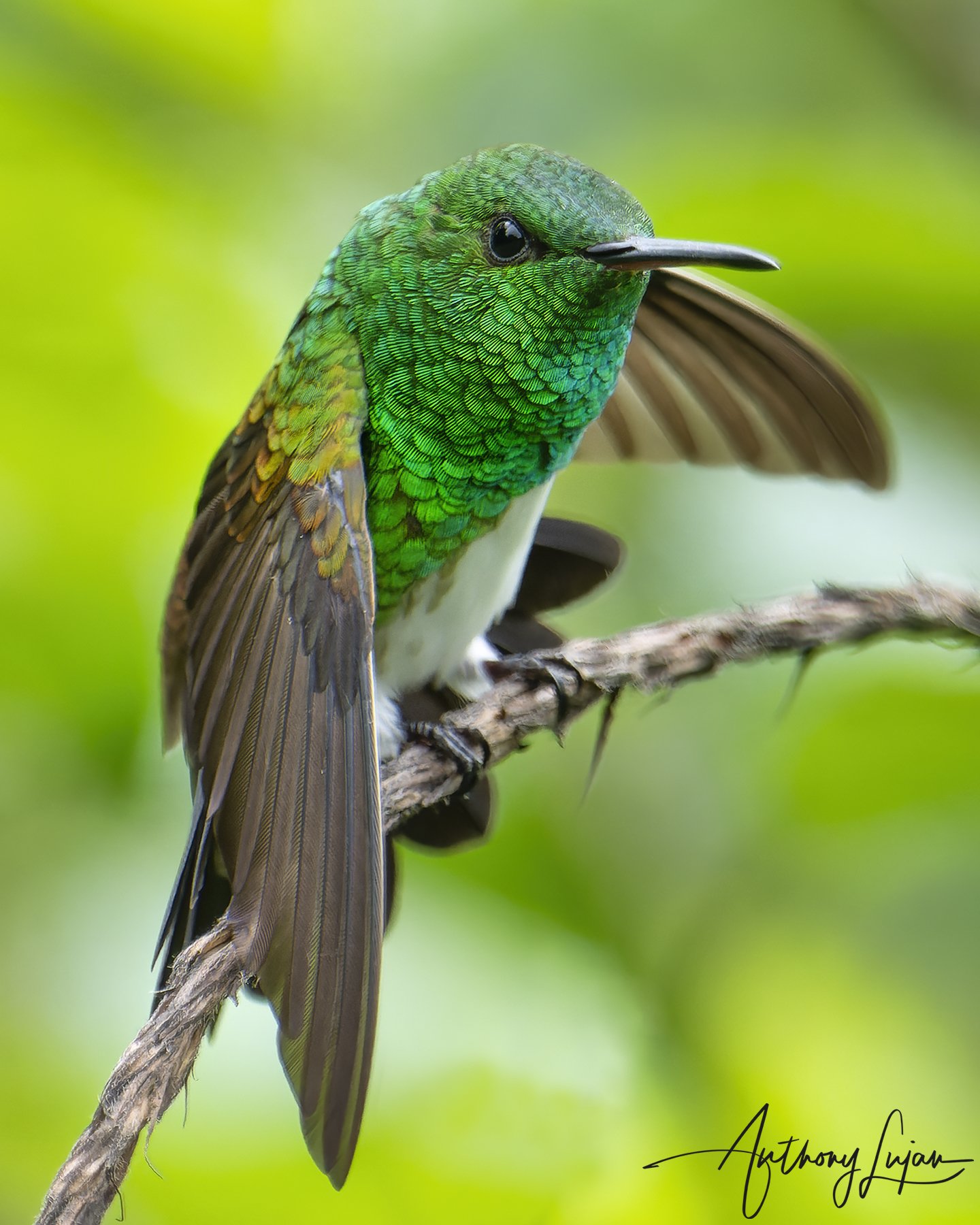
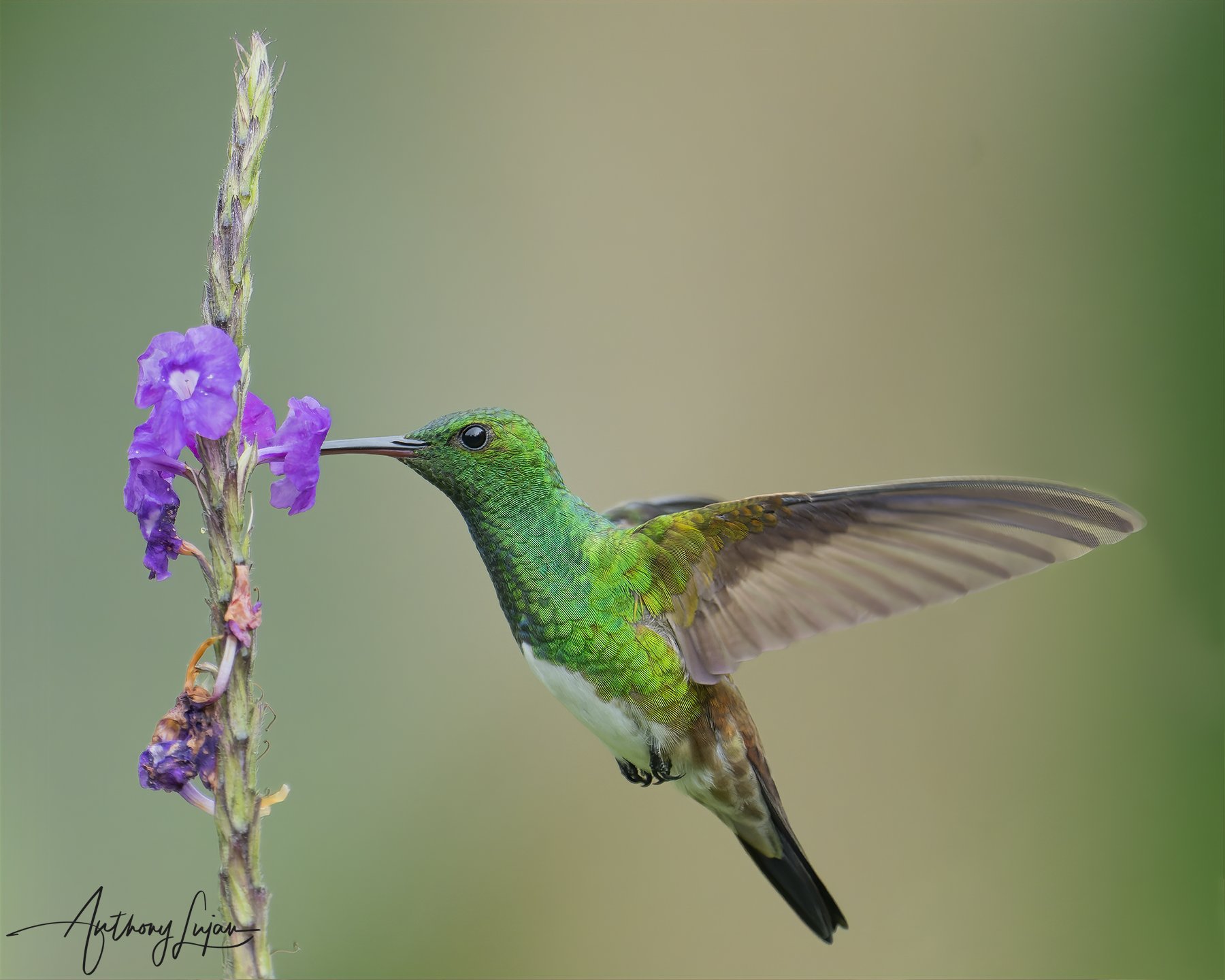
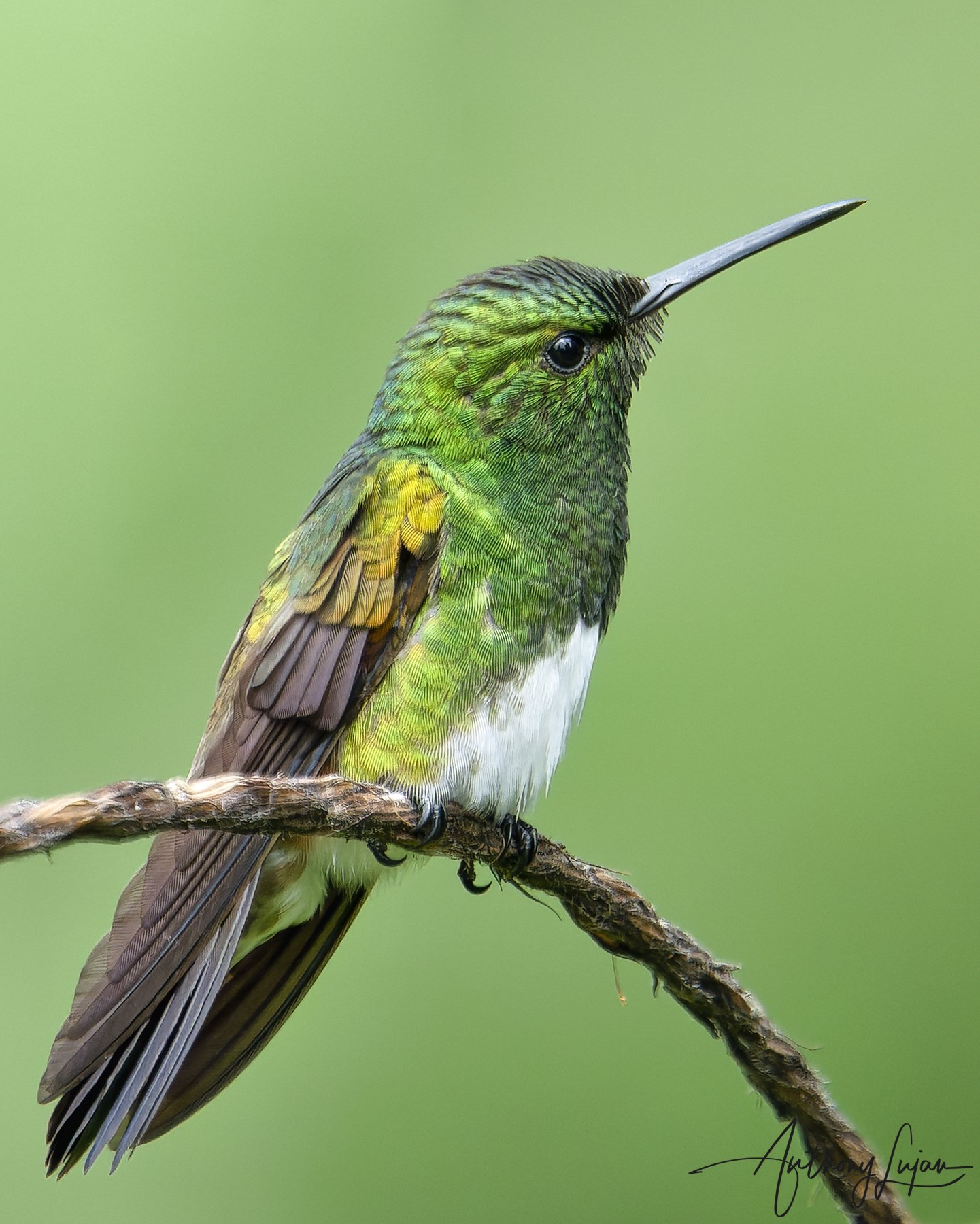
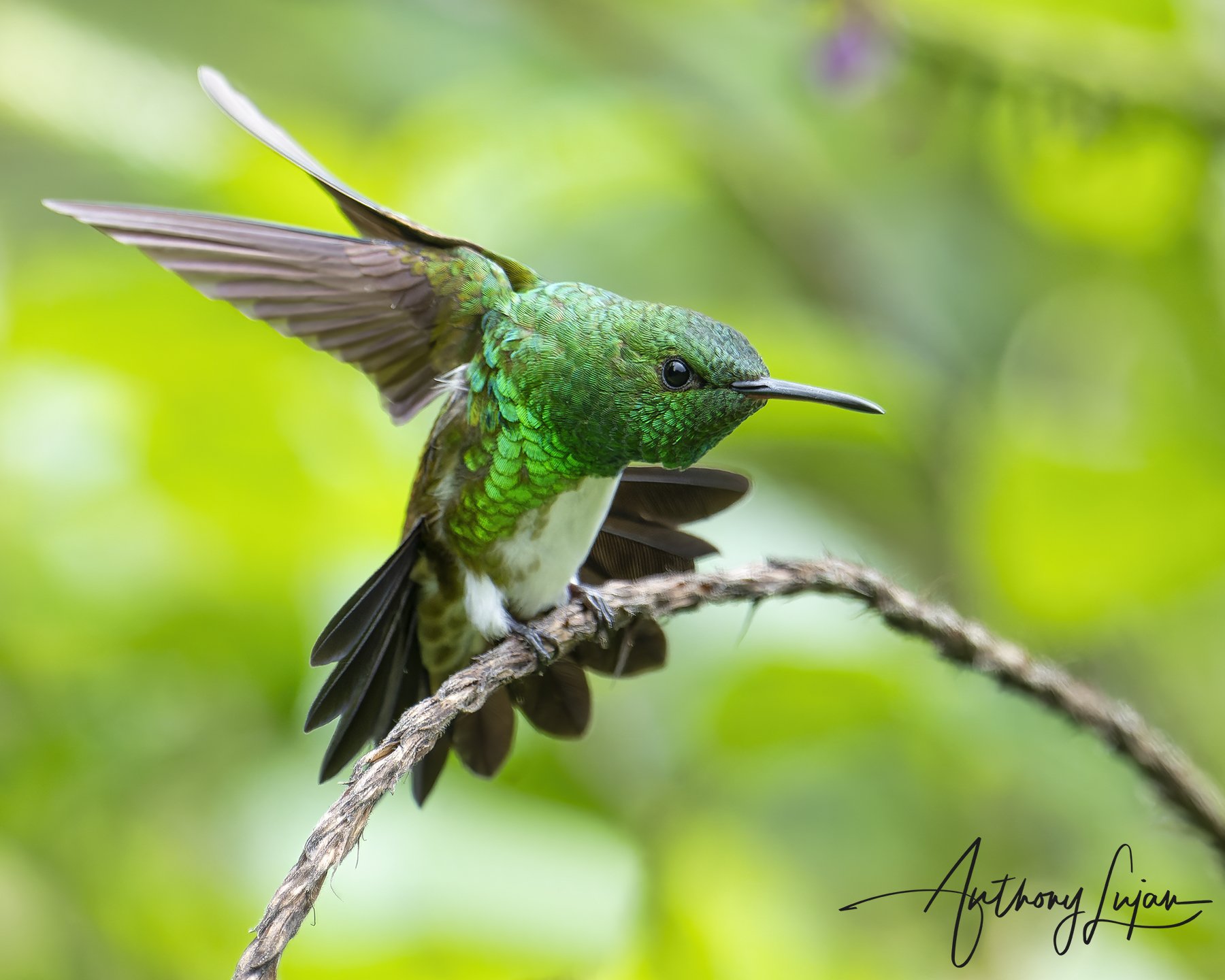
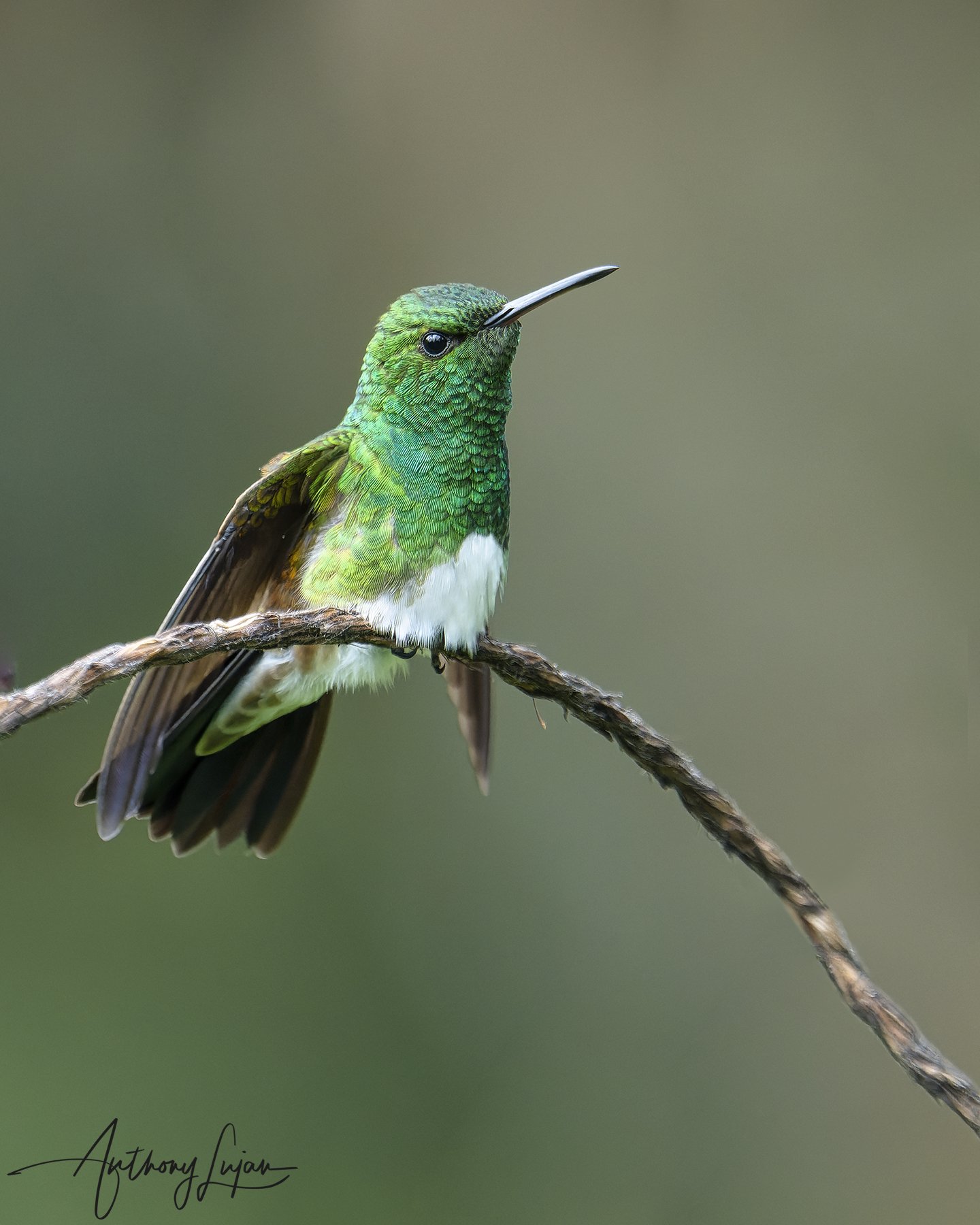
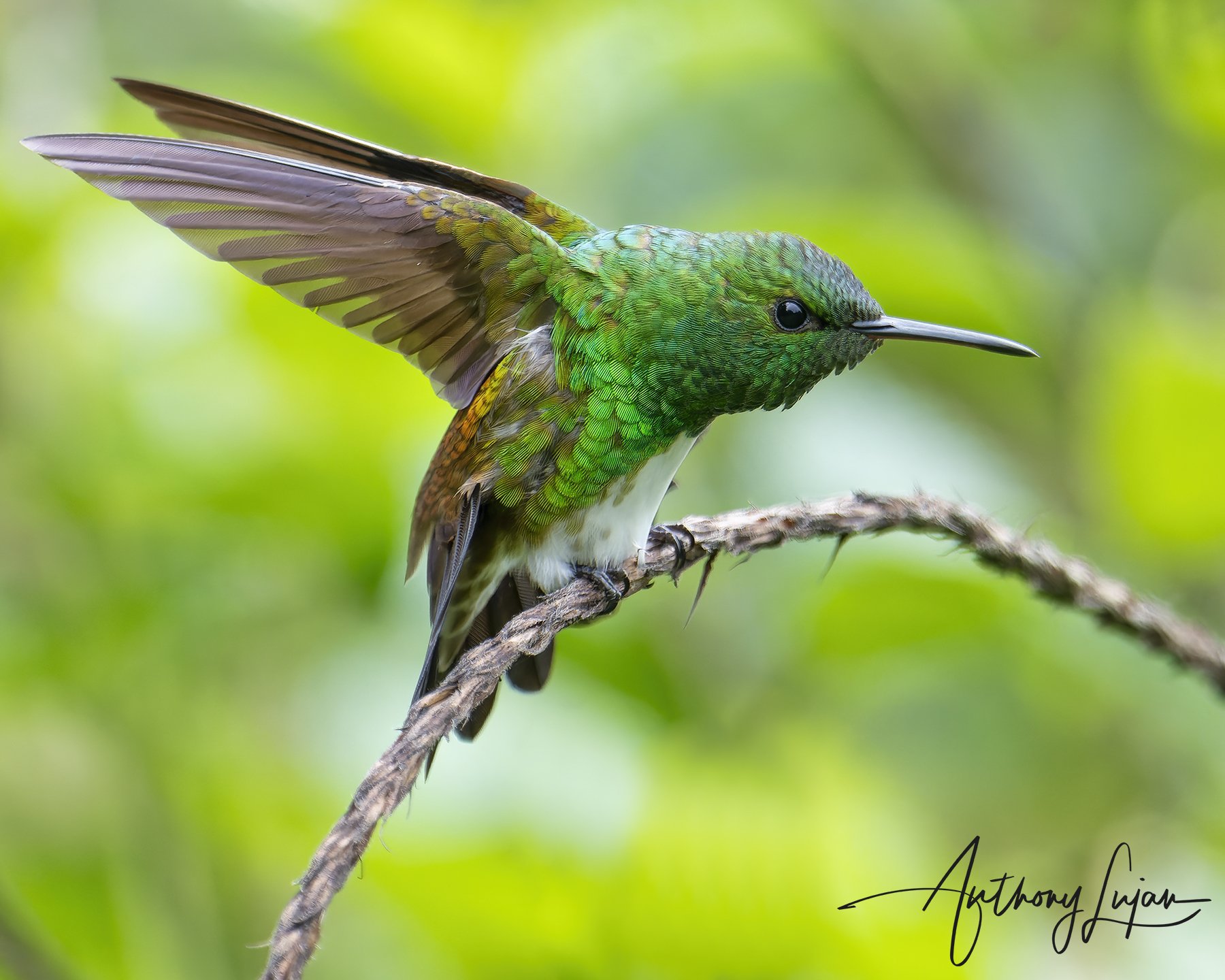
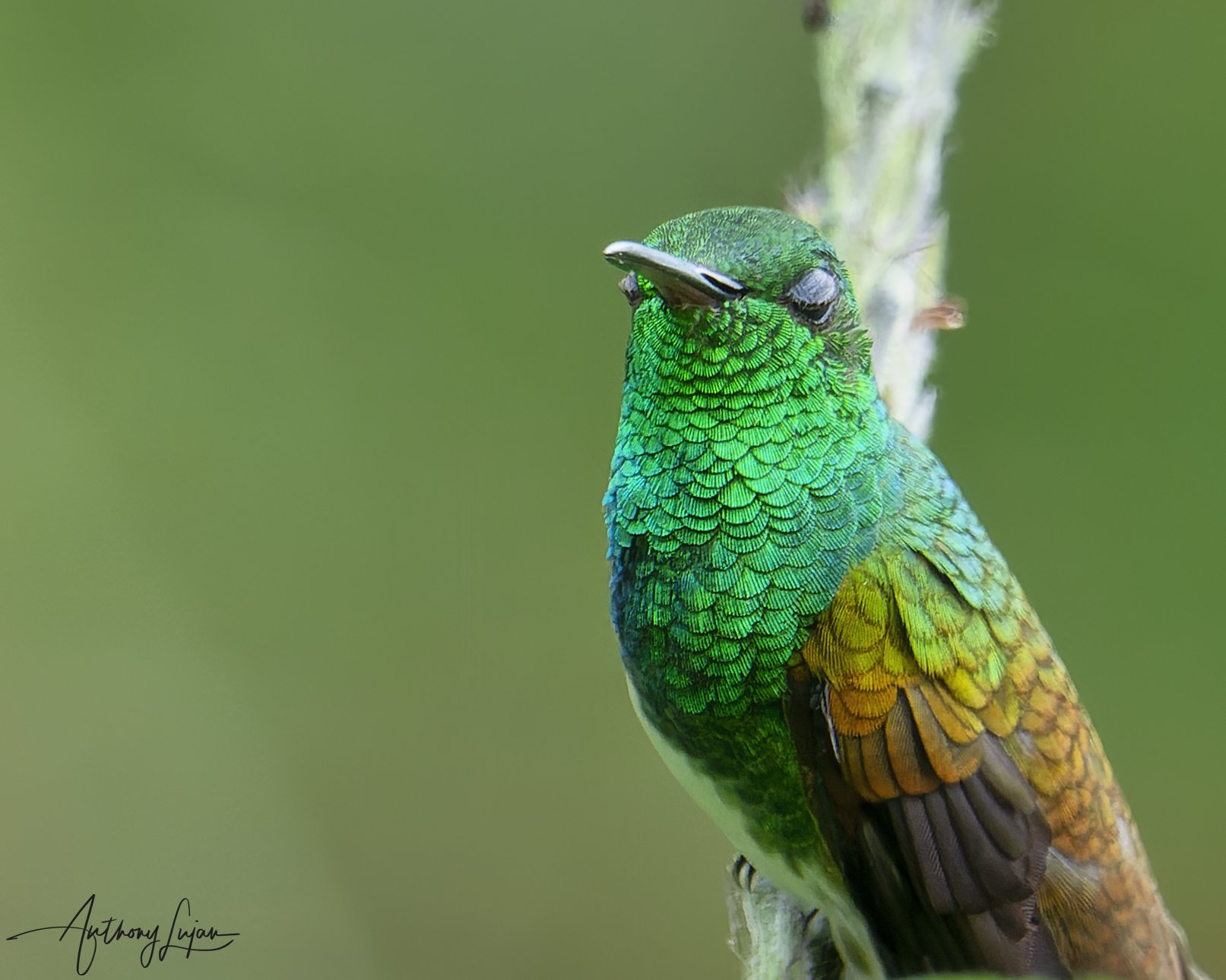
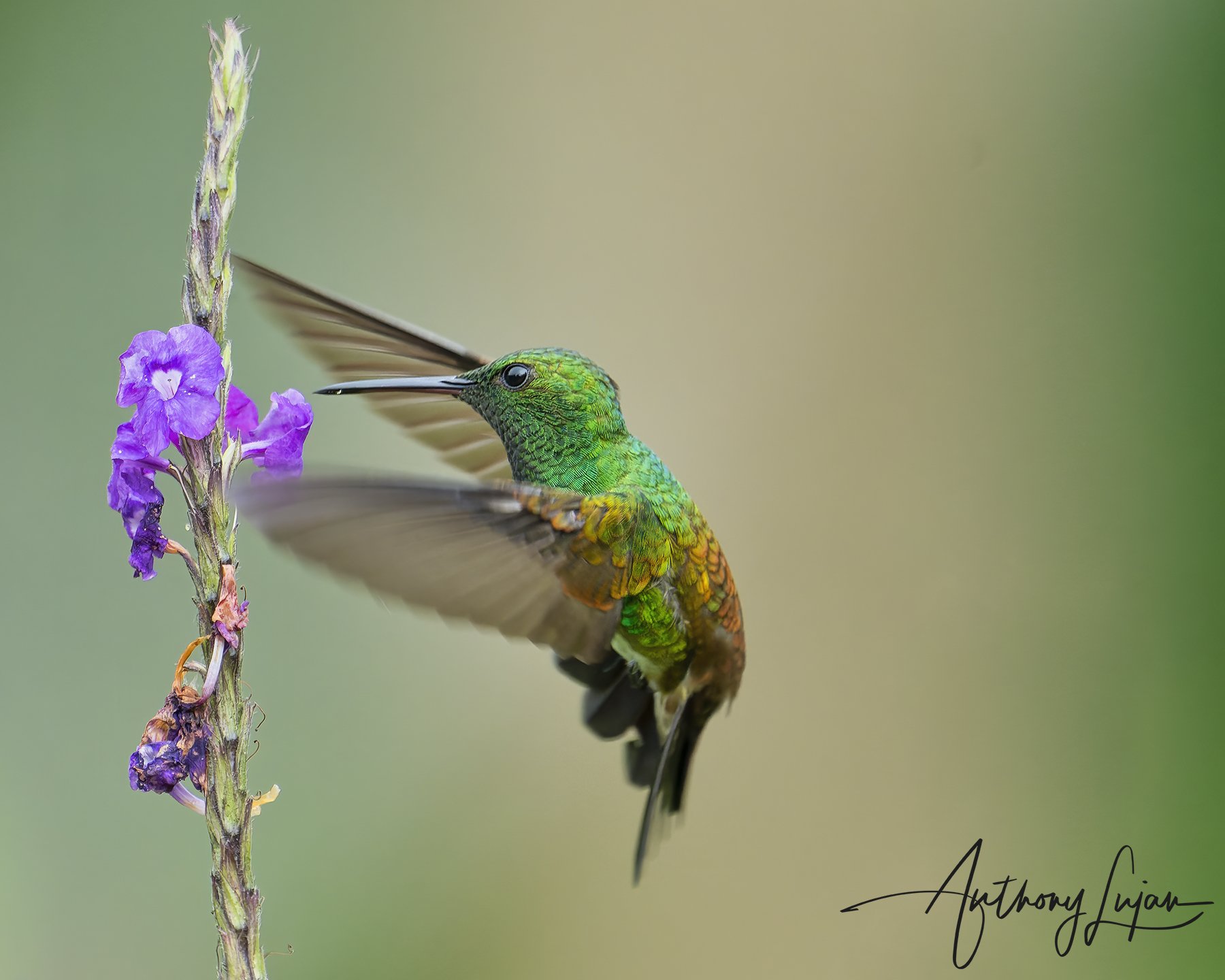
Below is the Snowy-bellied Hummingbird (Amazilia edward niveoventer)
Photographed at Bosque Del Tolomuco, San José, Costa Rica
These individuals belong to the subspecies niveoventer, which occurs from southwestern Costa Rica into western and central Panama, including Coiba Island. It inhabits foothill and lowland forests, second growth, and flowering gardens from near sea level to around 1,800 meters. This subspecies is characterized by its bright white belly contrasting with a bluish-violet chest patch and vibrant green upperparts.
Interested in coming along? Visit Travel with Me!
Also visit Costa Rica Hummingbird Expedition | July 2021 | 10 Species | Where It All Started
Also visit Costa Rica Hummingbird Expedition | November 2021 | 22 New Species | Second Chances
Also visit Costa Rica Hummingbird Expedition | July 2025 | 32 Species | 10 New | Closing the Gap
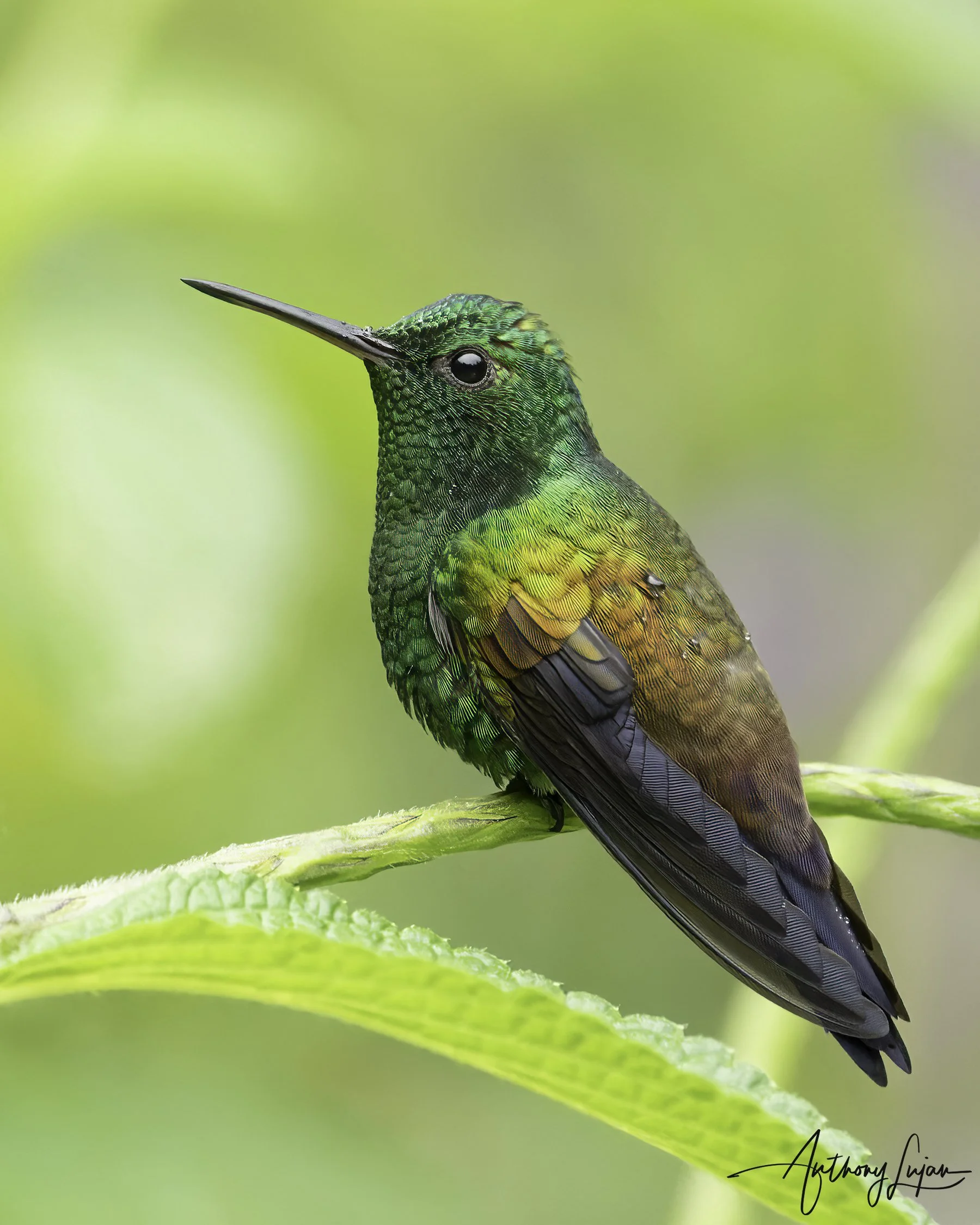
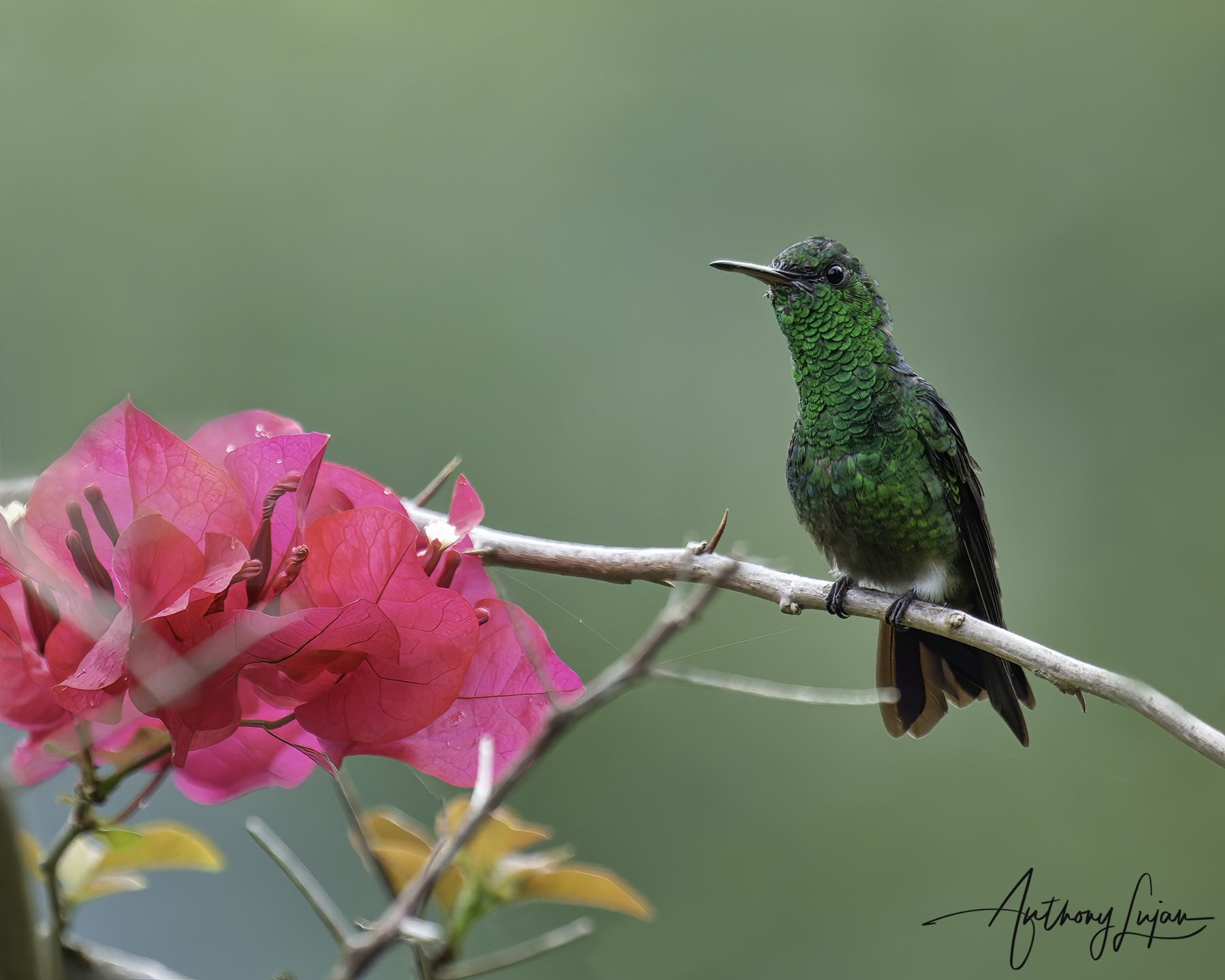
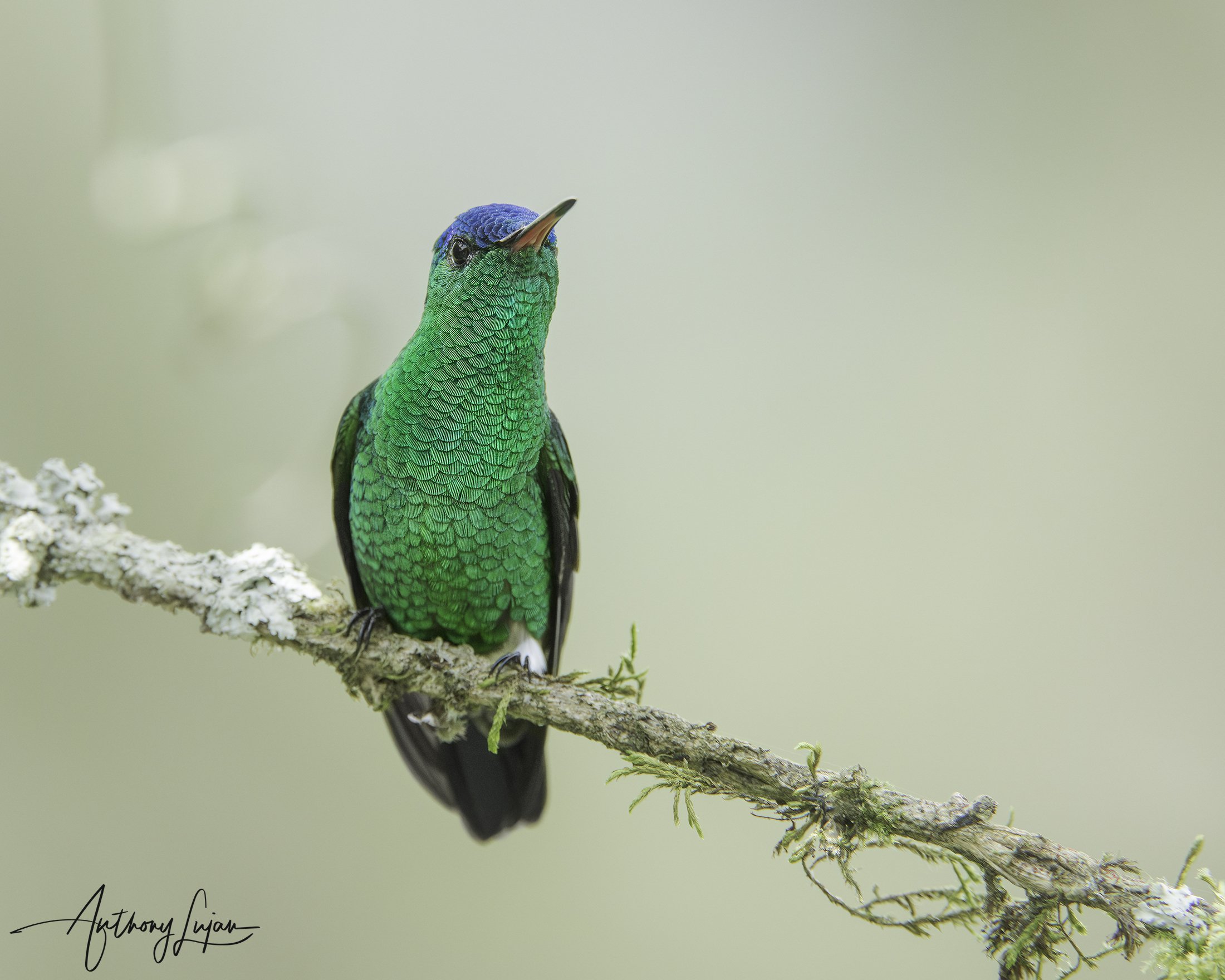
Related species in the Saucerottia genus (11 species total):



Please note: The content provided in this article reflects Anthony’s personal experience and photographic approach. Results can vary depending on light, weather, location, equipment, subject behavior, and field conditions.