
Scientific name: Chlorostilbon melanorhynchus
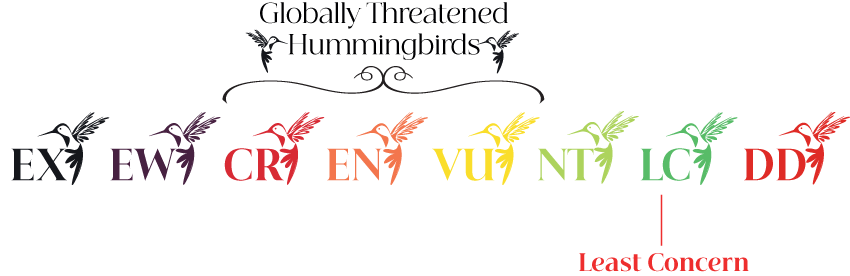
The Western Emerald is a small “emerald” hummingbird of western Colombia and Ecuador that most authorities treat as a full species, even though BirdLife still lumps it within other Chlorostilbon. The number of mature individuals is unknown, the population is currently assessed as stable, it is considered non-migratory, and it is listed as Least Concern with two recognized subspecies.
At a Glance
Family: Trochilidae (hummingbirds)
Clades: Trochilini – Emeralds
Genus group: Chlorostilbon — small, iridescent green “emerald” hummingbirds of the Neotropics (10 species total)
Range: Western Colombia and western Ecuador, from upper subtropical and temperate Andean zones down into arid and semi-arid tropical and subtropical lowlands and foothills.
Habitat: Open and semi-open landscapes, including edges and clearings of humid forest, secondary growth, arid and semi-arid scrub, plantations, cultivated areas, and gardens.
Elevation: Roughly sea level to about 3,000 m (9,800 ft); the nominate is most common in upper subtropical and temperate zones, pumilus at lower, drier elevations.
Length: About 10.9–11.4 cm (4.3–4.5 in).
Weight: About 2.6 g (0.09 oz).
Number of mature individuals: Unknown
Population trend: Stable
Status: Least Concern (IUCN, following your treatment as a full species)
Name Origin
The genus name Chlorostilbon comes from Greek words for “green” and “shining,” reflecting the bright metallic green typical of emerald hummingbirds. The species name melanorhynchus means “black-billed,” referencing this emerald’s distinctive dark bill compared with several red-billed relatives. The English name “Western Emerald” places the bird in the emerald group and points to its distribution along the western side of the northern Andes.
Subspecies & Distribution
Chlorostilbon melanorhynchus melanorhynchus (nominate)
Distribution: Found in the upper subtropical zones of western Colombia, southward into the temperate zones of the Western and Central Andes of Ecuador. It inhabits humid and semi-humid forest edges, clearings, secondary growth, and cultivated areas with scattered trees and shrubs at mid to higher elevations within this band.Chlorostilbon melanorhynchus pumilus
Distribution: Generally at lower elevations than the nominate; pumilus is found in the arid and semi-arid tropical and subtropical zones of western Colombia and western Ecuador. It occupies drier valleys, scrub, open woodland, and human-modified landscapes in these regions.
Field identification note: Subspecies pumilus has a brighter crown and a slightly shorter bill than nominate melanorhynchus, differences that are subtle but noticeable in good views.
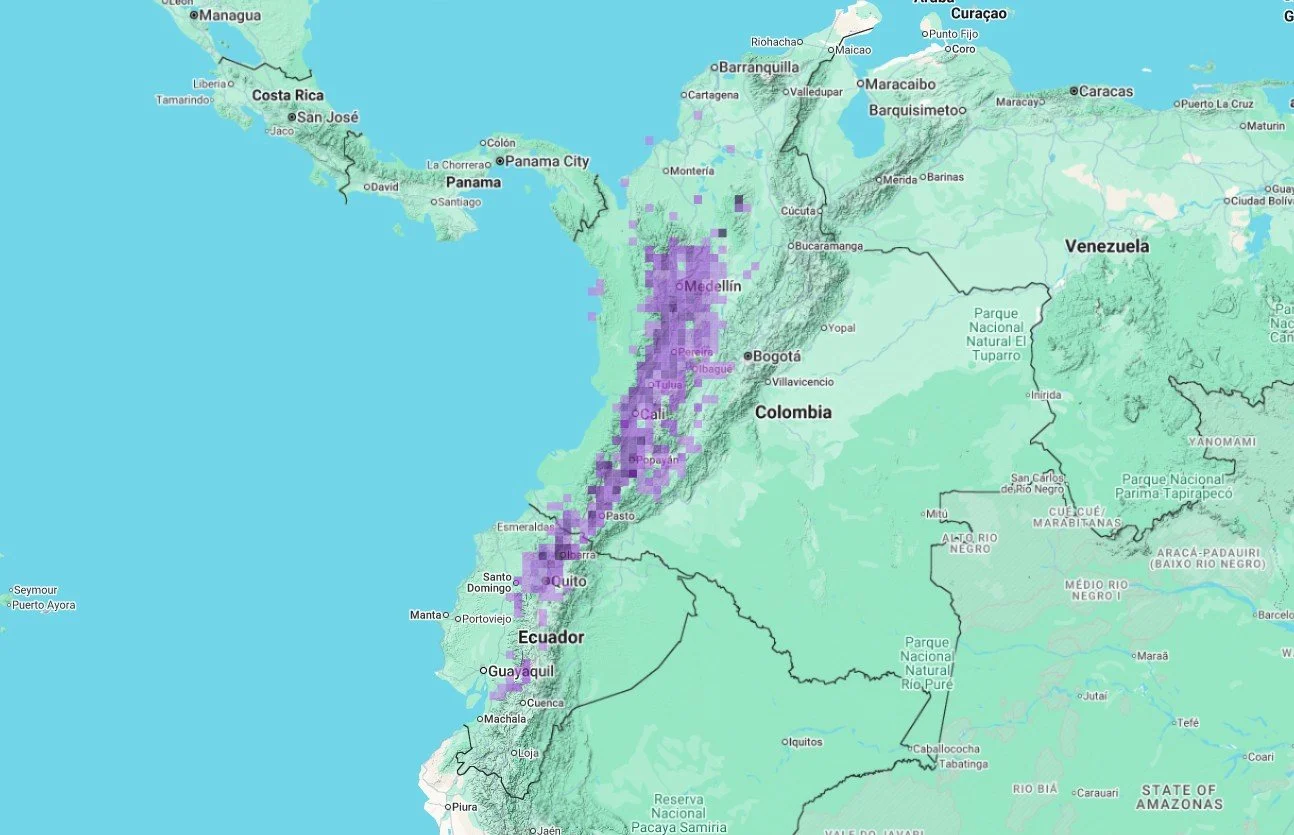
Legend
Purple Resident
Species Overview
The Western Emerald is a very small, active hummingbird that favors edges and semi-open habitats rather than dense interior forest. Often seen along forest borders, in clearings, plantations, and gardens, it frequently visits flowering trees and shrubs in both natural and human-modified environments. Its tolerance of a wide range of open and semi-open habitats helps explain its stable conservation status despite localized habitat change.
Male Description
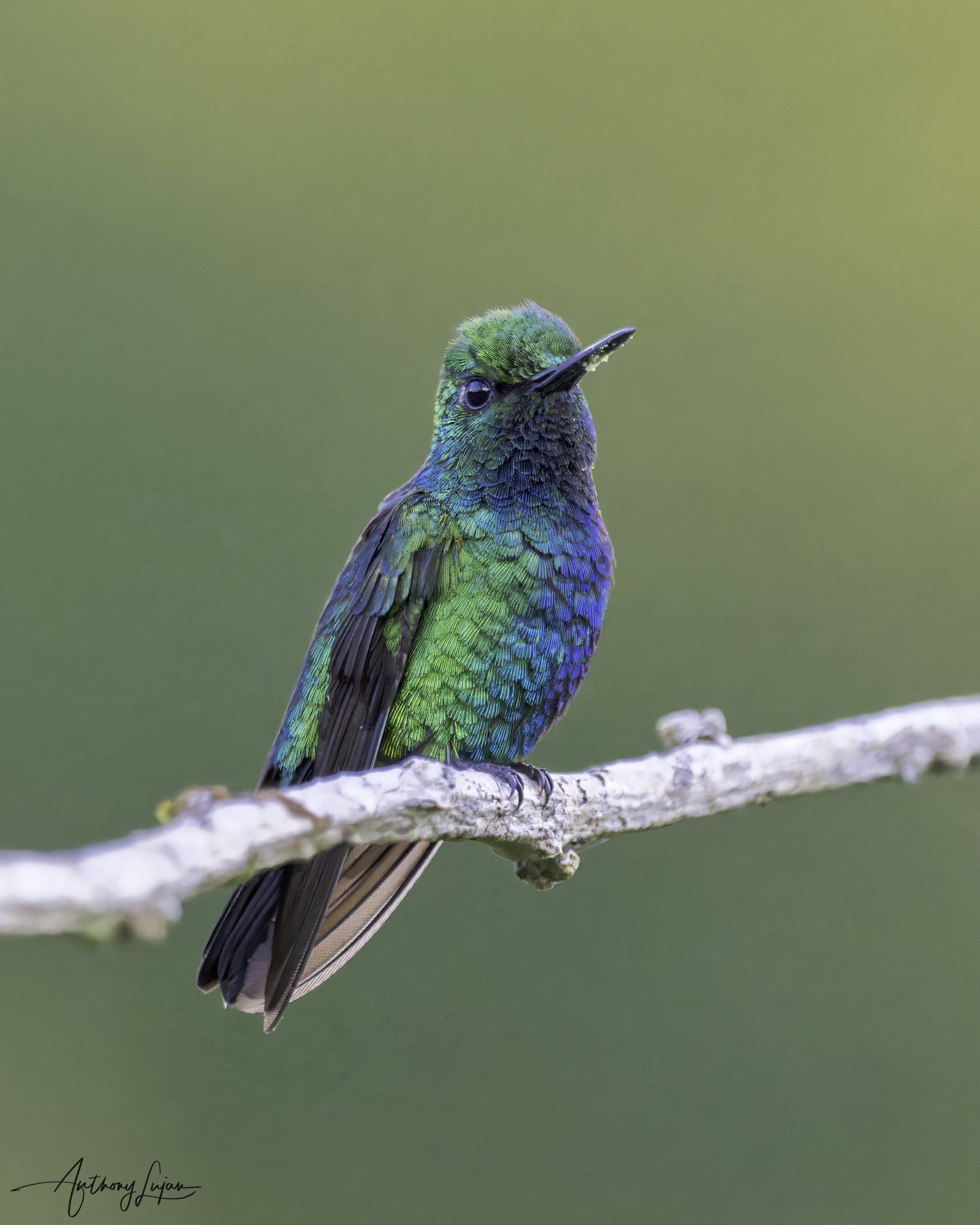
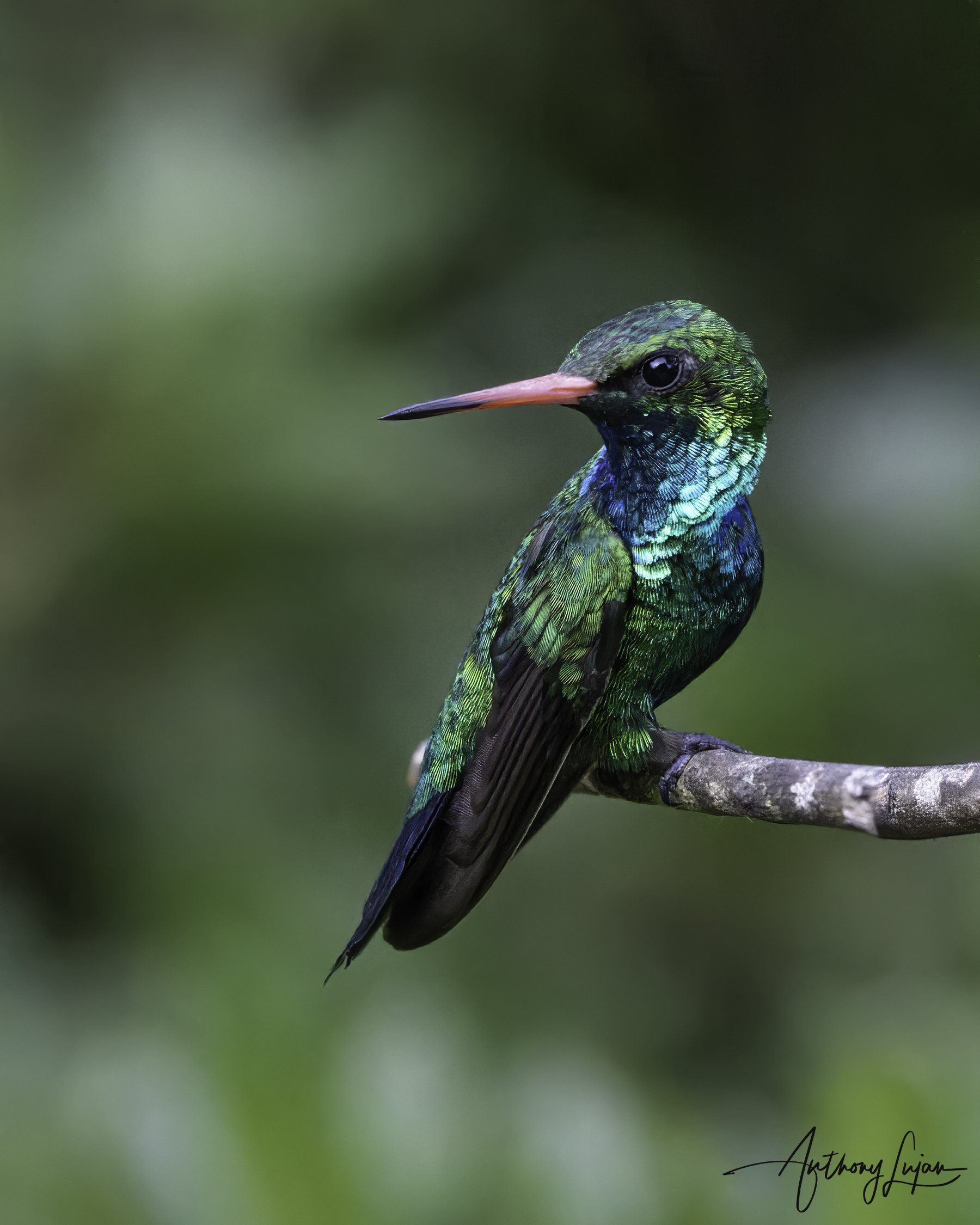
Adult males have a short, straight black bill (the key “black-billed” character). The forehead and crown are iridescent green with golden highlights, giving a bright, sparkling cap. The face is bright green, and the upperparts are shining bronzy-green, sometimes with coppery tones on the mantle. The underparts are glittering emerald green, often with stronger iridescence and a bluish tinge on the breast, and they show small white thigh tufts. The tail is relatively long and distinctly forked, steel-blue to blue-black with a metallic sheen, longer than in many other Chlorostilbon species. In the field, males appear as sleek, long-tailed green emeralds with a black bill, brilliant green crown, glowing green underparts, and a long, strongly forked blue tail.
Female Description
Adult females have a bronzy-green forehead and crown and a darker face with a pale gray spot or short stripe behind the eye. The rest of the upperparts are metallic grass-green. The tail is blue-black with distinct white tips on the outer feathers, forming white tail corners. The underparts are pale gray to white with a buffy tone on the throat and belly, giving a softly warm, pale underside. Females thus appear as small green-backed hummingbirds with a pale, buffy-gray underside and a dark tail with clear white tips, plus the characteristically short black bill.
Habitat & Behavior
Western Emeralds use a variety of open to semi-open habitats: clearings and edges of moist lowland and montane forest, young secondary growth, arid and semi-arid scrub, cultivated fields, plantations, and gardens. They typically forage at low to mid-levels, visiting flowers on shrubs, trees, and herbaceous plants, and will also take small insects and spiders. Birds often perch conspicuously on exposed twigs when between feeding bouts, and may defend rich flowering patches against other hummingbirds. The species is considered non-migratory, remaining within its western Colombia–Ecuador range year-round, though individuals move locally along elevation and moisture gradients following flowering and seasonal patterns.
Population
The total number of mature individuals is unknown, but the Western Emerald has a moderately broad distribution along the Western and Central Andes of Colombia and Ecuador and into lower, drier zones occupied by pumilus. It is generally described as common to fairly common in suitable habitats, particularly in open and semi-open landscapes. Its use of edge and human-modified environments appears to buffer it somewhat from forest loss, contributing to the current assessment of a stable population.
Conservation
The Western Emerald is listed as Least Concern under treatments that recognize it as a full species, reflecting its wide elevational and habitat range and stable population. Nevertheless, continued deforestation, agricultural expansion, and urbanization can alter the structure and quality of the semi-open habitats it uses. Conservation measures that retain hedgerows, flowering shrubs, scattered trees, and forest edges within agricultural and peri-urban landscapes will support this species. Maintaining corridors between humid and drier zones also helps sustain local elevational movements and access to diverse nectar sources.
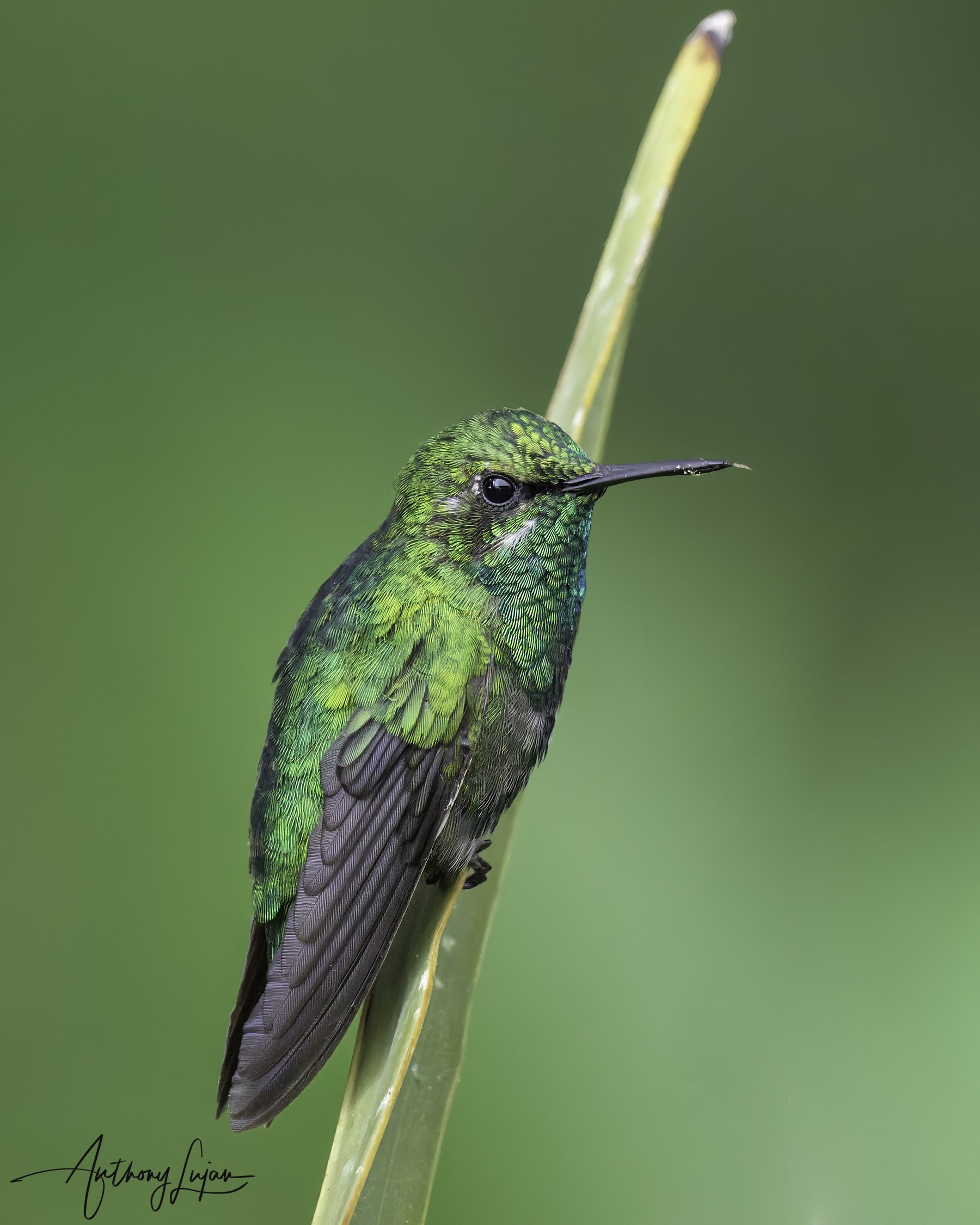
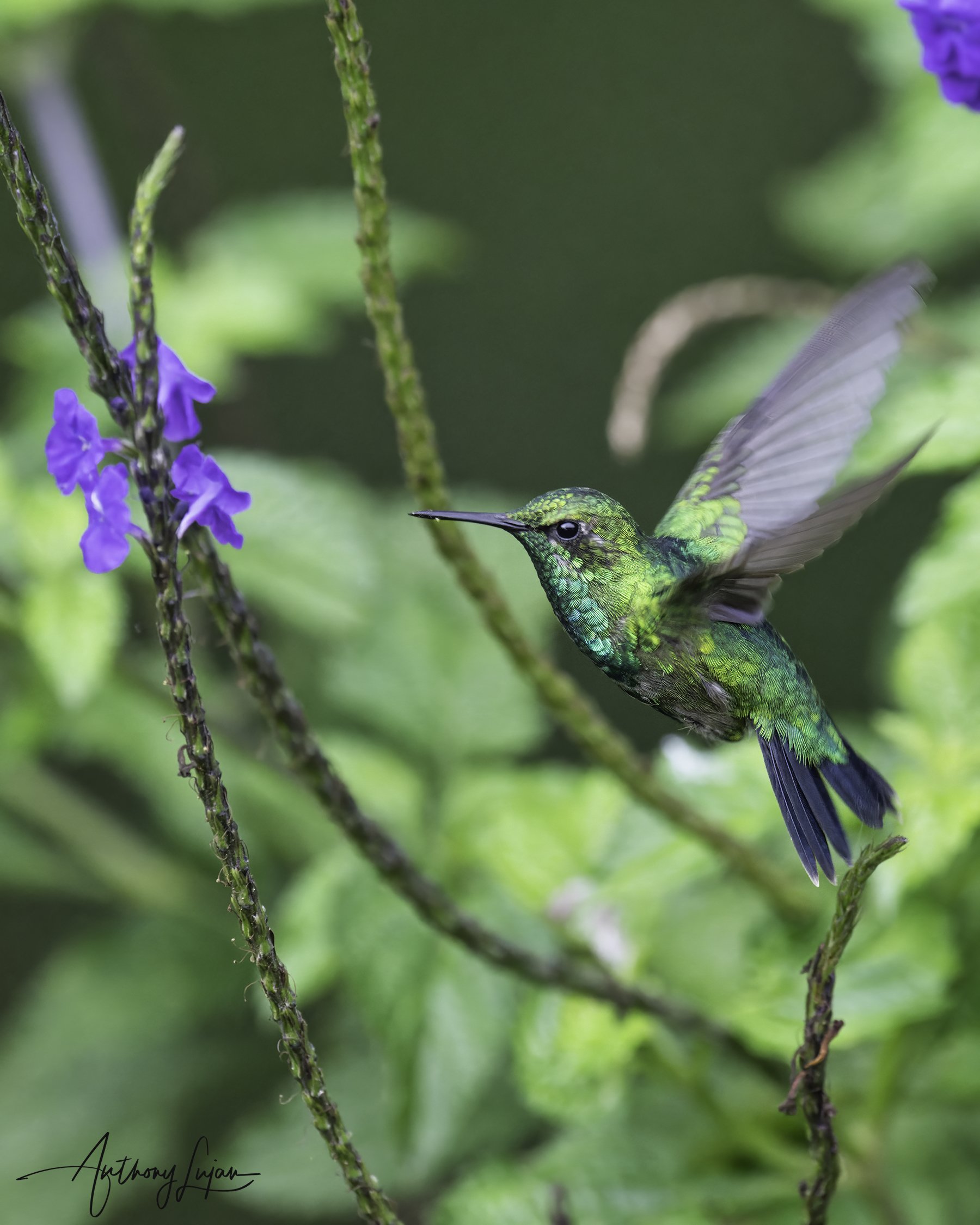
Below is the Western Emerald (Chlorostilbon melanorhynchus melanorhynchus)
Photographed at Finca La Araucana, Valle del Cauca; 'Doña Dora', Valle del Cauca; and La Florida - Bosque de Las Aves, Valle del Cauca, Colombia.
These individuals belong to the nominate subspecies melanorhynchus, found in humid upper subtropical and temperate zones on the western slopes of the Andes in Colombia and Ecuador. Males display glittering green plumage with a bluish crown and darker tail, while females are pale below with dull green upperparts and a dark, slightly decurved bill. Compared to pumilus, melanorhynchus is typically found at higher elevations and in more humid habitats, with a slightly larger body and deeper green tones.
Related species in the Chlorostilbon genus (10 species total):




Please note: The content provided in this article reflects Anthony’s personal experience and photographic approach. Results can vary depending on light, weather, location, equipment, subject behavior, and field conditions.