
White-bellied Hummingbird
Scientific name: Elliotomyia chionogaster
The White-bellied Hummingbird is a medium-sized species of semi-open Andean habitats from Peru through Bolivia to northwestern Argentina. The number of mature individuals is unknown, the population trend is decreasing, it is not a migrant, and it is currently assessed as Least Concern.
At a Glance
Family: Trochilidae (hummingbirds)
Clade: Trochilini – Emeralds
Genus: Elliotomyia — 2 species total
Range: Eastern Andean slope from Peru through Bolivia to northwestern Argentina
Habitat: Forest edges, secondary woodland, shrublands, cerrado, plantations, gardens
Elevation: 450–2,800 m (1,500–9,200 ft), most common 2,200–2,800 m
Length: About 11–12 cm (4.3–4.7 in)
Weight: About 5–6 g
Number of mature individuals: Unknown
Population trend: Decreasing
Movement: Not a migrant
IUCN Red List category: Least Concern
Name Origin
The genus Elliotomyia honors American ornithologist Daniel Giraud Elliot. The species name chionogaster combines Greek words for "snow" (chion) and "belly" (gaster), referring to its striking white underparts. The English name reflects this bold white ventral coloration.
Taxonomy
Elliotomyia chionogaster belongs to the emeralds clade (Trochilini) and shares its genus with the Green-and-white Hummingbird (E. viridicauda).
Subspecies and Distribution
Two recognized subspecies:
Elliotomyia chionogaster chionogaster
Distribution: Eastern slope of the Andes in Peru, from southern Amazonas to Cuzco.Elliotomyia chionogaster hypoleuca
Distribution: Southeastern Peru (Puno), Bolivia, and northwestern Argentina (south to La Rioja); possibly also in eastern central Brazil (Mato Grosso).
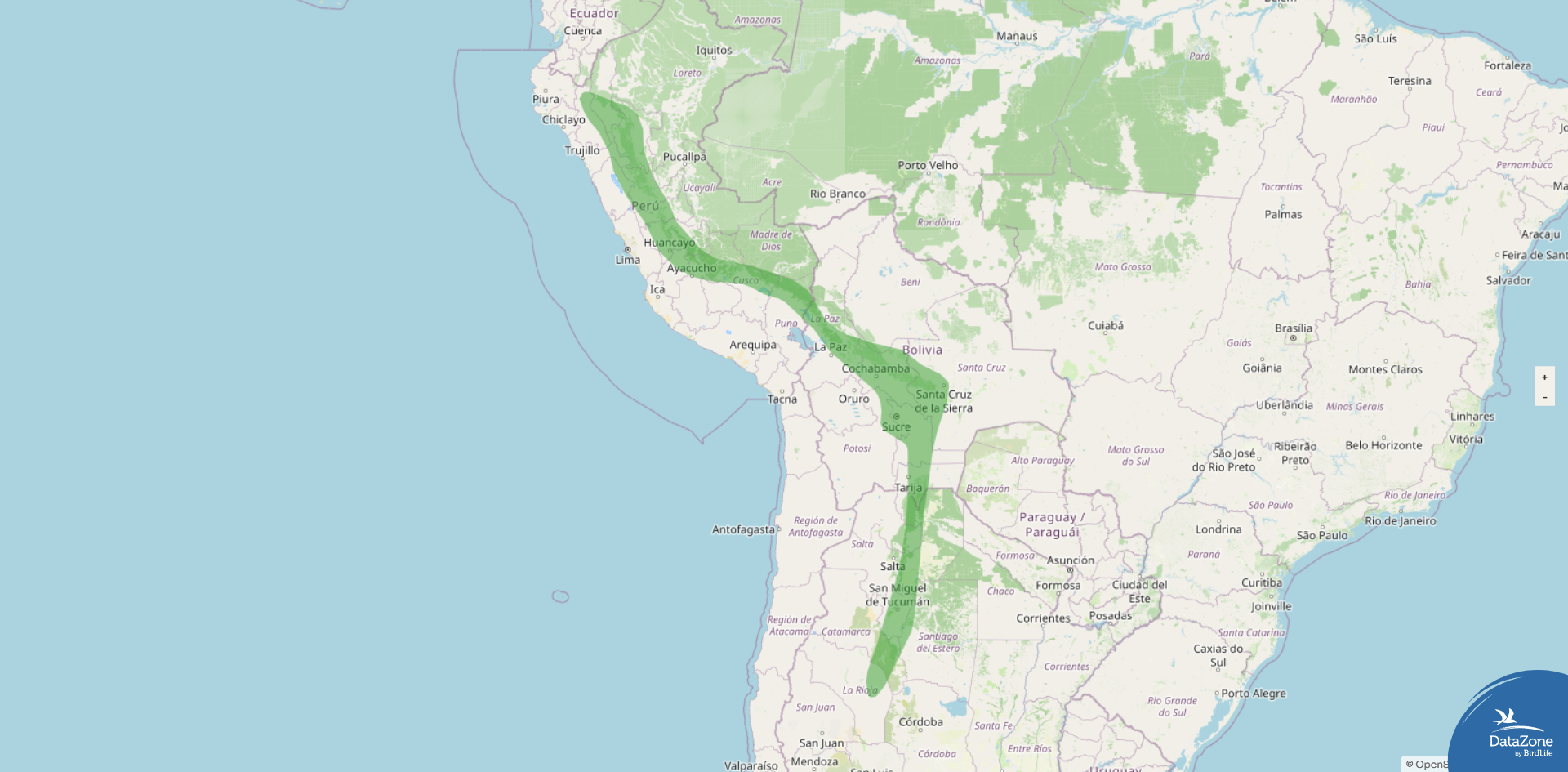
Legend
Green Resident
Species Overview
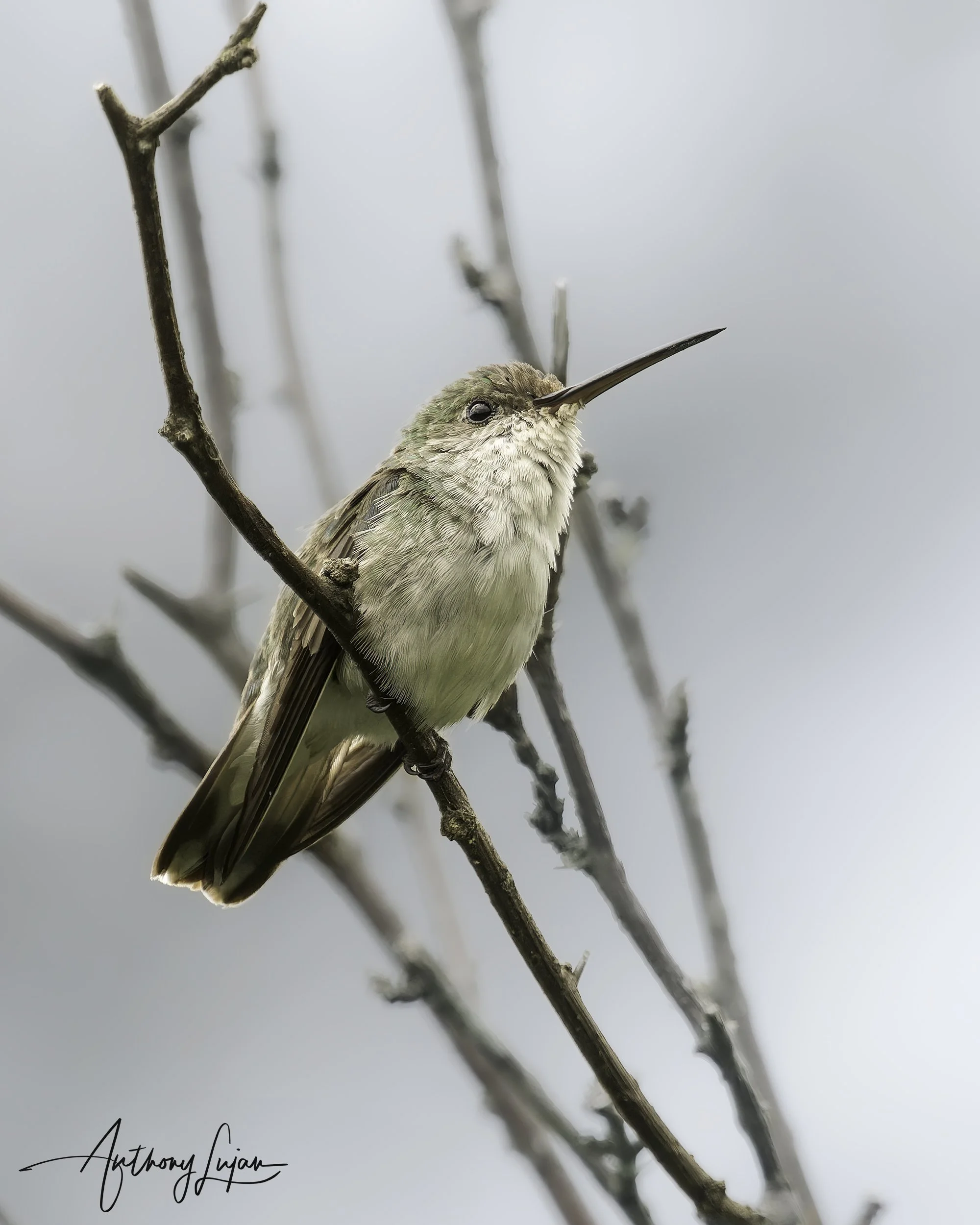
The White-bellied Hummingbird is distinctive for its bright green upperparts contrasting sharply with extensive white underparts. It favors semi-open landscapes rather than dense forest interiors, often perching conspicuously on exposed branches. Adaptable to human-modified habitats including gardens and plantations.
Male Description
Bright green upperparts with sharp demarcation to white throat, breast, belly, and undertail coverts. Sides show green wash blending into white ventral area. Tail dark green above, blackish below. Straight black bill medium length. White underparts create bold contrast against green back and cap.
Female Description
Very similar to males with same green upperparts and white underparts pattern. May show slightly duller green tones and faint buff wash on flanks. Same bold white ventral field and green dorsal contrast. Juveniles resemble adults but with softer feather edges.
Habitat & Behavior
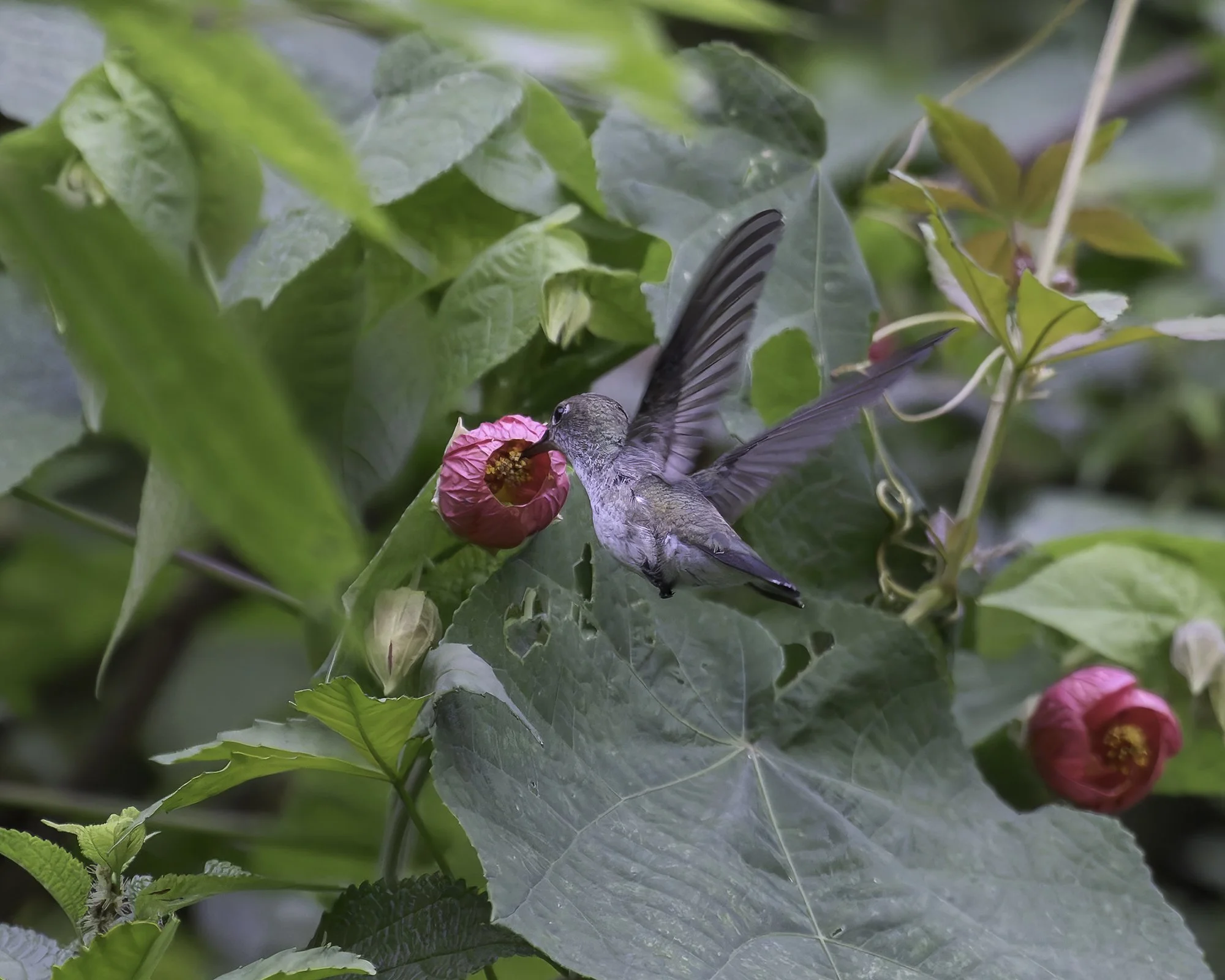
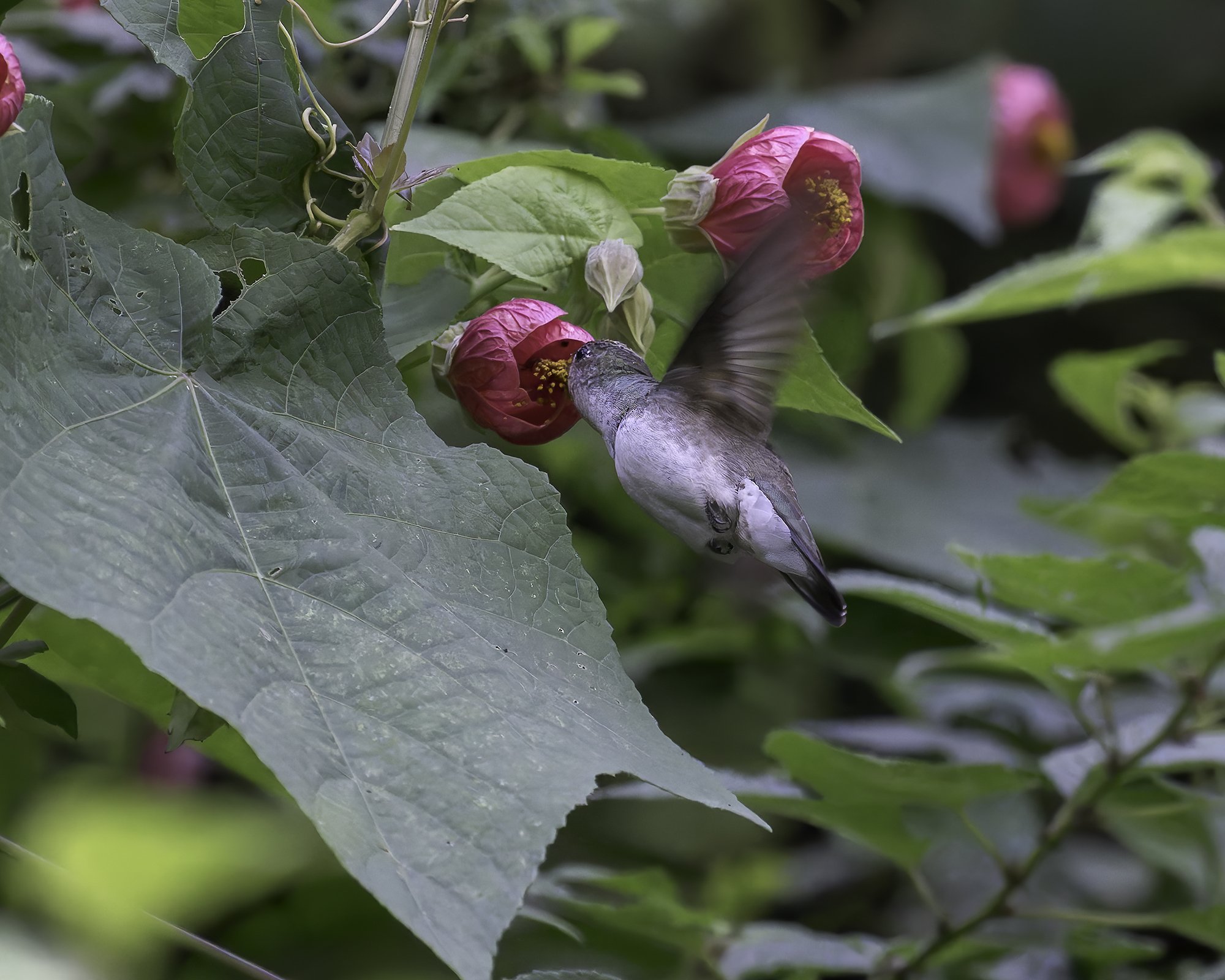
Inhabits semi-open landscapes including forest edges, secondary woodland, shrublands, cerrado, plantations, and gardens. Prefers relatively dry areas with Cactaceae, Agave, or groves of Alnus and Eucalyptus. Forages at various heights from shrubs to canopy flowers. Often territorial around productive nectar sources.
Breeding
Female constructs cup nest of plant down, moss, and spiderweb, typically on horizontal branch in semi-open woodland. Lays two white eggs. Female incubates approximately 16–18 days; nestlings fledge around 22–25 days. Breeding coincides with local flowering cycles.
Movement
Not a migrant. Resident throughout range with only local movements related to flowering availability. Some elevational shifting may occur seasonally but remains within same general regions.
Population
Total number of mature individuals unknown. Fairly common in suitable semi-open Andean habitat from Peru to Argentina. Decreasing due to habitat conversion, fragmentation of woodland patches, and agricultural expansion in foothill zones.

Conservation
Least Concern despite decreasing trend, due to relatively broad range and habitat tolerance. Benefits from tolerance of secondary growth, gardens, and plantations. Vulnerable to complete clearing of semi-open woodland and cerrado conversion to intensive agriculture.
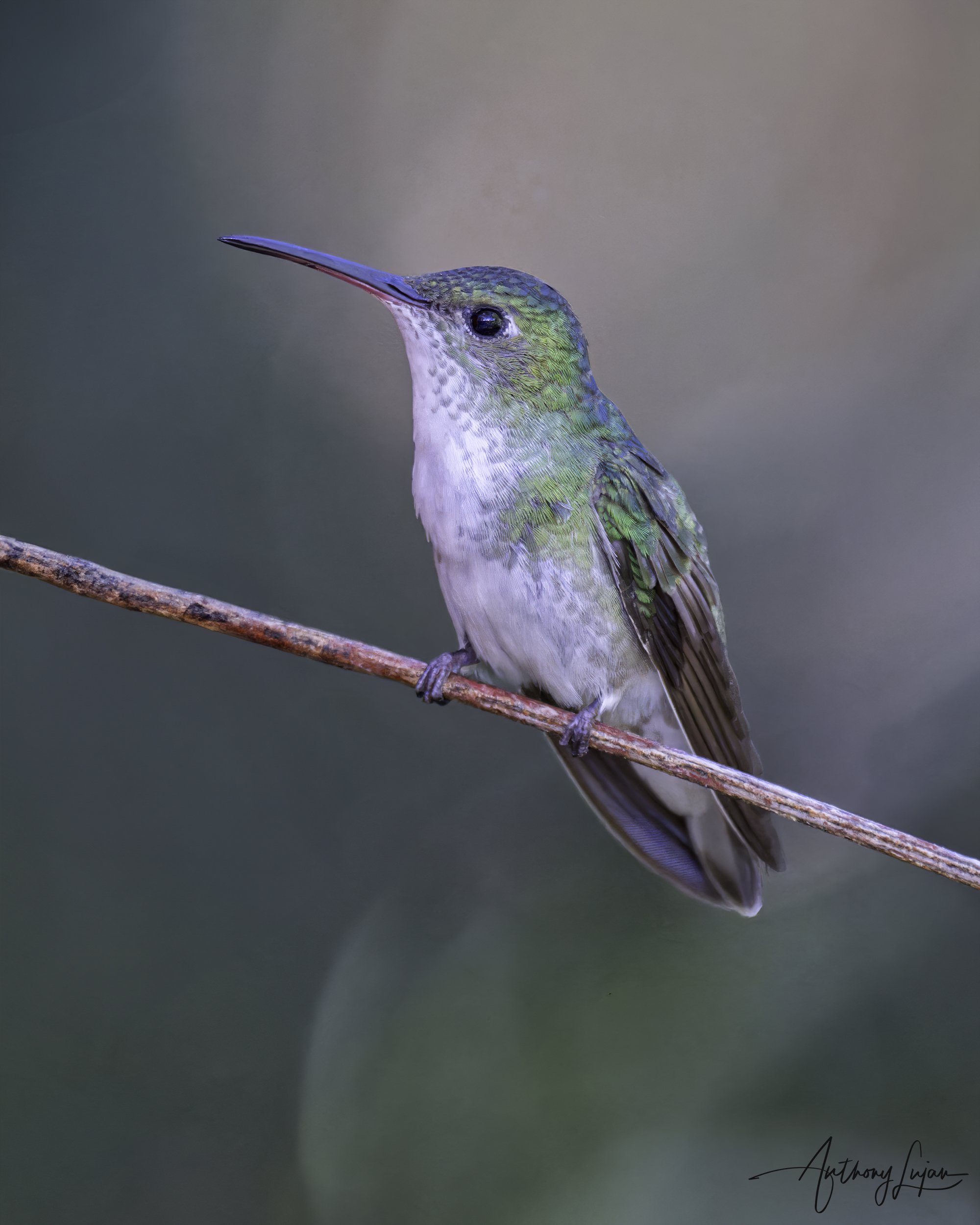
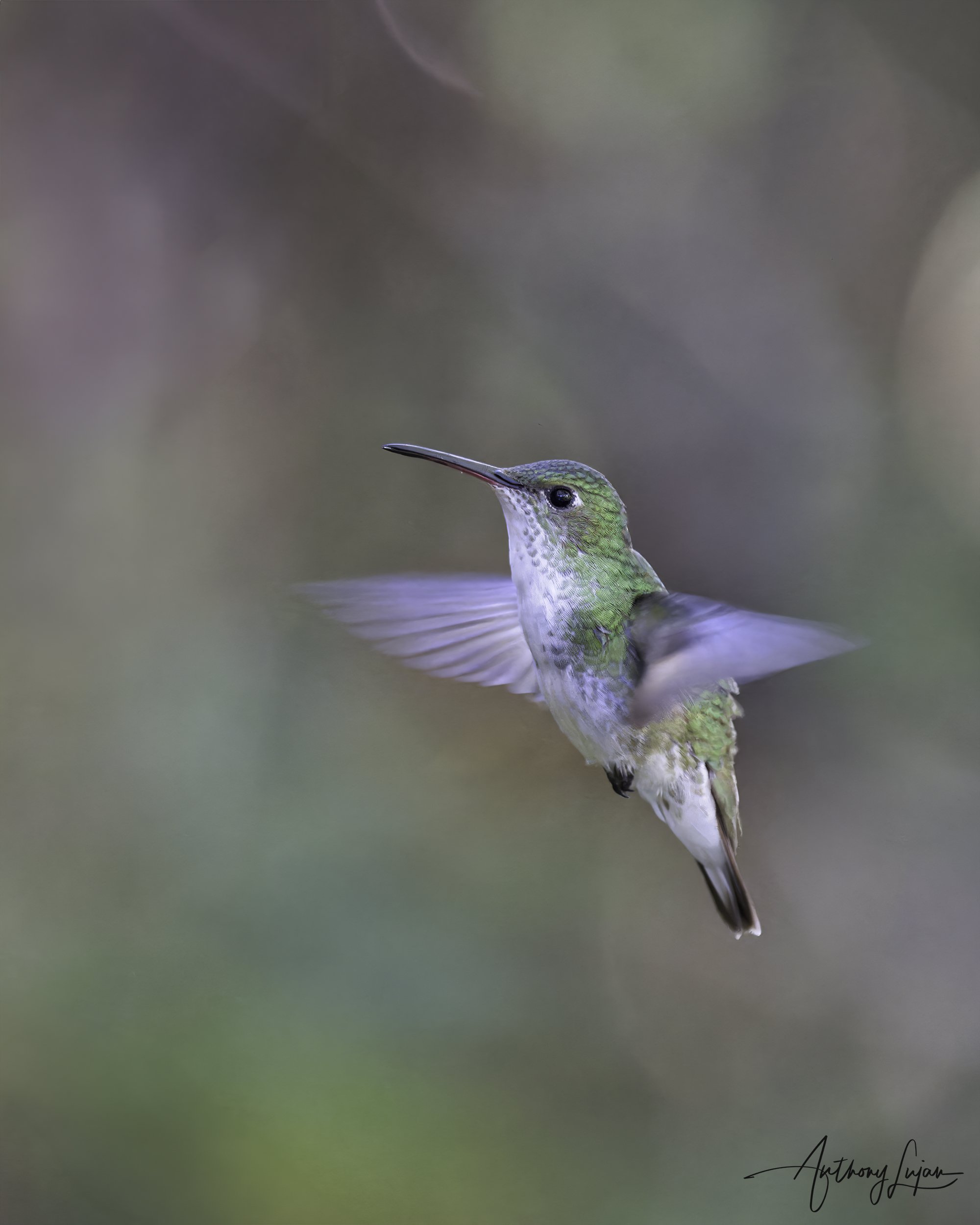
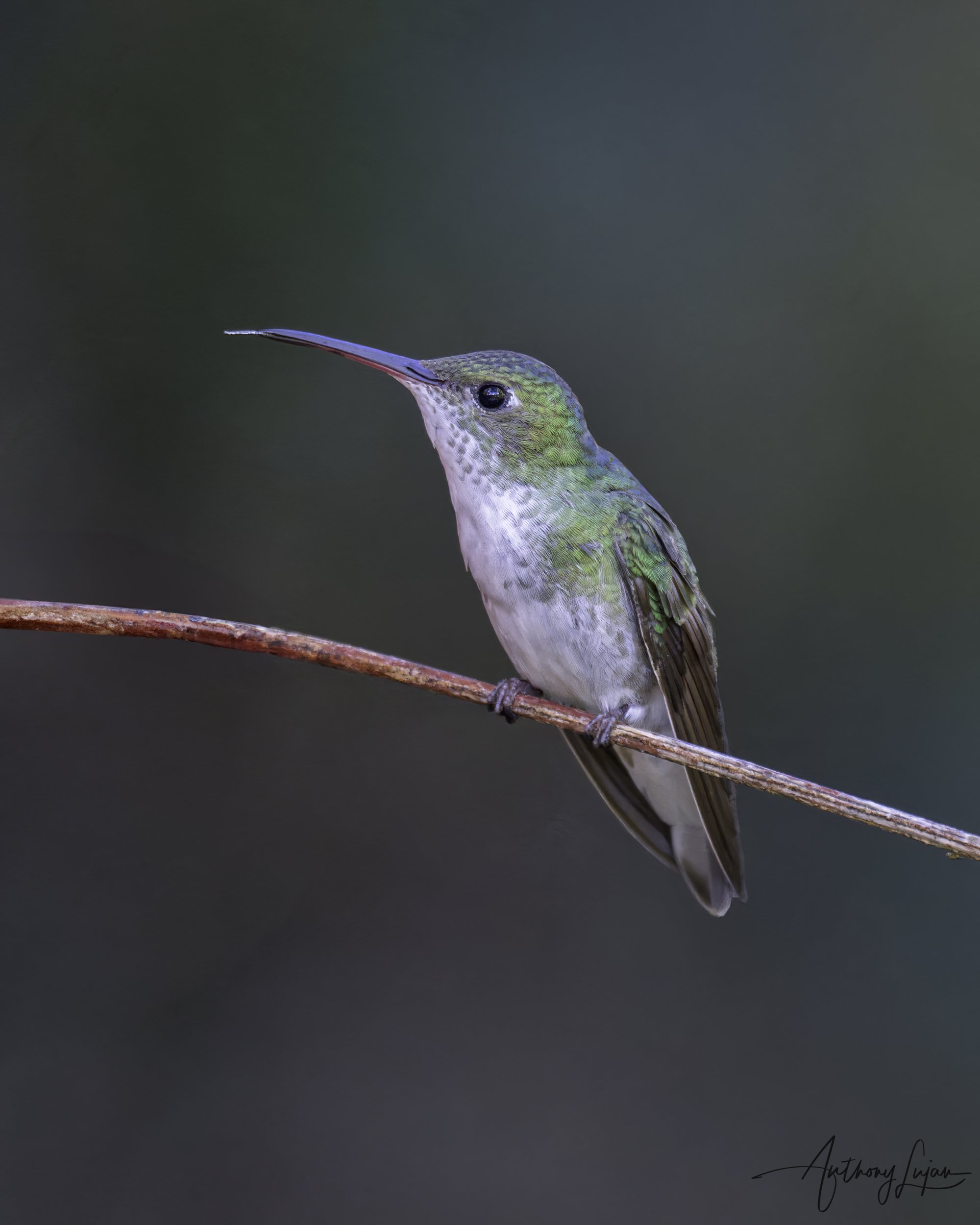
White-bellied Hummingbird (Elliotomyia chionogaster chionogaster)
📸 Photographed at:
Reserva Privada Santos Montenegro, Amazonas, Peru
These individuals belong to the nominate subspecies chionogaster, which occurs along the eastern slope of the Andes from southern Amazonas to Cuzco in Peru. It favors humid montane forest edges and open disturbed areas at elevations of 1,500–3,400 meters (4,900–11,200 ft). Like hypoleuca, it shows pale underparts and green upperparts, with only subtle regional variation.
White-bellied Hummingbird (Elliotomyia chionogaster hypoleuca)
📸 Photographed at:
Provincial Potrero De Yala Park, Capital, Jujuy, Argentina
Comision Municipal San Francisco, Valle Grande, Jujuy, Argentina
These individuals belong to the subspecies hypoleuca, found on the eastern slope of the Andes in southeastern Peru (Puno), Bolivia, and northwestern Argentina (south to La Rioja). It inhabits humid montane forest edges, shrubby openings, and transitional zones between 1,500–3,400 meters (4,900–11,200 ft). This subspecies is very similar in appearance to the nominate, with minimal morphological variation, but is geographically distinct.
Related species in the Elliotomyia genus (2 species total)
Please note: The content provided in this article reflects Anthony’s personal experience and photographic approach. Results can vary depending on light, weather, location, equipment, subject behavior, and field conditions.