
White-tailed Emerald
Scientific name: Microchera chionura
The White-tailed Emerald is a small hummingbird of moist and humid montane forests and edges on the Pacific slope from southern Costa Rica into central Panama. It is listed as Least Concern, with an estimated 20,000–49,999 mature individuals, a decreasing population trend, and it is considered not a migrant.
At a Glance
Family: Trochilidae (hummingbirds)
Clades: Trochilini – Emeralds
Genus group: Microchera — tiny highland emeralds (3 species in total: Snowcap, Coppery-headed Emerald, White-tailed Emerald)
Range: Pacific slope of southern Costa Rica south into central Panama, with some occurrence on the Caribbean side of Panama.
Habitat: Moist to humid montane forests and edges, regenerating forest, plantations, and gardens, especially where flowering shrubs and trees are present.
Elevation: Mostly 750–2,000 m (about 2,460–6,560 ft), with breeding largely between about 1,000 and 1,700 m.
Length: About 7.5–8 cm (3.0–3.1 in).
Weight: Around 3.3 g (0.12 oz) in males and 3.1 g (0.11 oz) in females.
Number of mature individuals: 20,000–49,999.
Population trend: Decreasing.
Status: Least Concern (IUCN Red List category).
Migration: Not a migrant.
Name Origin
The genus name Microchera combines Greek roots meaning “small” and “hand,” reflecting the tiny size and delicate build of these hummingbirds. The species name chionura means “snow‑tail” or “white‑tailed,” referring to the conspicuous white tail of the species. The English name “White-tailed Emerald” highlights its emerald‑green body and the predominantly white tail that is especially striking in flight.
Taxonomy & Distribution
This species is monotypic; no recognized subspecies.
White-tailed Emerald belongs to the emerald clade (tribe Trochilini) and is one of three species in the genus Microchera, along with Snowcap and Coppery-headed Emerald. It is native to the Talamancan montane forests of Costa Rica and Panama, occurring mainly on the Pacific slope from southern Costa Rica to central Panama, with some occurrence on the Caribbean side in Panama.
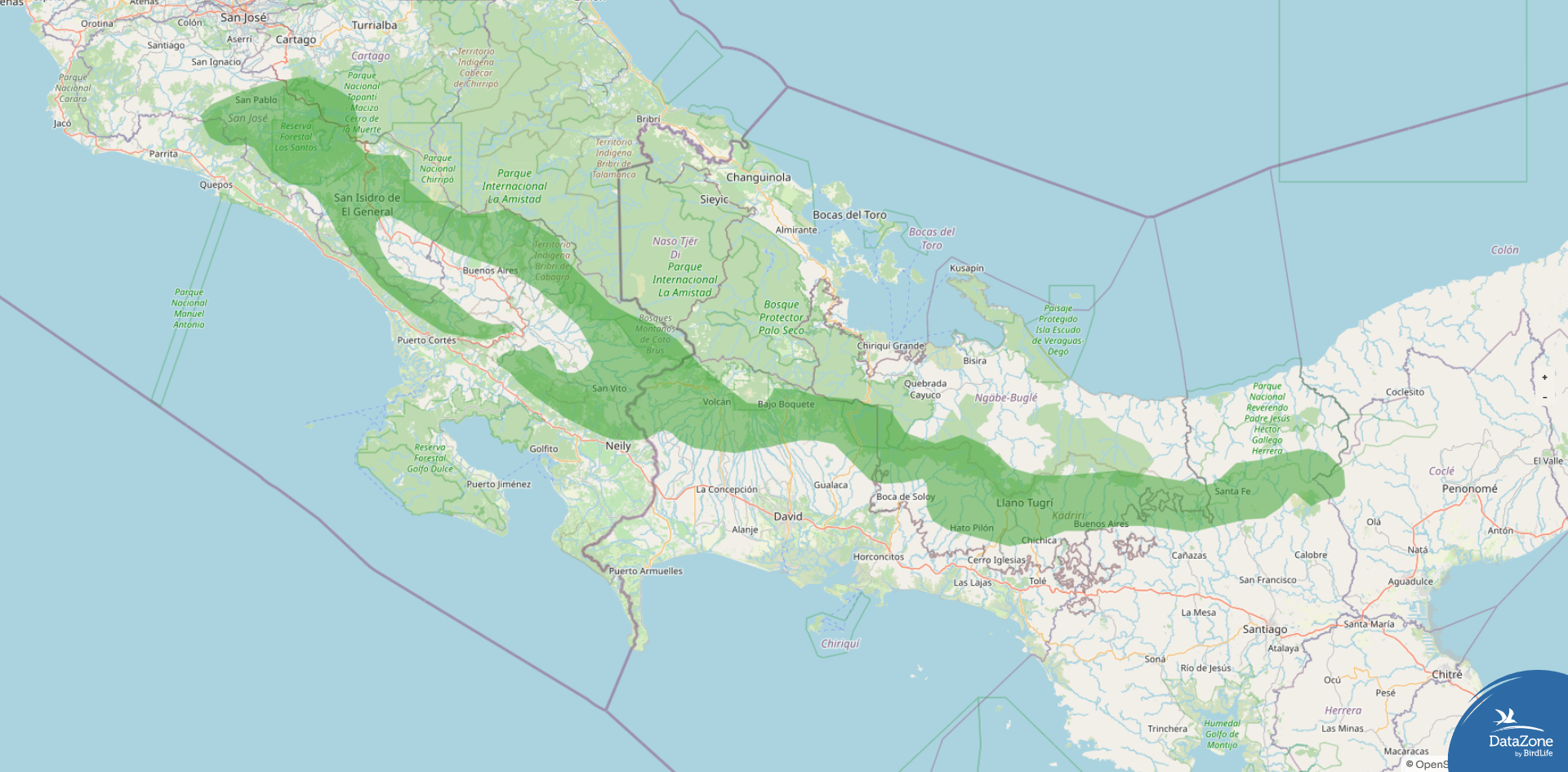
Legend
Green Resident
Species Overview
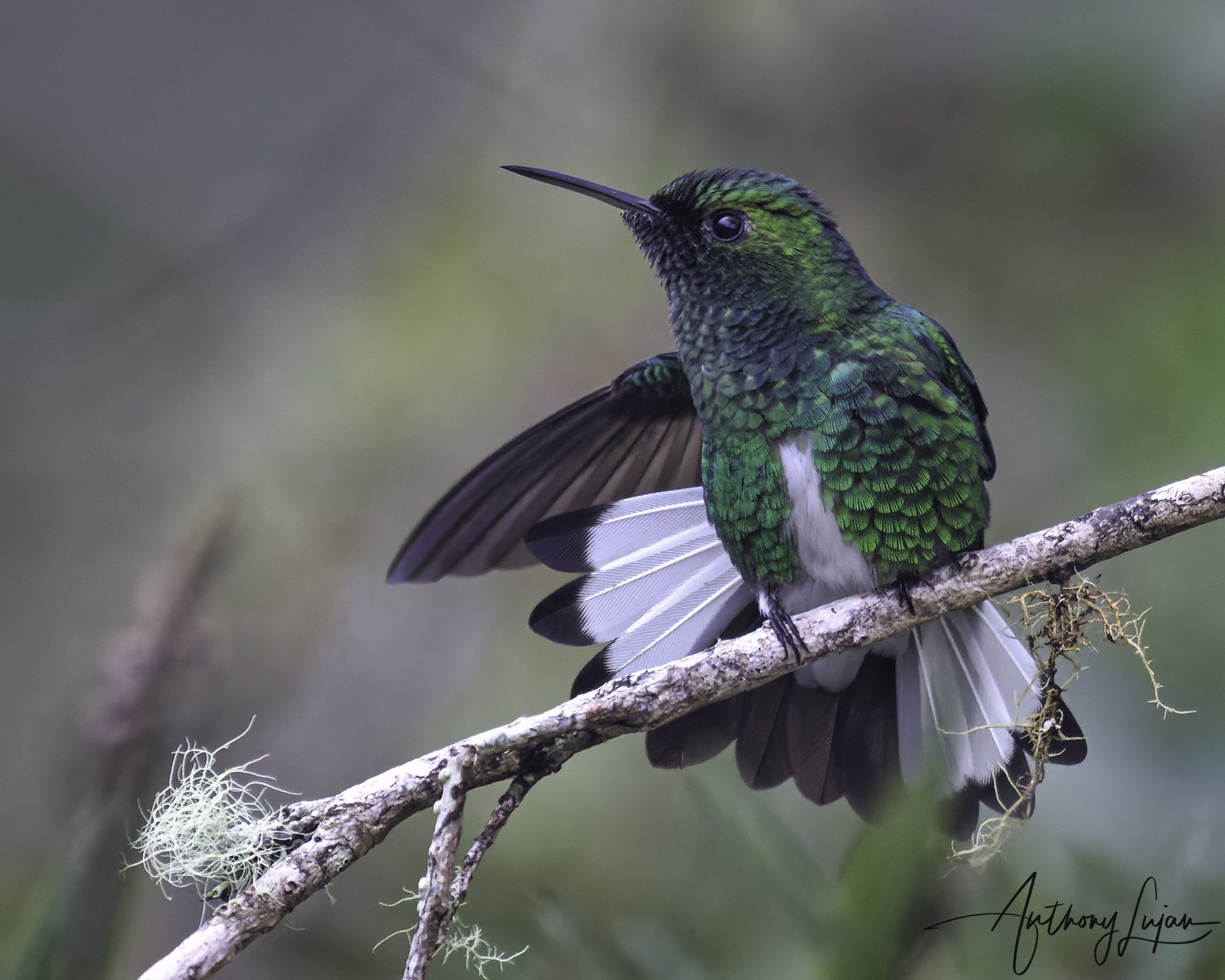
The White-tailed Emerald is a small, energetic hummingbird with bright bronzy‑green upperparts and a mostly white tail, common in suitable montane forests and edges within its limited Central American range. It frequents forest edges, second growth, plantations, and gardens where flowers are abundant, especially at mid‑elevations on the Pacific slope. Although it can be fairly common locally, its relatively small population and decreasing trend reflect ongoing changes in Talamancan montane forests.
Male Description
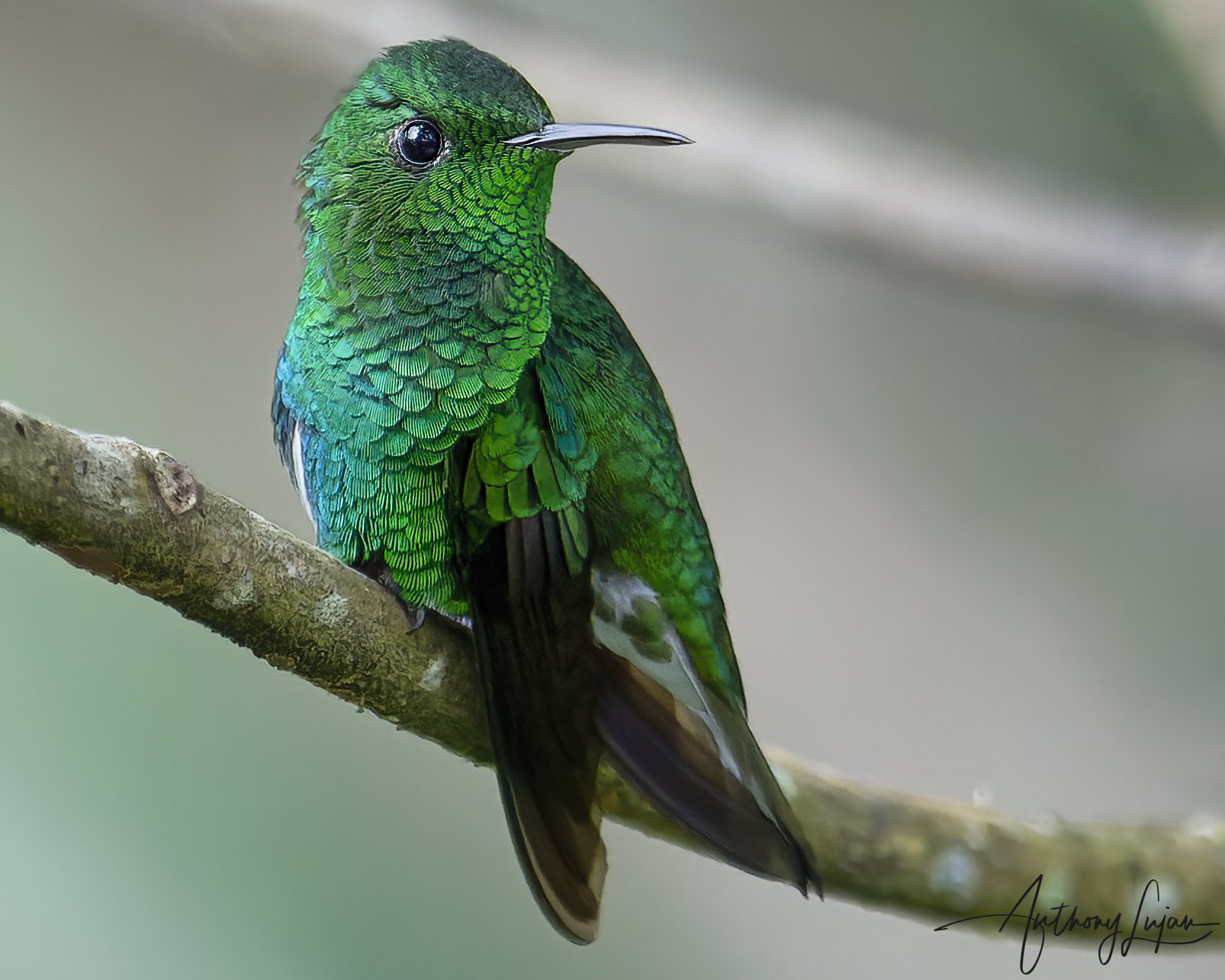
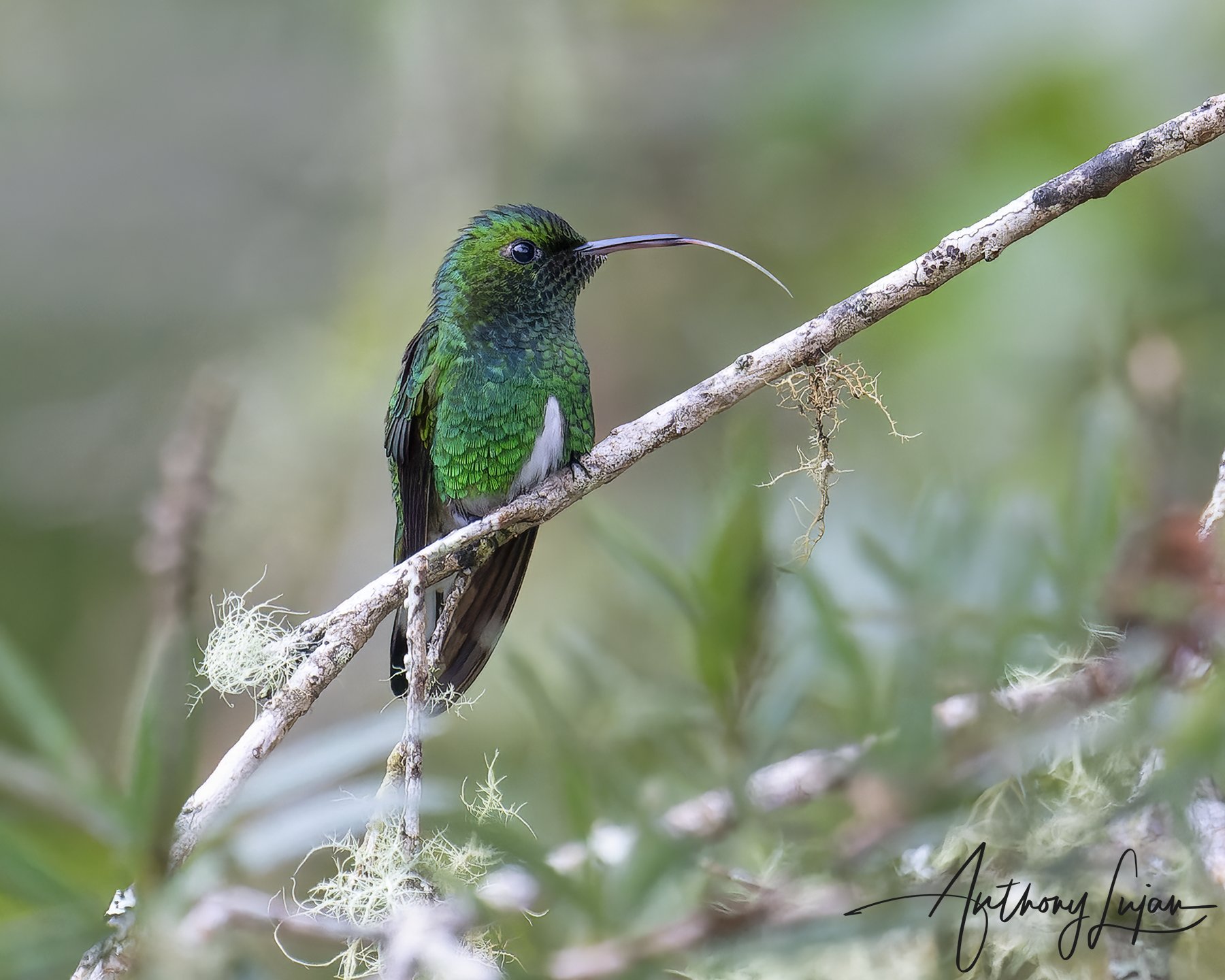
Adult males are bronzy green above, with the upperparts becoming darker bronze on the uppertail coverts. The underparts are green, sometimes with a slightly paler or whitish center on the belly. The tail is mostly white, with some darker or bronzy bases or central feathers, creating a distinctive flash of white in flight. The bill is almost straight, black with a pinkish base to the lower mandible. In the field, males appear as compact, bright green hummingbirds with a conspicuously white tail and a dark bill with a pale base.
Female Description
Females resemble males but generally have duller green upperparts and more whitish or grayish underparts, often with green spotting or mottling on the throat and breast. The tail remains largely white, though dark bases and pattern edges may be slightly more evident, and the bill is similar with a black upper mandible and pinkish base to the lower. Juveniles look similar to adult females but are duller overall, with less distinct throat markings and a slightly shorter, less cleanly white tail.
Habitat & Behavior
White-tailed Emeralds inhabit moist and humid montane forests, forest edges, regenerating forest, plantations, and gardens within their elevational range. They often forage in the canopy and subcanopy, especially at forest edges and clearings, feeding on nectar from a range of flowering shrubs, small trees, and epiphytes. Males may display higher in the canopy, while females often feed lower in the understory. The species also takes small insects for protein, gleaning or hawking near flowers, and can be moderately territorial around rich nectar sources.
Breeding
In Costa Rica and Panama, White-tailed Emeralds mostly breed within moist and humid montane forests and edges, particularly between about 1,000 and 1,700 m. The female builds a small cup nest of plant fibers and moss bound with spiderweb, often decorated with lichens, placed on a small branch or in a fork in forest or second growth. She lays two white eggs and alone incubates and raises the young, as is typical for hummingbirds.
Population
The estimated 20,000–49,999 mature individuals are spread across a relatively narrow band of Talamancan montane forests on the Pacific slope of Costa Rica and Panama, with some extension to the Caribbean side in Panama. Within suitable habitat it can be fairly common, but overall numbers are modest compared to many widespread hummingbirds. The species is experiencing a decreasing population trend, likely linked to habitat loss and degradation in montane forests.

Conservation
White-tailed Emerald is assessed as Least Concern, but its decreasing population and reliance on Talamancan montane forests make it sensitive to continued deforestation, fragmentation, and changes in land use at mid‑elevations. Protection and careful management of montane forest in southern Costa Rica and Panama, maintenance of forest edges and flowering shrubs in adjacent landscapes, and conservation of elevational corridors are important for this species and other Talamancan hummingbirds.
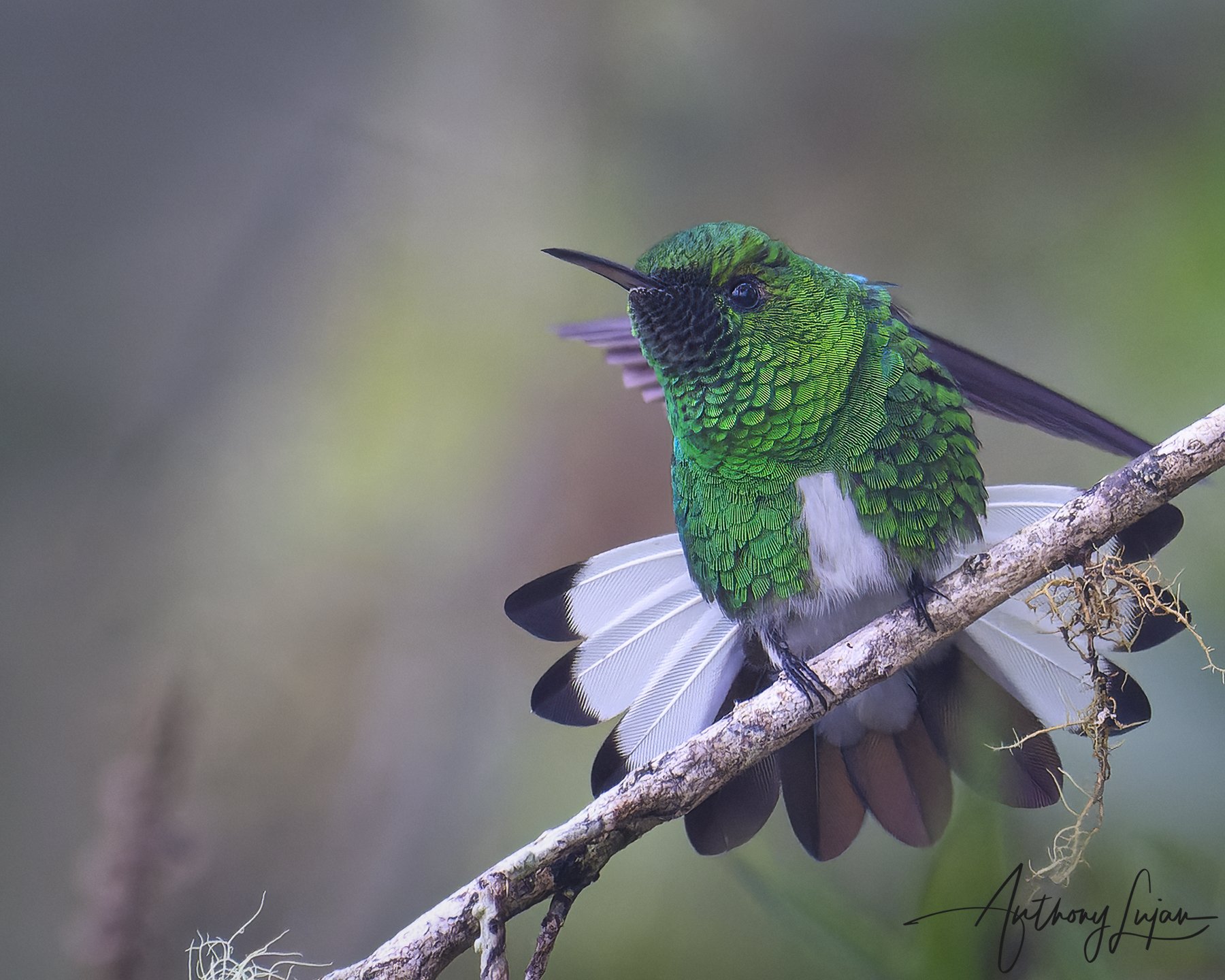
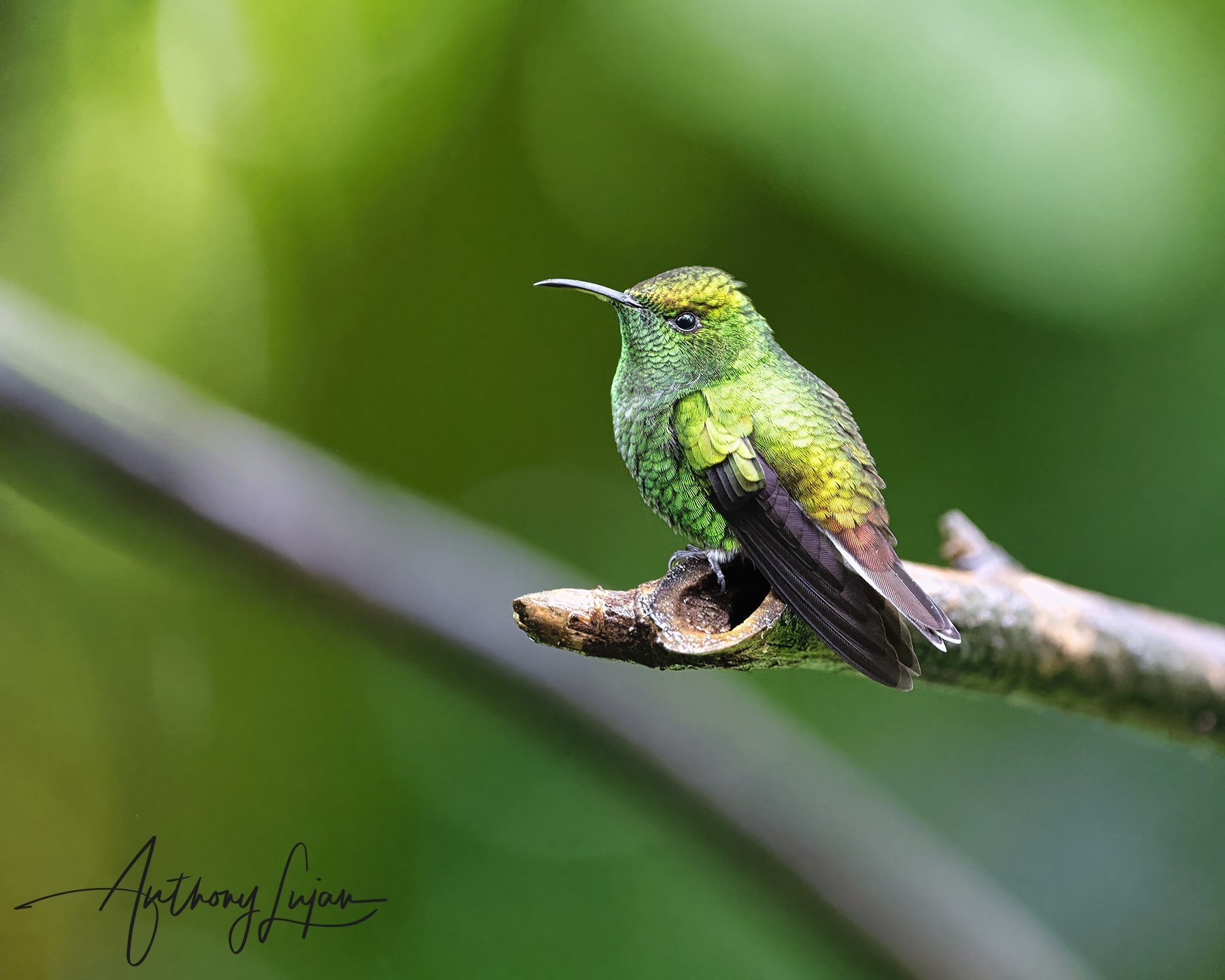
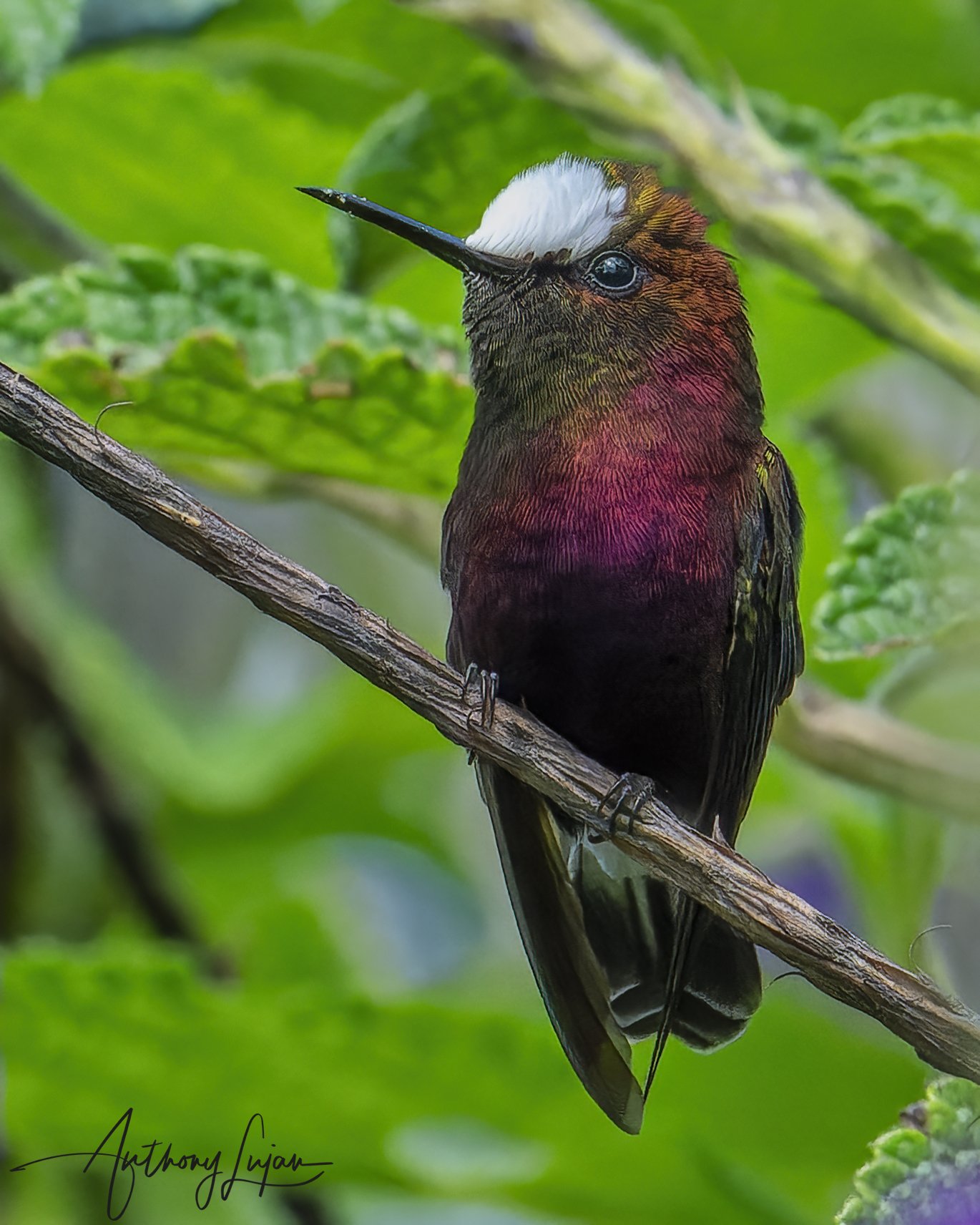
Related species in the Microchera genus (3 species in total):
Please note: The content provided in this article reflects Anthony’s personal experience and photographic approach. Results can vary depending on light, weather, location, equipment, subject behavior, and field conditions.