
Scientific name: Phaethornis yaruqui
The White-whiskered Hermit is a slender, medium-sized hermit hummingbird of humid lowland and foothill forests along the west slope of the Andes in Colombia and Ecuador. The number of mature individuals is estimated at 50,000–499,999, the population trend is decreasing, it is an altitudinal migrant, and it is currently assessed as Least Concern.
At a Glance
Family: Trochilidae (hummingbirds)
Clade: Phaethornithinae – Hermits
Genus: Phaethornis — 27 species in total
Range: Western Colombia and northwestern Ecuador (Chocó and adjacent Andean foothills)
Habitat: Humid lowland and foothill rainforest, forest edges, ravines, and dense second growth, especially along streams
Elevation: Mostly about 100–1,000 m, with local upslope movements
Length: About 12.5–14 cm (4.9–5.5 in)
Weight: About 3.5–5 g
Number of mature individuals: 50,000–499,999
Population trend: Decreasing
Movement: Altitudinal migrant
IUCN Red List category: Least Concern
Subspecies: Monotypic — no subspecies recognized
Name Origin
The genus name Phaethornis references Phaethon of Greek mythology and the sun, combined with “bird,” and is used for hermit hummingbirds. The species name yaruqui comes from the type locality near Yaruquí, Ecuador, where the species was first described. The English name “White-whiskered Hermit” refers to the bold white stripe or “whisker” along each side of the face.
Taxonomy
Phaethornis yaruqui is a hermit hummingbird in the subfamily Phaethornithinae. It is monotypic, with no recognized subspecies. Within Phaethornis, it forms part of the group of medium-sized hermits with long decurved bills, white facial stripes, and partially white tail feathers that inhabit lowland and foothill forests.
Subspecies and Distribution
Monotypic — no subspecies recognized.
Distribution:
The White-whiskered Hermit occurs on the western slope of the Andes in western Colombia and northwestern Ecuador, centered in the Chocó biogeographic region. It inhabits humid lowland and foothill forests, forest edges, and dense second growth, especially along streams and ravines from near sea level up to roughly 1,000 m, with some seasonal upslope movements.
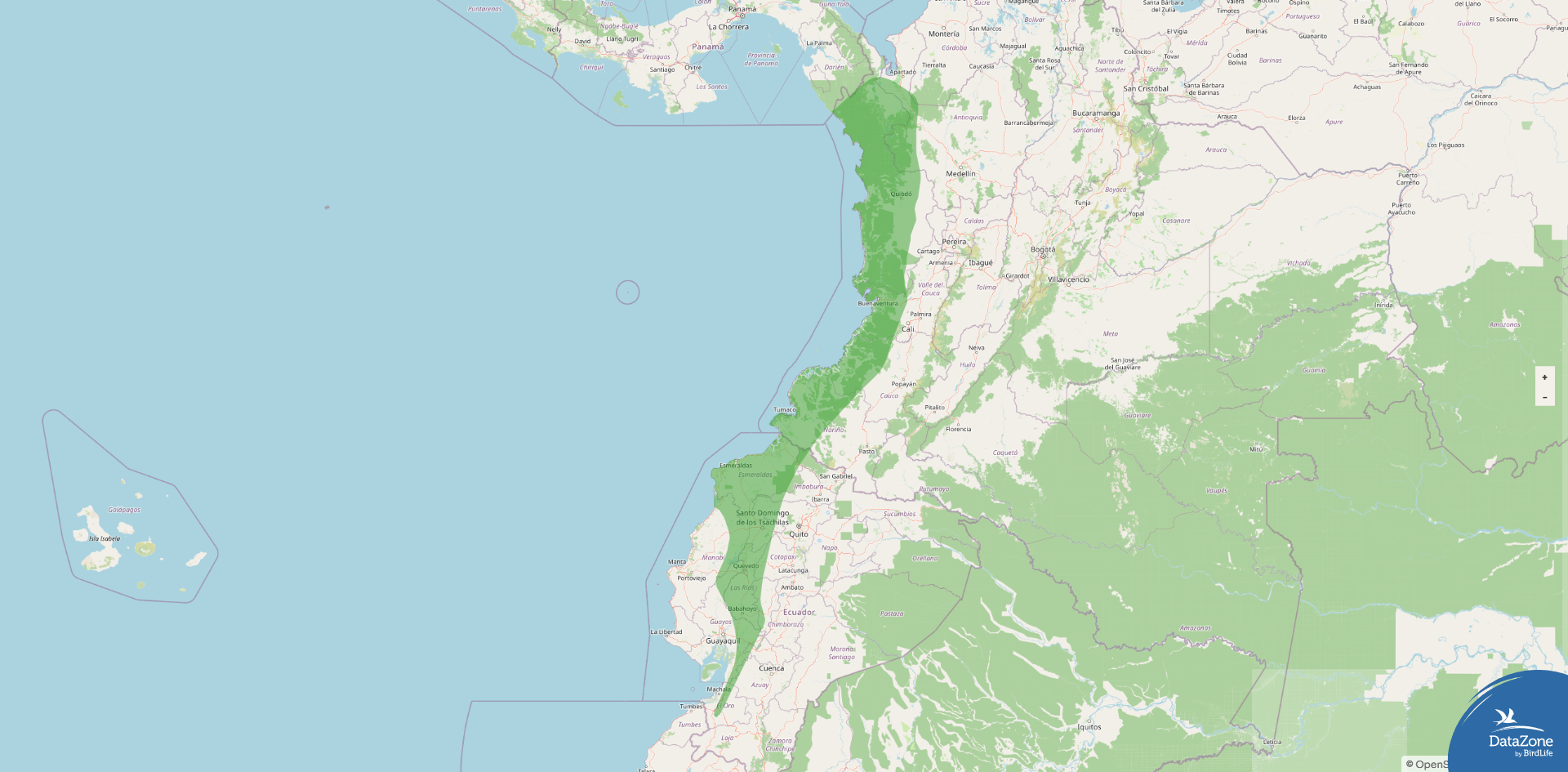
Legend
Green Resident
Species Overview
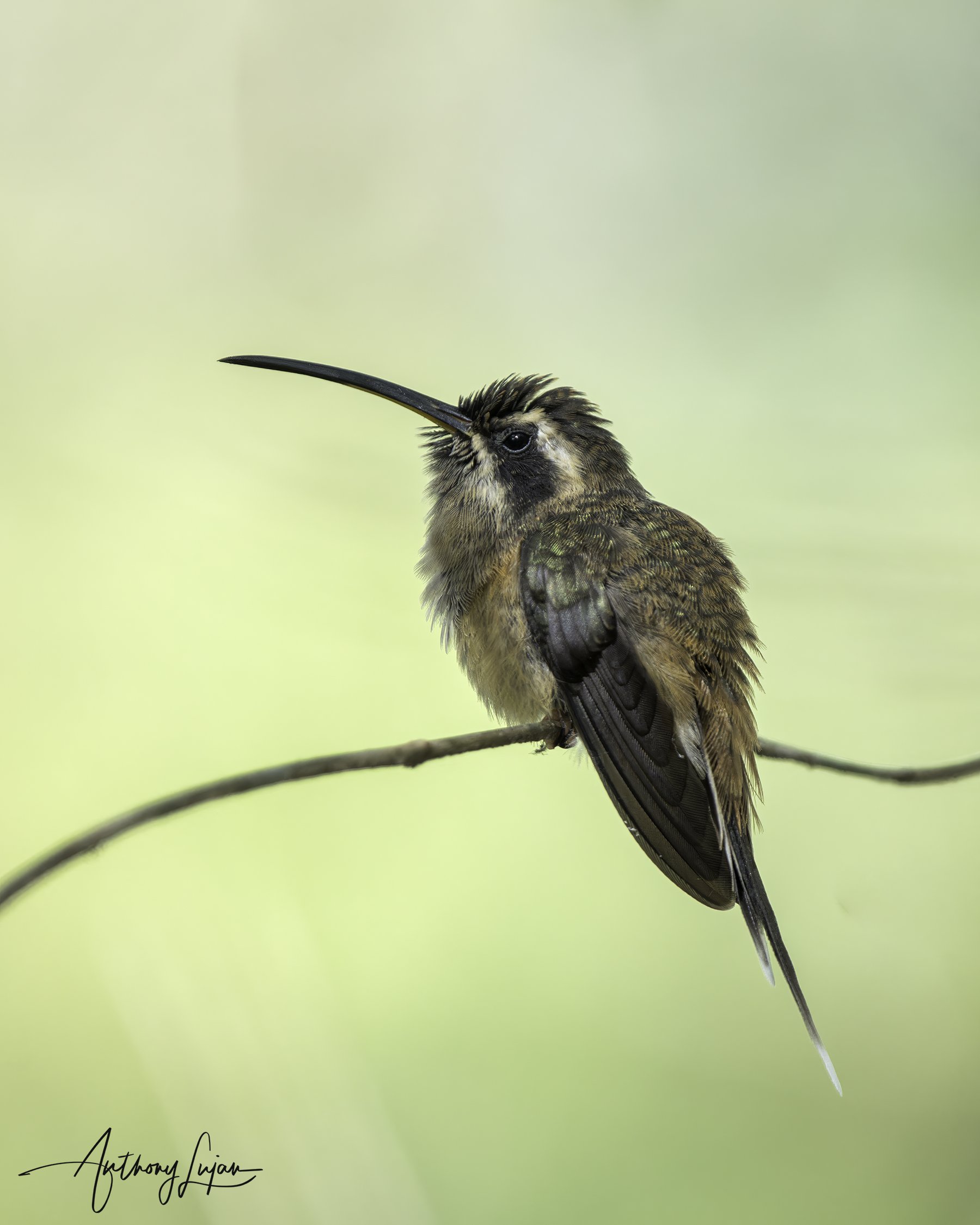
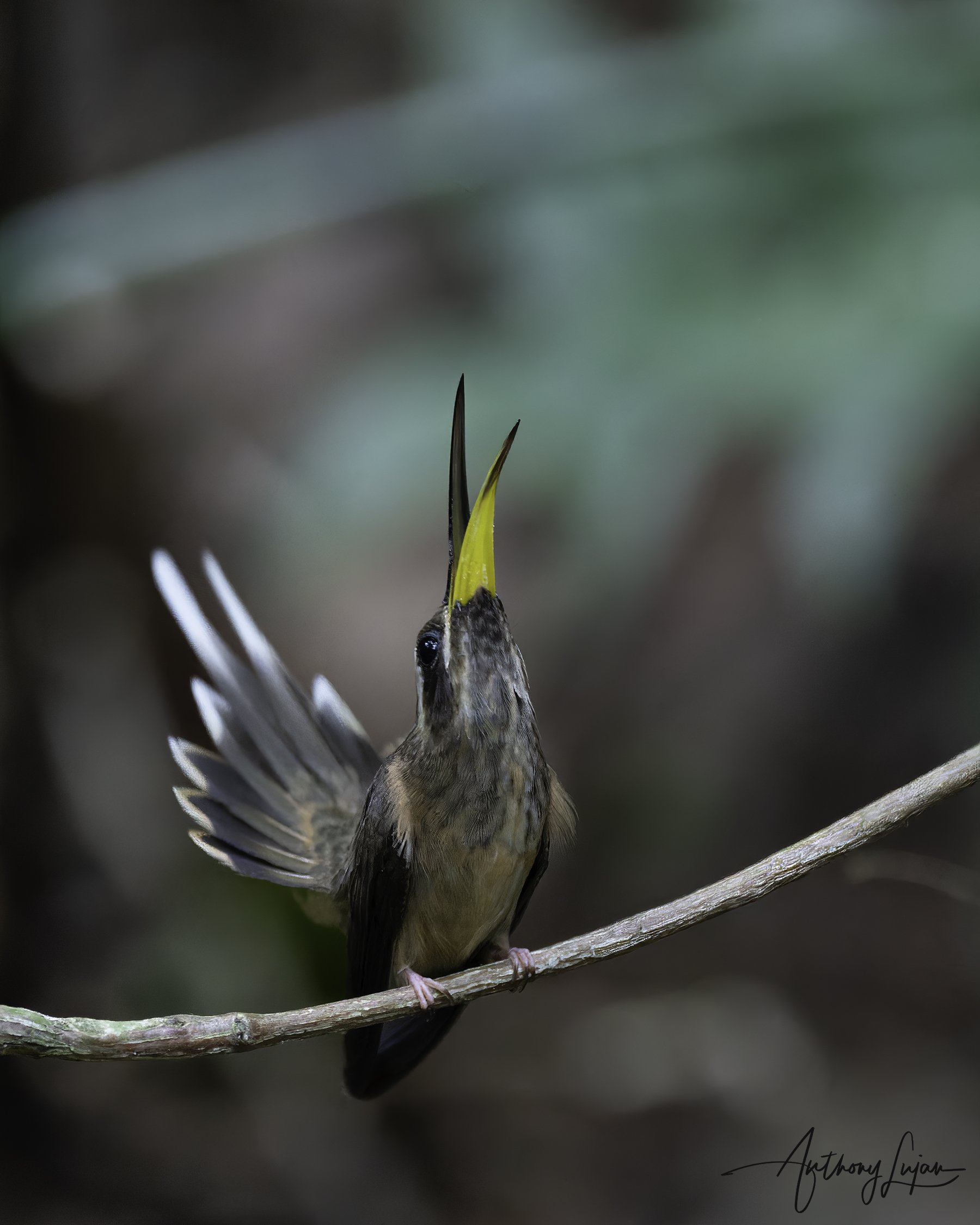
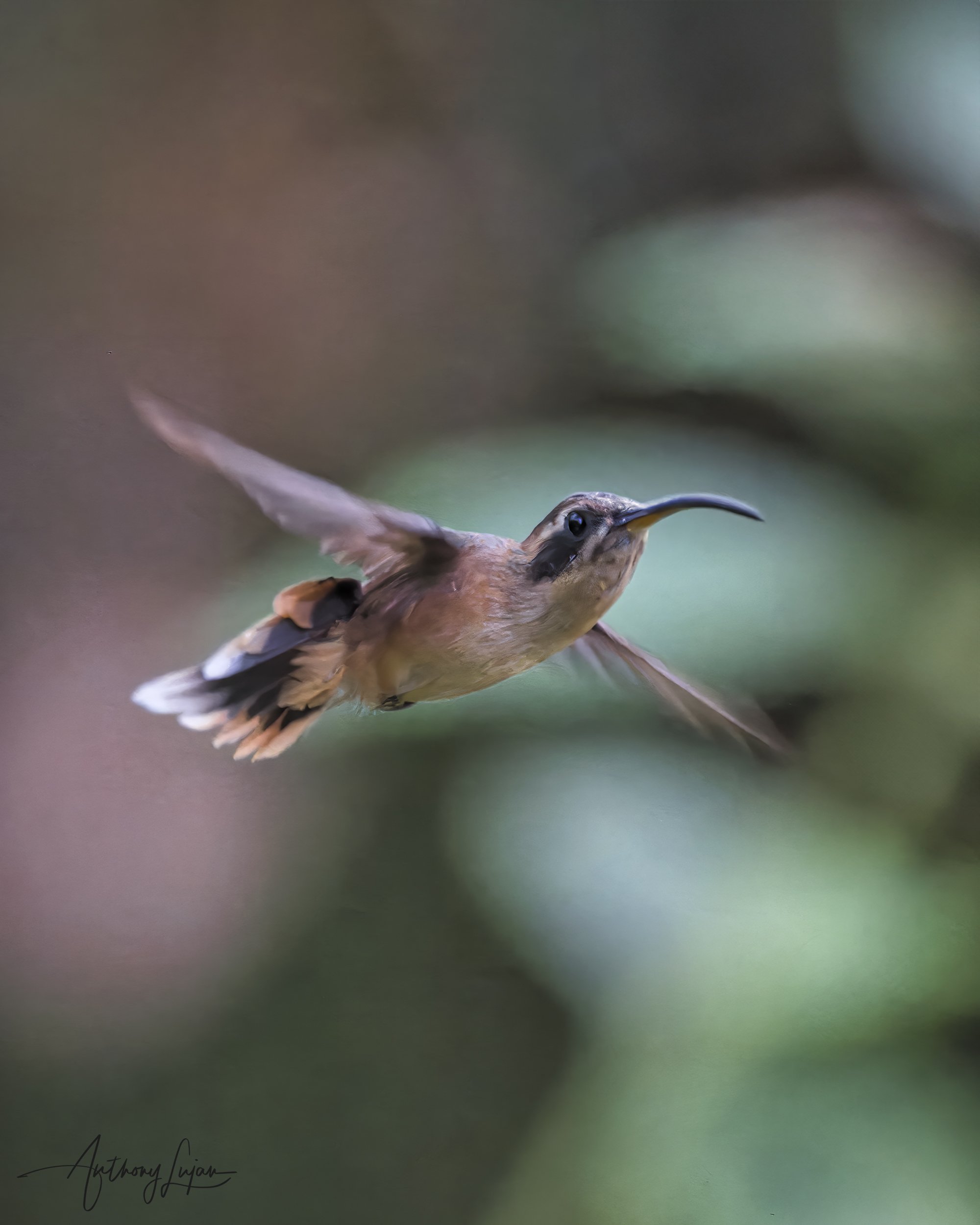
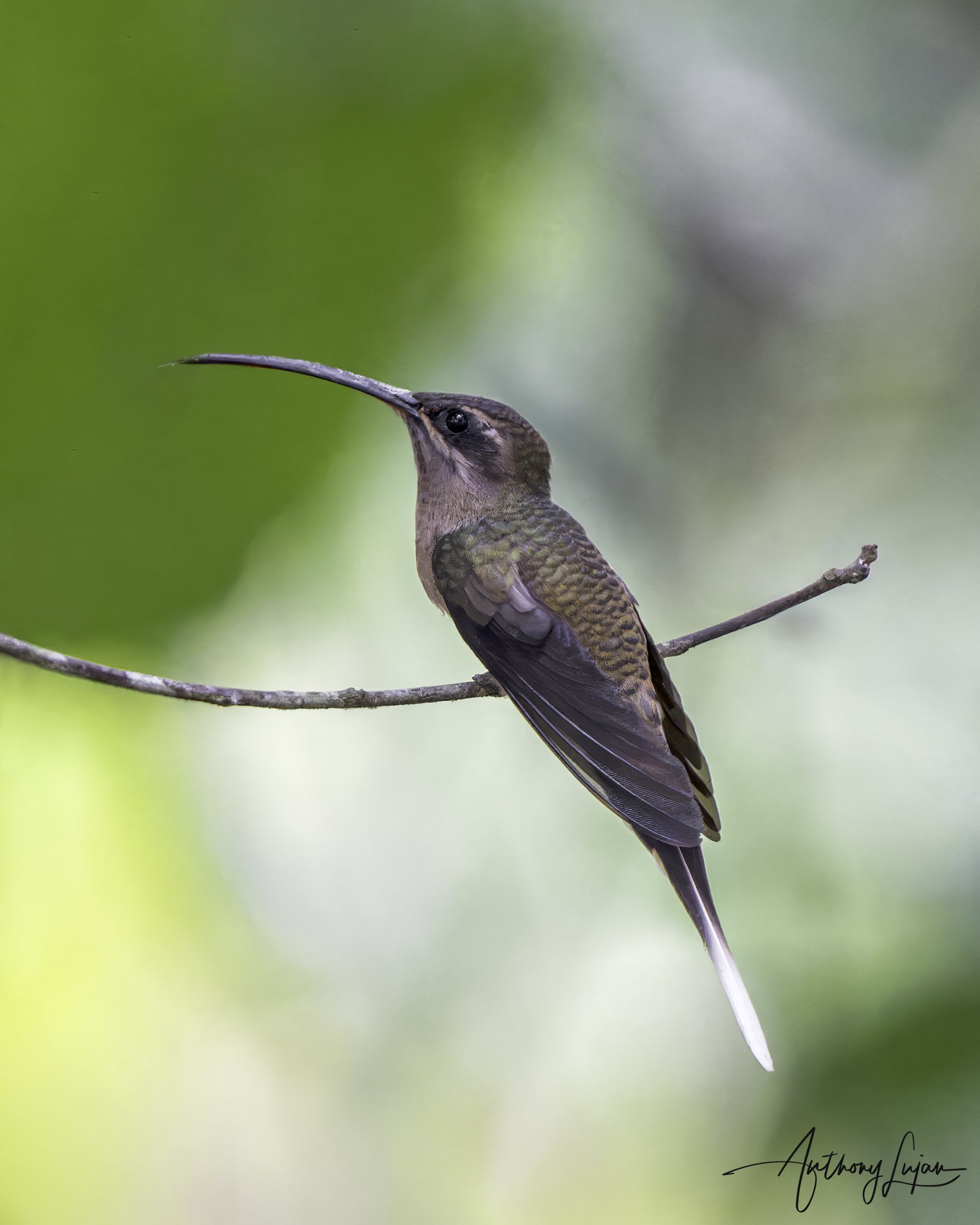
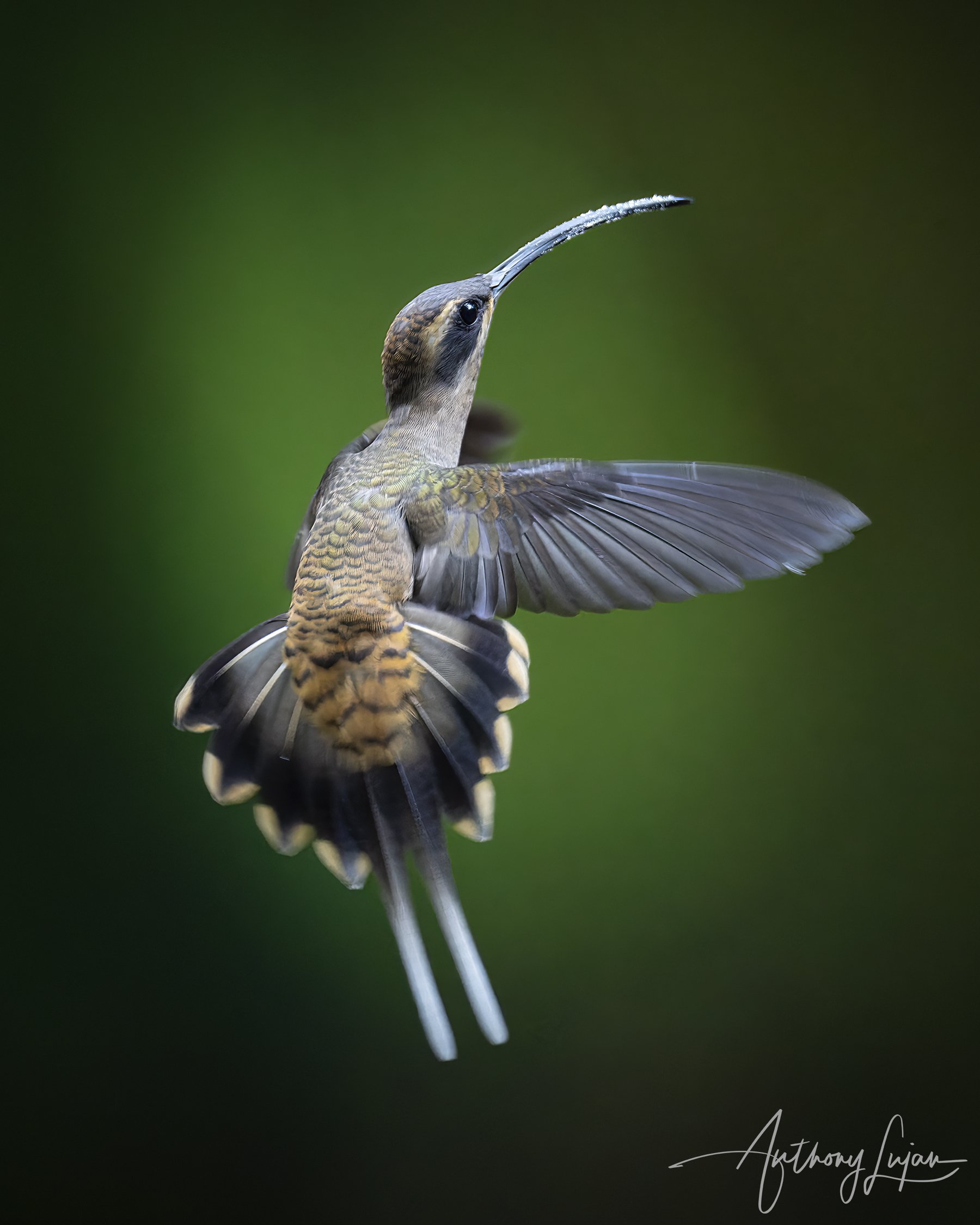
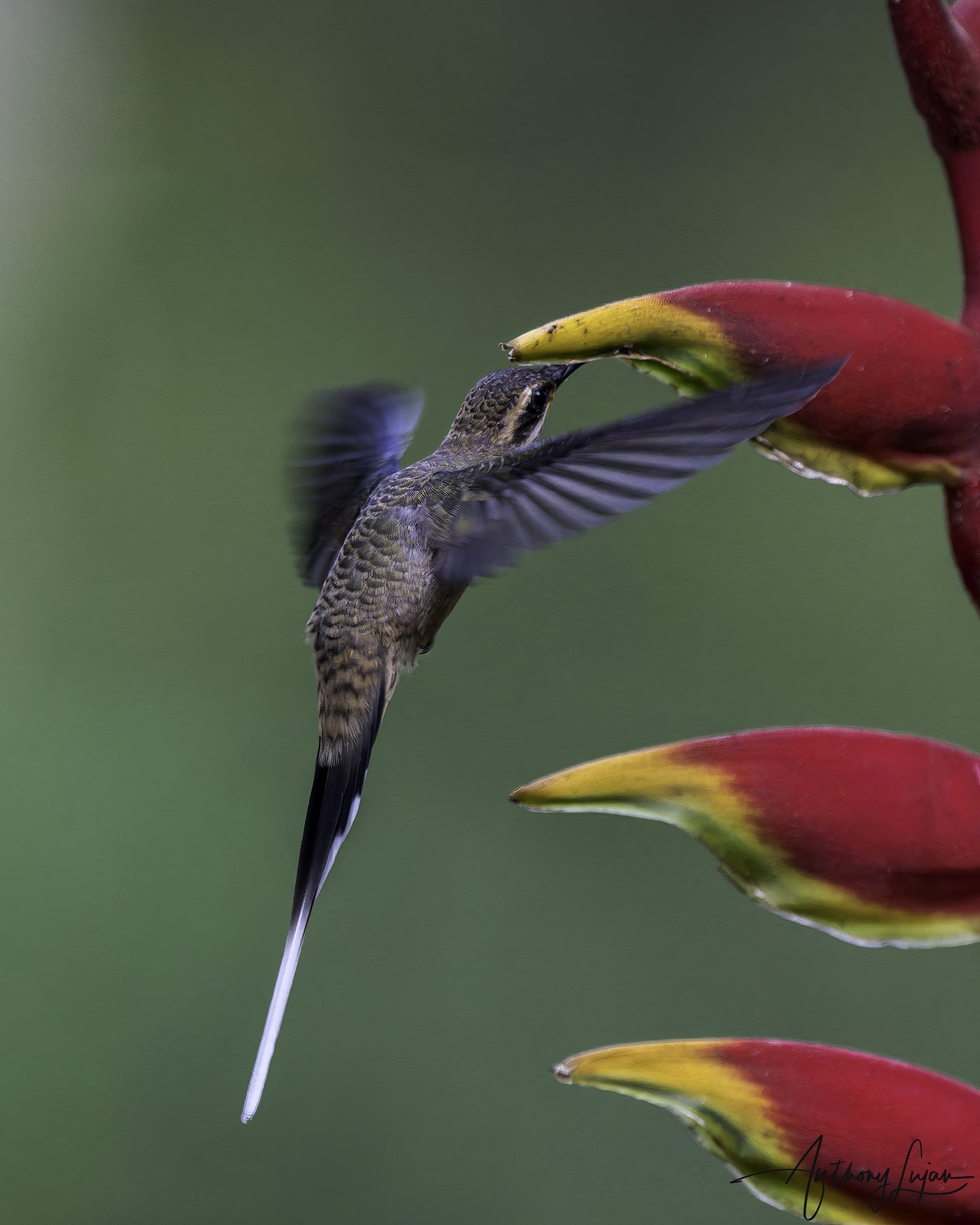
The White-whiskered Hermit is a slim, mid-sized hermit with mostly greenish upperparts, dusky underparts, and a striking white facial stripe that runs from the bill back across the cheek. It has a long, strongly decurved bill and a tail with white on the outer feathers, typical of Phaethornis hermits. This species favors deep shade in humid forest understory near streams and clearings and is often first detected by its persistent song or by the blur of its rapid visits to flowers.
Male Description
Males measure about 12.5–14 cm in length and weigh around 3.5–5 g. Upperparts are mostly iridescent green to bronzy‑green, with darker wings that can appear blackish in certain light. The underparts are dusky to grayish‑brown with a somewhat lighter belly. The face shows a dark mask with a bold white stripe (“whisker”) extending back from the base of the bill, plus a paler line above the eye. The bill is long, thin, and strongly decurved. The tail is relatively long and slightly graduated, with greenish central feathers and outer feathers showing white or pale tips and edges.
Female Description
Females are similar to males in size and plumage, with the same overall green and dusky coloration and bold white facial stripes. The bill is often slightly longer and more strongly decurved than in males, a common pattern in hermits. Juveniles resemble adults but may show duller plumage and less sharply defined facial markings until their first molt.
Habitat & Behavior
White-whiskered Hermits primarily inhabit humid lowland and foothill rainforest, forest edges, ravines, and dense second growth, especially along streams and gullies. They favor shadowy understory and mid‑level vegetation rich in flowering plants and often occur in the Chocó’s wettest forests and adjacent Andean foothills.
They are classic trapline feeders, following regular circuits among scattered flowering shrubs, epiphytes, and understory plants rather than defending a single nectar source. They feed mainly on nectar but also take small arthropods such as insects and spiders for protein. Birds usually forage low to mid‑levels, moving quickly between flowers, and males may sing from hidden perches or participate in loose leks where several males gather to display.
Breeding
White-whiskered Hermits follow the typical hermit pattern of solitary breeding. The female builds a remarkable cone‑shaped nest of plant fibers and spiderweb, often decorated with moss, and suspends it from a single strand beneath a branch or the underside of broad leaves such as Heliconia, bananas, or ferns, usually 1–2 m above the ground. The clutch normally consists of two white eggs. The female alone performs incubation and chick rearing, feeding the young by regurgitation until they fledge roughly three weeks after hatching.
Movement
The species is an altitudinal migrant. It is generally resident within western Colombia and northwestern Ecuador but moves up and down the west Andean slopes and adjacent foothills in response to flowering seasons and local climate. Birds are most common in lowland and foothill forest, with some populations shifting upslope during certain times of year while others remain near the base of the Andes.
Population
The global population of White-whiskered Hermits is estimated at 50,000–499,999 mature individuals. Within suitable habitat it can be fairly common and occurs in several protected areas. However, ongoing loss and degradation of lowland and foothill forest within the Chocó and along the west slope of the Andes are contributing to an overall decreasing trend.

Conservation
The White-whiskered Hermit is currently assessed as Least Concern due to its relatively broad range and moderately large global population. Nonetheless, continued deforestation, fragmentation, and conversion of humid lowland and foothill forest to agriculture, plantations, and pasture pose significant long‑term threats. Conservation priorities include protecting remaining Chocó lowland and foothill forests, maintaining riparian corridors and second growth with abundant flowering plants, and limiting further fragmentation of Andean foothill habitats.
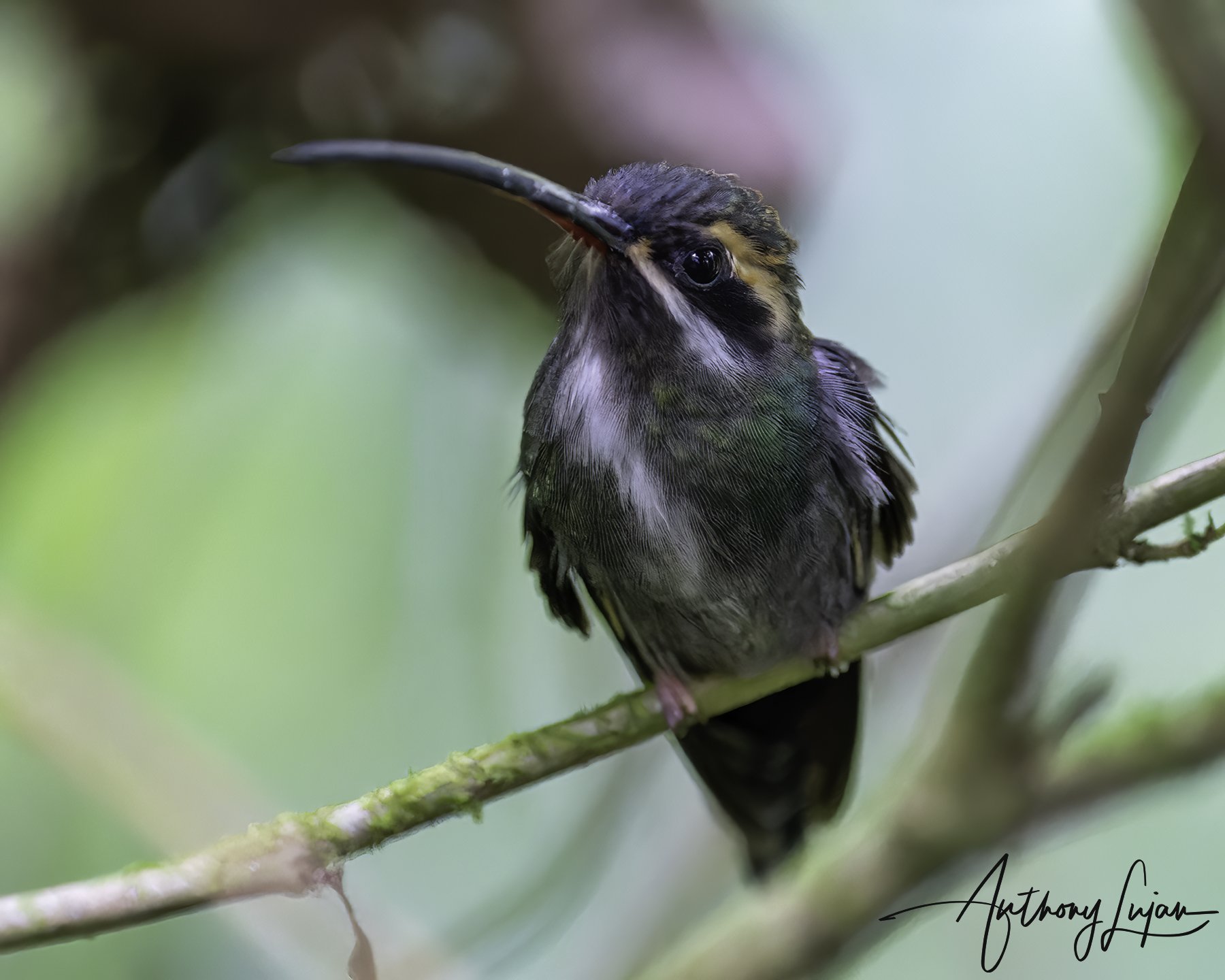

Checkout Anthony’s playlist of this species! Click the top right dropdown to see all the videos.
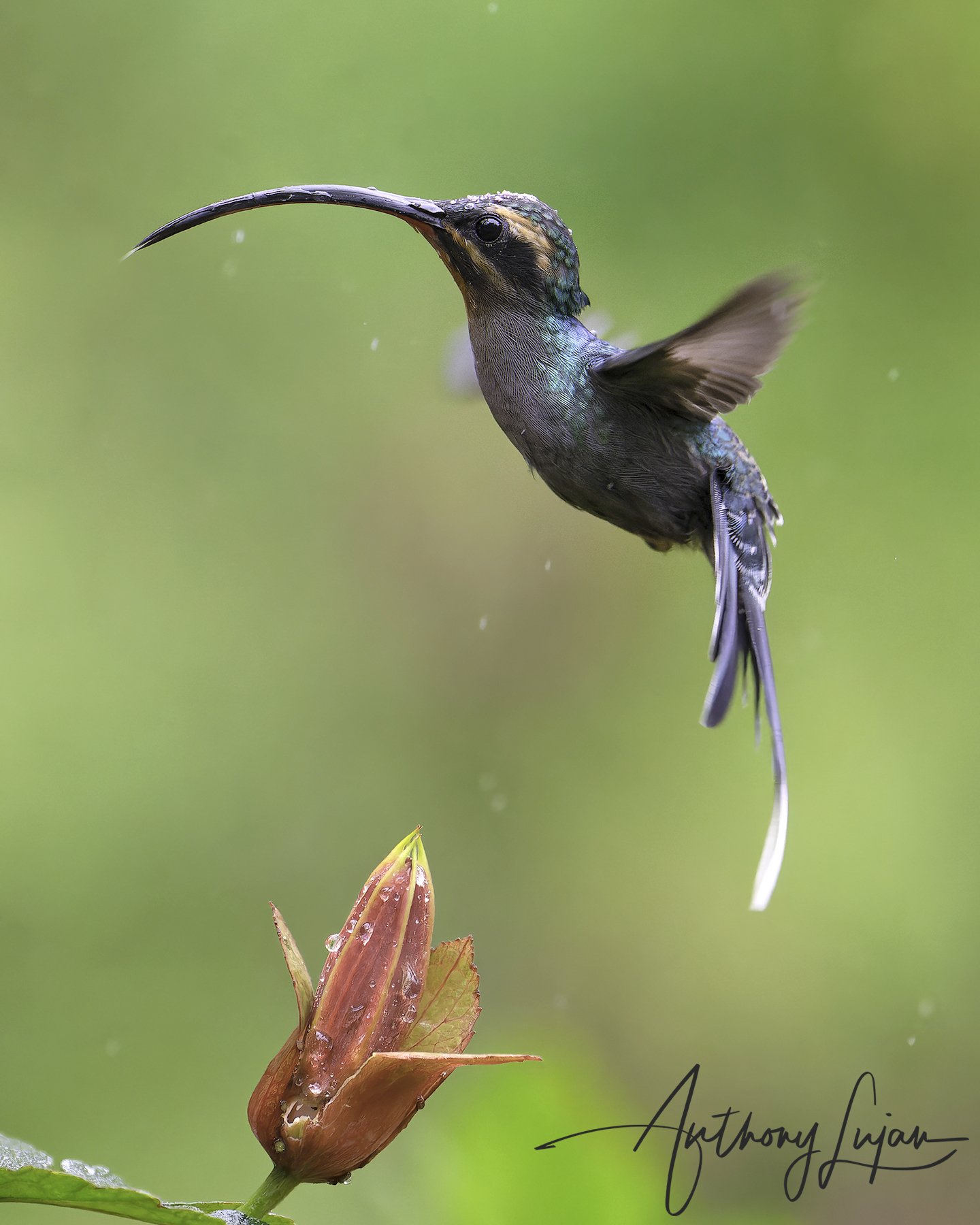
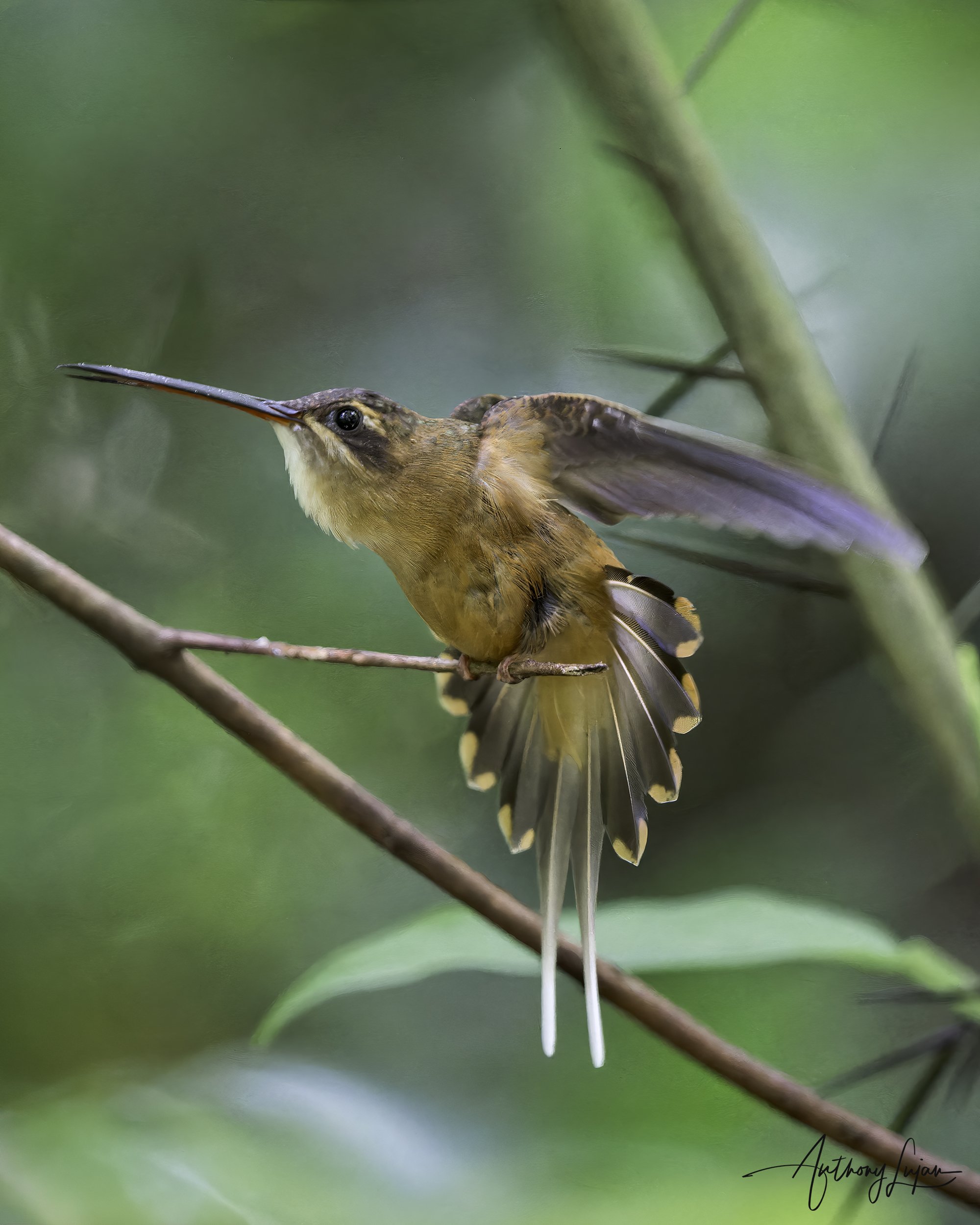
Related species in the Phaethornis genus (27 species total)


Please note: The content provided in this article reflects Anthony’s personal experience and photographic approach. Results can vary depending on light, weather, location, equipment, subject behavior, and field conditions.