
How to Attract Hummingbirds:
Flowers, Feeders, and Garden Tips
Creating a garden that attracts hummingbirds doesn’t require a large space or complicated setup. With the right combination of nectar-rich flowers, properly maintained feeders, and a welcoming habitat, hummingbirds will visit regularly throughout the season.
This guide explains how to attract hummingbirds using the best flowers, feeder practices, water sources, and simple garden techniques.
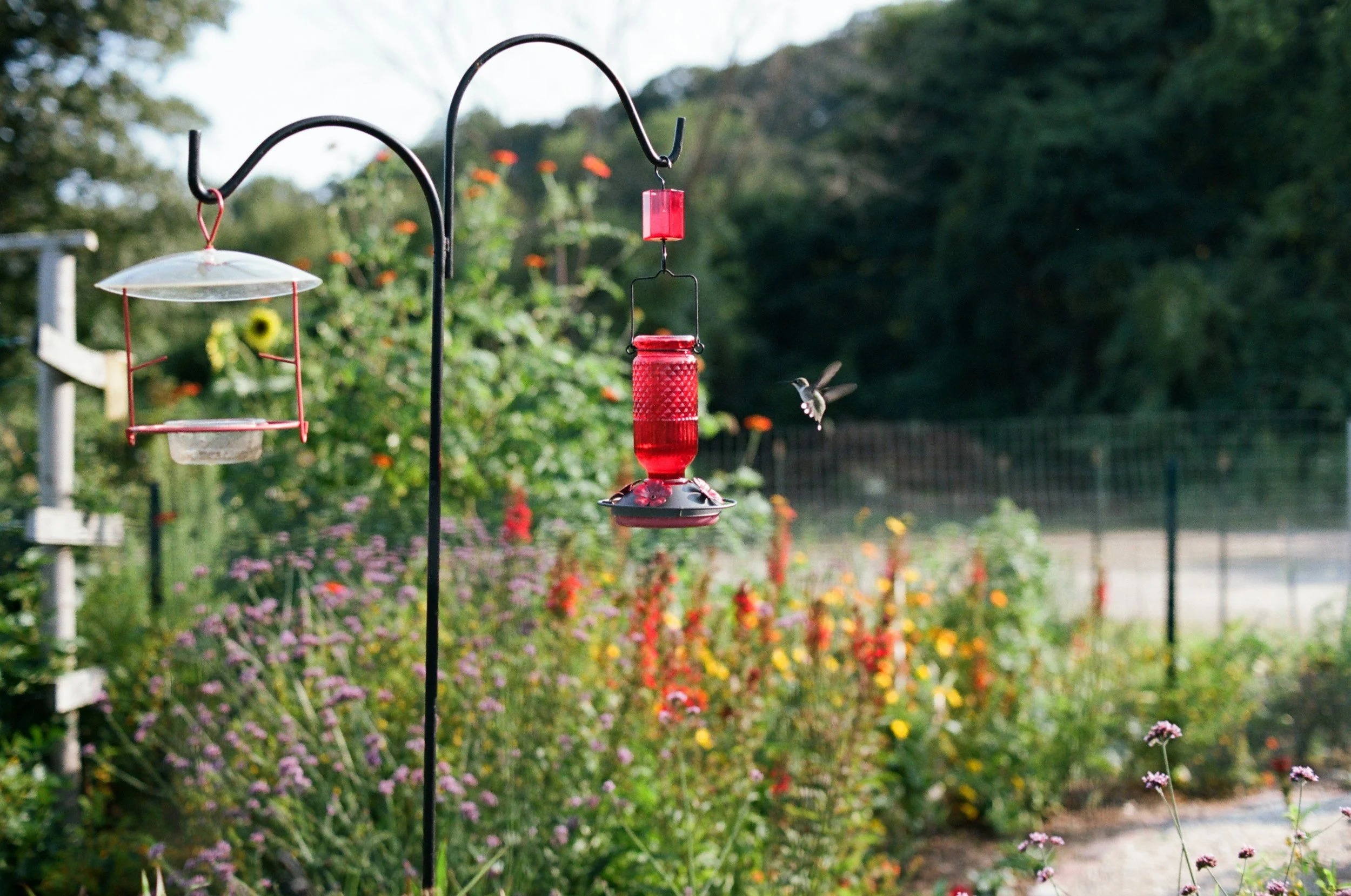
Plant Nectar-Rich Flowers
Planting nectar-rich flowers is one of the best ways to attract hummingbirds. These birds are especially drawn to tubular flowers and bright colors, particularly red, orange, and pink.
The following flowers are among the most reliable plants for attracting hummingbirds to a garden.
Salvia
Salvia is one of the most dependable hummingbird plants. Its tall flower spikes produce abundant nectar and bloom for long periods.
Flower color: Red, purple, pink
Best for: Long blooming nectar source
Growing notes: Thrives in full sun and blooms for long periods.
Bee Balm
Bee balm produces vibrant clusters of tubular flowers that hummingbirds visit frequently and also attracts other pollinators.
Flower color: Red, pink, purple
Best for: Pollinator-friendly gardens
Growing notes: Prefers moist soil and attracts hummingbirds, bees, and butterflies.
Penstemon
Penstemon varieties produce tubular blooms that hummingbirds can easily feed from, and many species tolerate dry climates.
Flower color: Red, pink, purple
Best for: Dry climates and rock gardens
Growing notes: Many species are drought-tolerant and perform well in sunny areas.
Trumpet Vine
Trumpet vine produces large trumpet-shaped flowers filled with nectar that hummingbirds find irresistible.
Flower color: Orange, red
Best for: Strong hummingbird attraction
Growing notes: Vigorous climbing vine that needs space and support.
Cardinal Flower
Cardinal flower is one of the best native plants for attracting hummingbirds with its brilliant red blooms.
Flower color: Bright red
Best for: Native hummingbird gardens
Growing notes: Prefers moist soil and does well in partly sunny locations.
Foxglove
Foxglove produces tall spikes of tubular flowers that hummingbirds can easily feed from.
Flower color: Pink, purple, white
Best for: Tall garden blooms
Growing notes: Often grown as a biennial and adds height to flower beds.
Hibiscus
Hibiscus produces large, colorful blooms that provide nectar in warm climates.
Flower color: Red, pink, yellow
Best for: Warm climates
Growing notes: Large nectar-rich flowers that hummingbirds visit frequently.
Agapanthus
Some varieties of agapanthus produce nectar-rich flowers that hummingbirds occasionally visit.
Flower color: Blue, purple
Best for: Garden borders
Growing notes: Grows best in sunny spots with well-drained soil.
Echeveria
When echeveria blooms, tall flower stalks provide nectar that hummingbirds will feed from.
Flower color: Coral, pink
Best for: Succulent gardens
Growing notes: Needs well-draining soil and should not be overwatered.
Columbine
Columbine produces delicate tubular flowers that are a natural nectar source for hummingbirds.
Flower color: Red, yellow
Best for: Spring nectar source
Growing notes: Prefers partial shade and cooler growing conditions.
Trumpet Honeysuckle
Trumpet honeysuckle is a climbing vine with bright tubular flowers that hummingbirds love.
Flower color: Red, orange
Best for: Climbing vine for hummingbirds
Growing notes: Native vine option that works well on fences or trellises.
Coral Bells
Coral bells produce small bell-shaped flowers that hummingbirds visit in shaded gardens.
Flower color: Pink, red
Best for: Shade gardens
Growing notes: Excellent choice for adding nectar sources to lower-light spaces.
What Colors Attract Hummingbirds
Hummingbirds are strongly attracted to bright colors, especially red, orange, and pink flowers. These colors often signal nectar-rich blooms that hummingbirds rely on for energy.
While red flowers are especially attractive, hummingbirds will also visit purple, yellow, and white flowers if nectar is available.
Planting flowers with a variety of colors can help create a garden that hummingbirds visit frequently.
Explore More Hummingbird-Friendly Plants
Learn more about specific hummingbird plants in these guides:
Attract Hummingbirds with Foxglove Flowers
Why Echeveria Is Ideal for Hummingbird Lovers
Draw Hummingbirds to Your Desert Garden With These Top 5 Plants
How to Attract Hummingbirds with Ever Sapphire Agapanthus
Attract Hummingbirds with Hibiscus Flowers
Hummingbird feeders can supplement natural nectar sources, especially during migration or when flowers are not blooming.
Use Hummingbird Feeders Correctly
Feeders provide a reliable nectar source, especially during migration or when natural flowers are scarce.
The most important factors include using the correct nectar mixture, cleaning feeders regularly, and placing them where hummingbirds can easily find them.
Helpful guides:
Wrong Sugar in Your Hummingbird Feeder? Learn Why It Matters
Top Hummingbird Feeders for a Buzzing Backyard
Encourage Continuous Flower Blooms
A garden that produces blooms throughout the growing season will attract hummingbirds longer.
Simple practices such as pruning and deadheading flowers encourage plants to produce additional blooms and nectar.
Learn more:
Attract More Hummingbirds by Deadheading Flowers
Choose Plants That Fit Your Climate
The best hummingbird plants often depend on your local climate and growing conditions.
For example, desert gardens benefit from drought-tolerant plants that still produce nectar-rich blooms, while warm climates may support hibiscus and other tropical flowers.
Helpful resource:
Draw Hummingbirds to Your Desert Garden With These Top 5 Plants
Provide Perches and Shelter
Hummingbirds need places to rest between feeding sessions. Small branches, shrubs, or garden structures provide perches where hummingbirds can watch their territory and conserve energy.
Provide a Fresh Water Source
Hummingbirds need more than nectar. A fresh water source gives them a place to drink and bathe, especially during hot weather. Moving water is usually more effective than still water, so features like a bubbling fountain, mister, or slow-moving water feature can make your garden even more attractive to hummingbirds.
A simple water source can also support other backyard birds and pollinators, making your garden more active and wildlife-friendly overall.
Maintain a Safe and Eco-Friendly Hummingbird Garden
A hummingbird-friendly garden should also minimize risks.
Helpful practices include:
• avoiding pesticides
• keeping feeders clean
• providing natural nectar sources
• maintaining diverse flowering plants
A healthy garden ecosystem supports both hummingbirds and the insects they rely on for protein.
Certify Your Garden as a Certified Hummingbird Haven
For gardeners who want to build a more complete hummingbird habitat, the International Hummingbird Society offers a Certified Hummingbird Haven program. It’s built around the same core elements that make a hummingbird garden successful: nectar sources, water, shelter, and a clean, eco-friendly environment.
Frequently Asked Questions
Attracting hummingbirds to your garden can raise questions about flowers, feeders, and the best ways to keep them coming back. Here are some common questions people ask about creating a hummingbird-friendly garden.
-
Some of the best flowers for attracting hummingbirds include salvia, bee balm, penstemon, trumpet vine, and cardinal flower.
-
Hummingbirds are especially attracted to red, orange, and pink flowers.
-
Hummingbirds prefer natural nectar from flowers but will visit feeders regularly.
-
If nectar sources are visible, hummingbirds may discover a garden within days.
-
Feeders can be placed outside a few weeks before hummingbirds typically arrive during spring migration.
-
Yes. Even small gardens with nectar-rich flowers or feeders can attract hummingbirds.
-
Many hummingbirds return to reliable feeding areas year after year.
-
Native plants are often the best choice because they evolved alongside local hummingbird species.
-
Yes. Hummingbirds use fresh water for drinking and bathing. Moving water such as a bubbling fountain, mister, or slow-moving feature is especially attractive.
-
Yes. The International Hummingbird Society offers a Certified Hummingbird Haven program for gardens that provide food, water, shelter, and an eco-friendly habitat.