
Hummingbird FAQs:
Answers to the Most Common Questions About Hummingbirds
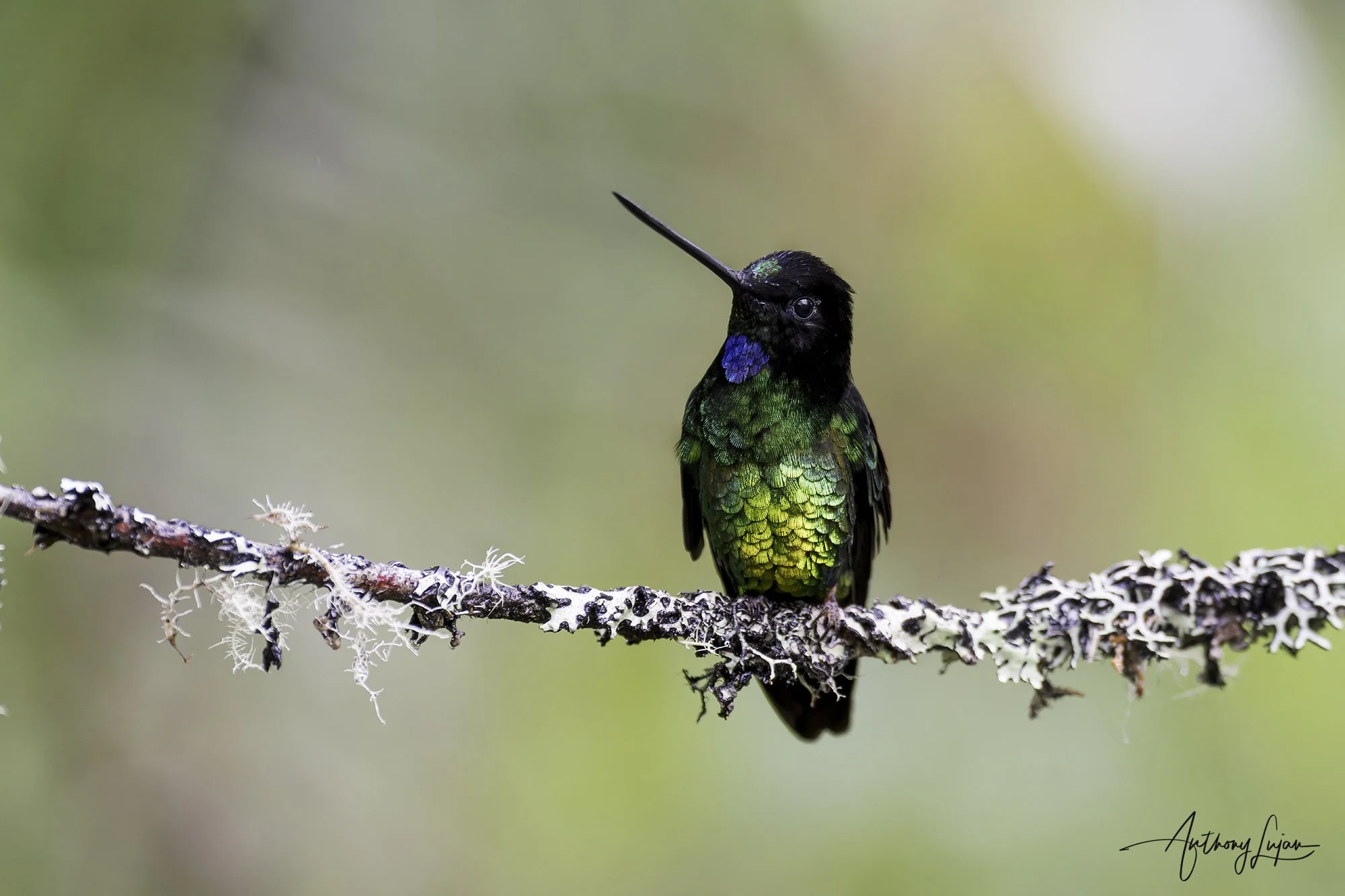
This FAQ page is built to answer the questions people ask most about hummingbirds, from feeding and nesting to migration, behavior, and identification. Whether you're trying to solve a backyard feeder problem or learn more about how hummingbirds live, you'll find clear answers organized by topic.
Use the sections below to explore common hummingbird questions about feeders, flowers, gardens, nests, species, and more.
Hummingbird Behavior Questions
-
Hummingbirds chase each other mainly to defend territory and food sources such as flowers or feeders.
-
They are highly territorial birds and protect feeding areas that provide important energy.
-
Feeders concentrate nectar in one location, which makes them valuable resources that hummingbirds try to defend.
-
Tail flicking can signal alertness, territorial behavior, or communication with other birds.
-
Hummingbirds can remember reliable food sources and may recognize people who regularly refill feeders.
-
Yes. At night hummingbirds enter torpor, a deep rest state that conserves energy.
-
They lower their body temperature and metabolism through torpor.
-
No. Adult hummingbirds typically sleep perched on branches.
-
Most species fly between 20–30 mph, but during courtship dives speeds can exceed 60 mph.
-
Their wings rotate in a figure-eight motion that creates lift on both strokes.
-
Yes. They are the only birds capable of sustained backward flight.
-
Hummingbirds may feed dozens or even hundreds of times per day.
-
Yes. Their memory helps them revisit reliable nectar sources.
Hummingbird Feeding Questions
-
Hummingbirds primarily consume nectar from flowers and feeders, along with small insects and spiders for protein.
-
Mix 1 part white sugar with 4 parts water.
Example: 1 cup of sugar and 4 cups of water -
No. Honey can grow harmful fungus in feeders.
-
Hummingbirds rely mostly on vision rather than smell to find nectar.
-
No. Artificial dyes are unnecessary and may be harmful.
-
Feeders should be cleaned every time they are refilled.
-
Every 1–2 days in hot weather and every 3–5 days in cooler temperatures.
-
Leaking nectar or overly sweet mixtures can attract bees and insects.
-
They prefer natural nectar but use feeders as supplemental food sources.
-
Nearby flowers blooming, migration timing, or dirty feeders may cause them to leave.
-
They usually obtain water through nectar and insects but may occasionally drink from water sources.
-
Yes. Hummingbirds sometimes bathe or drink from mist or fountains.
Hummingbird Garden Questions
-
Salvia, bee balm, penstemon, trumpet vine, and cardinal flower are excellent choices.
-
Red, orange, and bright pink flowers are particularly attractive.
-
Yes. Hibiscus flowers provide nectar and large blooms for easy feeding.
-
Some succulents like echeveria and aloe attract hummingbirds when they bloom.
-
Yes. Foxglove produces tubular blooms hummingbirds can easily feed from.
-
Yes. Certain agapanthus varieties produce nectar-rich flowers.
-
Deadheading encourages plants to produce more blooms.
-
Yes. Many species thrive in desert environments with nectar plants.
-
Chuaparosa, desert sage, ocotillo, and penstemon work well.
-
Native plants are often the best because they evolved with local hummingbird species.
-
Yes. Hummingbirds can see ultraviolet light in addition to normal colors.
Hummingbird Nesting Questions
-
They typically build nests on small branches or shrubs.
-
Most nests are about the size of a walnut.
-
Plant fibers, moss, lichen, and spider silk.
-
Spider silk helps hold the nest together and allows it to stretch.
-
Most hummingbirds lay two eggs per clutch.
-
They are about the size of a jelly bean.
-
Eggs typically hatch in 14–18 days.
-
About three weeks before they fledge.
-
No. Females handle nesting and feeding duties.
-
Sometimes they rebuild on top of an old nest.
-
Predators include snakes, cats, and larger birds.
Hummingbird Species
& Identification Questions
-
Scientists recognize over 360 hummingbird species.
-
They are found only in the Americas.
-
The Bee Hummingbird of Cuba.
-
The Giant Hummingbird.
-
A species found only in a specific geographic region.
-
Yes. Hybrid hummingbirds occur when two species interbreed.
-
They share very similar coloring and body shape.
-
Yes. Males usually have brighter throat feathers called gorgets.
-
Some species face threats due to habitat loss.
-
New research and genetic studies sometimes split species.
Hummingbird Migration Questions
-
Place feeders out a few weeks before hummingbirds arrive in spring.
-
Arrival typically occurs between March and May, depending on location.
-
Migration usually begins between August and October.
-
Some species travel over 2,000 miles.
-
Yes. Most hummingbirds migrate individually.
-
Many return to the same gardens or feeders annually.