
Buff-bellied Hummingbird
Scientific name: Amazilia yucatanensis
The Buff-bellied Hummingbird is a medium-sized hummingbird of coastal woodlands, thickets, and gardens from the Gulf Coast of the United States south through eastern Mexico and the Yucatán Peninsula. It is currently listed as Least Concern, with an estimated 610,000 mature individuals, but the overall population trend is considered unknown and the species is treated as a full migrant.
At a Glance
Family: Trochilidae (hummingbirds)
Clades: Trochilini – Emeralds
Genus group: Amazilia — medium-sized “emerald” hummingbirds (5 species on this site)
Range: Gulf Coast of the United States (especially southeastern Texas) south through northeastern Mexico and along the Gulf slope to the Yucatán Peninsula, northern Belize, and northwestern Guatemala.
Habitat: Coastal woodlands, thorn scrub, forest edges, second growth, and gardens and parks with flowering shrubs and trees.
Elevation: Primarily lowlands and foothills along the Gulf slope and Yucatán region.
Length: 10–11 cm (3.9–4.3 in).
Weight: About 2.5–5 g (0.1–0.2 oz).
Number of mature individuals: 610,000.
Population trend: Unknown.
Status: Least Concern (IUCN Red List category).
Migration: Full migrant.
Name Origin
The genus name Amazilia comes from a character in an 18th‑century French novel, later adopted by ornithologists for this group of emerald hummingbirds. The species name yucatanensis refers to the Yucatán Peninsula, which holds a core portion of the species’ range. The English name “Buff-bellied Hummingbird” highlights the warm buff to rufous coloration on the belly that contrasts with the green upperparts.
Taxonomy & Distribution
Amazilia yucatanensis
This species belongs to the “emerald” clade of hummingbirds (tribe Trochilini) and is widely distributed along the Gulf of Mexico slope and in the lowlands of the Yucatán Peninsula. It is recognized as a distinct species with three subspecies that differ primarily in geographic range and subtle plumage and structural traits.
Subspecies and Distribution
Buff-bellied Hummingbird has three recognized subspecies.
Amazilia yucatanensis yucatanensis (Yucatán)
This nominate subspecies occurs in southeastern Mexico, including Tabasco, Campeche, and Yucatán, extending into northern Belize and northwestern Guatemala. It inhabits coastal woodlands, thickets, forest edges, and gardens, and birds from this population are occasionally reported north into the Gulf Coast of Texas during the nonbreeding season.Amazilia yucatanensis chalconota (Northern)
This subspecies breeds in southeastern Texas in the United States and south through northeastern Mexico, from Tamaulipas and Nuevo León south to San Luis Potosí and northern Veracruz. It uses coastal and near‑coastal woodlands, brushlands, and gardens, and individuals from these breeding areas undertake migratory movements along the Gulf Coast as part of the species’ full‑migrant behavior.Amazilia yucatanensis cerviniventris
This subspecies occurs along the eastern slope of Mexico in Veracruz, Puebla, and northwestern Chiapas. It occupies lowland and foothill habitats along the Gulf slope, including forest edges, second growth, and human‑altered landscapes with flowering trees and shrubs.
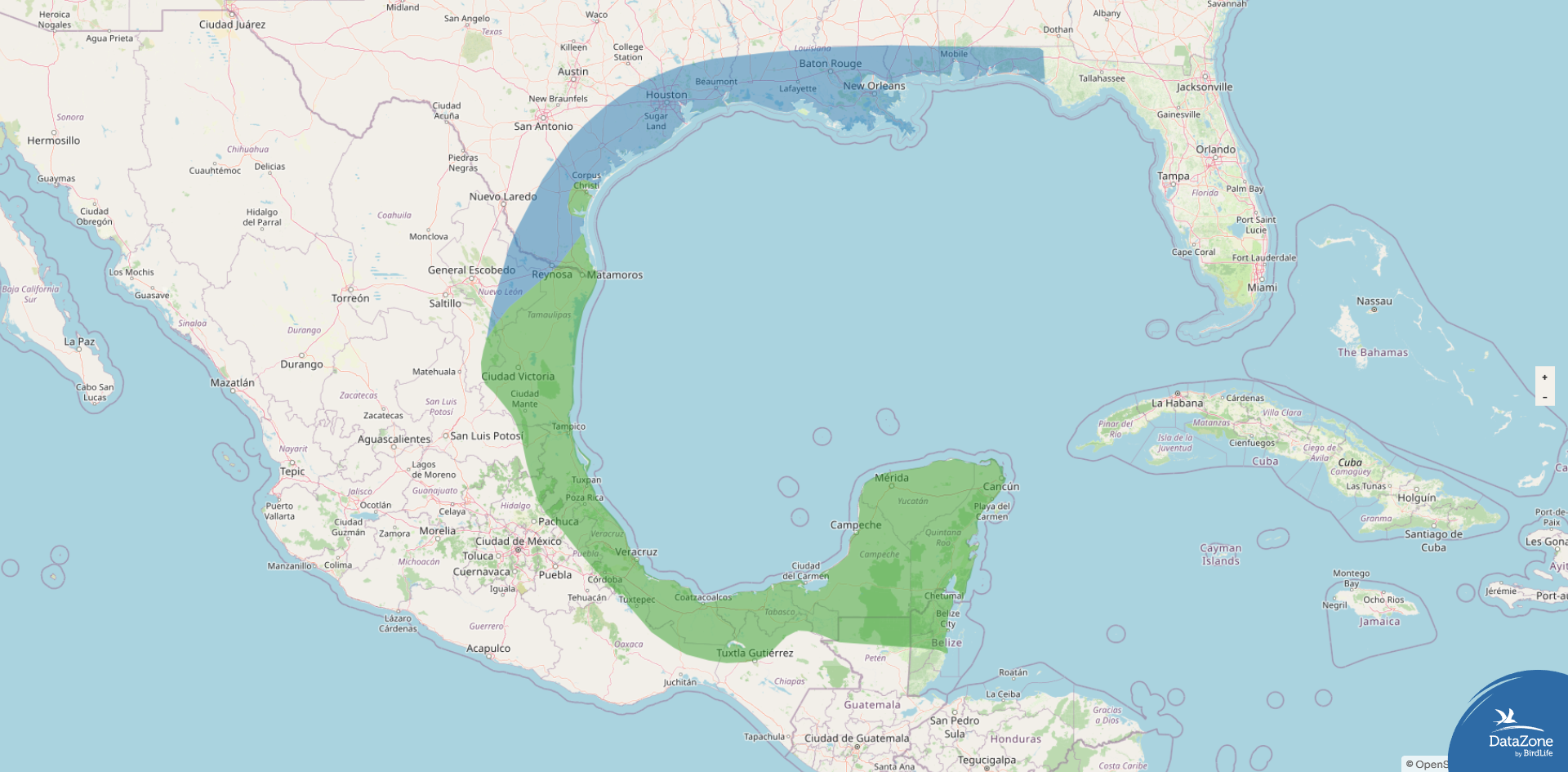
Legend
Green Resident
Blue Non-breeding
Species Overview
The Buff-bellied Hummingbird is a medium-sized emerald hummingbird with bright green upperparts, a warm buff to rufous belly, and a relatively long, straight bill. It is often associated with dense coastal thickets, woodland edges, and gardens along the Gulf Coast and into eastern Mexico and the Yucatán. Its partial northward dispersal along the U.S. Gulf Coast after breeding makes it an especially interesting migrant among North American hummingbirds.
Male Description
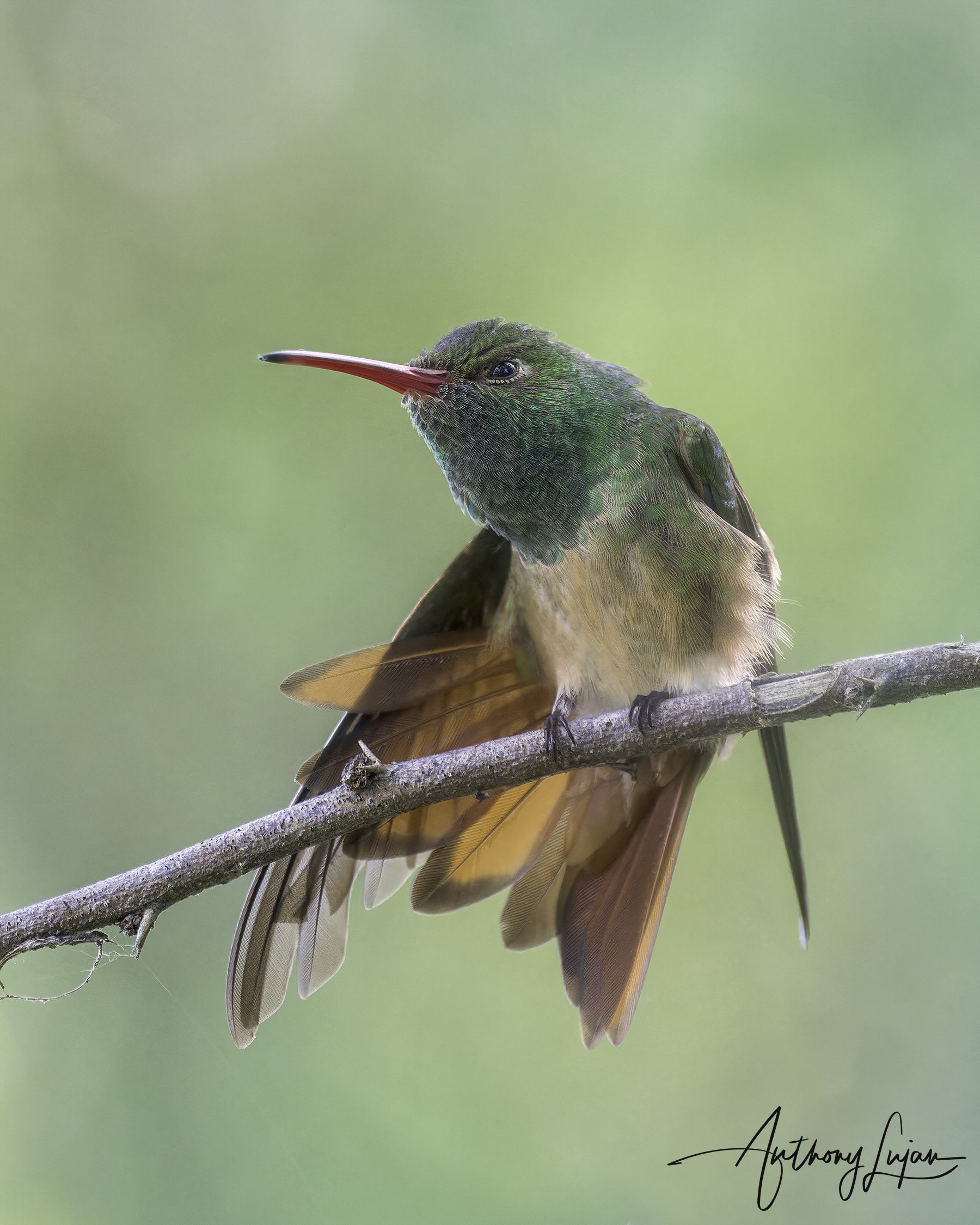
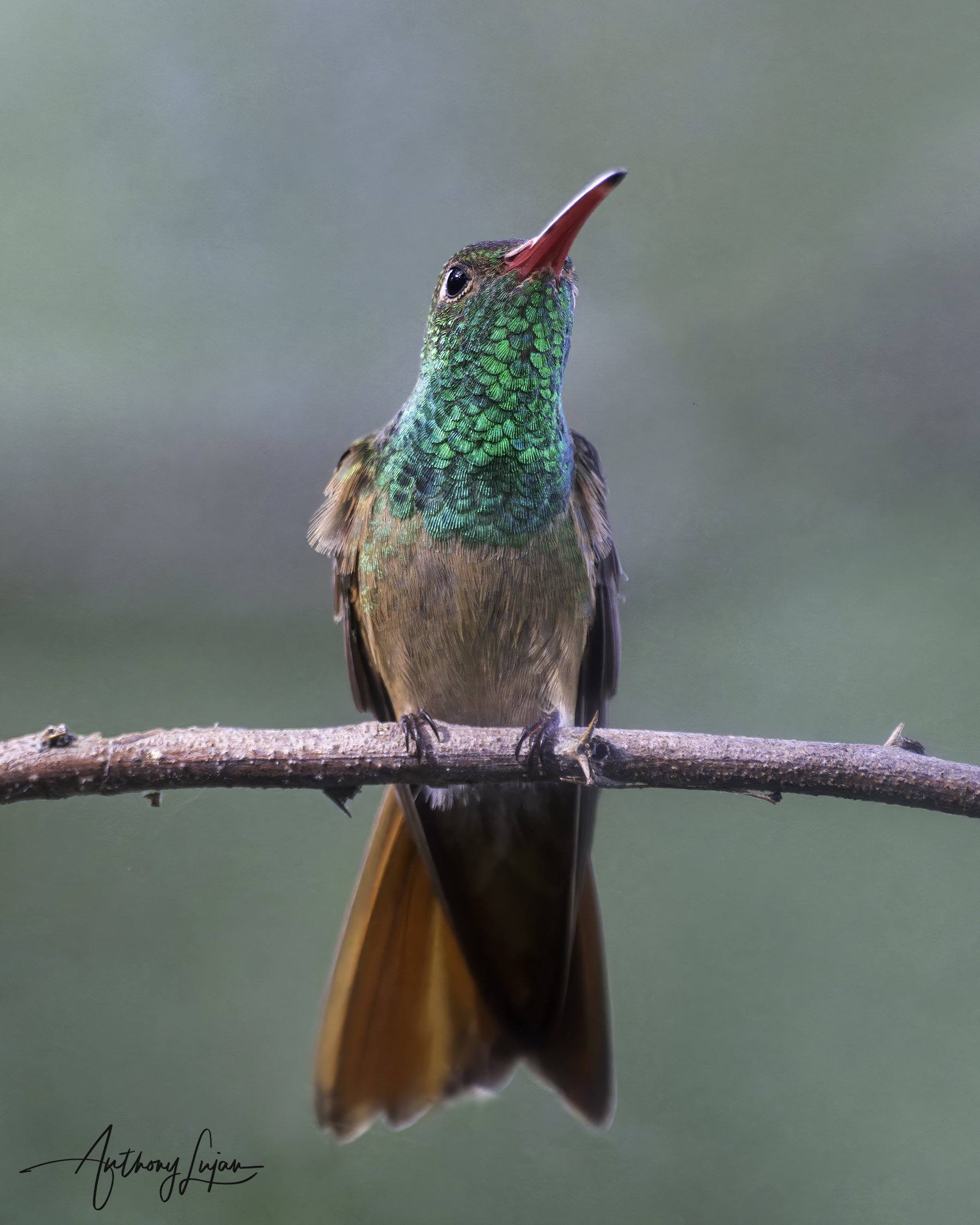
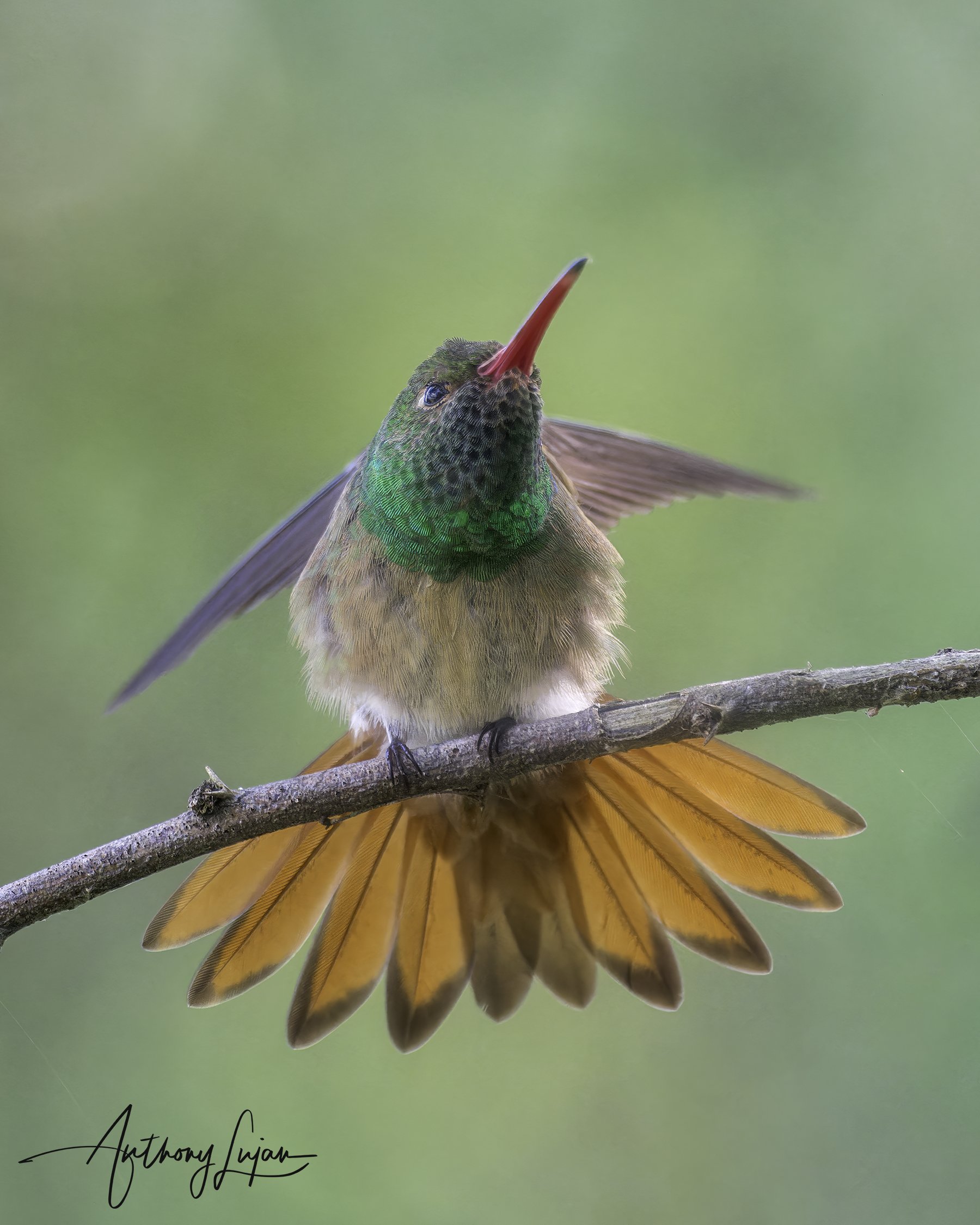
Adult males show metallic green upperparts and chest, a buff to rufous belly, and a slightly forked tail that often shows rufous tones with darker tips. The bill is long and mostly reddish with a darker tip, standing out against the green head and face. In good light, males have a bright green breast and head contrasting with the warm buff belly and more rufous tail.
Female Description
Females resemble males in overall pattern but may appear slightly duller, with less intense green and somewhat less saturated buff on the belly. The tail pattern is similar, though sometimes with less contrast, and the bill shape and coloration are essentially the same. Juveniles are duller and may show more mottling on the underparts and a less crisp separation between the green chest and buff belly.
Habitat & Behavior
Buff-bellied Hummingbirds use coastal woodlands, thorn scrub, forest edges, second growth, and gardens along the Gulf Coast and in eastern Mexico and the Yucatán Peninsula. They feed on nectar from a variety of flowering shrubs, trees, and herbaceous plants, and they readily visit feeders in yards and gardens. Like many medium-sized hummingbirds, they can be assertive around rich nectar sources, chasing away smaller species, and they also take small insects for protein.
Breeding
Breeding occurs in suitable habitats within the species’ range, including southeastern Texas and the Gulf slope of Mexico and the Yucatán Peninsula. The female builds a small cup nest of plant fibers and spiderweb, often decorated with lichens or moss on the outside, and usually places it on a horizontal branch or in a fork a modest distance above the ground. She lays two white eggs and alone carries out incubation and chick‑rearing, as is typical for hummingbirds.
Population
With an estimated 610,000 mature individuals, Buff-bellied Hummingbird has a moderate but significant global population. Despite this, the overall population trend is classified as unknown, in part because the species is spread across multiple countries and includes migratory and resident components that are not yet fully quantified.

Conservation
Buff-bellied Hummingbird is currently listed as Least Concern. Its use of a variety of semi‑open habitats, including gardens and second growth, suggests a degree of tolerance for human‑modified landscapes, though continued loss and degradation of coastal woodlands and thickets could affect local populations. Maintaining flowering shrubs and trees, preserving coastal and near‑coastal habitats, and protecting migration stopover sites along the Gulf Coast all help support this migratory species.
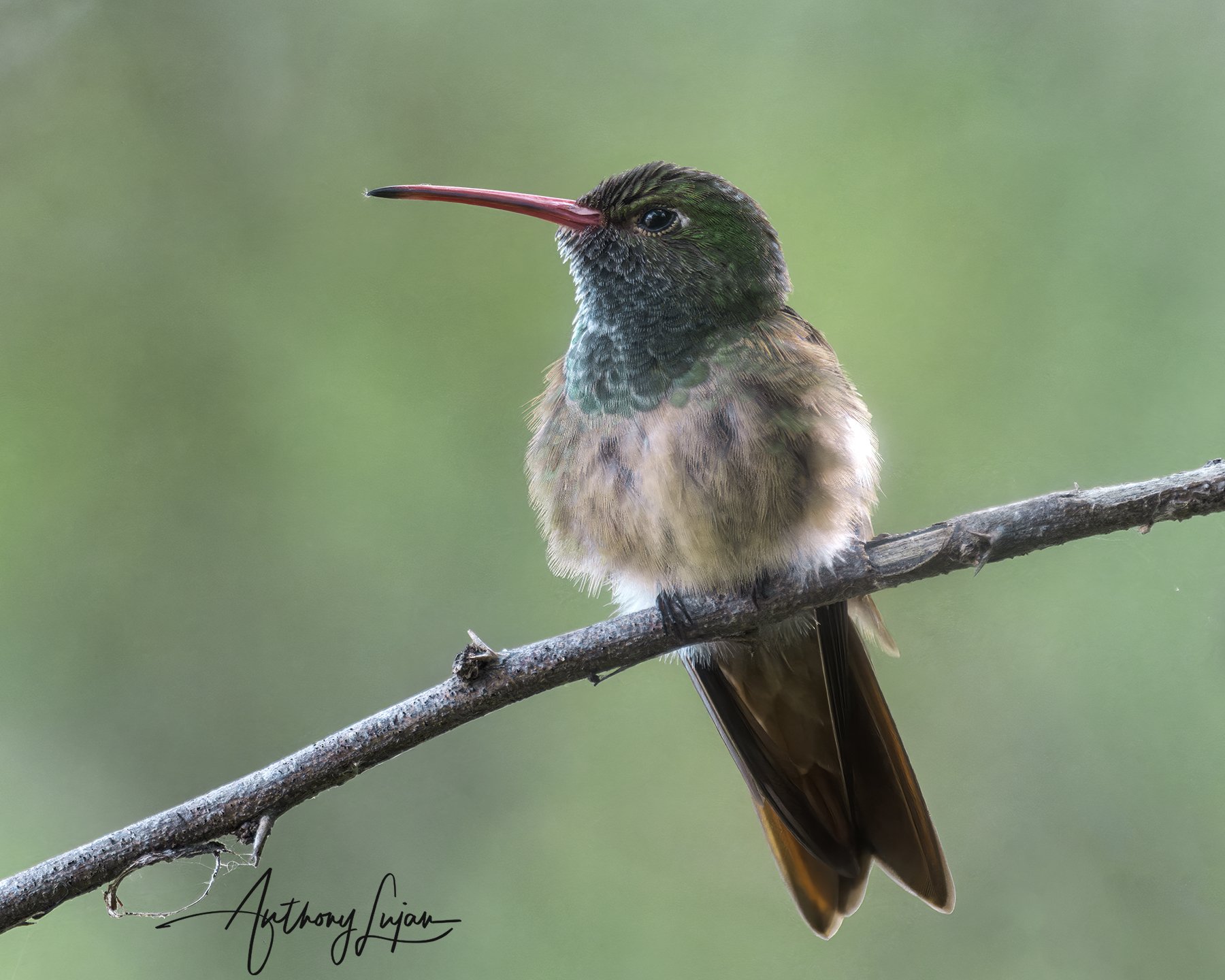
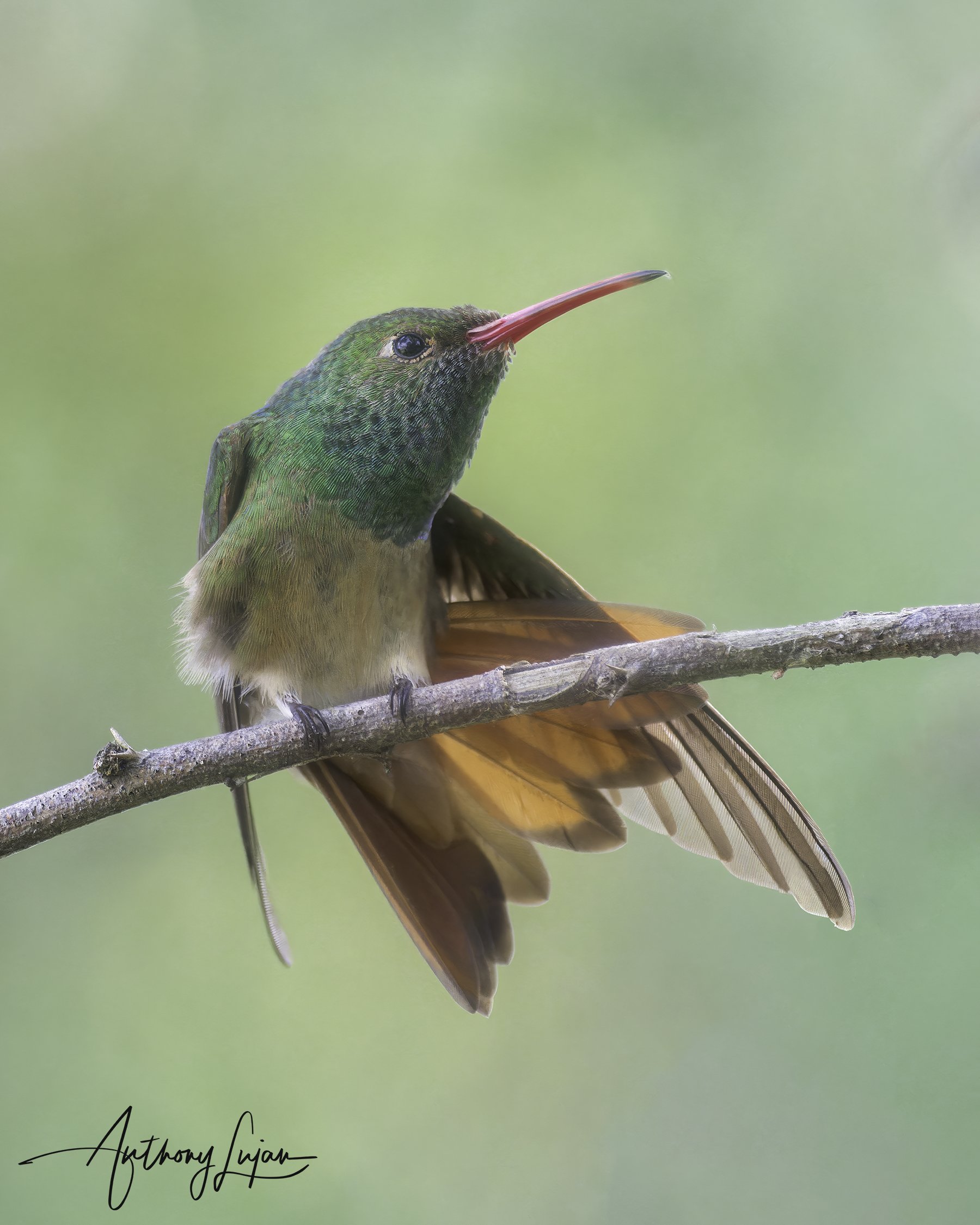
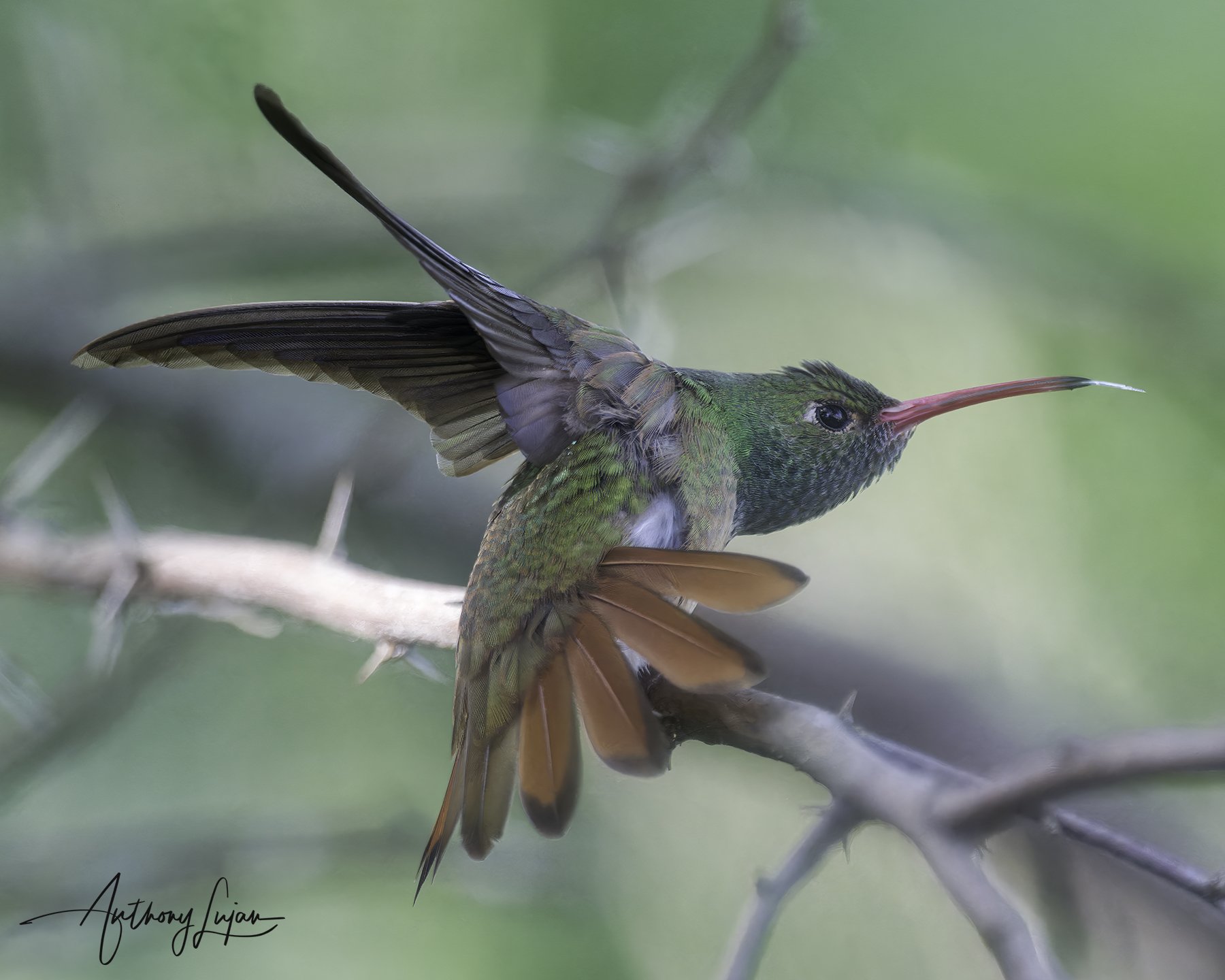
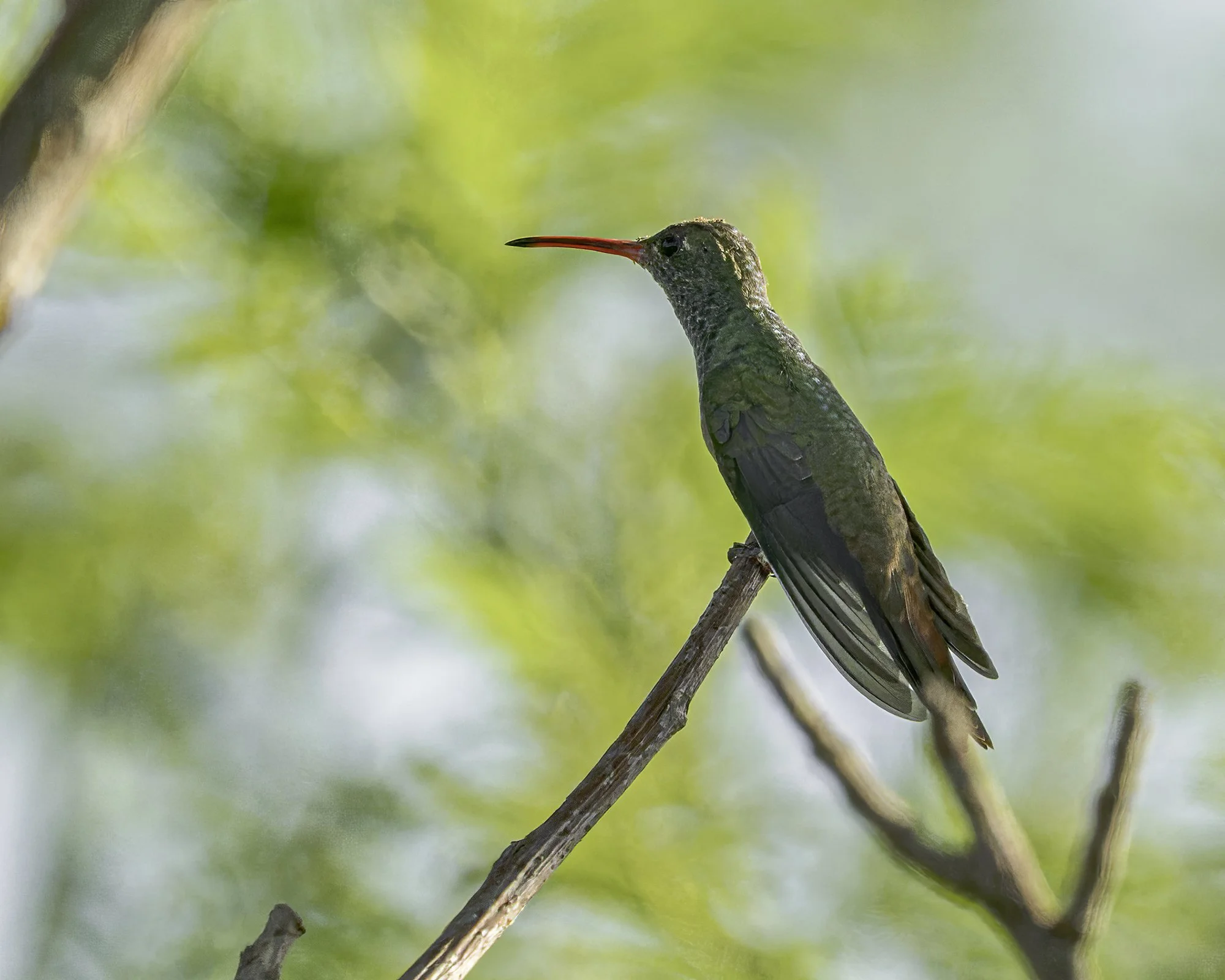
Below is the Buff-bellied Hummingbird (Amazilia yucatanensis chalconota)
Photographed at Edinburg Scenic Wetlands WBC, Hidalgo, Texas, United States
This individual belongs to the subspecies chalconota, which occurs along the Gulf Coast from southern Texas through northeastern Mexico to northern Veracruz. It inhabits subtropical scrub, thorn forest, and coastal woodland, especially areas with flowering shrubs and trees.
The Buff-bellied Hummingbird is medium-sized with metallic green upperparts, cinnamon-rufous tail, and buff underparts. The northern form chalconota tends to be slightly paler below and brighter green above than the southern form. It is a common visitor to flowering shrubs, agaves, and garden feeders.
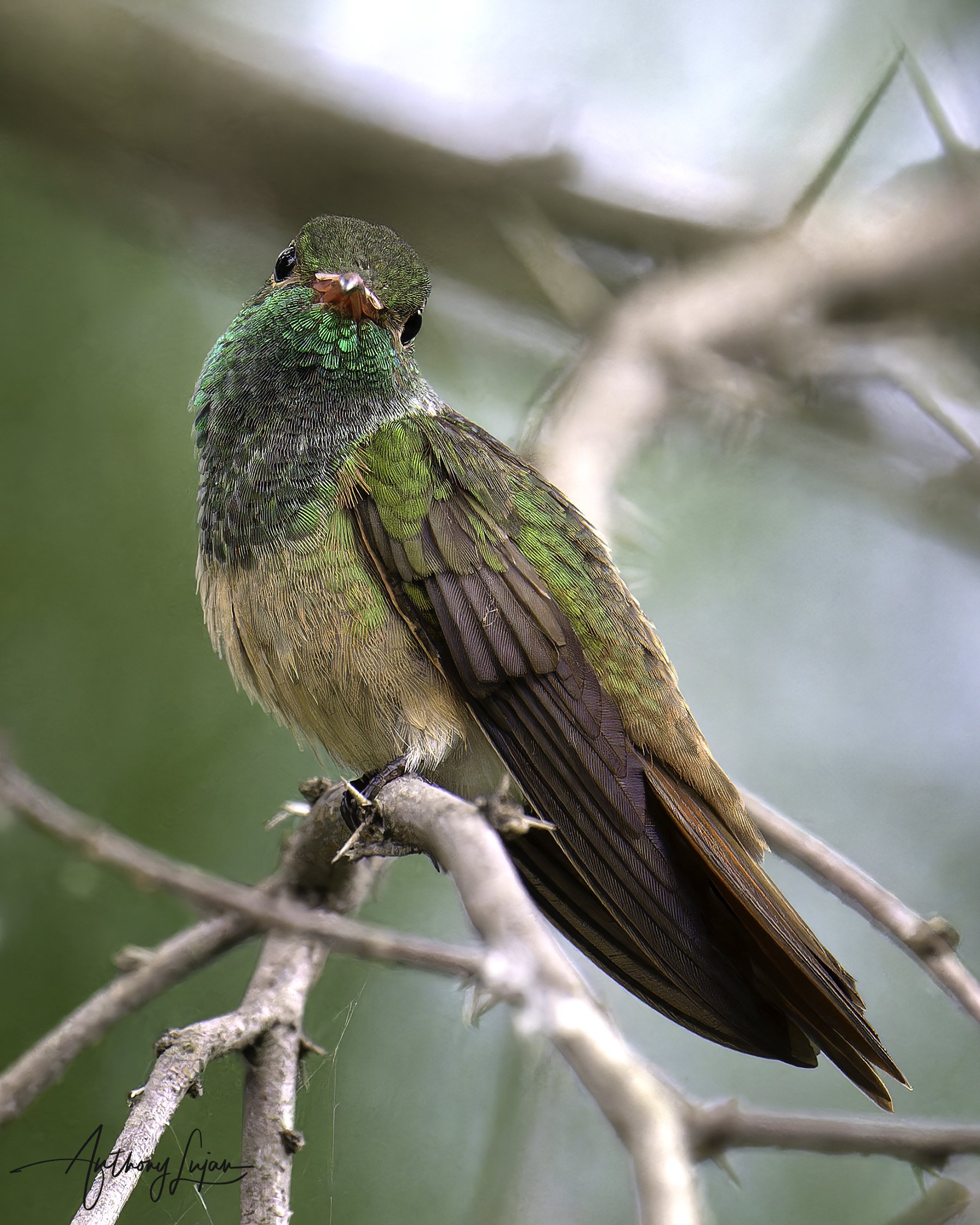
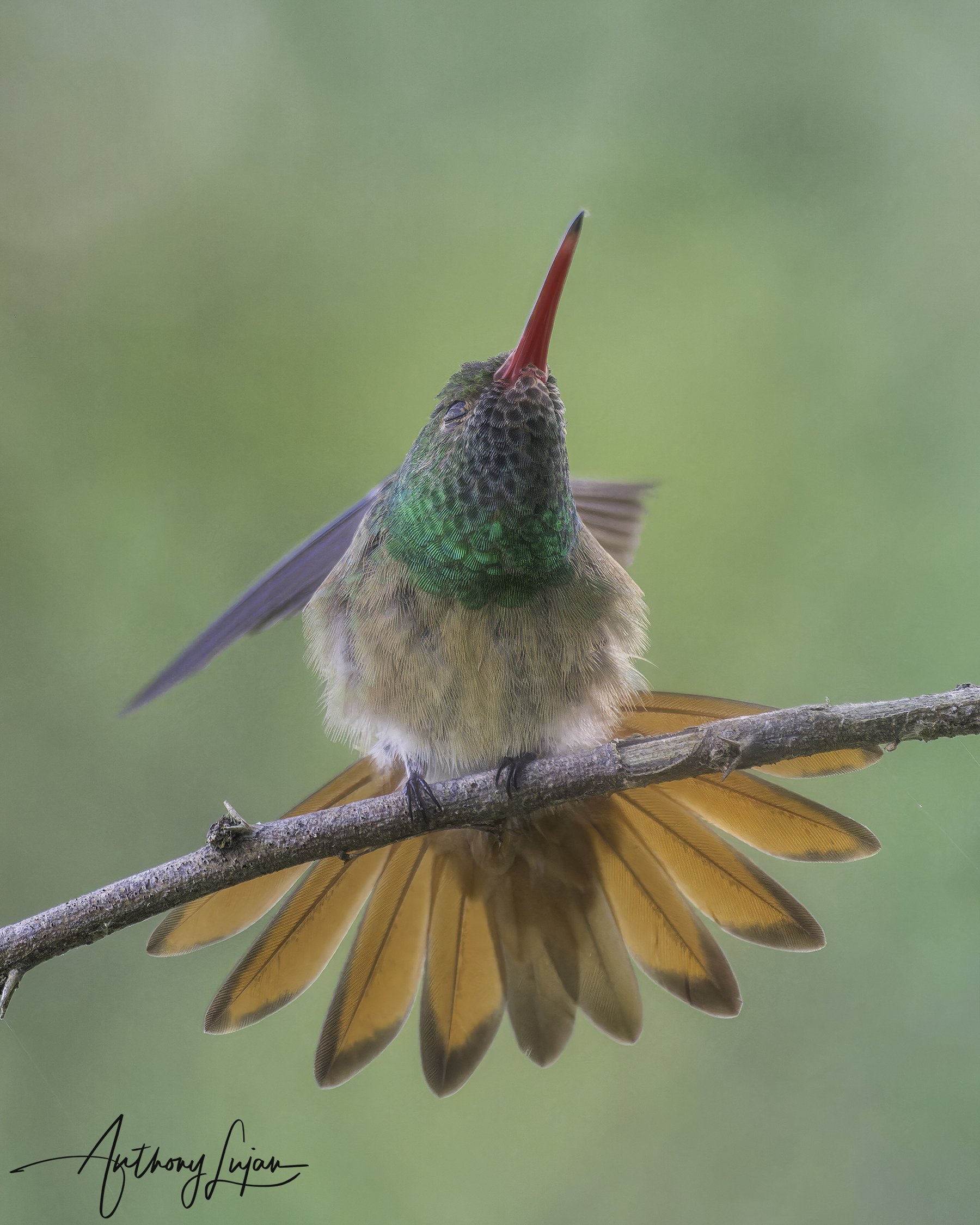
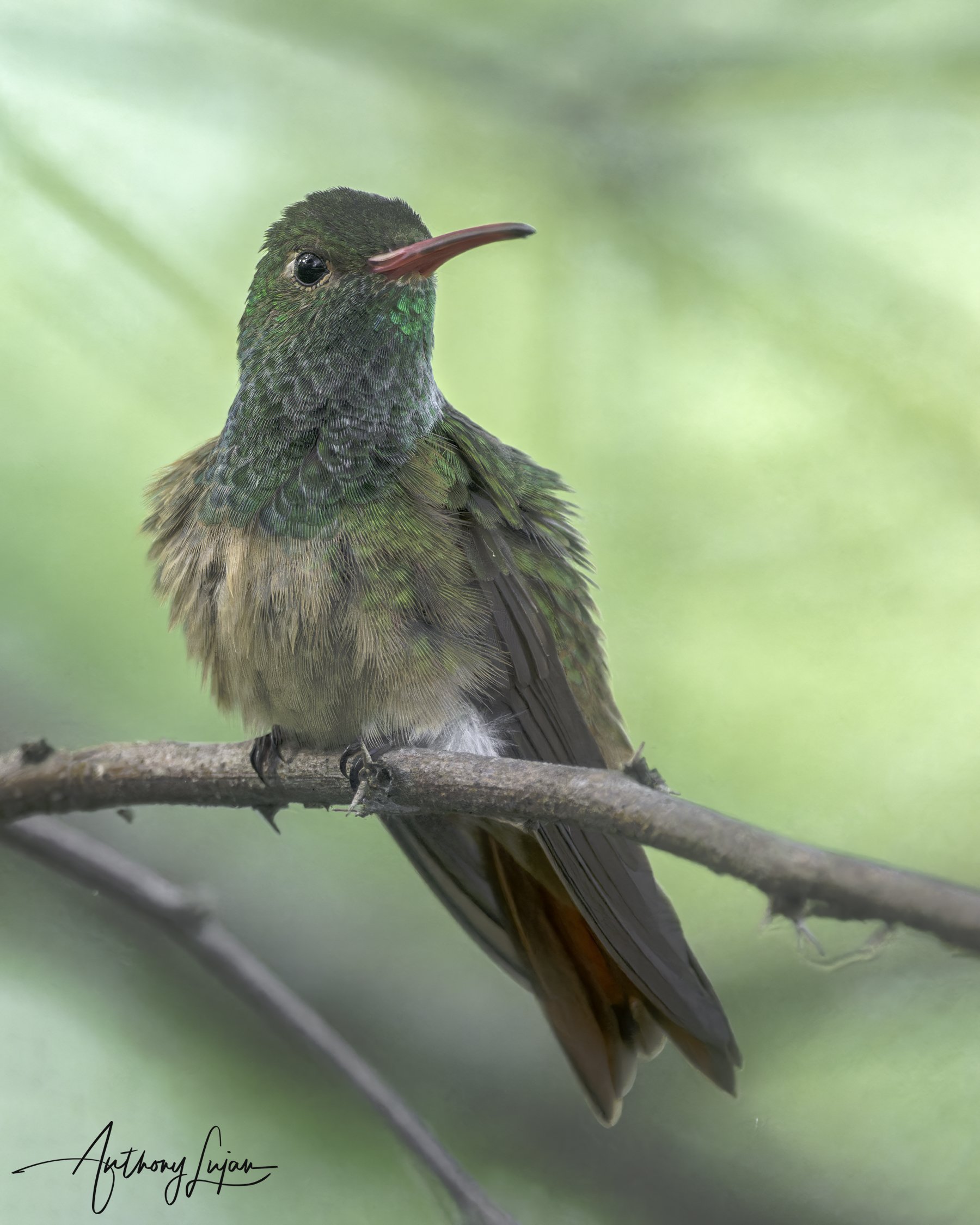
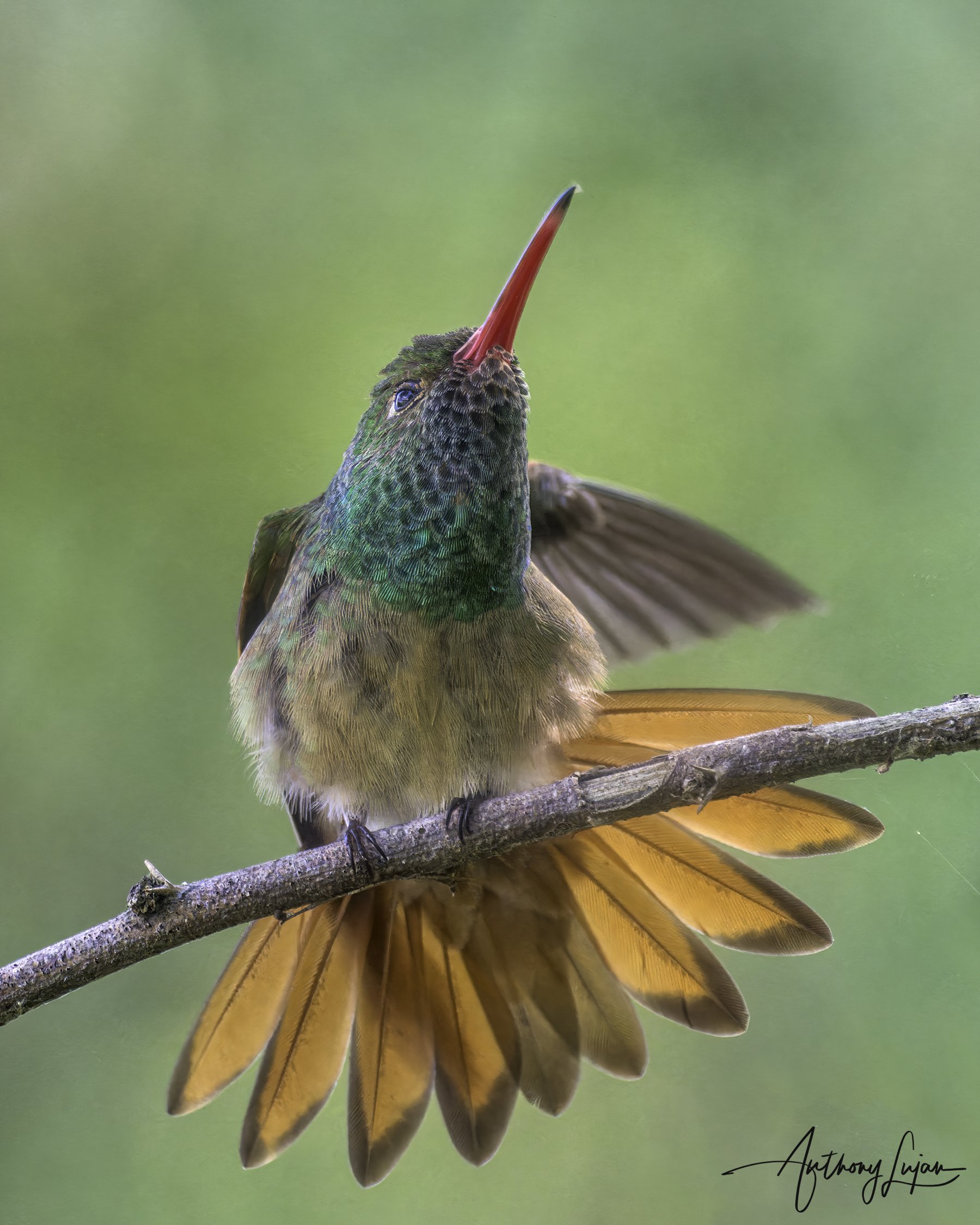
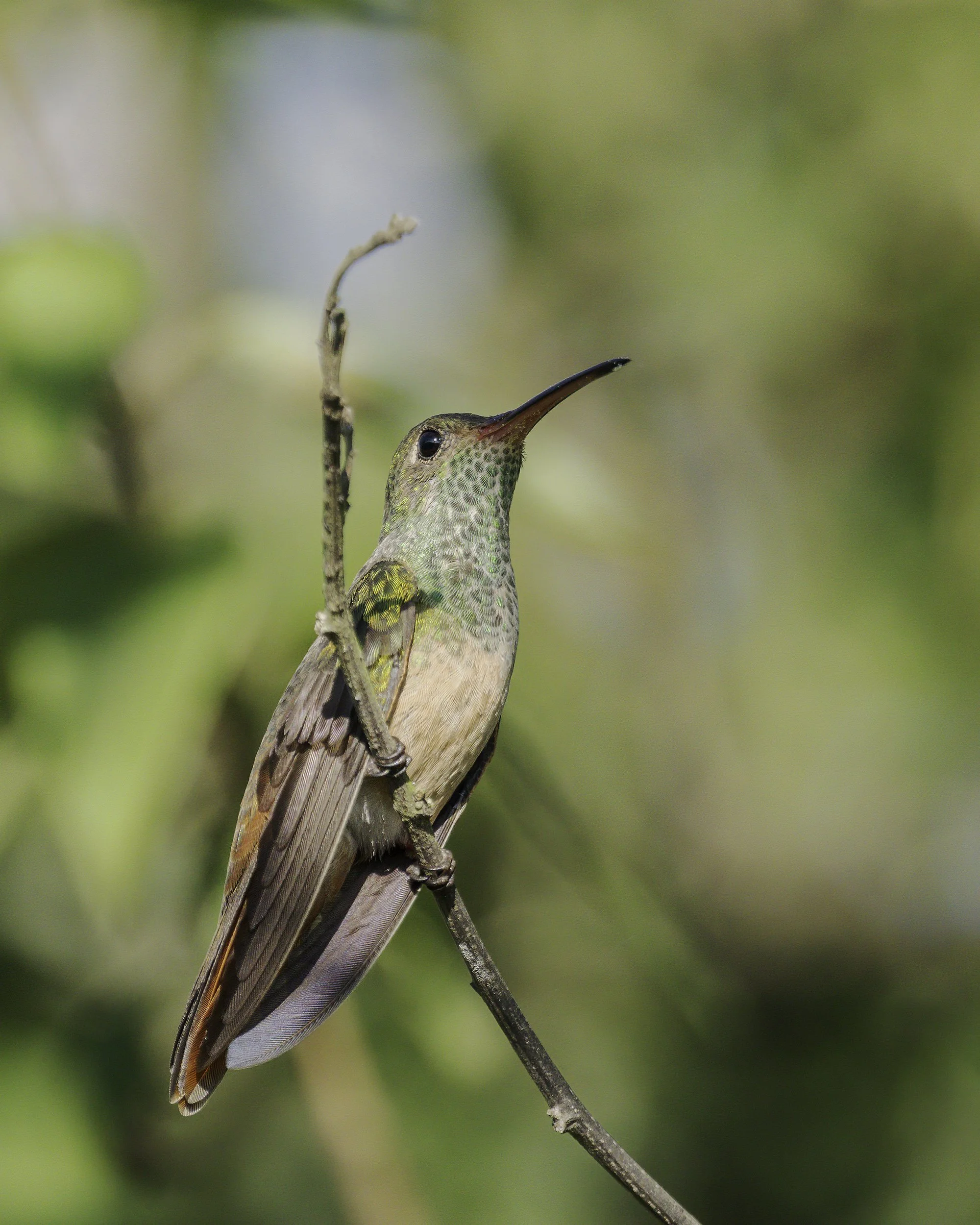
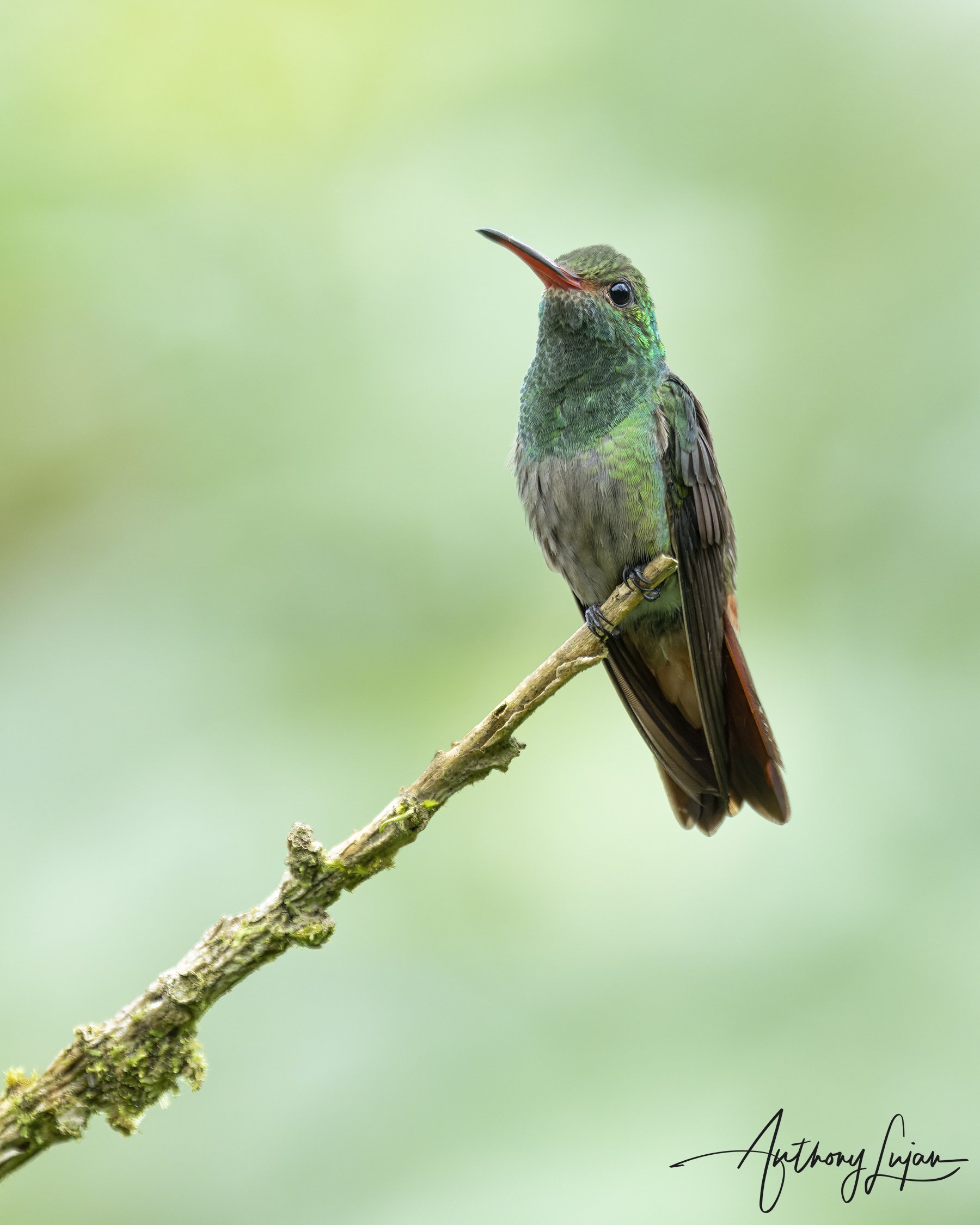
Below is the Buff-bellied Hummingbird (Amazilia yucatanensis yucatanensis)
Photographed in Chavarrillo and Reserva Natural Doricha, Emiliano Zapata, and Playa Juan Ángel – Desembocadura Río San Isidro, Ursulo Galván, Veracruz, Mexico
These individuals belong to the subspecies yucatanensis, which occurs from central and southern Veracruz south through Tabasco, Campeche, and the Yucatán Peninsula. It inhabits semi-open forest, plantations, and coastal scrub, often in areas with flowering Inga and Erythrina trees.
This form is slightly darker and richer in tone than northern birds, with a deeper buff belly and more rufous in the tail. It is active, territorial, and often vocal while defending feeding territories around flowering trees and garden patches.
Related species in the Amazilia genus (5 species in total):

Please note: The content provided in this article reflects Anthony’s personal experience and photographic approach. Results can vary depending on light, weather, location, equipment, subject behavior, and field conditions.