
Bee Hummingbird
Scientific name: Mellisuga helenae
The Bee Hummingbird is the world’s smallest bird, an almost insect‑sized hummingbird endemic to Cuba and the Isla de la Juventud. It flits through lowland forests, edges, and gardens, visiting hundreds of tiny flowers a day and playing an outsized role as a pollinator in its restricted island home. Males are especially striking, with a fiery red to pink head and gorget and a compact, rounded body that makes them look more like a flying jewel than a typical hummingbird.
At a Glance
Family: Trochilidae (hummingbirds)
Clade: Mellisugini – “Bee” hummingbirds
Genus group:Mellisuga — the tiniest hummingbirds, including Bee Hummingbird and Vervain Hummingbird
Range: Endemic to Cuba, including the main island and Isla de la Juventud, with a patchy distribution concentrated in western (Guanahacabibes Peninsula, Zapata Swamp) and eastern Cuba (e.g., Alexander Humboldt National Park)
Habitat: Lowland forests, woodland edges, mountain valleys, swampy areas, and gardens with dense growth, lianas, epiphytes, and abundant flowering plants
Elevation: Mostly lowlands up to around 800 m (2,600 ft)
Length: About 5–6.1 cm (2.0–2.4 in)
Weight: About 1.6–2.6 g (0.06–0.09 oz)
Number of mature individuals: 22,000 - 66,000
Population trend: Decreasing (BirdLife Datazone)
Status: Near Threatened (IUCN)
Name Origin
The genus name Mellisuga combines Latin mel or mellis (“honey”) and sugere (“to suck”), referring to the bird’s habit of taking nectar from flowers. The species name helenae honors Helena (often interpreted as a dedication to a woman named Helena associated with the species’ discovery or description). Together, Mellisuga helenae can be read as “Helena’s honey‑sucking hummingbird,” an apt name for such a tiny, nectar‑feeding bird.
Subspecies and Distribution
Bee Hummingbird is generally treated as monotypic — no recognized subspecies.
It is endemic to the entire Cuban archipelago, including the main island of Cuba and Isla de la Juventud. The distribution is patchy: it is found in the mogote areas of Pinar del Río (Guanahacabibes Peninsula), more commonly in the Zapata Swamp in Matanzas Province, and in eastern Cuba in areas such as Alexander Humboldt National Park, Baitiquirí Ecological Reserve, Gibara, and Sierra Cristal. Within these regions, Bee Hummingbirds occupy dense, flower‑rich vegetation in forests, edges, valleys, and gardens.
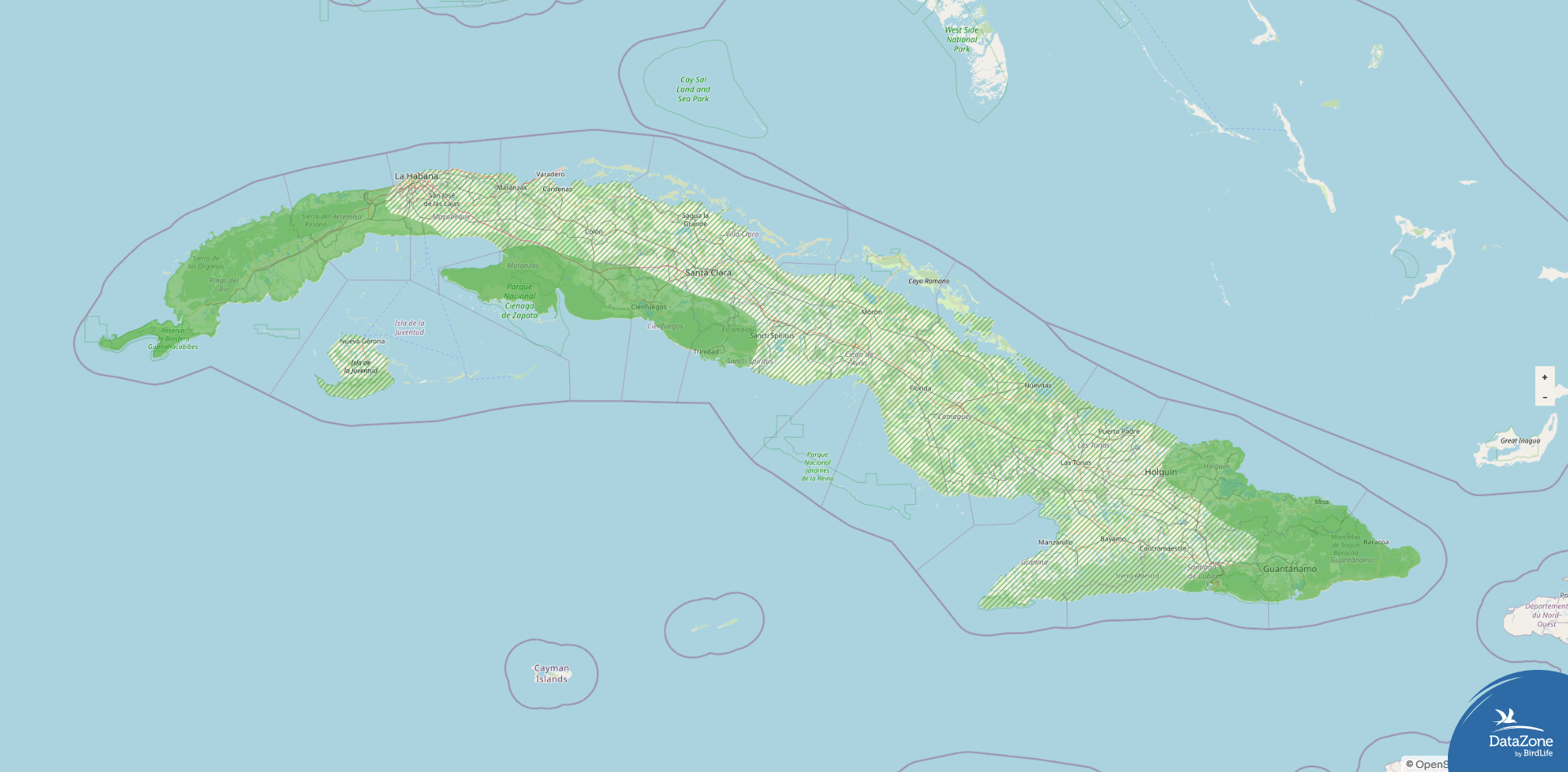
Legend
Green Resident
Species Overview
The Bee Hummingbird is famed as the smallest living bird, with males as short as 5.5 cm and weighing less than many insects. Despite its minute size, it has a powerful flight, beating its wings up to around 80–200 times per second and visiting well over a thousand flowers per day. Endemic to Cuba and Isla de la Juventud, it is an important pollinator for a range of native plants, but its small, fragmented population and ongoing habitat loss have led to a Near Threatened assessment with a Decreasing trend.
Identification
Male
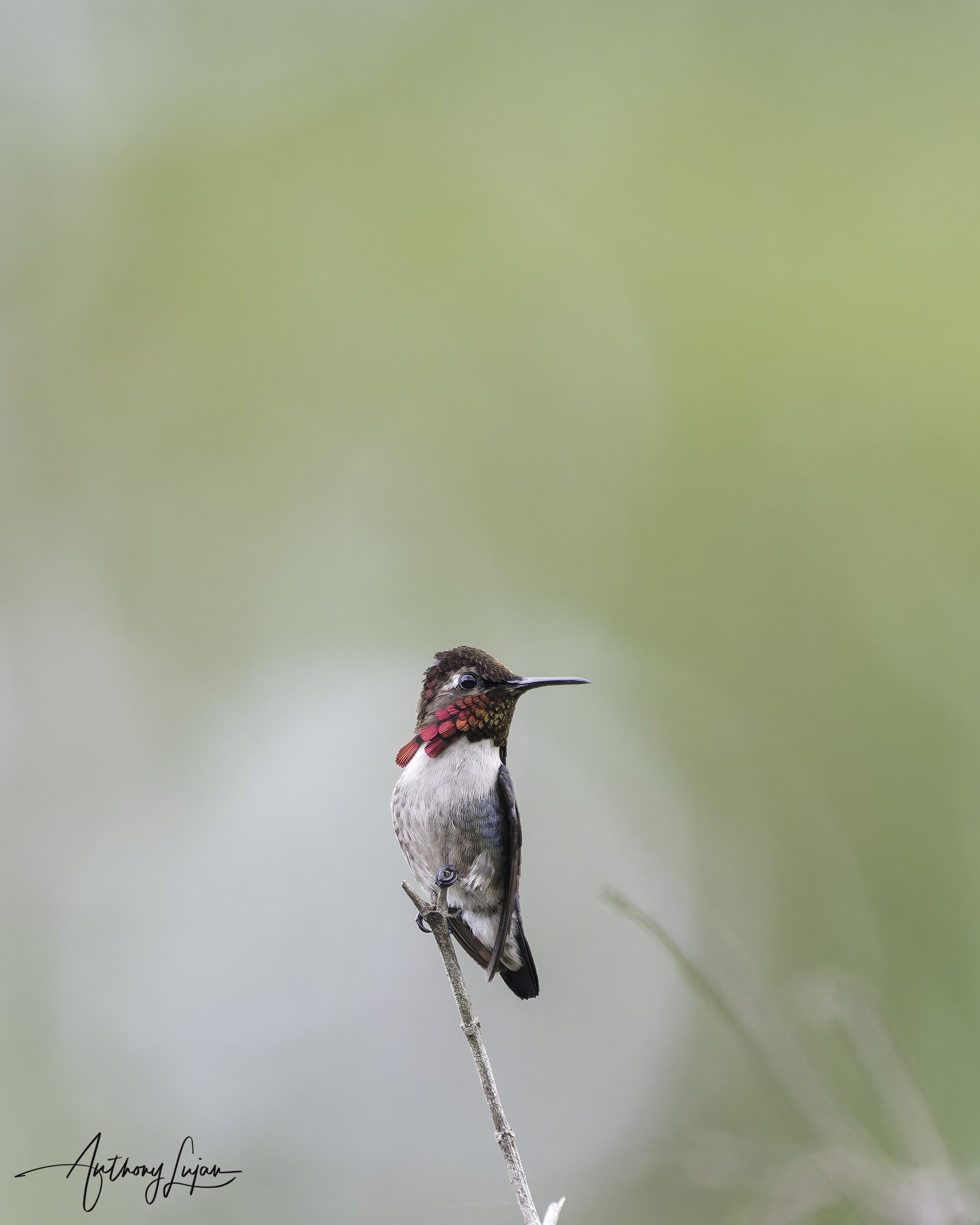
Adult males are extremely small, with a compact, somewhat rounded body, short tail, and slender, pointed bill adapted for probing deep flowers. The head and throat in breeding plumage are bright red to pink, forming an iridescent gorget that can show elongated side plumes, while the upperparts are bluish green and the rest of the underparts are mostly grayish white. In good light the male’s head and throat can flash fiery red‑pink, contrasting with the small, plump body and tiny size that make it easy to mistake for a large insect at a distance.
Female
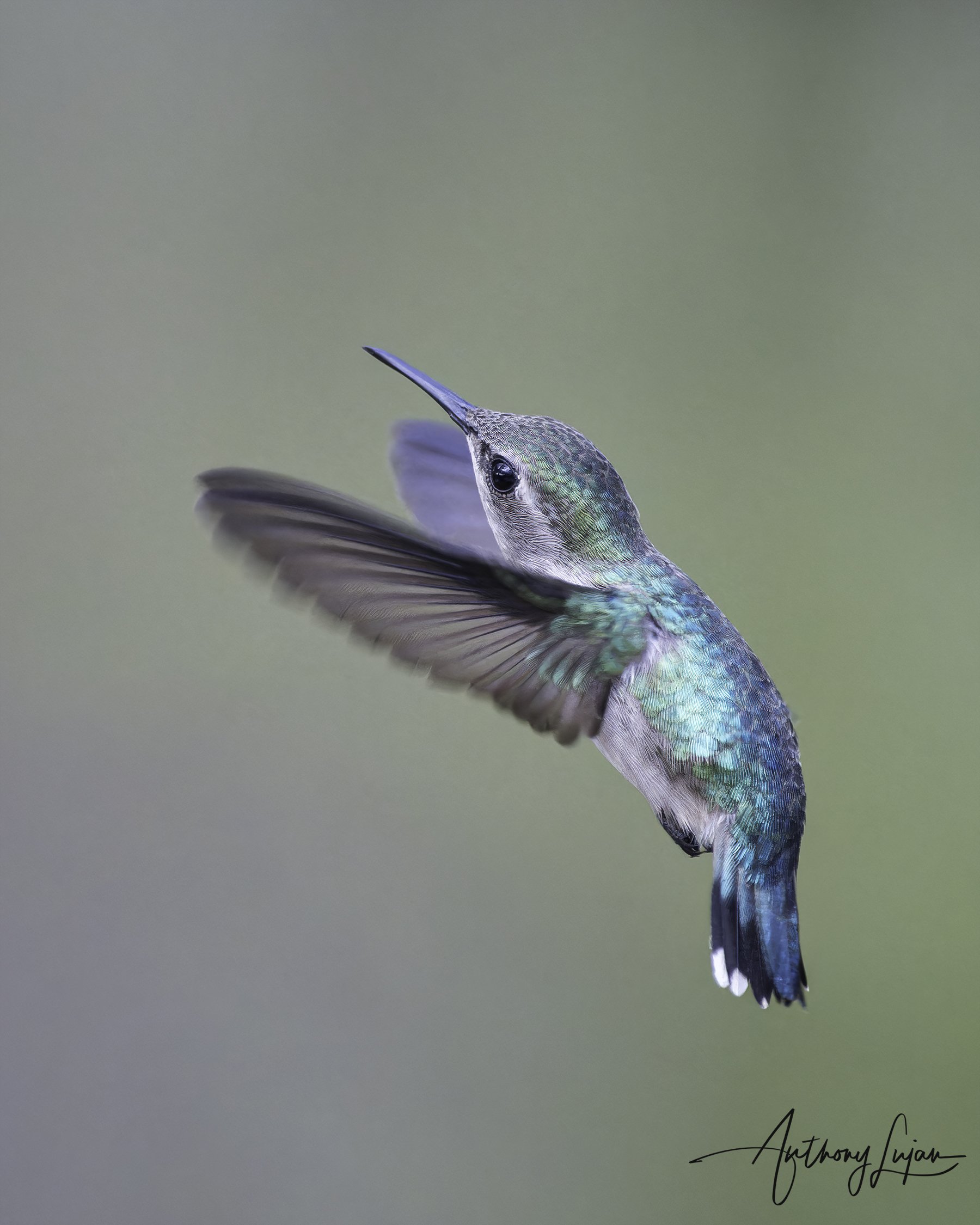
Females are slightly larger than males and lack the full red‑pink gorget, showing bluish‑green upperparts and a pale gray underside. The tail feathers often have white spots at the tips, and the overall appearance is that of a very small, relatively plain green‑and‑gray hummingbird compared with the more flamboyant male. As in many hummingbirds, females are responsible for nest building and chick care, and juveniles resemble females until young males molt into their bright adult plumage.
Habitat and Behavior
Bee Hummingbirds inhabit a variety of lowland and foothill habitats in Cuba, including coastal and interior forests, mountain valleys, swampy areas, and gardens. They prefer areas with dense growth, lianas, epiphytes, and abundant flowers, and often occur near forest edges, clearings, and human‑modified landscapes that still retain rich flowering vegetation. The species is non‑migratory, remaining in Cuba year‑round, though individuals may make local movements to track flowering plants and seasonal resources.
Their diet is dominated by nectar from a variety of flowers, including species such as Solandra grandiflora and scarlet bush that have evolved to match their tiny size and feeding style. While feeding, Bee Hummingbirds rapidly extend and retract their tongues, collecting nectar and inadvertently transferring pollen between flowers, making them important pollinators. They also take small insects and spiders, particularly during breeding, to provide protein for themselves and their chicks.
Population and Threats
Bee Hummingbird is currently considered Near Threatened, with a small and declining population restricted to Cuba and Isla de la Juventud. Although it can occur in a range of forest types and even gardens, its distribution is fragmented and concentrated in a few main regions such as Guanahacabibes Peninsula, Zapata Swamp, and parts of eastern Cuba. Key threats include habitat loss and degradation from deforestation, agricultural expansion, development, and changes in plant communities that reduce the availability of suitable flowering plants and nesting sites.

Conservation
Because Bee Hummingbird is endemic to Cuba and relies on dense, flower‑rich vegetation, conservation efforts focus on protecting and managing key habitats within its limited range. Important sites include protected areas such as Zapata Swamp and Alexander Humboldt National Park, where conserving native forests, shrublands, and wetlands helps maintain nectar sources and nesting habitat. Continued habitat protection, restoration of degraded areas, and careful management of development and agriculture near critical sites are essential to stabilize or improve the status of the world’s smallest bird.
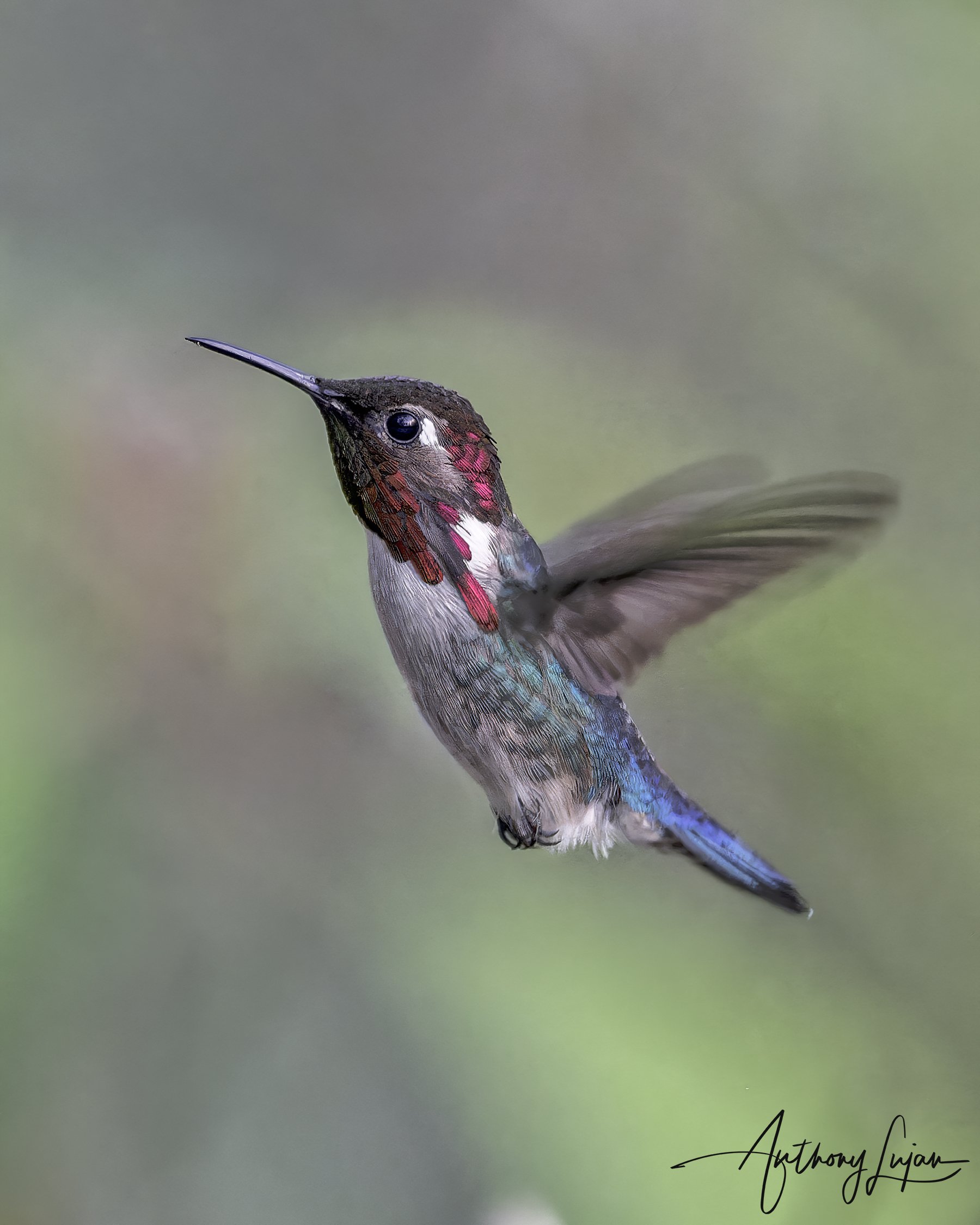
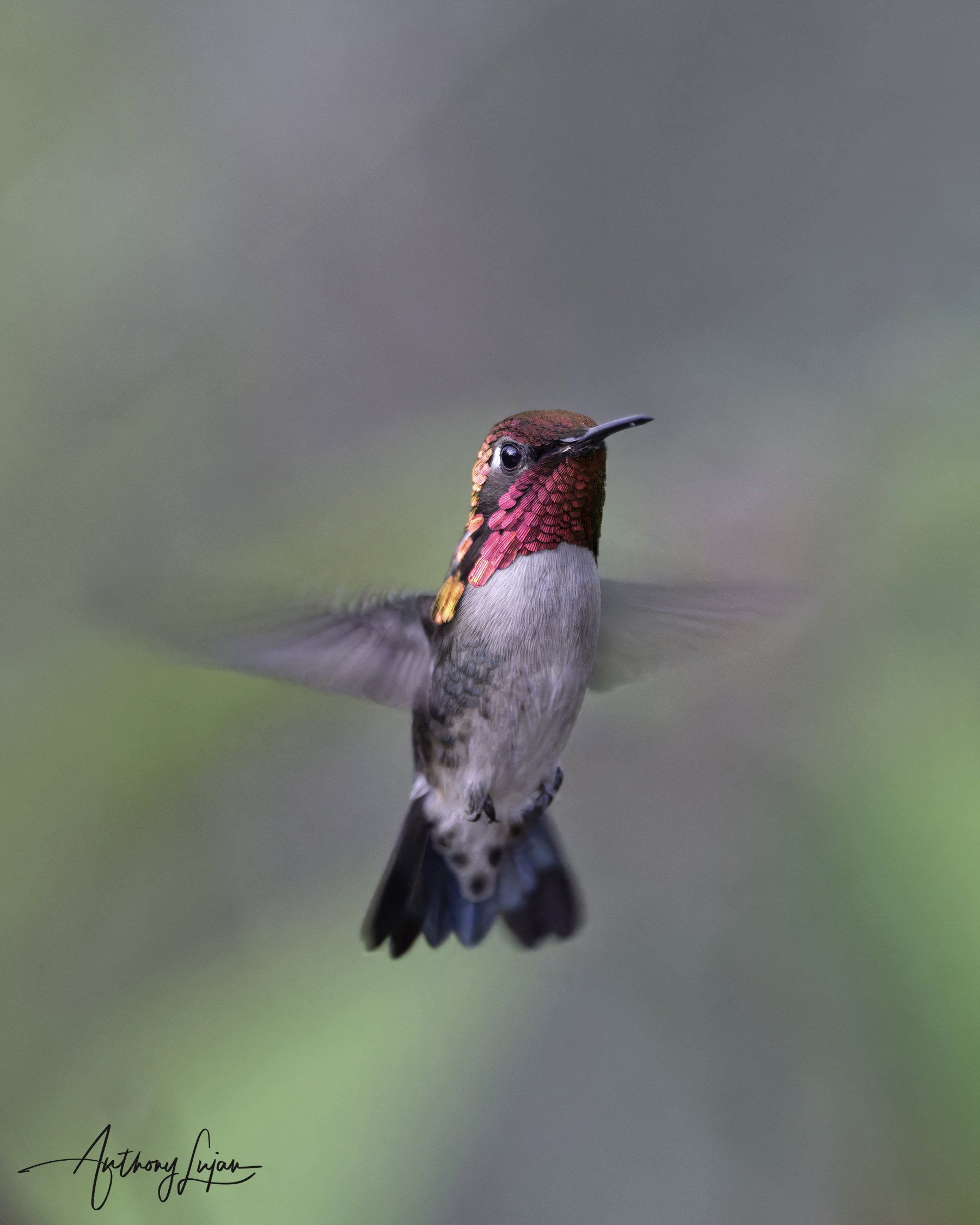
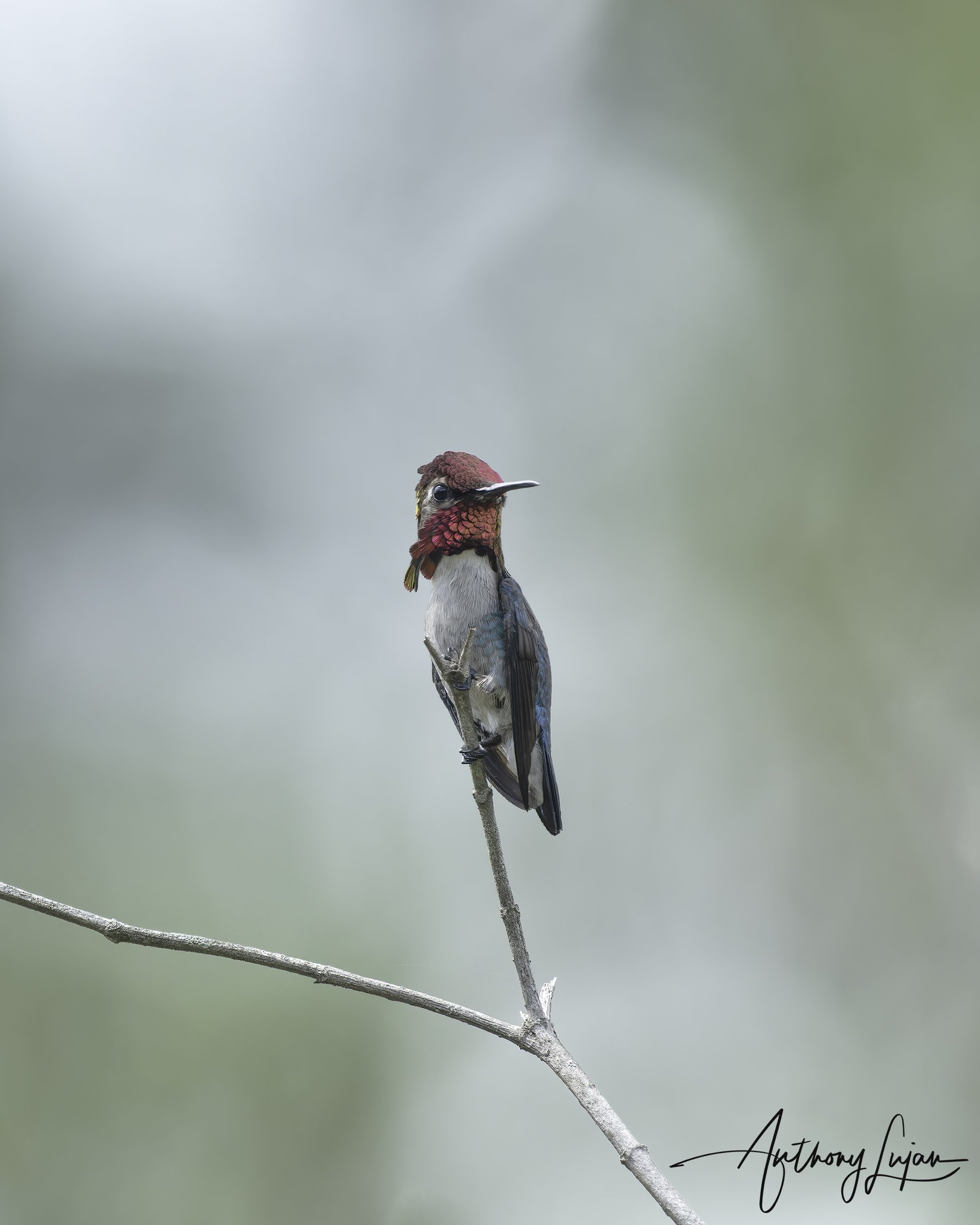
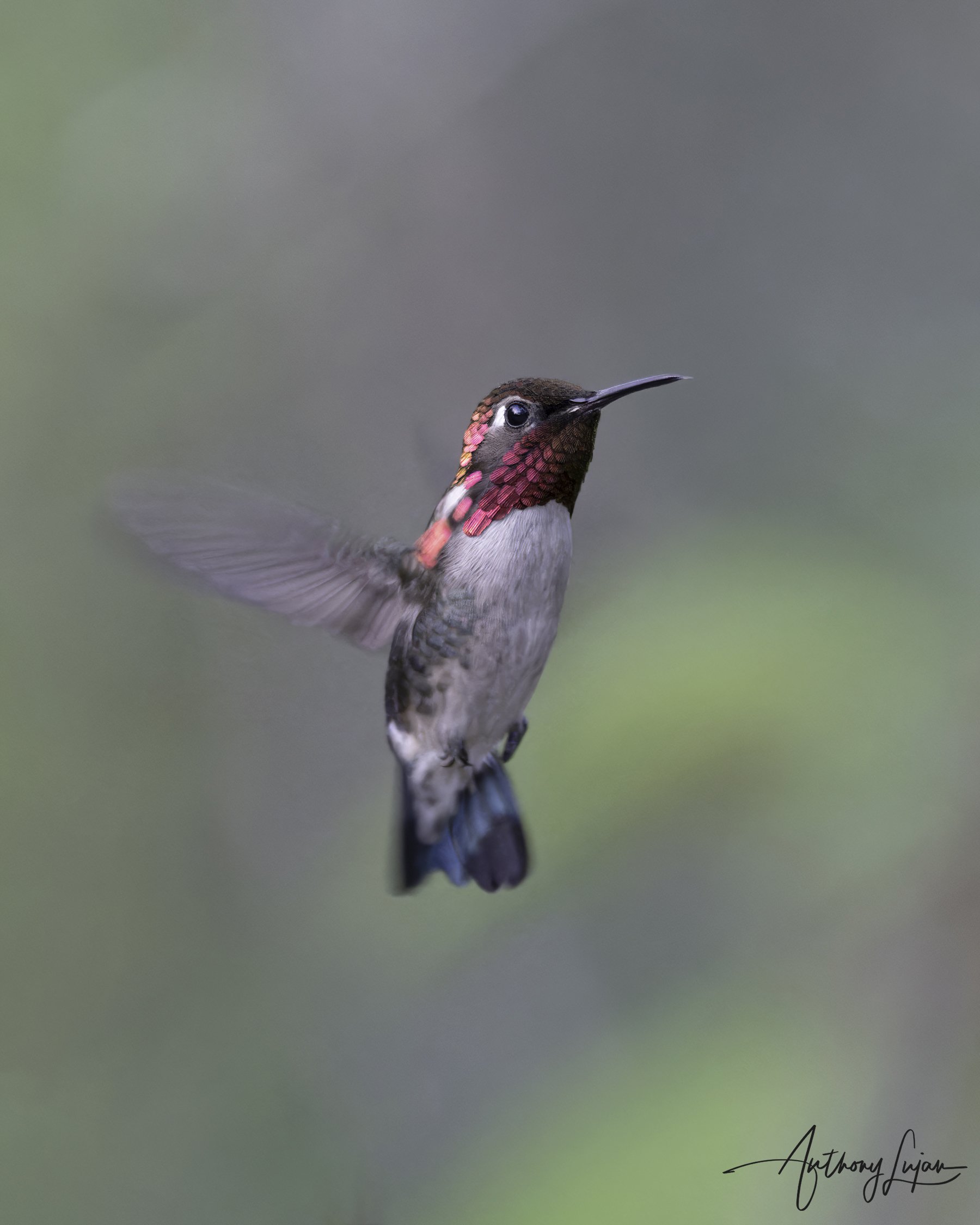
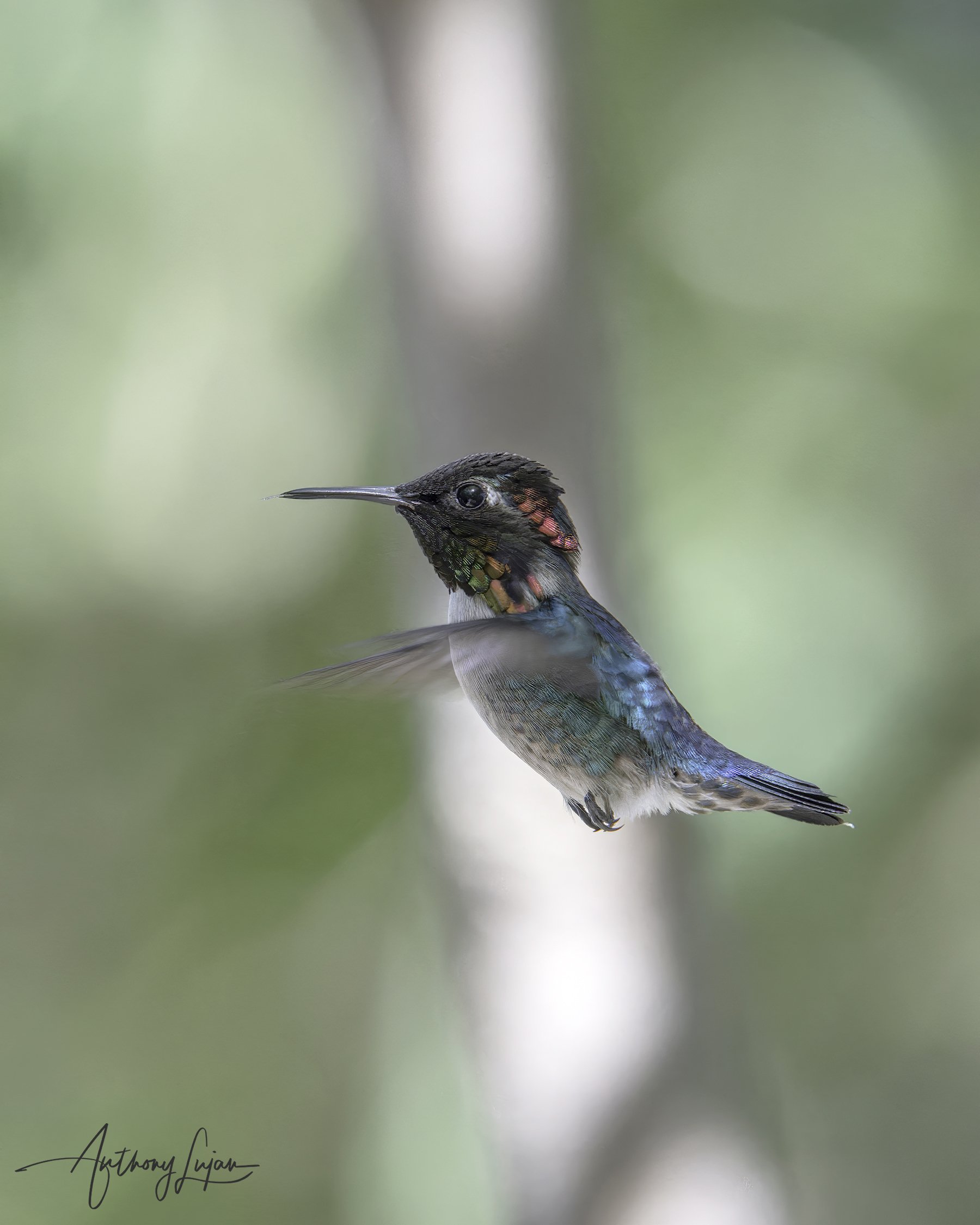
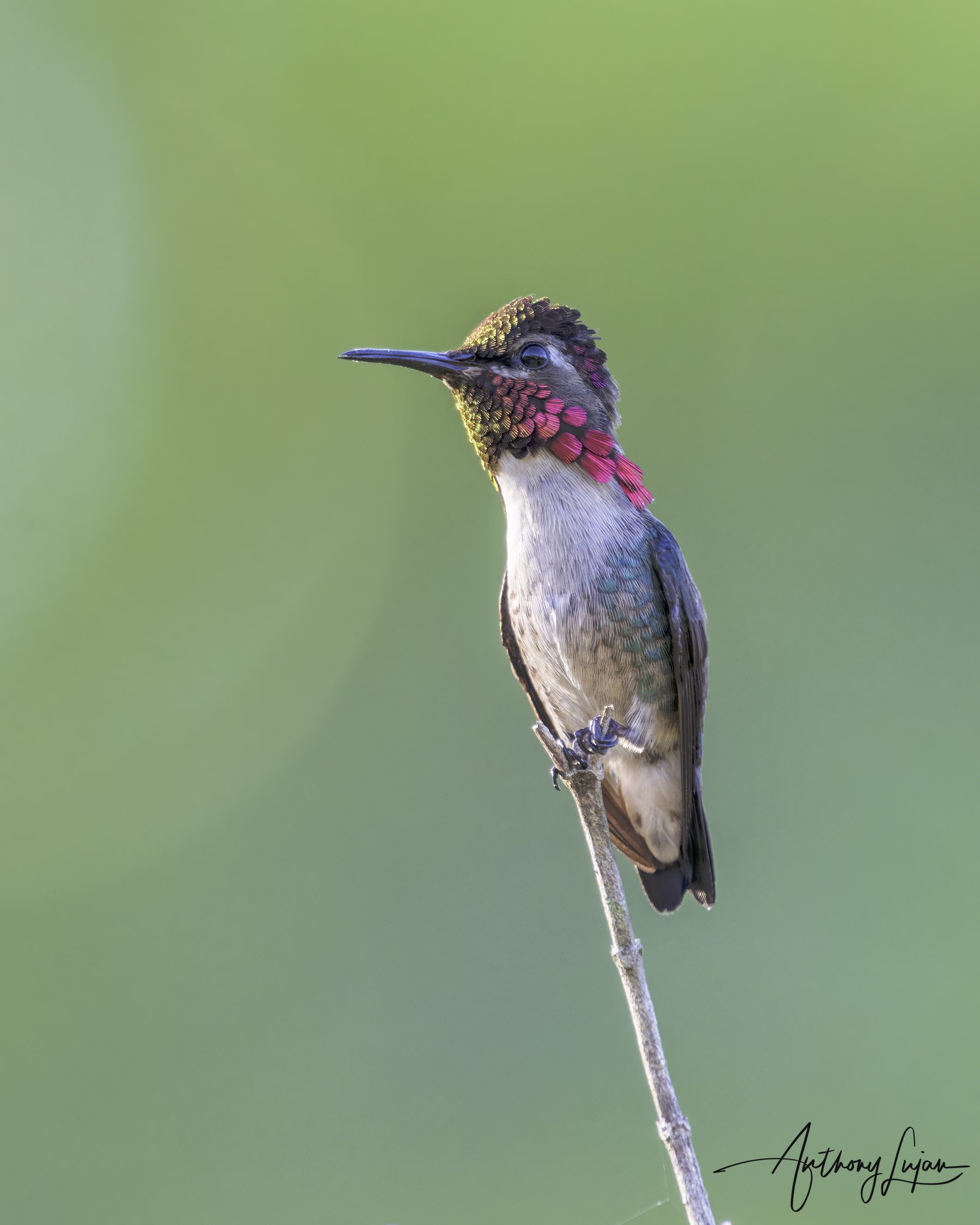
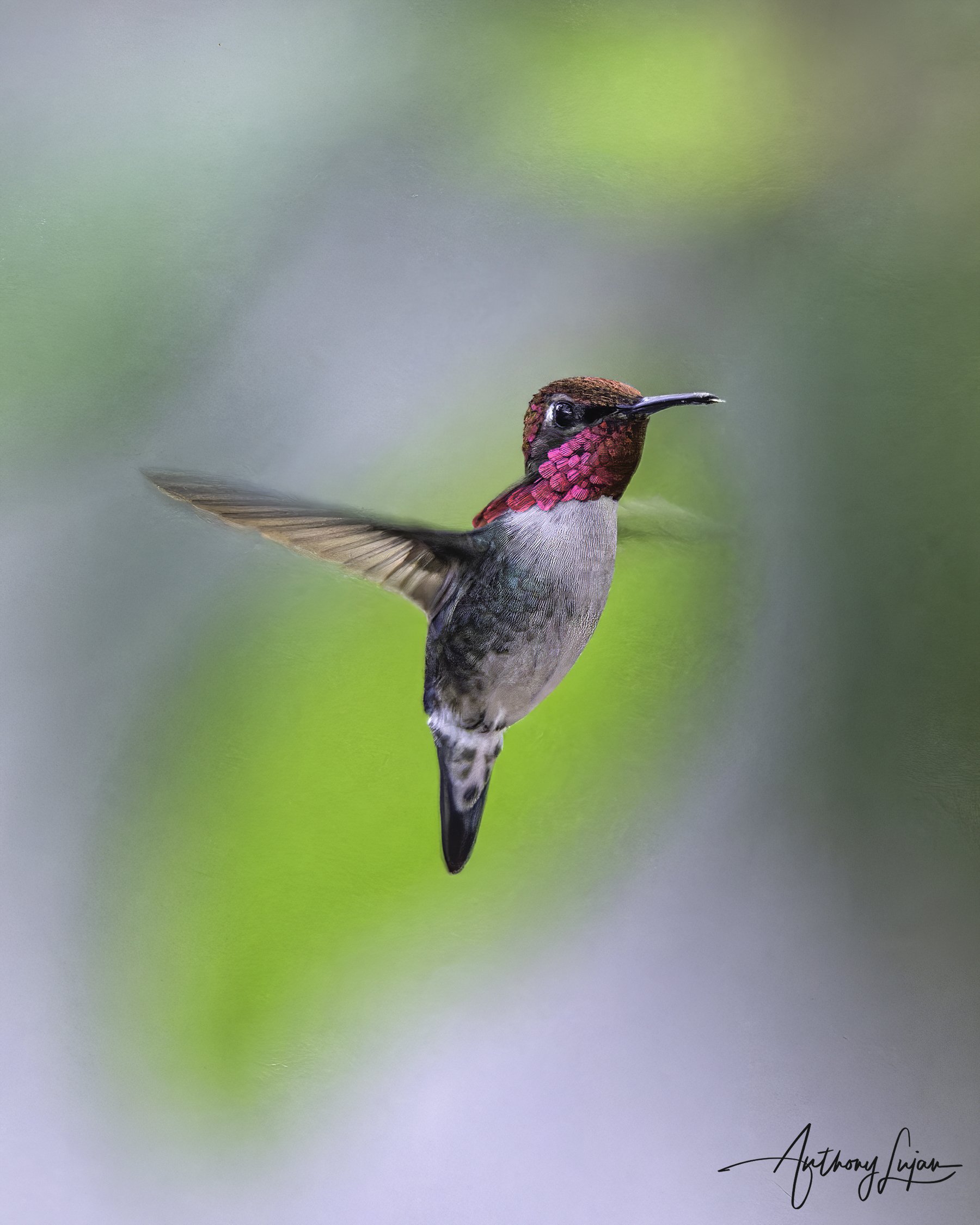
Checkout Anthony’s playlist of this species! Click the top right dropdown to see all the videos.
Related species in the Mellisuga genus (2 species total):

Please note: The content provided in this article reflects Anthony’s personal experience and photographic approach. Results can vary depending on light, weather, location, equipment, subject behavior, and field conditions.