
Scientific name: Anthracothorax dominicus
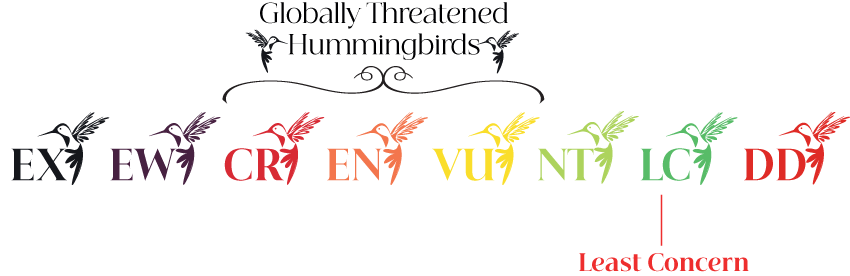
The Hispaniolan Mango (often called Antillean Mango in broader taxonomies) is an island hummingbird found on Hispaniola and nearby Caribbean islands. The number of mature individuals is unknown, the population trend is officially Unknown, and it is assessed as Least Concern, monotypic, and considered not a migrant.
At a Glance
Family: Trochilidae (hummingbirds)
Clade: Polytminae – Mangoes and Fairies
Genus: Anthracothorax
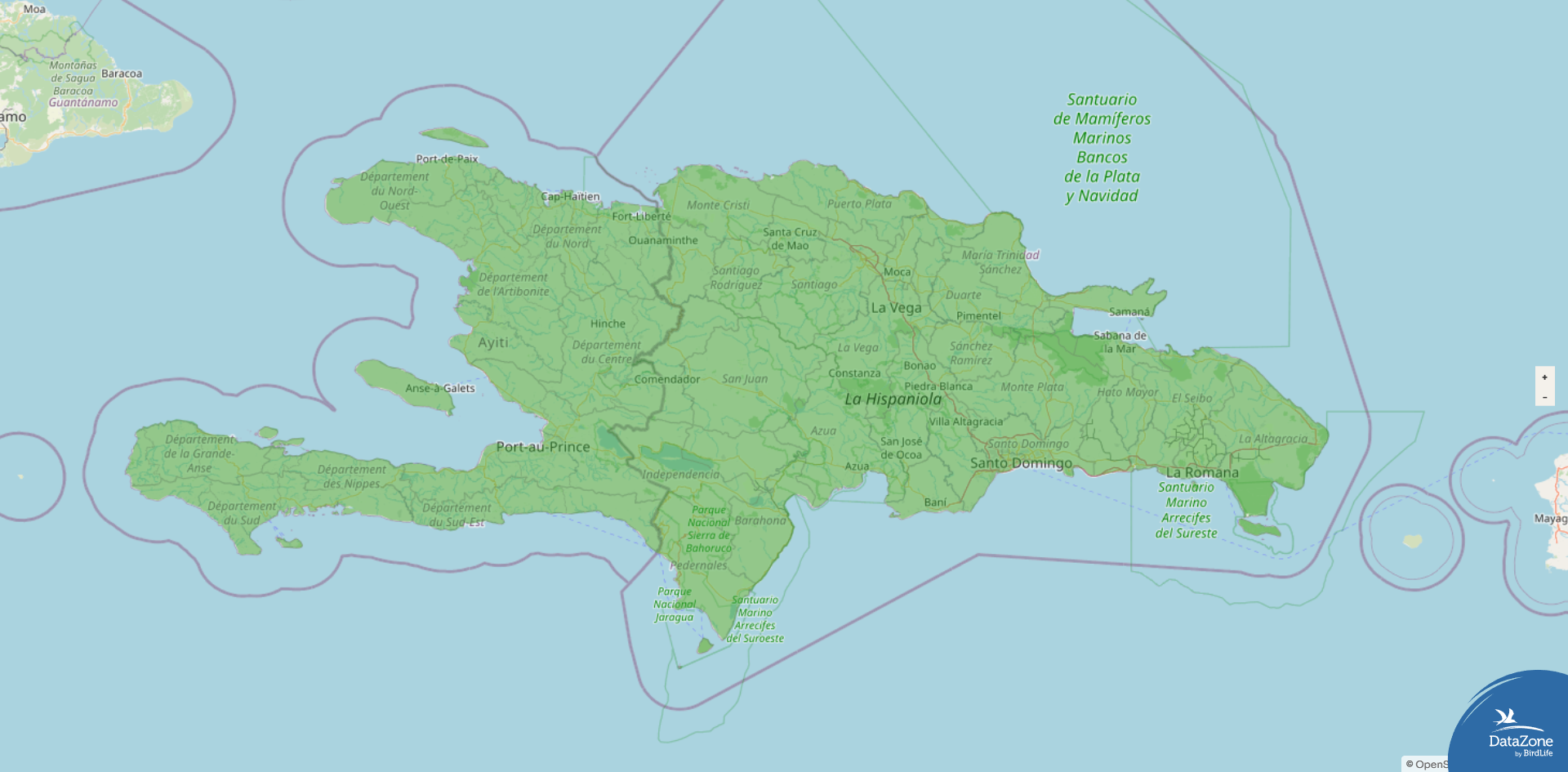
Range: Hispaniola (Dominican Republic and Haiti) and several nearby islands, with additional populations on Puerto Rico and the British and U.S. Virgin Islands under some treatments
Habitat: A mix of moist and dry landscapes including forest edges, clearings, secondary forest, shade coffee, rural gardens, and coastal shrublands
Elevation: Mostly from lowlands up to about 1,500 m, rarely to around 2,600 m
Length: About 11.5–13.5 cm (4.5–5.3 in)
Weight: Males about 6.0–8.2 g; females about 4.0–7.0 g
Number of mature individuals: Unknown
Population trend: Unknown
Status: Least Concern (IUCN)
Name Origin
The genus name Anthracothorax combines words meaning “coal” and “chest,” referencing the dark areas on the breast typical of mango hummingbirds. The species name dominicus refers to the island of Hispaniola (historically “Dominica” sensu Linnaeus), the type locality. The English name “Hispaniolan Mango” emphasizes its strong association with the island of Hispaniola.
Subspecies & Distribution
Hispaniolan Mango is monotypic:
Across this range it inhabits both lowland and foothill habitats from near sea level up to montane zones, following suitable semi-open and edge environments.
Ledged
Green Resident
Species Overview
The Hispaniolan Mango is a characteristic hummingbird of gardens, plantations, and forest edges on Hispaniola and nearby islands. It tolerates a wide variety of habitats, from coastal scrub and rural gardens to shade coffee and secondary forest, and often comes close to human settlements. Its relatively broad distribution over several islands and use of modified landscapes support a Least Concern assessment, though the overall population trend remains poorly quantified and officially Unknown.
Male Description
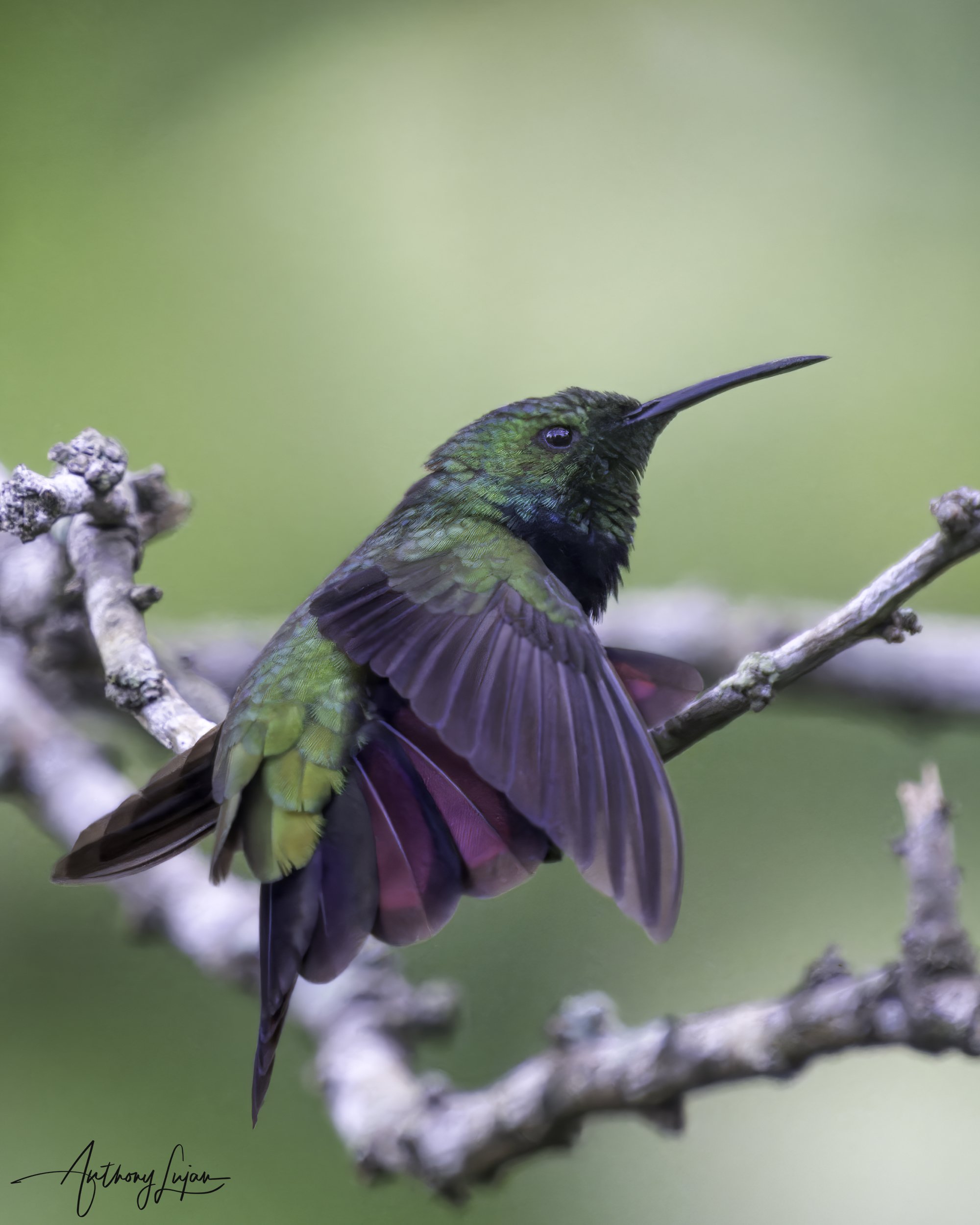
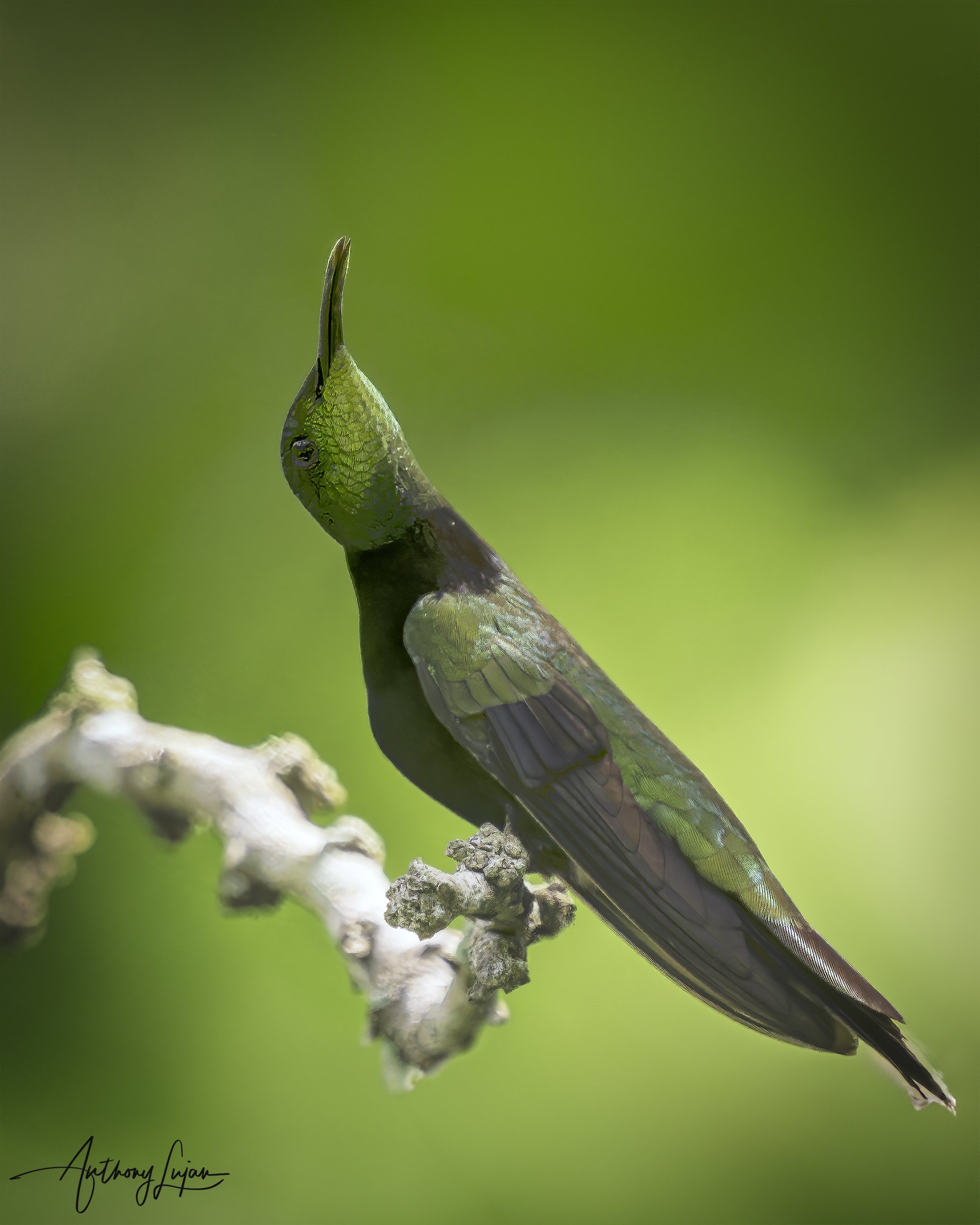
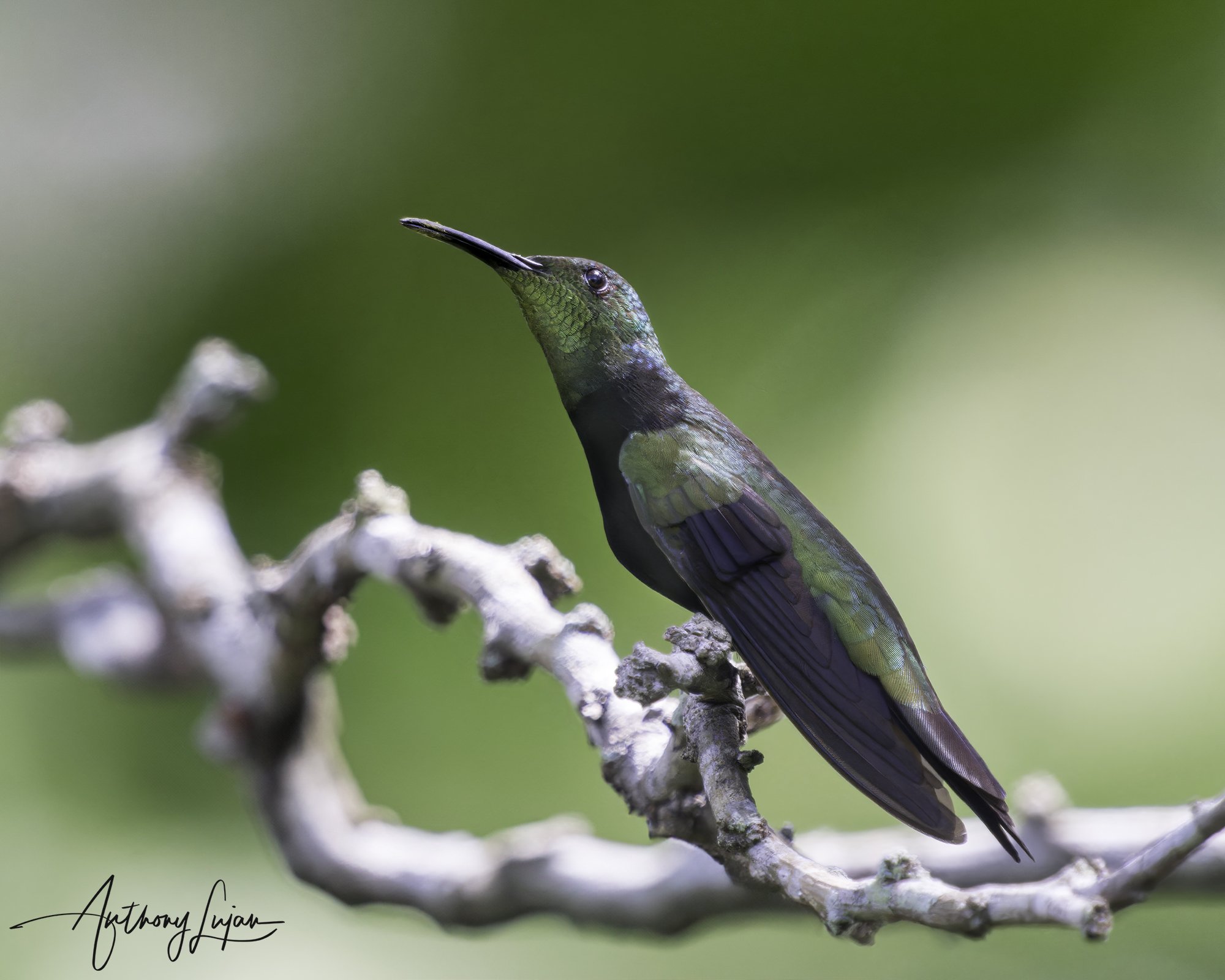
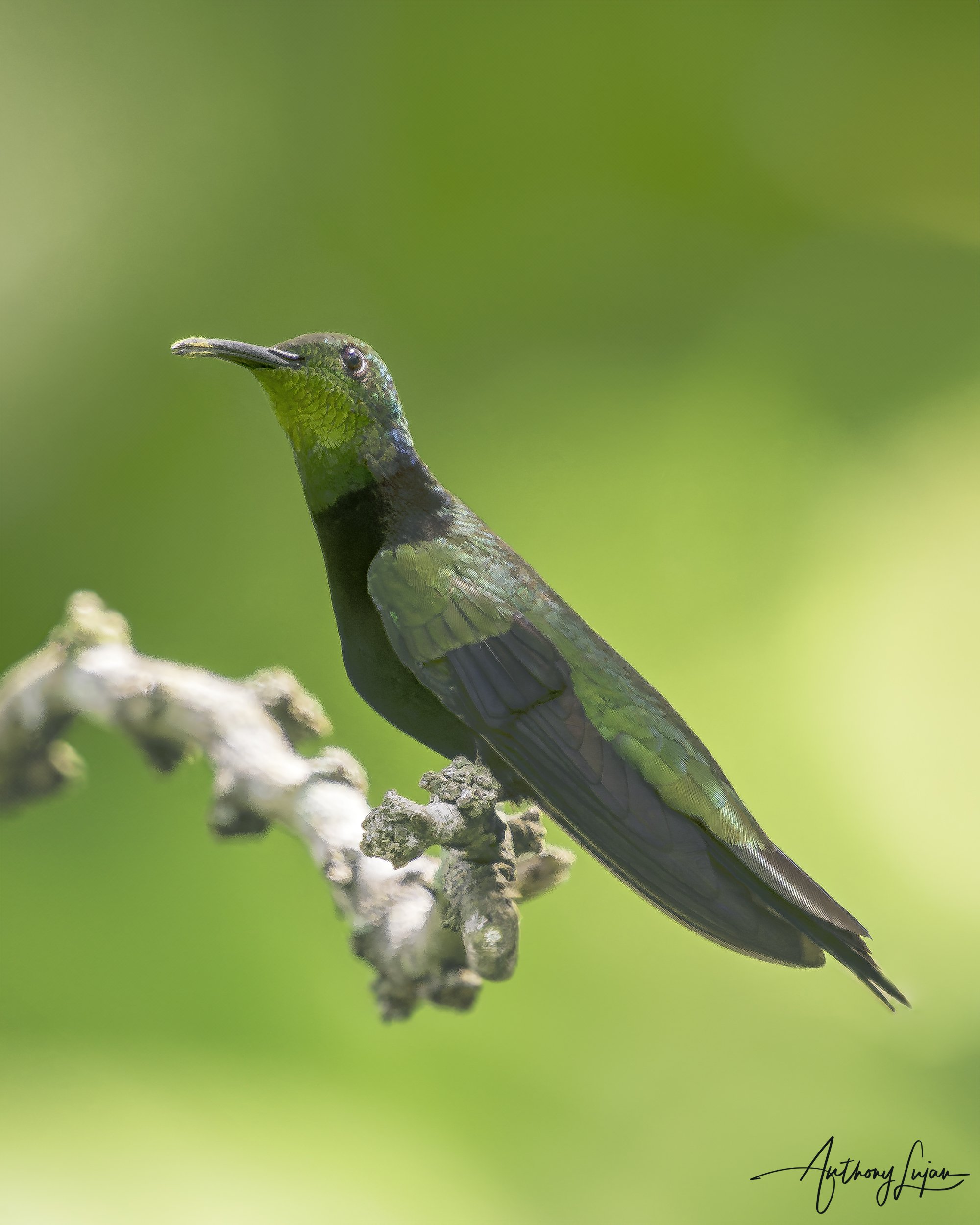
Adult males are medium-sized hummingbirds with mostly dark metallic green upperparts and a darker, shimmering gorget and breast that can appear blackish in some lights. The underparts are largely dark green to bronzy with subtle contrast, and the tail is relatively long, often with darker central feathers and slightly more bronzy outer feathers. The bill is straight to slightly decurved and black. Overall, males present as dark, glossy green birds with a strong metallic sheen and a solid, dark-toned underside compared to some other mangoes.
Female Description
Females are somewhat smaller and paler below than males. They have green upperparts but whitish to pale gray underparts with a darker central stripe from the throat down the breast, flanked by paler sides lightly washed with green. The tail shows more contrast, often with darker central feathers and outer feathers tinged with bronzy or purplish hues and paler tips. Females resemble other female mangoes but are best identified by their range, general pattern, and association with Hispaniola and neighboring islands.
Habitat & Behavior
Hispaniolan Mangos use a wide variety of habitats, including clearings, rural gardens, shade coffee plantations, secondary forest, forest edges, and coastal shrublands in both moist and dry zones. They are common around flowering trees and shrubs in villages, towns, and agricultural mosaics, as well as in more natural scrub and forest edge. They feed primarily on nectar from a range of native and cultivated flowers and also take small insects and other arthropods, often hawking them from exposed perches. The species is considered not a long-distance migrant, remaining in its island range year-round, though local or slight elevational movements likely occur in response to flowering and seasonal conditions.
Population
The total number of mature individuals is unknown, and detailed demographic data are limited, so the population trend is officially classified as Unknown. Within suitable habitat, Hispaniolan Mangos can be locally common, especially in gardens, plantations, and semi-open rural landscapes where flowering shrubs and trees are abundant. Their ability to use human-modified environments suggests some resilience, but habitat change across Caribbean islands, including deforestation and urbanization, may be affecting local populations.
Conservation
Hispaniolan Mango is listed as Least Concern because it occupies a broad set of habitats across Hispaniola and nearby islands and remains frequent in many areas. However, pressures such as habitat degradation, loss of shade coffee systems, urban expansion, and coastal development can impact the semi-open and edge habitats it prefers. Conservation actions that maintain flowering trees and shrubs in rural and urban landscapes, preserve secondary forest and forest edges, and support shade-grown agriculture will benefit this species. Improved monitoring across its island range would help clarify trends and detect any emerging declines.
Checkout Anthony’s playlist of this species! Click the top right dropdown to see all the videos.
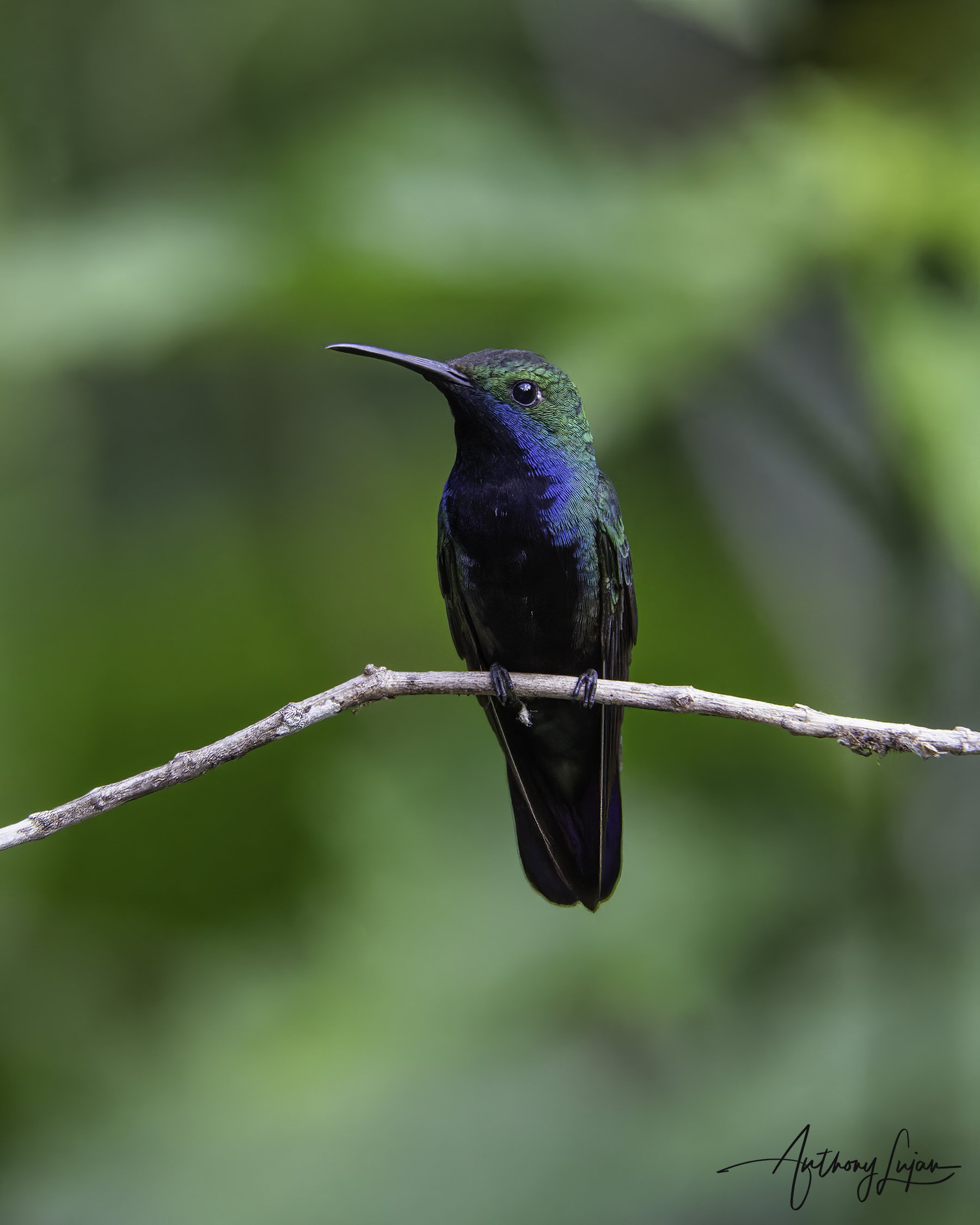
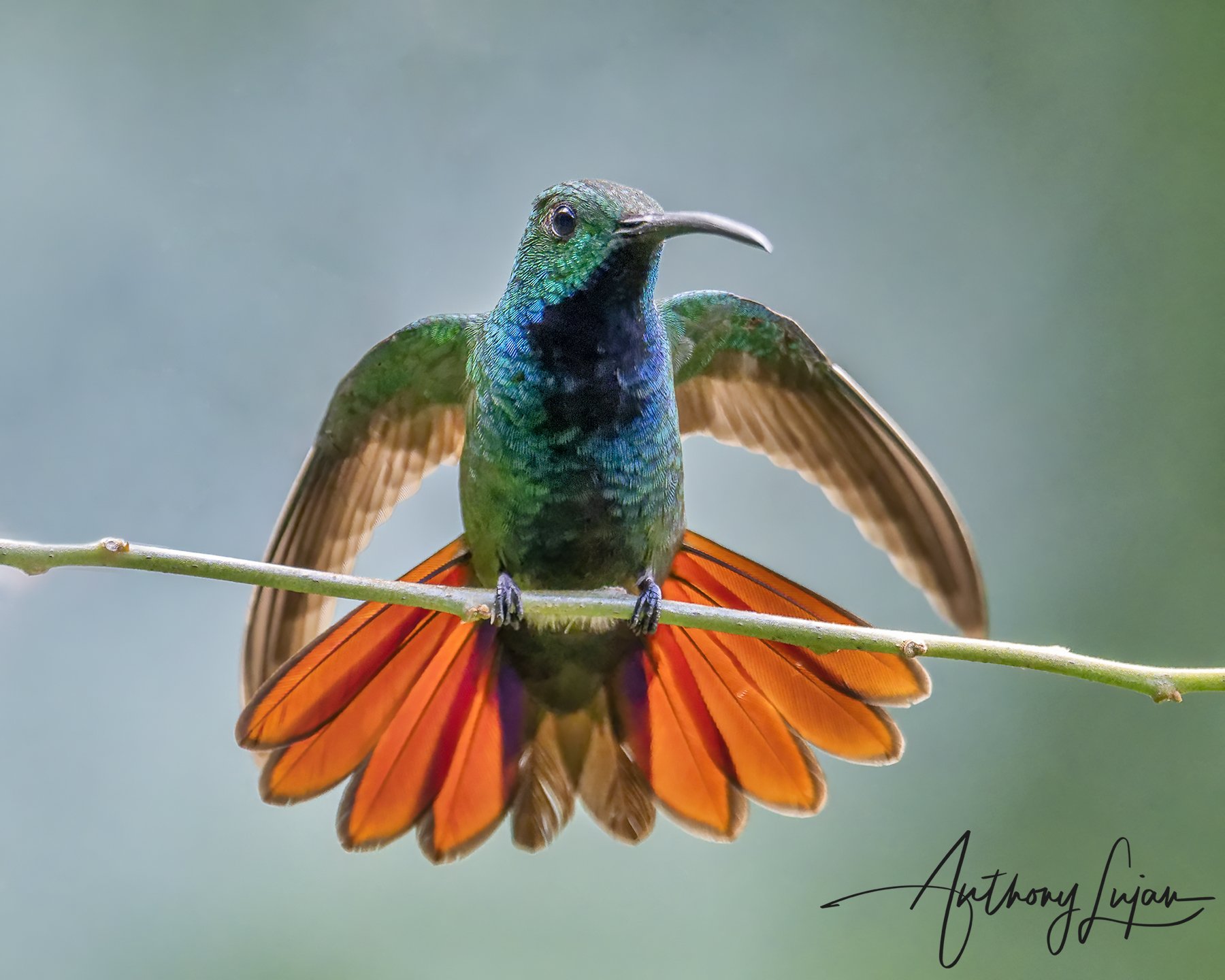
Related species in the Anthracothorax genus (8 species total):

Please note: The content provided in this article reflects Anthony’s personal experience and photographic approach. Results can vary depending on light, weather, location, equipment, subject behavior, and field conditions.