
Mexican Sheartail
Scientific name: Doricha eliza
The Mexican Sheartail is a localized, Near Threatened hummingbird endemic to Mexico’s Gulf coast. An estimated 2,500–9,999 mature individuals remain, the population is decreasing, it is considered non-migratory, and it is currently listed as Near Threatened, endemic to Mexico with two recognized subspecies.
At a Glance
Family: Trochilidae (hummingbirds)
Clade: Mellisugini – Bee Hummingbirds
Genus group: Doricha — small, slender sheartails of Mesoamerica
Range: Endemic to eastern Mexico, with disjunct populations in the northern Yucatán Peninsula and central Veracruz along the Gulf coast.
Habitat: Coastal dune scrub, arid and semi-arid thorn scrub, mangrove edges, brushy pastures, gardens, and other low shrubby habitats, often close to sea level.
Elevation: Primarily near sea level up to low elevations inland.
Length: About 9–10 cm (3.5–4 in), including the long tail.
Weight: Just a few grams; a small, slim hummingbird.
Number of mature individuals: 2,500–9,999
Population trend: Decreasing
Status: Near Threatened (IUCN)
Name Origin
The genus name Doricha likely refers to a figure from ancient Greek history or literature, following a tradition of honoring classical names. The species name eliza is thought to honor a woman named Eliza, commemorating her in the bird’s scientific epithet. The English name “Mexican Sheartail” highlights both its endemic status in Mexico and the distinctive, narrow, “sheared” tail of the male.
Subspecies & Distribution
Doricha eliza eliza
Distribution: Northern Yucatán Peninsula, mainly coastal regions of Yucatán and Campeche, where it inhabits coastal scrub, dune vegetation, and nearby shrubby areas and gardens.Doricha eliza bouquetii
Distribution: Central Veracruz near the Gulf coast, particularly around lowland scrub, mangrove edges, and shrubby pastures and gardens close to the shoreline.
These two subspecies form disjunct populations separated by a long stretch of unsuitable habitat along the Gulf coast, making the species’ overall range patchy and restricted.
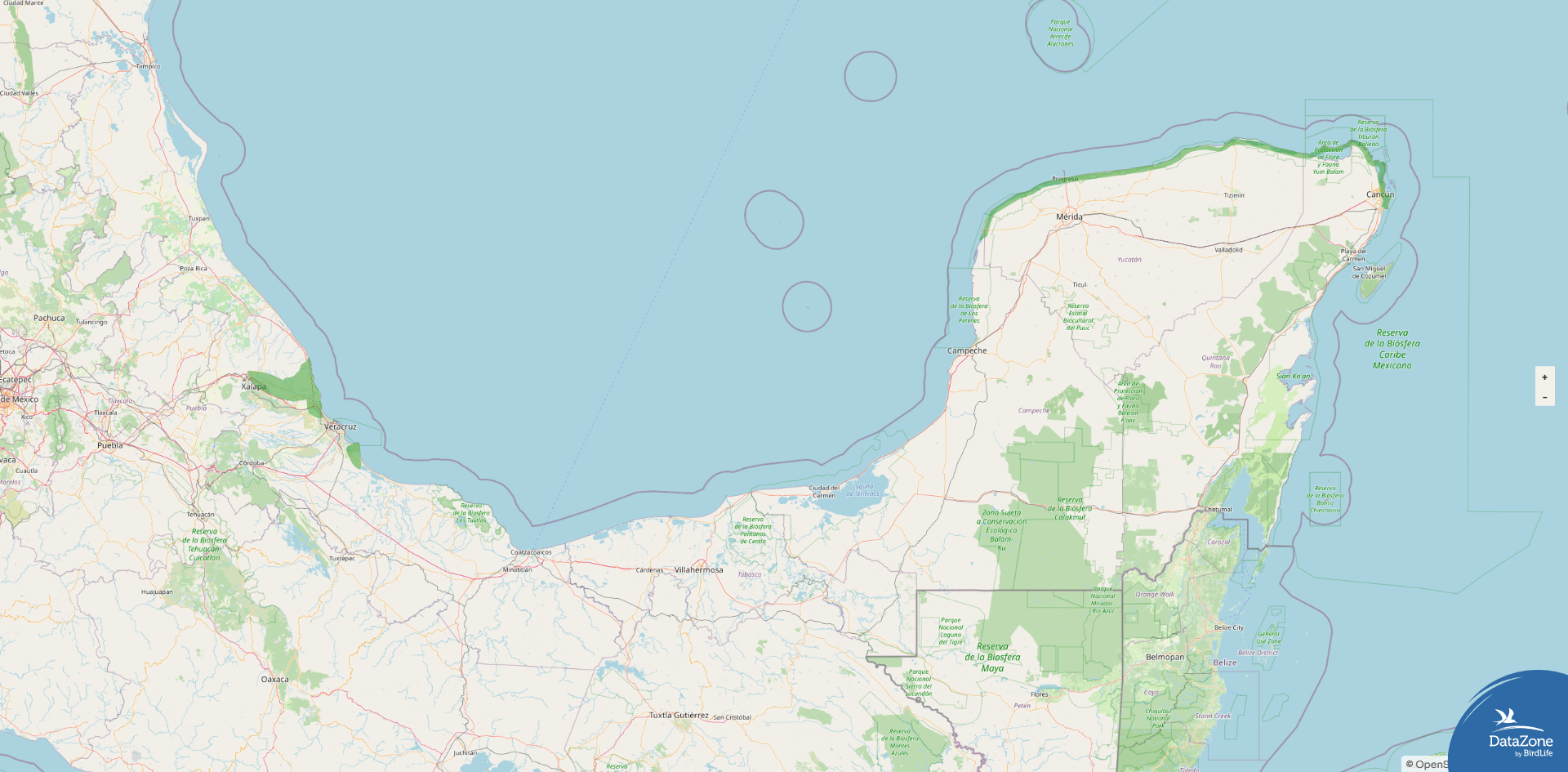
Legend
Green Resident
Species Overview
The Mexican Sheartail is a slender, elegant hummingbird specialized for life in low coastal scrub and arid thorny habitats along Mexico’s Gulf coast. Males are instantly recognizable by their long, deeply forked tail and glittering gorget, while females are more subtly patterned but still distinctive in the right habitat. Despite its small global population, it persists in a mosaic of natural scrub, semi-natural pastures, and human-modified landscapes, though ongoing habitat loss and degradation are driving a gradual decline.
Male Description
Adult males are small and slender with a straight, relatively long black bill. The upperparts are metallic green to bronzy-green, often with a slight golden sheen, and the crown matches the back. The throat bears a striking, iridescent gorget that can appear magenta, pinkish, or purplish depending on the light, often sharply set off against a pale lower throat and upper breast. The underparts are mostly whitish to pale gray with some buffy or greenish shading along the flanks. The tail is long and deeply forked, with very narrow, ribbon-like outer feathers that curve slightly and appear dark with pale or rufous bases. In display, males fan and twist this sheartail while hovering, producing an elegant, fluttering silhouette.
Female Description
Adult females lack the male’s bright gorget and elongated tail, but they share the same slim build and long bill. The upperparts are metallic green to bronzy-green, while the underparts are mostly white to pale buff, often with some light spotting or dusky marks on the throat. The flanks may show a buff or cinnamon wash. The tail is shorter and more rounded than the male’s, with green central feathers and outer feathers that are grayish to dusky with pale or buffy tips, sometimes showing a subtle subterminal band. Females appear as small, green-backed hummingbirds with clean, pale underparts and a modest, non-forked tail, relying on habitat and range for confident identification.
Habitat & Behavior
Mexican Sheartails favor low, scrubby habitats along the Gulf coast, including coastal dune scrub, arid and semi-arid thorn scrub, mangrove edges, brushy pastures, overgrown lots, and gardens with flowering shrubs. They feed by hovering in front of blossoms on low shrubs, cacti, and herbaceous plants, often selecting tubular flowers and also hawking tiny insects in the air for protein. Males are territorial around rich nectar sources and perform aerial courtship displays that showcase their long, forked tails. The species is considered non-migratory, remaining year-round within its restricted coastal ranges, though individuals may move locally in response to flowering patterns and seasonal changes in resource availability.
Population
The global population is estimated at approximately 2,500–9,999 mature individuals, split between the Yucatán Peninsula and Veracruz populations. The species occurs at low to moderate densities, and its distribution is naturally fragmented by stretches of unsuitable habitat along the coast. Habitat loss and degradation from coastal development, agriculture, and tourism infrastructure are contributing to a continuing decline across its range.

Conservation
The Mexican Sheartail is listed as Near Threatened due to its small, declining population, restricted and fragmented range, and ongoing habitat loss. Coastal development, hotel and resort construction, road building, and conversion of scrubland to agriculture and urban areas all reduce and fragment its preferred low shrubby habitats. Conservation priorities include protecting remaining coastal scrub and dune systems, managing mangrove and thorn-scrub mosaics, and promoting native flowering plants in coastal communities and gardens. Public awareness and bird-focused ecotourism can help build local support for preserving this distinctive coastal hummingbird.
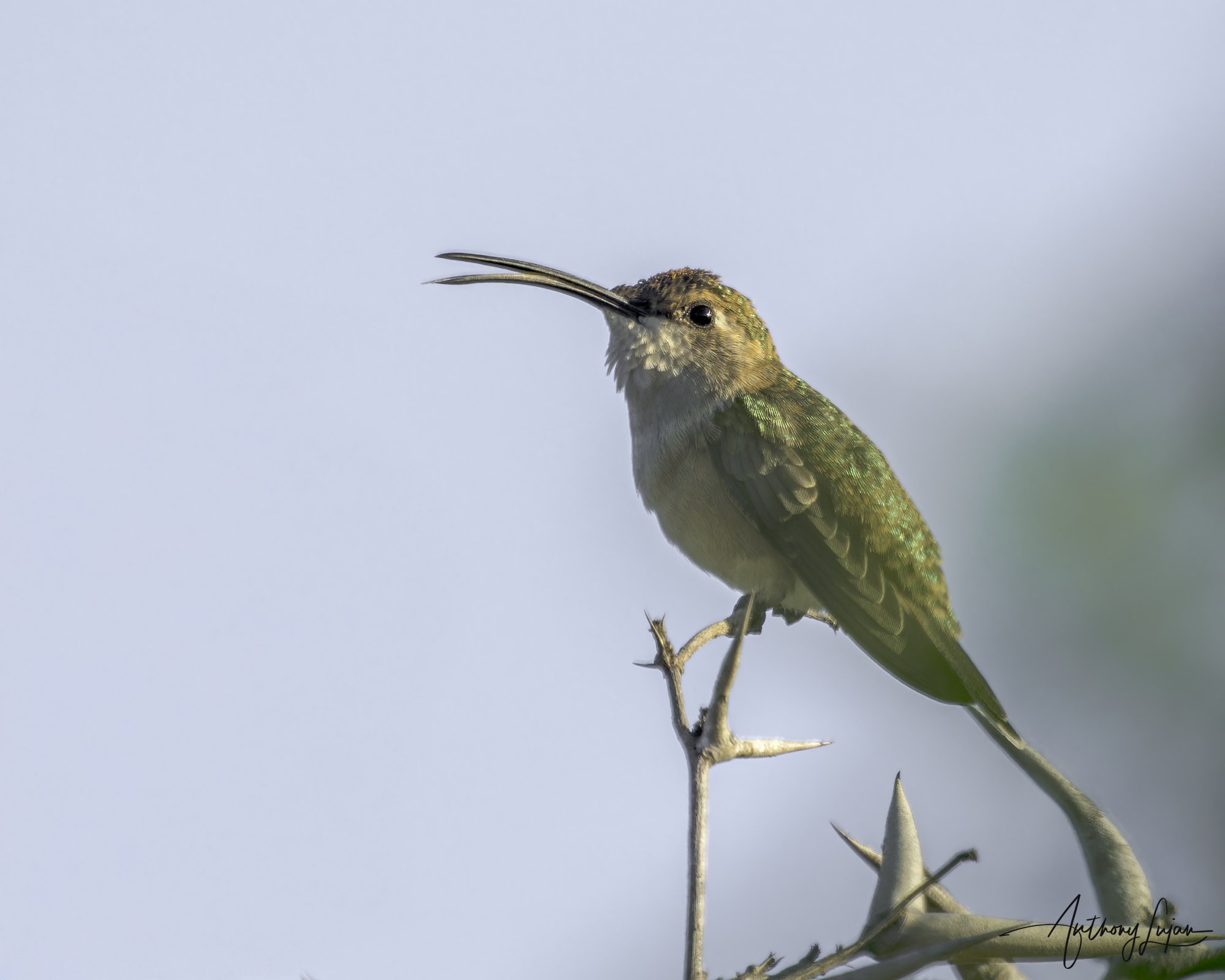
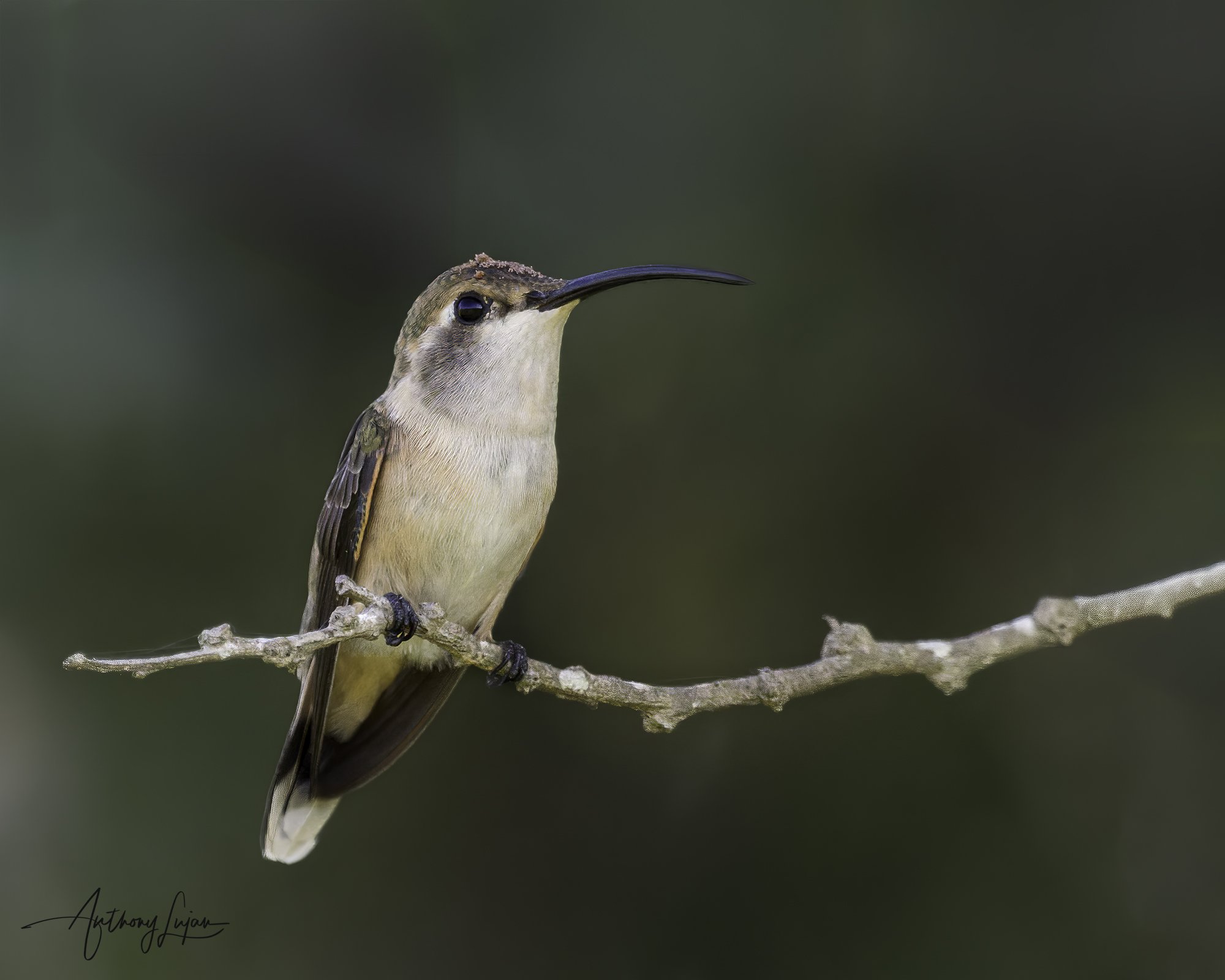
Below is the Mexican Sheartail (Doricha eliza eliza) female
Photographed at Playa Juan Ángel – Desembocadura Río San Isidro, Úrsulo Galván, Veracruz, Mexico
This individual belongs to the nominate subspecies eliza, which is restricted to the central Gulf Coast of Veracruz, Mexico. It inhabits coastal scrub, dunes, and semi-open dry habitats, often near mangroves and low vegetation close to sea level.
The Mexican Sheartail is a small and highly distinctive hummingbird. Males show a long, deeply forked tail and a striking rose-magenta gorget, contrasting with green upperparts and pale underparts. Females lack the elongated tail and are more subdued, with buffy underparts and shorter outer tail feathers. The species is localized and considered of conservation concern due to its restricted range and habitat loss.
Checkout Anthony’s playlist of this species! Click the top right dropdown to see all the videos.
Related species in the Doricha genus (2 species total):


Please note: The content provided in this article reflects Anthony’s personal experience and photographic approach. Results can vary depending on light, weather, location, equipment, subject behavior, and field conditions.