
Mexican Violetear
Scientific name: Colibri thalassinus
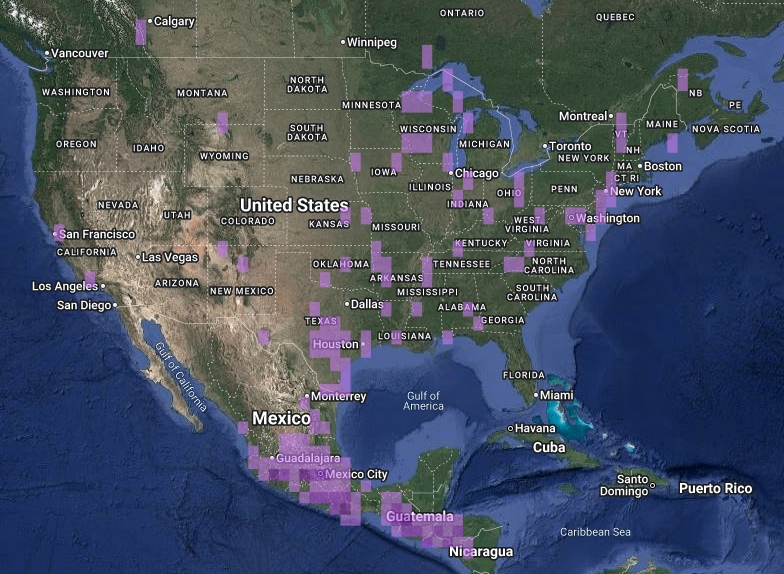
The Mexican Violetear is a medium-sized, metallic green hummingbird of highland forests and edges from Mexico south into Central America. Although BirdLife International continues to lump it with Lesser Violetear under “Green Violetear,” this site follows Birds of the World and eBird, which recognize Mexican Violetear as a separate species and list it as Least Concern. the difference.
At a Glance
Family: Trochilidae (hummingbirds)
Clades: Polytminae – Mangos
Genus group: Colibri — medium to large “violetears” with violet ear patches in males (5 species: Brown, Mexican, Lesser, Sparkling, White-vented)
Range: Highlands from Mexico south into Central America, especially in forested mountains and adjacent foothills.
Habitat: Montane forests, forest edges, clearings, and semi-open woodland; also visits gardens and hedgerows with abundant flowers.
Elevation: Primarily mid‑ to high‑elevation zones in its range.
Length: About 11–12 cm (around 4.3–4.7 in).
Weight: Medium-sized for a hummingbird, similar to other violetears.
Number of mature individuals: Large but not precisely estimated; locally common in suitable habitat.
Population trend: Thought to be stable, with no evidence of rapid global decline.
Status: Least Concern.
Name Origin
The genus name Colibri comes from a Caribbean word for hummingbird, adopted into European languages for this group. The species name thalassinus means “sea‑green” or “blue‑green,” referencing the bird’s strong green coloration and iridescence. The English name “Mexican Violetear” reflects both the core of its range in Mexico and the violet “ear” patch that characterizes the violetear group.
Taxonomy & Distribution
BirdLife International still includes Mexican Violetear within a broader “Green Violetear” concept, but eBird and Birds of the World recognize it as a full species distinct from Lesser Violetear. On this site, Mexican Violetear is treated as its own species and assessed as Least Concern.
Monotypic — no subspecies recognized.
Species Overview
The Mexican Violetear is a shimmering green hummingbird with a bold violet patch on the sides of the head and a dark, contrasting tail band. It frequents forest edges, clearings, and semi‑open highland landscapes where flowering trees and shrubs are abundant. In some parts of its range, it is one of the more conspicuous hummingbirds at blooming trees and highland gardens.
Male Description
Adult males are metallic green above and below, with a prominent violet patch behind and below the eye forming the classic violetear. The breast can show deeper blue‑green tones, and the tail is dark with blue‑green gloss and a noticeable darker subterminal band. The bill is straight and black. In good light, males show a glowing green body, bright violet “ear,” and a dark banded tail.
Female Description
Females resemble males but tend to be slightly duller overall, with a somewhat less extensive and less brilliant violet ear patch. The underparts may appear more lightly mottled or less intensely green. Juveniles are duller still, with reduced violet on the sides of the head and more muted iridescence.
Habitat & Behavior
Mexican Violetears occupy montane and foothill forests, forest edges, clearings, and semi‑open woodlands, as well as gardens and hedgerows with good flowering resources. They feed on nectar from a variety of flowering trees, shrubs, and epiphytes, often visiting prominent bloom sources along forest edges and ridges. Like other violetears, they can be assertive and territorial, chasing away other hummingbirds from rich nectar patches, and they also take small insects as an important protein source.
Movement (Nomadic / Local Movements)
Within their highland range, Mexican Violetears often move locally and nomadically, tracking flowering across different slopes, elevations, and mountain ranges. These movements can make the species appear irregular or seasonal at a given site, even though it is present year‑round somewhere within the broader region.
Breeding
Breeding takes place in montane habitats, with timing varying by region. The female builds a small cup nest from plant fibers, moss, and spiderweb, usually placed on a horizontal branch in forest or edge vegetation. She lays two white eggs and alone carries out incubation and chick‑rearing, as is typical for hummingbirds.
Population
The Mexican Violetear is widely distributed in suitable highland habitats from Mexico into Central America and can be fairly common where flowering resources are plentiful. Although no precise global population estimate is available, its broad range and frequent occurrence suggest a large total population.

Conservation
Mexican Violetear is considered Least Concern, with no indication of rapid global decline. Local threats include loss and fragmentation of montane and foothill forests through agriculture, logging, and development. Conserving forest edges, maintaining flowering trees in agricultural landscapes, and protecting montane forests help support this species and other highland hummingbirds.


Checkout Anthony’s playlist of this species! Click the top right dropdown to see all the videos.
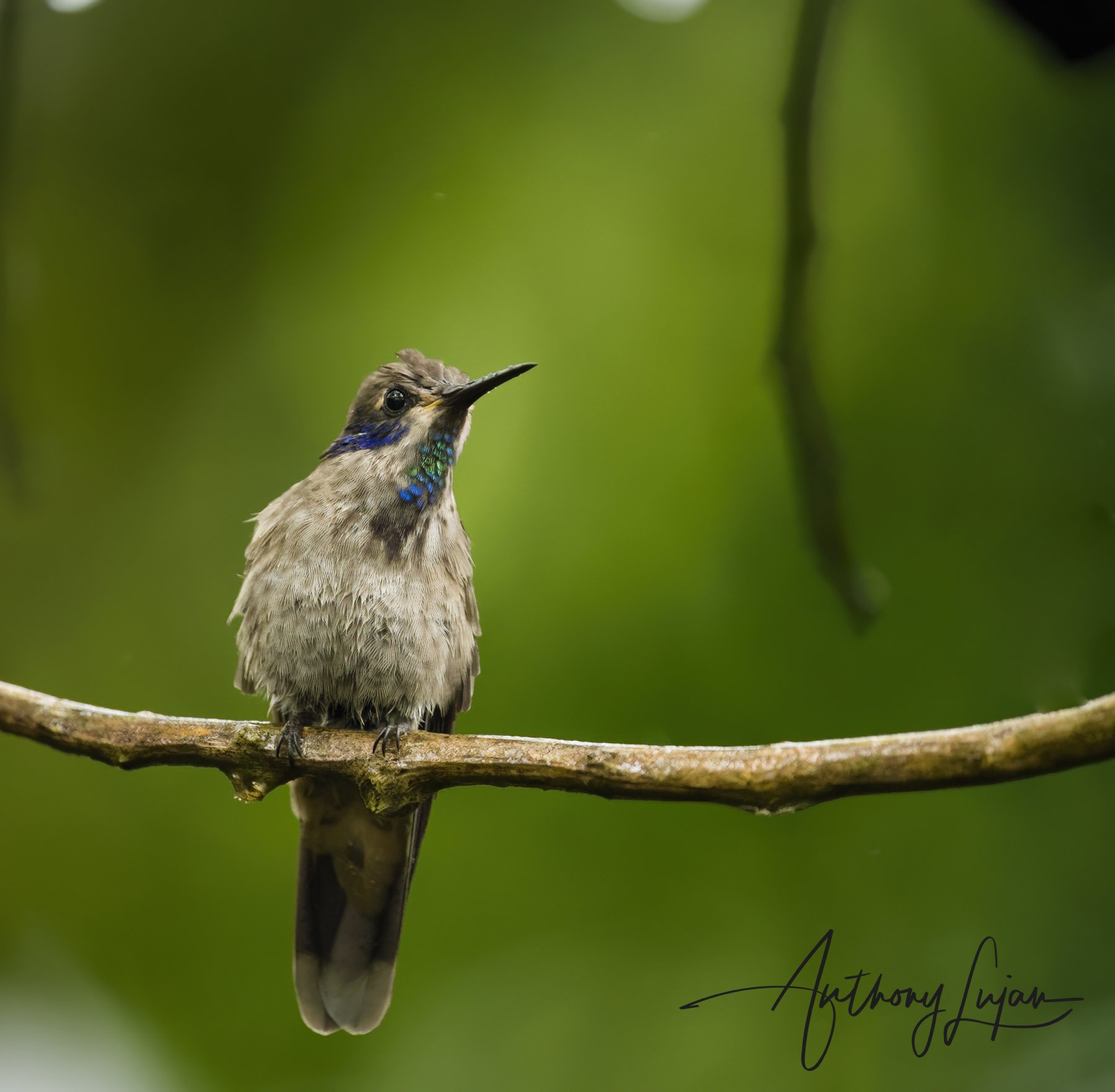
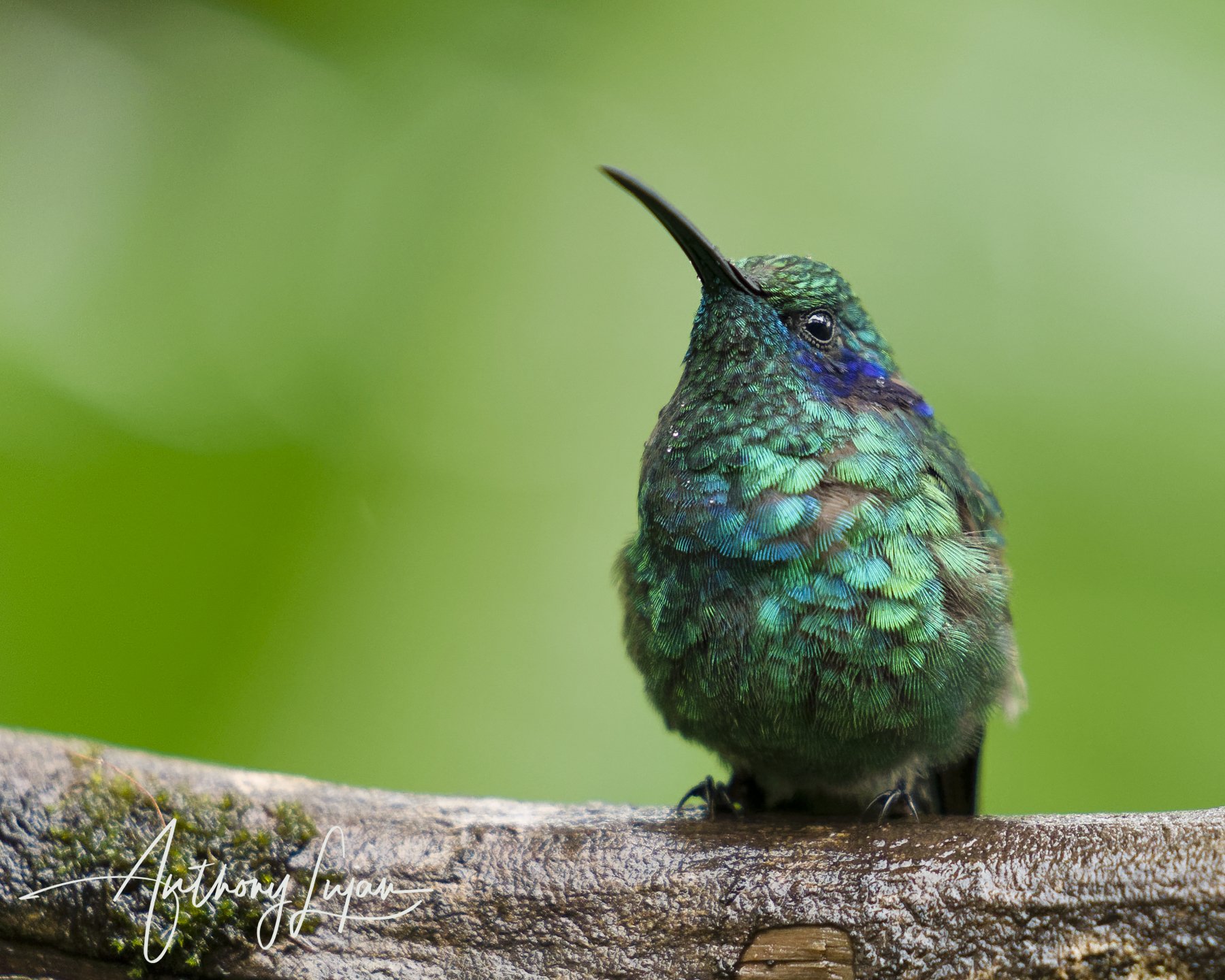
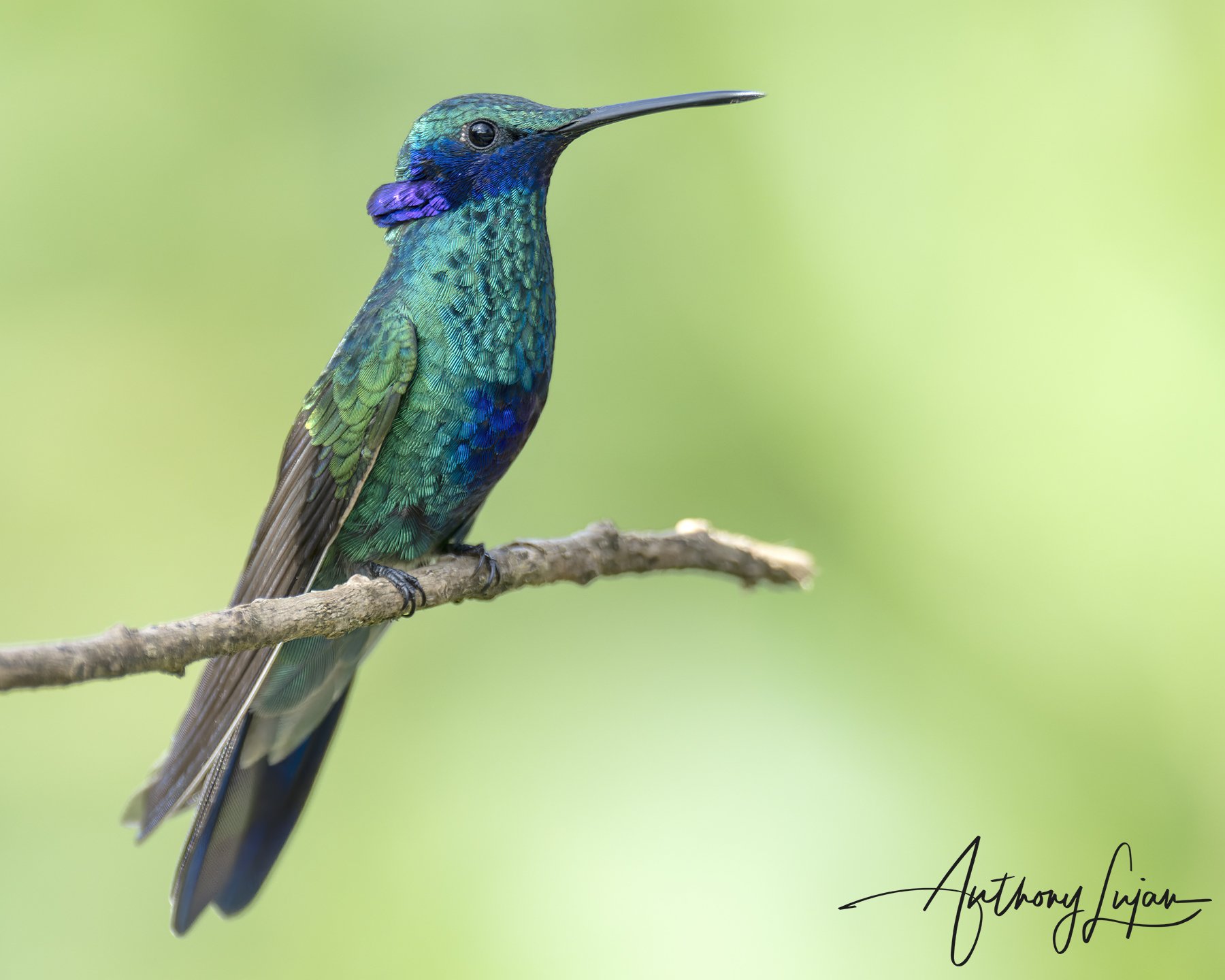
Related species in the Colibri genus (5 species total):


Please note: The content provided in this article reflects Anthony’s personal experience and photographic approach. Results can vary depending on light, weather, location, equipment, subject behavior, and field conditions.