
Reddish Hermit
Scientific name: Phaethornis ruber
The Reddish Hermit is one of the smallest hermit hummingbirds, inhabiting humid lowland forests, swampy woods, and wooded savannas from Venezuela and the Guianas through much of Amazonian Brazil to southeastern Peru and northern Bolivia. The number of mature individuals is unknown, the population trend is decreasing, it is not a migrant, and it is currently assessed as Least Concern.
At a Glance
Family: Trochilidae (hummingbirds)
Clade: Phaethornithinae – Hermits
Genus: Phaethornis — 27 species in total
Range: Central and eastern Venezuela, the Guianas, much of northern and central Brazil, southeastern Peru, northern Bolivia, eastern/southern Colombia, eastern Ecuador
Habitat: Humid lowland rainforest, swamp forest, forest edges, wooded savanna, cerrado with gallery forest, heavily degraded former forest with some cover
Elevation: Mostly from lowlands up to about 1,000 m
Length: About 8–9 cm (3.1–3.5 in)
Weight: About 1.8–3 g
Number of mature individuals: Unknown
Population trend: Decreasing
Movement: Not a migrant
IUCN Red List category: Least Concern
Name Origin
The genus name Phaethornis comes from Greek roots meaning “sun‑shining bird,” referring to the shimmering quality of hummingbird plumage. The species name ruber is Latin for “red,” describing its rich cinnamon‑rufous rump and underparts. The English name “Reddish Hermit” likewise highlights its warm rufous tones and its classification among hermits.
Taxonomy
Phaethornis ruber is a hermit hummingbird in the subfamily Phaethornithinae. It is one of 27 species in the genus Phaethornis and forms part of a complex of small, reddish‑toned hermits inhabiting lowland tropical forests and savannas across northern South America.
Subspecies and Distribution
Four subspecies:
Phaethornis ruber episcopus
Distribution: Central and eastern Venezuela, Guyana, and adjacent northern Brazil (Roraima).Phaethornis ruber ruber
Distribution: Suriname and French Guiana through much of Brazil, southeast Peru, and northern Bolivia.Phaethornis ruber nigricinctus
Distribution: Extreme southwest Venezuela and eastern/southern Colombia south to eastern Ecuador, northeastern Peru, and northwestern Brazil.Phaethornis ruber longipennis
Distribution: Foothills of southeastern Peru (Pasco to northern Cuzco).
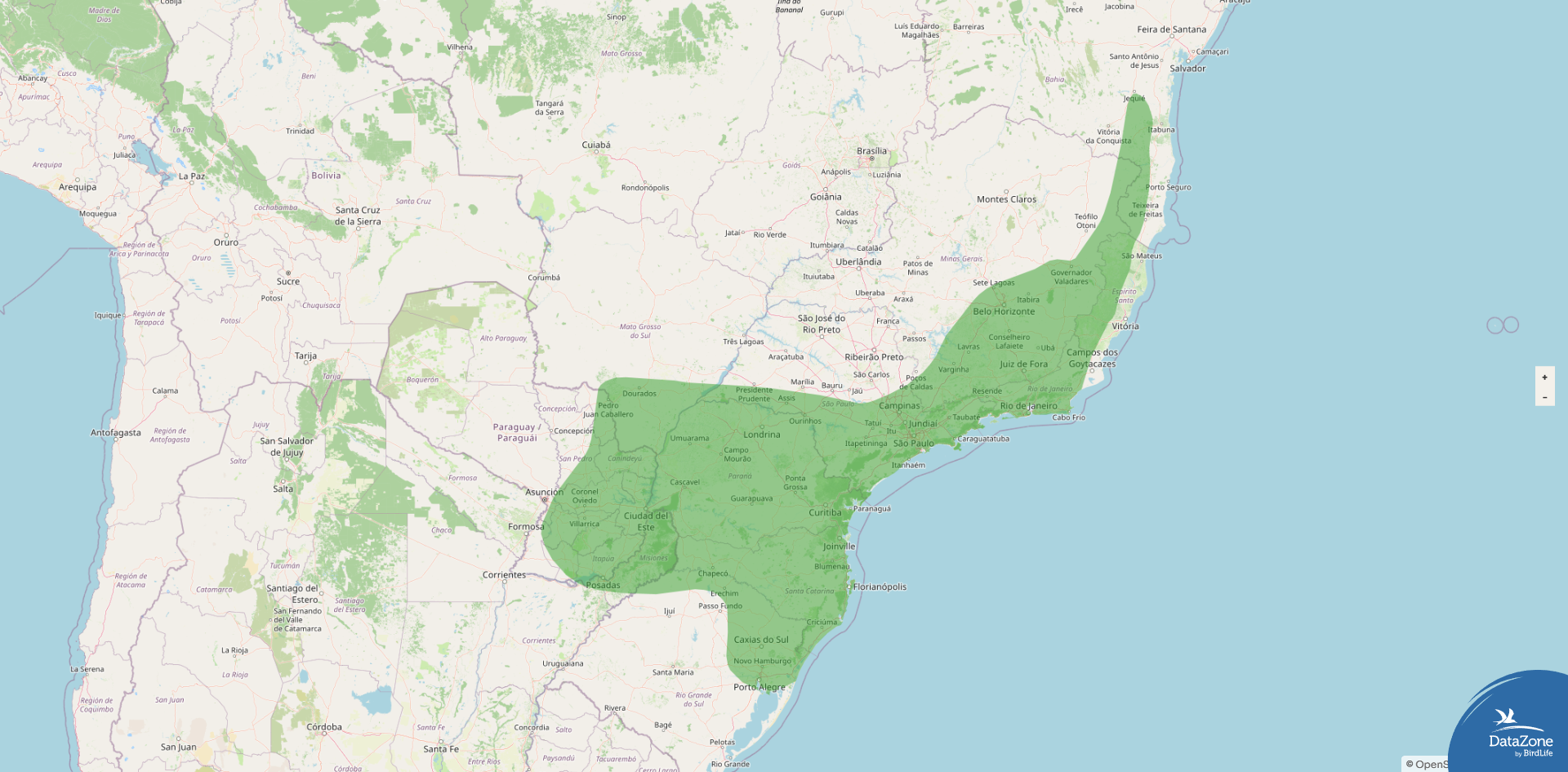
Legend
Green Resident
Species Overview
The Reddish Hermit is a tiny, active hermit with dark green upperparts, a bright cinnamon‑rufous rump, and rich rufous underparts. It has the typical hermit facial pattern of dark mask with pale superciliary and moustachial stripes and a long, decurved bill with a yellowish lower mandible base. It inhabits a broad range of lowland tropical environments from rainforest to wooded savanna and is often seen singly, working quietly along traplines between Heliconia and other understory flowers.
Male Description
Males measure about 8–9 cm and 1.8–3 g. The back is dark green to bronzy, contrasting with a bright cinnamon‑rufous rump and uppertail coverts. Underparts are cinnamon‑rufous from throat to belly, sometimes with a small black spot or short dark band on the chest in some individuals. The face shows a dark mask with a pale line above the eye and a pale moustachial stripe below. The bill is long and decurved, with a dark upper mandible and a yellowish base to the lower mandible. The tail is relatively short for a hermit, with rufous bases and darker tips, and small pale tips on the outer feathers. Subspecies differ subtly in size and richness of rufous tones; nigricinctus is the smallest and richest rufous, while longipennis is the largest with a whitish chin and rufous‑tipped central tail feathers.
Female Description
Females are very similar to males in plumage, with dark green upperparts and cinnamon‑rufous rump and underparts. They may show slightly duller rufous tones or a slightly different extent of the chest markings. The bill is also long and decurved, typically similar in shape but sometimes a touch shorter. Juveniles resemble adults but can have softer facial contrast and slightly duller colors until their first molt.
Habitat & Behavior
Reddish Hermits occupy a variety of lowland tropical habitats, including humid rainforest, swamp forest, forest edges, wooded savanna, cerrado with gallery forest, and heavily degraded former forest where sufficient understory and flowering plants remain. They are usually found in shaded understory and along forest edges and clearings where Heliconia and other nectar plants are common.
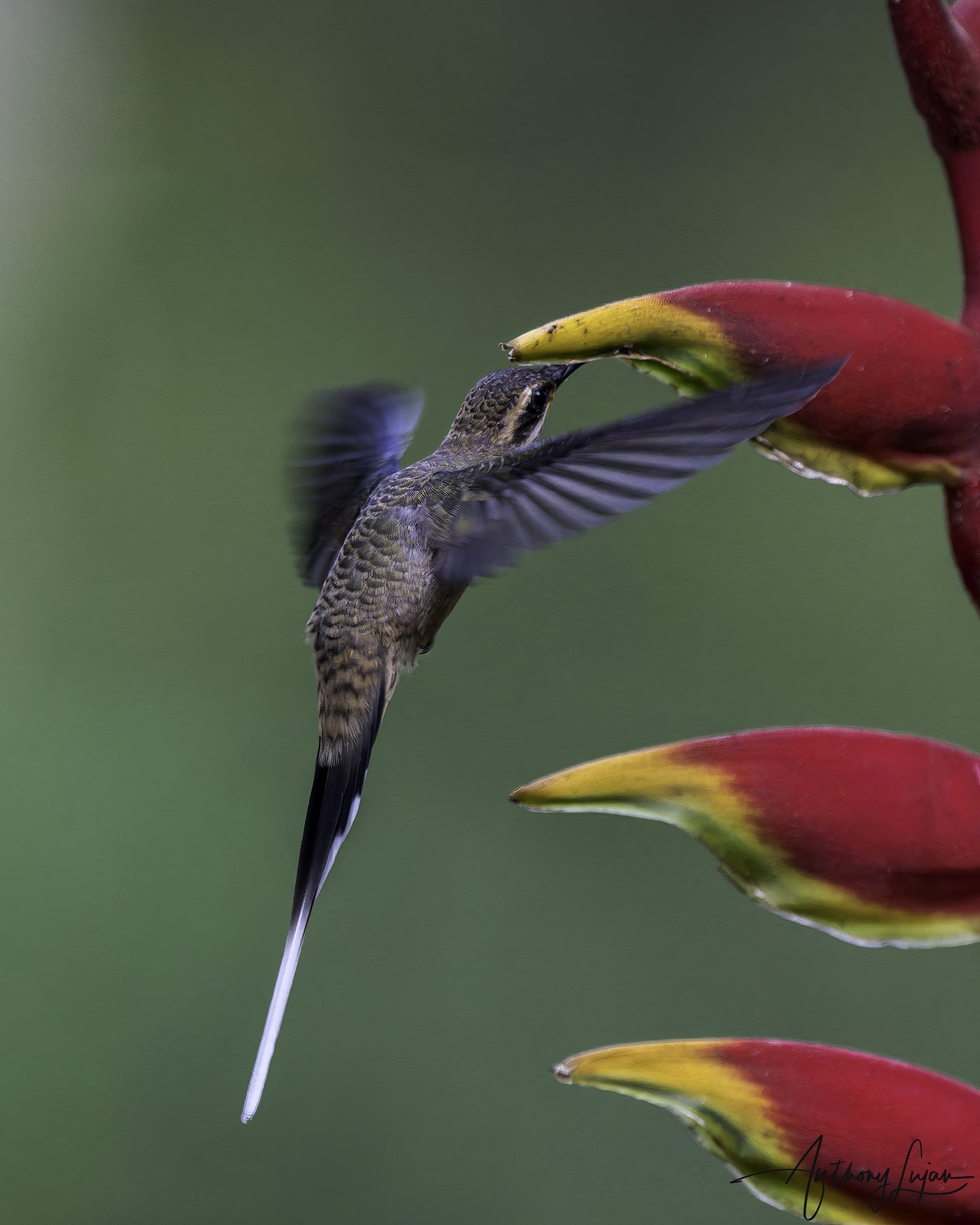
They feed primarily on nectar from tubular flowers, especially Heliconia, using the trapline method—following a repeated circuit of flowering plants instead of defending a single patch. They also capture small insects and other arthropods, gleaned from foliage or caught in short aerial sallies, to supplement their diet with protein. Birds are generally solitary, moving quickly and quietly, and are often first detected near stands of Heliconia.
Breeding
Breeding seasons vary across the wide range, but generally fall between May and October in northern parts of the range and October to February farther south. The female builds a cone‑shaped cup nest of plant fibers, mosses, lichens, and spiderweb, attached to the underside of a drooping leaf or similar support in the understory.
The typical clutch consists of two white eggs. The female alone incubates the eggs and feeds the chicks. Incubation lasts about two weeks, and the young fledge roughly three weeks after hatching, as in other small hermits.
Movement
The Reddish Hermit is considered not a migrant. It is resident across its broad range from Venezuela and the Guianas through Amazonian Brazil into southeastern Peru and northern Bolivia. Individuals may shift locally within lowland landscapes as flowering patterns, water levels, and microhabitats change, but there is no evidence of regular long‑distance or seasonal migration.
Population
The total number of mature individuals is unknown, but the species is described as locally common to abundant in many parts of its wide range. It occurs in several protected areas, and its ability to use a spectrum of lowland habitats, including some degraded forests and wooded savannas, provides resilience. Nevertheless, extensive deforestation, habitat degradation, and conversion of forests and savannas to agriculture and pasture are likely driving a gradual overall decline.

Conservation
The Reddish Hermit is assessed as Least Concern because of its very large range and generally common status in suitable habitats. However, continued deforestation and conversion of lowland forest and wooded savanna for agriculture, ranching, and development remain major threats. Maintaining tracts of moist lowland forest, swamp forest, gallery forest, and structurally complex second growth, along with Heliconia‑rich understory, is important for supporting healthy populations.
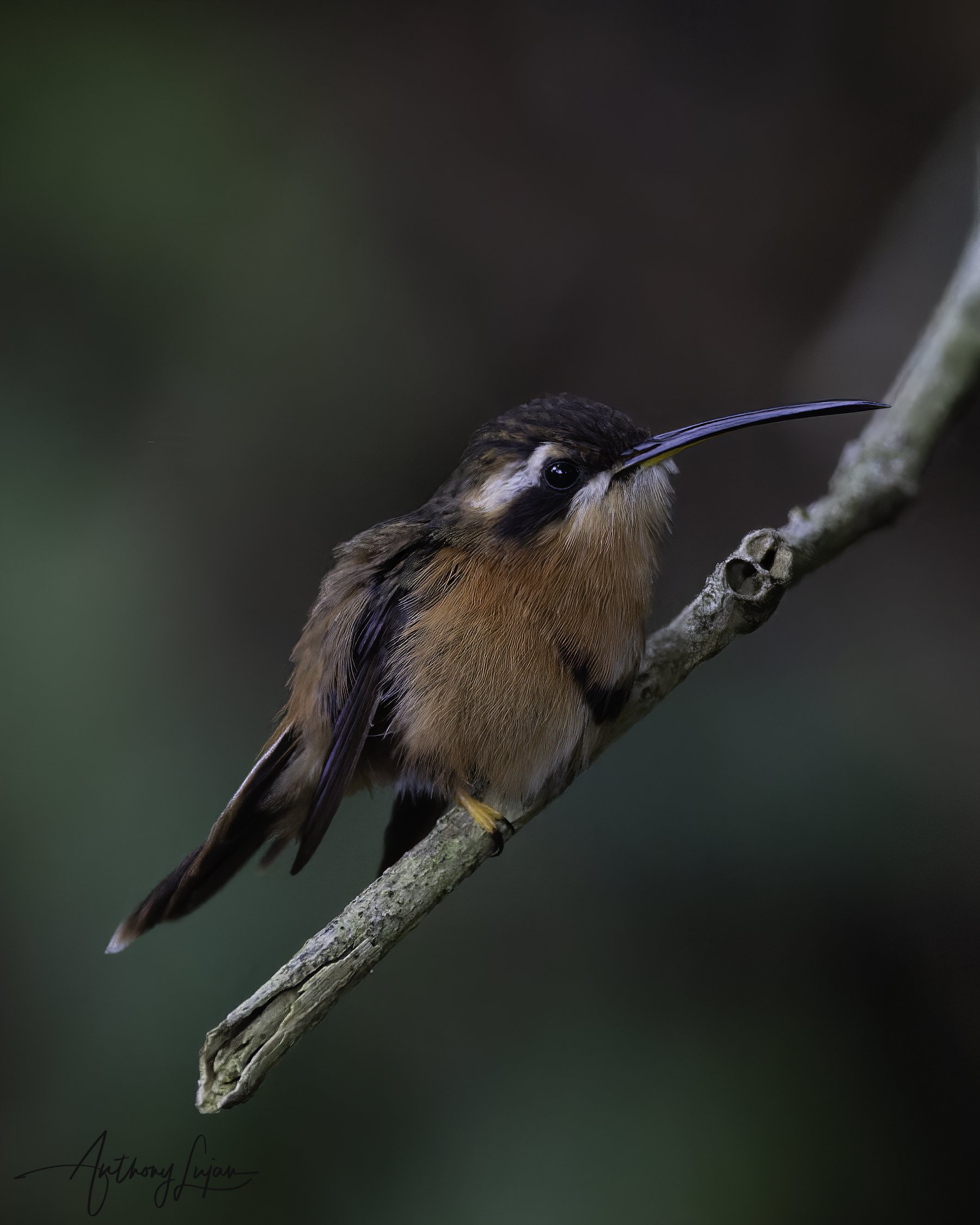
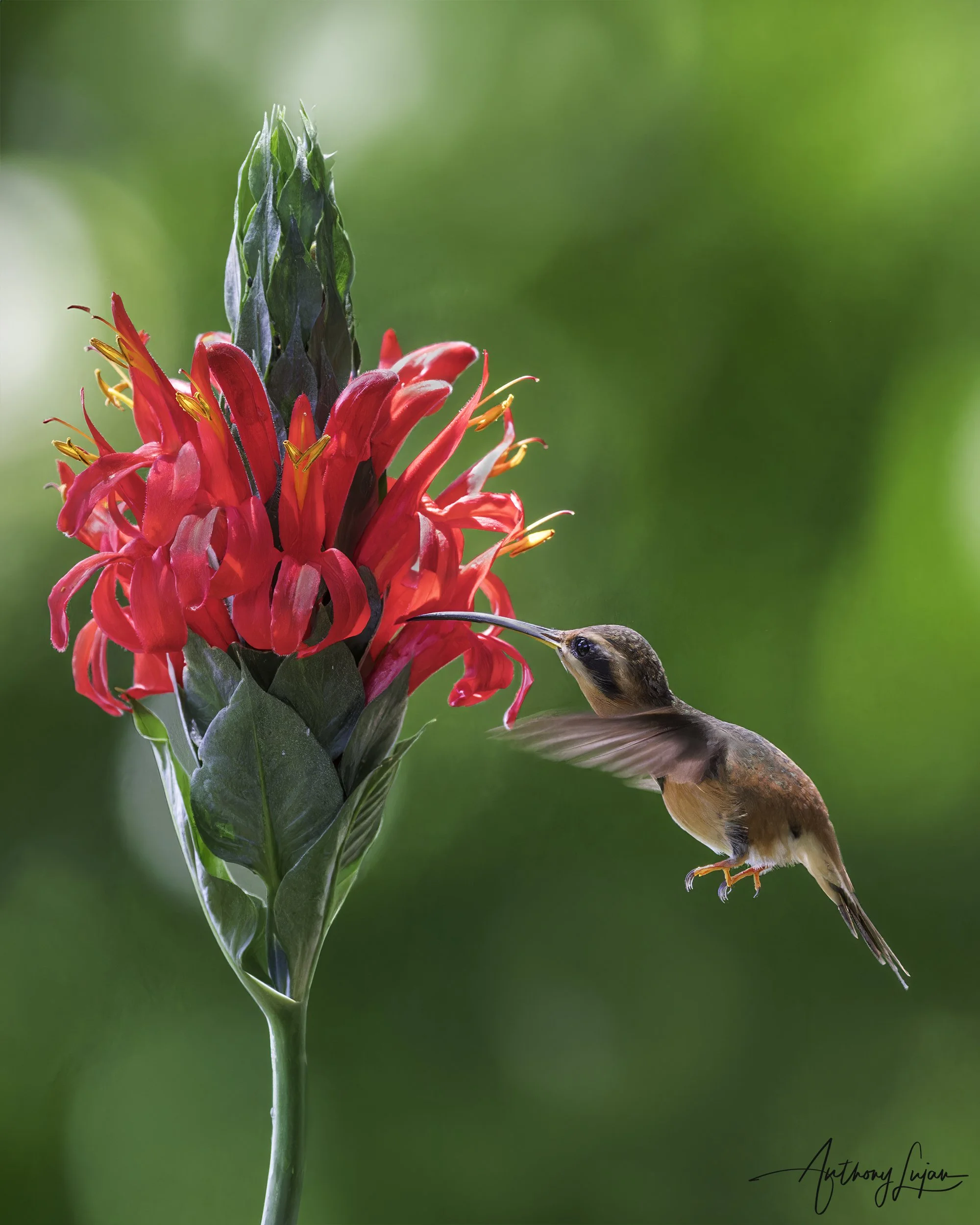
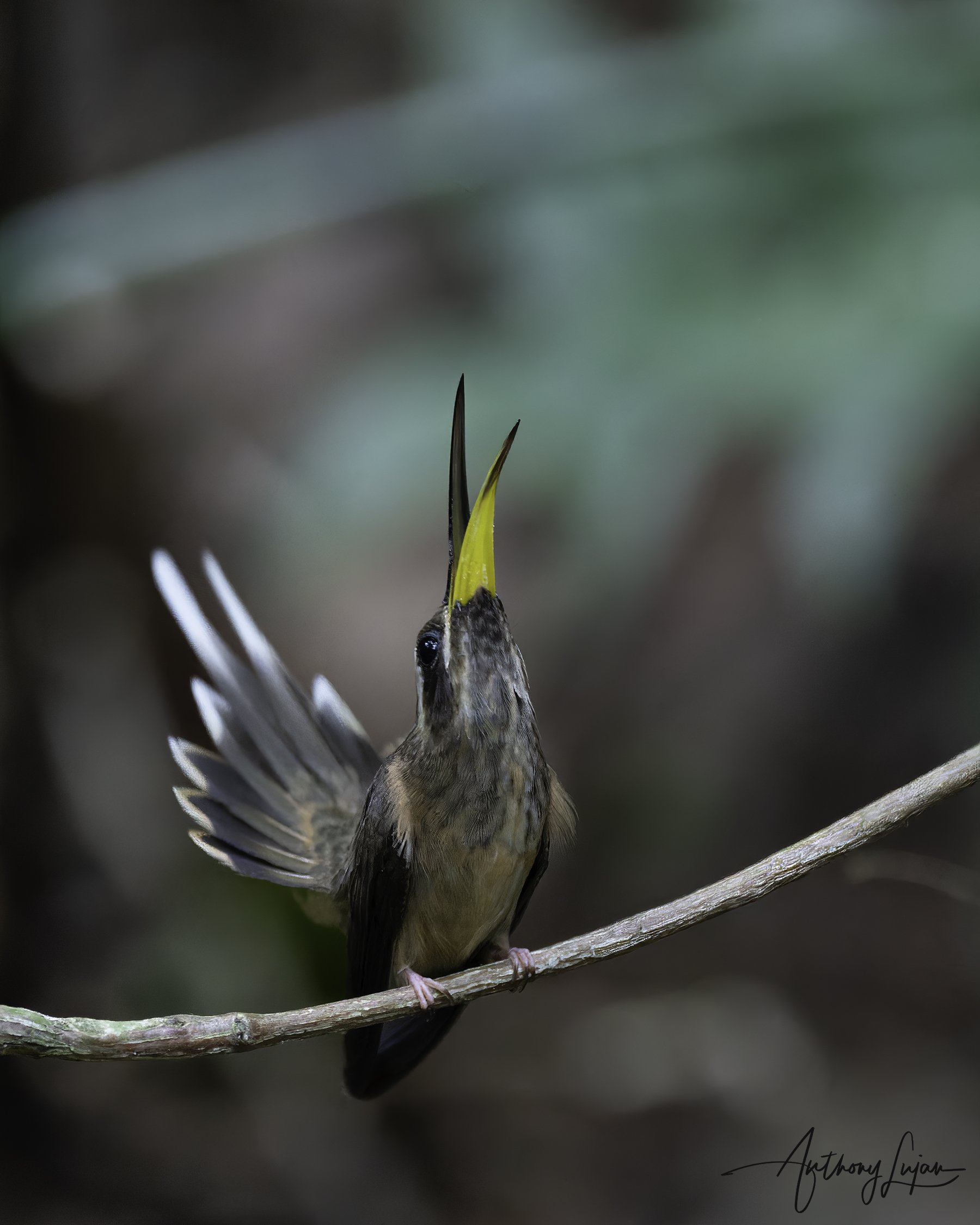
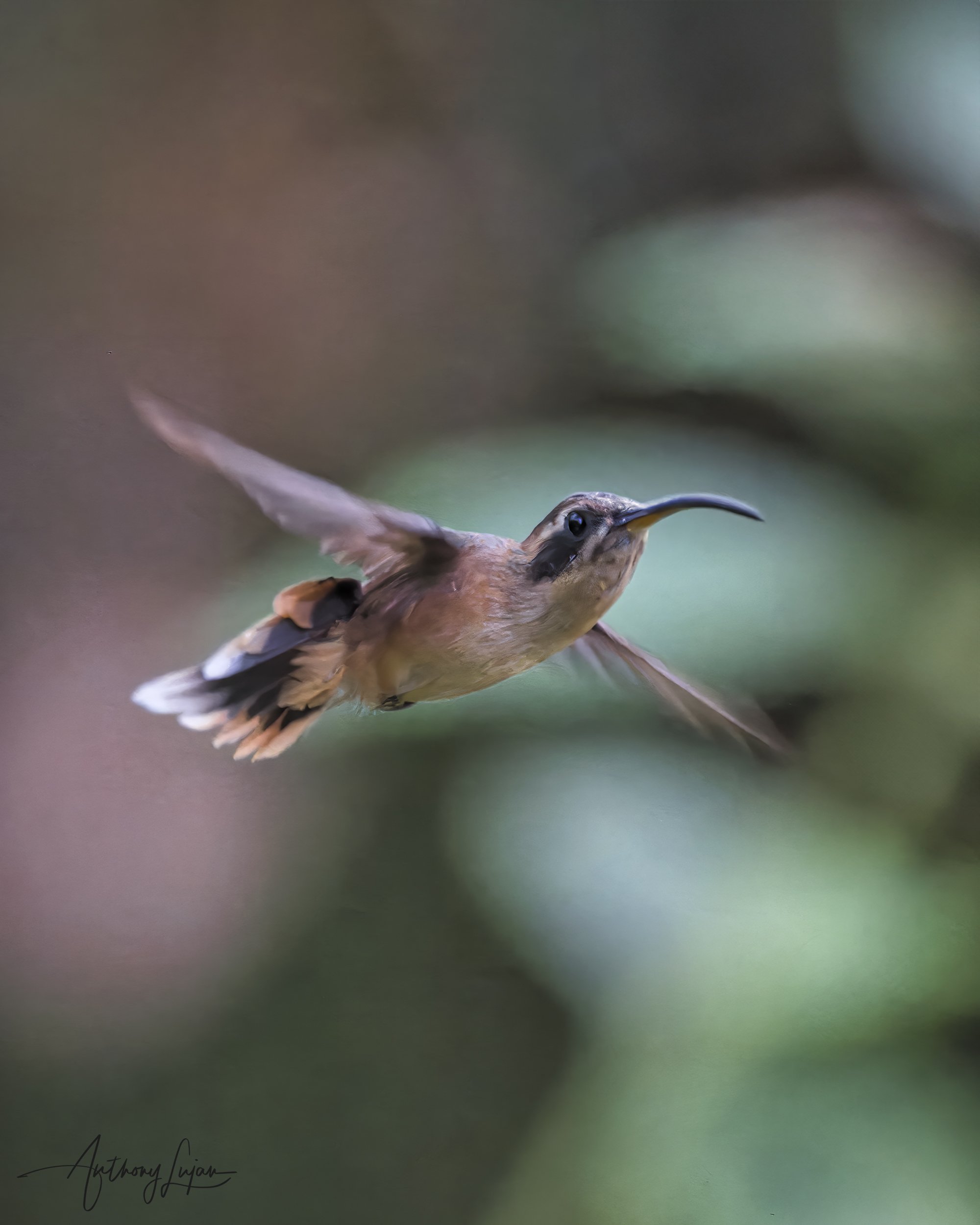
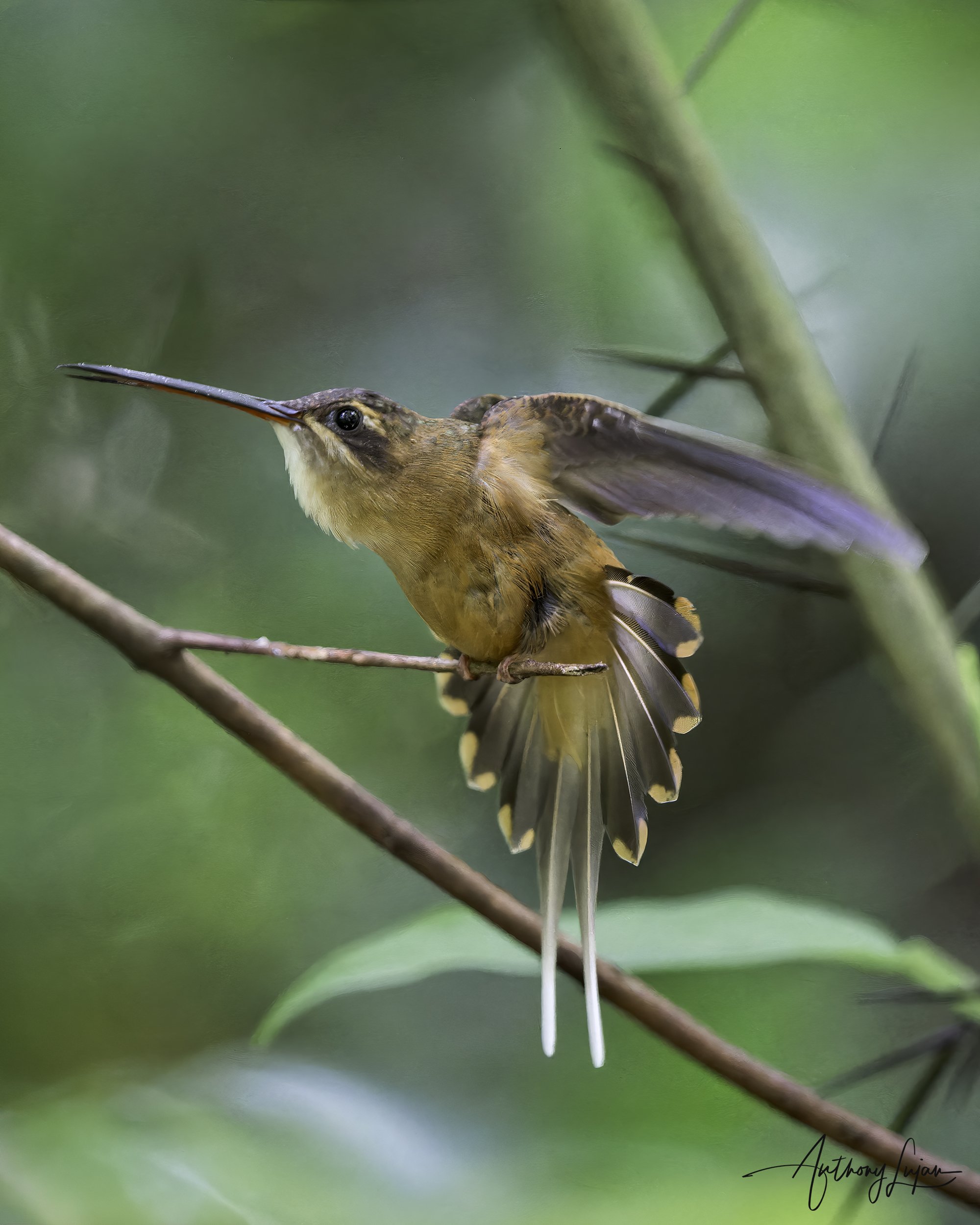
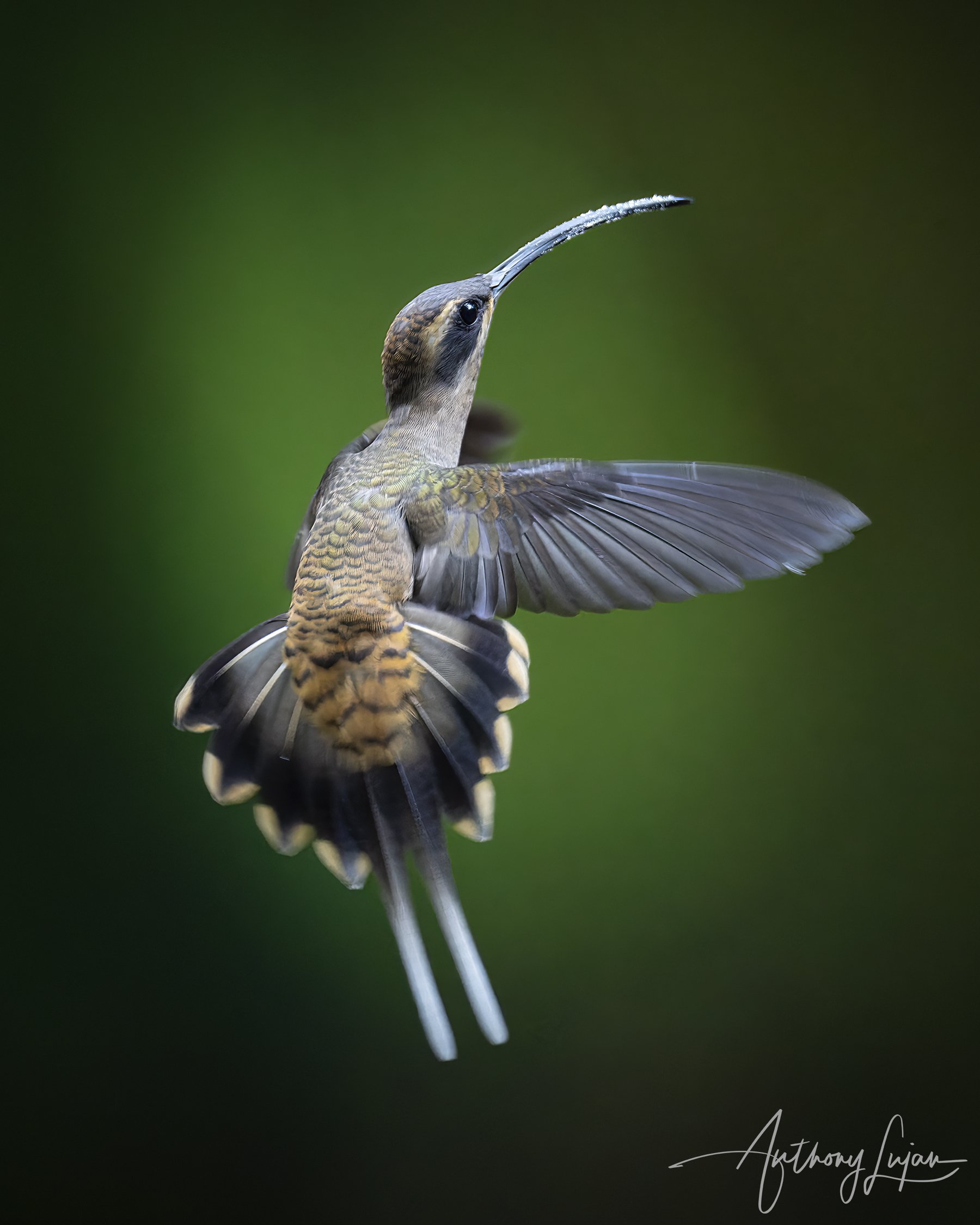
Below is the Reddish Hermit (Phaethornis ruber ruber)
Photographed at Pousada Casa de Geleia, Lençóis, Bahia, and Casa BirdingAtlantic, Resende, Rio de Janeiro, Brazil
These individuals belong to the nominate subspecies ruber, which is widely distributed across eastern and southern Brazil, including the Atlantic Forest and drier interior regions. Birds in this population are characterized by their bright rufous underparts, pale supercilium, black decurved bill, and white-tipped central tail feathers. The ruber form is adaptable and regularly found in low vegetation within forest borders, second growth, and regenerating woodlands.
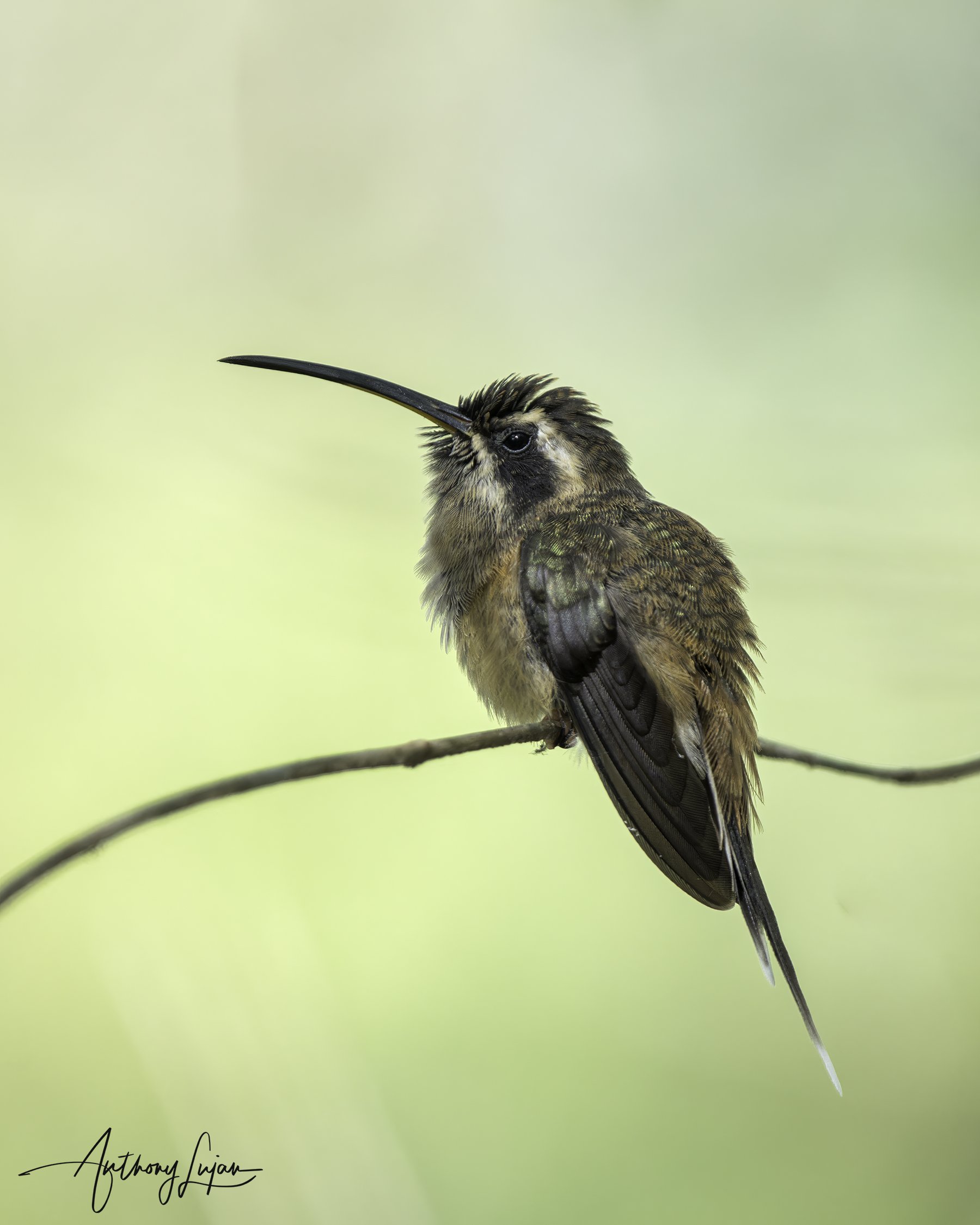
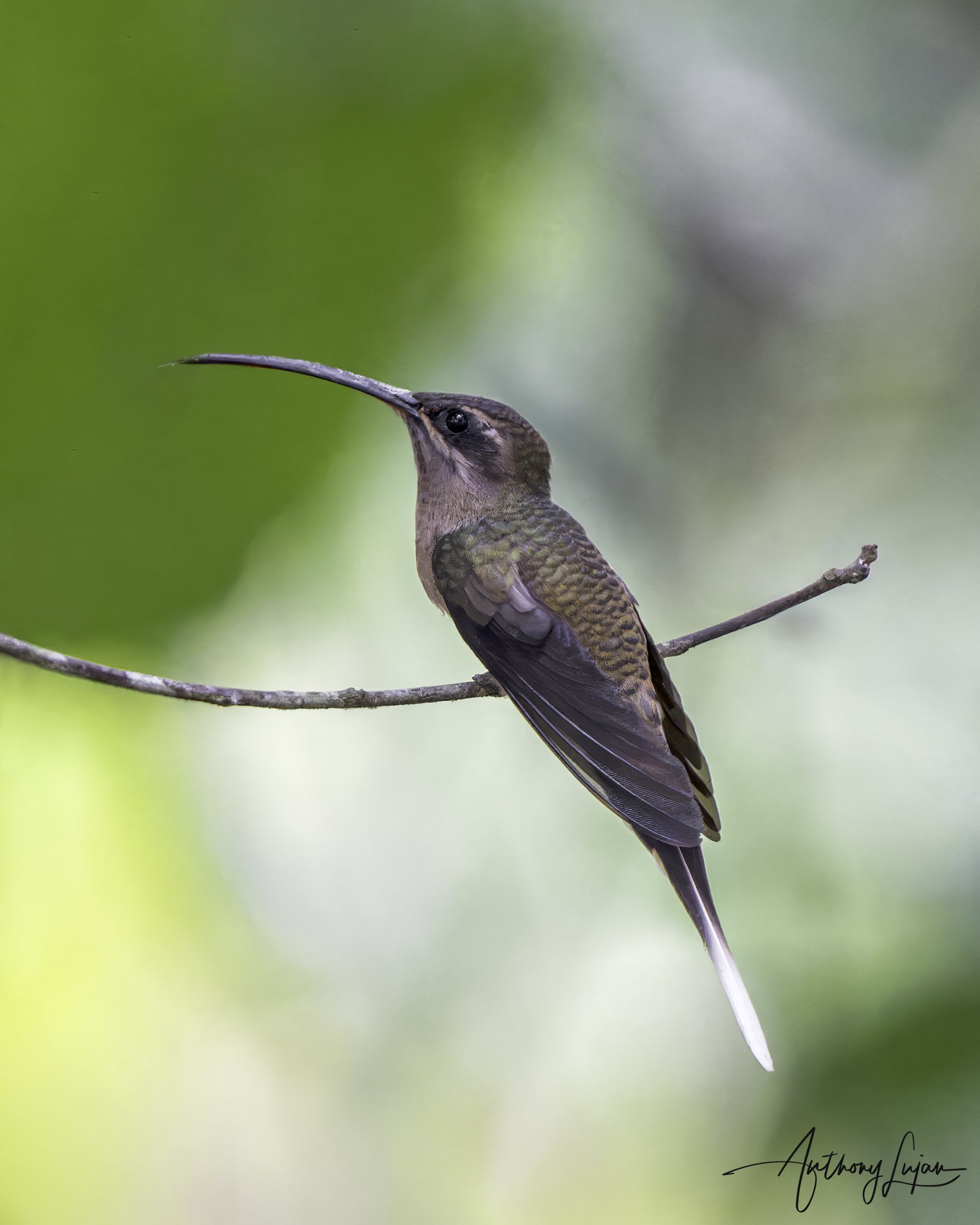
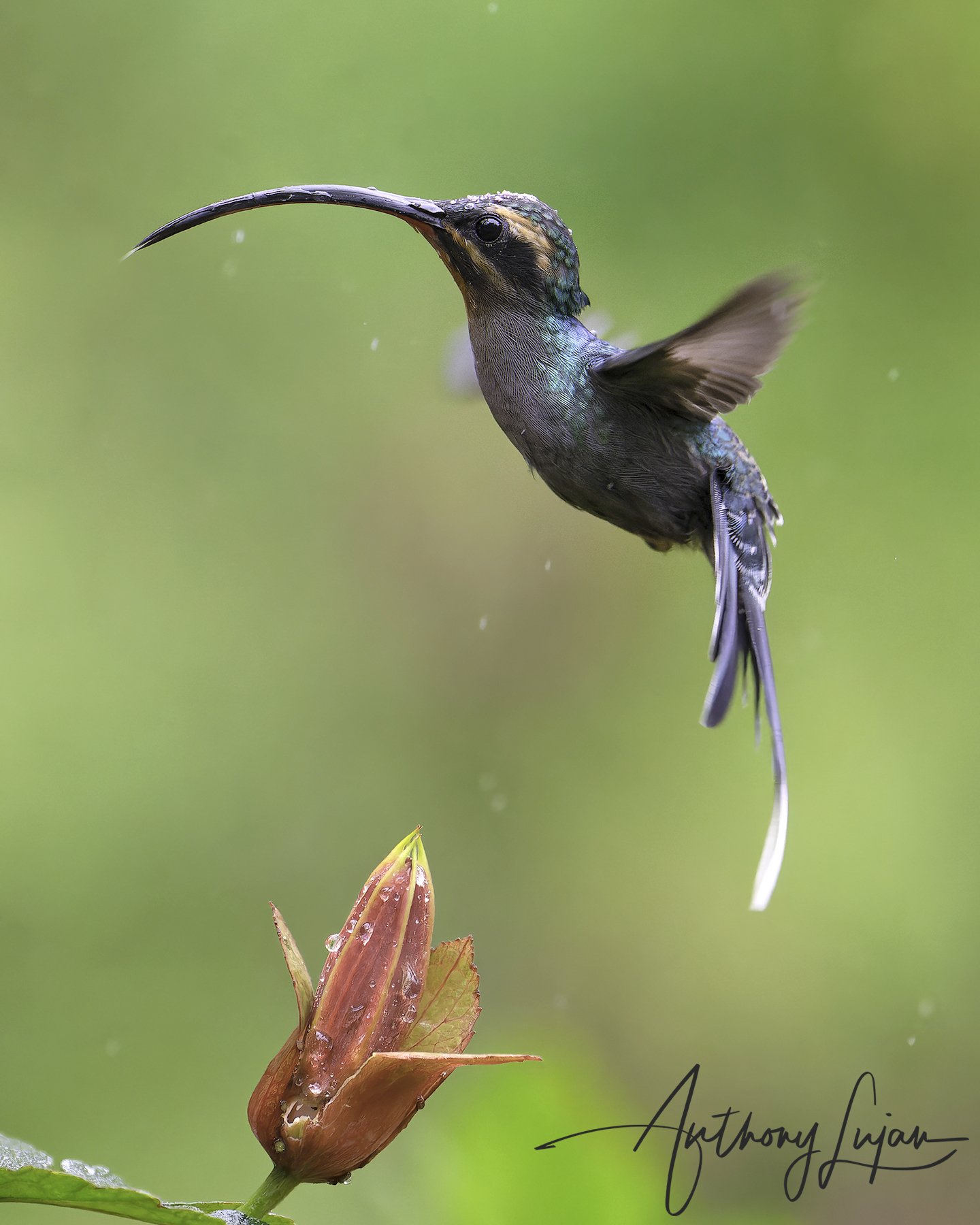
Related species in the Phaethornis genus (27 species total)


Please note: The content provided in this article reflects Anthony’s personal experience and photographic approach. Results can vary depending on light, weather, location, equipment, subject behavior, and field conditions.