Using Photography to Support Short-crested Coquette Conservation in Guerrero
Some of the most meaningful uses of my hummingbird photography happen far beyond galleries, books, or publications.
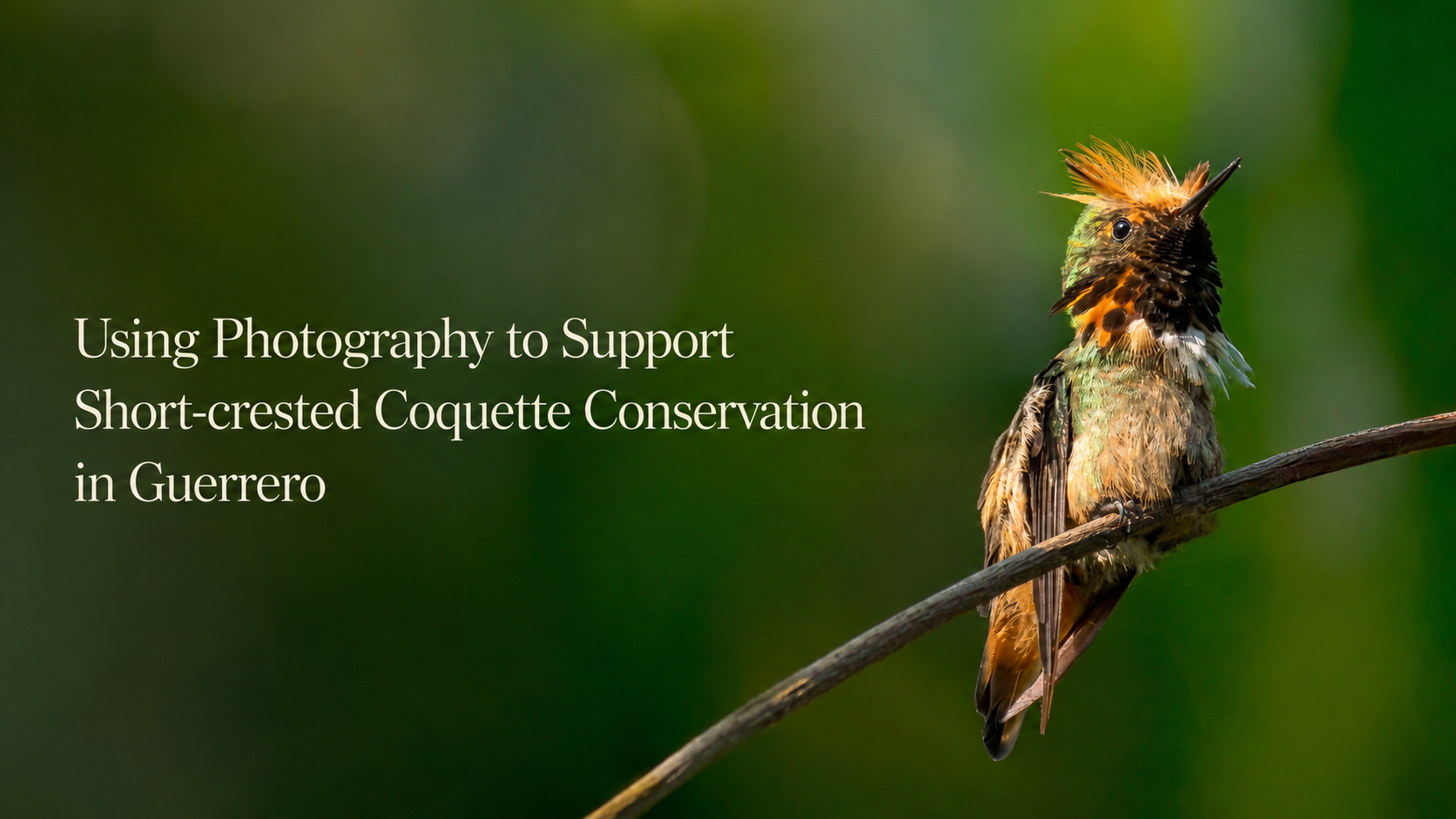
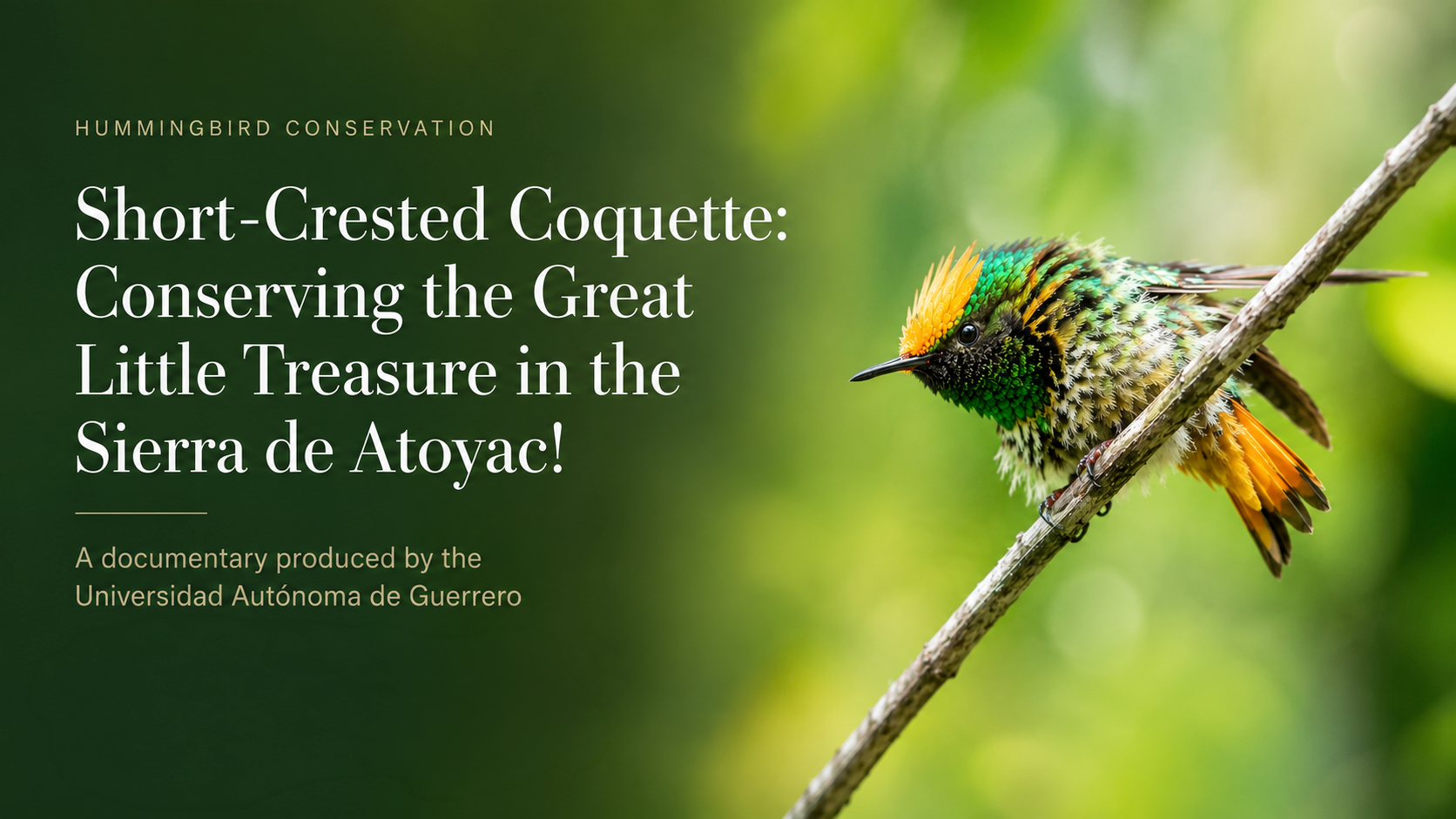
My photographs of the Short-crested Coquette (Lophornis brachylophus) are being used in collaboration with researchers at the Universidad Autónoma de Guerrero as part of conservation education focused on one of the world's most threatened hummingbirds.
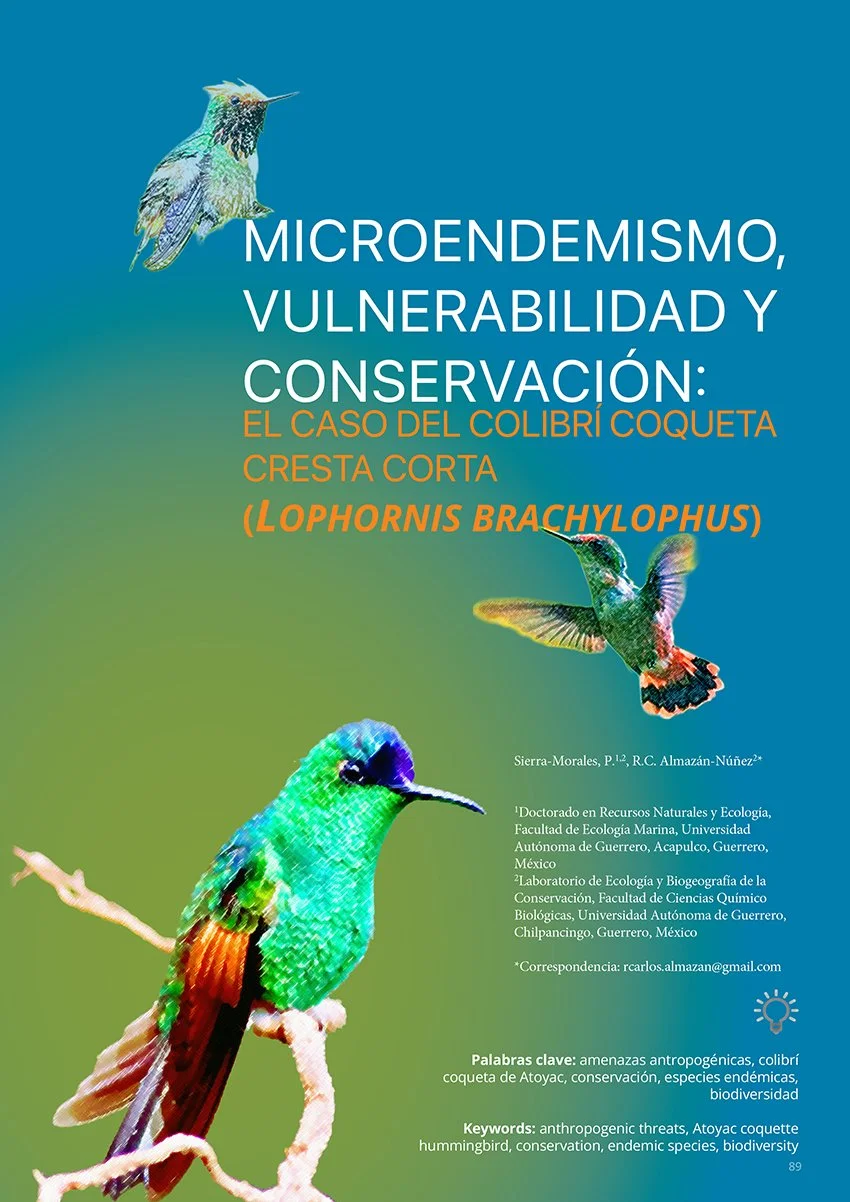
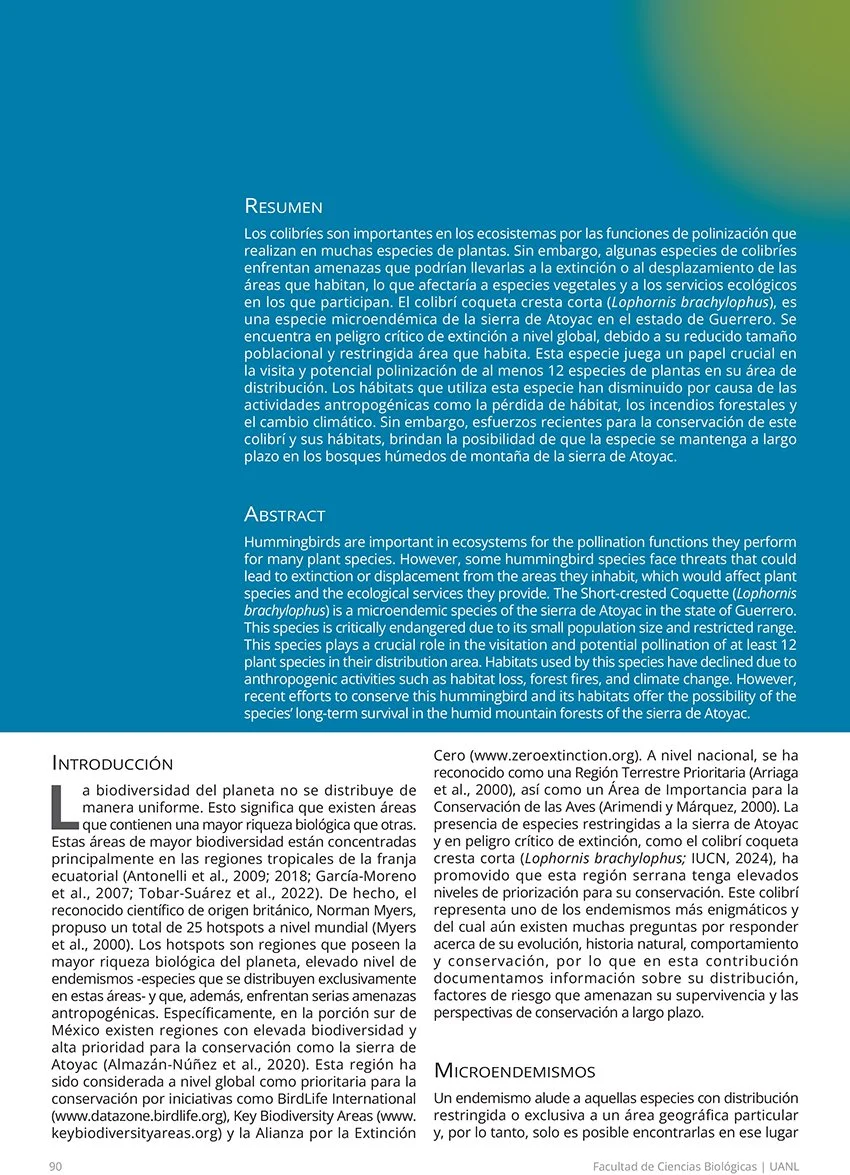
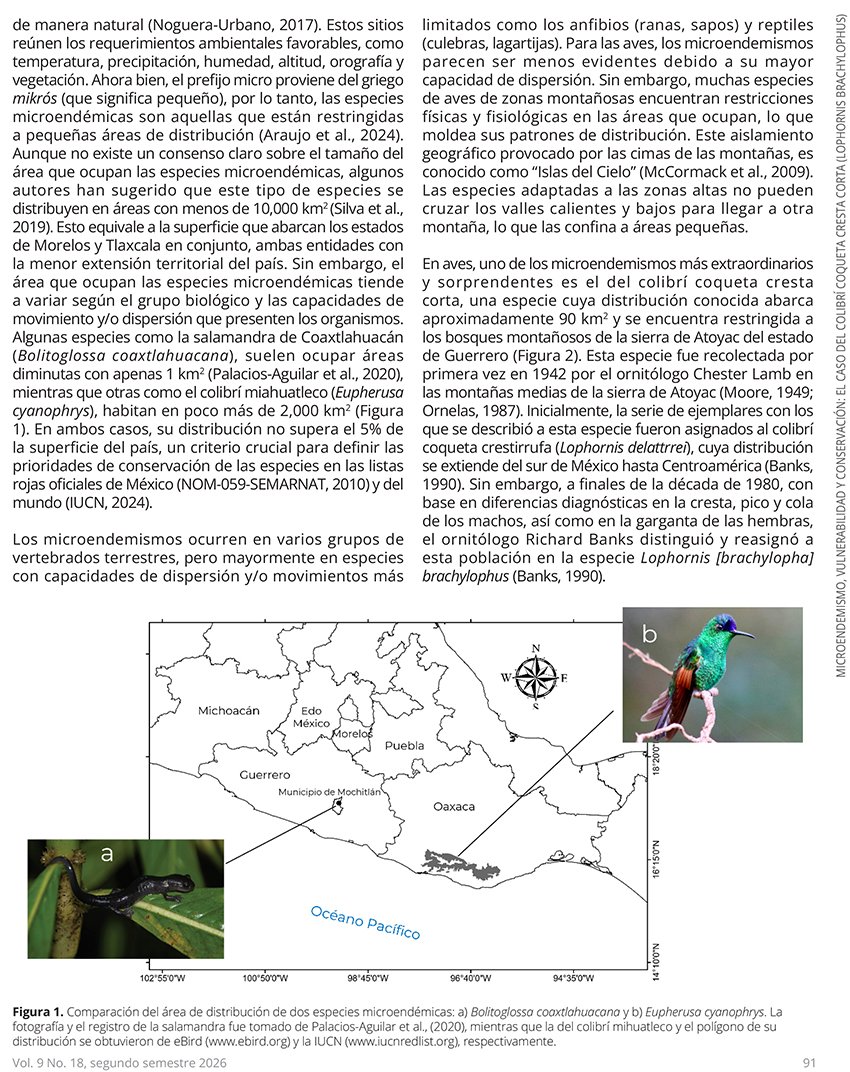
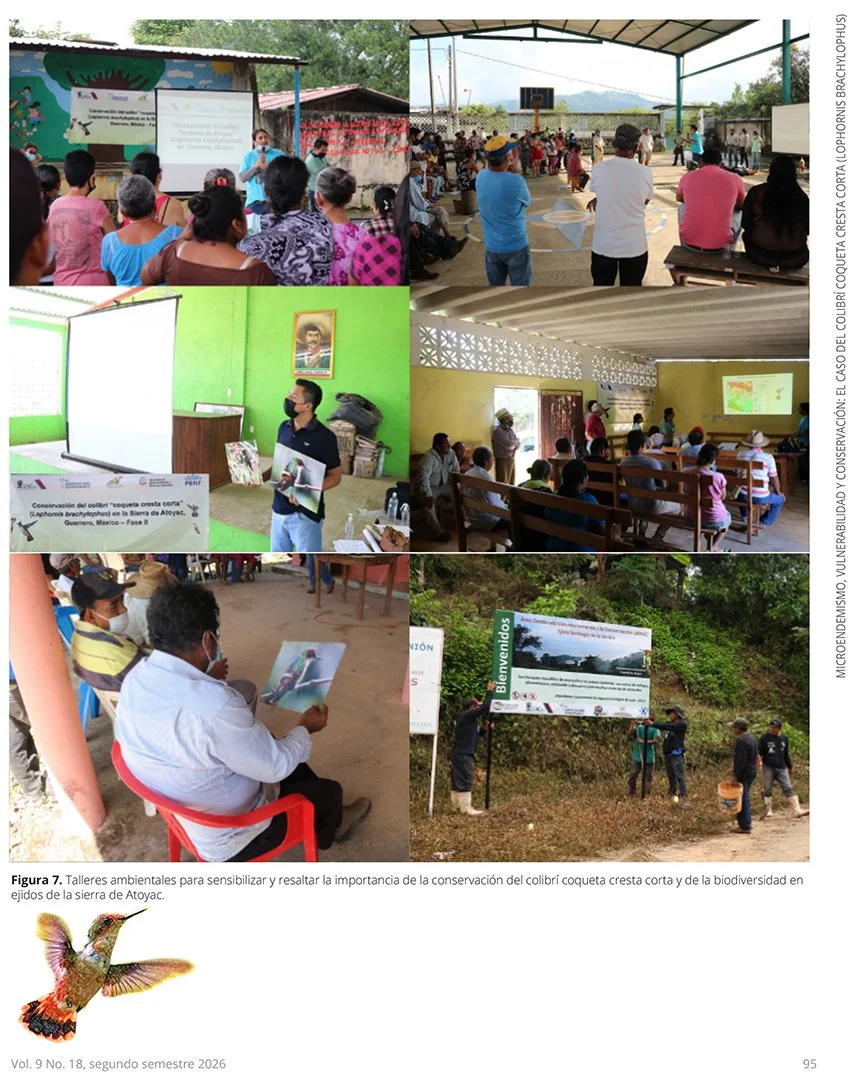
Researchers from the Doctorado en Recursos Naturales y Ecología at the Facultad de Ecología Marina in Acapulco and the Laboratorio de Ecología y Biogeografía de la Conservación at the Facultad de Ciencias Químico Biológicas in Chilpancingo developed a conservation flyer highlighting the species' biology, ecological importance, threats, and urgent protection needs.
For me, this is exactly where photography and conservation should intersect.
A Hummingbird With an Incredibly Small World
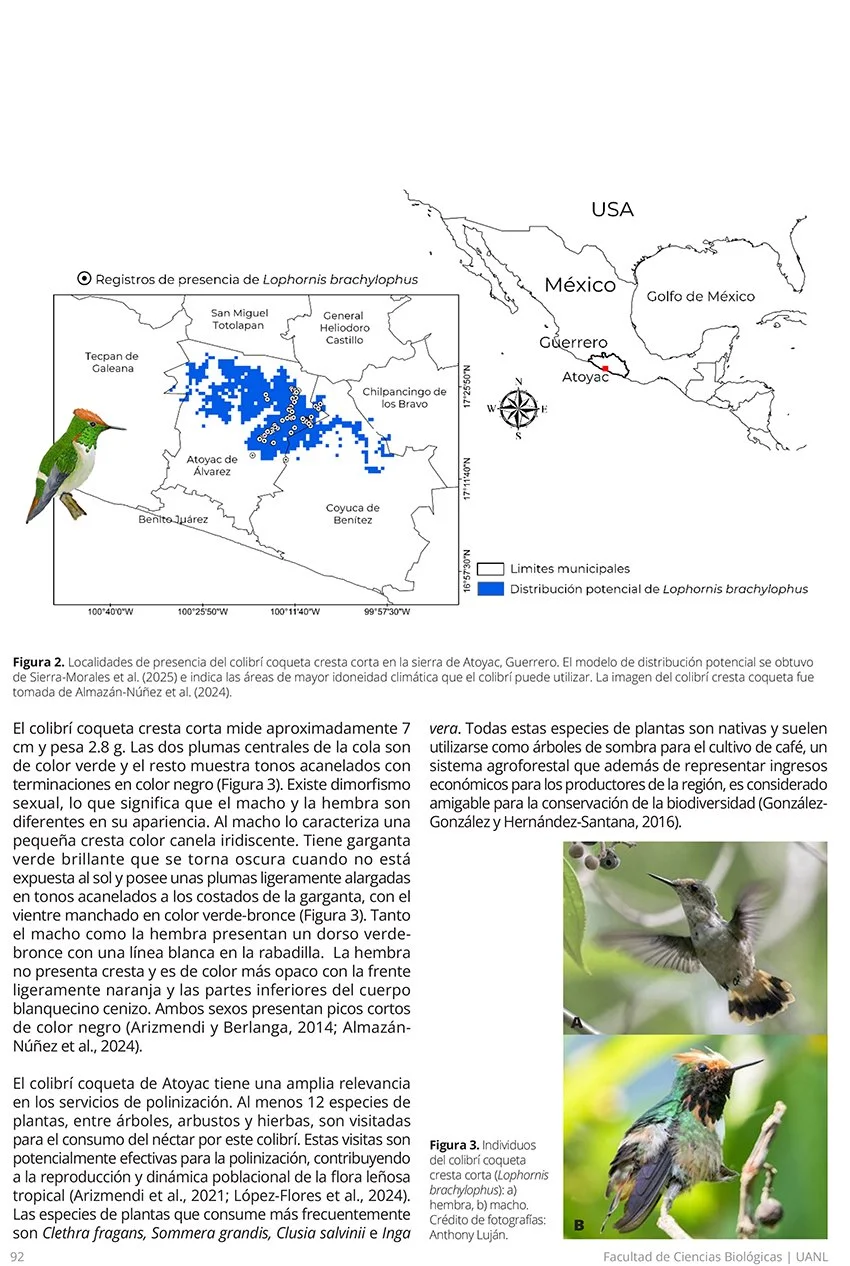
The Short-crested Coquette is a Critically Endangered microendemic of the Sierra de Atoyac in Guerrero, Mexico.
Its entire known world is extraordinarily small.
The conservation material developed by the Universidad Autónoma de Guerrero team highlights the coquette's importance as a pollinator within humid montane forests and shade coffee systems, where it regularly visits a variety of native flowering plants.
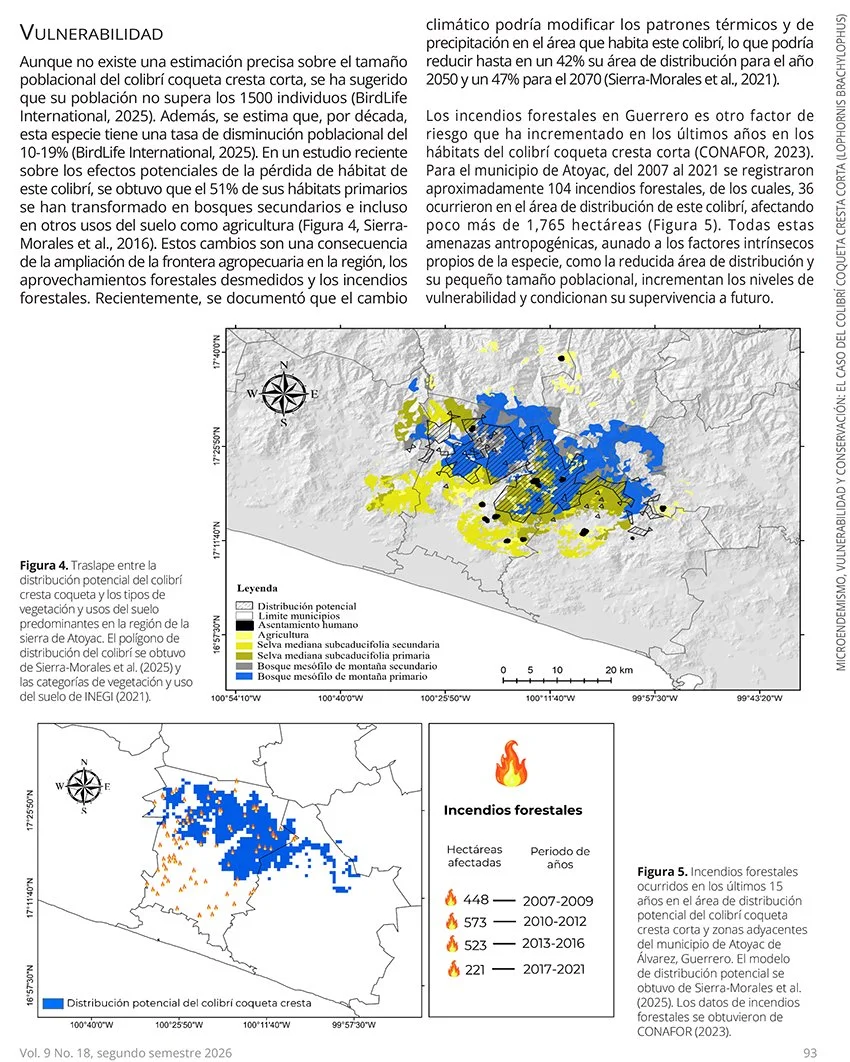
But this highly restricted hummingbird is facing increasing pressure from habitat loss, forest fires, and climate change.
When a species exists within such a limited range, changes to even a relatively small area of habitat can have serious consequences for its future.
Supporting Conservation Through Visual Storytelling
My photographs were used to help people see the Short-crested Coquette clearly and connect with a species that many will never encounter in the wild.
That matters.
Scientific data can explain why a hummingbird is threatened. Maps can show how little habitat remains. Researchers can document population changes and identify conservation priorities.
Photography can help make all of that personal.
A detailed image allows someone to look directly at the bird researchers are working to protect and understand that this is not simply another statistic on the Critically Endangered list.
It is a living species with an uncertain future.
Being able to contribute my images to researchers working directly in Guerrero is one way I can support their efforts and help give the Short-crested Coquette greater visibility.
Conservation Taking Place in the Sierra de Atoyac
The conservation flyer also highlights encouraging work already taking place within the region.
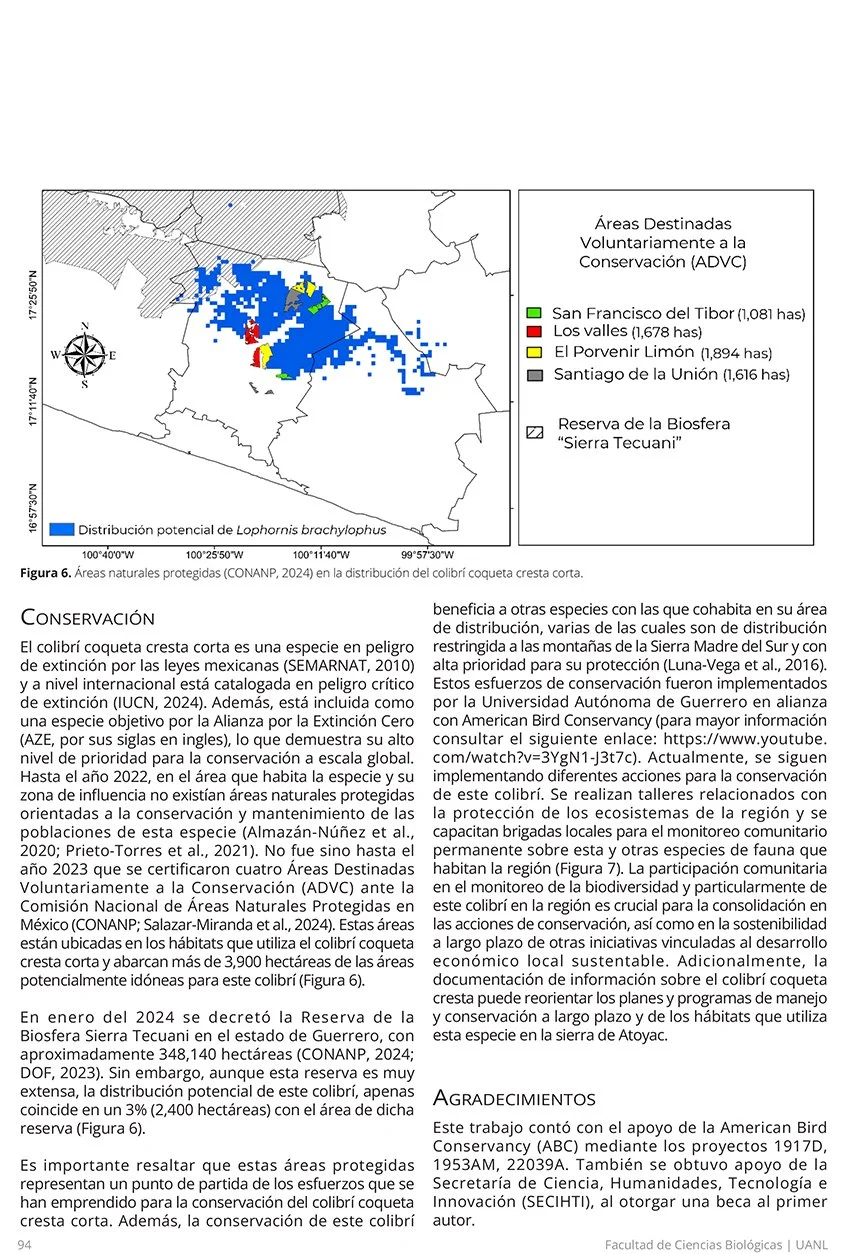
Efforts include the establishment of voluntarily conserved areas, broader protected-area designations overlapping portions of the Short-crested Coquette's potential distribution, and community-based monitoring and environmental education within the Sierra de Atoyac.
Those local efforts are critical.
Protecting a microendemic species requires more than awareness outside its range. It depends on researchers, communities, landowners, conservation organizations, and local partners working within the landscape where the species actually survives.
My role in that work is small, but meaningful to me.
I can use the photographs I have worked so hard to capture to support the scientists and conservationists whose research, education, and field efforts are helping keep this extraordinary hummingbird in the conversation.
More Than a Photograph
The Short-crested Coquette is another reminder of why my photographic journey has become increasingly connected to conservation.
I want these images to do more than document what a species looks like.
I want them to help researchers communicate their work, introduce people to hummingbirds they may never see themselves, and bring greater attention to species whose futures depend on people understanding what is at stake.
I am grateful to the researchers at Universidad Autónoma de Guerrero for allowing my photography to become part of their conservation work in Guerrero.
When a photograph can help science reach more people and give an endangered species a stronger voice, that photograph has accomplished far more than simply capturing a beautiful bird.
Help Anthony Reach the Next At-Risk Hummingbird
Like my journey into the Sierra de Atoyac in Guerrero, Mexico, to photograph the Critically Endangered Short-crested Coquette, many of the hummingbirds still ahead require travel into remote and difficult-to-reach regions across the Americas.
Your sponsorship helps make these expeditions possible, allowing me to reach and document these species through photography and video, share their stories, and bring greater attention to the challenges facing their survival.
Each expedition is about more than creating a photograph. It is about documenting a species, the habitat it depends upon, and the conservation story surrounding its future.
Help me continue the journey and reach the next hummingbird that needs its story told.
More on Short-crested Coquette Conservation
Follow the research, community education, habitat protection, and conservation efforts helping protect this Critically Endangered hummingbird found only in the Sierra de Atoyac of Guerrero, Mexico.