
Green-tailed Trainbearer
Scientific name: Lesbia nuna
The Green-tailed Trainbearer is a slim, long-tailed Andean hummingbird with males showing an elongated green tail, found from western Venezuela through Colombia and Ecuador into Bolivia. The number of mature individuals is unknown, the population trend is considered Stable, and it is currently assessed as Least Concern.
At a Glance
Family: Trochilidae (hummingbirds)
Clade: Lesbiini – Coquettes
Genus: Lesbia — Andean trainbearers with very long tails in males and slim, decurved bills
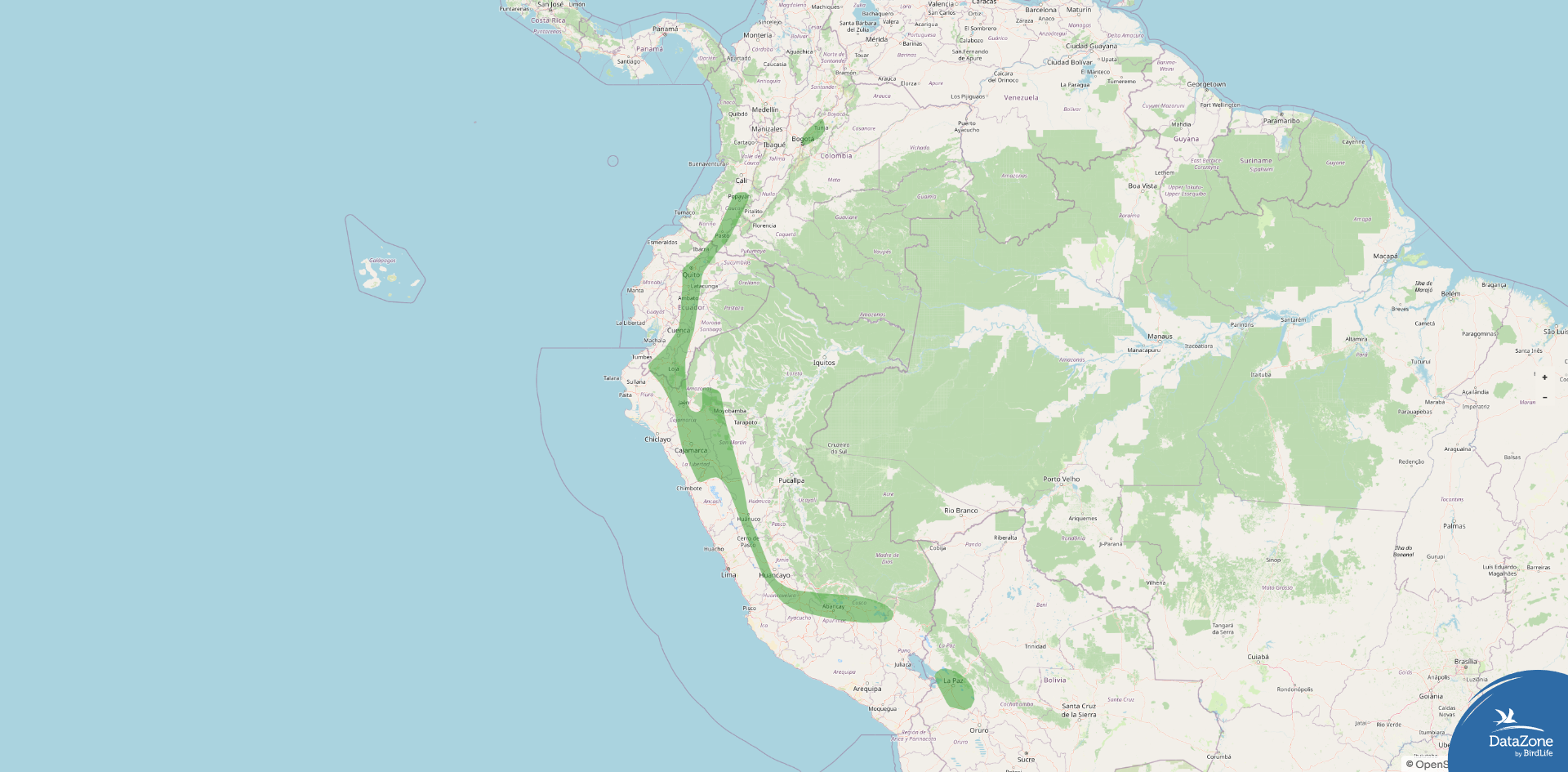
Range: Andes from western Venezuela through Colombia and Ecuador to Peru and Bolivia, mainly in inter-Andean valleys and on Andean slopes
Habitat: Open and semi-open high-Andean habitats including shrubby slopes, hedgerows, gardens, agricultural areas with bushes, and montane scrub near forest edges
Elevation: Mostly about 2,000–3,800 m, locally a bit lower or higher depending on region
Length: Male about 18–23 cm (7–9 in) including tail; female about 11–13 cm (4.3–5.1 in)
Weight: Around 4–6 g
Number of mature individuals: Unknown
Population trend: Stable
Status: Least Concern (IUCN)
Name Origin
The genus name Lesbia is derived from “Lesbos” in a classical sense and is now applied to a small group of long-tailed Andean hummingbirds. The species name nuna is thought to come from a local or indigenous word, likely referencing a regional name for the bird or area where it occurs. The English name “Green-tailed Trainbearer” emphasizes the male’s long, mostly green tail streamers that trail behind him like a train.
Subspecies & Distribution
Seven subspecies are recognized, forming a chain along the Andes:
Lesbia nuna gracilis – Western Venezuela (e.g., Mérida Andes) into northeastern Colombia.
Lesbia nuna nuna – Central Colombia in suitable high-Andean valleys and slopes.
Lesbia nuna gouldii – Southwestern Colombia into northern Ecuador.
Lesbia nuna aureliae – Ecuadorian Andes, especially central and southern Ecuador.
Lesbia nuna pallidiventris – Northern Peru (e.g., Cajamarca region) and adjacent slopes.
Lesbia nuna huallagae – Central Peru (Huallaga drainage and nearby Andean slopes).
Lesbia nuna boliviana – Southern Peru into Bolivia, including high inter-Andean valleys and slopes.
Together these subspecies occupy a broad band of high-Andean habitat from western Venezuela through Colombia and Ecuador to Peru and Bolivia, favoring semi-open slopes, valleys, and scrubby habitats near human settlements and forest edges.
Ledged
Green Resident
Species Overview
The Green-tailed Trainbearer is one of the most familiar long-tailed hummingbirds of the Andes, especially around towns, gardens, and shrubby slopes in inter-Andean valleys. It is closely associated with semi-open montane landscapes, where flowering hedges, shrubs, and herbs provide abundant nectar. Its wide range, use of human-modified habitats, and generally stable numbers support its status as Least Concern, even though local densities vary and high-Andean ecosystems face increasing pressure.
Male Description
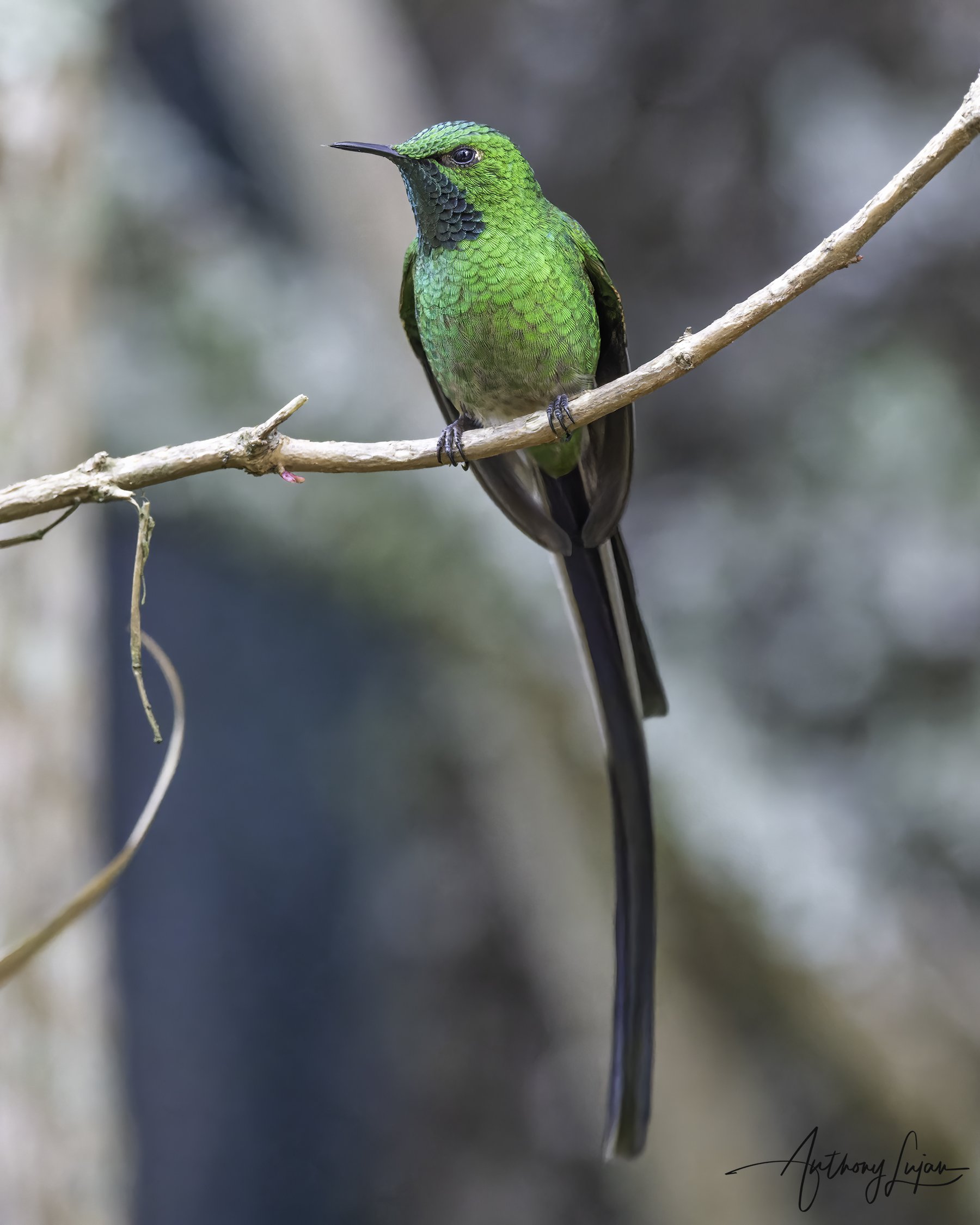
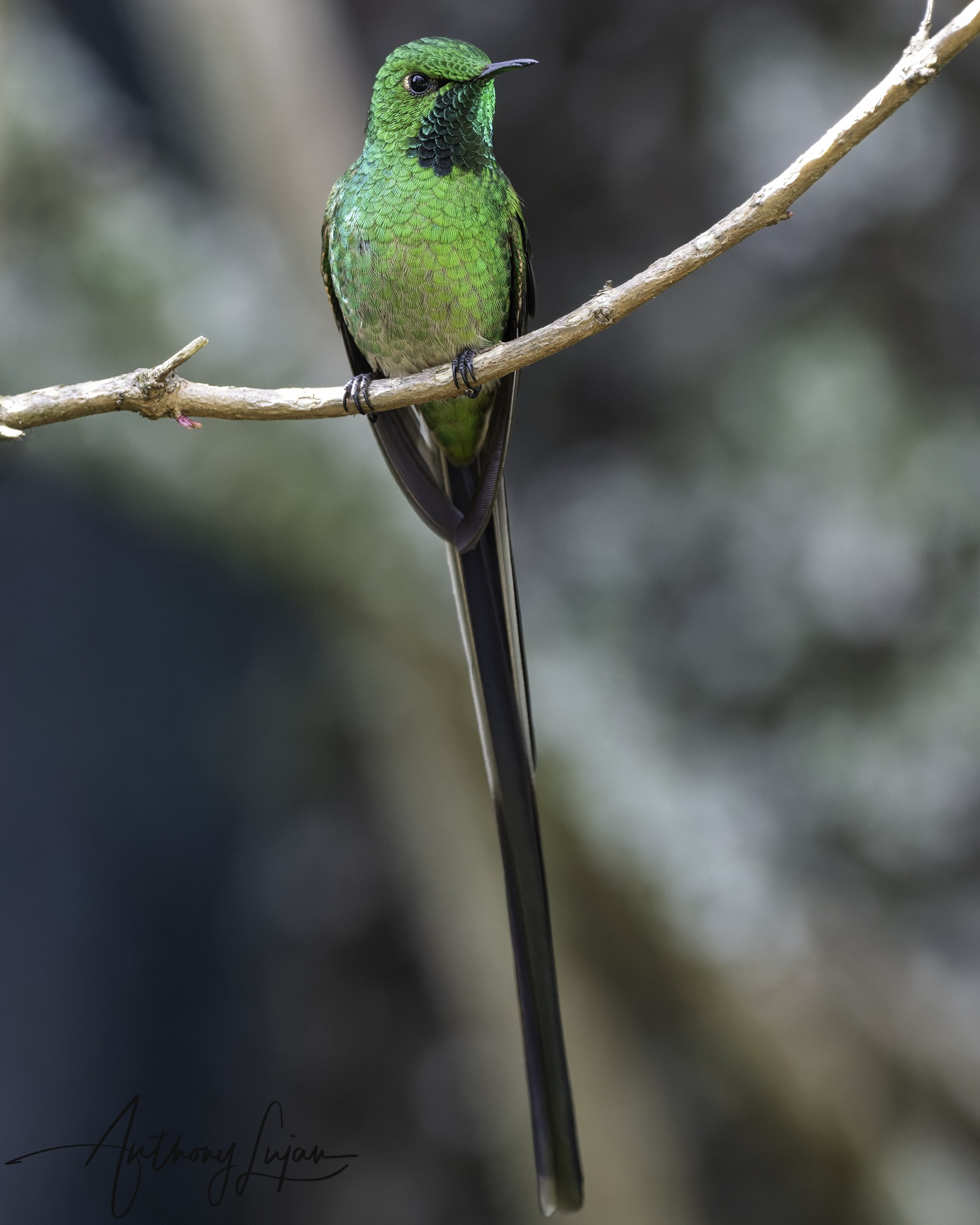
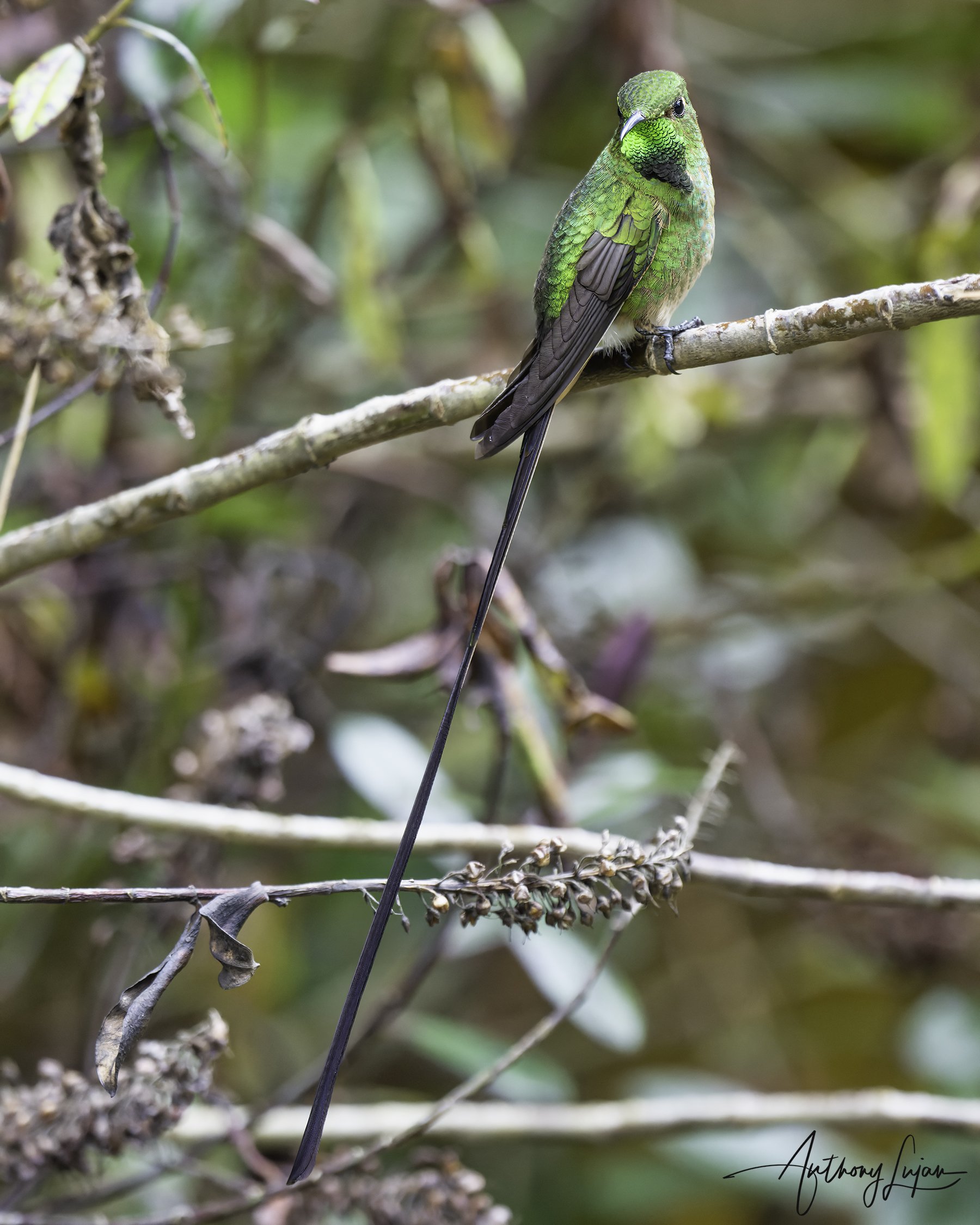
Adult males are slim and striking, with a medium-length, slightly decurved bill and an extremely long, mostly green tail that can be more than twice the body length. The upperparts are metallic green, often with a bright green gorget on the throat and greenish underparts that may shade to paler tones on the belly and vent. The tail streamers are narrow and elongated, green with darker shafts and tips, forming the “green-tailed” train that is especially conspicuous when the bird is perched on exposed branches or hovering. In flight, the male appears small-bodied with a long, flowing, green tail that curves and sways behind him.
Female Description
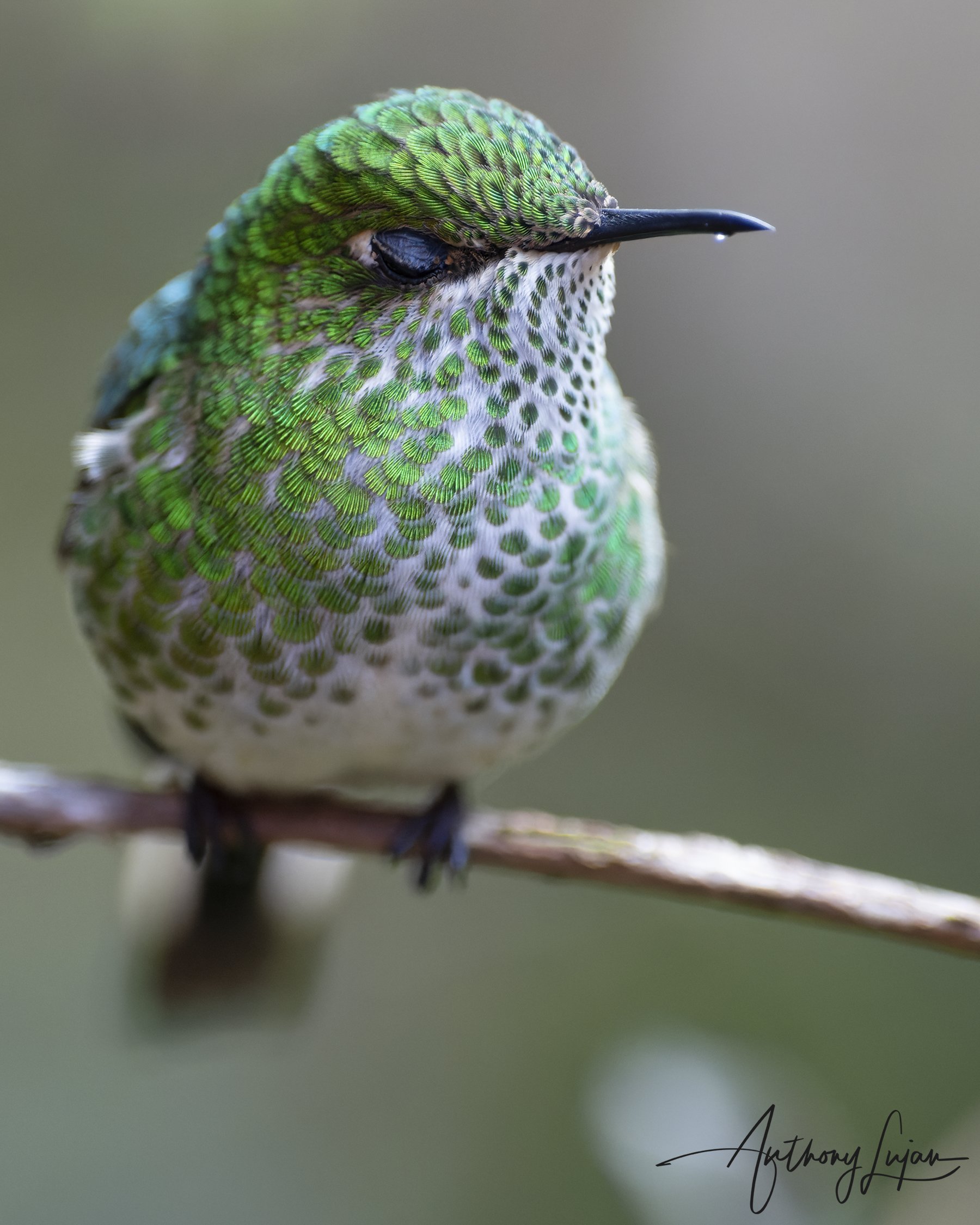
Females lack the long tail streamers and are more subtly patterned than males. They have green upperparts and a shorter, darker tail with some green and pale edging, but without the dramatic length of the male’s tail. The underparts are whitish to grayish with green streaking or speckling across the throat and breast, giving a scaled or spotted look. Overall, females resemble compact Andean hummingbirds of open habitats, best identified by their combination of decurved bill, streaked underparts, and association with males or known Green-tailed Trainbearer sites.
Habitat & Behavior
Green-tailed Trainbearers inhabit high-Andean shrublands, hedgerows, gardens, agricultural areas with scattered bushes, and edges of montane forest. They are common around human settlements where ornamental flowering plants, hedges, and weedy patches provide nectar. They feed mainly on nectar from a variety of tubular flowers, often visiting shrubs, agaves, and other flowering plants along roadsides and slopes, and also take small insects and spiders for protein. Males frequently perch on exposed twigs or fence posts, using their long tails as display features and engaging in aerial chases and displays over scrubby slopes and gardens.
Population
The total number of mature individuals is unknown, but Green-tailed Trainbearer is generally considered common to fairly common in suitable high-Andean habitats across much of its range. Its use of gardens, hedgerows, and altered landscapes has likely helped it remain widespread, and its overall population trend is regarded as Stable. Local fluctuations may occur with changes in flowering plant abundance and land use, but there is no evidence of rapid, broad declines at present.

Conservation
Green-tailed Trainbearer is listed as Least Concern because of its large Andean range, adaptability, and stable population trend. While Andean habitats face threats from agriculture expansion, urbanization, and climate change, this species’ preference for semi-open scrub, hedgerows, and gardens gives it resilience compared to more forest-dependent hummingbirds. Conservation of native shrublands, maintenance of flower-rich gardens and hedges, and protection of remaining montane forest patches will help ensure the species continues to thrive. Monitoring Andean hummingbird assemblages and preserving a mosaic of semi-open and natural habitats are important for supporting Green-tailed Trainbearers and other high-Andean specialists.
Below is the Green-tailed Trainbearer (Lesbia nuna gouldii)
Photographed at Observatorio de Colibríes, Cundinamarca, Colombia.
These individuals belong to the subspecies gouldii, found in the eastern Andes of northeastern Colombia (Boyacá and Cundinamarca) and extending into the central Andes of southern Colombia (southern Cauca and Nariño). This taxon occupies shrubby slopes, gardens, and montane forest margins at elevations between 2,400 and 3,200 meters.
Related species in the Lesbia genus (2 species total):
Please note: The content provided in this article reflects Anthony’s personal experience and photographic approach. Results can vary depending on light, weather, location, equipment, subject behavior, and field conditions.