
Hummingbirds are incredibly fast and agile, but they are not free from danger. Like all small birds, they can become vulnerable to predators, especially when they are drawn repeatedly to the same feeding areas.
This became painfully real for Anthony at home, where roadrunners began hunting hummingbirds near his feeders. He personally observed roadrunners stalking hummingbirds by sitting close to the feeder and then suddenly jumping at them.
Watching this happen was devastating. After creating a yard filled with hummingbird flowers and feeders to support and attract these birds, witnessing such a brutal event was deeply difficult. In response, Anthony removed the roadrunners from the property and set up sound alarms to help deter them from returning.
Experiences like this are a reminder that when we attract wildlife, we also take on a responsibility to help protect it.
How Roadrunners Hunt
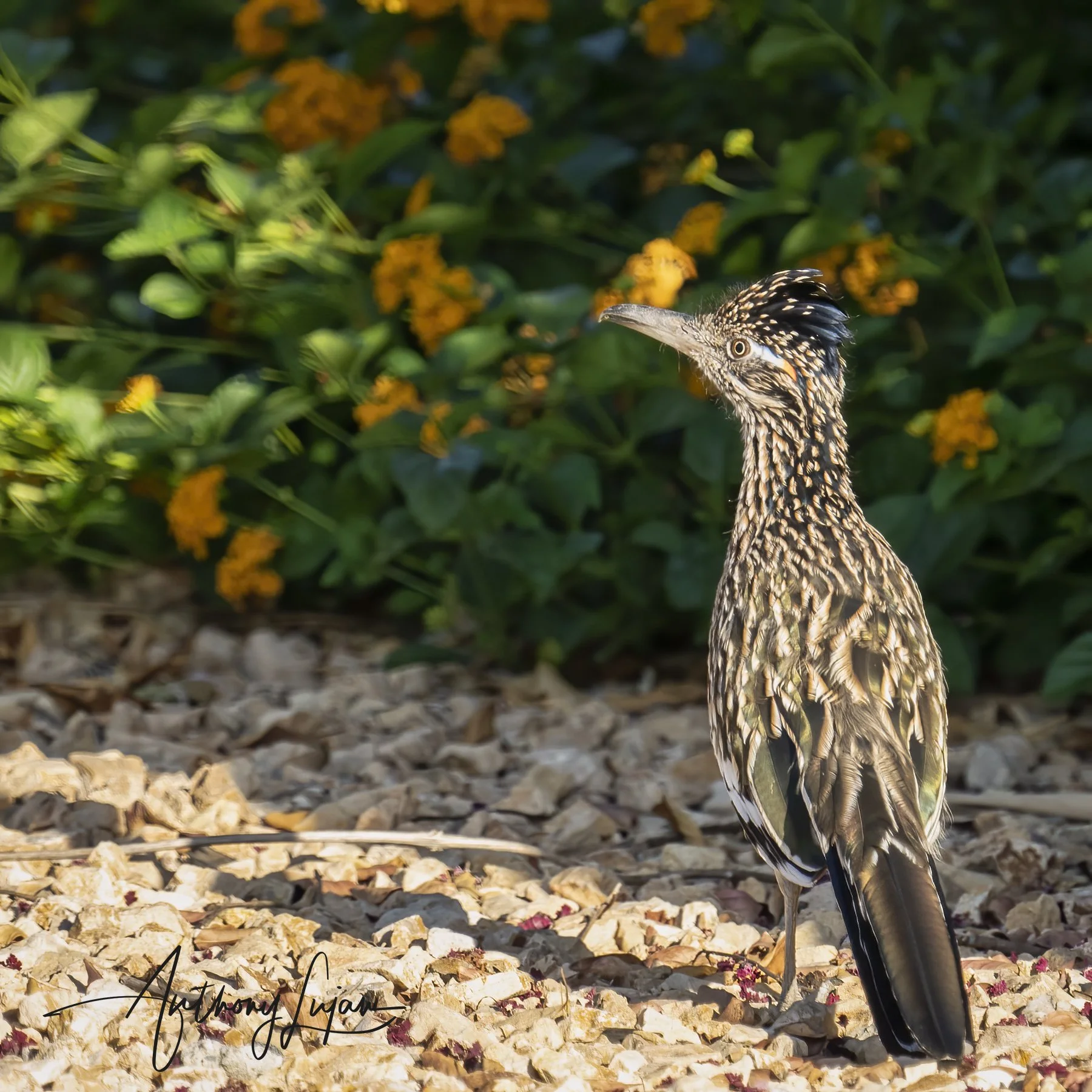
Roadrunners are active daytime hunters that rely on speed, patience, and sharp vision to capture prey. They typically move through open ground and low vegetation while searching for insects, reptiles, rodents, and other small animals.
Although they are best known for hunting on the ground, roadrunners are opportunistic predators. If a hummingbird repeatedly returns to a predictable location, such as a feeder, a roadrunner may learn to wait nearby and use surprise to its advantage.
Rather than chasing hummingbirds in open flight, a roadrunner may stalk quietly and strike when the bird comes in close.
Why Feeders Can Create Risk
Hummingbird feeders and flower patches create reliable feeding stations, which is usually a good thing. But any predictable feeding location can also become a place where predators learn to watch and wait.
In Anthony’s case, the roadrunners used this pattern to their advantage. They positioned themselves close to the feeder and timed their movements around hummingbird activity.
This is a hard truth for anyone who loves attracting wildlife: when we create inviting habitats, we may also create opportunities for predators.
That does not mean we should stop supporting hummingbirds. It means we have to be diligent and responsible in how we maintain those spaces.
What You Can Do to Help Protect Hummingbirds
If you notice predators targeting hummingbirds near your feeders or flowers, it is important to act quickly.
Helpful steps may include:
monitoring feeders regularly for predator activity
moving feeders away from ground cover or ambush points
discouraging predators from lingering near feeding areas
using safe deterrents, such as sound alarms, where appropriate
adjusting the layout of your yard to give hummingbirds more open visibility
The goal is not to interfere with nature unnecessarily, but to reduce repeated predation around concentrated feeding areas that we have created.
A Responsibility That Comes With Attraction
Creating a hummingbird-friendly yard is rewarding, but it also comes with responsibility. When we attract hummingbirds with nectar-rich flowers and feeders, we should also do what we can to safeguard them from preventable threats.
Anthony’s experience with roadrunners was heartbreaking, but it also reinforced an important lesson: supporting wildlife means staying alert, responding when problems arise, and doing our best to make those spaces safer.
We cannot remove every danger from nature, but we can be more aware of the risks our feeding setups may create.
Frequently Asked Questions
Predators around feeders can raise difficult but important questions for people who attract hummingbirds to their yards. Here are some common questions about roadrunners and hummingbird safety.
-
Yes, they can. While roadrunners are better known for hunting insects, reptiles, and small animals, they are opportunistic predators and may stalk hummingbirds near feeders or flowers.
-
Yes. Feeders create predictable feeding locations, which can sometimes attract predators that learn to watch for repeated hummingbird activity.
-
Roadrunners may sit quietly near a feeder or feeding area and then suddenly jump at a hummingbird when it comes in close.
-
Monitor the area closely, move feeders if needed, remove hiding spots near feeding zones, and use safe deterrents when appropriate to discourage repeated hunting behavior.
-
Yes! When we intentionally attract wildlife with flowers and feeders, we should also be attentive to the risks and do what we can to reduce preventable threats.

Please note: The content provided in this article is for educational purposes only and is intended as general information. Hummingbird behavior and conditions can vary by species, region, and environment.