
Hummingbirds are known for their speed, agility, and incredible aerial maneuverability. Despite these abilities, they still face dangers from a variety of predators in the wild.
One predator that surprises many people is the praying mantis. Although mantises are insects, certain large species are capable of capturing small vertebrates, including hummingbirds.
Understanding how these encounters happen can help bird enthusiasts recognize potential risks and create safer environments for hummingbirds.
How Praying Mantises Hunt
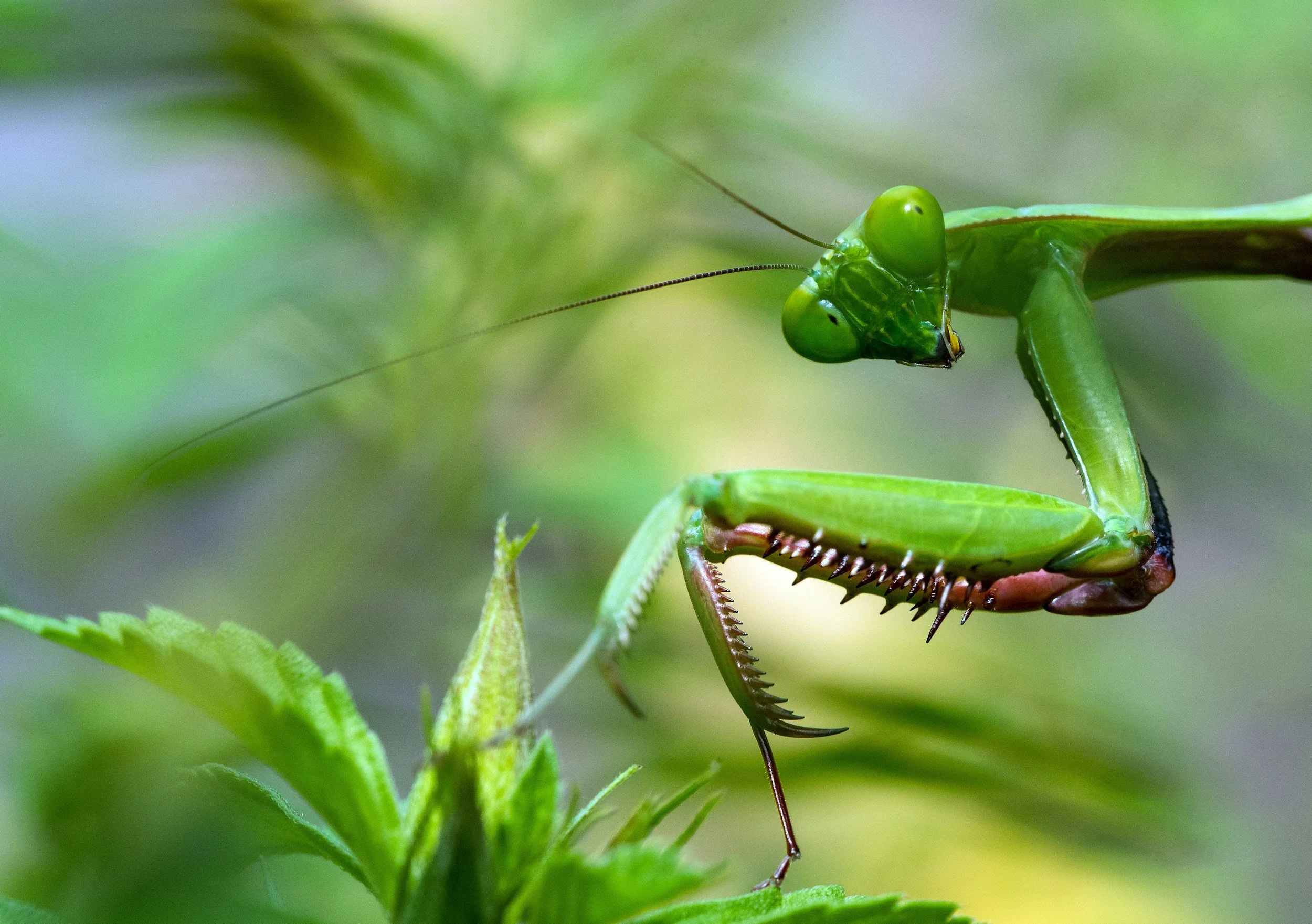
Praying mantises are ambush predators. They remain perfectly still while waiting for prey to come within reach. When an insect or small animal gets close enough, the mantis strikes with its powerful front legs.
These specialized legs are equipped with sharp spines that can trap prey instantly.
Mantises usually feed on insects such as flies, bees, butterflies, and moths. However, large mantis species are capable of catching much larger animals if the opportunity presents itself.
Why Hummingbirds Can Be Vulnerable
Hummingbirds often hover in place while feeding from flowers or nectar feeders. This hovering behavior can bring them very close to leaves, stems, and branches where mantises may be hiding.
If a mantis is positioned near a feeder or flower, it may attempt to grab the hummingbird as it approaches.
Although these events are relatively rare, they have been documented in gardens and natural habitats.
Large Mantises Pose the Greatest Risk
Not all mantises are capable of capturing hummingbirds. Larger mantis species are the most likely to attempt it.
Some introduced mantis species in North America can grow significantly larger than native species, increasing the chance of encounters with small birds.
Because mantises are attracted to areas where insects gather, hummingbird feeders and flowering plants can unintentionally create hunting opportunities for them.
Keeping Hummingbirds Safe in Your Garden
Gardeners can take a few simple steps to reduce the chances of mantis encounters near hummingbird feeders.
Check feeders regularly to ensure no mantises are hiding nearby. Mantises often position themselves on feeder perches, stems, or nearby branches.
If you notice a mantis close to a feeder, gently relocate it to another area of the garden away from hummingbird feeding spots.
Providing multiple feeding locations can also help reduce crowding and give hummingbirds more space to approach safely.
Nature’s Balance
Predator and prey relationships are part of natural ecosystems. Praying mantises play an important role in controlling insect populations and maintaining ecological balance.
However, being aware of potential risks allows hummingbird enthusiasts to create safer feeding environments while still respecting the natural role of other wildlife.
Frequently Asked Questions
Learning about hummingbird predators often raises questions about how these small birds stay safe in the wild. Here are some common questions about hummingbirds and praying mantises.
-
Yes. Large mantis species have occasionally been observed capturing hummingbirds, though these events are rare.
-
Mantises are opportunistic predators. If a hummingbird comes within reach while hovering, the mantis may attempt to capture it.
-
Mantises are not attracted to nectar itself, but they may gather near feeders because insects are often present.
-
If a mantis is positioned near a feeder, relocating it to another part of the garden can help reduce risk to hummingbirds.
-
No. Most hummingbird predators are birds or reptiles. Mantises are an uncommon but documented threat.


Please note: The content provided in this article is for educational purposes only and is intended as general information. Hummingbird behavior and conditions can vary by species, region, and environment.