
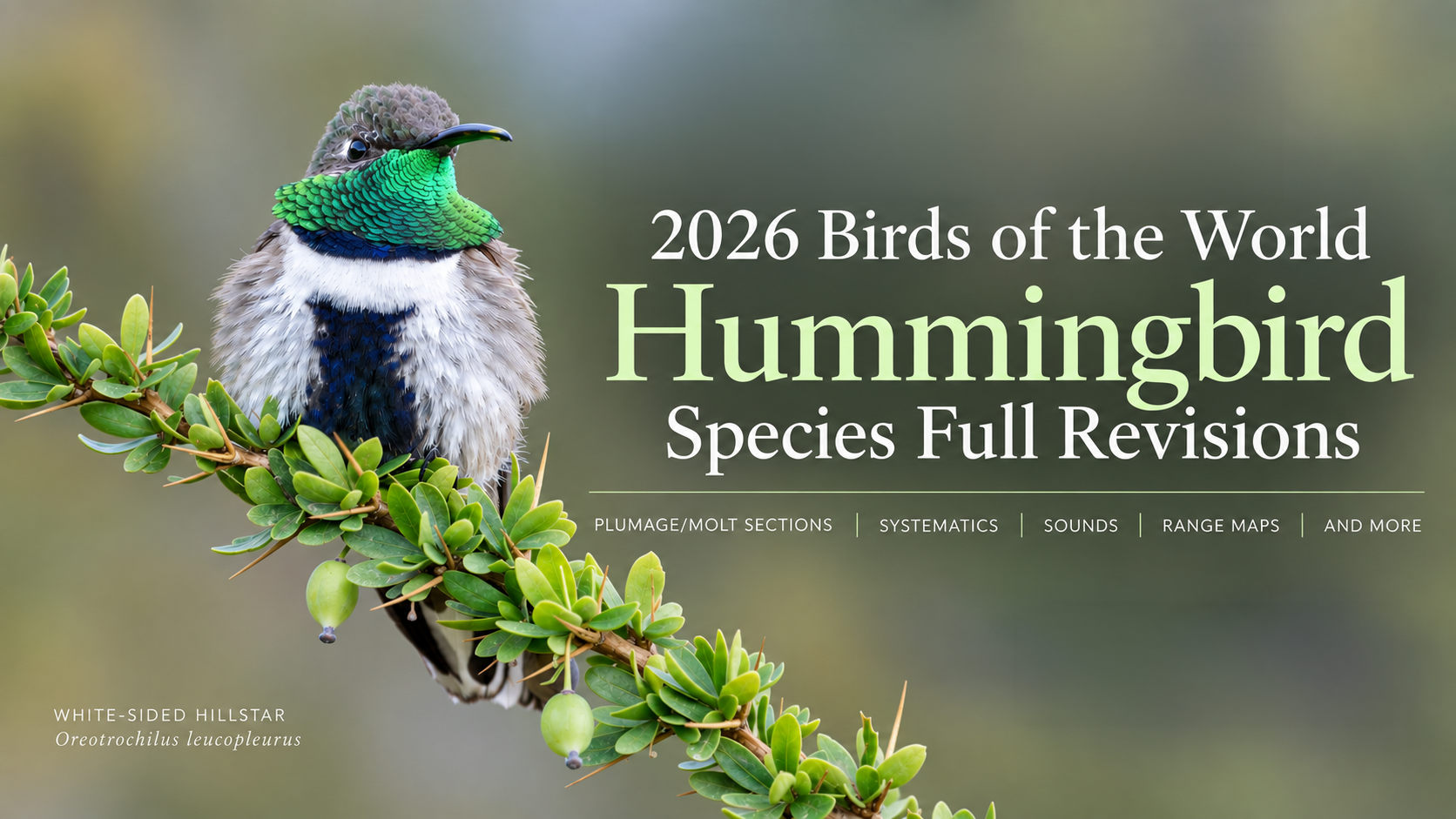
Hummingbirds are famous for their dazzling plumage. Depending on the angle of light, their feathers can flash brilliant greens, blues, purples, and fiery reds. These colors can appear to shift or glow as the bird moves.
For many years, scientists have been fascinated by how hummingbirds produce such intense colors. The answer lies not in pigments alone, but in microscopic structures within the feathers themselves.
A scientific study published in Communications Biology examined how hummingbirds produce their extraordinary iridescent plumage and how that coloration compares to other birds. The research revealed that hummingbirds may actually display a broader range of feather colors than all other birds combined.
The Secret Is in Feather Nanostructures
Unlike many birds that rely mainly on pigments, hummingbird feathers produce color through structural coloration.
Inside the feather barbules are layers of microscopic structures known as melanosomes, which interact with light. These nanostructures reflect and interfere with light waves in very specific ways, producing brilliant and highly saturated colors.
Because the colors depend on light interference rather than pigment alone, they can change dramatically depending on the angle of the light and the viewer.
This is why hummingbird feathers appear to shimmer or shift colors as the bird moves.
A Color Range Larger Than All Other Birds
In the study, researchers analyzed over 5,000 reflectance spectra from hummingbird feathers representing 114 species.
By mapping these colors into a model of how birds perceive color, they discovered something remarkable.
Hummingbird plumage occupies more than one-third of the entire avian color space, meaning the family of hummingbirds alone produces a massive range of colors visible to birds.
In fact, when hummingbird data were combined with previous studies of other birds, the known range of avian colors expanded dramatically.
Why Hummingbirds Are So Colorful
The extraordinary color diversity of hummingbirds is likely driven by several factors:
Sexual selection
Male hummingbirds often use bright colors during courtship displays.
Communication
Bright plumage can signal dominance, health, or territory.
Structural feather design
Hummingbirds possess unusually complex feather nanostructures that allow them to produce extremely saturated colors.
These features make hummingbirds one of the most visually spectacular bird families on Earth.
The Role of Light and Viewing Angle
Another unique feature of hummingbird feathers is how sensitive they are to viewing angle.
When light strikes the feather at different angles, the reflected wavelengths change. This creates the familiar flashing effect seen in hummingbird gorgets and crowns.
Many hummingbirds deliberately position themselves during displays so that their colors appear brightest to potential mates.
Why This Research Matters
Understanding hummingbird coloration helps scientists learn more about how visual signals evolve in birds.
The study suggests that hummingbird feathers represent one of the most advanced examples of structural color production in nature.
Their feathers are not just beautiful. They are the product of millions of years of evolution shaped by communication, competition, and mate choice.
Research Credit
This article summarizes findings from the following scientific study:
Venable, G. X., Gahm, K., & Prum, R. O. (2022).
Hummingbird plumage color diversity exceeds the known gamut of all other birds.
Communications Biology, 5, Article number: 576
Readers interested in the full methodology and detailed findings can consult the original research publication.
Frequently Asked Questions
Research on hummingbird feathers often raises questions about how these birds produce such brilliant colors and why those colors change in different lighting conditions.
-
Hummingbird feathers contain microscopic structures that reflect light differently depending on the viewing angle, creating the shifting colors known as iridescence.
-
Iridescence is a visual effect where colors appear to shimmer or change when the angle of light or observation changes.
-
Bright throat patches called gorgets are often used during courtship displays and territorial interactions.
-
Some pigments are present, but many of the brightest hummingbird colors are produced by structural features in the feathers rather than pigments.
-
Yes. Iridescent colors can help hummingbirds communicate with rivals and attract mates.



Please note: The content provided in this article is for educational purposes only and summarizes findings from published scientific research. Interpretations of scientific studies may evolve as new research becomes available.