
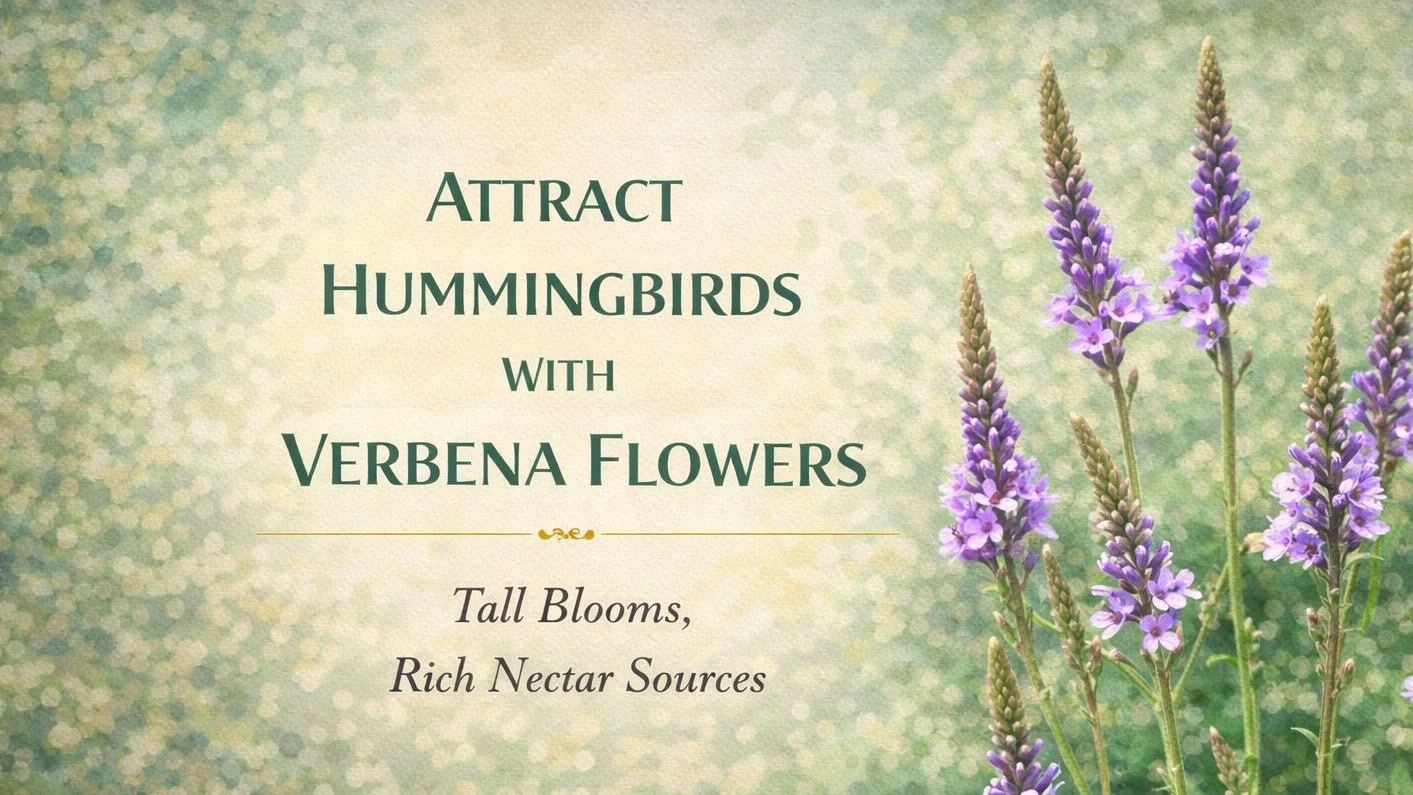
Hummingbirds are drawn to gardens filled with vibrant, nectar rich flowers, and verbena is a perfect choice. These plants add bright color, soft texture, and long lasting blooms while providing a reliable nectar source for visiting hummingbirds. With the right varieties and care, verbena can help keep hummingbirds returning to your garden from late spring into fall.
Verbena also pairs beautifully with other hummingbird favorites in beds, borders, and containers. Whether you have a large garden or a small patio, there is likely a verbena that can fit your space and style.
Plant Details
Botanical Name:
Verbena spp.
Common Name:
Verbena
Plant Type:
Usually grown as an annual or tender perennial; some species are true perennials in warmer climates
Mature Size:
Typically 6 to 18 inches tall and 12 to 24 inches wide, depending on variety
Sun Exposure:
Full sun
Soil Type:
Well drained soil; tolerates sandy or loamy soils
Bloom Time:
Late spring through fall, especially with regular deadheading
Flower Colors:
Red, pink, purple, lavender, white, and bicolor combinations
Hardiness Zone:
Many garden verbenas are hardy around USDA Zones 7 to 11 (varies by species and cultivar; often treated as annuals in colder zones)
Native Area:
Many species are native to the Americas
Why Hummingbirds Love Verbena
Long blooming period
Verbena flowers can bloom from late spring all the way into fall when given enough sun and light care. That extended blooming season offers hummingbirds a stable food source for many months, especially helpful during migration and when other plants are between bloom cycles.
Bright colors and pollinator appeal
Verbena flowers come in a wide range of bright colors, including red, pink, and purple, which are especially attractive to hummingbirds. Their nectar rich clusters also draw butterflies and other pollinators, adding even more life and motion to your garden.
Best Verbena Varieties for Hummingbirds
Non invasive choices
When selecting verbena, it is important to choose varieties that will not become invasive in your region. Many modern garden verbenas and hybrids are bred to be compact and non spreading. Always check local recommendations and avoid species known to be invasive in your area.
Color options
For hummingbirds, focus on bold, saturated colors. Red and deep magenta varieties often stand out best, but hummingbirds will also visit pink, purple, and even white blooms. Mixing several colors can create a more dynamic planting and extend visual interest.
Growth habit and use
Trailing verbenas are excellent for containers, hanging baskets, and the edges of raised beds, where hummingbirds can easily access the flowers. More upright types work well in mixed borders and in front of taller shrubs, adding a colorful layer at hummingbird height.
Planting and Caring for Verbena
Planting Tips
Starting from seed
Verbena can be started from seed indoors and transplanted outside after the danger of frost has passed. Follow seed packet instructions for timing and depth, and provide bright light for sturdy seedlings.Transplants
You can also purchase nursery grown verbena plants for quicker color. Plant them at the same depth they were growing in their pots.Sunlight
Plant verbena in full sun for the best growth and flowering. Aim for at least 6 hours of direct sun each day.Soil
Ensure the planting area has well drained soil. Verbena does not like to sit in waterlogged conditions and may develop root problems if drainage is poor.
Maintenance
Watering
Verbena is generally drought tolerant once established, but it still benefits from regular watering, especially in hot or dry climates. Water deeply and allow the soil surface to dry slightly between waterings.Fertilizing
A light application of a balanced, slow release fertilizer in spring can support growth and flowering. Avoid over fertilizing, which can produce lots of leaves with fewer blooms.Pruning and deadheading
Remove spent flower clusters regularly to encourage continuous blooming. If plants begin to look tired or leggy in midsummer, a light trim can help them fill back in with fresh foliage and flowers.
How to Use Verbena in Your Hummingbird Garden
Containers and hanging baskets
Trailing verbena shines in containers and hanging baskets, where blooms can spill over the edges at hummingbird eye level. Place them near seating areas, patios, or windows for excellent viewing.Garden borders and beds
Use upright or mounding verbena at the front of mixed borders, along paths, or in garden beds beneath taller shrubs and perennials. This creates layers of color and nectar that hummingbirds can move through easily.Paired with other nectar plants
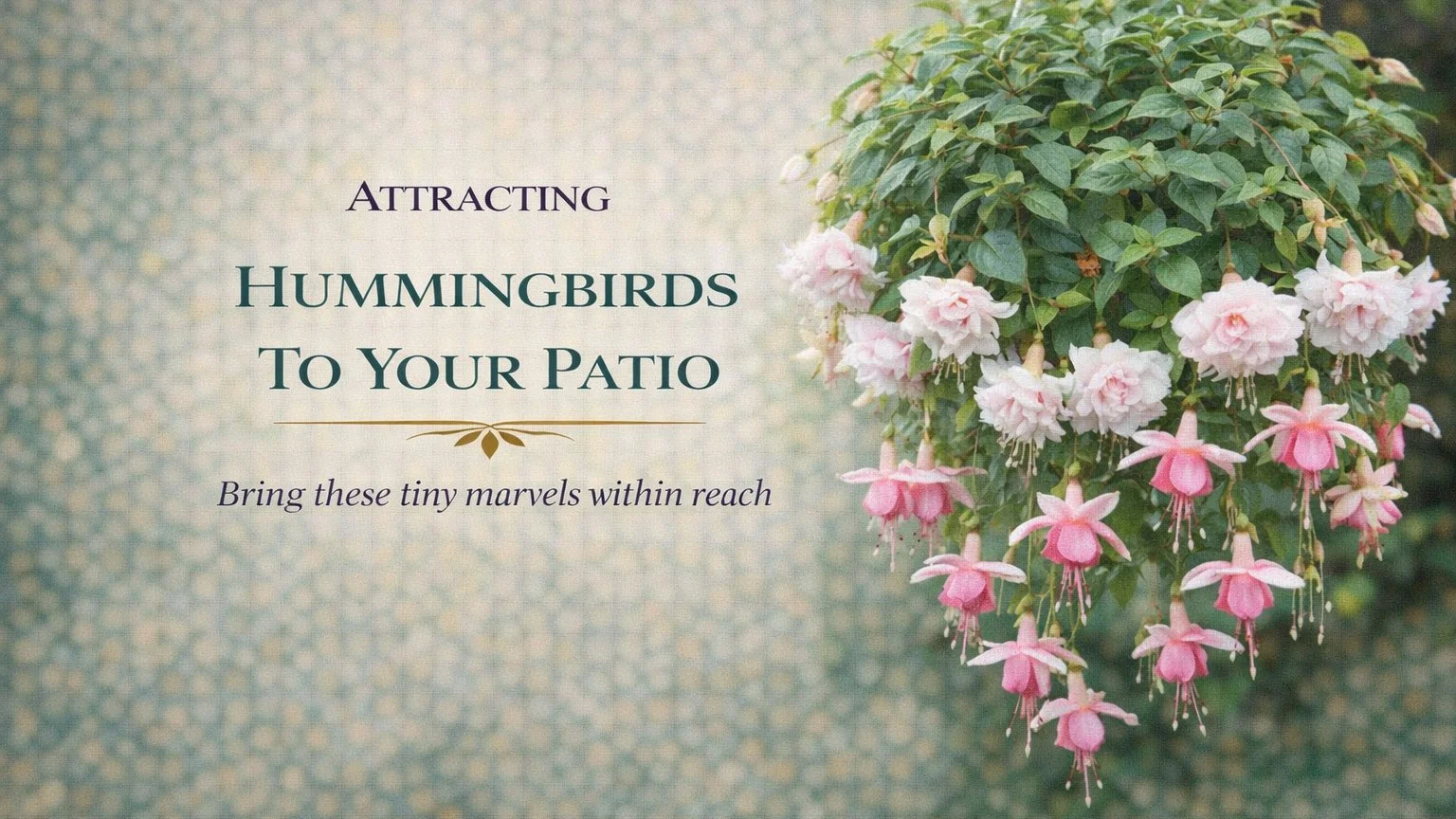
Combine verbena with other hummingbird favorites that bloom at different times, such as salvias, cuphea, and fuchsia. Together they can provide a nearly continuous nectar supply across the season.
Frequently Asked Questions
Gardeners often have similar questions when they start using verbena to attract hummingbirds. Here are a few common ones.
-
Yes. Verbena flowers are a natural nectar source and safe for hummingbirds when grown without pesticides. As always, avoid using systemic insecticides on or near plants you want birds to feed from.
-
It depends on the type and your climate. In colder areas, verbena is often grown as an annual. In warmer regions and with some perennial species, plants may return year after year if winter temperatures are mild enough.
-
Verbena may survive in light shade but will flower best in full sun. In too much shade, plants tend to grow leggy and produce fewer blooms, which reduces their value as a hummingbird nectar source.
-
Yes. Many trailing and mounding varieties do very well in containers. Use a well-drained potting mix, choose a sunny location, and water regularly so containers do not dry out completely.
-
Hummingbirds are often especially drawn to red and deep pink tones, but they will visit many colors if the flowers are nectar rich and easy to access. Planting a mix of colors can help you see what they seem to favor in your garden.
Please note: The content provided in this article is for educational purposes only and is based on general gardening knowledge and hummingbird friendly landscaping practices. Growing conditions can vary by region, and plant performance may differ depending on climate, soil, and care.