
Blue-capped Hummingbird
Scientific name: Eupherusa cyanophrys
The Blue-capped Hummingbird, also known as the Oaxaca Hummingbird, is a localized mid‑elevation hummingbird endemic to the Pacific slope of the Sierra Madre del Sur in southern Oaxaca, Mexico. Its global number of mature individuals is estimated at only 600–1,700, the population trend is Decreasing, and it is assessed as Endangered (EN).
At a Glance
Family: Trochilidae (hummingbirds)
Clade: Trochilini – Emeralds
Genus: Eupherusa — small forest hummingbirds with broad tails and contrasting wing or tail patterns
Range: Endemic to the Pacific slope of the Sierra Madre del Sur (Sierra de Miahuatlán) in the Mexican state of Oaxaca
Habitat: Edges and interior of humid montane, semi‑deciduous, and pine–oak forest in a small mid‑elevation band
Elevation: About 700–2,600 m (2,300–8,500 ft), most common below 1,800 m (5,900 ft)
Length: Around 9 cm (about 3.5 in)
Weight: Roughly 3–4 g (about 0.11–0.14 oz)
Number of mature individuals: 600–1,700
Population trend: Decreasing
Status: Endangered (IUCN)
Name Origin
The genus name Eupherusa likely derives from Greek roots meaning “good” or “true” (eu), used for a small group of elegant, forest‑dwelling hummingbirds. The species name cyanophrys comes from Greek kyaneos (“dark blue”) and ophrys (“eyebrow” or “brow”), referring to the male’s blue cap or crown. Together, Eupherusa cyanophrys evokes a “blue‑capped Eupherusa,” matching this species’ distinctive blue crown.
Subspecies & Distribution
Blue-capped (Oaxaca) Hummingbird is monotypic, with no recognized subspecies.
It is restricted to:
The Pacific slope of the Sierra Madre del Sur (also called Sierra de Miahuatlán) in southern Oaxaca, Mexico.
Within this tiny range, it inhabits the edges and interior of humid montane, semi‑deciduous, and pine–oak forest, usually between 700 and 2,600 m and most commonly below about 1,800 m.
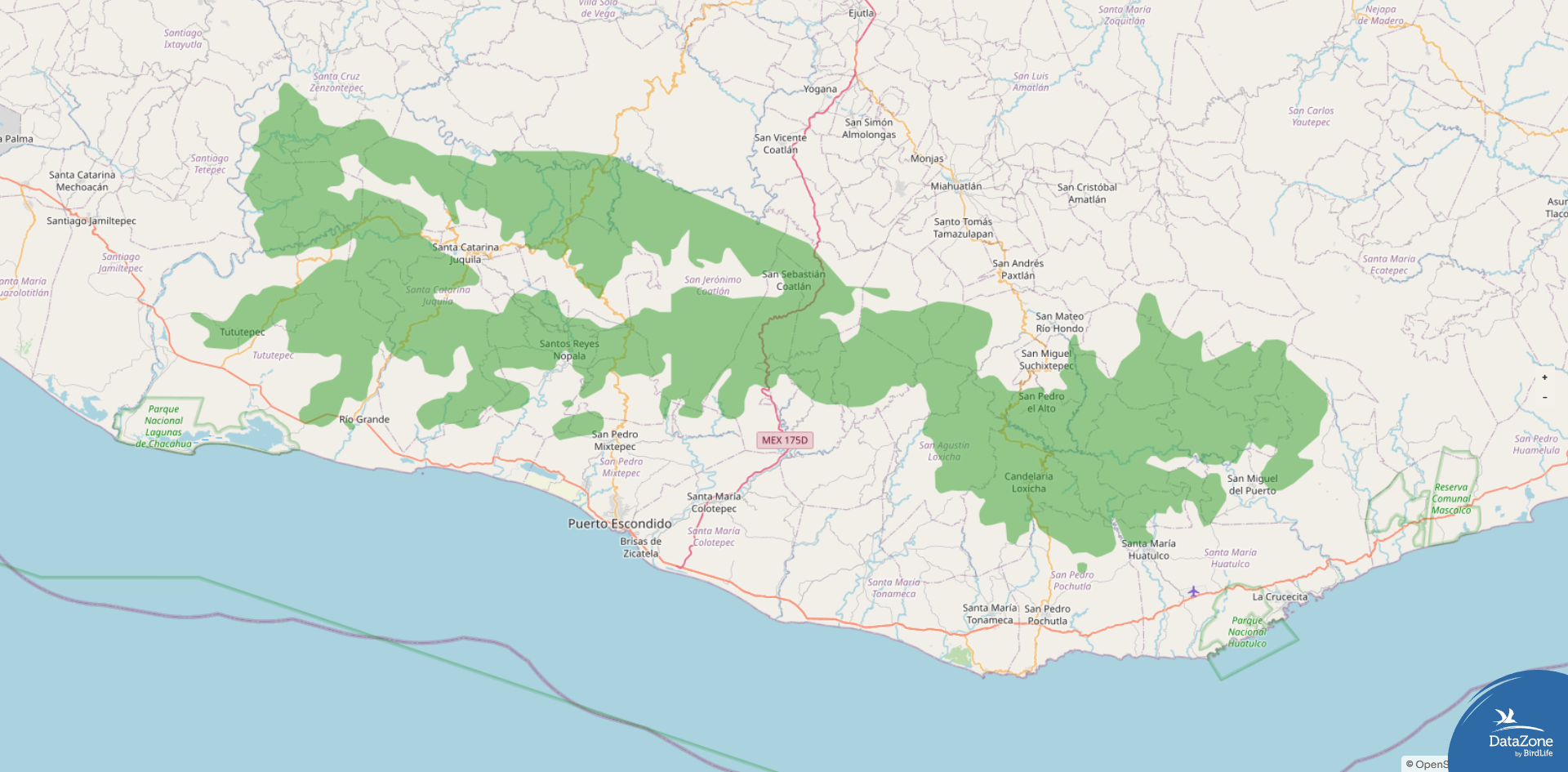
Species Overview
The Blue-capped Hummingbird is a highly localized Mexican endemic, confined to a narrow elevational band of forest on the Pacific slope of the Sierra Madre del Sur in Oaxaca. It is considered fairly common to common only where suitable habitat remains, but much of that habitat has already been lost or degraded. Because of its extremely small range, very small estimated population (600–1,700 mature birds), and ongoing habitat loss, it is listed as Endangered.
Male Description
Adult males are small hummingbirds with bright metallic green upperparts and a distinctive blue crown or cap that gives the species its “blue‑capped” name. The underparts are mostly whitish to pale gray with some green on the sides, providing a strong contrast to the colored crown and green back. The tail is relatively long, with dark central feathers and white in the outer feathers, producing a striped or patterned look typical of Eupherusa. The bill is straight, medium‑length, and dark.
Female Description
Females lack the bright blue crown of males and instead have green crowns and upperparts, with more uniformly pale underparts. The underparts are whitish or grayish, sometimes with light spotting or wash on the sides, and the tail pattern resembles the male’s with white in the outer feathers. Females share the same overall size and proportions, including the straight, dark bill and relatively broad tail.
Habitat & Behavior
Blue-capped Hummingbirds inhabit the edges and interior of humid montane, semi‑deciduous, and pine–oak forests on the Pacific slope of the Sierra Madre del Sur. They typically occur between about 700 and 2,600 m, being most frequently recorded below roughly 1,800 m where appropriate forest remains. They forage at all levels of the forest, from understory to canopy, using both edges and more closed forest.
They take nectar from a variety of flowers; documented nectar sources include Inga, Lobelia, Malvaviscus, Psittacanthus, and other shrubs and trees. Like other hummingbirds, they also likely feed on small arthropods, though this has not been described in detail. Birds are usually seen singly or in pairs, visiting flowering trees and shrubs in intact forest and along forest edges.
Population
The total number of mature Blue-capped Hummingbirds is estimated at only 600–1,700 individuals. The population is believed to be Decreasing, primarily due to habitat loss and fragmentation within its tiny range. Although the species can be fairly common where habitat remains, the overall population is small and confined to a single, limited region.

Conservation
Blue-capped Hummingbird is assessed as Endangered because of its very small range, very small and declining population, and ongoing habitat destruction. A large proportion of the forest in its range has been cleared, and remaining patches continue to be lost or degraded for agriculture and other land uses. Conservation of this species depends on protecting and restoring humid montane, semi‑deciduous, and pine–oak forests on the Pacific slope of the Sierra Madre del Sur in Oaxaca, securing remaining forest blocks, and preventing further fragmentation.
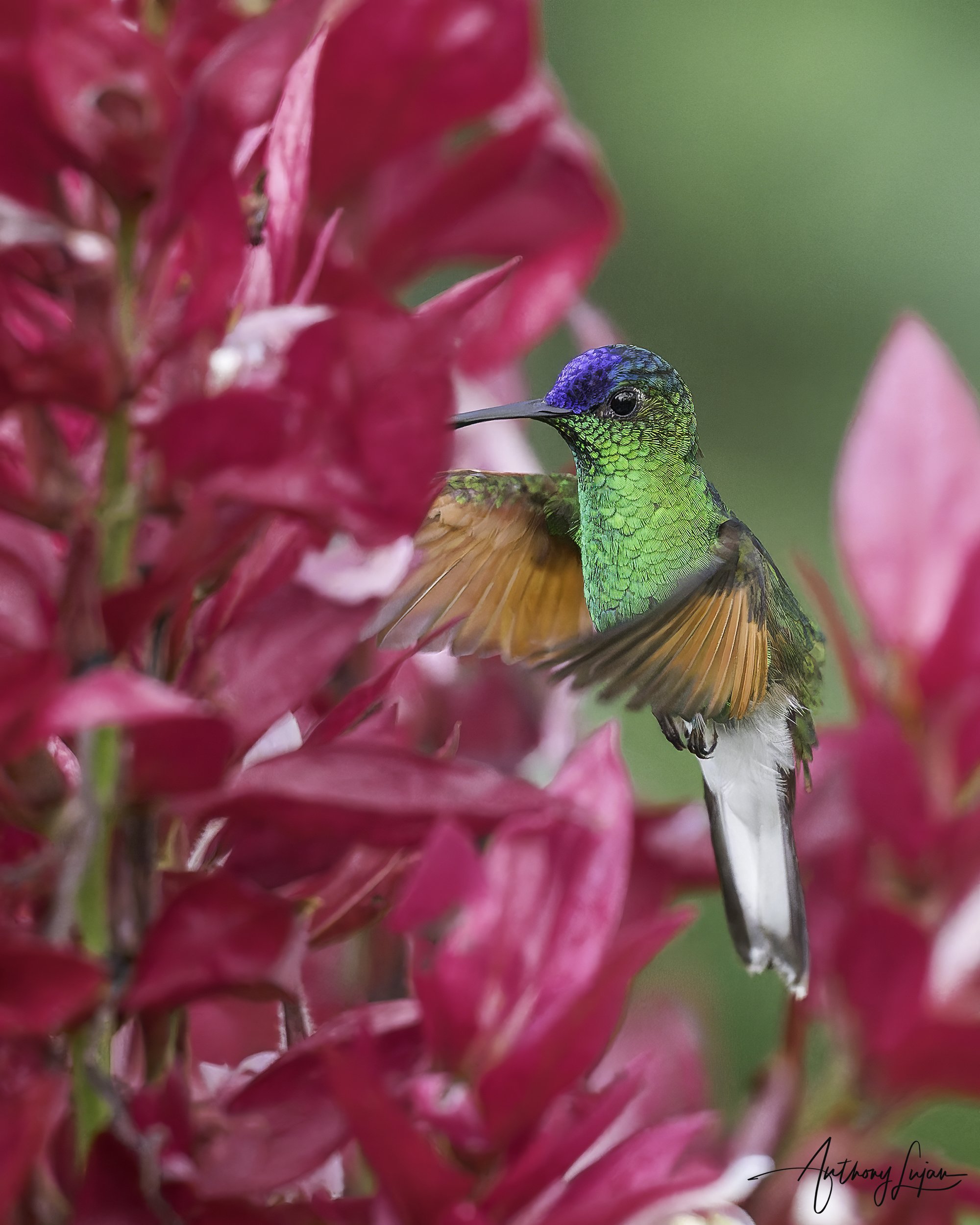
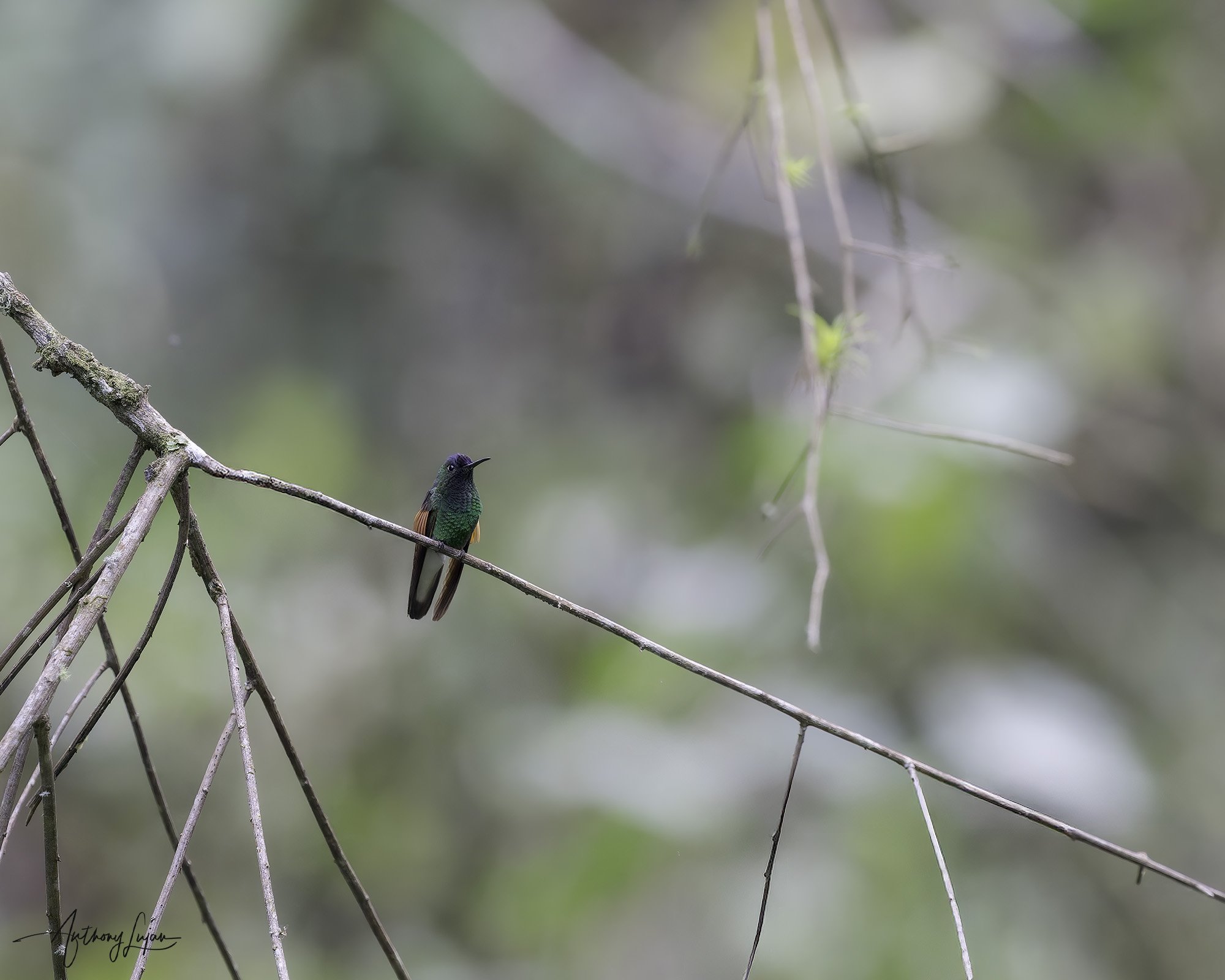
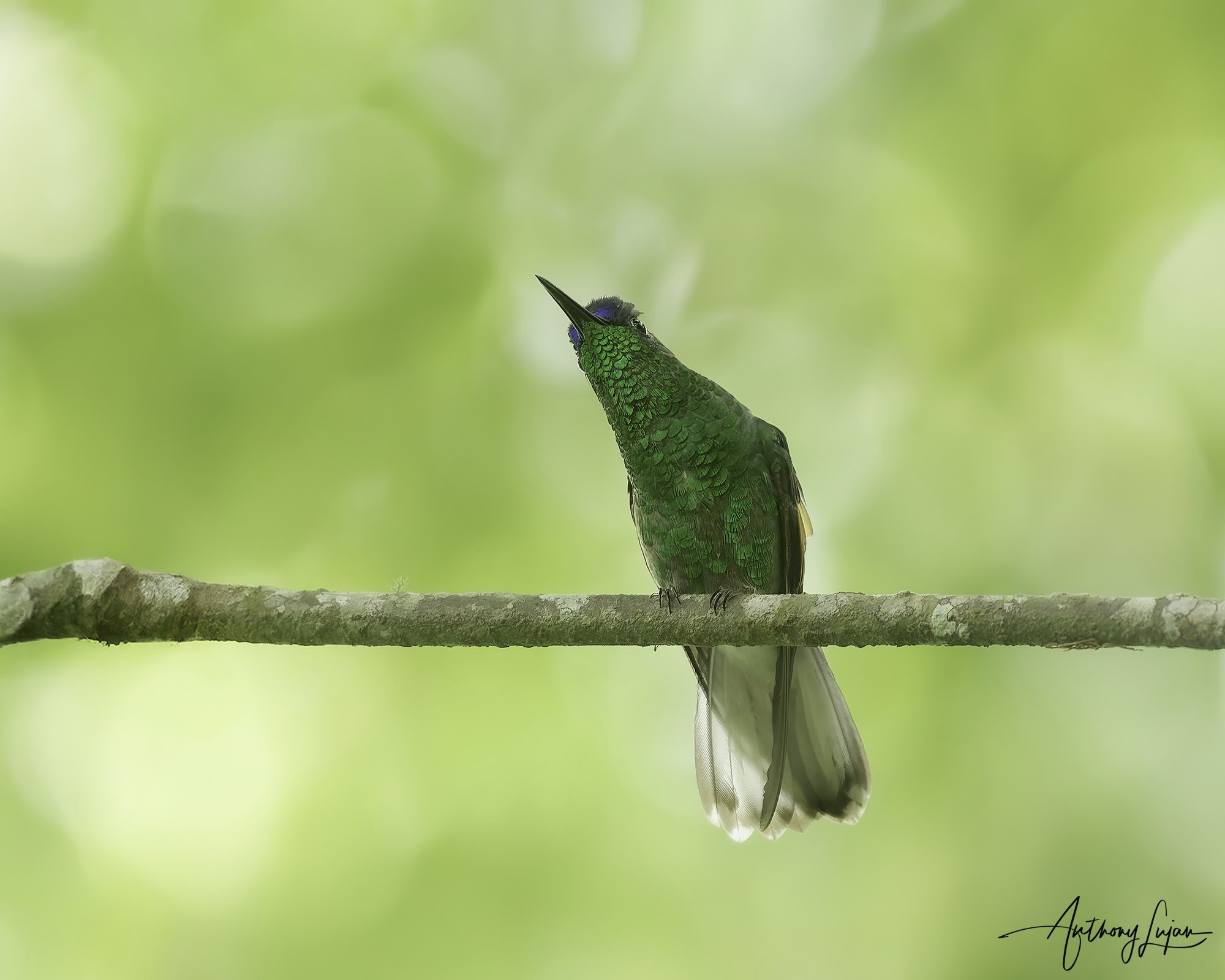
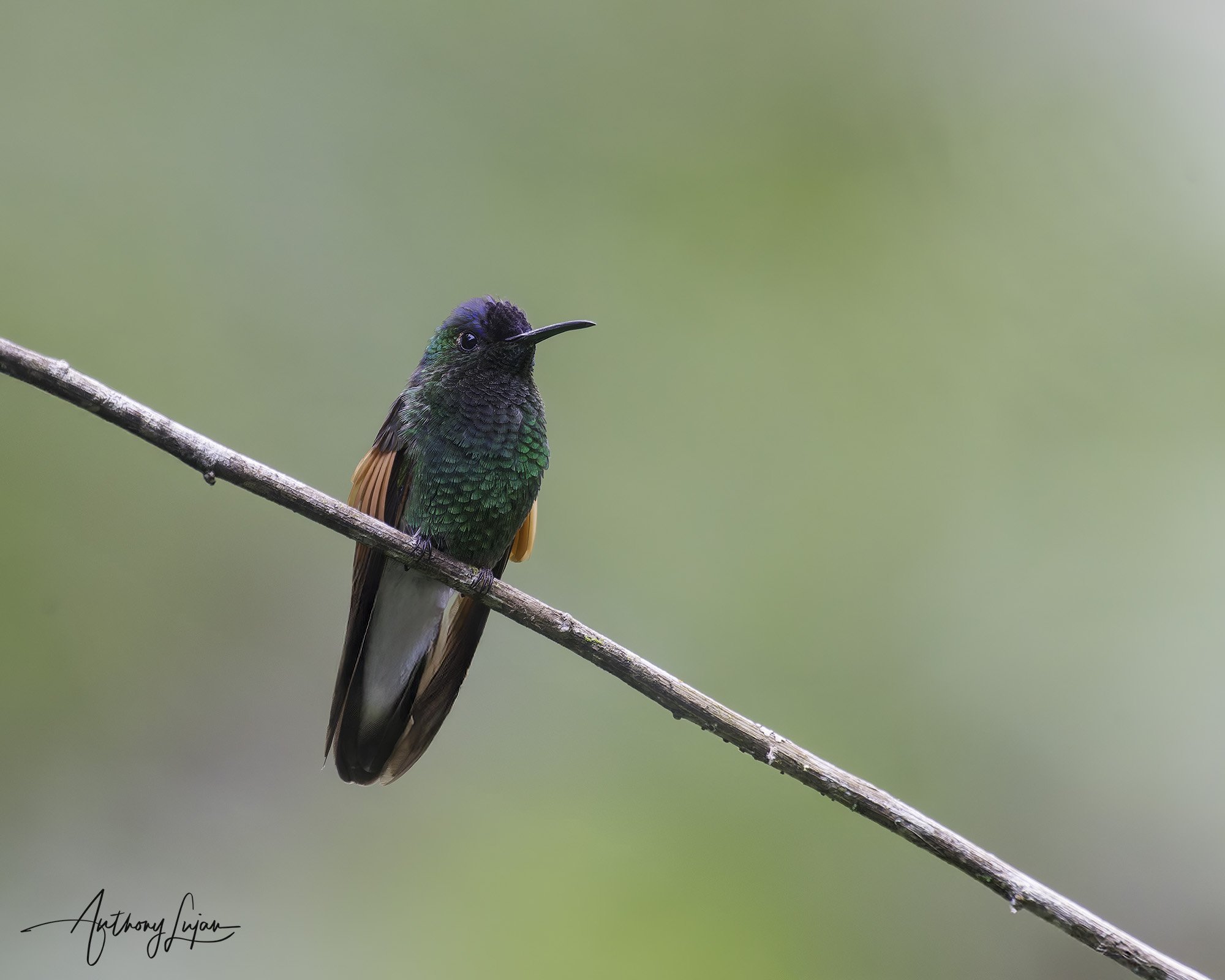
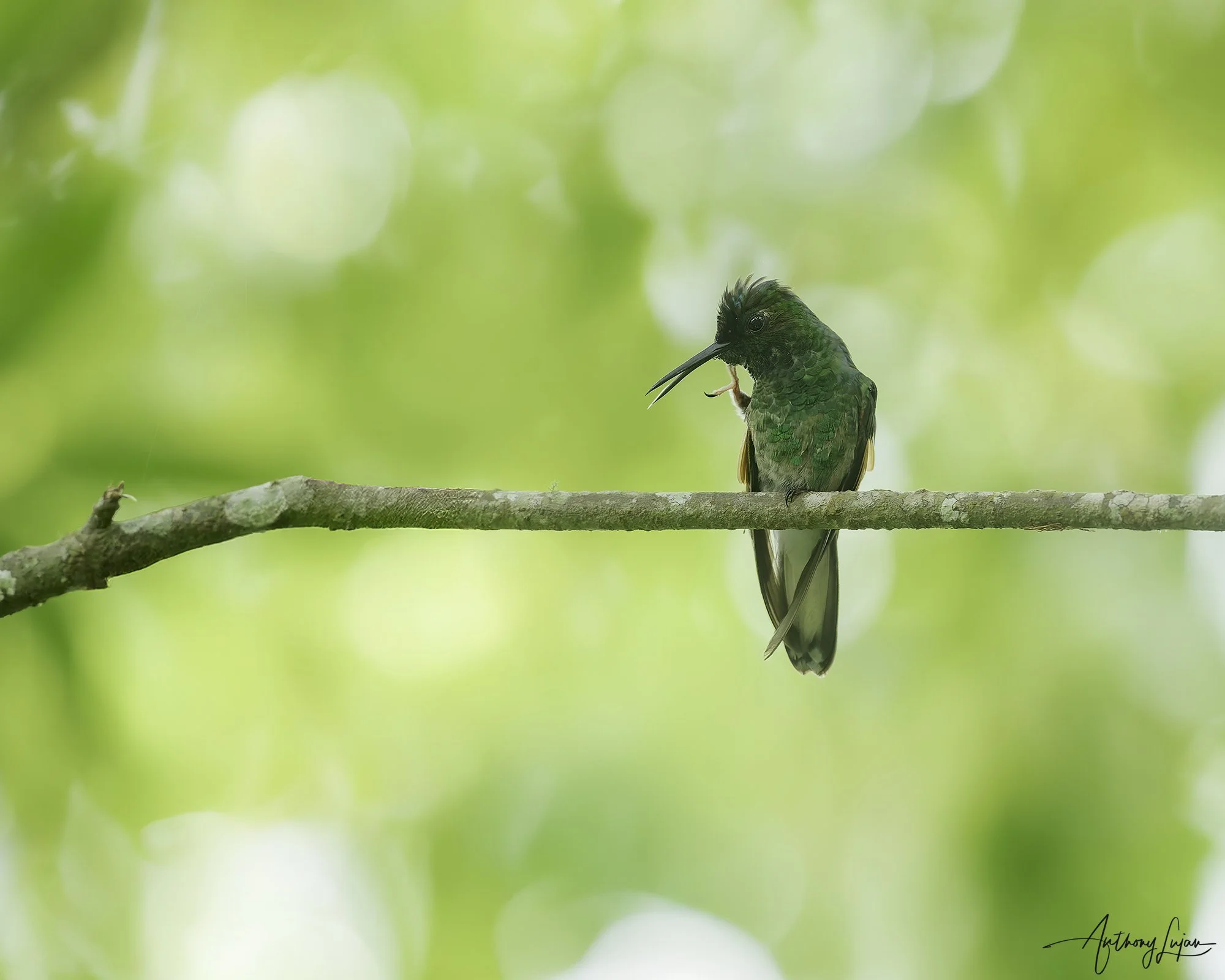
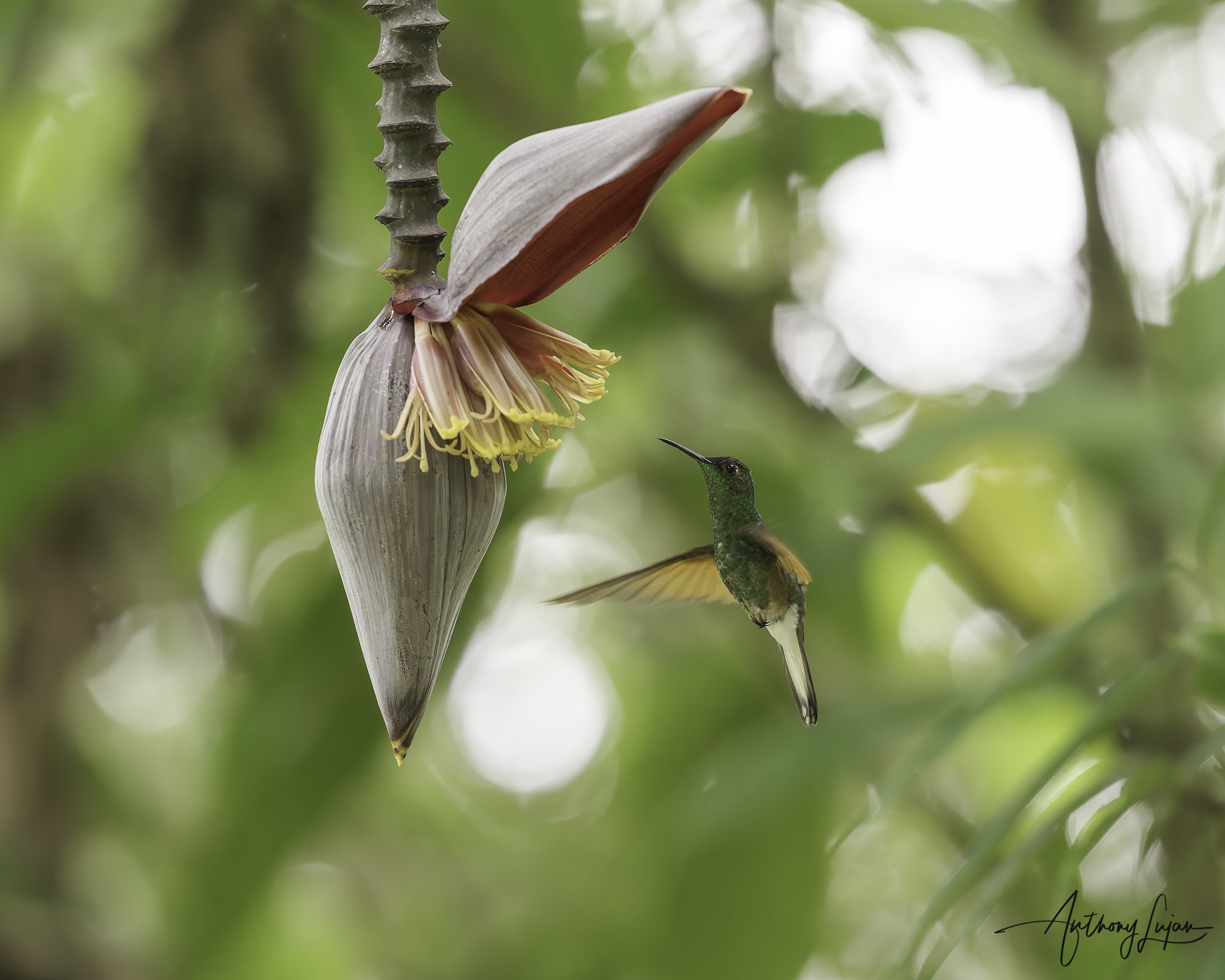
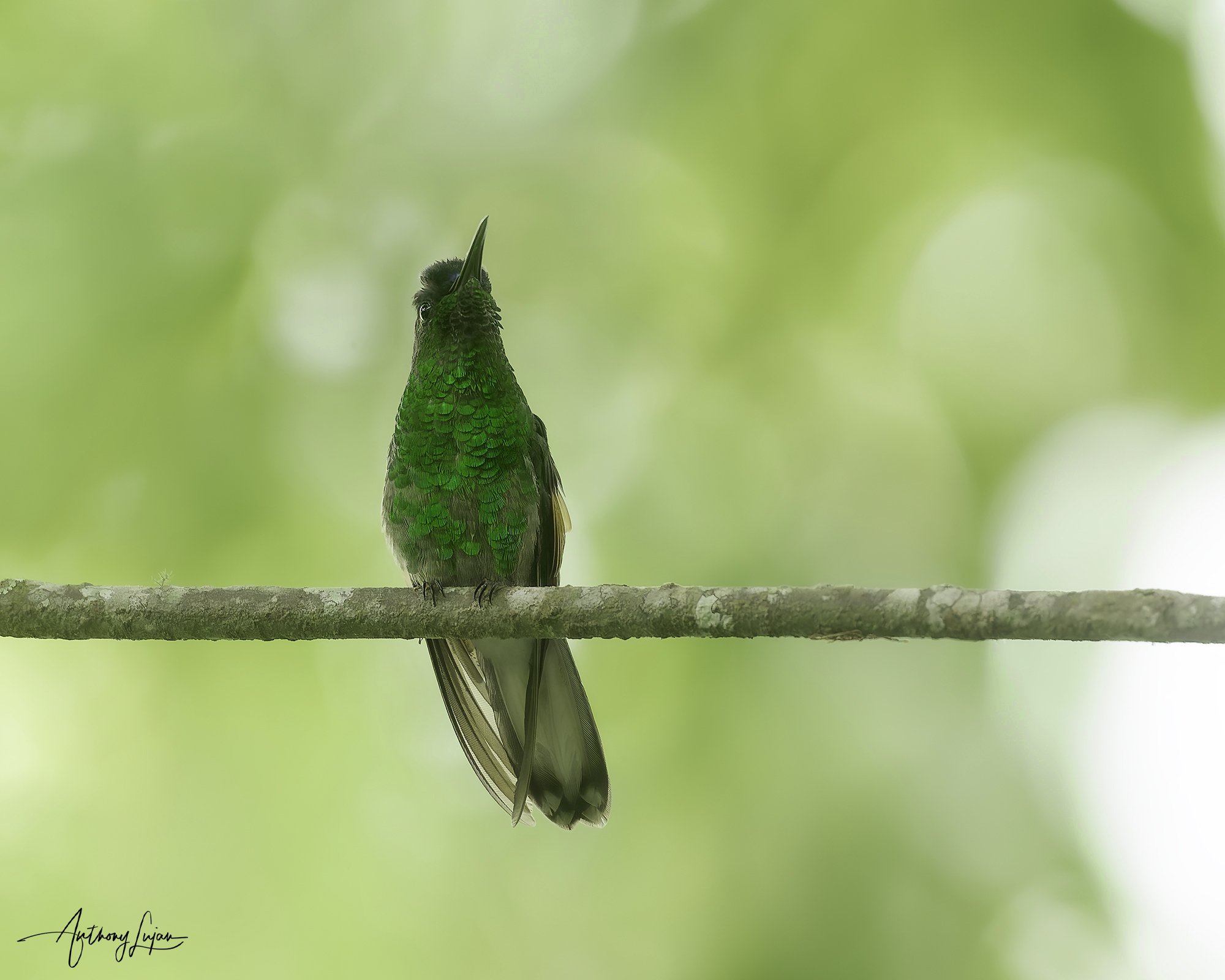
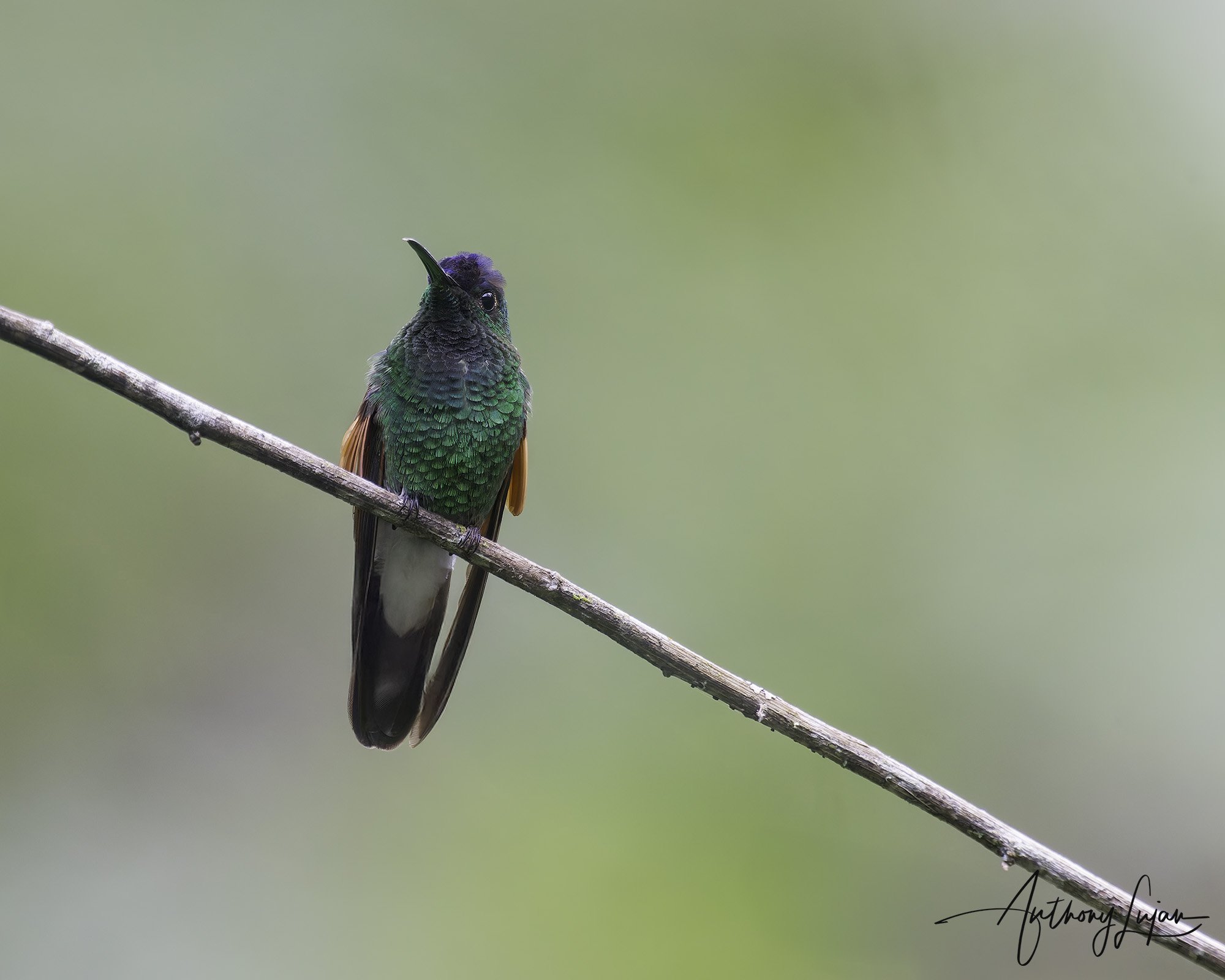
Checkout Anthony’s playlist of this species! Click the top right dropdown to see all the videos.
Related species in the Eupherusa genus (4 species total):


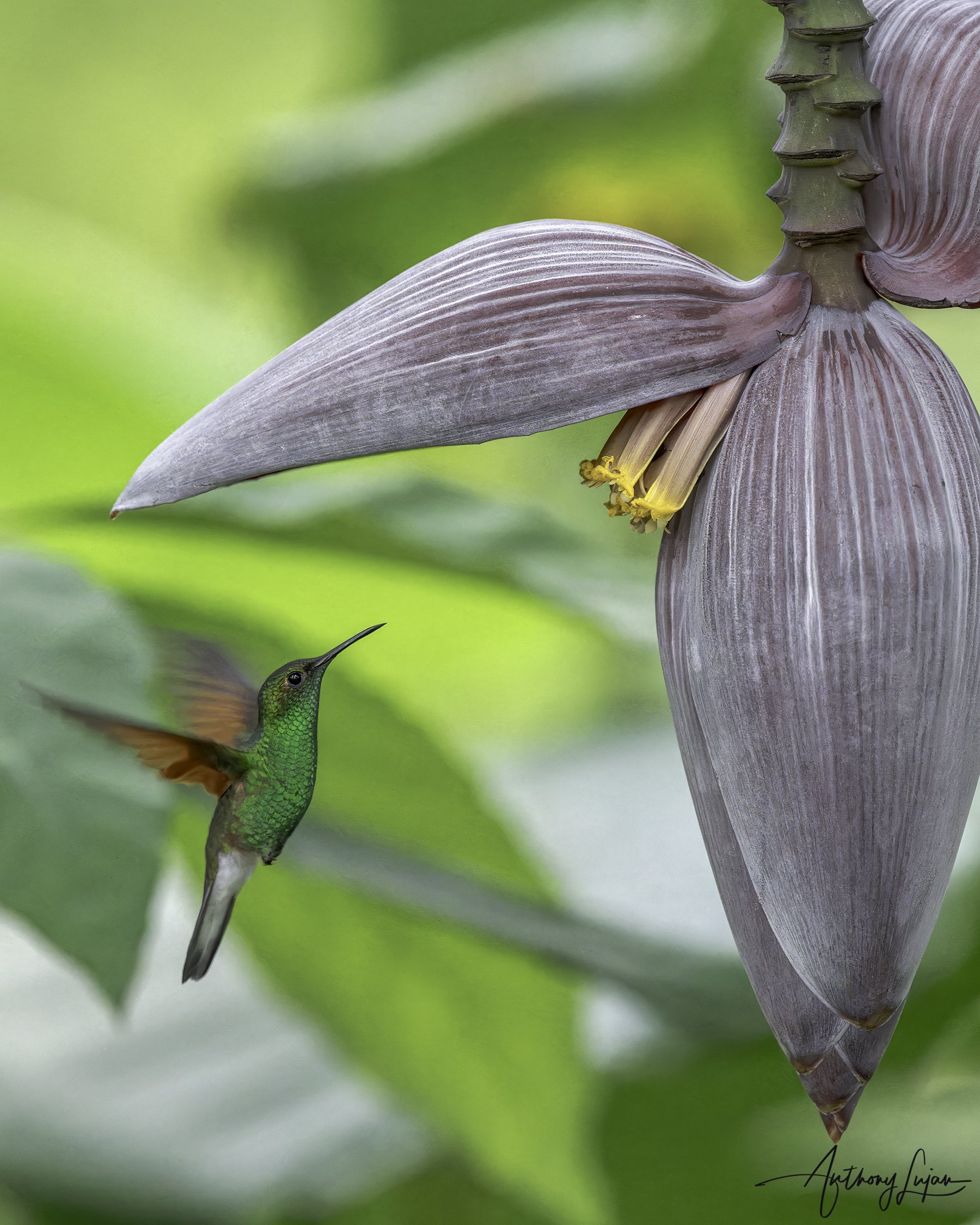
Please note: The content provided in this article reflects Anthony’s personal experience and photographic approach. Results can vary depending on light, weather, location, equipment, subject behavior, and field conditions.