
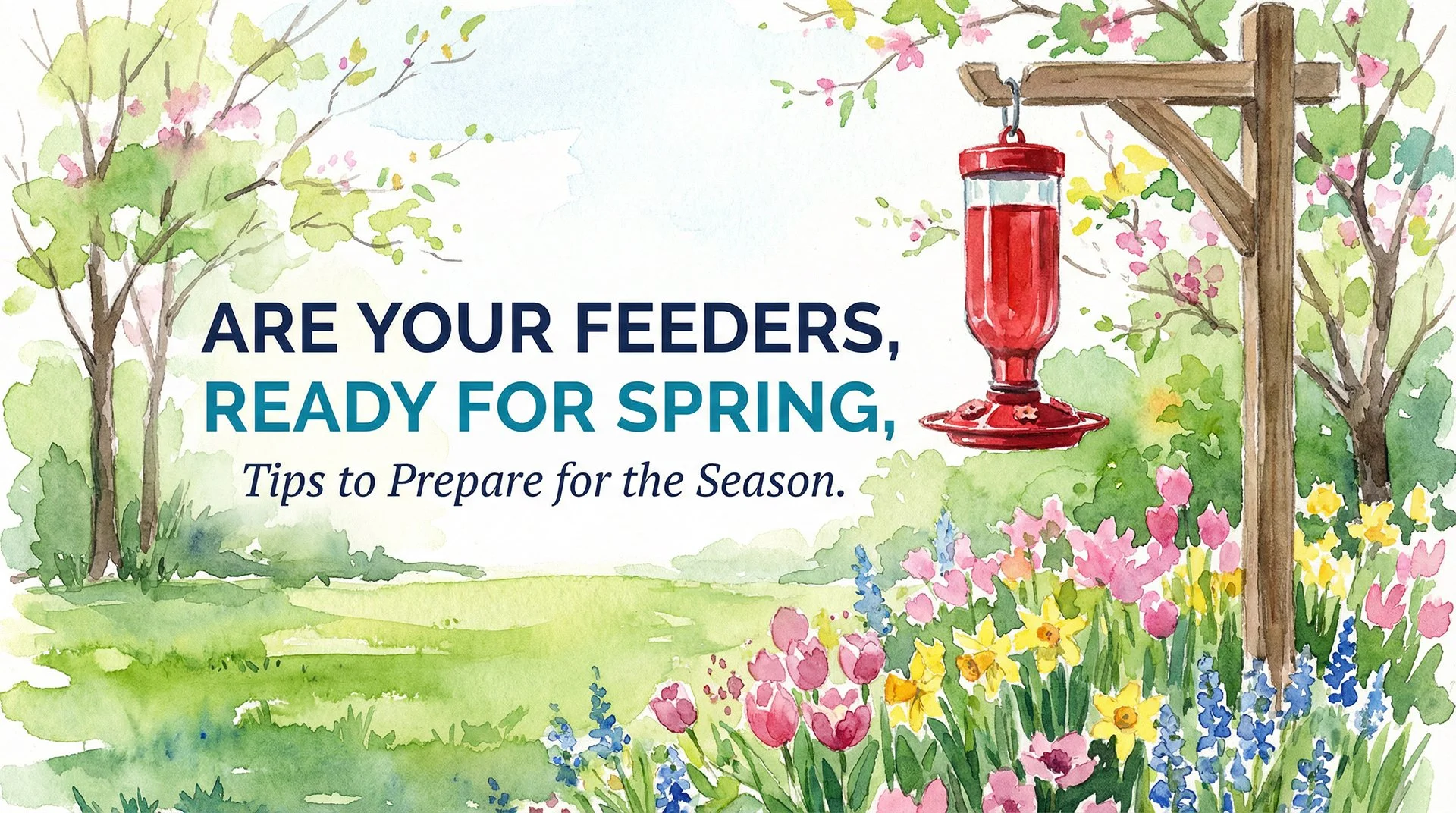
As winter begins to fade and temperatures slowly warm, hummingbird enthusiasts eagerly watch the skies for the first returning migrants. Spring marks the beginning of a new hummingbird season, and one of the best ways to welcome these remarkable birds back is by preparing your feeders before they arrive.
Hummingbirds travel incredible distances during migration, sometimes covering hundreds or even thousands of miles between their wintering grounds and breeding habitats. Along the way, they must stop frequently to refuel. A clean feeder filled with fresh nectar can provide a valuable energy source for hummingbirds arriving after long journeys.
Getting your feeders ready early ensures that when the first hummingbird appears in your yard, a reliable nectar source is already waiting.
Clean and Inspect Your Feeders
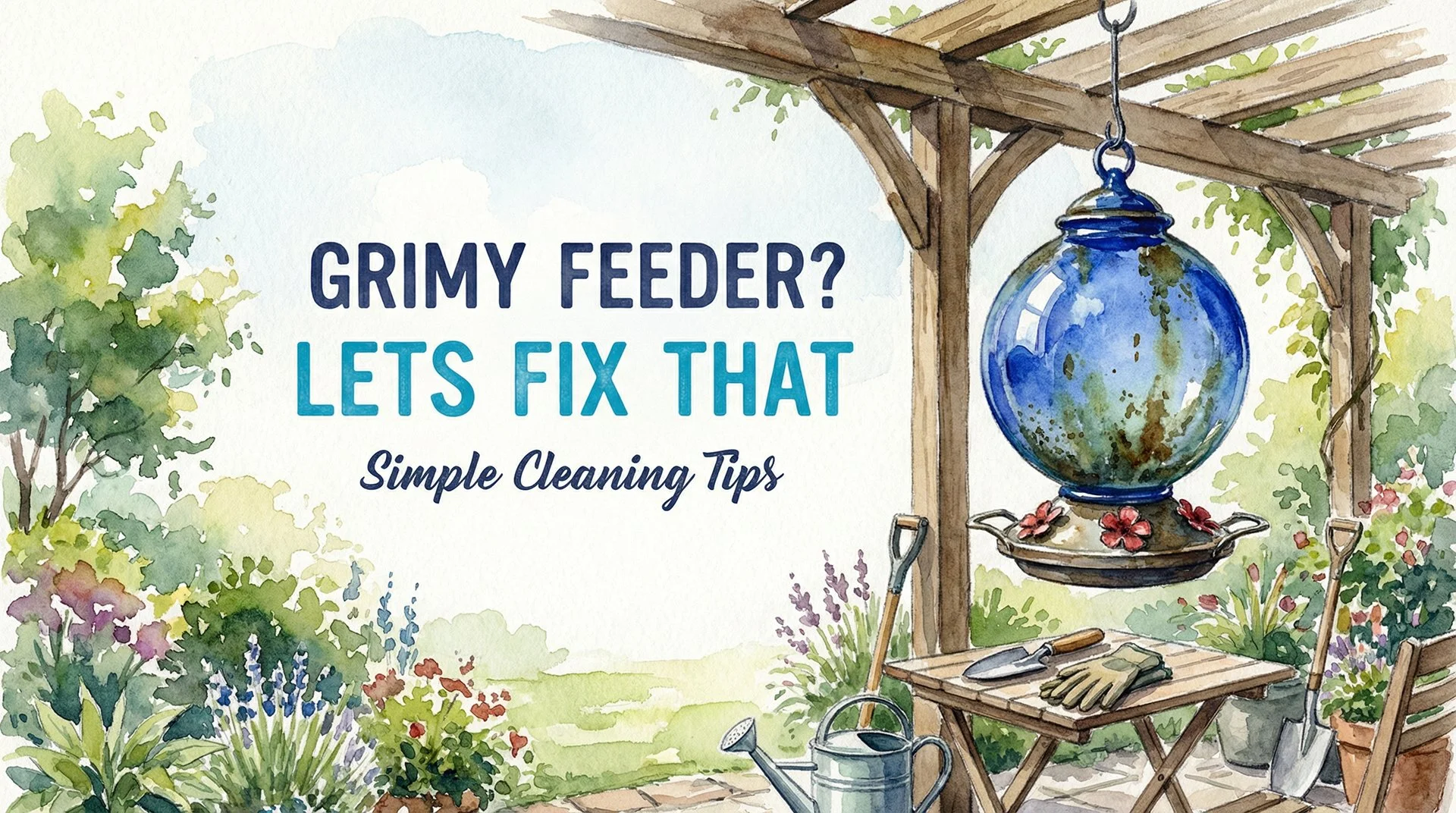
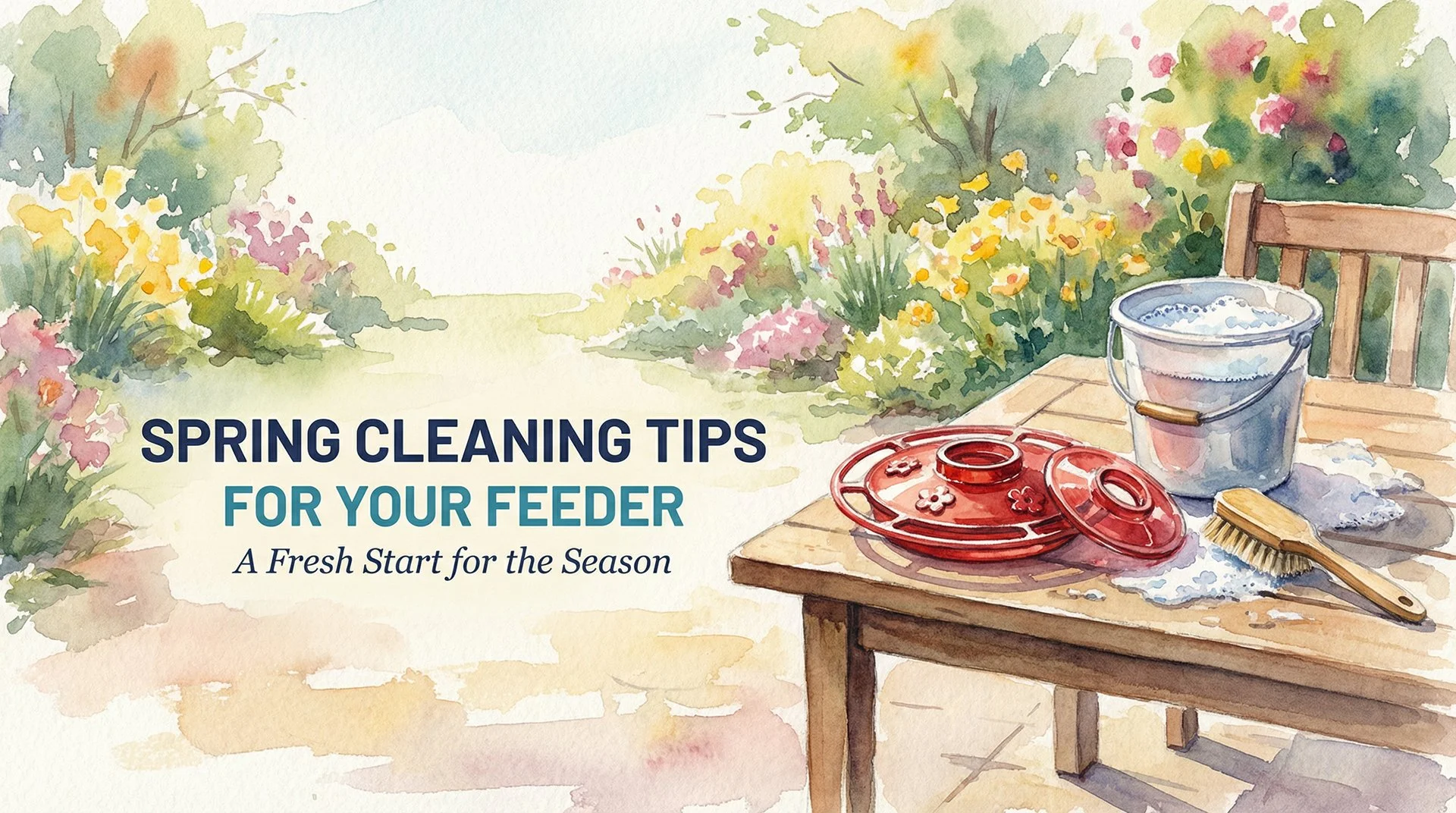
Before the hummingbird season begins, it’s important to thoroughly clean and inspect your feeders. Feeders that were stored over winter may have developed residue, dust, or even mold.
Start by washing the feeder with warm water and gently scrubbing the feeding ports and interior surfaces. Check seals, ports, and hooks to make sure everything is in good condition.
A clean feeder not only looks better but also helps protect hummingbirds from harmful bacteria or mold that can develop in old nectar.
Prepare Fresh Nectar
Once your feeder is clean, prepare a fresh batch of hummingbird nectar. The recommended mixture is simple and closely resembles the natural sugar concentration found in many flowers.
Combine four parts water with one part plain white sugar, stirring until the sugar dissolves completely.
Avoid using honey, artificial sweeteners, brown sugar, or red dye. Plain white granulated sugar is the safest option for hummingbird nectar.
After preparing the nectar, allow it to cool before filling the feeder.
Place Feeders in Visible Locations
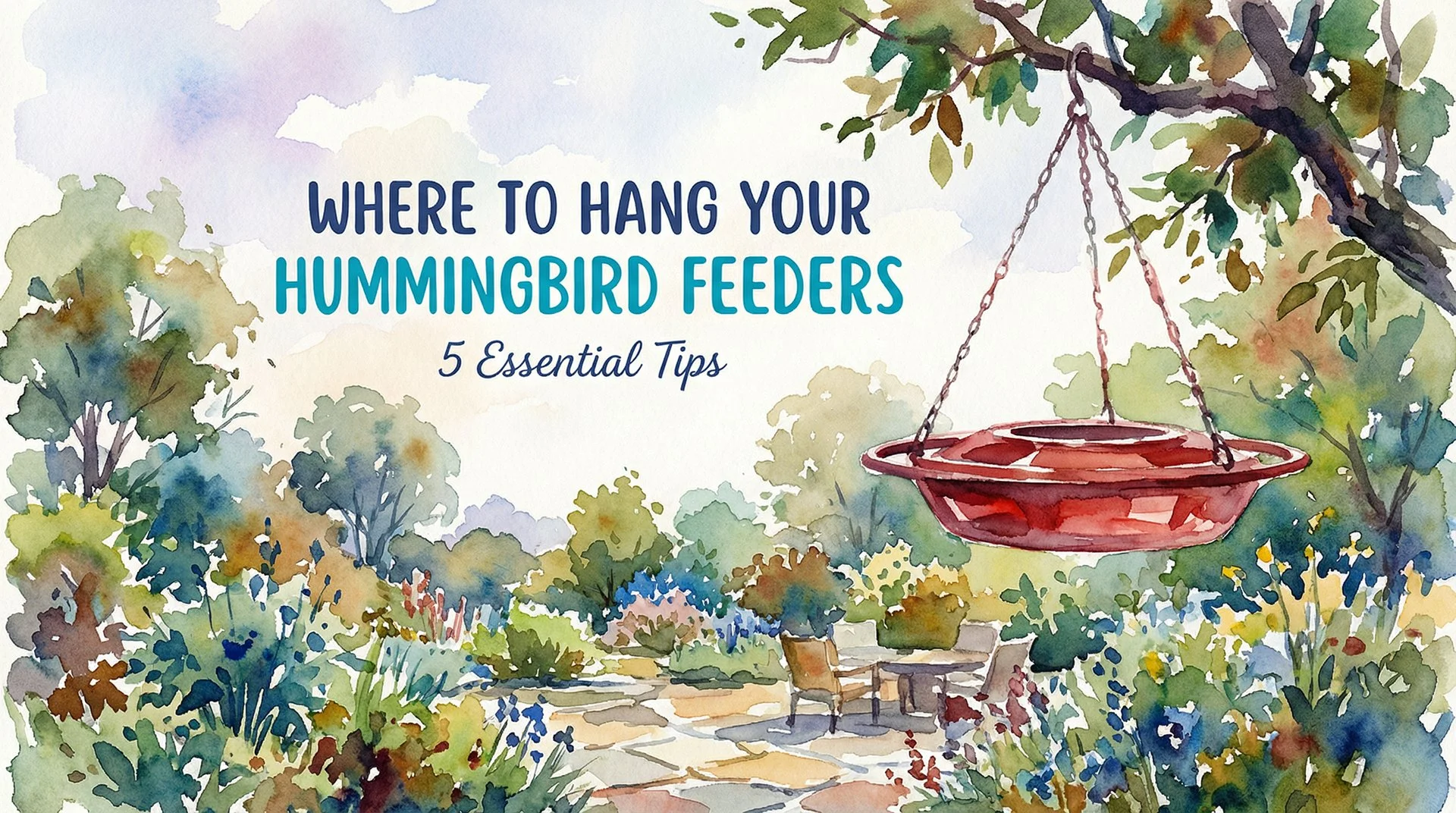
Feeder placement plays an important role in attracting hummingbirds. Choose a location where the feeder is visible but also provides nearby shelter.
Ideal locations often include areas near:
flowering plants
shrubs or small trees
garden edges
patios or windows where you can observe visiting birds
Some partial shade can help keep nectar cooler during warmer days, which may help slow spoilage.
Put Feeders Out Early
Many hummingbird enthusiasts wonder exactly when to put their feeders outside. A good rule of thumb is to place feeders out a week or two before hummingbirds typically arrive in your region.
Putting feeders out early ensures that migrating hummingbirds have access to nectar as soon as they pass through.
Even if hummingbirds are not immediately present, early feeders can help support the first arrivals of the season.
Watch for the First Visitors
The first hummingbird sighting of spring is always exciting. Some people even keep notes each year about when the first bird appears in their yard.
Once hummingbirds discover a feeder, they often return regularly and may remember reliable feeding locations throughout the season.
With a clean feeder and fresh nectar ready to go, you’ll be well prepared when the first hummingbird stops by.
Frequently Asked Questions
Many people preparing for the spring hummingbird season have questions about feeder setup, nectar preparation, and timing. Here are some common questions about getting hummingbird feeders ready for spring.
-
Feeders are often placed outside shortly before hummingbirds are expected to arrive in the region, which can vary depending on climate and migration patterns.
-
Feeders can provide a helpful supplemental food source during migration, especially when natural nectar sources are limited.
-
Yes. Cleaning feeders before refilling them with fresh nectar helps ensure a safe feeding environment.
-
The standard recipe is four parts water to one part plain white sugar.
-
Yes. Feeders can remain available throughout the hummingbird season as long as nectar is replaced regularly.
Please note: The content provided in this article is for educational purposes only and is intended as general information. Results can vary depending on climate, hummingbird species, feeder types, and local conditions.