
Introduction
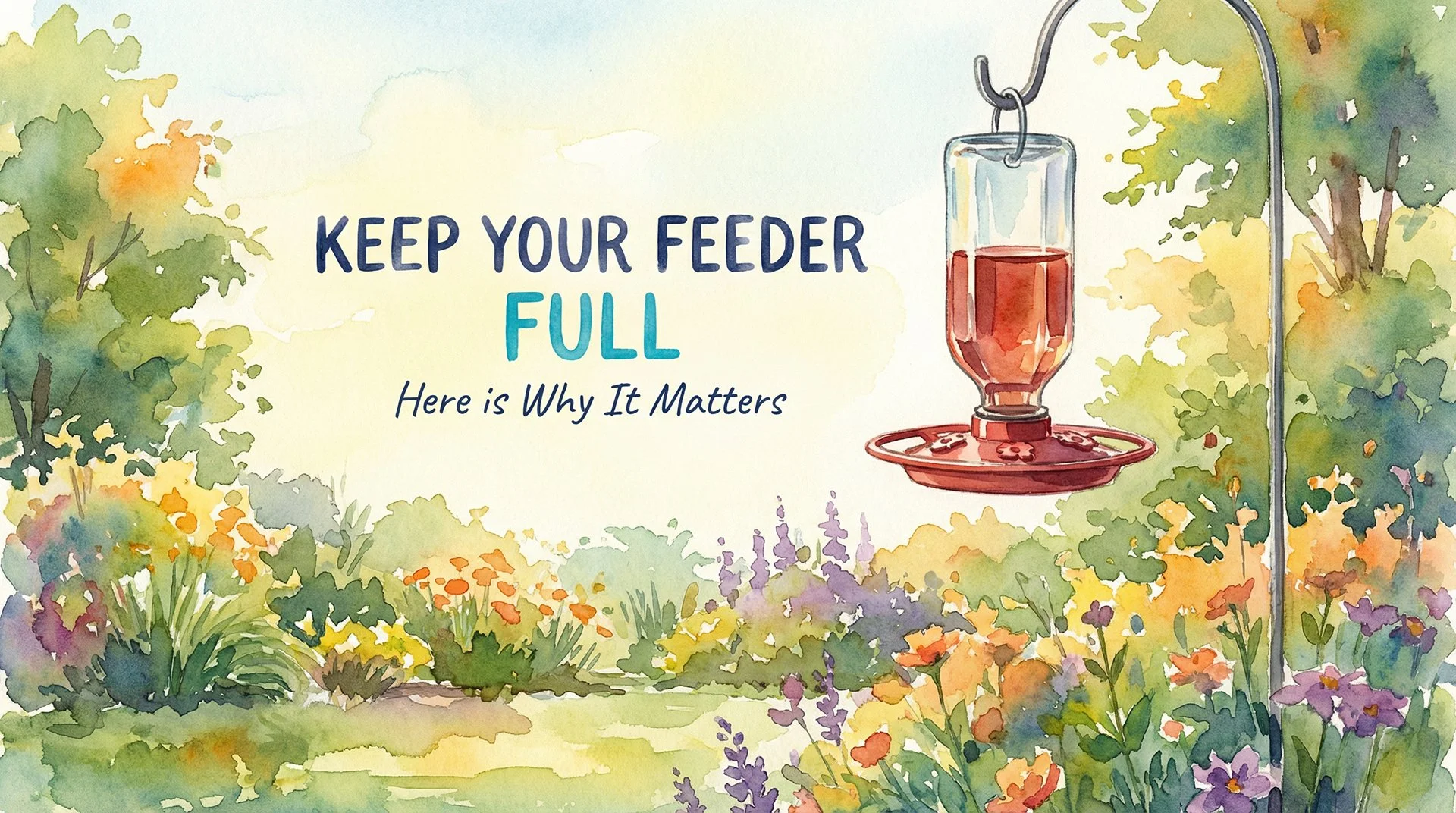
Hummingbirds are delightful visitors to any garden, bringing a burst of color and activity. To keep these tiny birds healthy and happy, it's essential to regularly refill your hummingbird feeder with fresh nectar. This article explores why maintaining a consistent supply of fresh nectar is crucial for hummingbird health and how it benefits both the birds and your birdwatching experience.
Health Benefits of Fresh Nectar
Fresh nectar provides the necessary energy for hummingbirds to maintain their high metabolism. Regularly refilling your feeder ensures that the nectar remains clean and free from harmful bacteria or mold, which can make the birds sick.
Preventing Fermentation and Contamination
Nectar can quickly ferment, especially in warm weather, leading to the growth of harmful bacteria and mold. By refilling your feeder frequently, you prevent fermentation and ensure the nectar is safe for hummingbirds to consume.
Encouraging Regular Visits
Hummingbirds remember reliable food sources and are more likely to return to feeders that consistently provide fresh nectar. Regularly refilling your feeder helps establish it as a dependable food source, encouraging more frequent visits from hummingbirds.
Monitoring Feeder Cleanliness
Regularly refilling your feeder goes hand in hand with cleaning it. A clean feeder prevents the build-up of residue that can contaminate the nectar. Ideally, feeders should be cleaned and refilled every few days, especially in hot weather.
Supporting Migration and Breeding
During migration and breeding seasons, hummingbirds need extra energy. Fresh nectar provides the necessary sustenance during these critical times. By keeping your feeder full, you support their energy needs and overall health.
How Often to Refill Your Feeder
In general, feeders should be refilled every 3 to 5 days. In hotter climates, more frequent refilling may be necessary to prevent spoilage. Regularly check the nectar for signs of cloudiness or mold, which indicate it needs to be changed.
Making Nectar at Home
Homemade nectar is easy to make and ensures no harmful additives. Mix 1 part white granulated sugar with 4 parts water, boil the solution to dissolve the sugar, and allow it to cool before filling the feeder. Avoid using red dye or honey, as these can be harmful to hummingbirds.
Conclusion
Regularly refilling your hummingbird feeder is vital for the health and wellbeing of these vibrant birds. By providing fresh, clean nectar, you not only support their dietary needs but also enhance your chances of enjoying their frequent visits. Keep your feeder clean and filled to create a safe and attractive feeding environment for hummingbirds.
Frequently Asked Questions
Maintaining a reliable nectar supply can encourage hummingbirds to return regularly to feeders. Here are some common questions about keeping hummingbird feeders filled.
-
Consistent nectar availability helps hummingbirds rely on feeders as a supplemental food source.
-
Yes. Hummingbirds have excellent memory and often return to feeders they have previously visited.
-
Hummingbirds may begin searching for alternative nectar sources if feeders are consistently empty.
-
Yes. Adding additional feeders may help accommodate more hummingbirds.
-
Checking feeders daily can help ensure nectar remains available.

Please note: The content provided in this article is for educational purposes only and is intended as general information. Results can vary depending on climate, hummingbird species, feeder types, and local conditions.