
Keep Your Hummingbird Feeder Leak-Free: Practical Solutions
Introduction
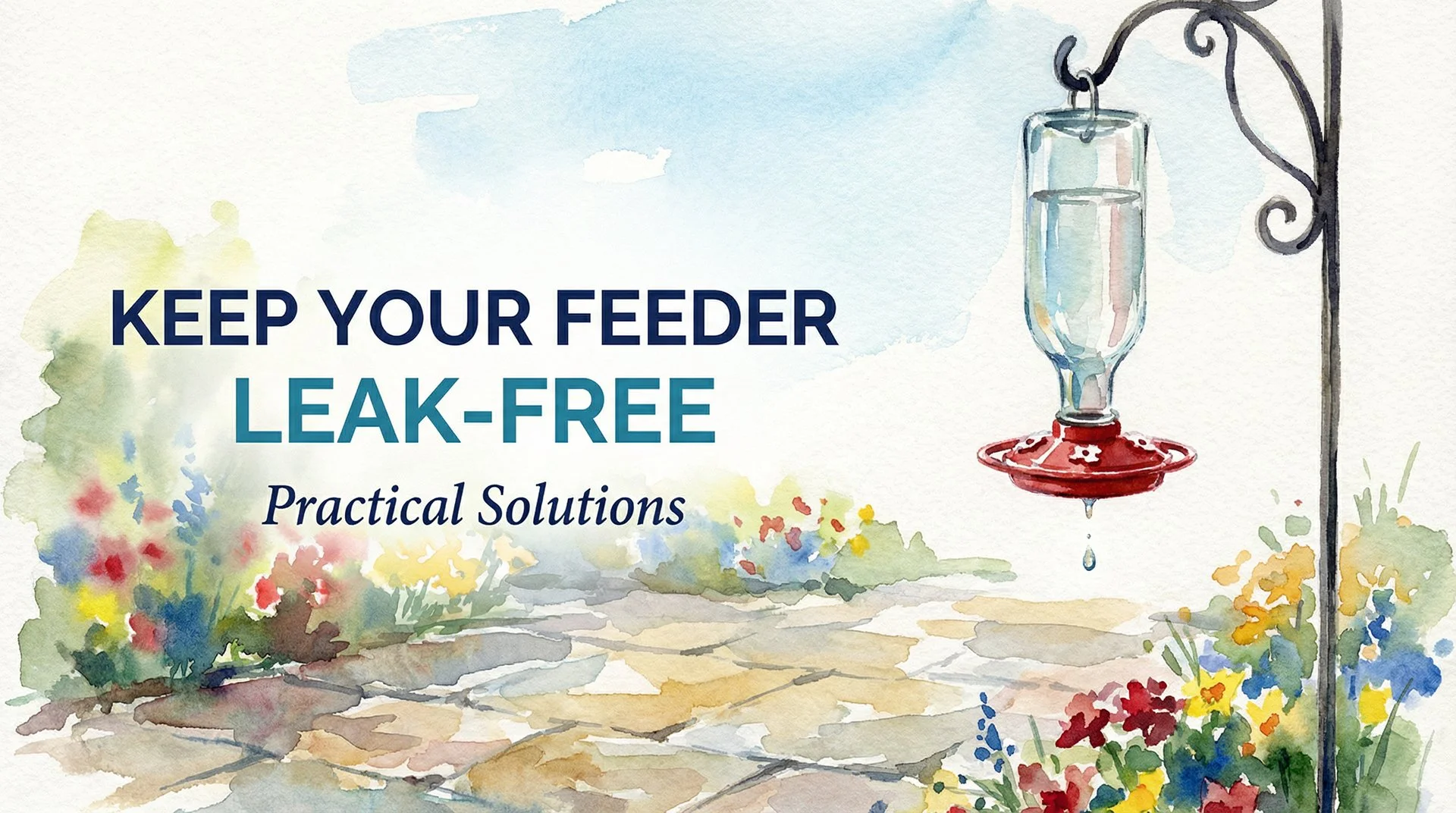
Hummingbird feeders are a wonderful addition to any garden, attracting these beautiful birds with their sweet nectar. However, one common issue that many bird enthusiasts face is leaking feeders. Leaks can create a mess, attract unwanted pests, and waste nectar. This article provides practical solutions to fix and prevent leaks in your hummingbird feeders, ensuring they remain clean and functional.
Common Causes of Hummingbird Feeder Leaks
Overfilling
Overfilling your feeder can cause nectar to spill out through the feeding ports. When the nectar heats up and expands, it has nowhere to go but out, leading to leaks.
Loose Parts
Loose or improperly assembled parts can result in leaks. Over time, seals and connections can wear out, leading to gaps where nectar can escape.
Damaged Feeders
Cracks or damage to the feeder, often from weather or mishandling, can create paths for nectar to leak out. Inspect your feeders regularly for any signs of damage.
Solutions to Prevent and Fix Leaks
Proper Filling Techniques
Avoid Overfilling: Only fill your feeder to the recommended level. Leave some space at the top to allow for expansion as the nectar warms up.
Correct Placement: Ensure the feeder is hanging level. An uneven feeder can cause nectar to leak from the feeding ports.
Secure Assembly
Tighten All Parts: Make sure all parts of the feeder are tightly secured. Check the base, feeding ports, and perches to ensure they are properly attached.
Check Seals and Gaskets: Over time, seals and gaskets can wear out. Replace any worn or damaged seals to maintain a tight fit and prevent leaks.
Repair or Replace Damaged Feeders
Use Food-Safe Sealant: For minor cracks, use a food-safe silicone sealant to repair the feeder. Apply the sealant to the crack and let it dry completely before refilling the feeder.
Replace Severely Damaged Feeders: If the feeder is severely damaged or old, it may be best to replace it. Invest in a high-quality feeder designed to minimize leaks.
Regular Maintenance
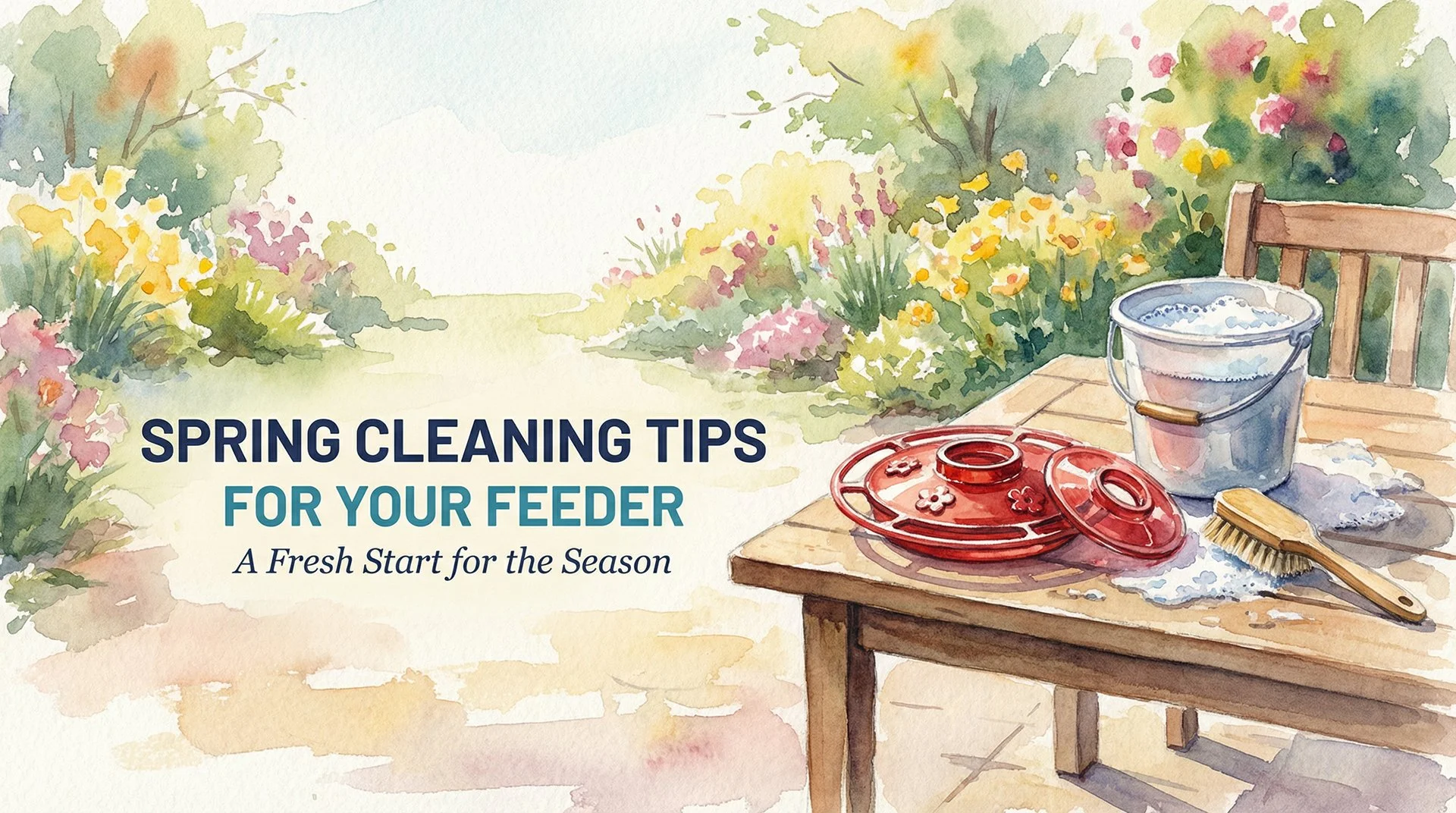
Clean Feeders Regularly: Regular cleaning prevents the buildup of mold and bacteria, which can damage the feeder and cause leaks. Use a solution of four parts water to one part white vinegar or a mild bleach solution (1 teaspoon bleach to 1 quart of water) for cleaning.
Inspect Feeders Frequently: Regularly inspect your feeders for any signs of wear and tear. Address any issues promptly to prevent leaks from developing.
Use High-Quality Feeders
Invest in Leak-Proof Feeders: Some feeders are specifically designed to prevent leaks. Look for feeders with built-in ant moats, bee guards, and sturdy construction to minimize the risk of leaks.
Choose Durable Materials: Glass feeders are often more durable and less prone to warping than plastic feeders. However, high-quality plastic feeders can also be effective if they are well-made and properly maintained.
Additional Tips
Shade the Feeder: Place the feeder in a shaded area to prevent the nectar from heating up and expanding, which can cause leaks.
Position Away from Wind: Hang the feeder in a location sheltered from strong winds that could tip the feeder and cause spills.
Conclusion
Leaky hummingbird feeders can be frustrating, but with the right techniques, you can easily fix and prevent leaks. By following these tips and maintaining your feeders regularly, you can ensure a clean and functional feeding station for your hummingbirds. Enjoy the vibrant activity of these beautiful birds in your garden, knowing that your feeders are in top condition.
Frequently Asked Questions
Leaking feeders are a common frustration for hummingbird enthusiasts. Fortunately, most leaks can be fixed with a few simple adjustments. Here are answers to some frequently asked questions about hummingbird feeder leaks.
-
Leaks often happen because of pressure changes, improper assembly, or damaged seals. Even a slightly loose connection can cause nectar to drip.
-
Make sure all parts are tightened properly and check the rubber seals or gaskets. Keeping the feeder level can also prevent leaks.
-
Yes. Heat can cause air inside the feeder to expand, forcing nectar out through the feeding ports.
-
Both work well, but glass feeders are often easier to clean and less likely to absorb odors over time.
-
Yes. Leaking feeders can attract ants, bees, and wasps. Fixing leaks quickly helps keep feeders clean and safer for hummingbirds.

Please note: The content provided in this article is for educational purposes only and is intended as general information. Results can vary depending on climate, hummingbird species, feeder types, and local conditions.