
Introduction
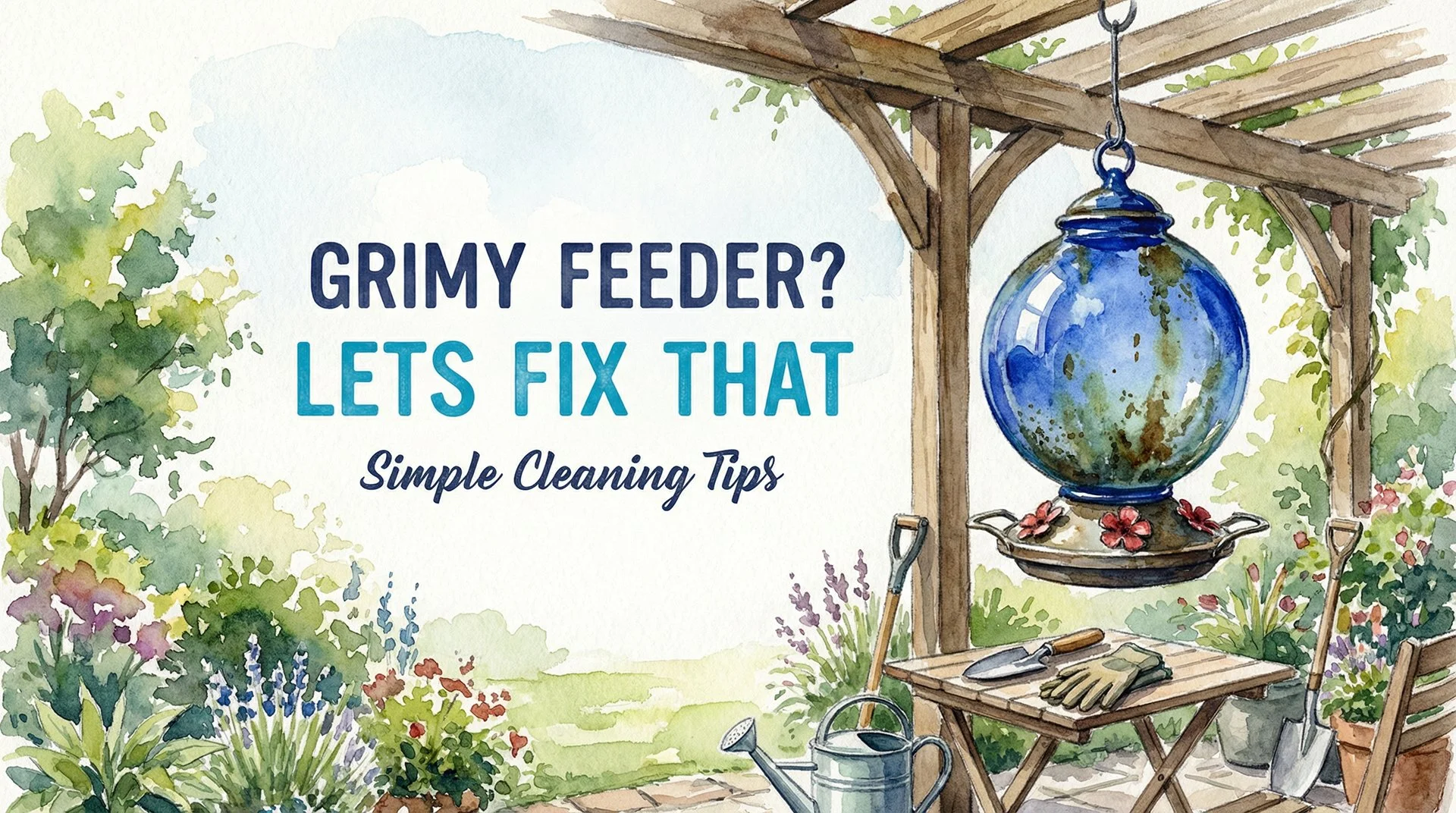
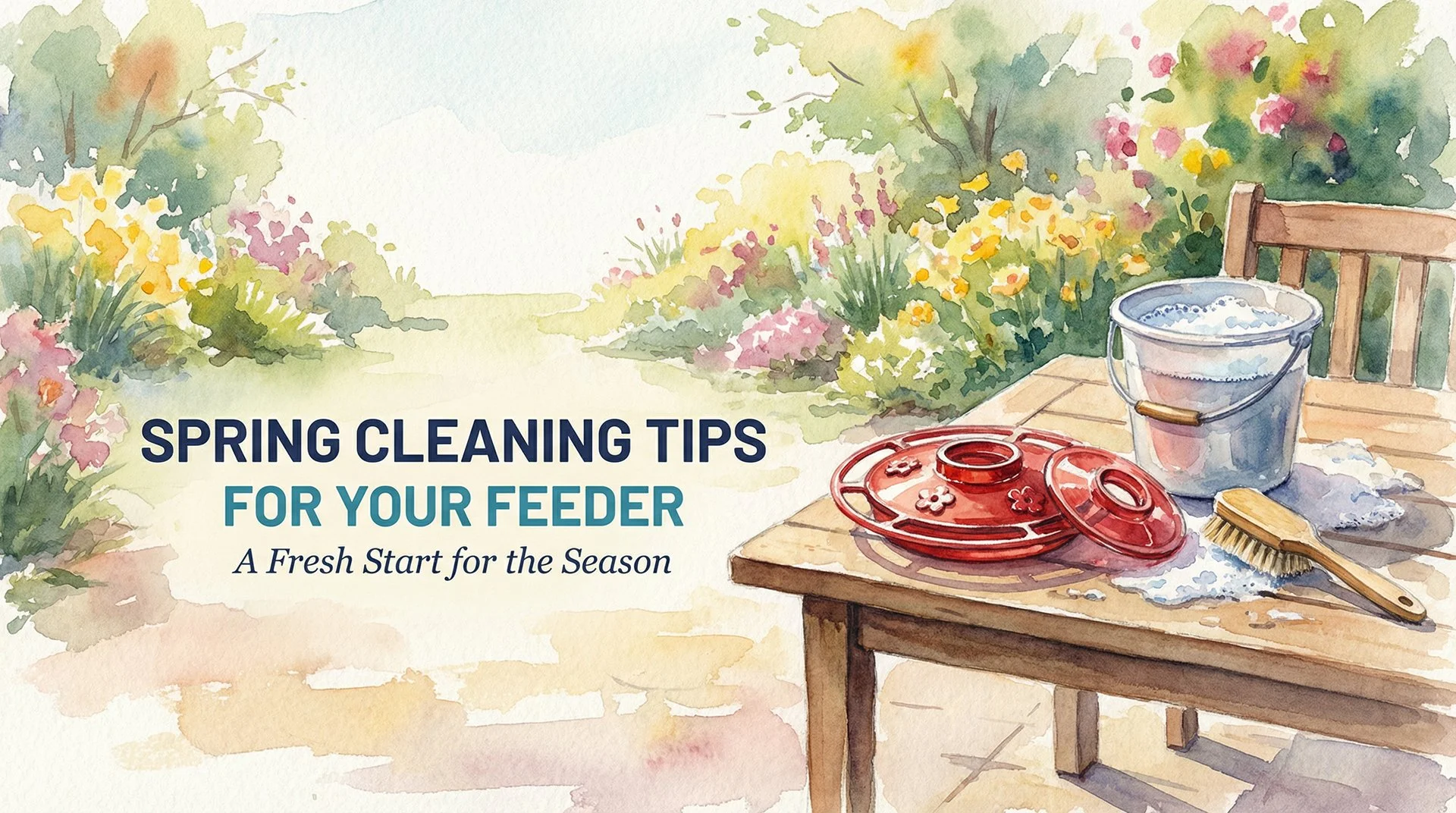
Hummingbirds are delightful garden visitors, but they can sometimes bring dirt and debris when they perch on your feeder. Over time, this can lead to a grimy feeder that’s less appealing for hummingbirds and less attractive for you to look at. Keeping your hummingbird feeder clean is essential for the health of the birds and the beauty of your garden. Here’s how you can ensure your feeder stays sparkling and inviting.
Why Cleanliness Matters
A dirty feeder can deter hummingbirds from visiting. Accumulated dirt and old nectar can lead to mold and bacteria growth, which can be harmful to these delicate birds. Regular cleaning keeps the feeder safe and attractive for hummingbirds.
How to Clean Your Hummingbird Feeder
Disassemble the Feeder: Take apart the feeder to access all the nooks and crannies.
Soak in Warm Water: Use a mixture of warm water and mild dish soap. Avoid harsh chemicals that can leave residues.
Scrub Thoroughly: Use a small brush to scrub all parts of the feeder, especially feeding ports and perches.
Rinse Well: Rinse all parts thoroughly with clean water to remove any soap residue.
Dry Completely: Allow the feeder to air dry completely before refilling it with nectar.
Preventing Dirt and Grime
Choose the Right Location: Place the feeder in a shaded area to slow down nectar spoilage and reduce dirt accumulation.
Add a Basin: Place a shallow basin of water near the feeder to give hummingbirds a place to bathe and help keep the feeder cleaner.
Conclusion
Maintaining a clean hummingbird feeder is crucial for attracting and keeping these beautiful birds in your garden. With regular cleaning and proper maintenance, you can ensure your feeder remains a safe and appealing food source for hummingbirds. Enjoy the vibrant activity of these tiny wonders in a clean and welcoming environment.
Frequently Asked Questions
Keeping hummingbird feeders clean is essential for maintaining a healthy feeding environment. Here are some common questions about cleaning hummingbird feeders.
-
Feeders should generally be cleaned every time the nectar is replaced to prevent mold and bacteria buildup.
-
What is the best way to clean a hummingbird feeder?
-
Warm weather, sugar residue, and outdoor exposure can cause feeders to develop mold or sticky buildup.
-
Yes. Mold and spoiled nectar can be harmful to hummingbirds and should be removed immediately.
-
Yes. Always rinse feeders well with clean water before refilling them with nectar.
Please note: The content provided in this article is for educational purposes only and is intended as general information. Results can vary depending on climate, hummingbird species, feeder types, and local conditions.