
Hummingbirds are famous for their incredible diversity, with more than 350 species found throughout the Americas. Among them, one species stands out above all others for its size: the Bee Hummingbird (Mellisuga helenae), the smallest bird in the world.
Despite how well known this tiny hummingbird is, scientists have continued to study exactly where it fits within the hummingbird family tree. A research study published in 2021 examined the evolutionary placement of the Bee Hummingbird and its closest relatives, helping clarify how this remarkable species fits within the broader hummingbird lineage.
Understanding where species belong in the evolutionary tree helps scientists better understand how hummingbirds evolved and how different groups of species are related.
The Bee Hummingbird: Smallest Bird on Earth
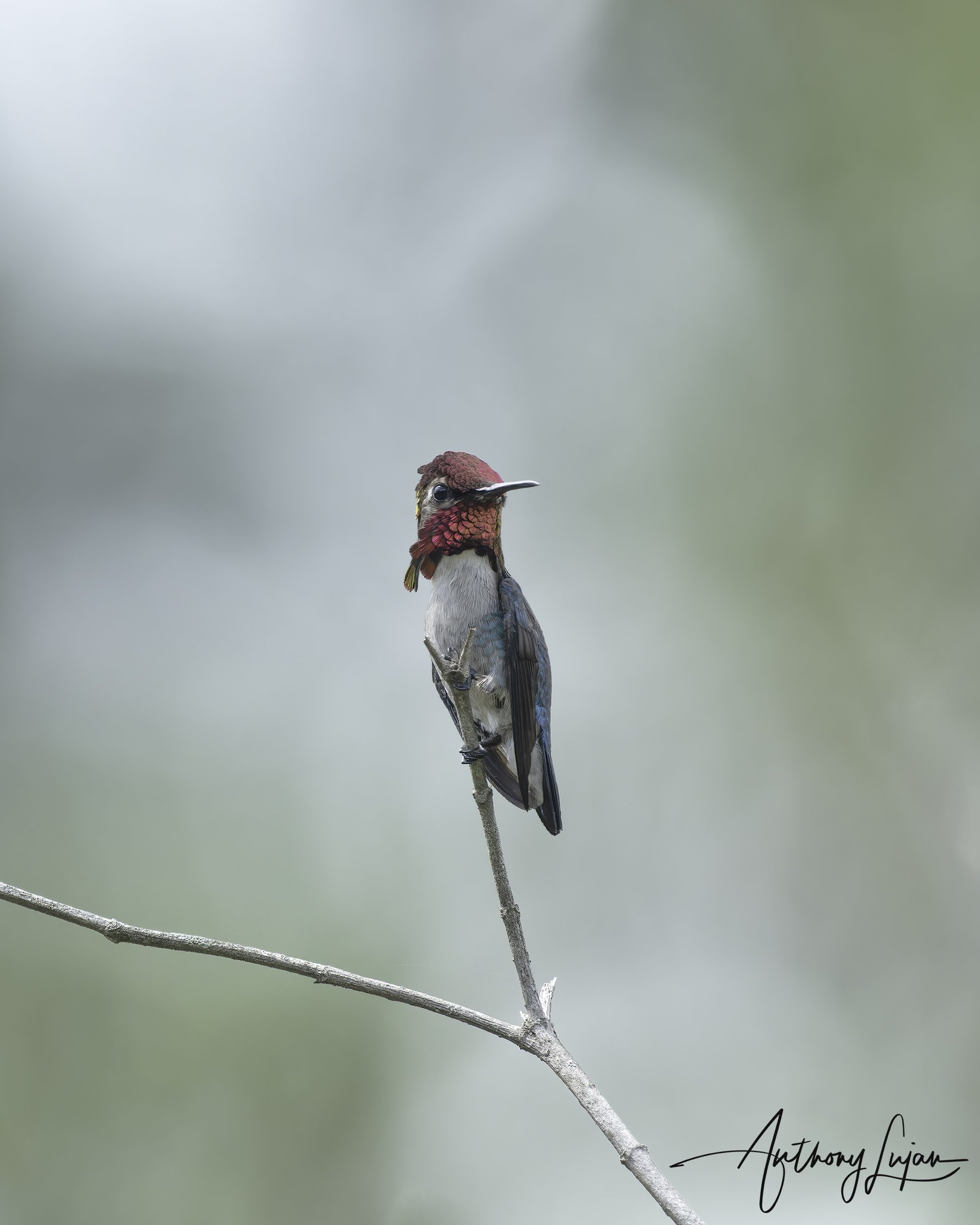
The Bee Hummingbird is native to Cuba and is famous for its incredibly small size. Adult birds measure only about 5 to 6 centimeters (2–2.4 inches) in length and weigh less than many coins.
Despite its tiny size, the Bee Hummingbird shares many characteristics with other hummingbirds, including:
rapid wingbeats
hovering flight
specialized nectar-feeding adaptations
However, its evolutionary history within the hummingbird family has been the subject of scientific discussion.
Understanding the Mellisugini Tribe
Hummingbirds are divided into several evolutionary groups, sometimes referred to as tribes or clades. The Bee Hummingbird belongs to a group known as the Mellisugini, often called the bee hummingbird clade.
This group includes several small hummingbird species that share similar anatomical traits and evolutionary relationships.
Researchers have long been interested in understanding how these species relate to one another and how they fit within the larger hummingbird family tree.
Investigating Evolutionary Relationships
In the study, researchers examined the systematic placement of the Bee Hummingbird by analyzing evolutionary relationships among hummingbirds.
By comparing morphological characteristics and previously published genetic information, scientists were able to better determine how the Bee Hummingbird and related species are connected within the broader hummingbird lineage.
The research helps clarify the classification of the Mellisugini tribe and provides insight into how these small hummingbirds evolved.
Why Taxonomy Matters
Scientific classification, known as taxonomy, may sound technical, but it plays an important role in understanding biodiversity.
Accurate classification allows scientists to:
track evolutionary relationships
understand how species evolved
identify unique lineages within groups of animals
For hummingbirds, improved classification helps researchers better understand how different species developed their unique traits over millions of years.
A Deeper Look at Hummingbird Diversity
The Bee Hummingbird represents one of the most specialized branches of the hummingbird family tree. Studies like this help scientists refine the evolutionary map of hummingbirds and better understand how this remarkable group of birds diversified across the Americas.
Even a species as well known as the Bee Hummingbird continues to teach researchers new things about evolution, classification, and biodiversity.
As scientists continue studying hummingbirds, our understanding of their evolutionary relationships will likely continue to evolve.
Research Credit
This article summarizes findings from the following scientific study:
Yvonne Lawrie, Thomas Shannon, Arturo Kirkconnell, Christopher Clark, Martin Collinson, Guy Kirwan. (2021).
Systematic placement of the Bee Hummingbird (Mellisuga helenae) and consequences for the nomenclature of Mellisugini.
Readers interested in the full methodology and detailed taxonomic analysis can consult the original research paper.
Frequently Asked Questions
Scientific studies about hummingbird taxonomy often raise questions about how species are related and classified. Here are some common questions related to the Bee Hummingbird and its evolutionary placement.
-
The Bee Hummingbird (Mellisuga helenae) is the smallest bird in the world and is native to Cuba.
-
The Mellisugini tribe is an evolutionary group of hummingbirds that includes the Bee Hummingbird and several closely related species.
-
Taxonomy helps scientists understand evolutionary relationships and how different species are connected.
-
Yes. As new research and genetic data become available, scientists sometimes revise classifications to better reflect evolutionary relationships.
-
Because of its unique size and evolutionary position, the Bee Hummingbird provides valuable insights into hummingbird evolution and diversity.





Please note: The content provided in this article is for educational purposes only and summarizes findings from published scientific research. Interpretations of scientific studies may evolve as new research becomes available.