
The Importance of Changing Hummingbird Sugar Water Regularly
Hummingbirds bring vibrant energy to gardens with their iridescent feathers and rapid wingbeats. To keep them returning, it's essential to regularly change the sugar water in feeders.
Why Hummingbirds Need Sugar Water
Hummingbirds are energy dynamos, requiring a constant supply of calories due to their high metabolism. While natural nectar from flowers is their primary energy source, feeders provide necessary supplements when flowers are scarce.
The Dangers of Stale Sugar Water
Old sugar water can ferment quickly, especially in hot weather, creating harmful alcohol that can make hummingbirds sick. Additionally, stale nectar can harbor mold, bacteria, and fungi, leading to diseases that can be fatal.
How Often to Change the Sugar Water
Hot Weather (Above 90°F): Change every 1-2 days to prevent rapid spoilage.
Moderate Weather (70-90°F): Change every 2-3 days.
Cool Weather (Below 70°F): Change every 5-7 days.
Signs Your Sugar Water Needs Changing
Cloudiness or murkiness
Visible mold or algae
Fermented smell
Floating debris
Tips for Maintaining Fresh Sugar Water
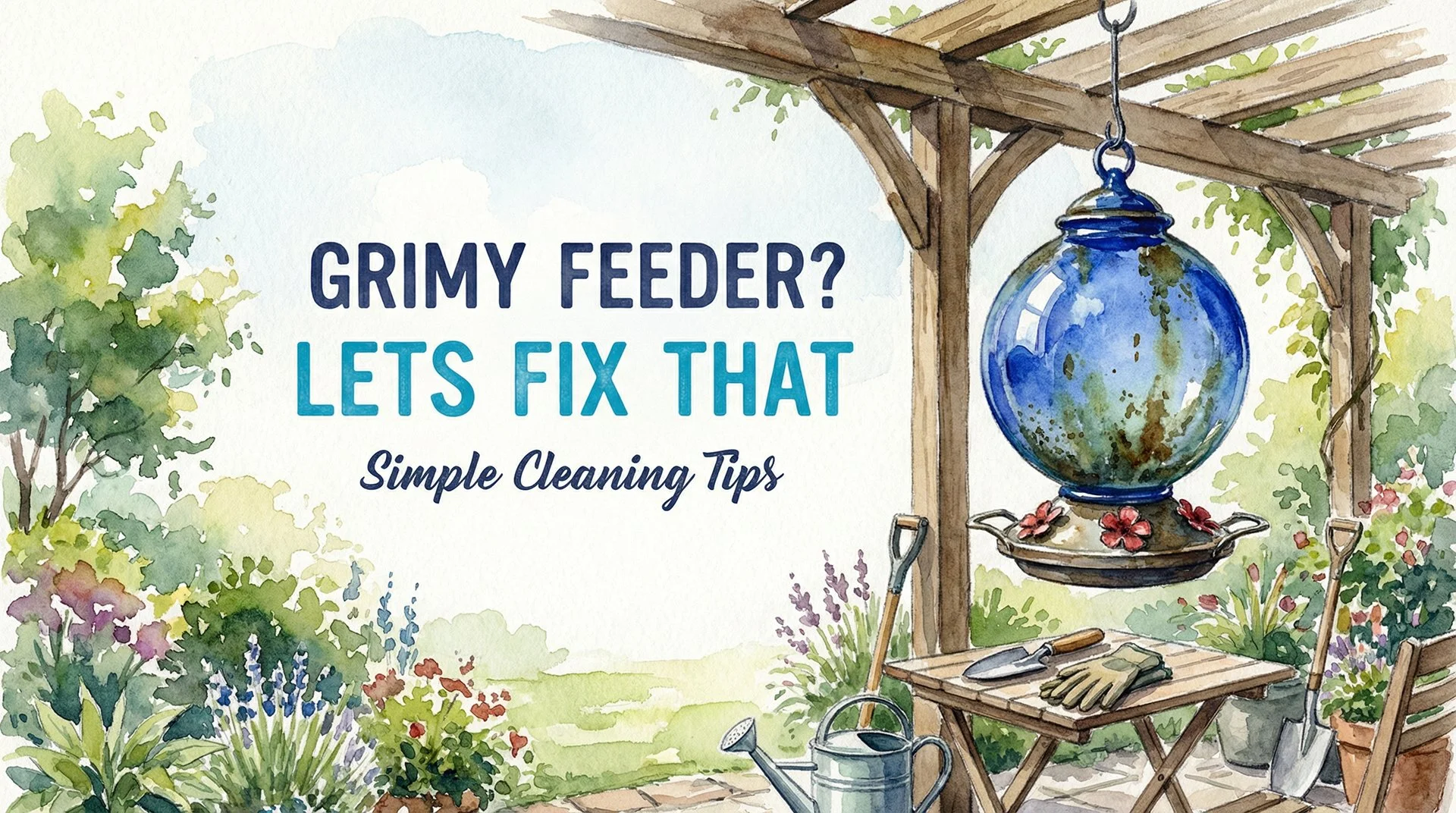
Clean Regularly: Wash feeders with hot water and a vinegar solution. Avoid soap.
Store Properly: Keep unused nectar in the refrigerator.
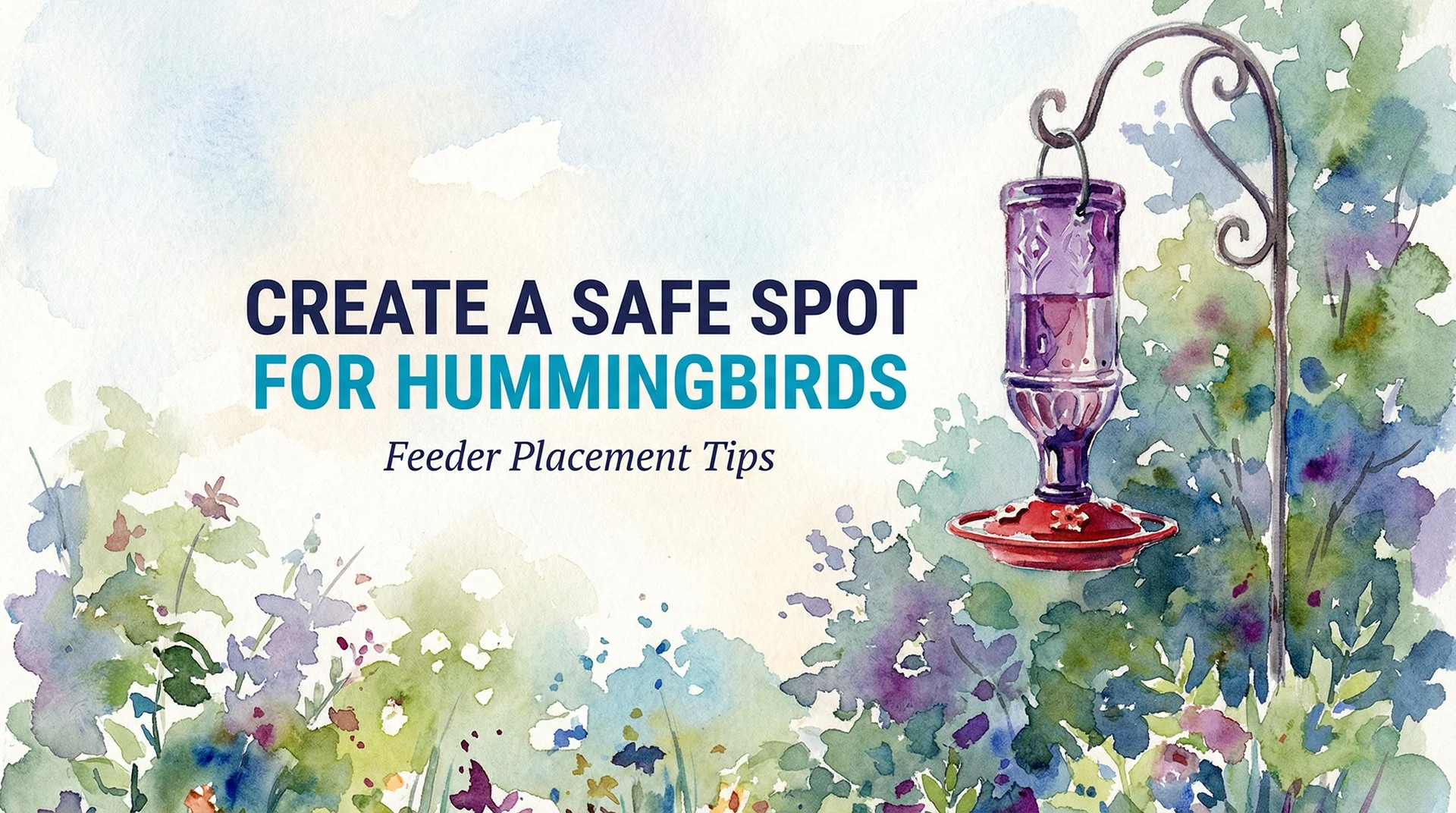
Shade Placement: Place feeders in shaded areas to slow spoilage.
Use Filtered Water: Filtered water slows spoilage compared to tap water.
A Little Effort Goes a Long Way
Regularly changing sugar water and cleaning feeders ensures hummingbirds stay healthy, keeping your garden lively. By taking these steps, you create a safe, nourishing environment for these fascinating creatures.
Frequently Asked Questions
Keeping hummingbird nectar fresh is important for the health of the birds visiting your feeders. Here are some common questions about how often sugar water should be replaced.
-
In warm weather, nectar should typically be replaced every two to three days.
-
Yes. High temperatures can cause nectar to spoil more quickly.
-
Yes. Fresh nectar is important even if the feeder still contains sugar water.
-
Cloudiness, mold, or a sour smell can indicate spoiled nectar.
-
Yes. Cleaning feeders regularly helps prevent mold and bacteria buildup.

Please note: The content provided in this article is for educational purposes only and is intended as general information. Results can vary depending on climate, hummingbird species, feeder types, and local conditions.