
Peru Hummingbird Expedition | July 2023
25 New Species | Endemics, Rarities, and Everything Between
Trip overview
Dates: July 6–16, 2023
Regions: Amazonas, San Martín
Total hummingbird species observed: 45
New species photographed: 25
Focus: Endemic and Near Threatened hummingbirds of northern Peru
This was my second time in Peru, but the first time the trip was 100% about hummingbirds. No side targets, no broad birding agenda. The plan was simple in theory and complicated in practice. Focus on endemics, Near Threatened species, and the rare opportunities that appear between those two categories. Northern Peru, especially Amazonas and San Martín, is packed with hummingbirds that do not occur anywhere else or are facing real pressure. That made it the obvious place to start.
Why northern Peru mattered for this expedition
Northern Peru is where Andean slopes, cloud forest, and humid valleys collide in a way that creates some of the most remarkable hummingbirds on the planet. For this expedition, the goal was to work that transition zone hard, especially in Amazonas and San Martín, and to prioritize species that are either endemic to Peru or carry a Near Threatened or higher conservation status. Every day was planned around a small group of target species, with enough flexibility to make room for the surprises that came along the way.
During this expedition, I photographed 25 hummingbird species, all of them new to my list:
#143 LC Rufous-crested coquette, Lophornis delattrei
#144 LC Gray-breasted sabrewing, Campylopterus largipennis
#145 LC Great-billed hermit, Phaethornis malaris
#146 LC Fork-tailed woodnymph, Thalurania furcata
#147 LC Blue-tailed emerald, Chlorostilbon mellisugus
#148 LC Black-throated hermit, Phaethornis atrimentalis
#149 LC Many-spotted hummingbird, Taphrospilus hypostictus
#150 LC Wire-crested thorntail, Discosura popelairii
#151 LC Blue-fronted lancebill, Doryfera johannae
#152 LC Black-throated brilliant, Heliodoxa schreibersii
#153 LC Ecuadorian piedtail, Phlogophilus hemileucurus
#154 LC Peruvian Racket-tail, Ocreatus peruanus
#155 NT Napo sabrewing, Campylopterus villaviscensio
#156 LC Chestnut-breasted coronet, Boissonneaua matthewsii
#157 LC Emerald-bellied puffleg, Eriocnemis aline
#158 LC Speckled hummingbird, Adelomyia melanogenys
#159 NT Royal sunangel, Heliangelus regalis
#160 LC White-bellied hummingbird, Elliotomyia chionogaster
#161 EN Marvelous spatuletail, Loddigesia mirabilis
#162 NT Little woodstar, Chaetocercus bombus
#163 LC Purple-throated sunangel, Heliangelus viola
#164 LC Gray-chinned hermit, Phaethornis griseogularis
#165 LC Gould's jewelfront, Heliodoxa aurescens
#166 NT Koepcke's hermit, Phaethornis koepckeae
#167 LC Pale-tailed barbthroat, Threnetes leucurus
Four species carried most of the emotional weight of the trip: Marvelous Spatuletail, Little Woodstar, Royal Sunangel, and Koepcke's Hermit.
Marvelous Spatuletail
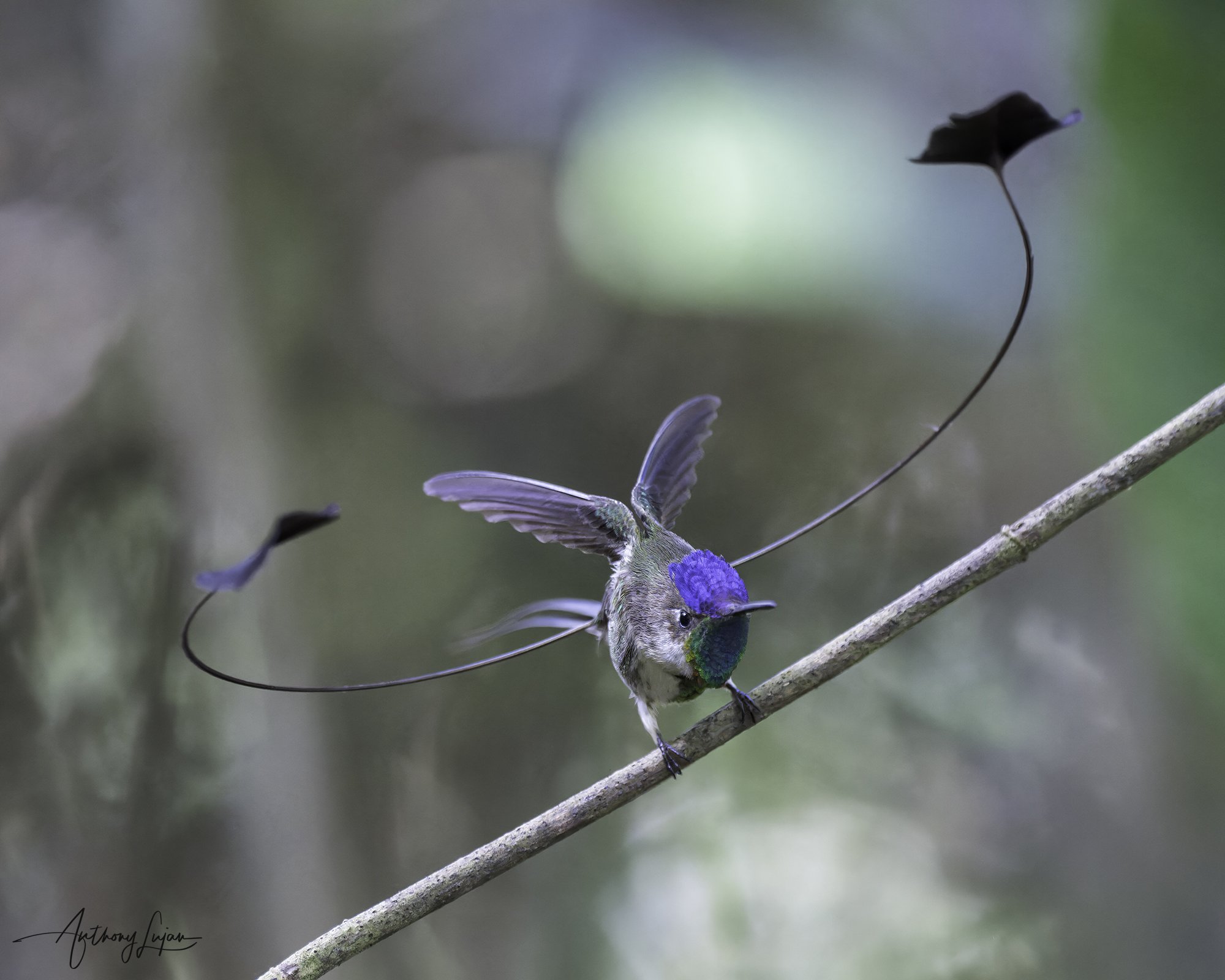
Endemic, Near Threatened, and unlike anything else
Marvelous Spatuletail is one of those hummingbirds that feels almost imaginary until you finally see it in motion. It is endemic to a very small area in northern Peru. The male’s tail has two long shafts with spatula like tips at the end, and the bird carries those ornaments through dense vegetation, steep terrain, and unpredictable light.
In the field, everything becomes about timing and angle. The tail is not always fully visible, and it does not constantly display. I spent a lot of time watching the same flowering areas, tracking individual birds and waiting for the moments when the tail was positioned cleanly, the flowers were not blocking the view, and the background would not distract from what was happening. When it all lined up, it felt less like a photograph and more like a freeze frame from a very specific fraction of a second.
Photographing Marvelous Spatuletails was not just about adding a famous species to the list. It was about showing the details that most people never see, even when they know the bird by name.
Little Woodstar
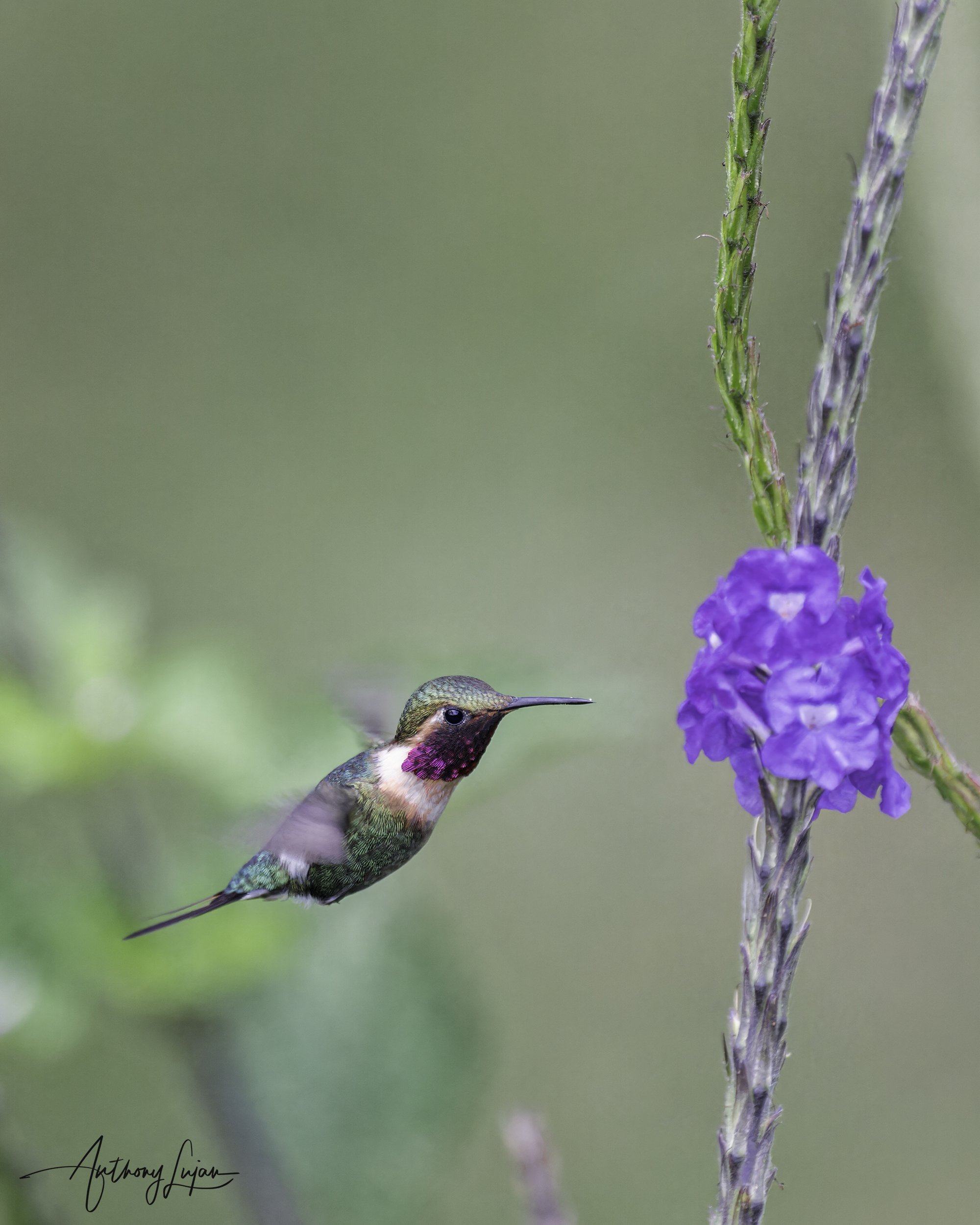
Near Threatened, almost too small to believe
Little Woodstar is one of the smallest hummingbirds in the world, and it lives up to its name. On the ground, the first challenge is simply recognizing it for what it is. At a distance, it can look more like an insect than a bird. Once you lock in, the scale of everything around it changes. Flowers look larger, branches look thicker, and even small movements feel delicate.
Its Near Threatened status adds weight to every encounter. This is not a bird you can assume will always be easy to find. I had to slow down and let the forest come into focus at a much finer scale, paying attention to tiny flowers, low perches, and short, direct flights. Many hummingbirds demand speed from a photographer. Little Woodstar demands calm and precision. Getting a clean, sharp frame of such a small bird, without overwhelming it with the surrounding vegetation, was one of the most satisfying challenges of the trip.
Royal Sunangel
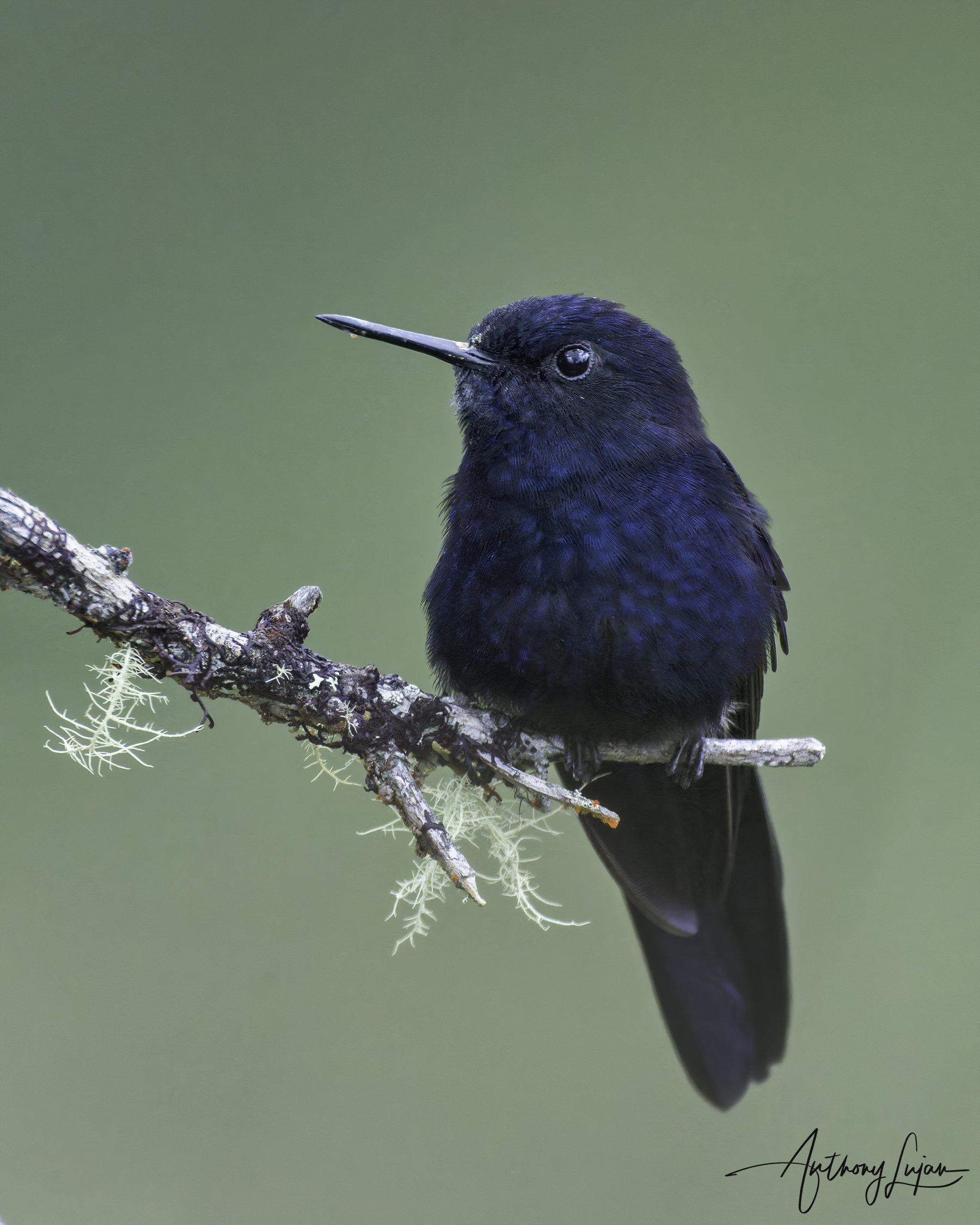
Near Threatened, high contrast in the cloud forest
Royal Sunangel lives in cloud forest and humid montane habitats where light can change from bright to muted in seconds. The bird itself is compact but powerful looking, with rich, dark plumage that can flash intense color when the light hits at the right angle. It feels very tied to the structure of high elevation forest, moving along edges, clearings, and ridges where flowering plants cluster.
Photographing Royal Sunangels meant managing contrast. Too little light, and the bird disappears into the background. Too much, and the highlights blow out the subtler tones. I spent time at elevations where the air felt heavier and cooler, waiting for breaks in the cloud layer and watching how the birds used perches to survey their surroundings. When it came together, the bird looked carved out of the scene, a small, concentrated piece of color and structure in a very complex environment.
Koepcke's Hermit
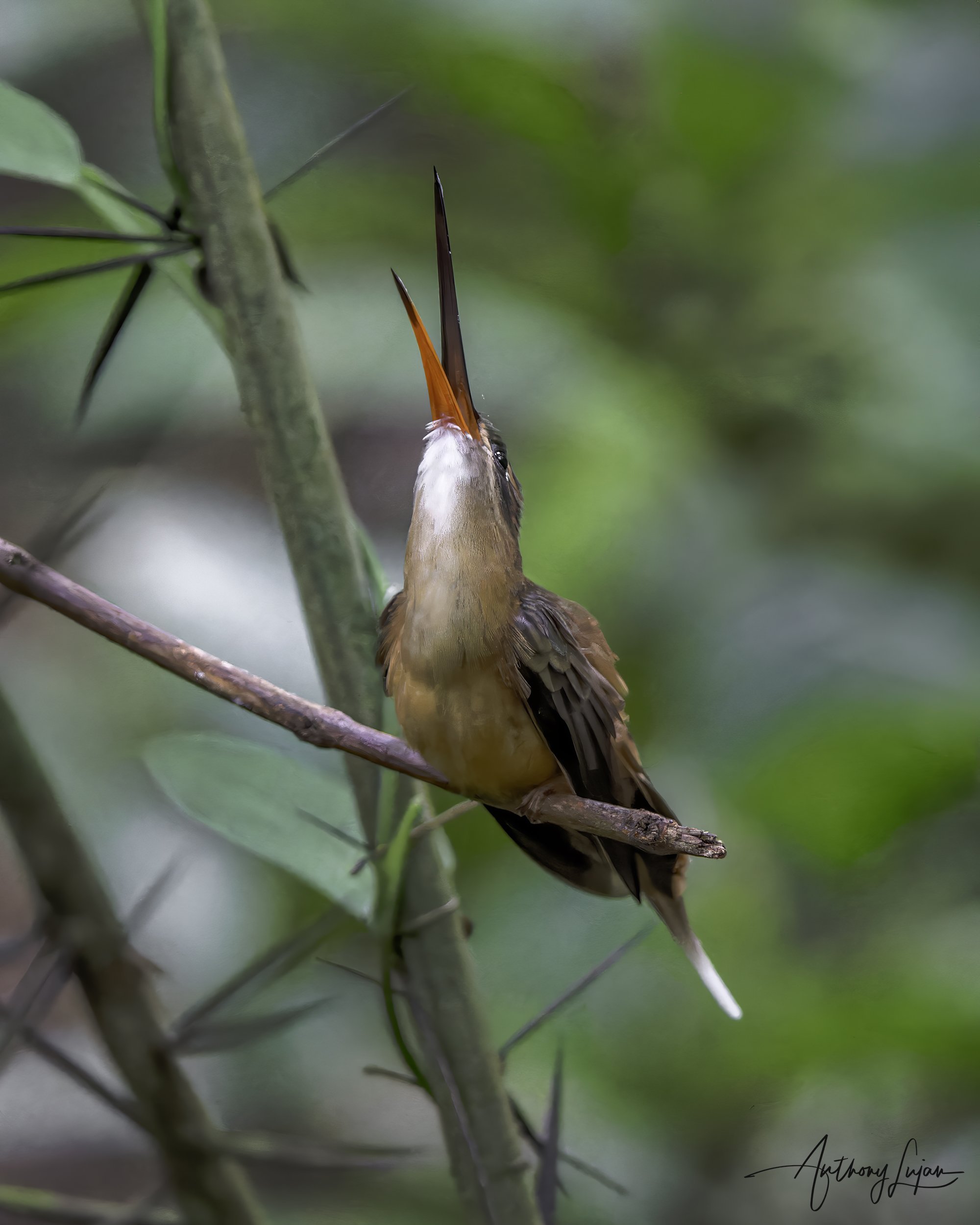
Endemic, quiet presence in the understory
Koepcke's Hermit is endemic to Peru and carries a very different energy from the more showy species on this list. It is a bird of the understory, shaded trails, and dense cover, more about constant motion through darker spaces than bright displays in open light. If you are not paying attention to those layers of the forest, you can easily miss it.
Working with Koepcke's Hermits pulled my focus down and inward. I spent more time watching low flowers, damp corridors, and the edges of streams and ravines, places where light is limited and backgrounds are busy. The bird itself is all subtle tones and edges. Long bill, earthy colors, and a way of moving that fits neatly into the shadows. Getting photographs that showed the bird clearly, without losing that sense of habitat, was a slow process. This species reminded me that endemism is not always loud. Sometimes it lives in the quiet parts of the forest.
Everything in between
Between these four anchors sat a long list of species that made northern Peru feel dense and alive. Wire-crested Thorntail, Peruvian Racket-tail, Emerald-bellied Puffleg, Gould’s Jewelfront, and many others each added their own forms, behaviors, and color palettes to the trip.
Some were common in the right habitats. Others took more effort. Together, they reinforced what makes this region so important. You do not just get one special hummingbird. You get entire communities where endemics, Near Threatened species, and more widespread hummingbirds overlap and interact.
What this expedition changed
This was the first trip where the balance was this heavily tilted toward conservation categories. Multiple Near Threatened species, endemics with restricted ranges, and a flagship hummingbird that many birders consider one of the most remarkable in the world. It changed the tone of the work.
Instead of asking “How many species can I photograph” the question became “How well can I document the ones that are most at risk or most unique to this place.” It required more planning, more backup plans, and more patience on site. It also made the successes feel different. Every good encounter with Marvelous Spatuletail, Little Woodstar, Royal Sunangel, or Koepcke's Hermit felt like a small step in telling a much larger story about Peru’s hummingbirds and the habitats they depend on.
If you want to see the full list of species photographed during this trip, you can view the complete travel overview here: 2023 07 Peru
Peru hosts 129 hummingbird species; see the ones I’ve photographed.
Join me on future trips like this. You can find more details here: Visit Travel with Me!
Frequently asked questions
Every time I share images from this Peru expedition, a similar set of questions comes up. This quick FAQ adds context before you move on to the next Hummingbird Travel Story.
-
Because northern Peru holds hummingbirds that occur nowhere else or are facing real pressure, and a dedicated expedition is one of the best ways to give those species the attention they deserve.
-
Both are challenging for different reasons. Marvelous Spatuletail requires timing and very specific angles to show the tail. Little Woodstar requires fine scale observation and careful composition because of its size.
-
Because it is endemic, tied to specific habitats, and represents a quieter but equally important side of Peru’s hummingbird diversity.
-
It pushed the project deeper into conservation territory, showing how one region can hold multiple priority species and how important it is to balance iconic hummingbirds with the less visible ones that share their forests.



Please note: The content provided in this article reflects Anthony’s personal experience and photographic approach. Results can vary depending on light, weather, location, equipment, subject behavior, and field conditions.