
Fawn-breasted Brilliant
Scientific name: Heliodoxa rubinoides
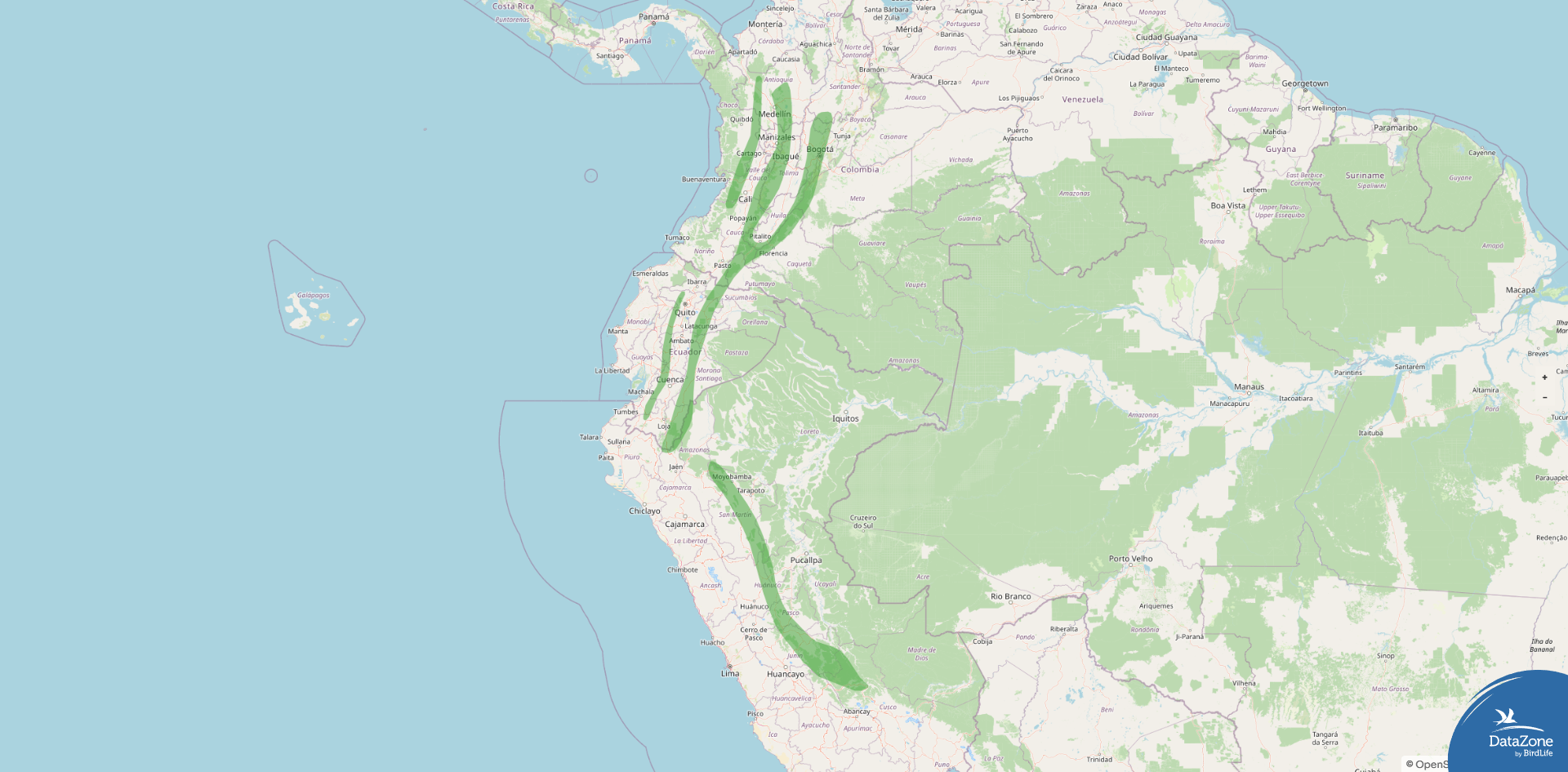
The Fawn-breasted Brilliant is a medium-sized hummingbird of humid Andean forests and edges from Colombia south through Ecuador into Peru and Bolivia. The number of mature individuals is unknown, its population trend is Decreasing, and it is assessed as Least Concern and considered not migratory beyond local movements.
At a Glance
Family: Trochilidae (hummingbirds)
Clade: Heliantheini – Brilliants
Genus: Heliodoxa
Range: Andes from Colombia south through Ecuador to Peru and Bolivia
Habitat: Humid montane forest and cloud forest, forest edges, clearings, and mature secondary growth with good flower resources
Elevation: Generally from about 900–2,500 m, varying by country within the Andean slopes and valleys
Length: About 11–12 cm (around 4.3–4.7 in)
Weight: Roughly 6–8 g (varies with sex and condition)
Number of mature individuals: Unknown
Population trend: Decreasing
Status: Least Concern (IUCN)
Name Origin
The genus name Heliodoxa combines words meaning “sun” and “glory,” referring to the bright, shining gorgets typical of brilliants. The species name rubinoides means “ruby-like,” alluding to the bird’s iridescent throat coloration. The English name “Fawn-breasted Brilliant” describes the warm, fawn-colored tones on the breast together with its membership in the brilliant group.
Subspecies & Distribution
Three subspecies are recognized:
Heliodoxa rubinoides rubinoides
Central and eastern Andes of Colombia.Heliodoxa rubinoides aequatorialis
Western Andean slope of Colombia and Ecuador.Heliodoxa rubinoides cervinigularis
Eastern slopes of Ecuador and Peru, extending into adjacent Andean regions.
Together they range along the Andes from Colombia south through Ecuador into Peru and Bolivia, each occupying different slopes and segments of the Andean chain but all associated with humid montane and cloud forests and their edges.
Ledged
Green Resident
Species Overview
The Fawn-breasted Brilliant is a characteristic hummingbird of mid-elevation Andean forests, where it works forest edges, clearings, and well-vegetated secondary growth for nectar. Its combination of green upperparts and warm, fawn-colored underparts makes it one of the more distinctive brilliants in its range. Although it has a fairly wide distribution from Colombia to Bolivia, habitat loss and forest degradation along the Andes are contributing to a Decreasing population trend, even as numbers remain sufficient for a Least Concern listing.
Male Description
Adult males are green above with an iridescent throat patch that can show coppery, lilac, or reddish tones depending on light and subspecies. The breast and belly are warm fawn to buff, often with some green spotting or suffusion near the upper breast that grades into the brighter throat. The tail is medium-length, slightly forked, and dark with some green or bronze gloss, and the bill is straight to slightly decurved and dark. Overall, males present a rich combination of green upperparts, glowing throat, and soft fawn underparts that give the species its name.
Female Description
Females are green above, like males, but have more extensively fawn or buff underparts with less intense throat coloration. The throat and upper breast may show scattered green spots or scaling on a buffy background, creating a softer, mottled look rather than a solid iridescent patch. The tail is similar in structure but can appear slightly less vividly colored, and the overall impression is of a neat green-backed hummingbird with warm, fawn-toned underparts. Immature birds resemble females until the male’s stronger throat coloration and contrast develop.
Habitat & Behavior
Fawn-breasted Brilliants inhabit humid montane and cloud forests, forest edges, clearings, and mature second growth along Andean slopes and valleys. They often forage at mid-levels, visiting flowers of shrubs and small trees along forest edges, trails, and gaps, and they readily use flowering plants in semi-open areas and secondary vegetation. Their diet consists mainly of nectar from a variety of tubular flowers, and they also take small insects and spiders for protein, which are important during breeding. The species is generally resident (not migratory), though it may make local elevational or short-distance movements following flowering patterns and seasonal changes.
Population
The total number of mature individuals is unknown, but within its Andean range the Fawn-breasted Brilliant is usually described as uncommon to locally fairly common in suitable forest and edge habitats. Its distribution is patchy, following bands of humid montane forest across Colombia, Ecuador, Peru, and Bolivia. Despite its wide range, ongoing deforestation, fragmentation, and degradation of Andean forests are causing an overall Decreasing population trend, particularly where forest is replaced by agriculture or heavily altered land uses.
Conservation
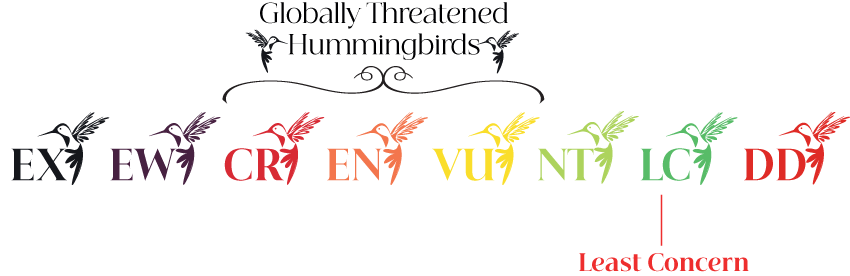
Fawn-breasted Brilliant is listed as Least Concern because of its broad Andean distribution and presence in multiple protected and relatively intact forest regions. However, its dependence on humid montane and cloud forests means that continued habitat loss and fragmentation are serious concerns. Conservation measures that protect and restore Andean forests, maintain forest edges and mature secondary growth with abundant flowering plants, and preserve elevational corridors will benefit this species. Monitoring its status and habitat trends across different parts of the Andes will help ensure this attractive brilliant remains a regular component of montane bird communities.
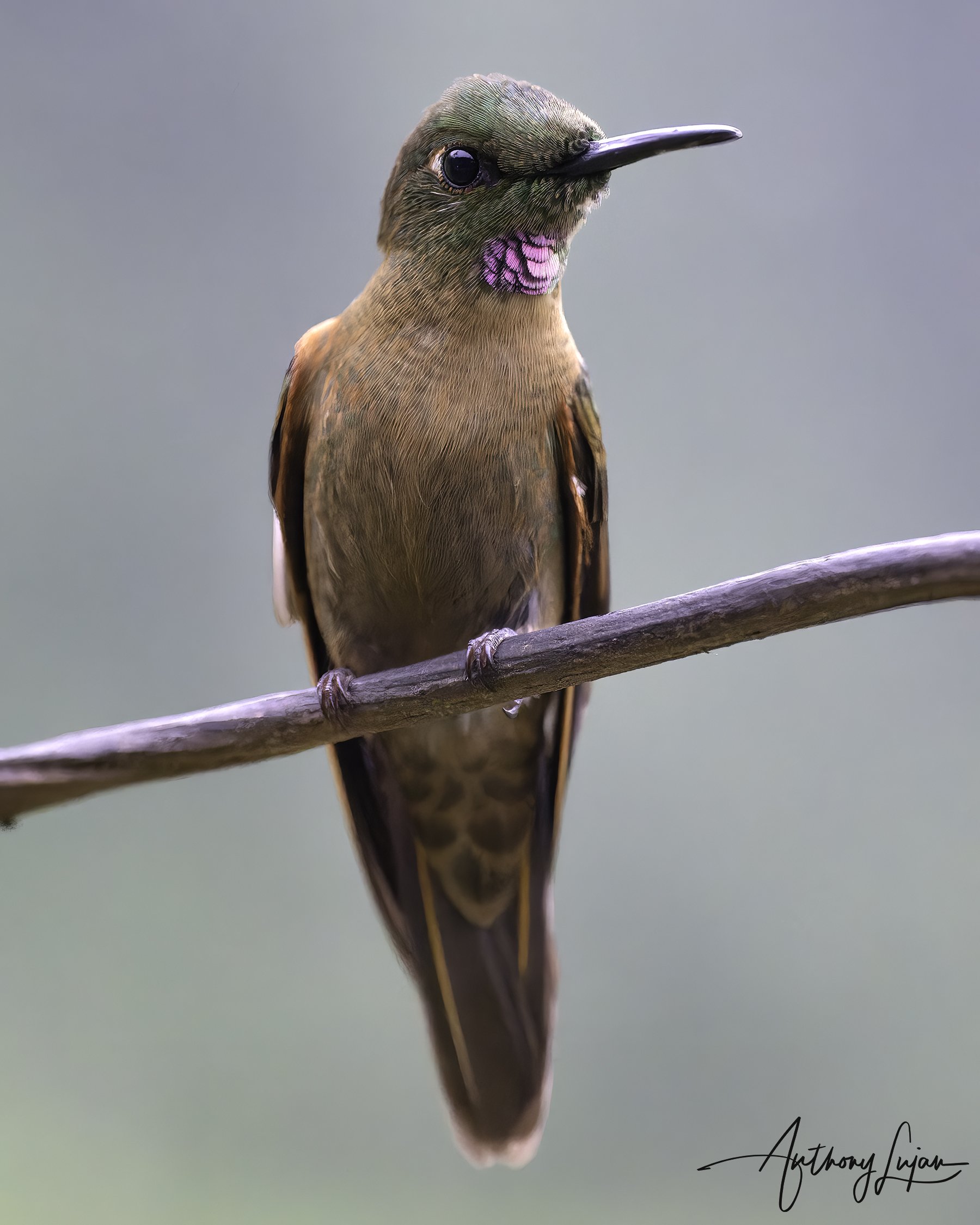
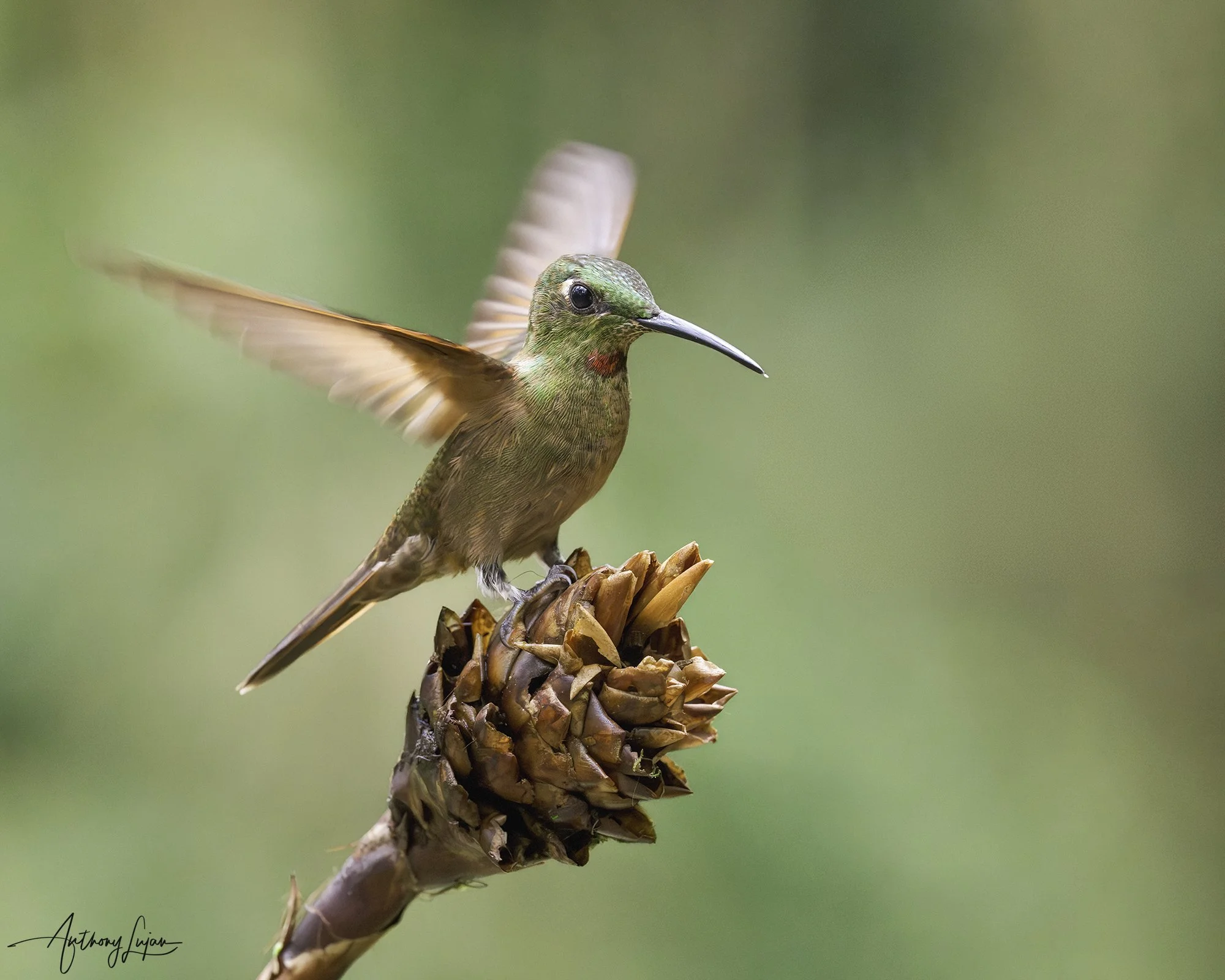
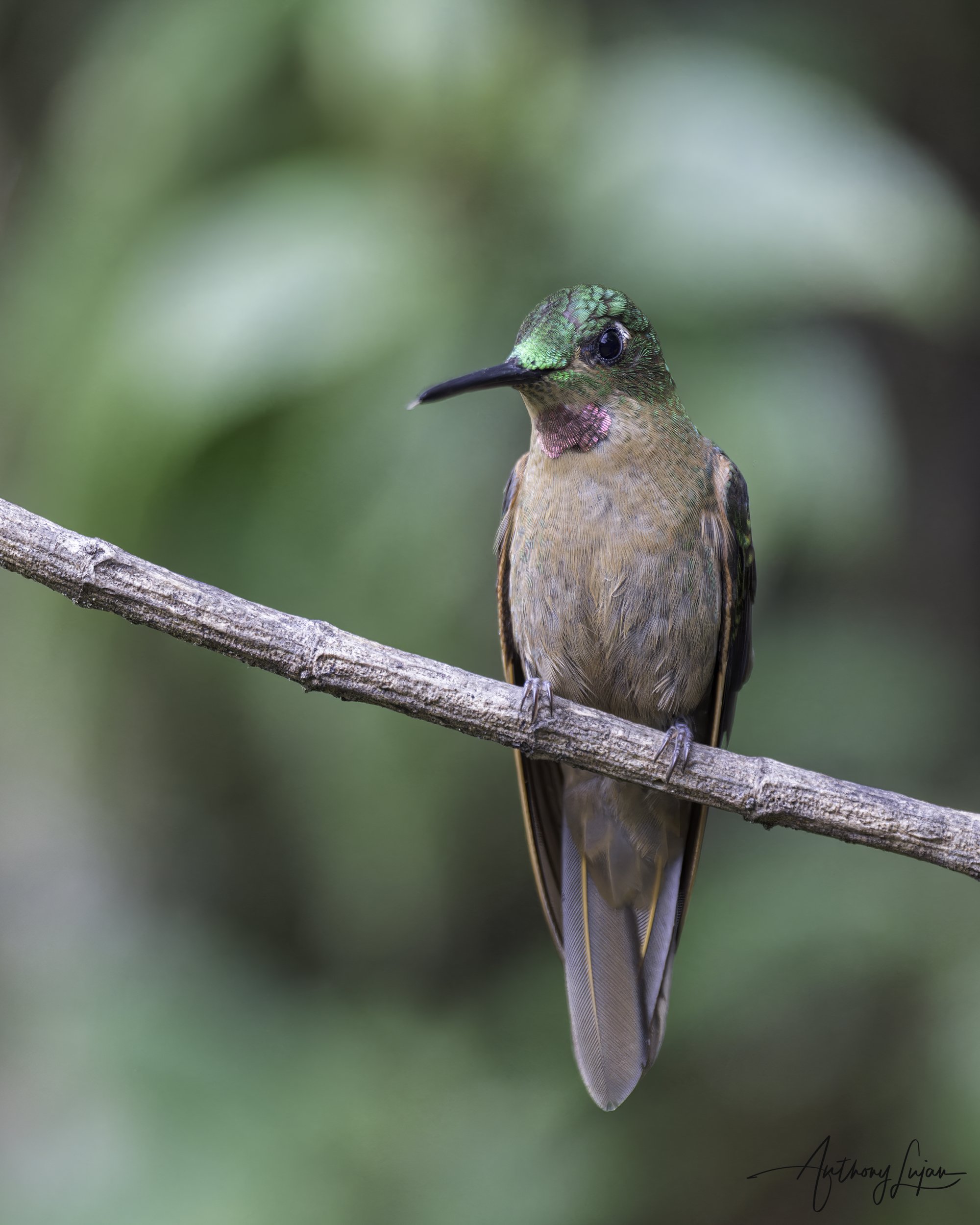
Below is the Fawn-breasted Brilliant (Heliodoxa rubinoides rubinoides)
Photographed at Reserva Ecológica Río Blanco – Lodge, Caldas, and La Florida – Bosque de Las Aves, Valle del Cauca, Colombia
These individuals belong to the subspecies rubinoides, which occurs throughout the Andes of Colombia and extends south into northwestern Ecuador. It inhabits humid montane forest and cloud forest edge between 1,200 and 2,800 meters, frequenting flowering shrubs and forest gaps.
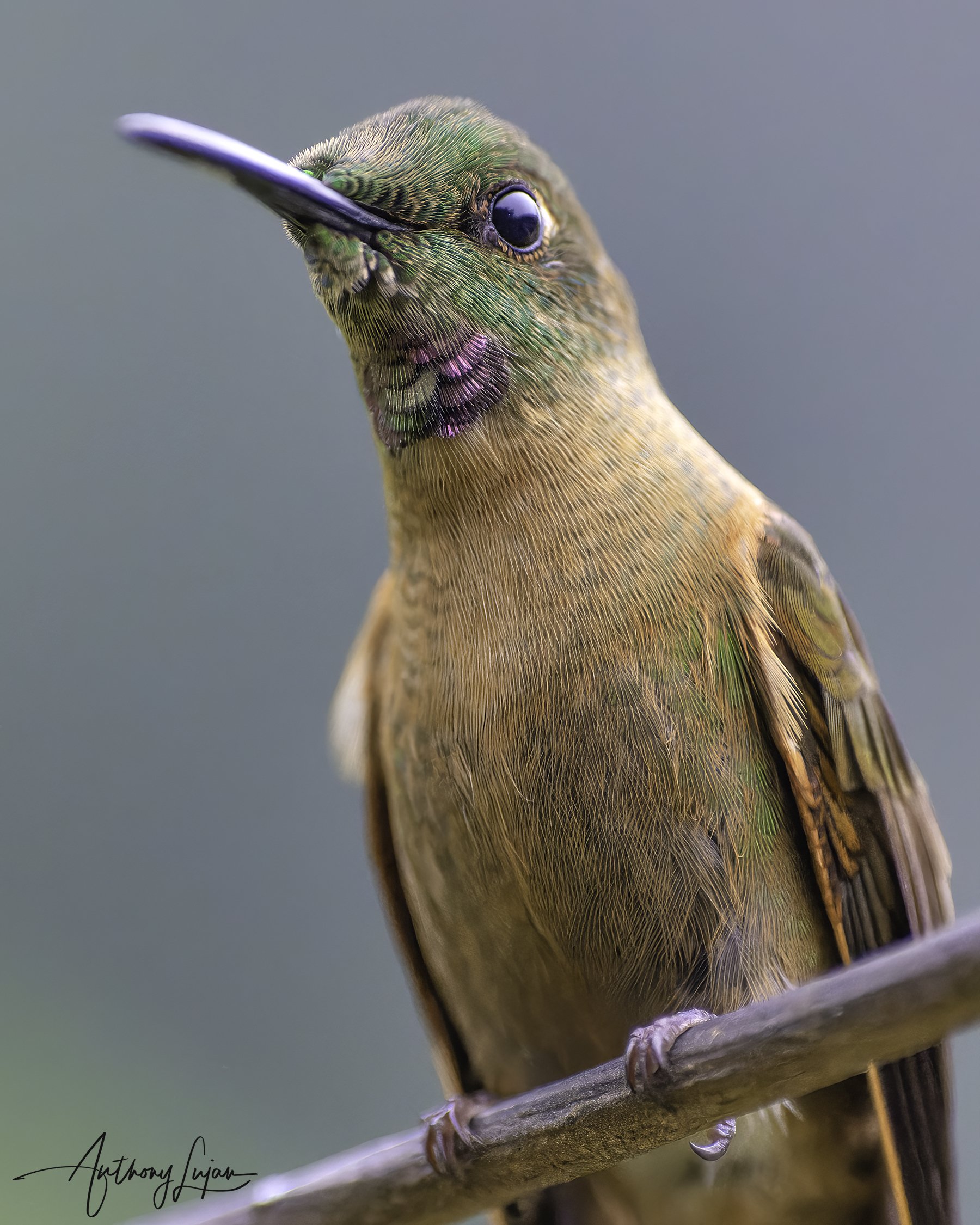
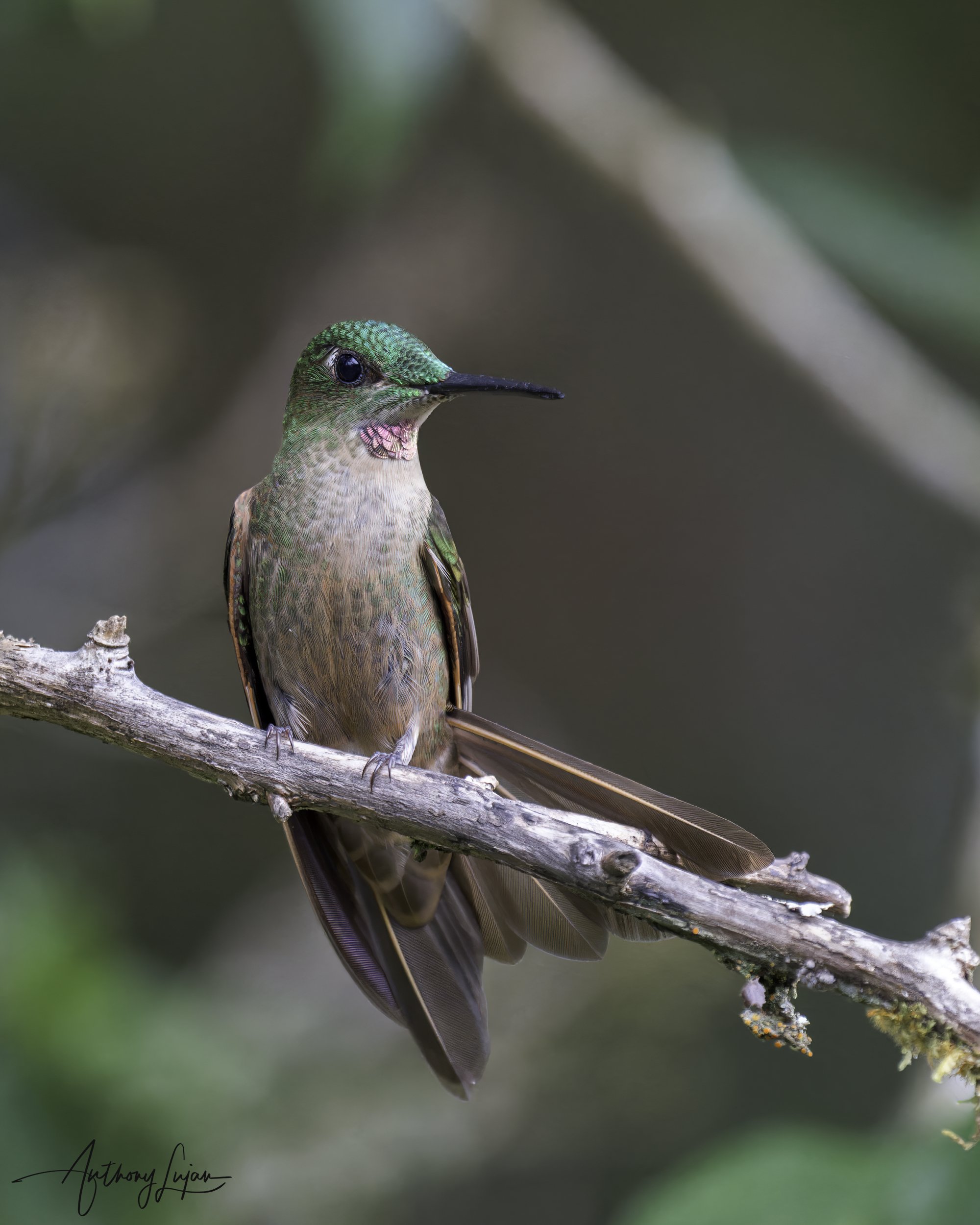
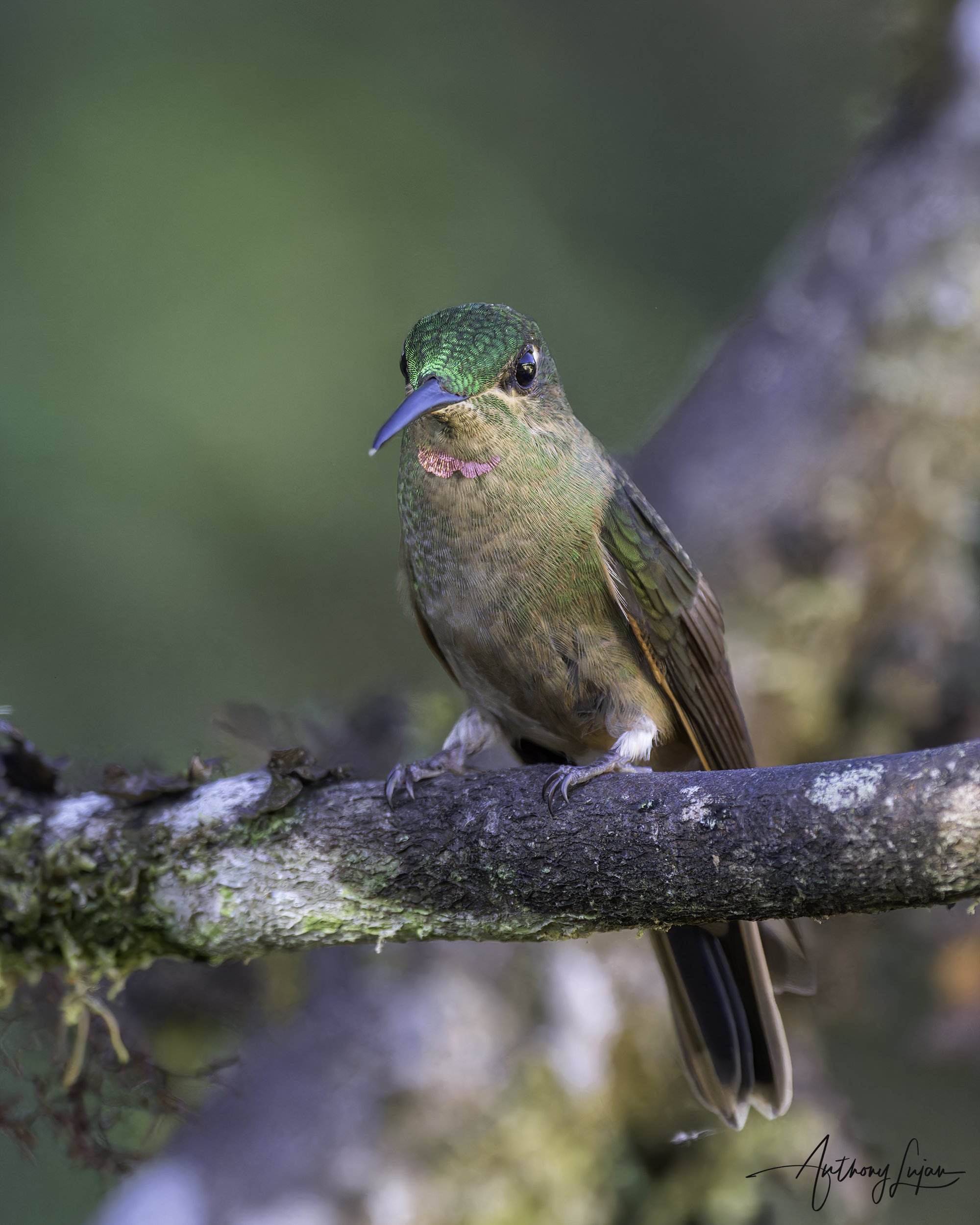
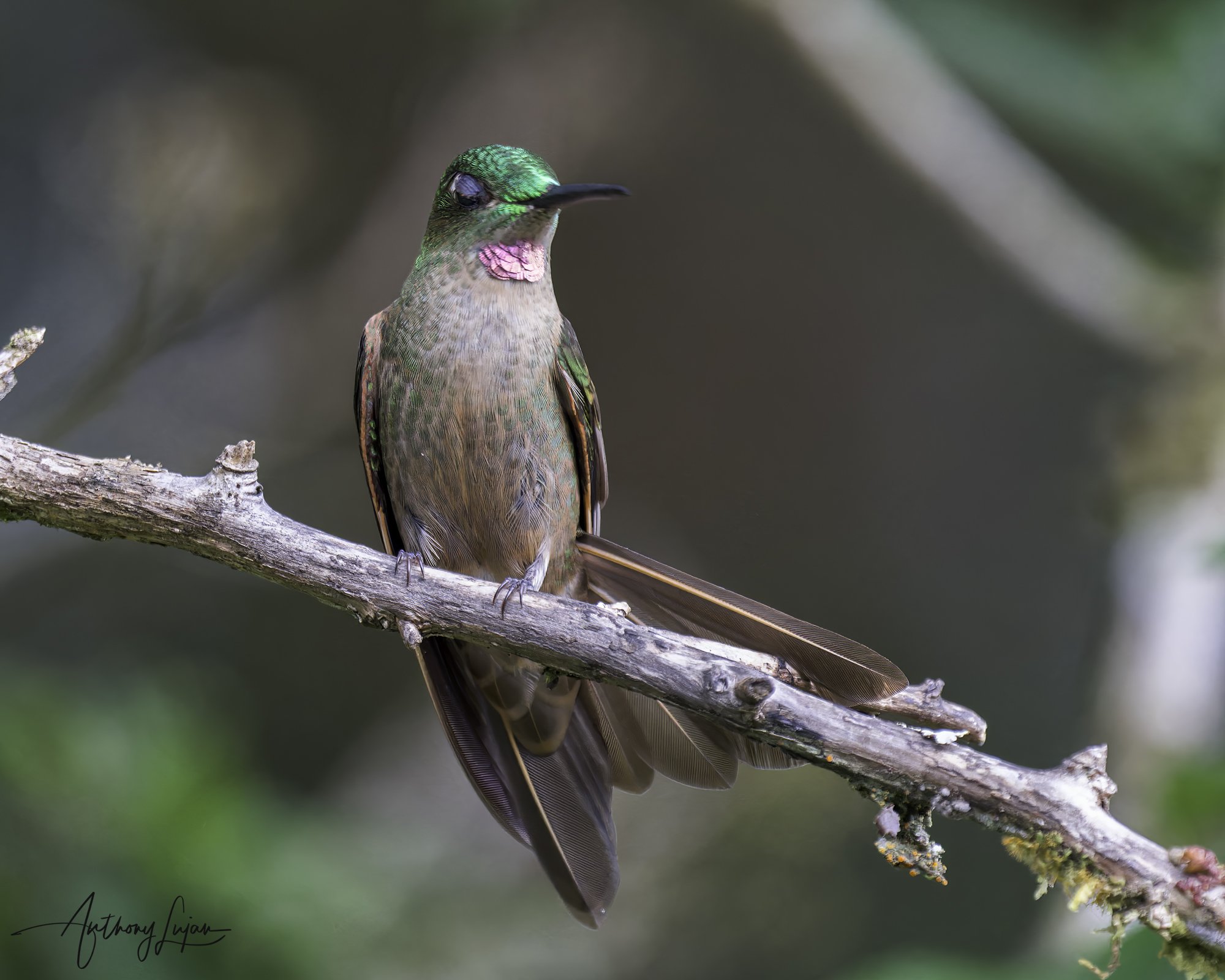
Below is the Fawn-breasted Brilliant (Heliodoxa rubinoides aequatorialis)
Photographed at Owlet Lodge, Amazonas, Peru
This individual belongs to the subspecies aequatorialis, which occurs from southern Ecuador south into northern Peru (Amazonas and San Martín). It inhabits similar elevations (1,400–2,500 meters) in humid montane forest and forest edge, often near flowering clearings or ridge trails.
The aequatorialis form is slightly darker and more bronzy above than rubinoides, with a deeper buff tone on the underparts. It forages methodically among flowers in the mid-story and canopy, often visiting the same circuit of blossoms each day.
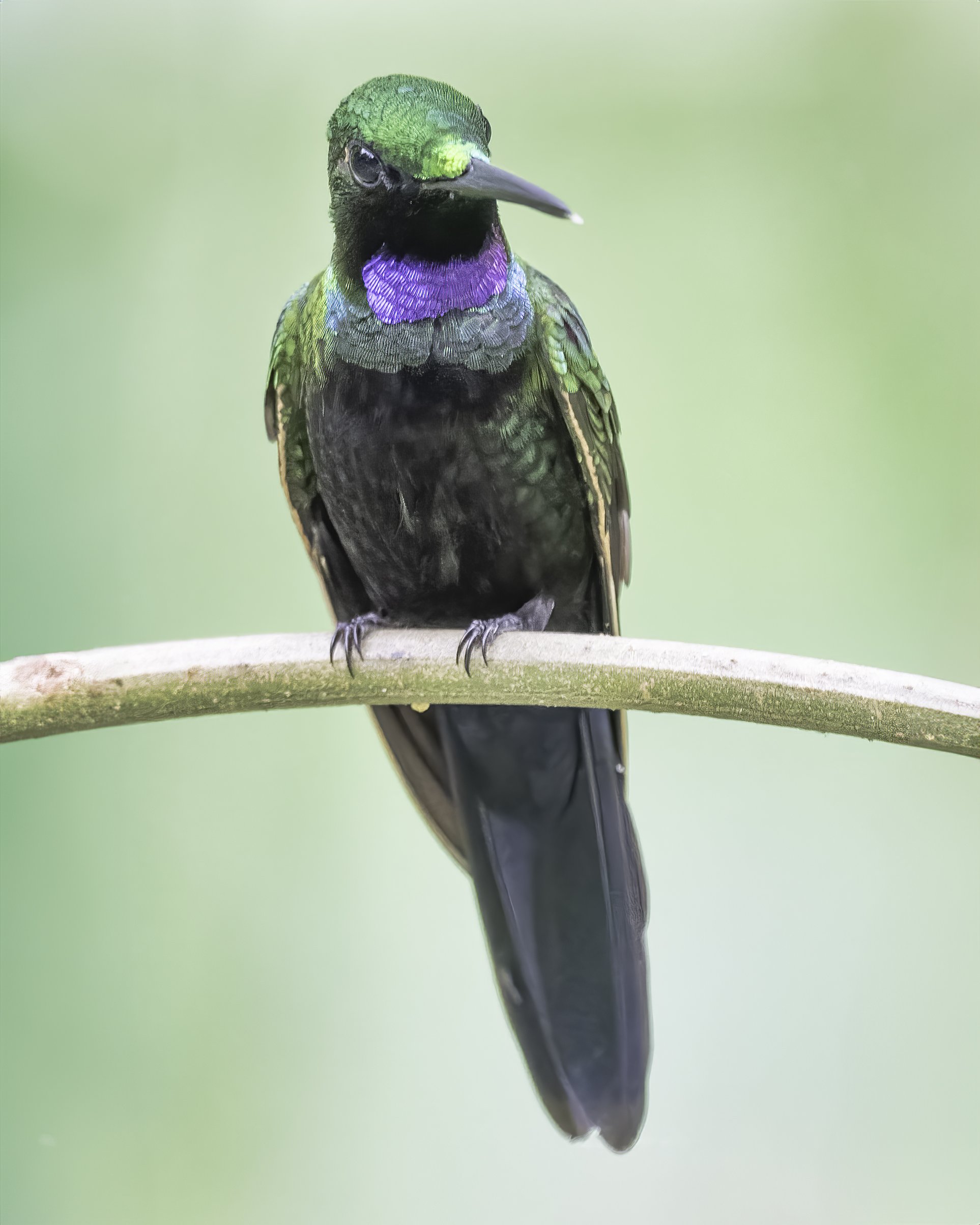
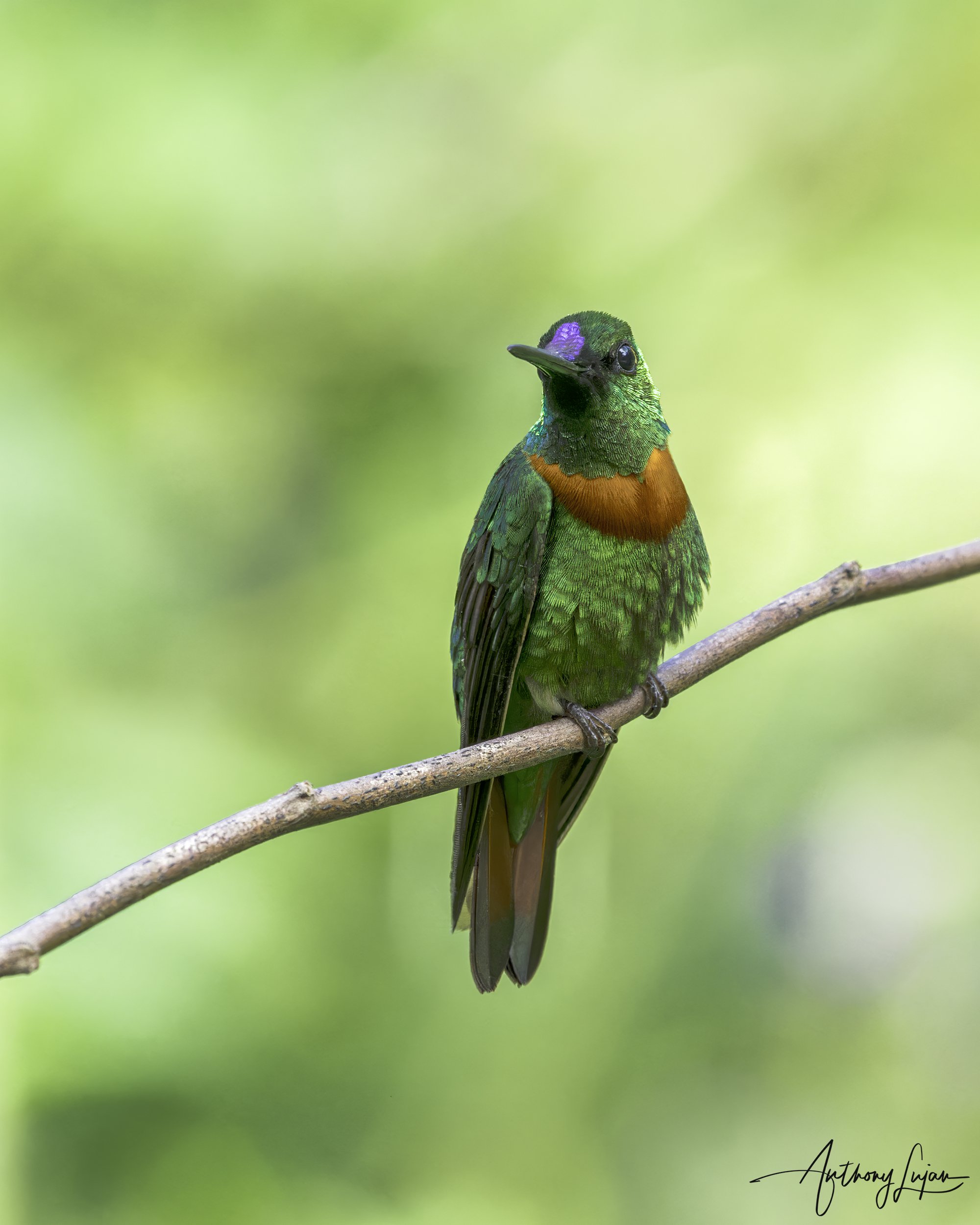
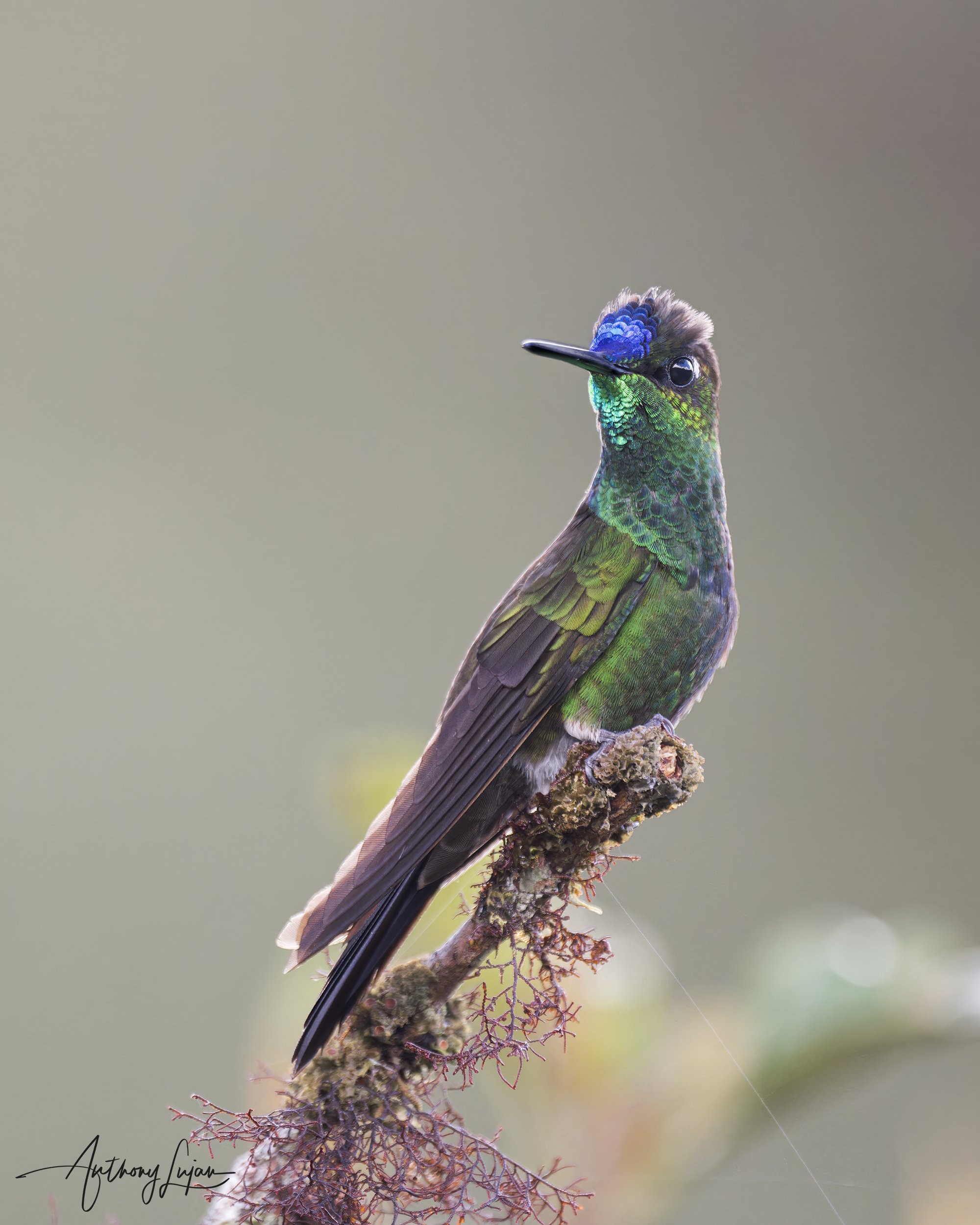
Related species in the Heliodoxa genus (10 species total):



Please note: The content provided in this article reflects Anthony’s personal experience and photographic approach. Results can vary depending on light, weather, location, equipment, subject behavior, and field conditions.